How to use saffron when cooking?
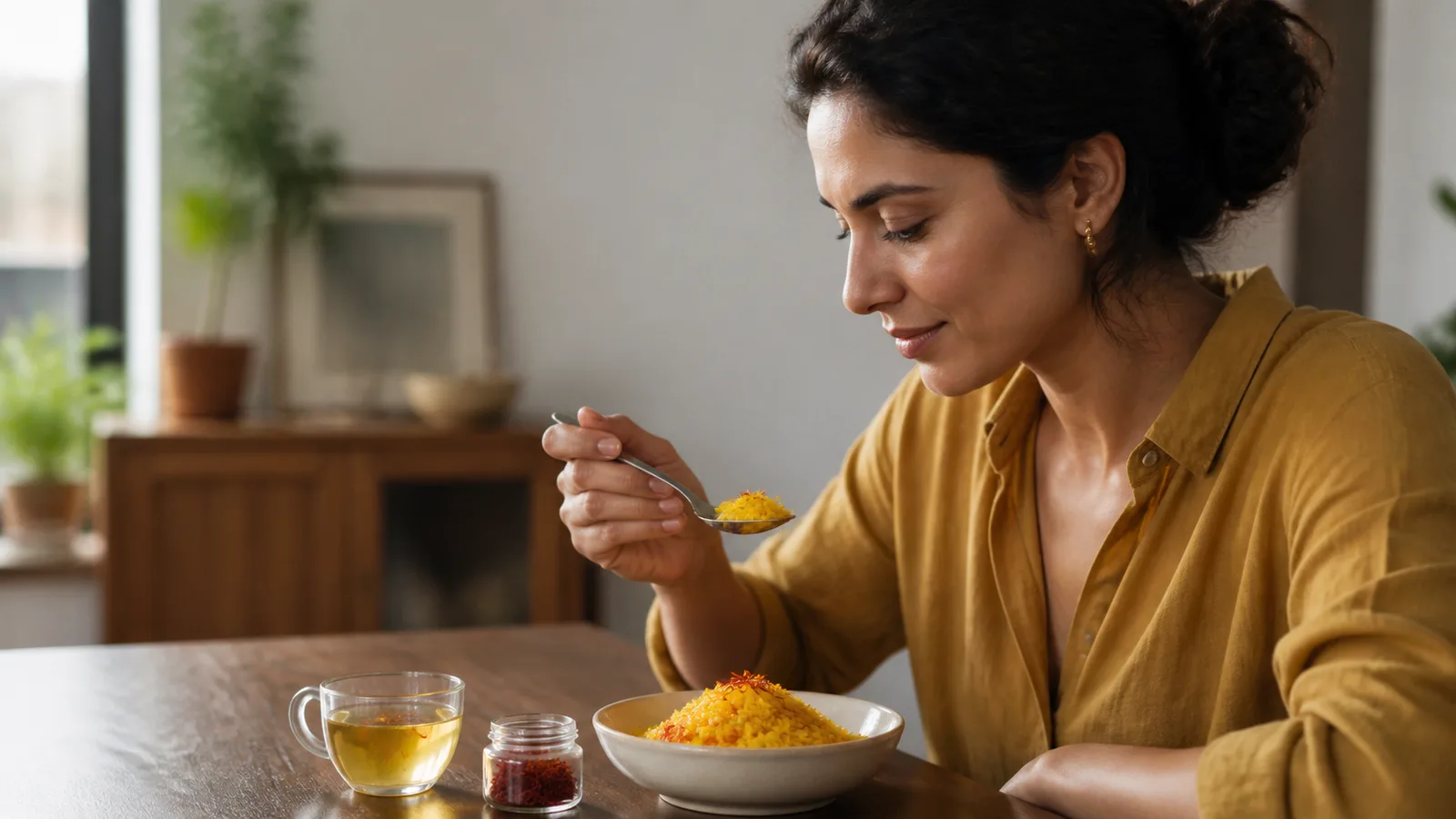
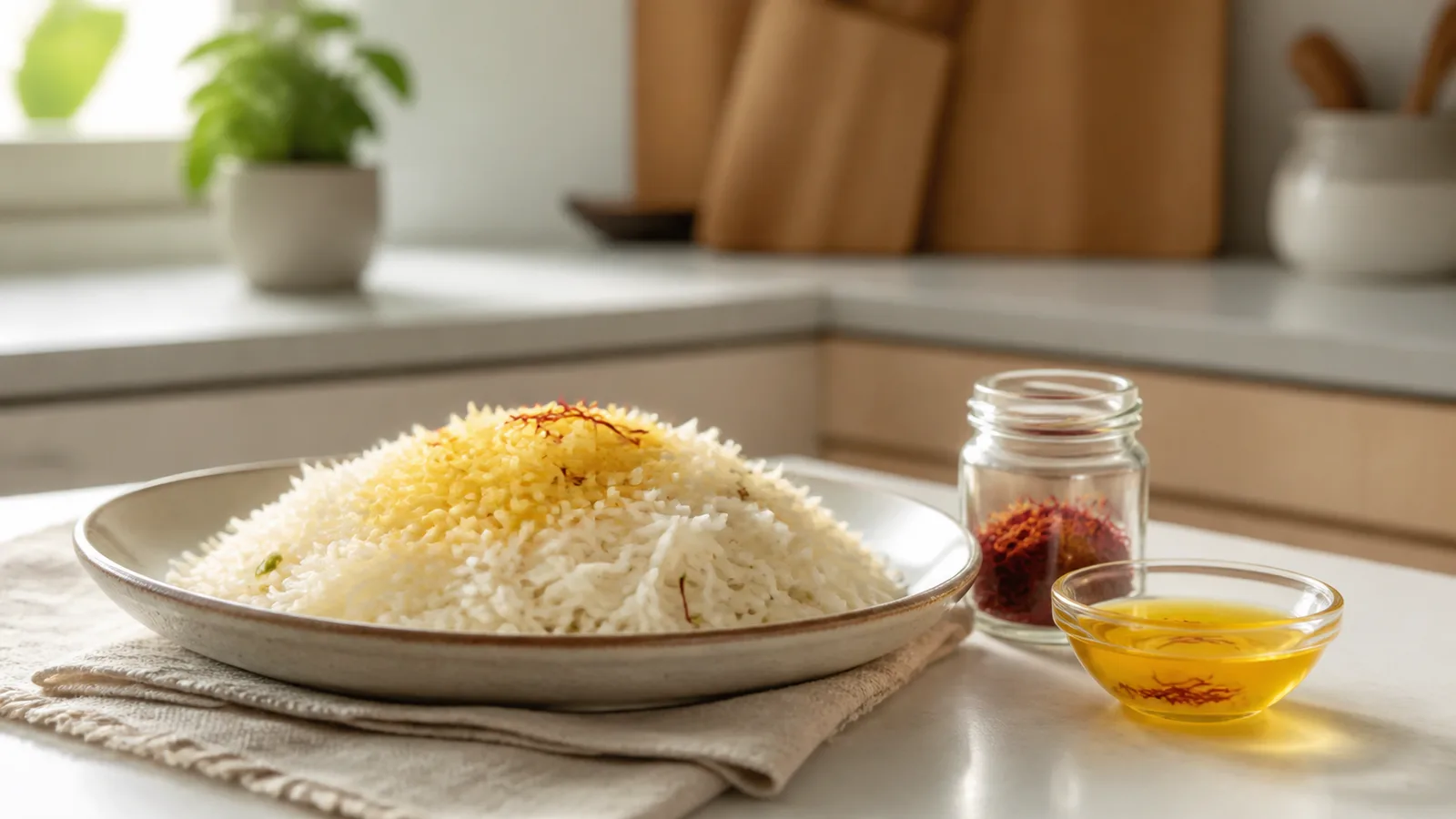
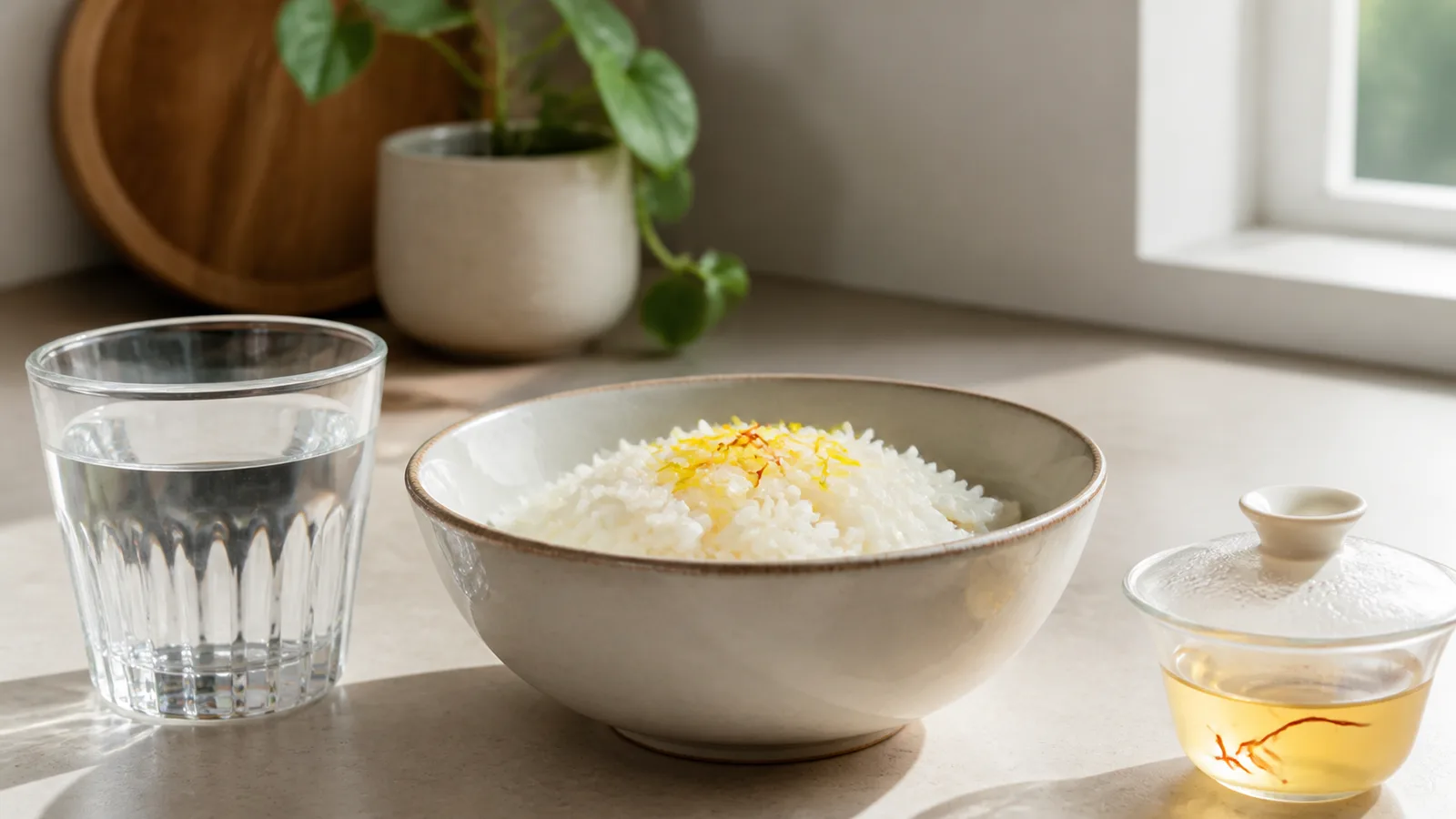
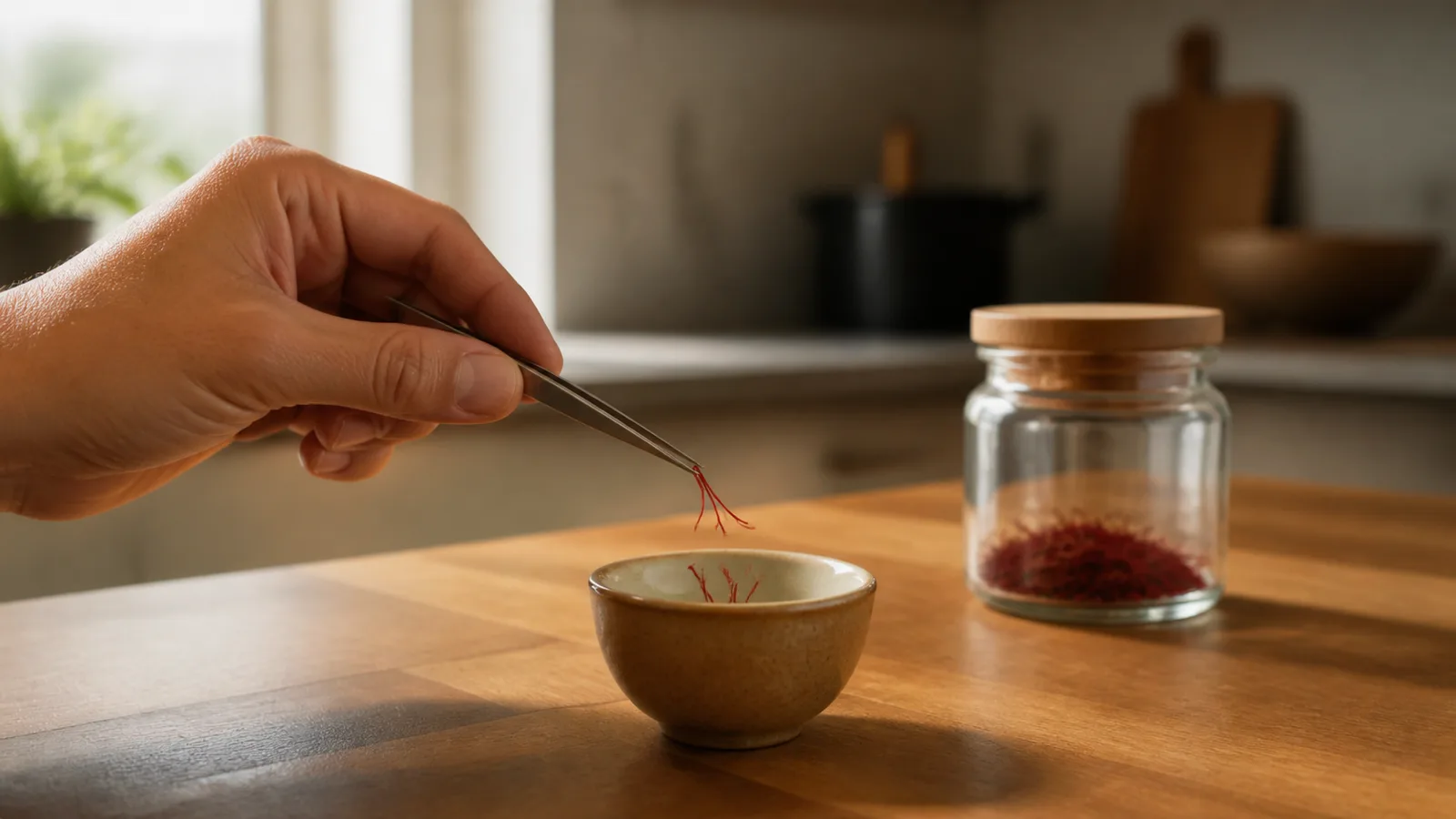
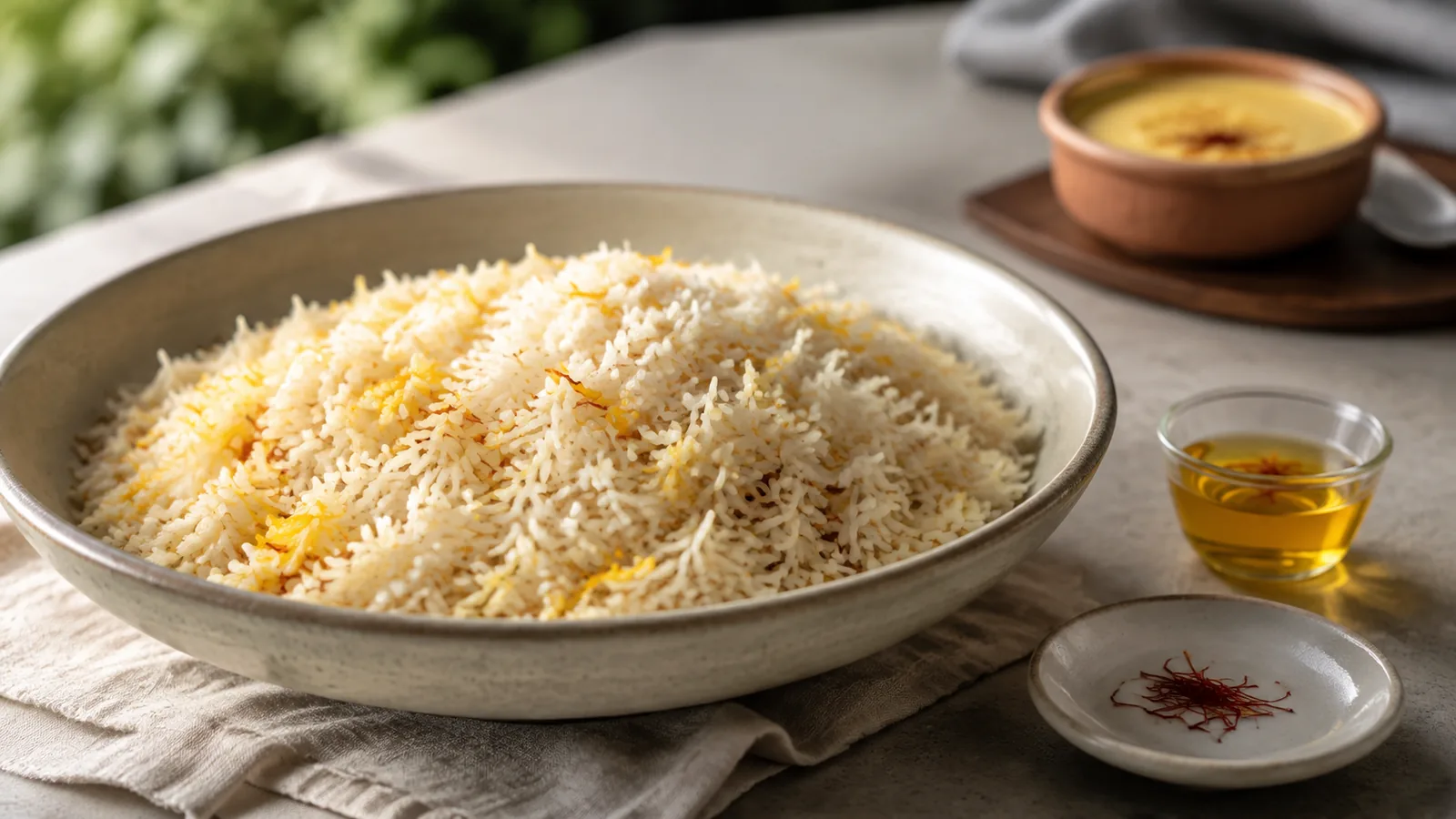
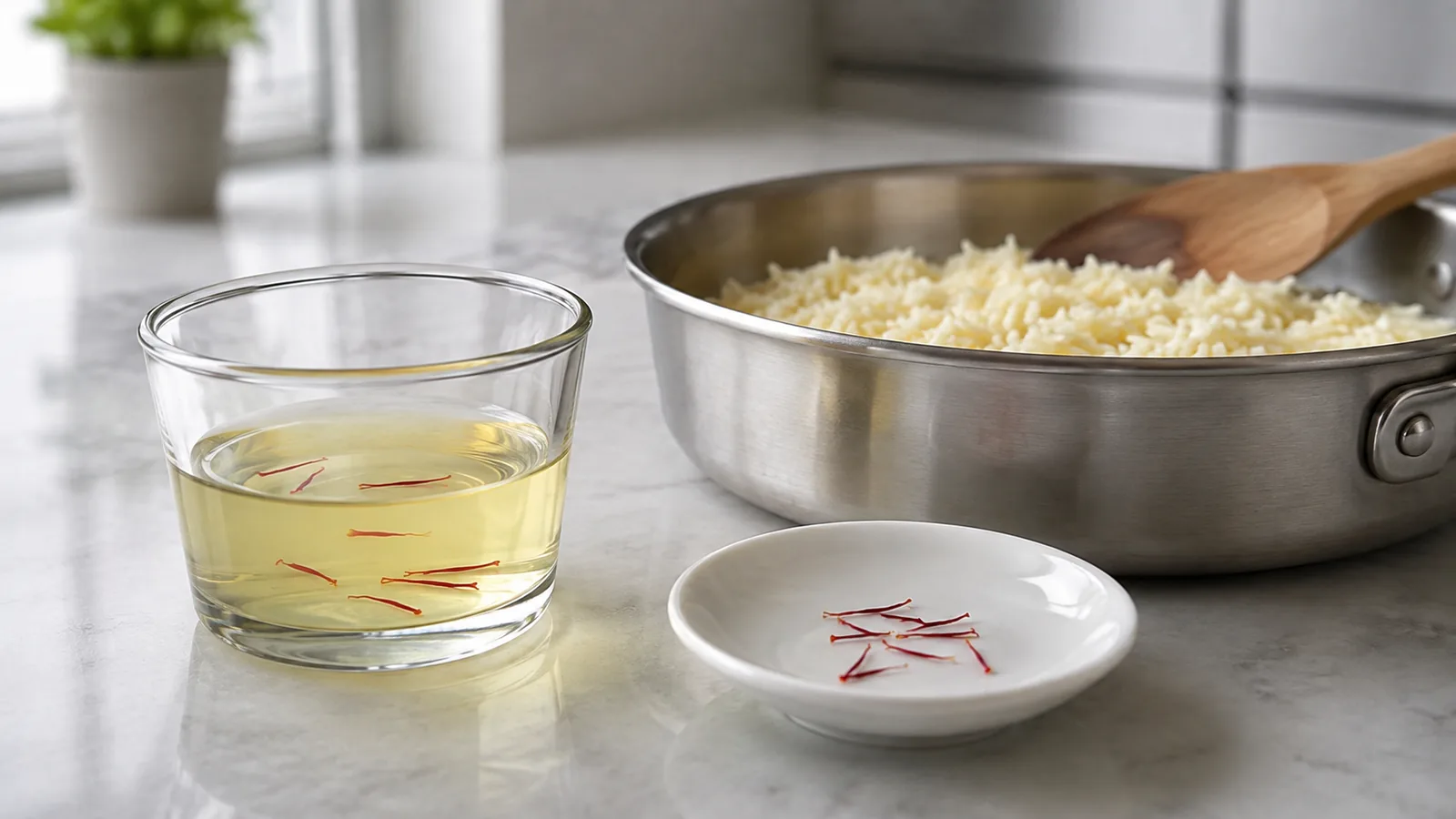
Using saffron in cooking is straightforward: lightly crush a small pinch of threads, bloom them in two or three tablespoons of warm water, stock or ... Read More...




Using saffron in cooking is straightforward: lightly crush a small pinch of threads, bloom them in two or three tablespoons of warm water, stock or ... Read More...
For most people, the immediate effect of saffron is culinary: it adds a golden colour, a floral-hay aroma and a gently bitter, honeyed flavour to ... Read More...
Small culinary amounts of saffron are not known to be hard on healthy kidneys. The more important question is whether someone has kidney disease and ... Read More...
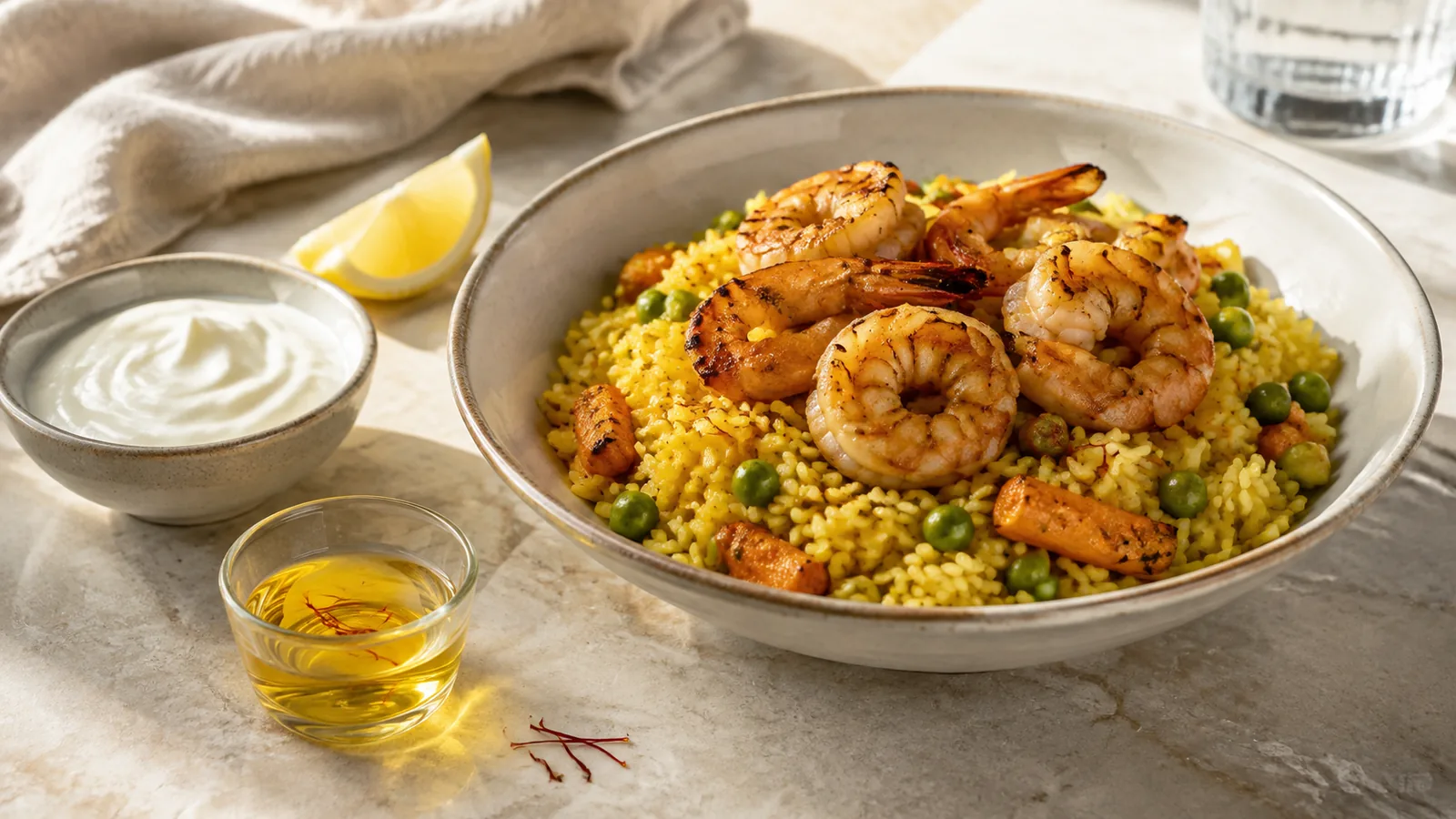
The foods that pair with saffron best are mild grains, seafood, chicken, lamb, gently flavoured vegetables and creamy dairy ingredients. Rice is the easiest starting ... Read More...
Saffron is not generally bad for the gut when it is used in the small amounts typical of cooking. However, concentrated tea, extracts or supplements ... Read More...
The possible bad effects of saffron include nausea, vomiting, diarrhoea, headache, dizziness and allergic reactions. These risks of saffron use depend heavily on the amount ... Read More...
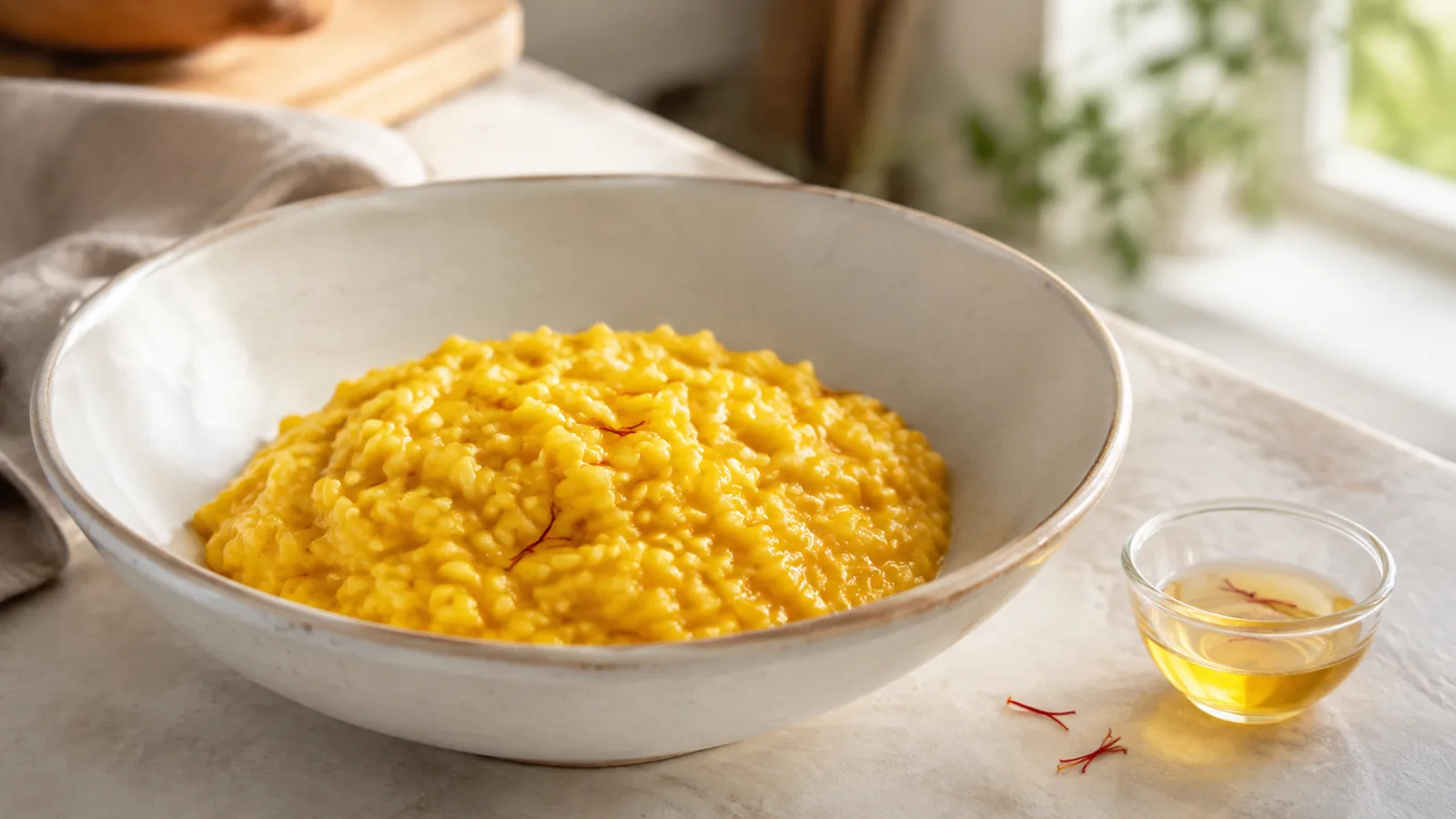
Yes. Italians cook with saffron, although it is a distinctive ingredient rather than an everyday seasoning in every region. Its best-known Italian role is in ... Read More...
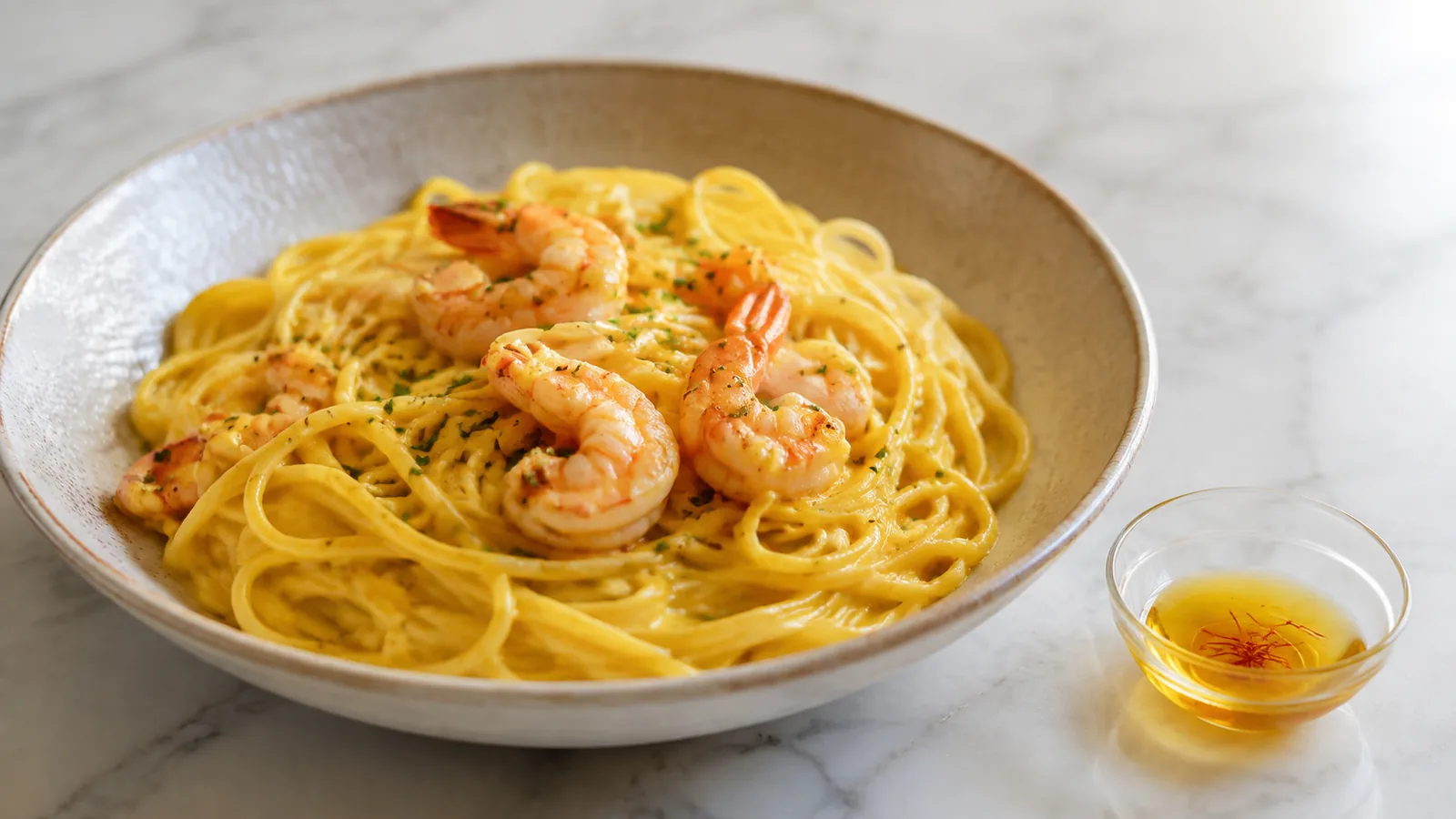
To use saffron in pasta, bloom a small pinch of lightly crushed threads in warm water or stock for 10 to 15 minutes, then stir ... Read More...
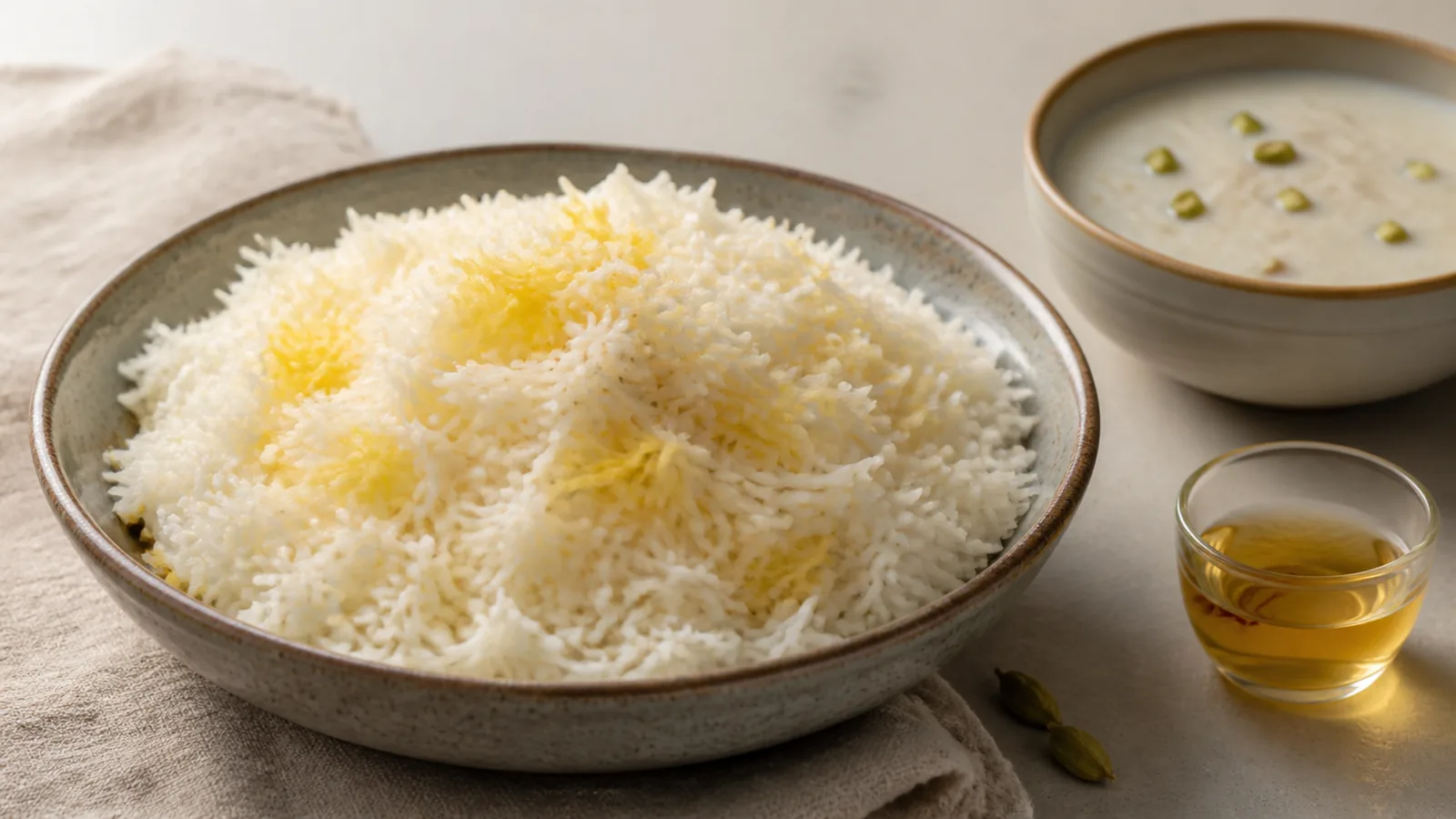
Is saffron used in Indian food? Yes—especially in festive rice dishes, milk sweets and recipes shaped by Mughal and regional traditions. It is not an ... Read More...
Saffron has three main purposes in cooking: it gives food a distinctive aroma, a gentle bittersweet flavour and a natural golden colour. Used well, it ... Read More...