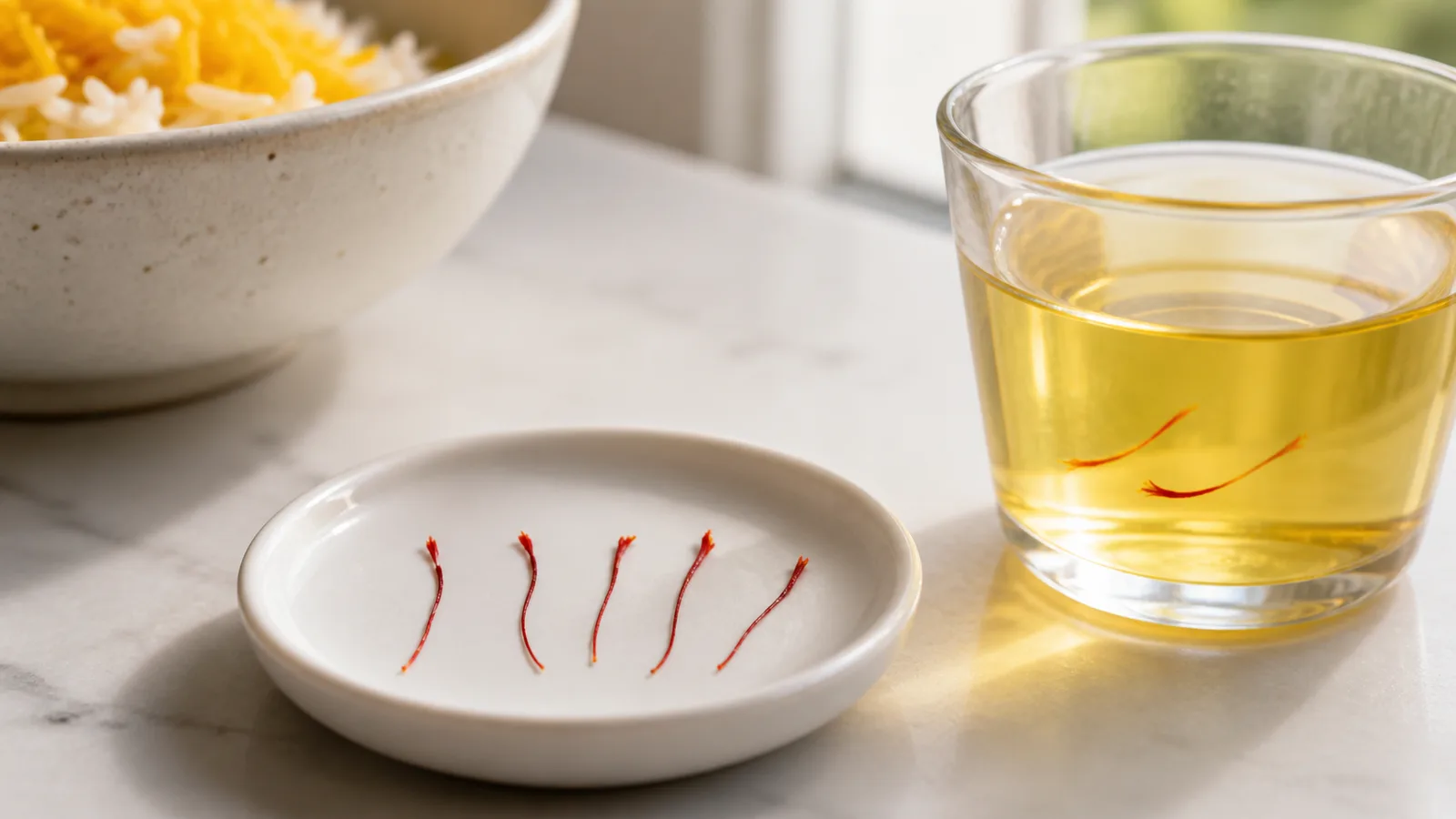
If saffron is not turning the liquid golden yellow, the usual causes are too little saffron for the volume, poor extraction, old or weak threads, or a cooking medium that hides the colour. Saffron color issues are easier to diagnose when you test a small infusion before blaming the recipe.
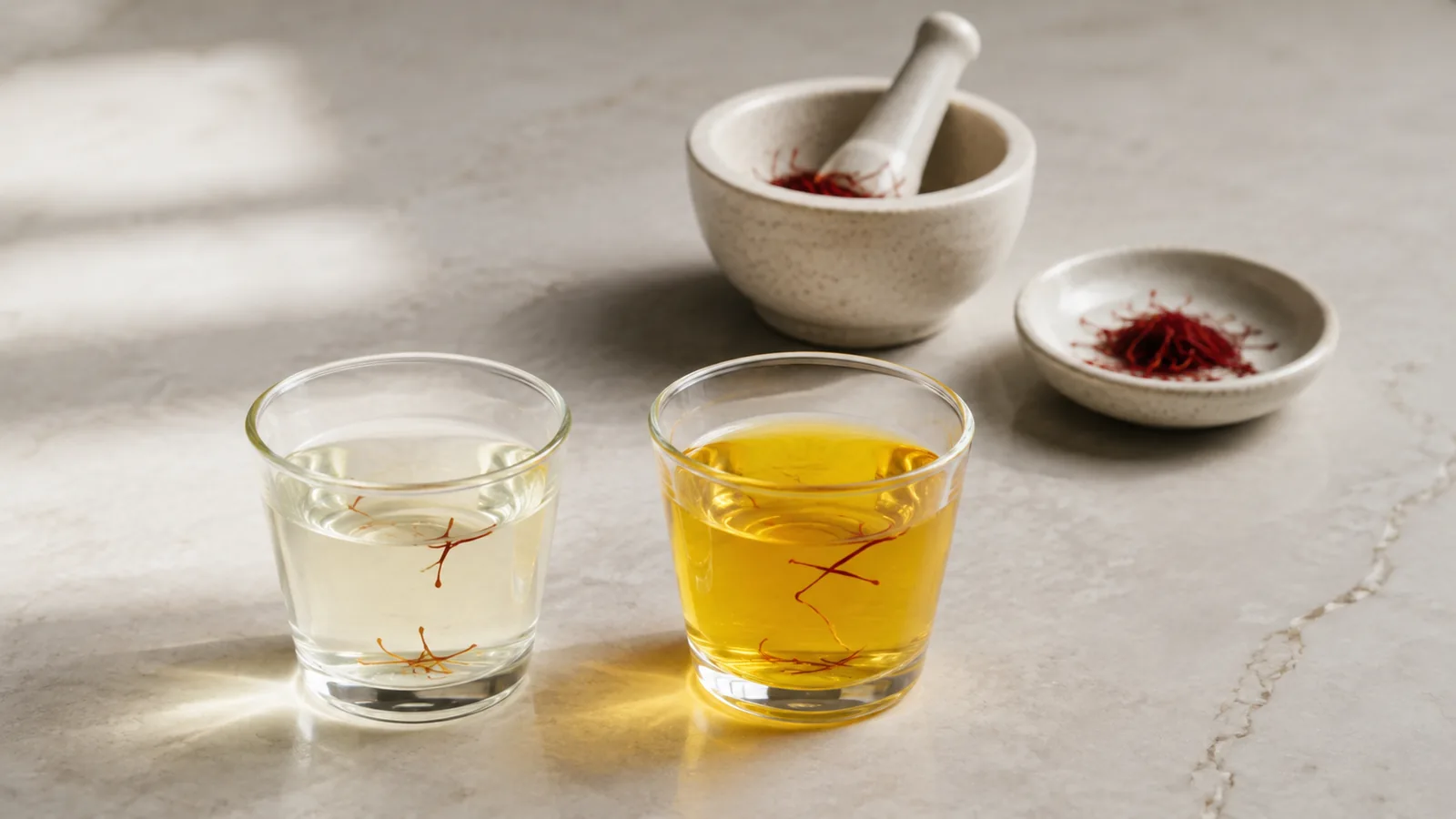
First, know what genuine saffron colour looks like
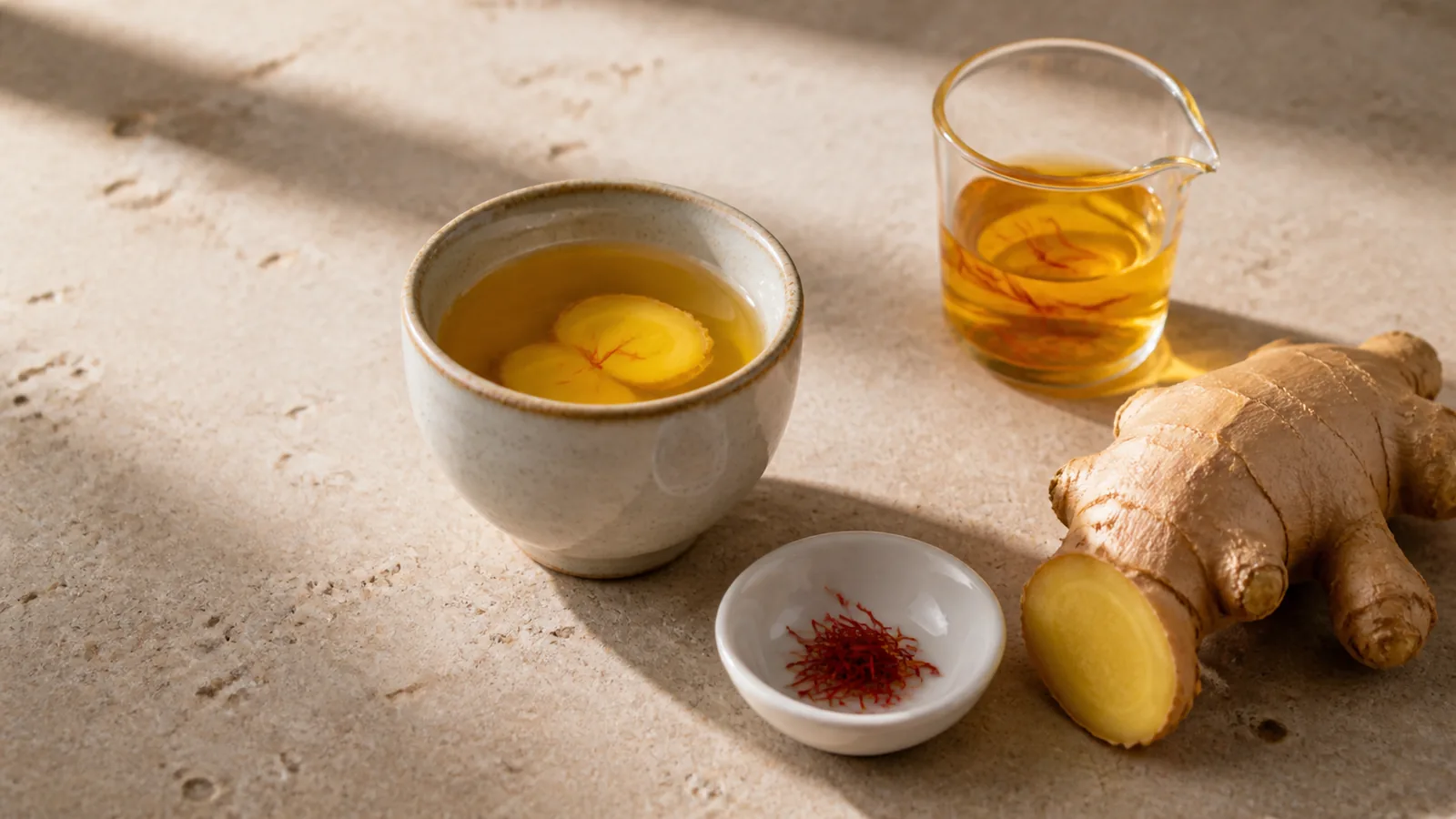
Dried saffron threads are deep red, but their water-based infusion becomes yellow to golden orange. The threads do not need to turn yellow themselves. Colour normally spreads over several minutes rather than appearing as an instant cloud of bright red dye.
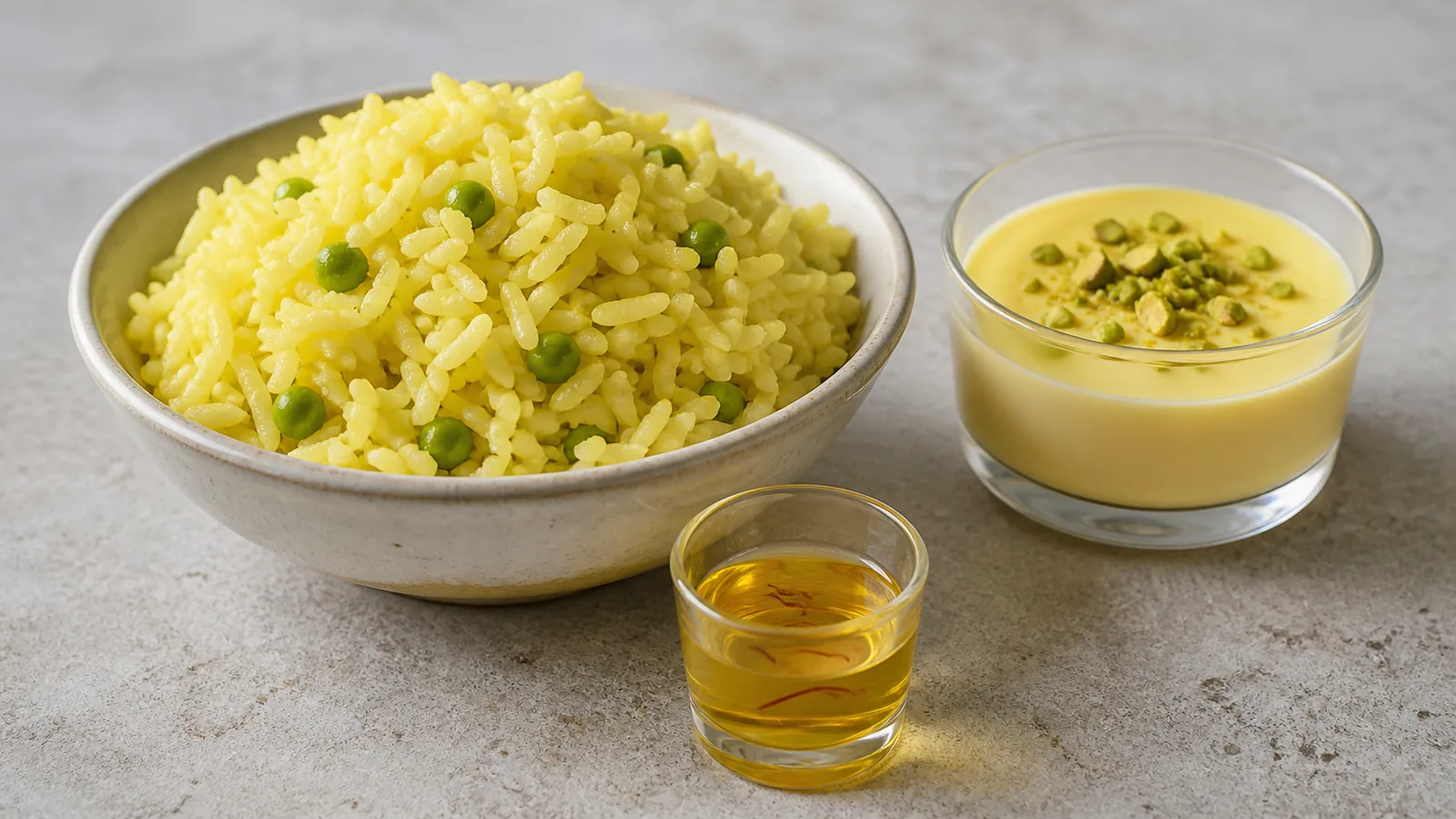
The main colour compounds are crocins, a family of water-soluble carotenoids. A strong infusion can look deep gold in a small glass, then become much paler when mixed into a pot of rice, milk or broth. Judge the final colour against the amount of liquid and food, not against a concentrated photograph.
Common reasons saffron is not turning yellow
There is too little saffron for the dish
A few threads may colour a small cup of water but disappear visually in several litres of stock. Begin by testing the same saffron in a small quantity of warm water. If that turns gold, the product is releasing colour and the main dish is probably too dilute or visually opaque.
The threads have not had enough contact with water
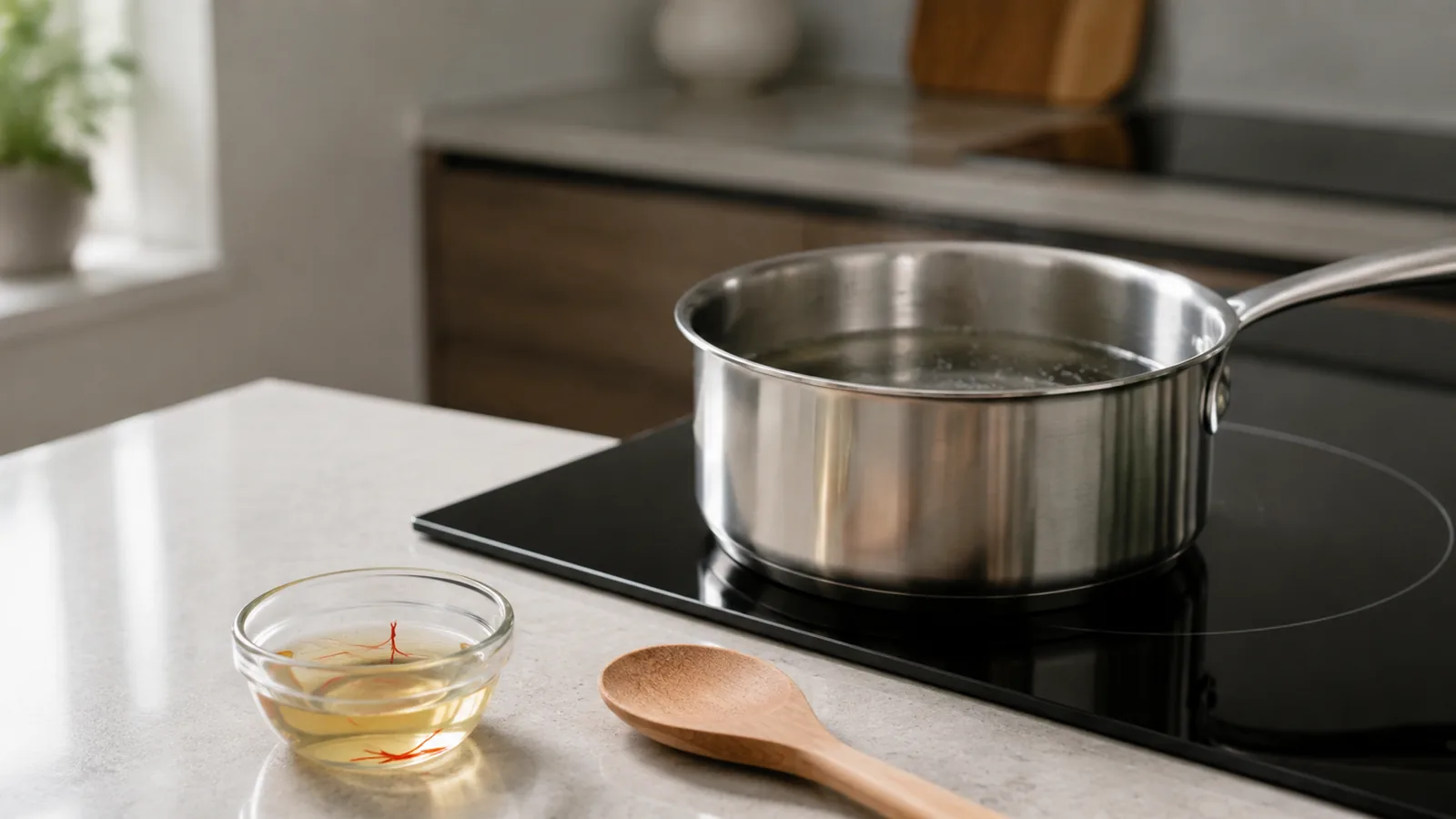
Whole dry threads release colour more slowly than lightly crushed ones. Break them with a clean mortar or between dry fingers, then steep them in a small amount of warm water or milk. Stir once and allow time for the liquid to change before adding it to the dish. Our guide to brewing saffron before cooking shows the method in detail.
The medium contains too little water
Because crocins are water-soluble, an aqueous phase helps carry saffron’s colour. A 2024 study comparing water, oil and mixed systems found that extraction varied with the medium, temperature and infusion time, with crocins particularly associated with the water phase. Adding dry threads directly to pure oil is therefore less reliable for colour than first making a small water-based infusion.
The saffron is old or was stored poorly
Time and storage conditions affect colouring strength. Research comparing freshly dried and two-year-stored saffron found lower colour intensity in the stored samples. Light, moisture, air and heat can accelerate deterioration, so keep dry threads in a tightly closed container in a cool, dark cupboard. If the aroma is present but colour is weak, age can still be part of the explanation.
Check our guide to signs that saffron has deteriorated before discarding it. A weak colour result may indicate age or storage damage, but it does not by itself prove that the spice is unsafe.
The cooking time or temperature is working against it
Water that is only lukewarm may extract colour slowly. At the other extreme, a long hard boil is unnecessary and can reduce saffron compounds. Use warm to hot liquid for the initial infusion, then add it early enough to distribute through the dish without subjecting it to prolonged aggressive heat. A brief simmer within a recipe is not the same as boiling a tiny infusion for a long time.
The food is masking the visual result
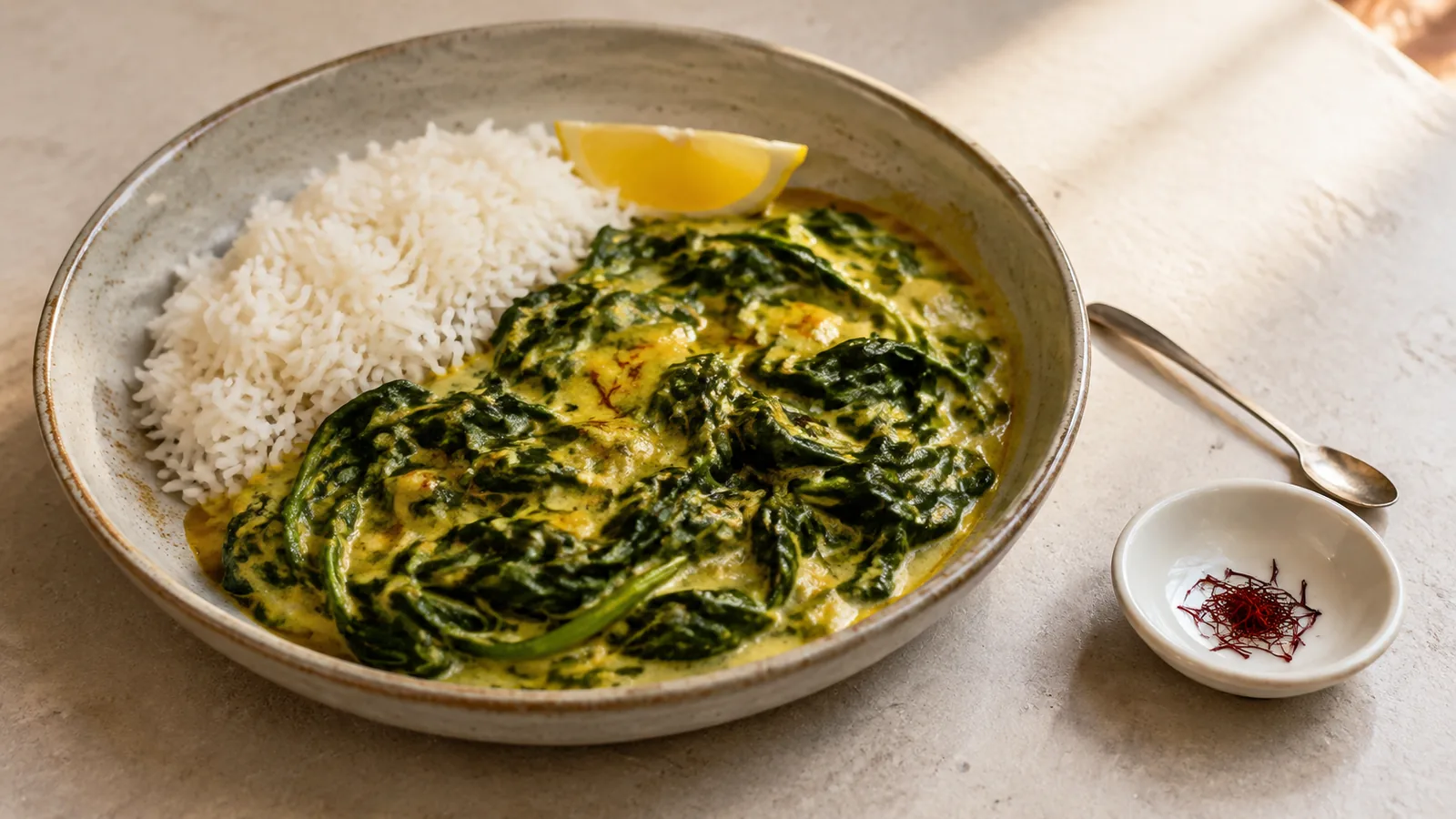
Tomato, turmeric, dark stock, cocoa and leafy greens can make saffron’s colour difficult to see. Milk and cream create a softer, opaque yellow than clear water. The saffron may still contribute flavour even when the visual change is subtle. Test it in a clear glass of water if you need to separate product performance from the colour of the recipe.
Does the country or variety explain weak colour?
Origin can influence a batch, but country is not a reliable diagnosis on its own. Harvest timing, how much yellow style remains with the red stigma, drying, storage and age all affect colour strength. Excellent and weak saffron can come from the same producing region.
The legacy idea that Spanish or Kashmiri saffron necessarily releases more colour than every other origin is too broad. Compare the actual product and its quality evidence. A clear origin statement is useful for traceability, but it is not a substitute for checking the threads, storage and infusion.
Could the saffron be adulterated?
Possibly, but colour alone cannot authenticate it. Material sold as saffron may contain dyed fibres, other plant parts or too much yellow style. Some added dyes release colour unnaturally fast; other substitutes may barely colour water. Genuine saffron also varies, so a home water test is a warning screen rather than proof.
Inspect the dry material under good light. Saffron stigmas have a recognisable irregular shape rather than looking like uniformly cut plastic threads. Check the seller, lot and origin information, and use appropriate laboratory testing for a high-value commercial purchase.
A quick troubleshooting method
- Place a small measured pinch of threads in a clean, clear glass.
- Lightly crush part of the sample so more surface is exposed.
- Add a small amount of warm water and stir once.
- Watch for a gradual yellow-to-golden infusion over several minutes.
- If colour appears, adjust the amount for the volume and colour of the dish.
- If it remains almost clear, review age, storage, thread quality and authenticity.
A pale result is often fixable with better extraction or a more realistic ratio. If a correctly prepared small test stays colourless, stop adding more to the recipe until you have checked the product itself.
The practical answer
Saffron should colour a water-based infusion gradually, but the result may range from light yellow to deep gold. Use enough for the volume, lightly crush the threads, steep them in warm water or milk, avoid relying on pure oil, and protect the spice from light, moisture and prolonged heat. Do not use origin or one instant colour test as the only judgment of quality.
Sources reviewed: the peer-reviewed study on saffron compounds across infusion media, temperatures and times and the full research article on storage time and saffron colour intensity.