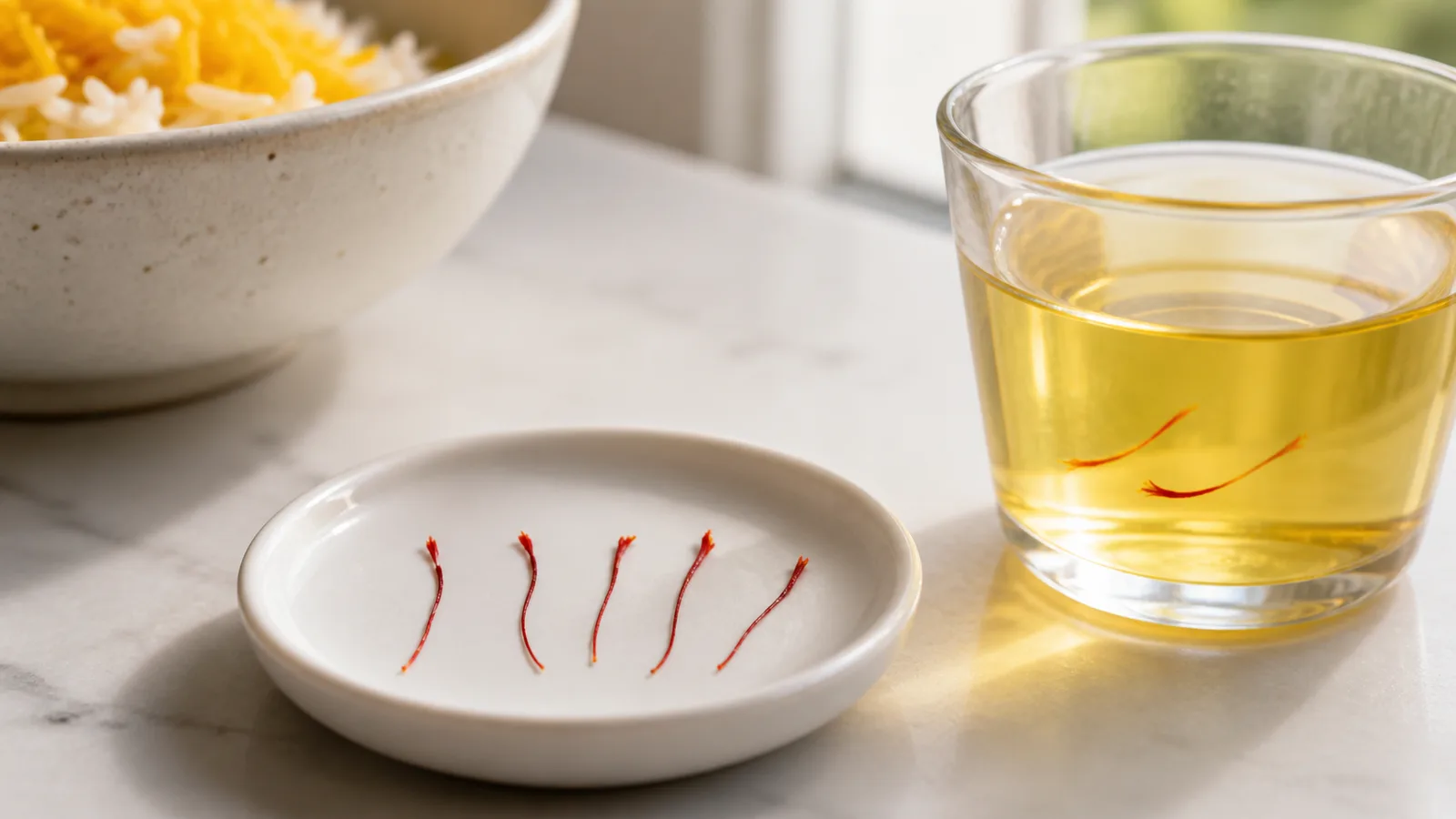
Saffron can taste weird because its natural flavour combines floral aroma, earthiness, honey-like sweetness and mild bitterness. That balance is unfamiliar to some first-time tasters. If it is sharply bitter, musty, chemical or completely flat, the likely problem is dose, preparation, storage or quality rather than saffron’s normal character.
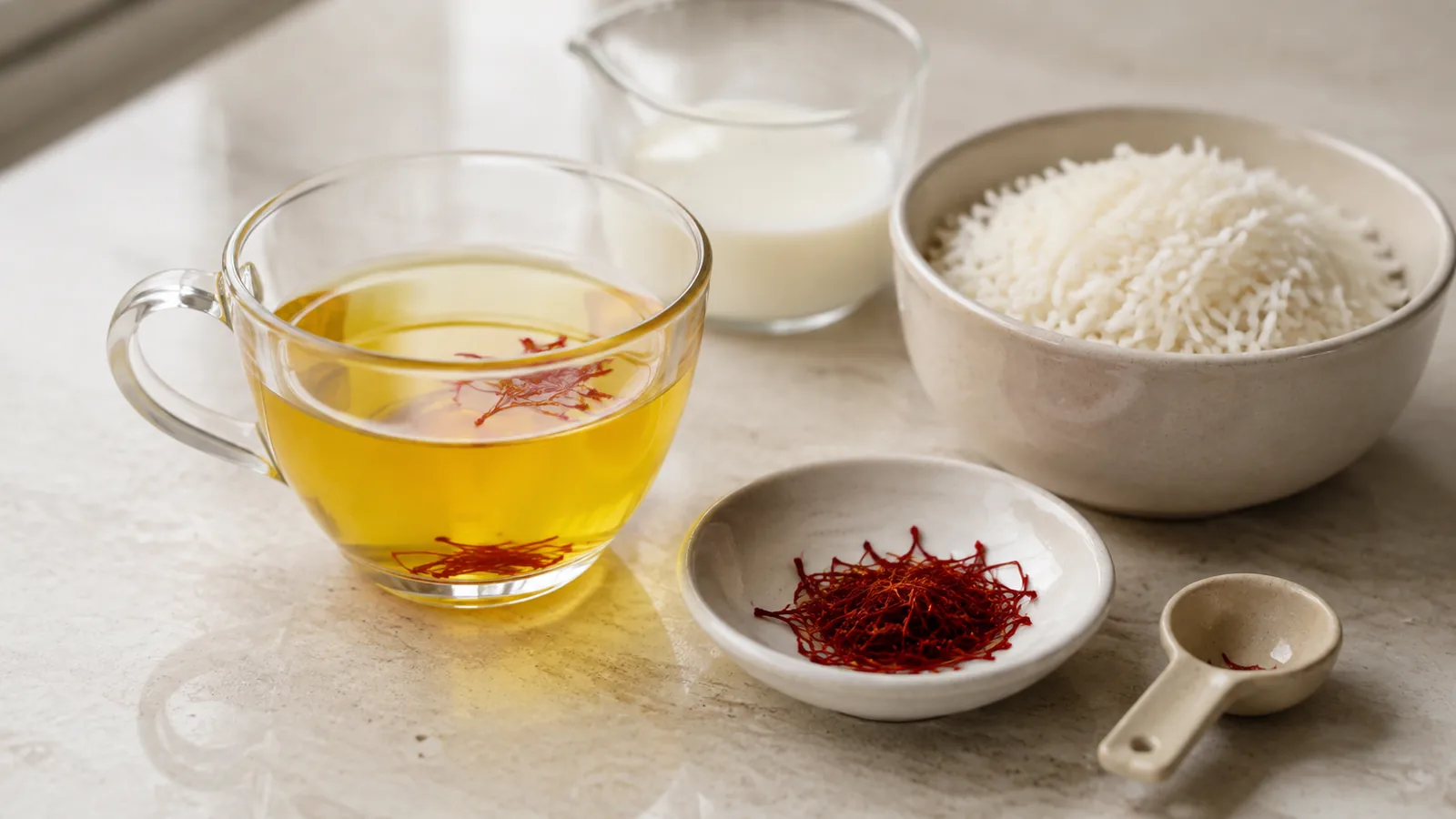
What does saffron taste like?
Does saffron have a taste of its own? Yes. The flavour of saffron is aromatic rather than hot: warm flowers and dry hay in the nose, an earthy note on the tongue and a restrained bitter finish. Some people notice a faint mineral or metallic edge in a concentrated infusion.
Those descriptions overlap. Saffron taste is not the same as sugar, perfume or medicine, although too much can push it toward any of those impressions. Our fuller saffron taste explanation separates aroma from taste.
The dose may be too high
More saffron is not always better. Overuse is one of the simplest reasons a dish tastes strange. A large pinch in a small cup or serving concentrates the bitter side and can make the food taste medicinal. It may also cover the ingredients the saffron was meant to support.
Measure the spice, note the size of the recipe and adjust on a later batch. Trying to rescue an excessive dose with sugar can create a second imbalance.
The threads may not have been infused
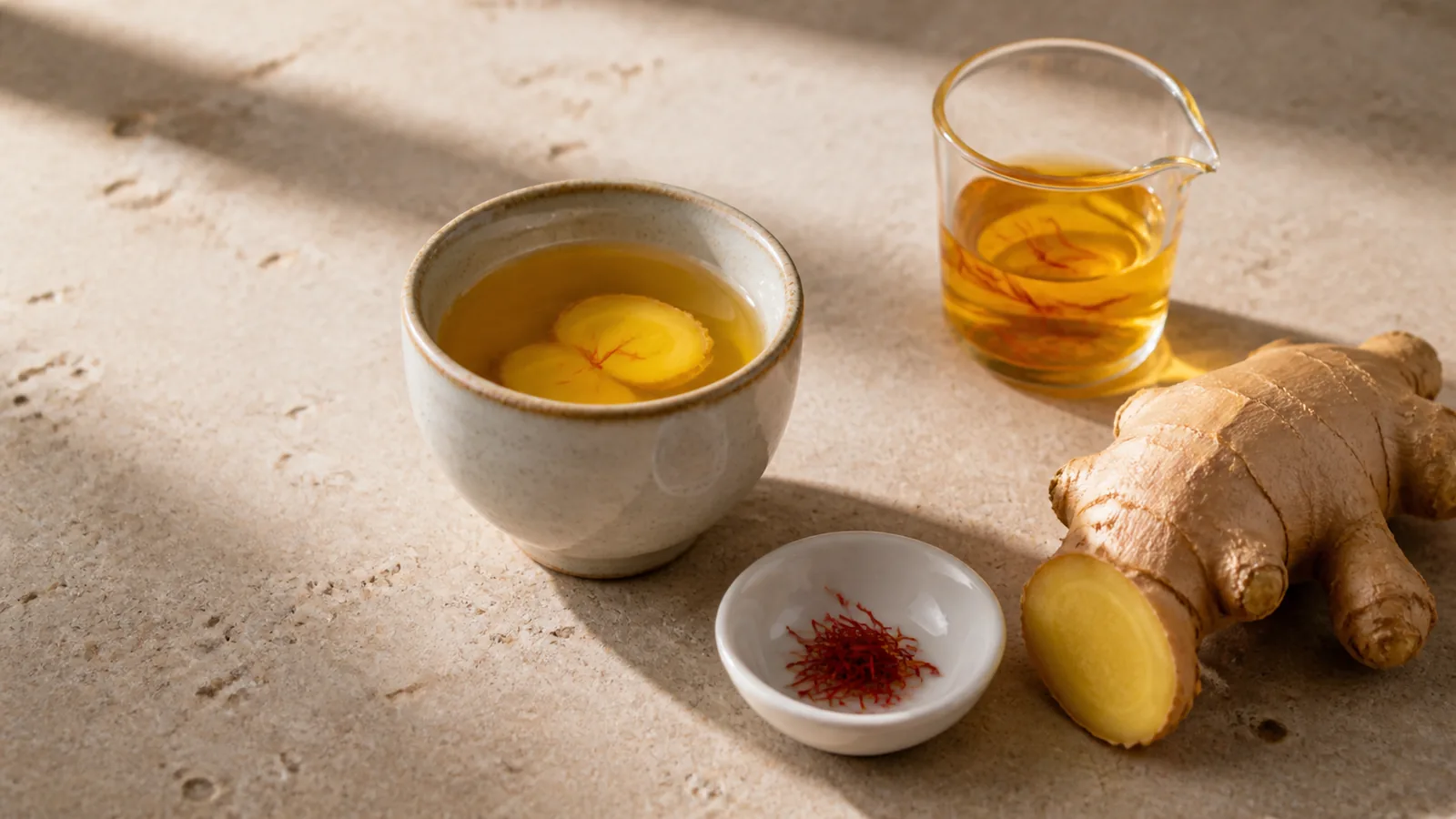
Dry threads added directly to a dish can release unevenly. One bite may contain a concentrated thread while the surrounding food has little aroma. Light crushing and a short infusion in warm water, milk or broth spreads colour and flavour more evenly.
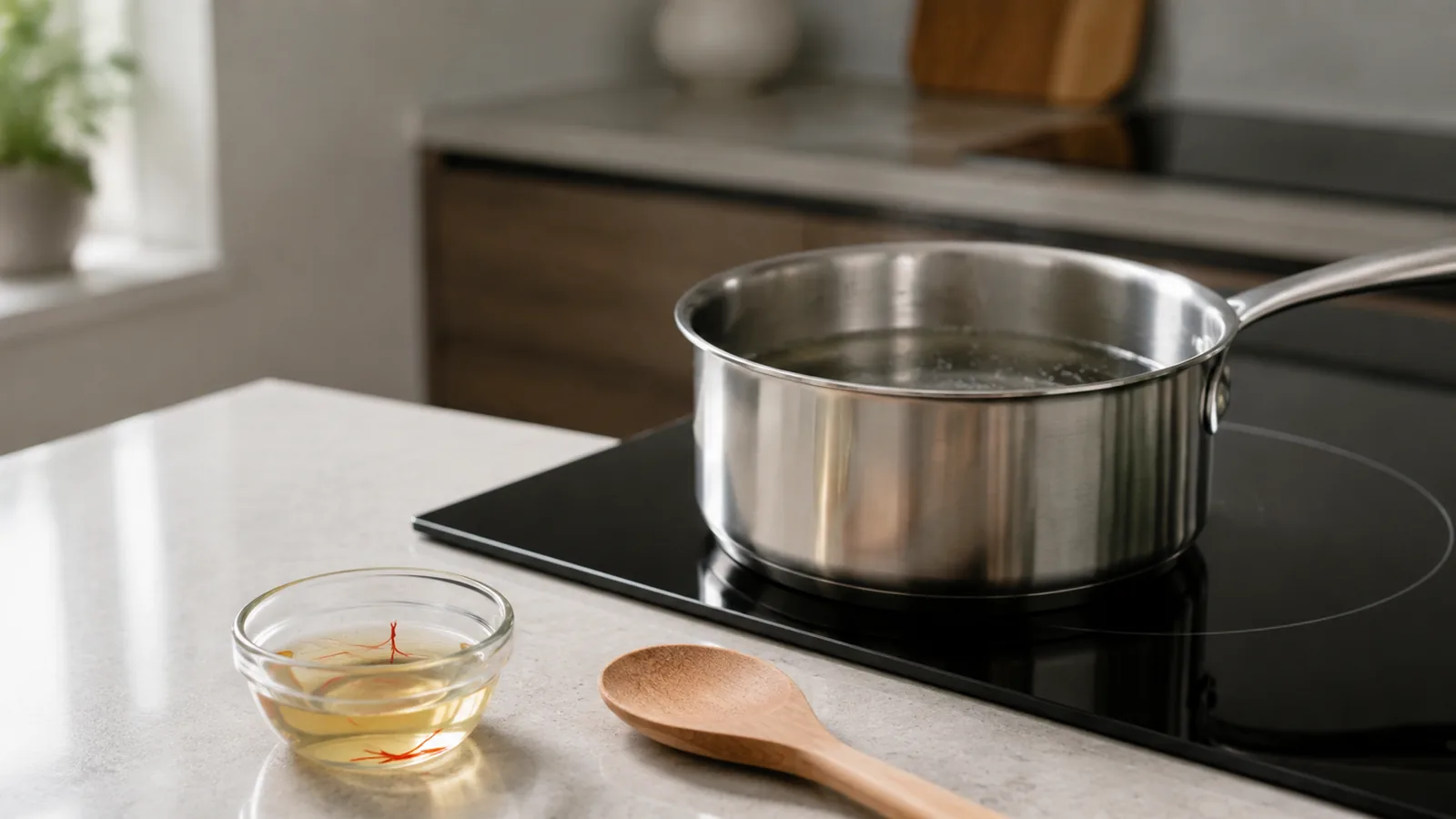
The liquid should be warm, not furiously boiling. Covering the cup helps retain aroma. See the best way to brew saffron for a practical method.
High heat can flatten the aroma
A long, aggressive boil can drive off delicate fragrance. The dish may keep its yellow colour while tasting dull or oddly bitter. Add the infusion at a stage that allows distribution without cooking away every aromatic note.
This does not mean saffron can never be heated. It is used in rice, soups and stews. Temperature, time and the amount of exposed liquid determine what remains.
Old saffron can taste flat or dusty
Light, air, heat and moisture weaken saffron during storage. Old threads may produce colour but little fragrance, leaving an earthy or dusty impression. A musty smell is different and can indicate damp storage or spoilage.
Keep threads airtight, dark, cool and dry. Open the container briefly and crush only what you need. Do not taste material that smells mouldy or shows moisture damage.
Low-quality or adulterated material may taste wrong
A low-quality lot can contain excess yellow style, old material or poorly dried threads. Adulterated products may mix genuine saffron with other plant matter or colouring. That can create weak aroma, artificial sweetness, harsh bitterness or an unrelated plant taste.
Taste alone cannot confirm authenticity. Compare appearance, dry and infused aroma, traceability, packaging and seller information. Laboratory methods are needed for a definitive commercial assessment.
Another ingredient may be creating the strange taste
Burnt onion, over-toasted spices, old nuts, strong rosewater or too much cardamom can all be blamed on saffron after the ingredients are combined. Taste a plain saffron infusion separately before deciding.
Milk can soften the profile; acidic or heavily smoked foods can change perception. Honey adds real sweetness and may hide the distinction between saffron’s aroma and sugar.
Cultural familiarity affects perception
People who grew up with saffron in rice, desserts or tea often recognise it immediately. A first-time taster may have no familiar category for a flavour that is floral, earthy and bitter at once. “Weird” can simply mean new.
Try it first in a quiet base such as plain rice, warm milk or a mild infusion. A heavily seasoned dish is a poor classroom.
Why saffron sometimes tastes metallic
A faint mineral impression can fall within normal sensory descriptions, particularly in strong water infusions. A sharp metallic or chemical taste is not something to ignore. Check the water, vessel, storage conditions and product before using more.
A reactive or contaminated container can also affect flavour. Use clean glass or glazed ceramic for a comparison.
Pairings that make saffron easier to understand
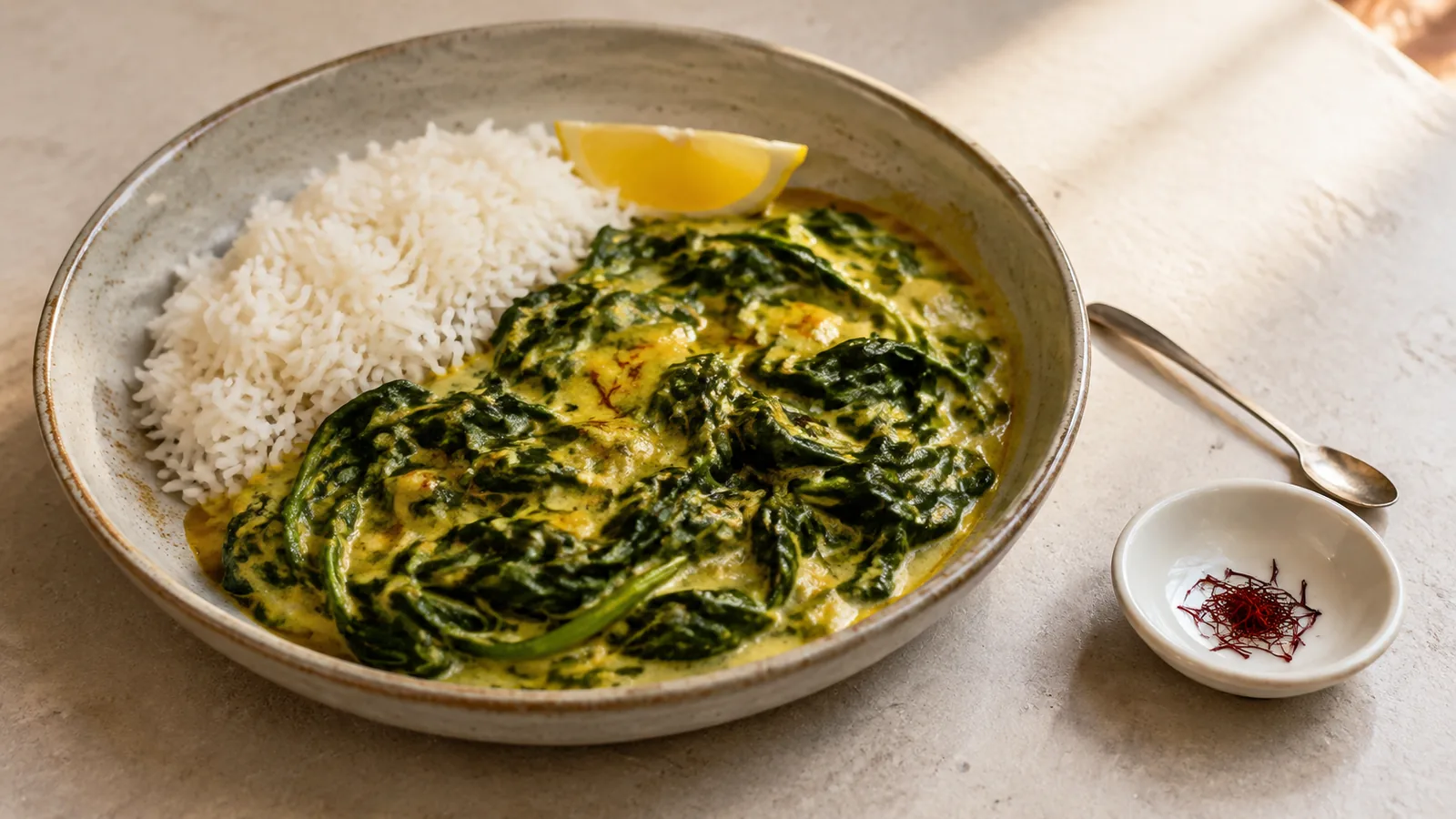
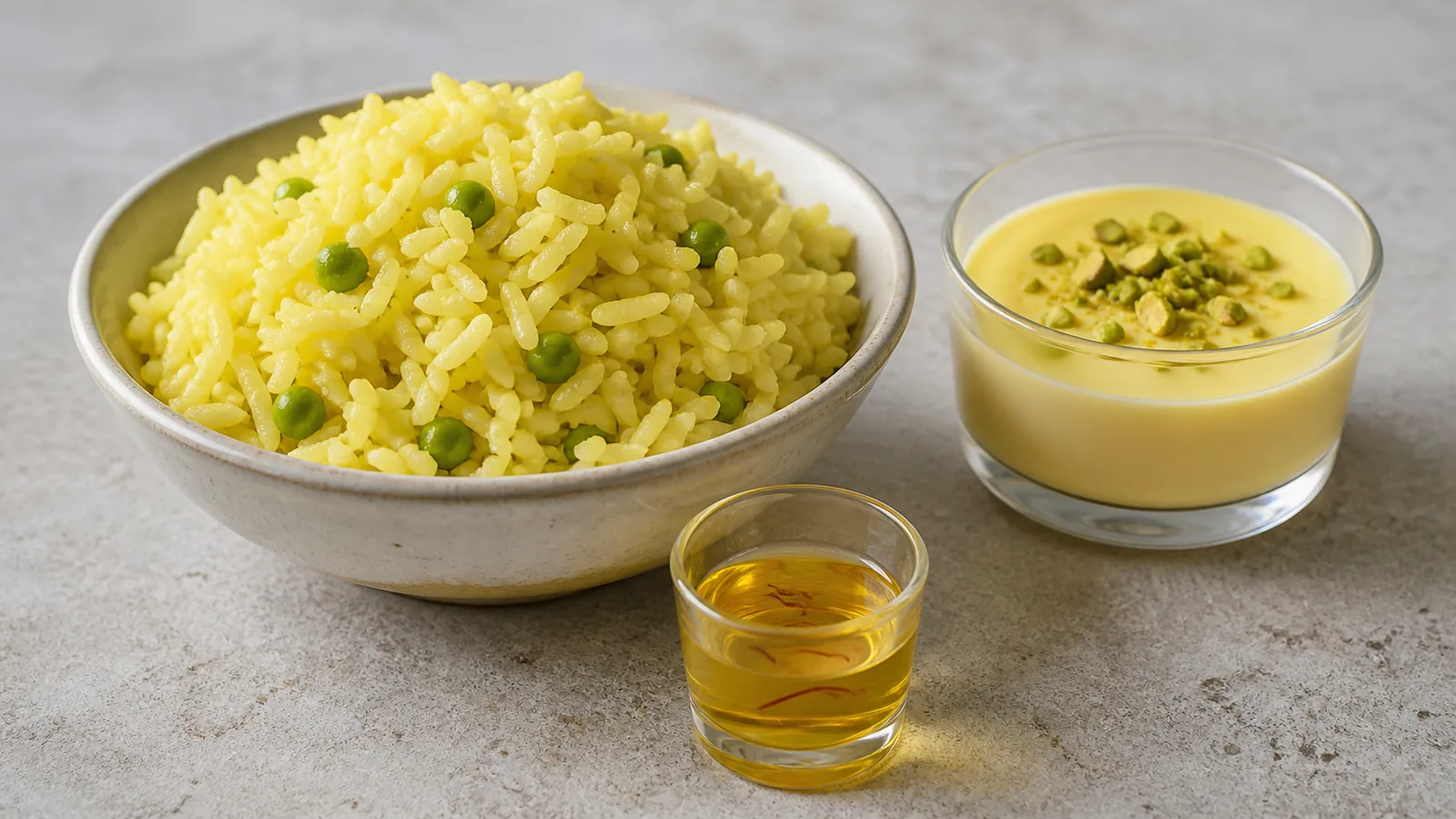
- Rice: offers a neutral base for aroma and earthiness.
- Milk: rounds the bitter edge and carries fragrance.
- Nuts: complement warmth and texture without copying the taste.
- Honey: suits drinks and desserts but should remain restrained.
- Light broth: lets saffron add depth without competing with heavy spice.
A simple way to diagnose the problem
- Smell the dry threads for a clean, distinct aroma.
- Make a mild warm-water infusion in a clean glass.
- Taste a small spoonful before adding other ingredients.
- If it is balanced alone, review the recipe’s dose, heat and pairings.
- If it is musty, chemical or plainly spoiled, stop using it.
The short answer
Saffron may seem unusual because its floral, earthy, sweet-smelling and lightly bitter notes arrive together. A balanced infusion should be aromatic and distinctive, not aggressively bitter or musty. Use a smaller measured dose, bloom it in warm liquid, protect it from excessive heat and check storage and authenticity when the taste remains unpleasant.