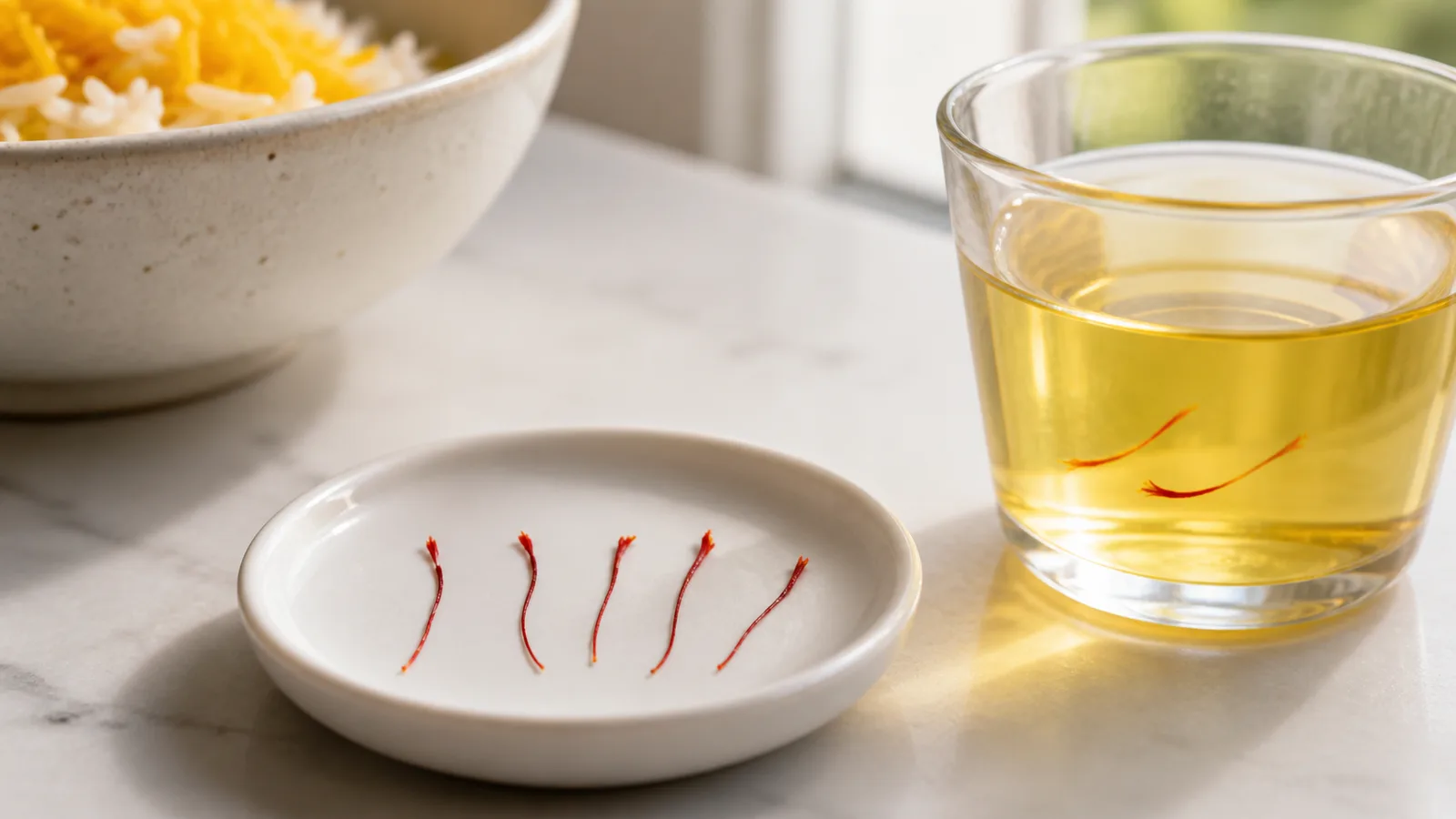
Taliouine is the strongest regional answer to “Which is the best saffron in Morocco?” because Safran de Taliouine has an officially recognized Moroccan designation of origin. That protection makes provenance easier to check, but it does not mean every jar using the name is genuine or that origin alone proves batch quality.
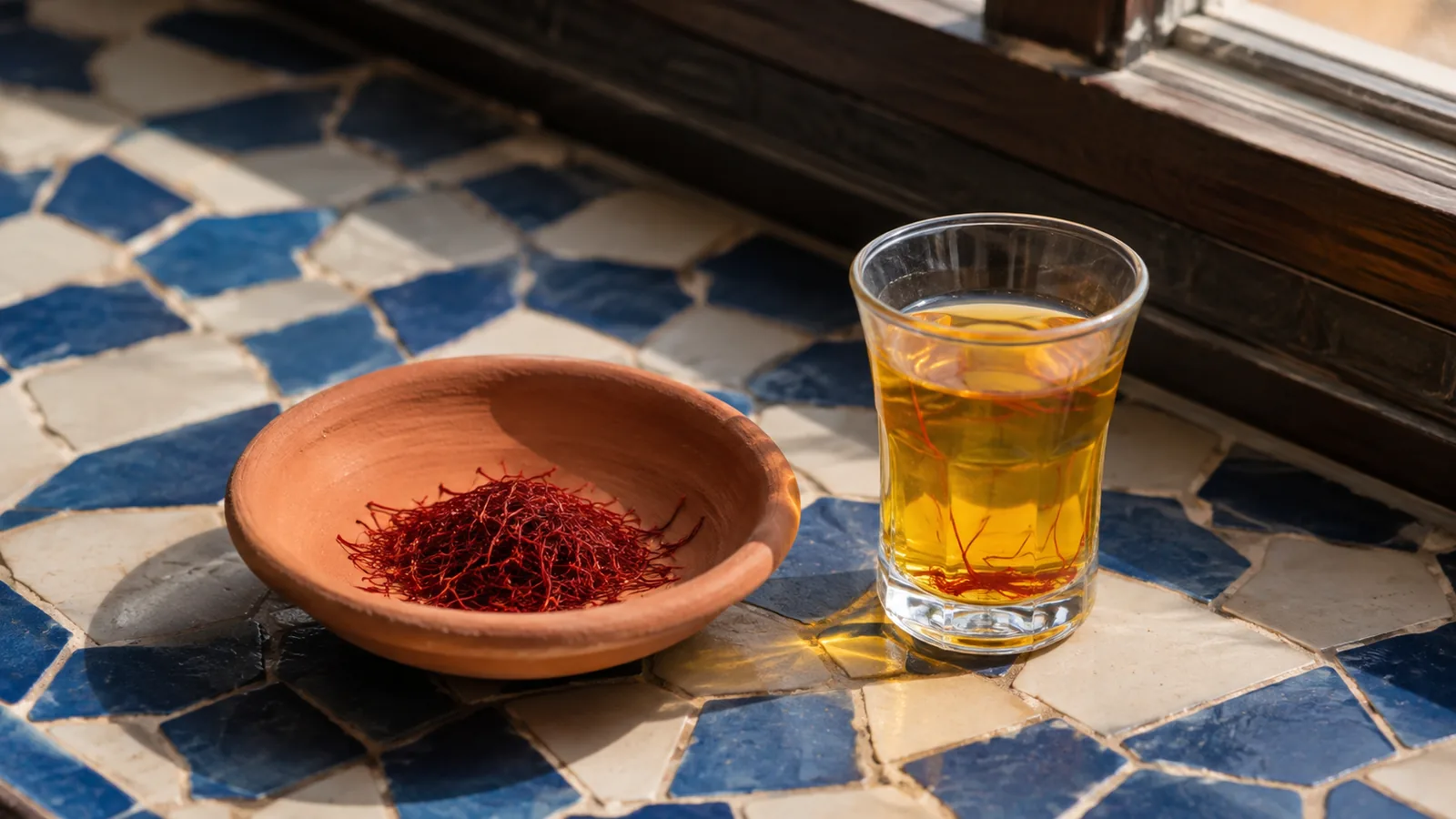
Moroccan Saffron Quality Starts With Provenance
Morocco saffron is grown in more than one area, with Taliouine and nearby parts of the Souss-Massa and Drâa-Tafilalet regions at the center of the country’s best-known tradition. Taznakht and other producing communities also appear in the Moroccan market. A buyer should distinguish a documented regional product from saffron that was merely packed or sold in Morocco.
Morocco’s National Office for Food Safety lists the ministerial orders recognizing the appellation of origin Safran de Taliouine and its specification. That official status is more meaningful than an unsupported “Taliouine style” or “Moroccan premium” description.
Why Taliouine Saffron Stands Out
Taliouine has a long saffron-growing identity linked with local agriculture, mountain altitude, dry conditions and a traditional harvest followed by skilled processing. The region’s name is recognized beyond Morocco, and the protected designation gives producers and buyers a framework for origin and certification.
The Food and Agriculture Organization’s guide to Moroccan saffron origin and quality records the protected designation’s official recognition. This does not turn the region into a universal flavor score; it establishes a defined origin that can be documented.
What Good Saffron in Morocco Looks Like
Good whole saffron should show recognizable Crocus sativus stigmas. Natural threads vary slightly in curve and length and usually have a slender body with a widened or flared end. Deep red color can be a positive sign, while large amounts of pale yellow style reduce the red-stigma proportion by weight.
Broken threads are not automatically low quality, and a dark photograph is not proof. Handling can break genuine stigmas, while lighting or added color can make a poor product look impressive. Judge the contents against the grade and composition promised.
Aroma, Flavor and Infusion
Fresh saffron has a clean, complex aroma. People may describe it as floral, hay-like, honeyed or earthy. Its flavor is characteristically bitter rather than sugary. A musty, damp, flat or simply perfumed smell calls for closer inspection.
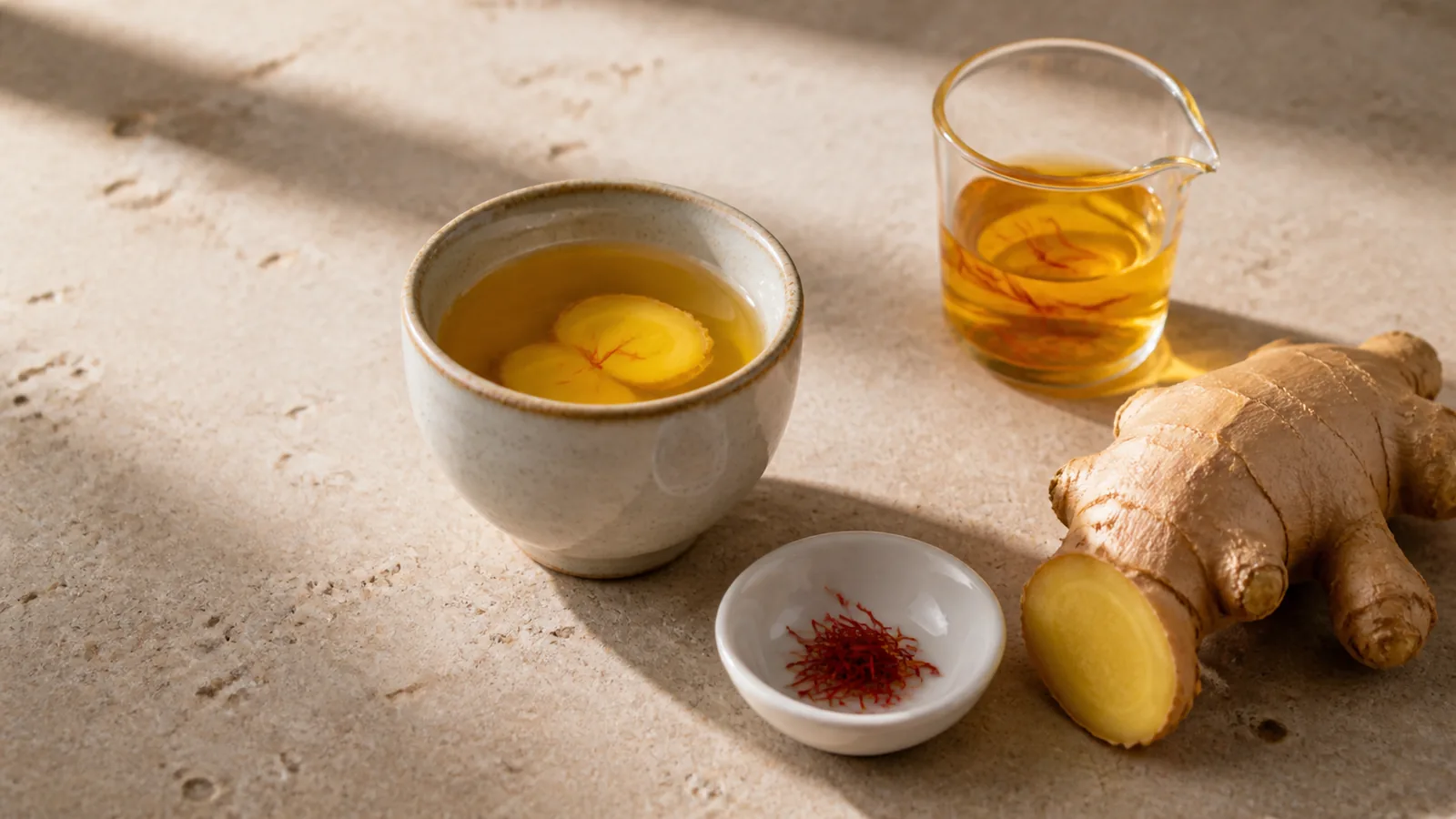
A few threads in warm water should gradually create a clear golden-yellow infusion. The stigmas do not need to lose all their red color for the saffron to be genuine. Immediate opaque red dye is a warning, but a water test cannot certify Taliouine origin or rule out every adulterant.
Soil, Climate and Processing Matter
Growing conditions can influence the crop, but post-harvest work is equally important. Flowers need timely collection, the stigmas must be separated cleanly, and drying must reduce moisture without flattening the aroma. Light, heat, air and damp storage can damage a good harvest later.
A peer-reviewed study of soil composition and Moroccan saffron used samples obtained from producers in the Taliouine area and describes controlled drying and storage away from light. The research supports looking beyond geography to the way a specific sample was produced and handled.
Taliouine Is an Origin, Not a Grade
Protected origin answers where qualifying saffron comes from. Grade answers what the thread presentation or analytical category contains. A package may be genuine Taliouine saffron and still require a clear grade, current condition and batch record.
Likewise, all-red threads are not a certificate of Moroccan origin. Geographical authentication can require documentation and analytical methods unavailable in a kitchen. A seller should not ask a buyer to infer provenance from color alone.
How to Verify Safran de Taliouine
- Look for the full protected regional name rather than a vague Moroccan theme.
- Ask who produced and packed the saffron and where the flowers were grown.
- Check batch, lot or certification details appropriate to the protected claim.
- Confirm that the ingredient is Crocus sativus stigma.
- Read the net weight and grade description before comparing prices.
- Choose packaging that protects the threads from light, moisture and air.
The guide to identifying high-quality saffron explains how to examine threads, aroma and infusion without treating one home test as conclusive.
Where to Buy Saffron in Morocco
In Morocco, saffron may be available through producer cooperatives, specialist spice shops, markets and online sellers. Buying close to the growing region can make producer information easier to obtain, but a market stall in Taliouine is not automatic proof that every product is local.
Ask ordinary questions before buying: Is this protected Safran de Taliouine or Moroccan saffron from another area? Is it from the current lot? What does the grade include? Can the seller identify the producer or cooperative? Clear answers matter more than a theatrical display.
If you are shopping from another country, the guide to buying saffron by origin explains how to distinguish country of cultivation from country of packing.
Compare Price Fairly
Compare the price per gram for the same origin, grade and level of traceability. Protected origin, careful sorting, small-scale production, testing and suitable packaging can all add cost. A very low price for a scarce named origin deserves scrutiny.
A high price is not proof either. Tourist positioning, decorative boxes and long resale chains can raise the total without improving the spice. Ask what evidence comes with the jar.
How to Use Moroccan Saffron
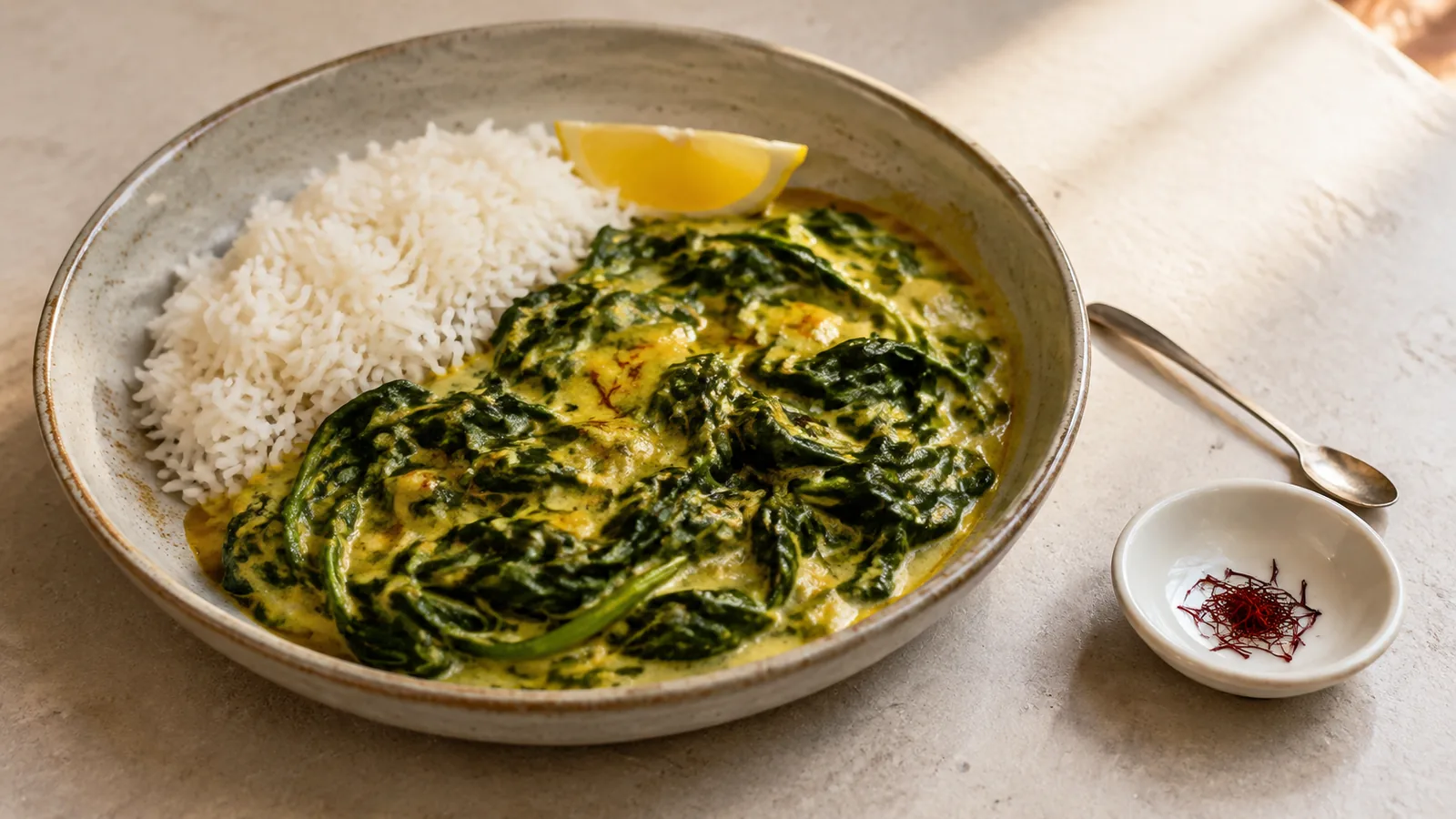
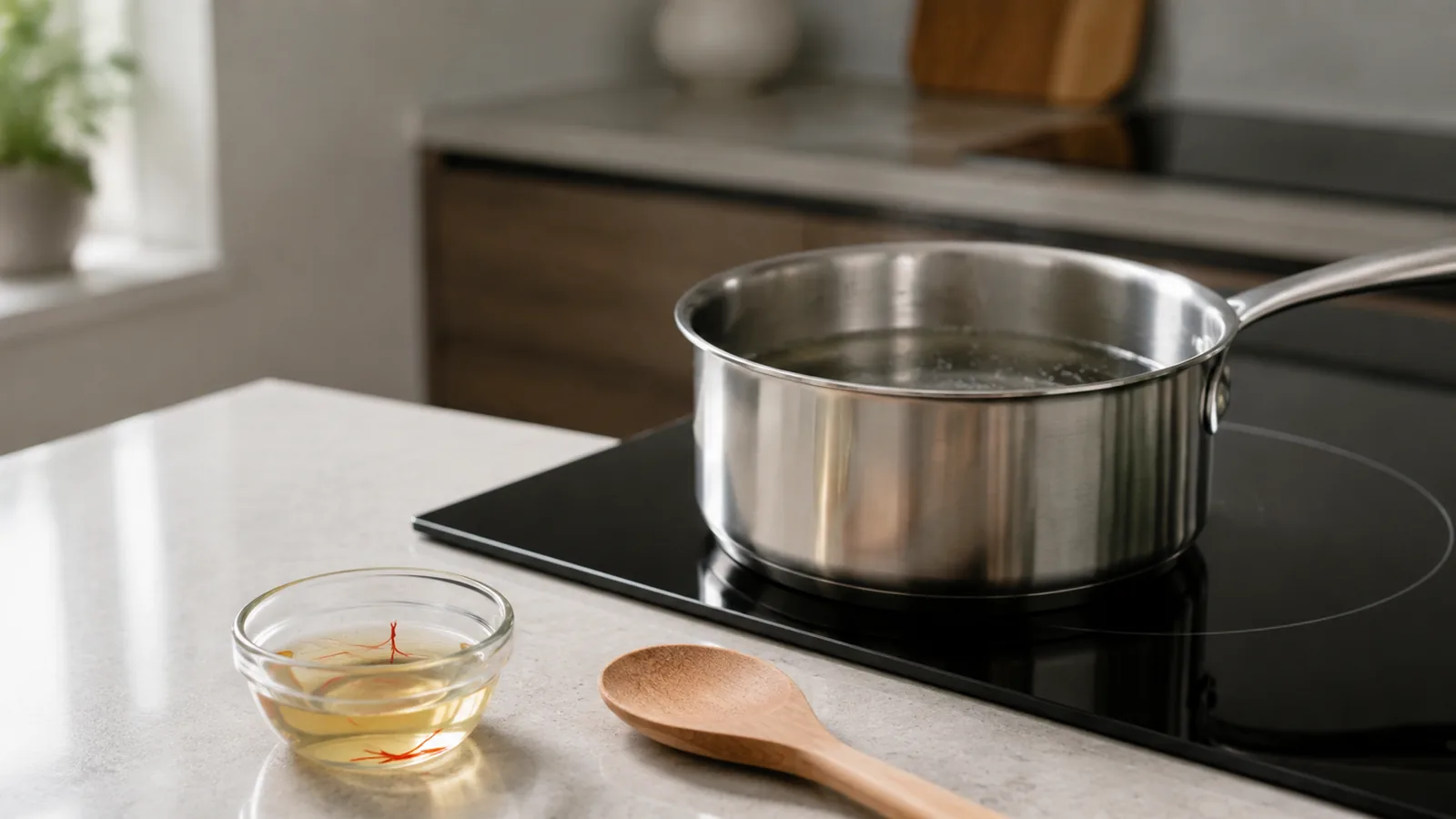
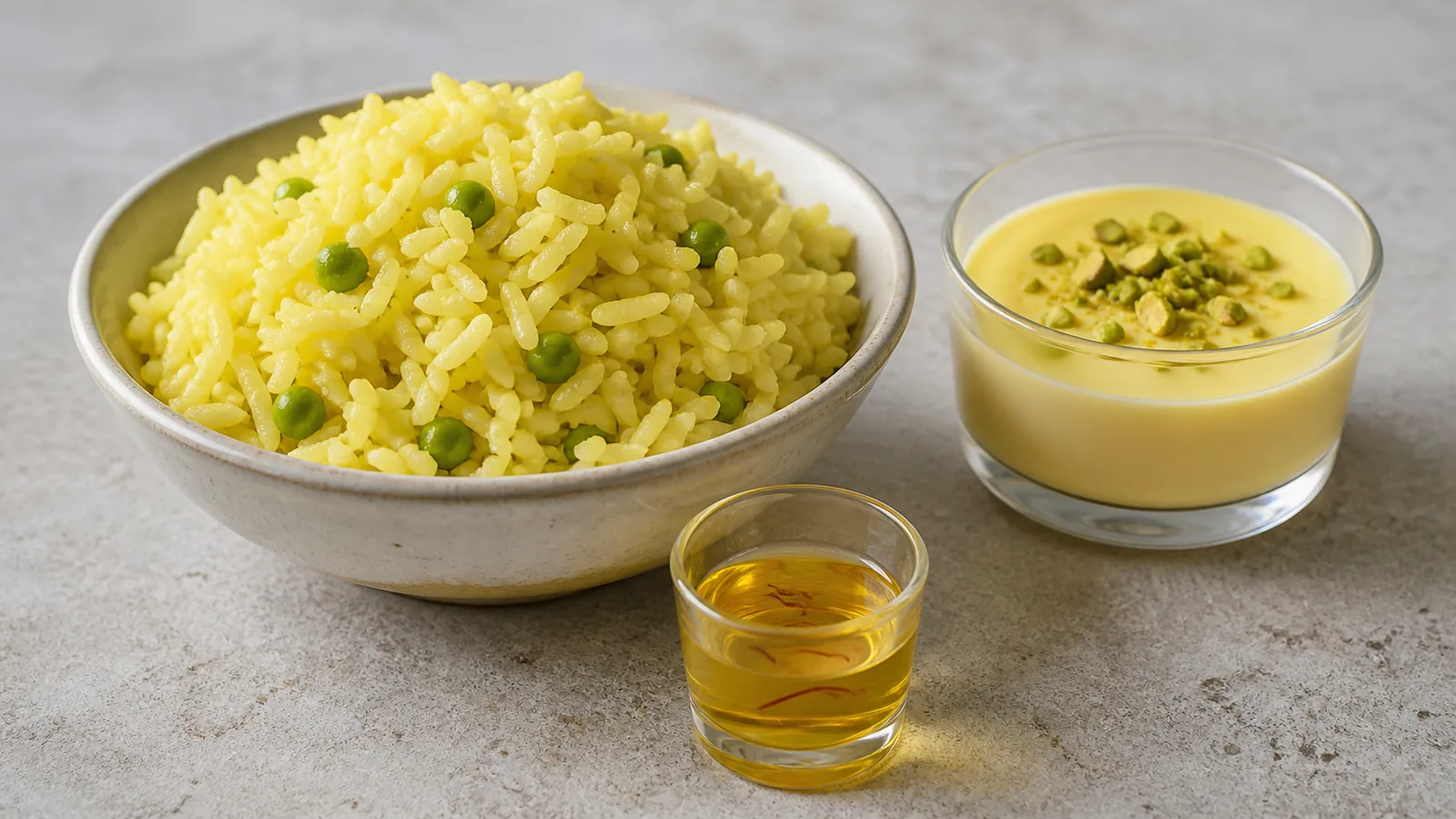
Moroccan saffron can be used in tagines, rice, breads, desserts and drinks. Measure it rather than judging by the size of a pinch. Lightly crushing the threads and blooming them in warm water helps distribute the golden color and aroma through a dish.
Do not assume it must taste sweeter, stronger or earthier than saffron from every other country. Dose, freshness, drying and storage shape the result. Equal-weight infusions provide a fairer comparison.
The Best Moroccan Saffron Is a Verified Batch
Taliouine is Morocco’s clearest protected-origin choice and the best place to start when regional identity matters. The best purchase is still a genuine, fresh, properly stored batch whose origin and grade are documented.
The available saffron products can be assessed with the same standard. Look for evidence of what is in the package rather than assuming that a famous place name, vivid crimson color or premium price settles Moroccan saffron quality.