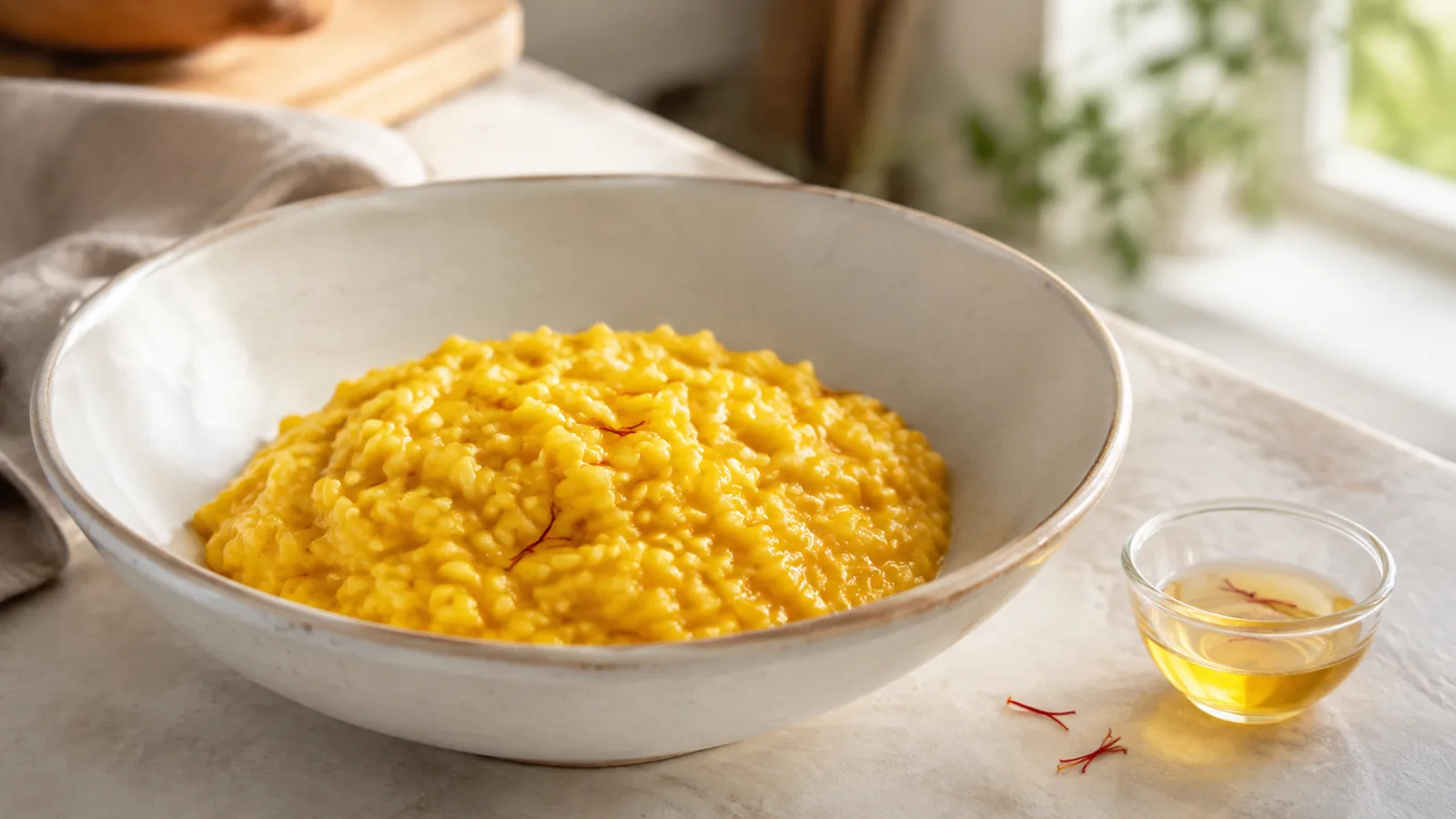
The best time to use saffron in chicken depends on the cooking method. Add a prepared saffron infusion to a marinade before grilling or roasting, stir it into a braise during the middle-to-late part of cooking, or use it in a finishing sauce shortly before serving.
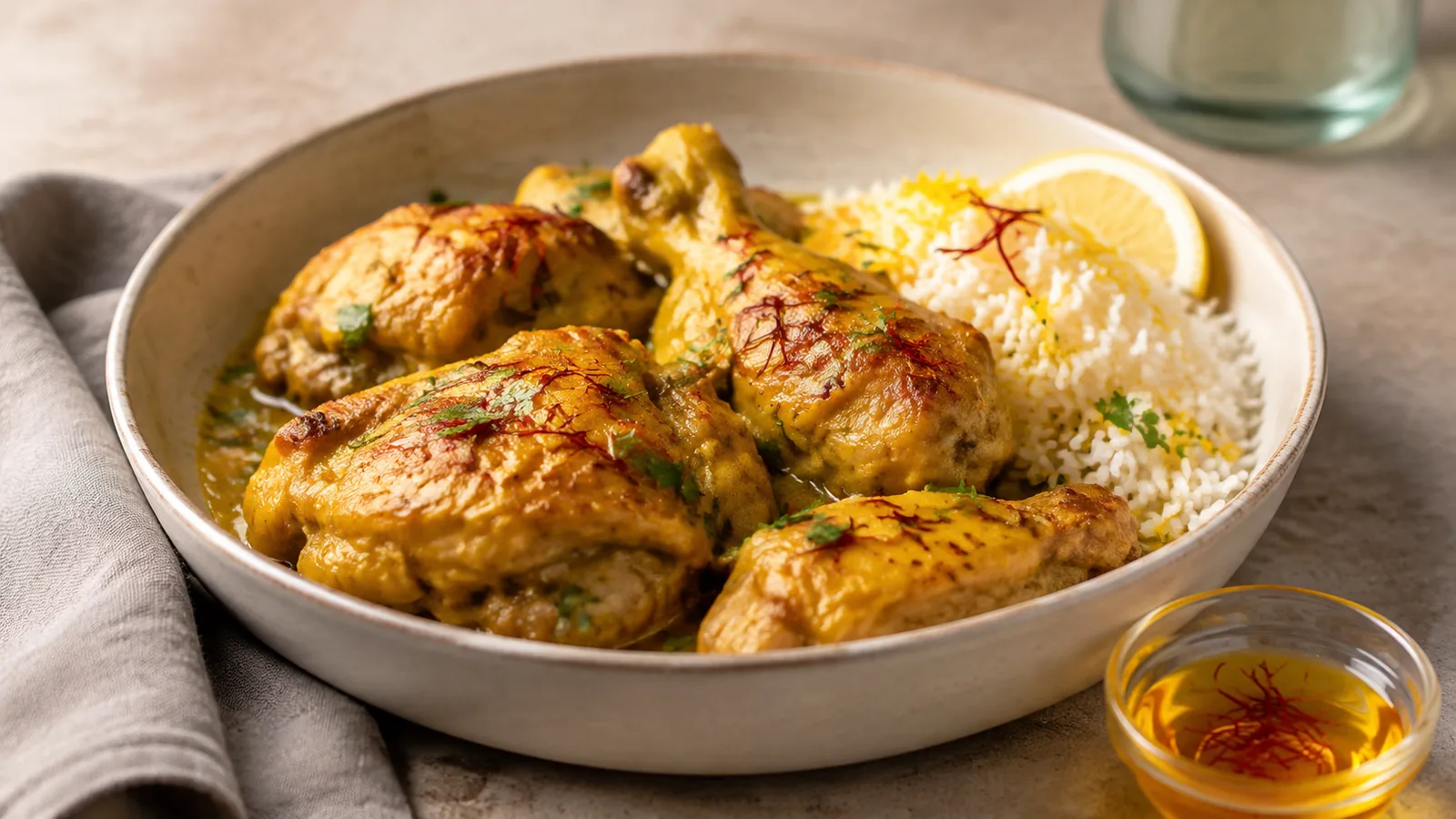
When to Add Saffron to Chicken
Saffron needs moisture and a little time to spread, but it does not benefit from hours of fierce heat. That gives you a practical window: bloom the threads first, then add the liquid early enough to season the dish and late enough to retain its aroma.
There is no single minute that suits every recipe. A quick pan sauce and a slow chicken stew require different timing. The method below lets the spice do its job without making every chicken dish taste or look the same.
Prepare the Saffron Before It Meets the Chicken
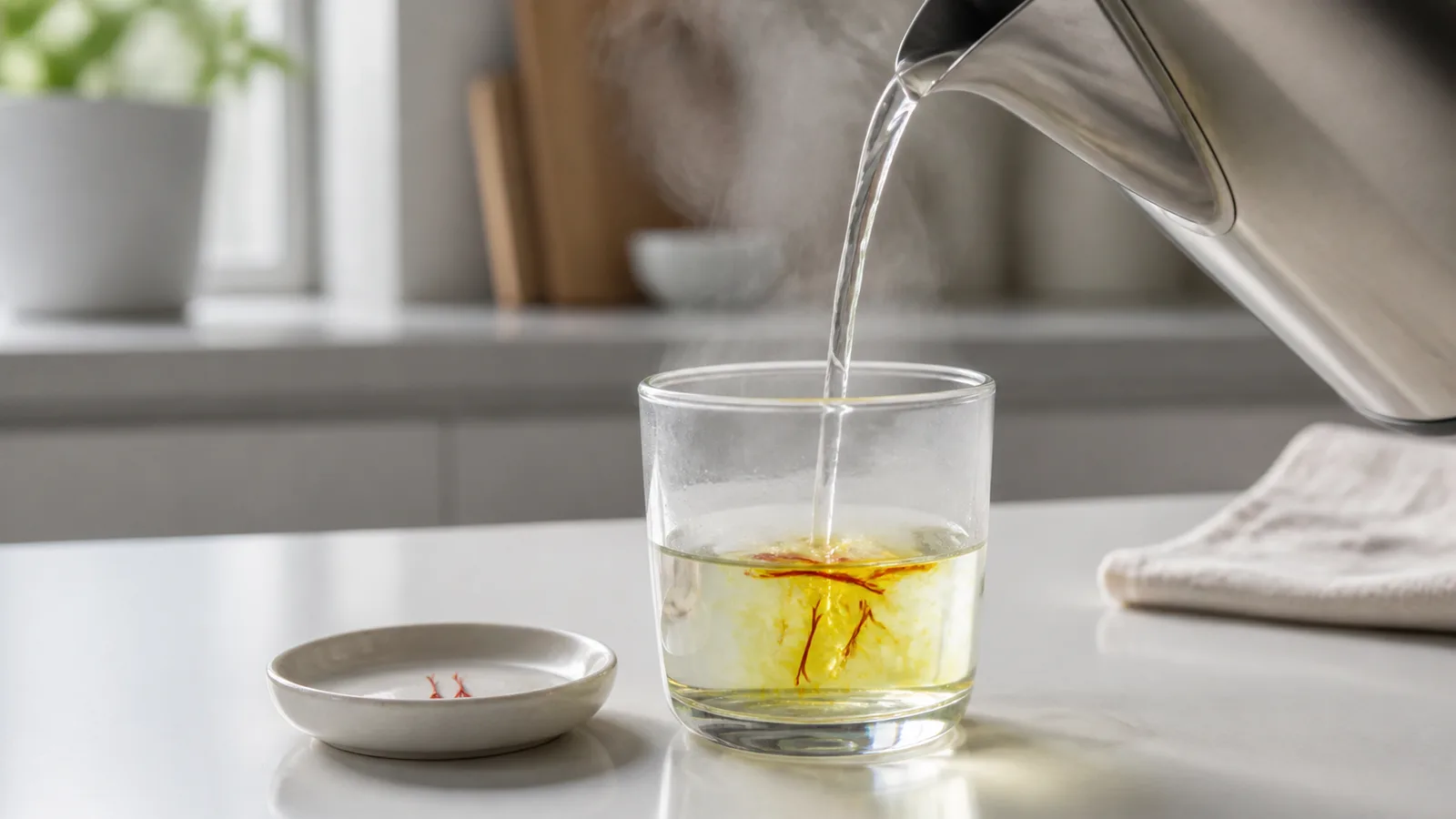
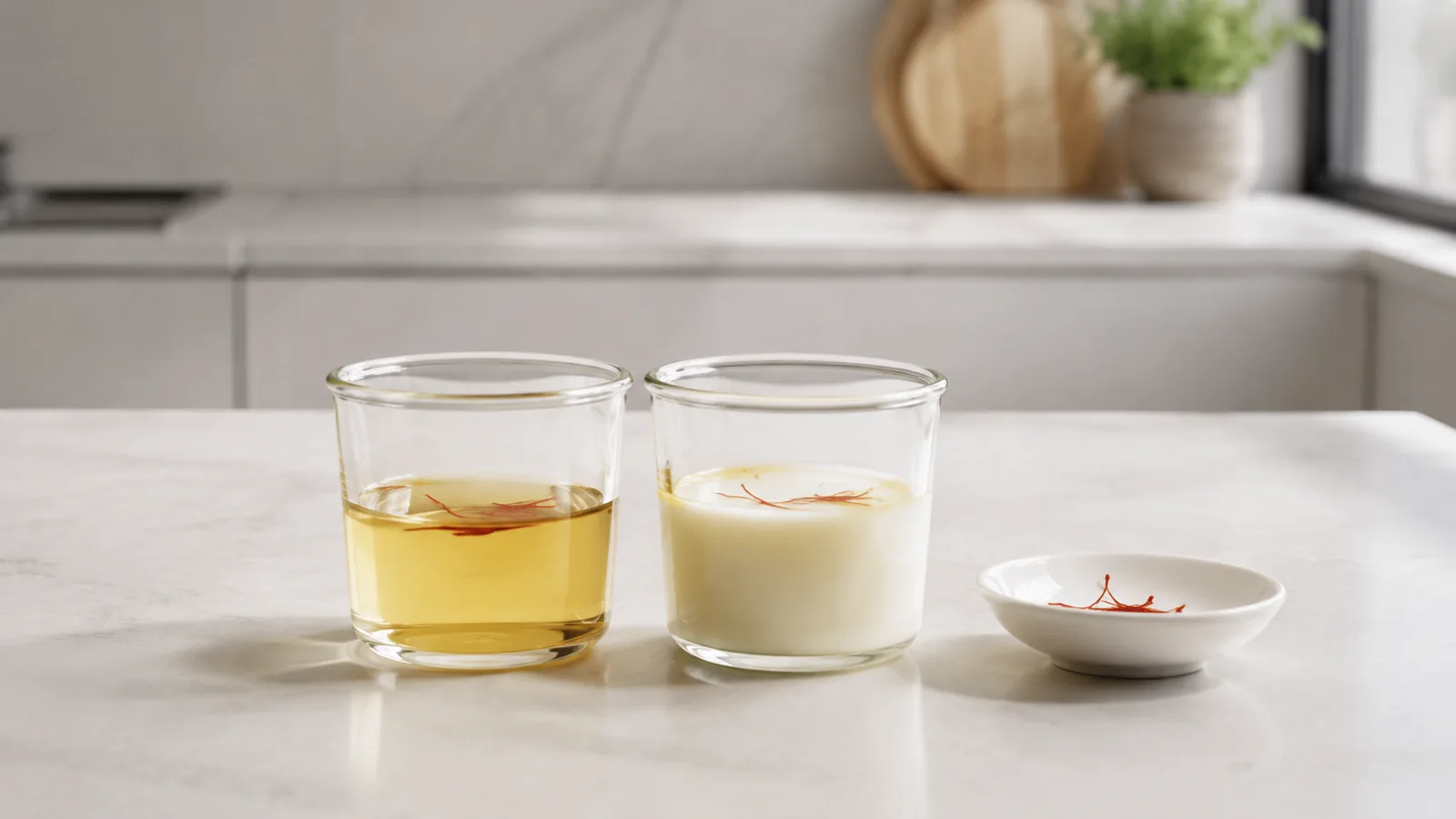
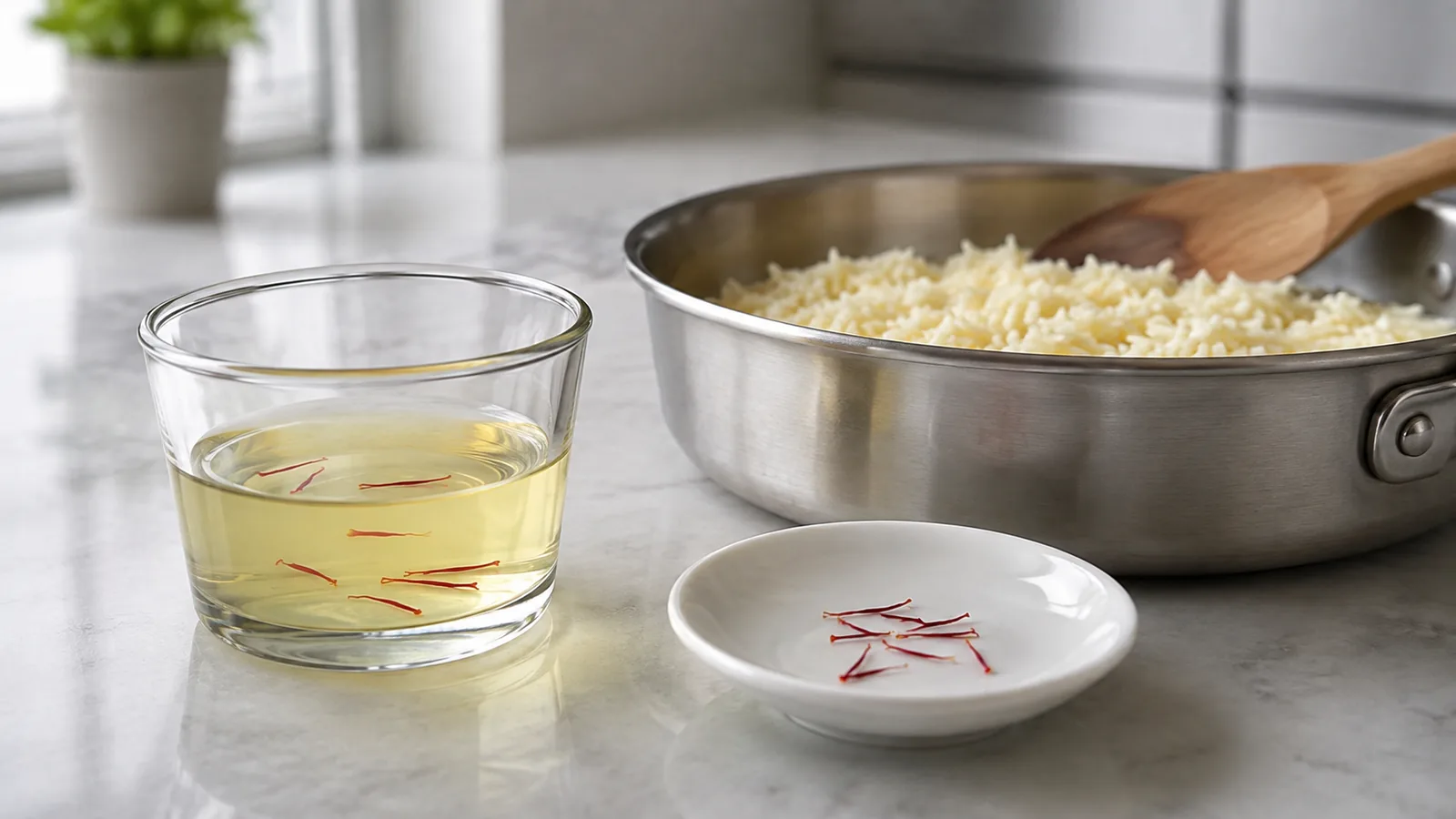
Infusing saffron in liquid before it meets the chicken is the key preparation step. Crush a small pinch of threads lightly between clean fingers or with a mortar. Add them to a few tablespoons of warm—not boiling—water, stock or milk, depending on the recipe. Leave the mixture for 10 to 15 minutes, until the liquid has taken on colour and aroma.
Use both the liquid and the threads. Pouring the infusion through a strainer discards part of what you paid for. For four servings, start with a modest pinch; you can build flavour more easily than you can rescue a bitter, medicinal-tasting sauce.
This blooming step is the most reliable way to distribute saffron. Dry threads scattered over chicken can remain concentrated in a few bites, while ground saffron added straight to hot fat may colour unevenly and lose aroma.
For Grilled or Roasted Chicken, Add It to the Marinade
For kebabs, boneless pieces or a roast bird, mix the cooled saffron infusion into the marinade before it touches the chicken. This is the best timing when you want the colour and aroma across the surface rather than only in a sauce.
One to four hours is usually enough for small pieces. Longer marinating is not automatically better, especially when lemon juice, yoghurt or another acidic ingredient is present. Saffron contributes aroma and colour; it is not a tenderiser, so the texture still depends on the cut, marinade composition and cooking.
Reserve a clean portion of saffron liquid before it contacts raw chicken if you want to brush some on near the end. Never reuse raw-chicken marinade as a finishing sauce unless it has been cooked thoroughly.
For a Stew, Curry or Braise, Add It in Two Stages
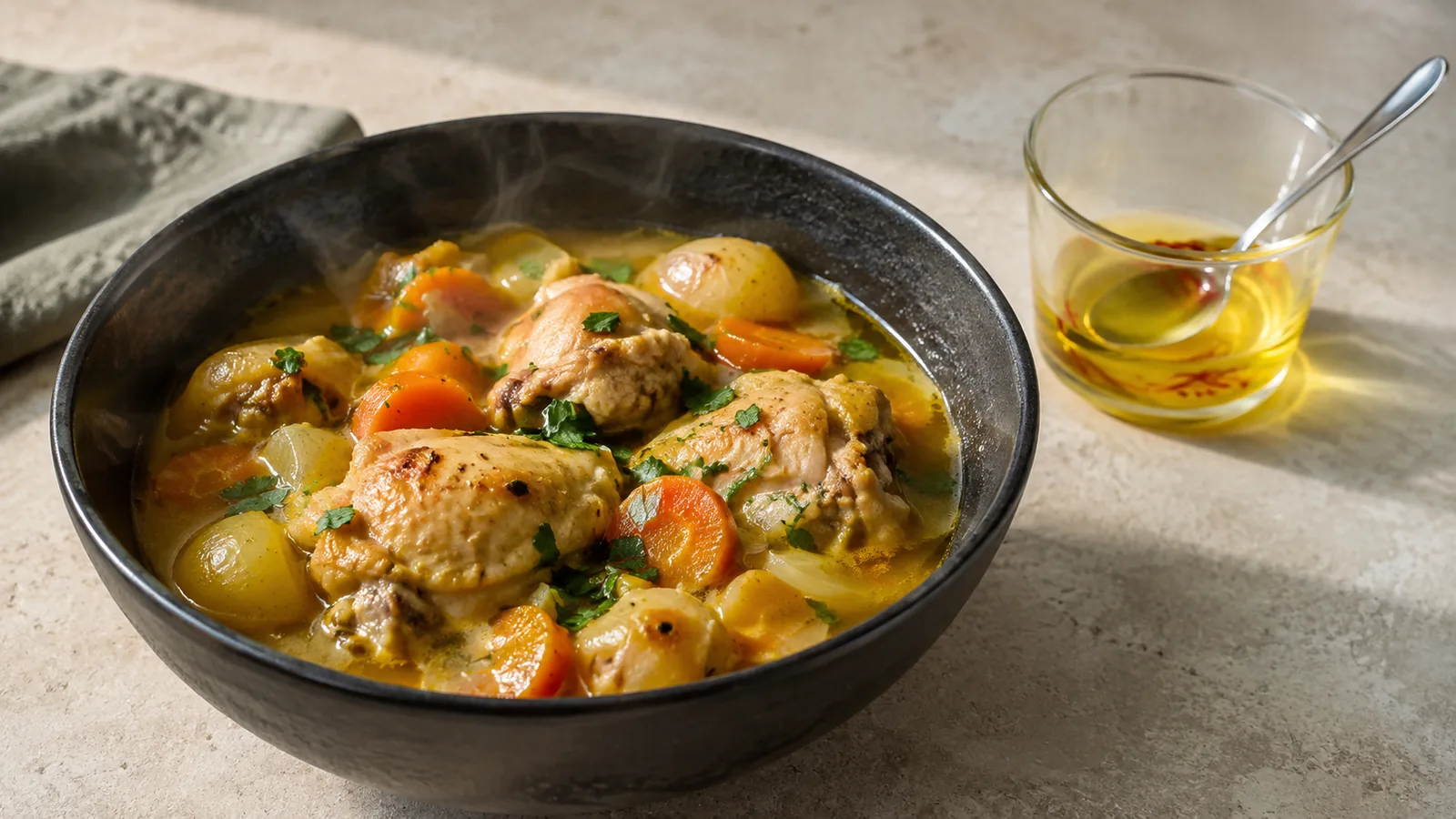
In a long-cooked chicken dish, divide the infusion. Add most of it after the onions, spices and cooking liquid are in the pot, once the harsh initial frying heat has passed. Stir in the remainder during the last 10 to 15 minutes.
The first addition integrates with the broth; the second restores a fresher saffron aroma. This split method is especially useful when the sauce contains tomato, browned onion or warm spices that could otherwise dominate a single small dose.
If the recipe simmers for only 20 or 30 minutes, one addition near the midpoint is normally sufficient. Keep the heat gentle after adding it. A steady simmer distributes flavour more successfully than a hard rolling boil.
When to Add Saffron to Baked Chicken
For baked chicken, add saffron before the tray goes into the oven. Blend the infusion with the recipe’s oil, yoghurt, stock or sauce and coat the chicken evenly. Keep some liquid in the tray so the spice has a medium through which it can spread.
If the outside needs a stronger golden tone, brush on a reserved, food-safe portion during the final part of baking. Do not keep opening the oven simply to add more: repeated heat loss can matter more to the result than the precise saffron timing.
For Pan-Fried Chicken, Put Saffron in the Sauce
High direct heat is useful for browning chicken but unkind to saffron’s delicate aroma. Sear the pieces first, lower the heat, then deglaze the pan and add the infusion with the sauce ingredients. Allow a few minutes for it to combine before returning or finishing the chicken.
If there is no sauce, use saffron in a short marinade rather than tipping the infusion into hot oil. Water and oil do not mix evenly by themselves, and wet liquid can make hot fat spit.
Ingredients That Work Well with Saffron Chicken
Saffron pairs naturally with chicken because the meat is mild enough to leave room for the spice. Rice, onion, garlic, yoghurt, lemon, orange, almond and pistachio can all support it. Cardamom, cinnamon, cumin and black pepper also work in particular traditions, but heavy seasoning can hide the flavour you are trying to preserve.
Use acidity with restraint. A little lemon can brighten the dish; too much can make the saffron seem sharper. Salt, stock concentration and browning also influence what you perceive, so taste the complete sauce before deciding that it needs more threads.
Common Timing Mistakes
- Adding dry threads to smoking-hot oil: the spice may scorch before it disperses.
- Boiling the infusion for the entire cook: colour remains, but the most delicate aroma can fade.
- Adding it at the table: the liquid may smell strong yet fail to integrate with the chicken or sauce.
- Using more to compensate for poor blooming: this increases cost and bitterness without solving uneven distribution.
- Mixing every strong spice together: saffron becomes expensive colouring rather than a recognisable flavour.
A Simple Rule to Remember
Bloom first, then match the addition to the cooking method. Put saffron in a marinade for grilled or roasted chicken, in the middle and near the end of a long braise, and in the sauce after searing for pan-fried chicken. That approach gives the spice enough contact time without exposing all of it to prolonged high heat.
For the broader timing principle, read when saffron should be added. Our guide to brewing saffron explains the infusion step in more detail, while the saffron flavour guide can help with balancing a finished sauce. Current thread grades are listed in the saffron shop.