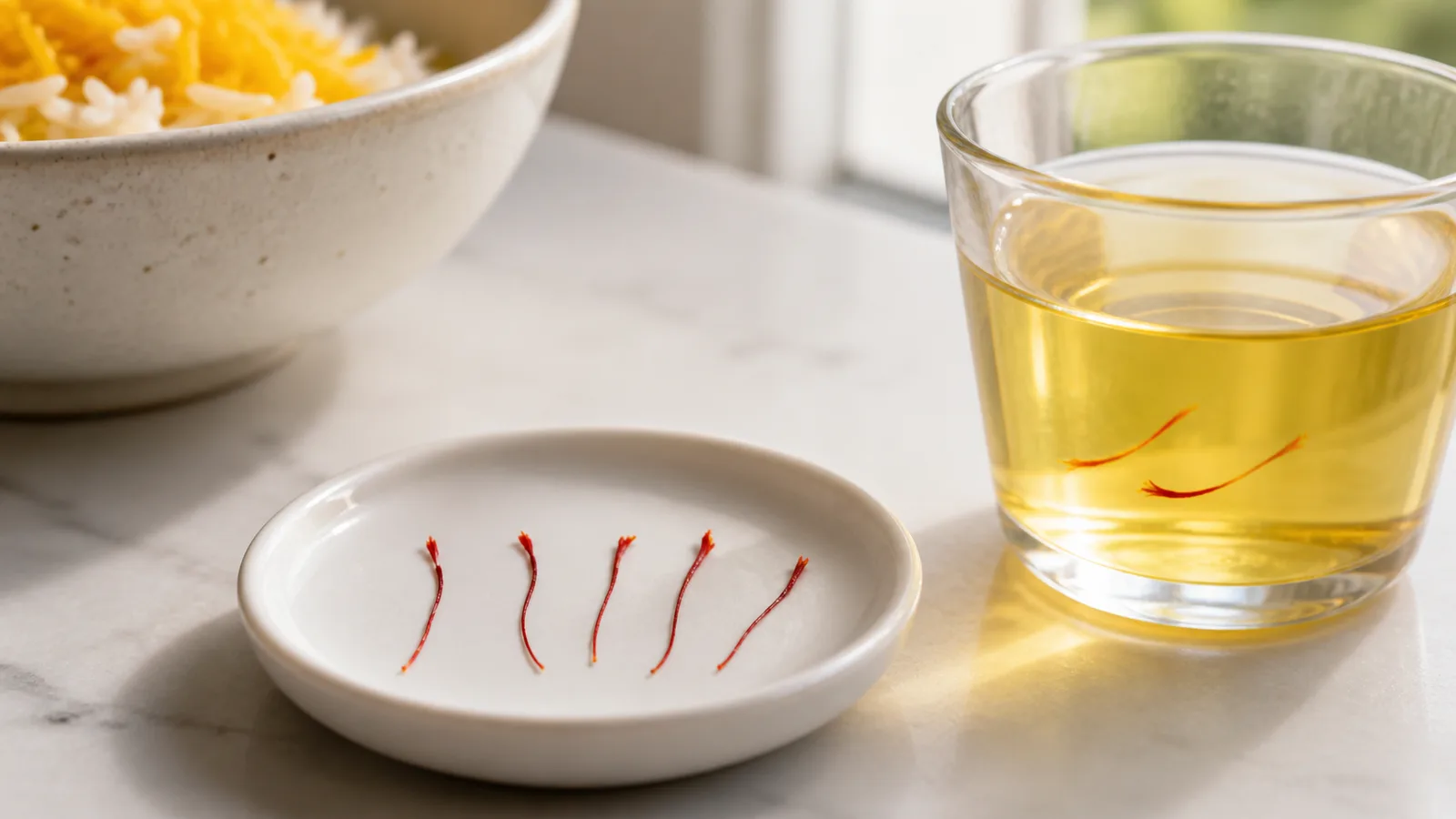
There is no universally recognised “number one” saffron brand. If number one quality means the highest established analytical class, Category I saffron with batch-specific test results is the strongest answer. If it means the finest-looking premium saffron threads, Super Negin or Negin is often the top visual selection, while a good Sargol batch can be equally impressive in cooking.
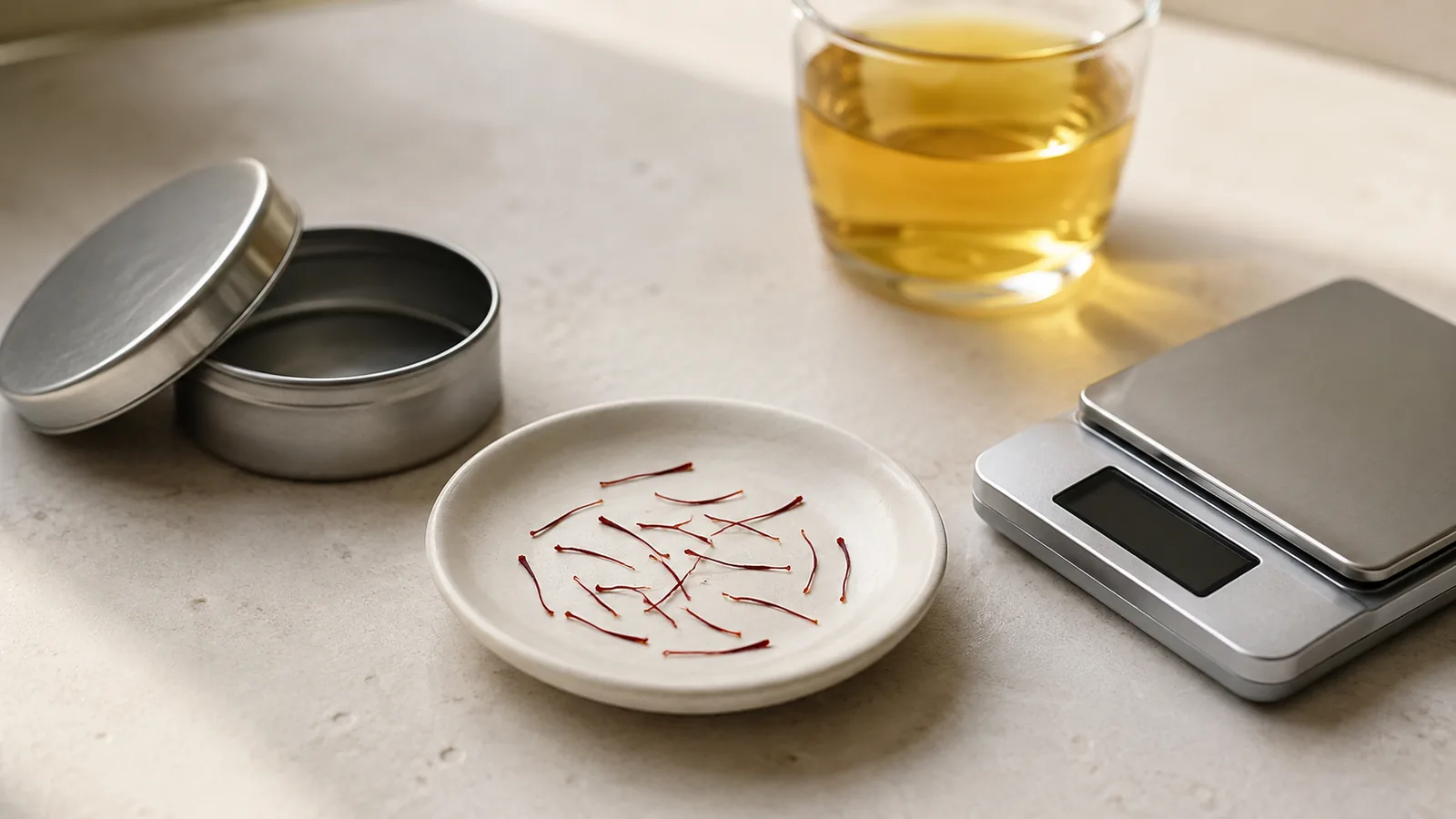
Put authenticity before grade
The first quality question is not whether the threads are long. It is whether the material is genuine Crocus sativus stigma and free from undeclared colour, other plant material and excess non-stigma parts. A beautiful name cannot compensate for adulteration.
A peer-reviewed review of saffron quality control and authenticity describes both common substitutes and the laboratory techniques used to detect them. This matters because home checks can reveal warning signs, but no single cup-of-water test proves purity.
What a Category I result tells you
The ISO 3632 framework classifies commercial saffron using measurements connected with colouring strength, characteristic bitterness, aroma, moisture and unwanted material. Category I is the highest of its established analytical categories. Research on saffron compounds and commercial quality explains the roles of crocin, picrocrocin and safranal in these assessments.
A test result is valuable only when it belongs to the product offered. Check the lot number, sample date and laboratory. An undated certificate for a different harvest does not establish top saffron quality for the current jar.
What premium saffron threads look like
Natural stigmas are slender and irregular, with a slightly widened end. Premium all-red cuts are dominated by deep crimson material and contain little yellow style. Some shorter pieces and colour variation are normal because the dried spice is fragile.
Negin is selected for long, largely unbroken red sections. “Super Negin” usually denotes an especially even presentation. Sargol contains separated red stigma portions, often shorter but still capable of strong colour, aroma and flavour. Pushal retains more pale style, while Dasteh preserves the stigmas in a more complete bundle.
These are trade and sorting names, not a universal chemical ranking. Our guide to the highest grade of saffron explains the two systems in detail.
Aroma, colour and flavour still matter
Fresh saffron has a distinctive, layered aroma. It may suggest hay, honey or something faintly earthy, but it should not smell damp, musty or artificially perfumed. The flavour is gently bitter and aromatic rather than sugary.
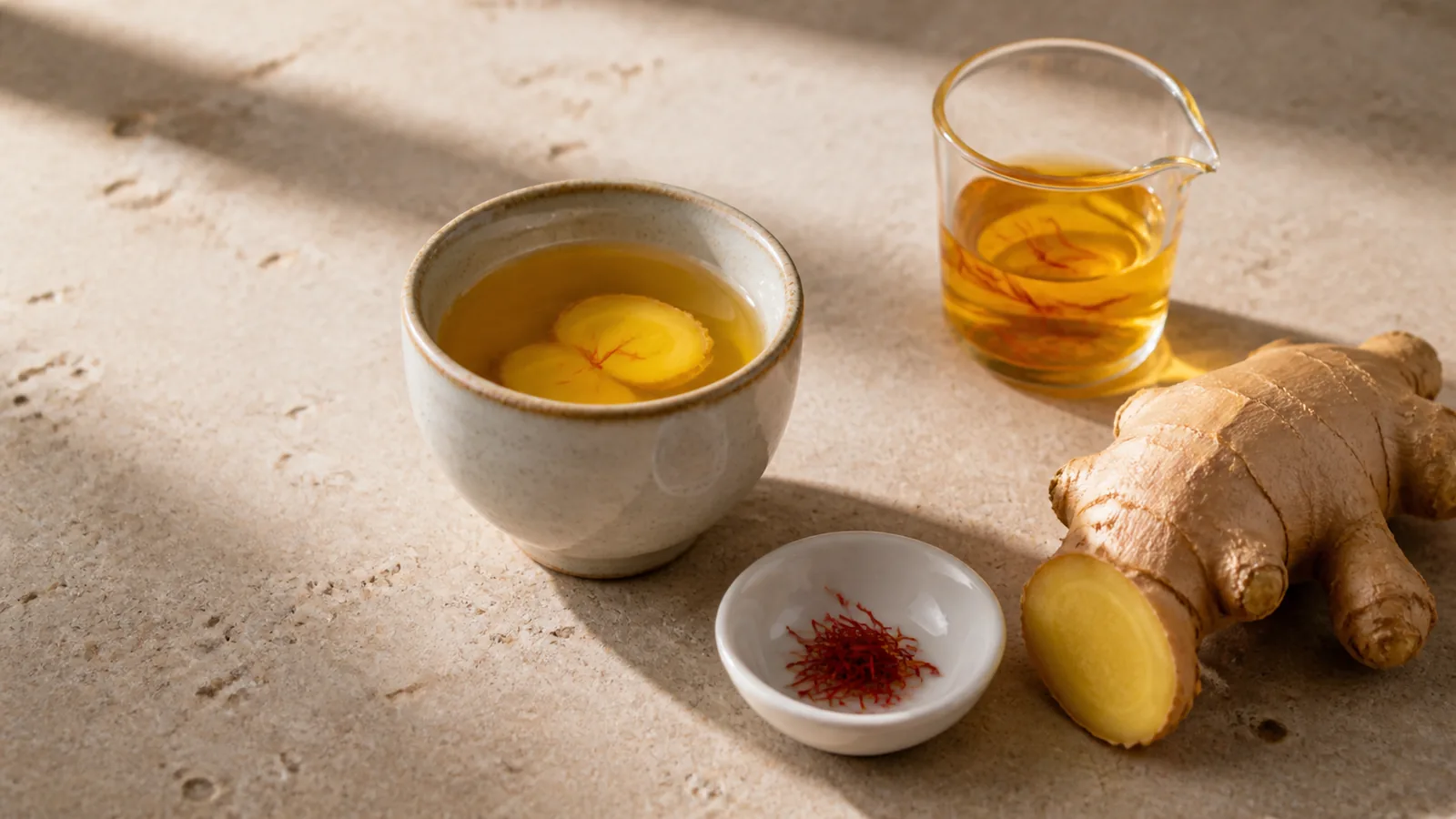
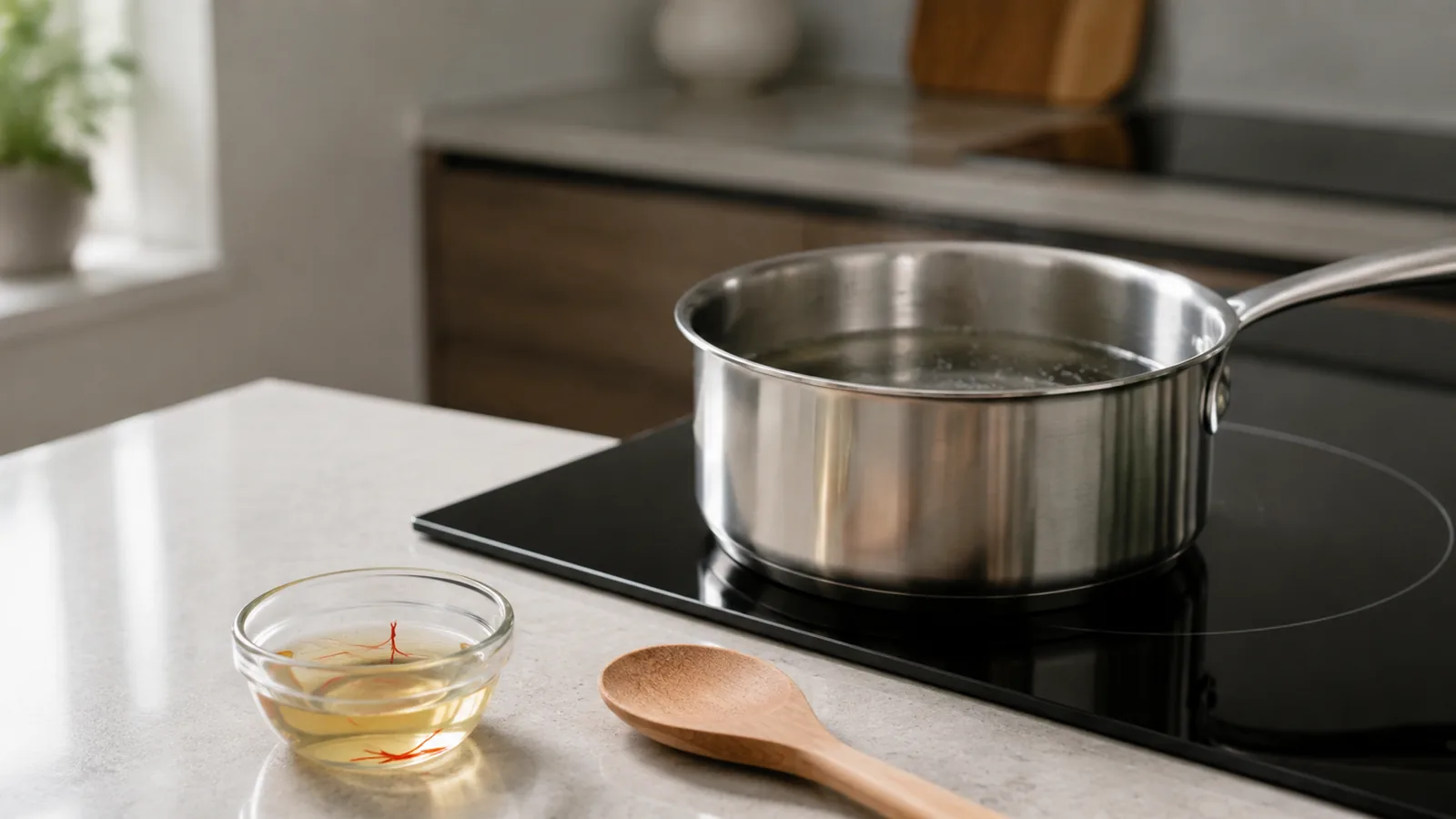
When crushed threads are steeped in warm water, they should release a clear golden-yellow colour gradually. An immediate opaque red cloud is suspicious. The threads do not have to turn completely white, and a slow infusion alone cannot rule out sophisticated adulteration.
Storage changes the result. Heat, light, moisture and repeated exposure to air weaken saffron even when it began as an excellent harvest. A smaller sealed pack that will be used promptly may outperform a prestigious jar that has sat open for years.
Is Iranian saffron automatically number one?
Iran is the world’s largest producer and supplies exceptional Negin and Sargol saffron. It also supplies many ordinary commercial lots. The country name establishes origin, not the condition or chemistry of every batch.
The same caution applies to someone looking for the best Iranian saffron brand or the best saffron in the world. A reputable brand should make verification easier through clear origin, lot details, secure packaging and responsive customer service. The evidence must follow the jar; reputation cannot replace it.
A sensible quality order for buyers
- Confirm identity and traceability. Look for whole saffron threads, stated origin, net weight, lot number and a responsible seller.
- Check batch evidence. Give more weight to a relevant laboratory report than to “premium” or “number one” wording.
- Assess condition. Packaging should be sealed, clean and protective against light and moisture.
- Inspect the threads. Prefer naturally irregular deep-red stigmas with minimal foreign or yellow material when paying for an all-red cut.
- Judge it in use. Bloom a measured pinch and note the aroma, flavour and clear golden colour in the dish.
For photographs and practical checks, see how to identify high-quality saffron.
Match the purchase to its purpose
Long Negin threads are attractive when presentation matters. For rice, sauces, tea or baking, a fresh Sargol batch with strong colouring and aroma can be the more economical choice. Powder is convenient but harder to inspect, so it calls for greater trust in the producer and test evidence.
The available saffron products should be compared on those same grounds rather than on price alone.
The number one quality answer
Choose authentic Category I saffron from a traceable current batch if you want the highest analytical class. Choose clean Negin or Sargol threads when visual form and culinary performance are your priority. The real number one is not a permanent brand or country: it is the fresh, properly stored batch that can support its quality claim and performs well in your recipe.