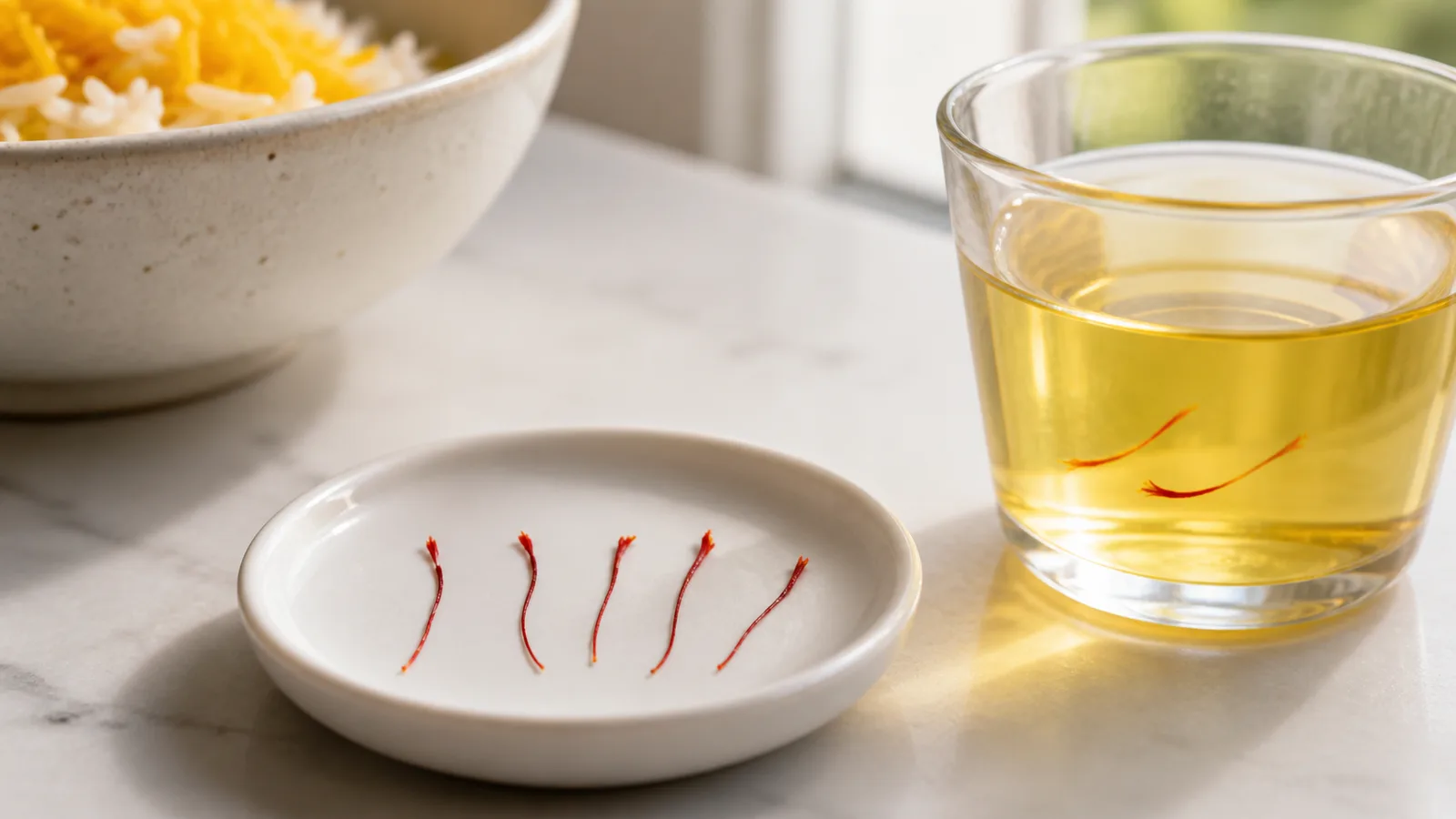
Saffron tastes most like a blend of dry hay, wildflower honey and a gentle earthy bitterness, with a faint mineral or metallic edge. That comparison is only a guide: the complete saffron flavor profile does not match any single spice, and its aroma is as important as what the tongue detects.
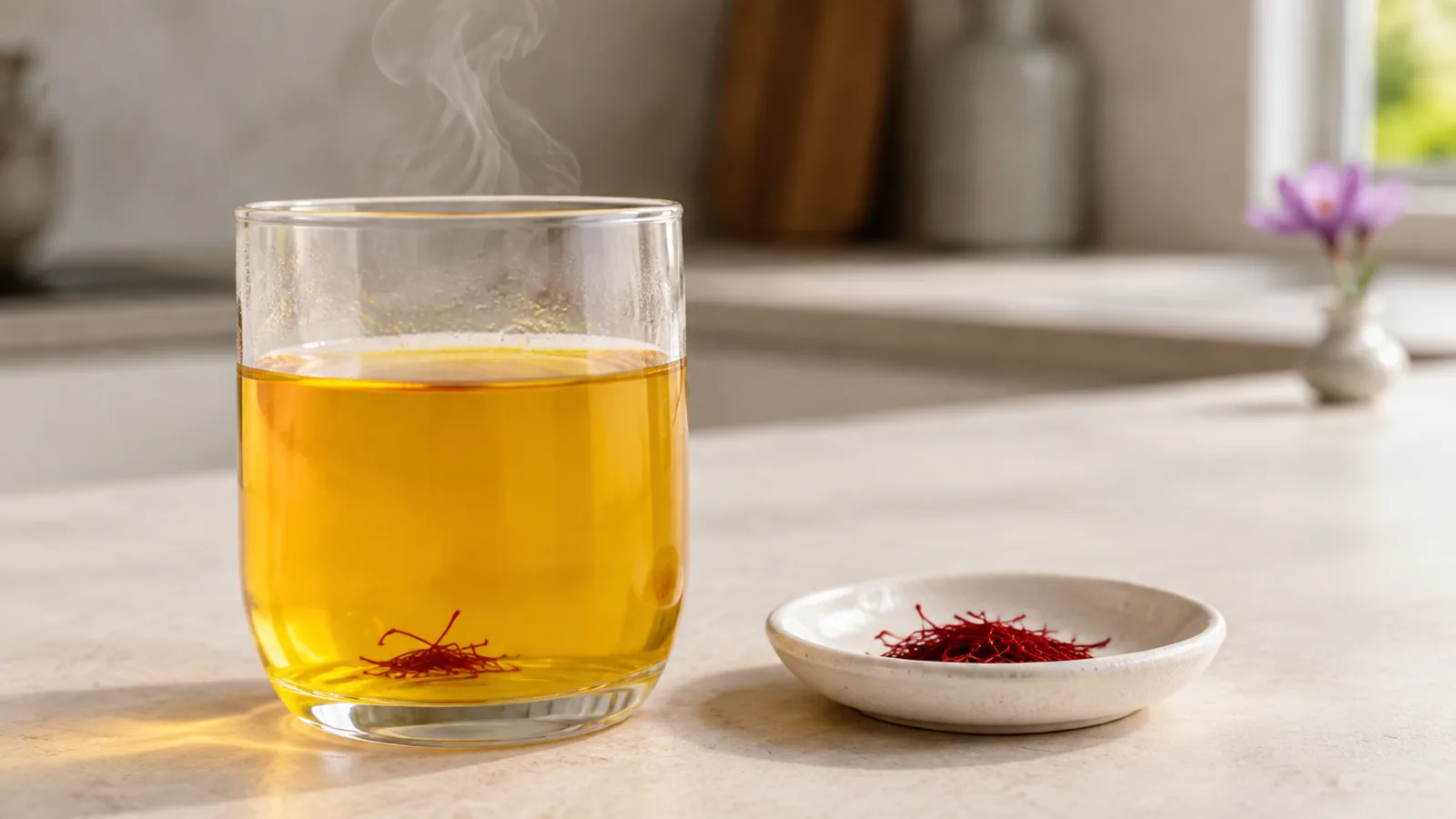
The saffron flavor profile in plain language
A good saffron infusion is fragrant before it is forceful. The first impression may be floral and hay-like, followed by a restrained sweetness in the aroma rather than sugary taste. On the palate, it is earthy, gently bitter and slightly drying. Some people notice a clean mineral note; others describe something warm, grassy or tea-like.
Whether the question is phrased as “what is the taste of saffron?” or “what does saffron taste like?”, the same contrast helps: the aroma seems honeyed and floral, while the liquid itself is earthy and bitter. British descriptions of saffron flavour refer to this same profile. The saffron spice is unusual because smell, taste and aftertaste contribute almost equally to the experience.
These descriptions can sound contradictory until you taste saffron in water by itself. It is both delicate and persistent. It does not deliver the heat of pepper, the woody sweetness of cinnamon or the sharp perfume of cardamom. Instead, several quiet impressions arrive together and remain after the liquid is swallowed.
What common flavors is saffron similar to?
Hay or dried grass
Fresh, clean hay is one of the most useful comparisons for saffron’s aroma. “Hay-like” should not mean stale straw, dust or damp storage. Think of a dry field scent warmed by the sun, softened by a floral note.
Wildflower honey
Honey is a comparison for the rounded floral aroma, not an instruction to expect sugar. Saffron itself is not candy-sweet. If a dish tastes sweet, that usually comes from the other ingredients; saffron contributes a fragrance that can make that sweetness feel more complex.
Earth and minerals
A restrained earthy undertone gives saffron depth. The faint metallic description used by some tasters is closer to clean mineral water than to a harsh iron taste. A strong rusty, chemical or artificial aftertaste is not the goal.
Gentle bitterness
Bitterness is a real part of saffron. It should sit in balance with the aroma rather than dominate the cup. Too much saffron, badly scorched threads or an overly concentrated tasting sample can push that bitterness forward.
Why saffron tastes and smells this way
Saffron’s sensory character comes from a mixture of natural compounds rather than one flavour molecule. Crocins are associated mainly with its yellow-gold colour, picrocrocin with its characteristic bitterness and safranal with much of its familiar aroma.
The FAO’s account of saffron authenticity testing identifies those three constituents and explains why post-harvest handling matters. Drying develops and preserves aroma, but excessive heat, moisture, light and long storage can flatten or distort it. Two genuine batches can therefore taste different even when they came from the same region.
What does saffron taste like in food?
In a finished dish, saffron rarely announces itself as one obvious flavour. It widens the aroma and adds a gentle bitter-floral structure around the food already present. That is why it works in savoury and sweet recipes without tasting identical in each one.
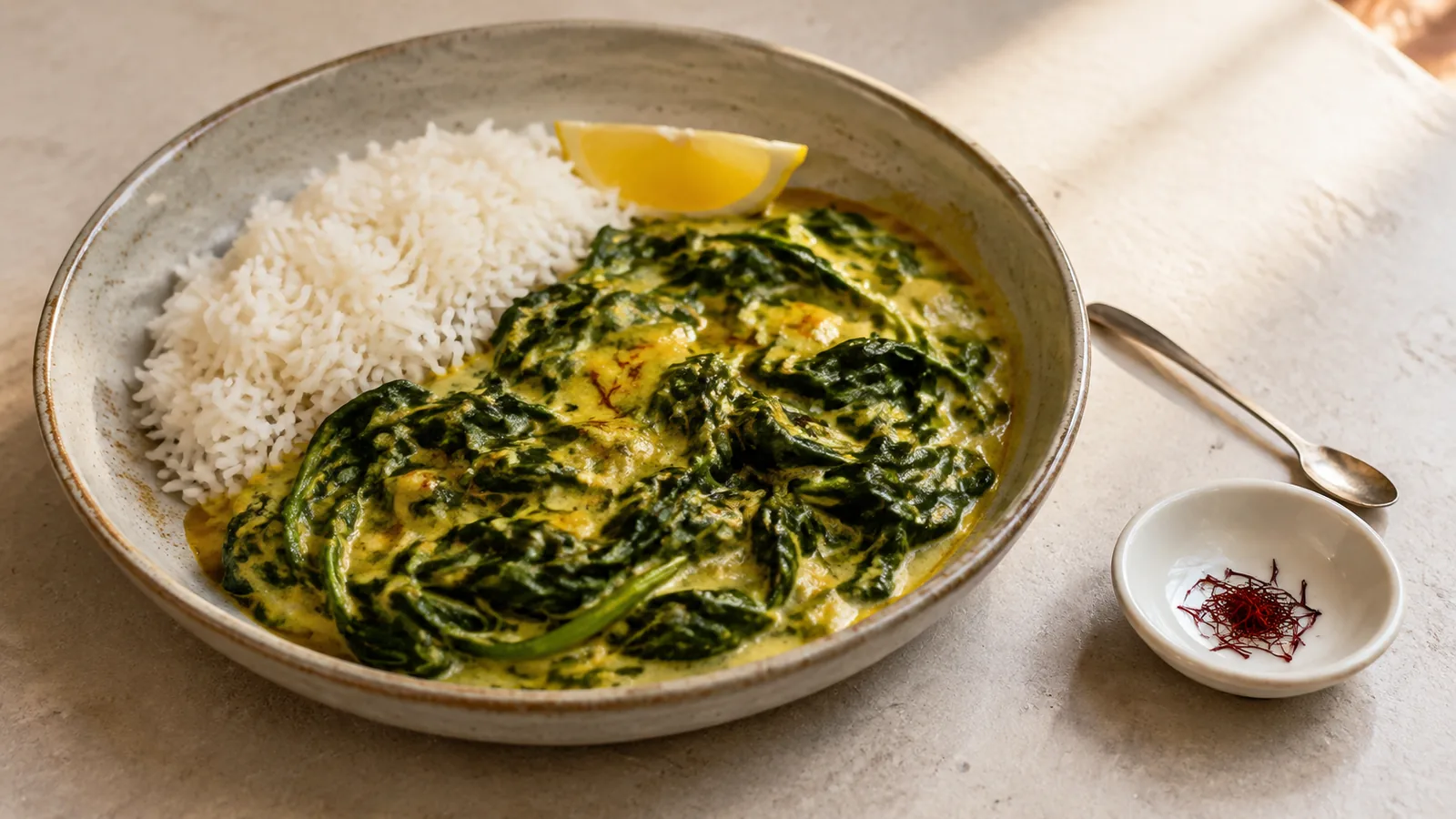
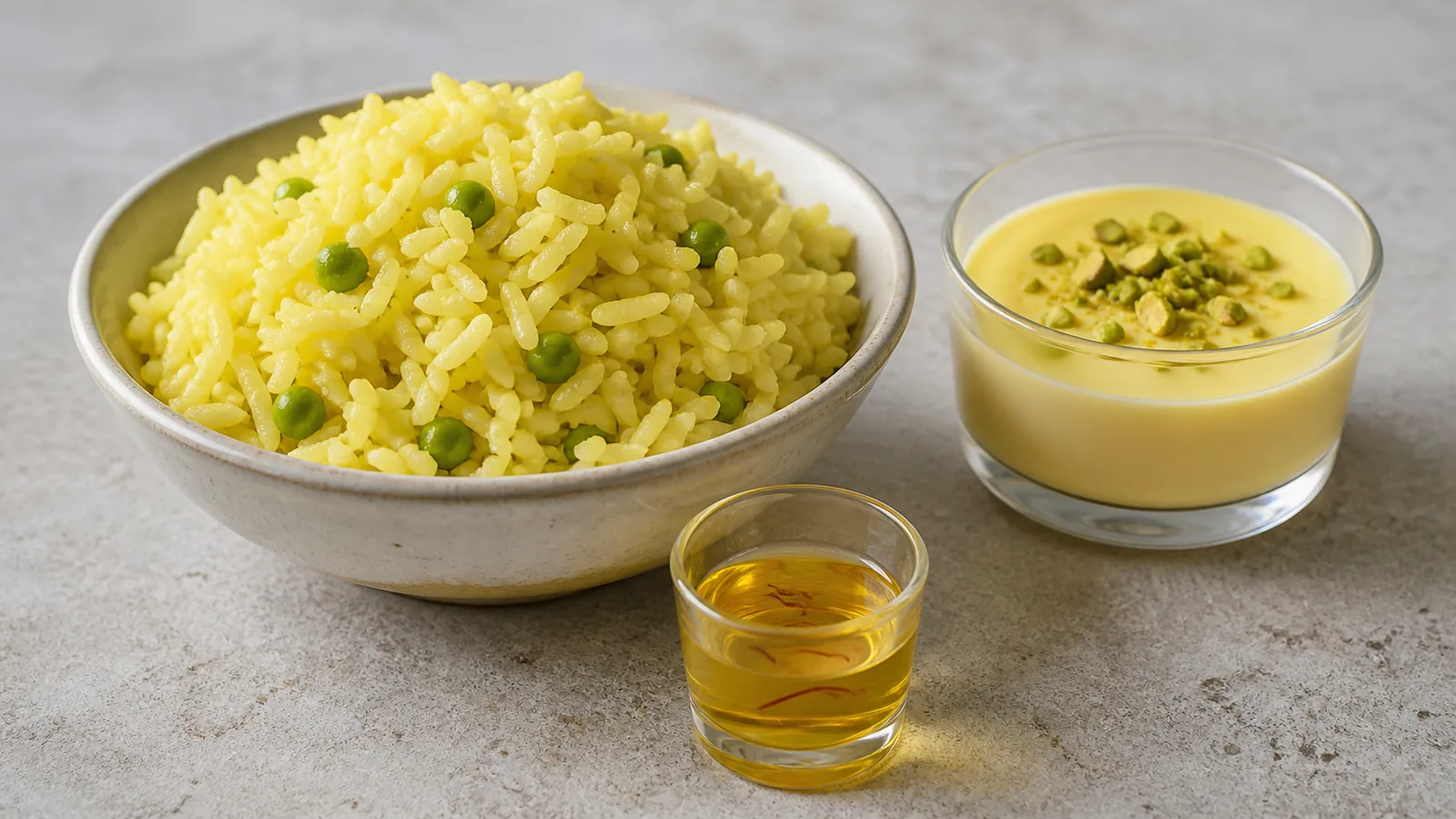
- Rice: basmati, biryani, paella rice and risotto carry saffron’s fragrance well, while the spice gives the grains a warm golden tone.
- Seafood and light broths: the aroma remains noticeable because it is not buried under heavy seasoning.
- Persian stews and braises: saffron can lift richer flavours when it is added in a measured infusion.
- Milk, custard and ice cream: dairy softens the bitterness and lets the floral-honey character stand out.
- Cakes and delicate desserts: a small amount adds fragrance; too much can become medicinal or harsh.
For a broader method guide, see how to use saffron when cooking.
How to taste saffron without other ingredients getting in the way
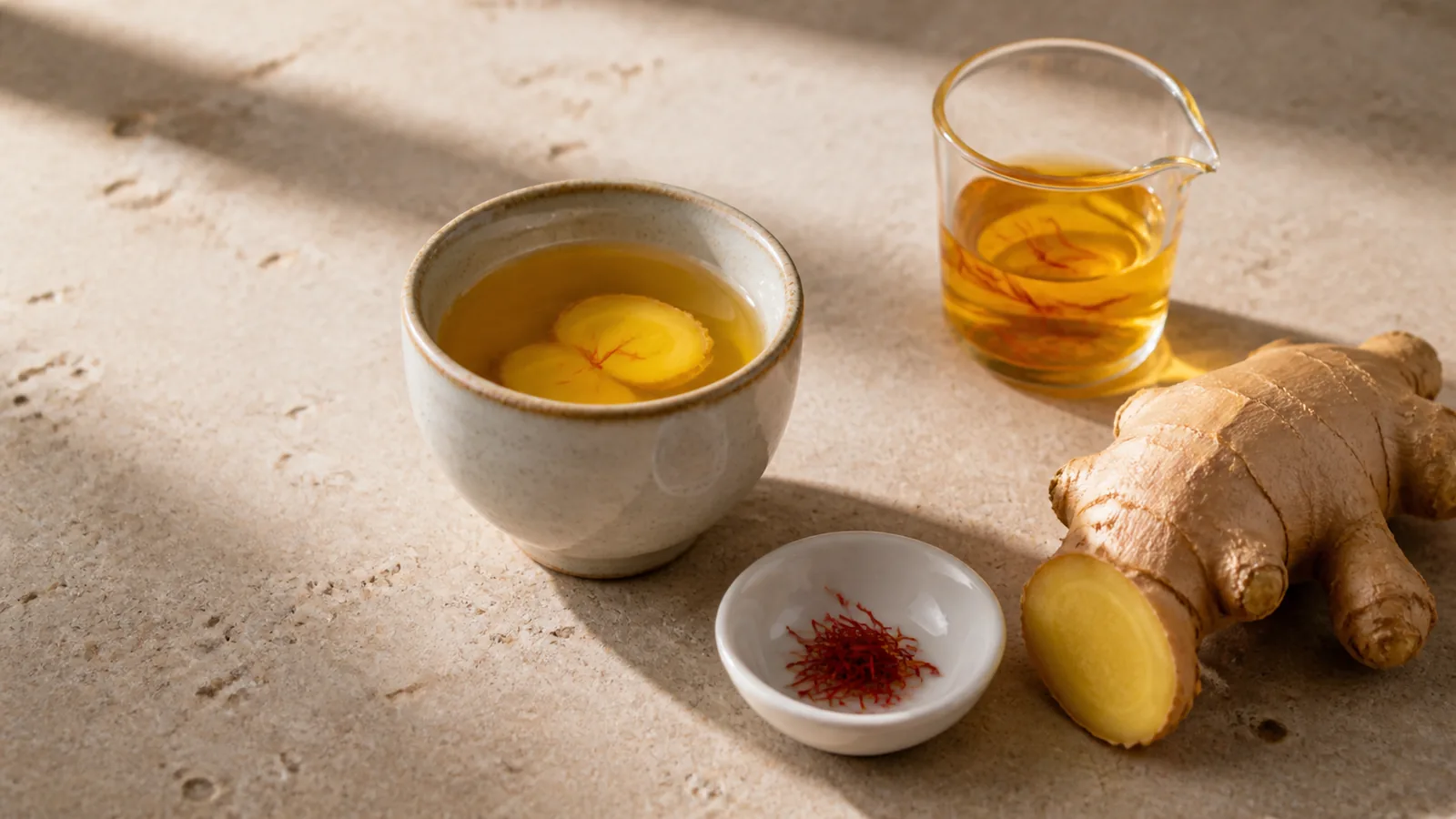
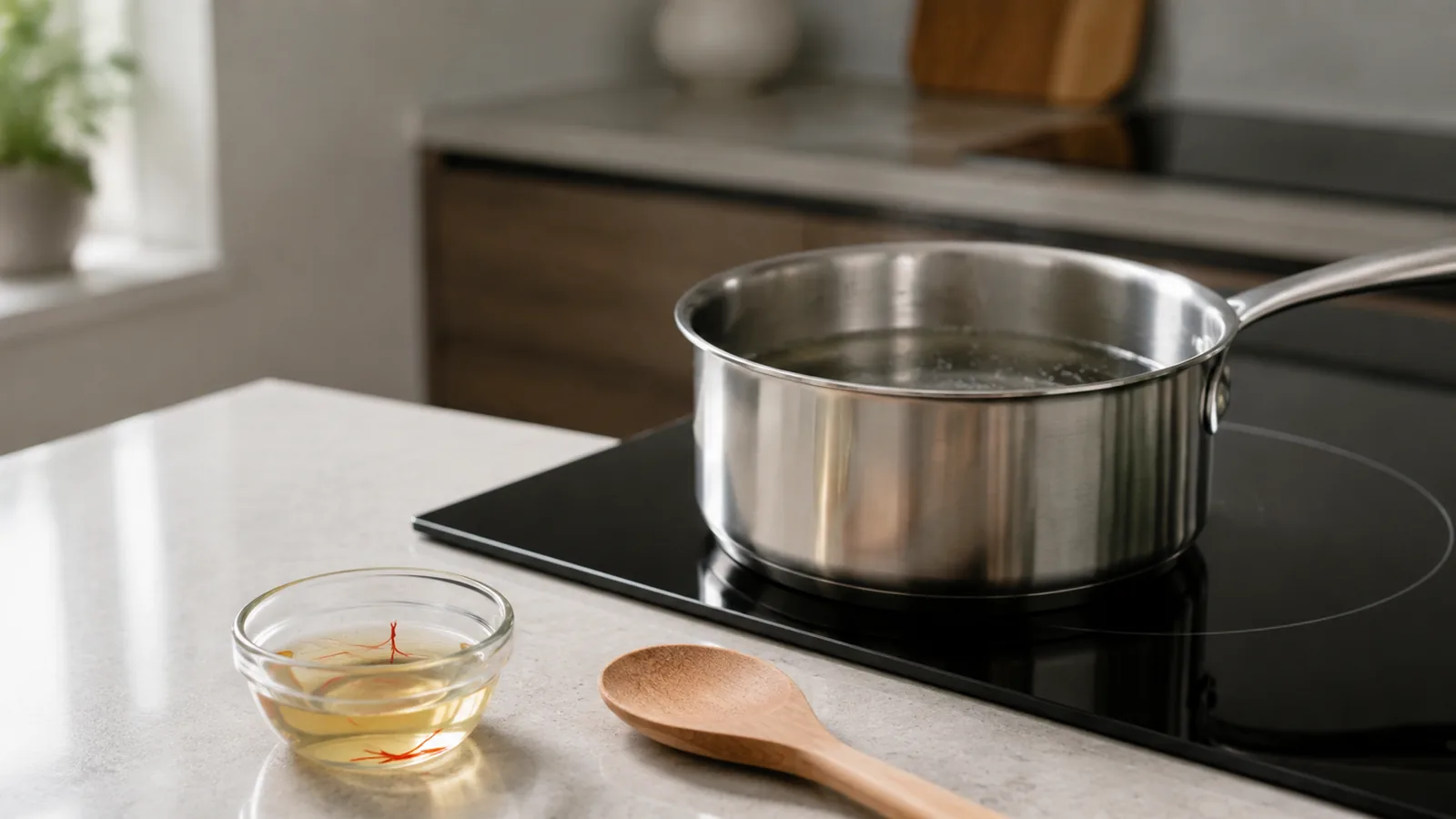
Place a small, counted pinch of threads in a clear heatproof glass and add warm water. The water should be hot enough to extract aroma and colour but does not need to be at a violent boil. Wait at least 10–15 minutes, smell first, then take a small sip.
Use the same thread weight, water volume, temperature and steeping time when comparing two samples. Otherwise, a stronger brew may seem “better” simply because it contains more saffron. A clear glass also lets you watch the colour develop gradually from the threads.
A tasting this simple reveals the difference between aroma and taste. Your nose may find flowers, hay and honey before your tongue notices bitterness. Let the infusion cool slightly and taste again; very hot liquid can hide detail.
Why your saffron may taste weak, bitter or strange
The batch is old or poorly stored
Safranal and other volatile aroma compounds fade with time and exposure. A jar kept open beside a hot cooker may still colour water while smelling dull. Store threads airtight, in the dark and away from heat and moisture.
You used too little
A few threads in a large pot can disappear behind stock, tomato, chilli or toasted spices. Bloom a measured amount first and distribute the infusion through the dish rather than dropping dry threads into one corner.
You used too much
More is not always better. An excessive dose can taste strongly bitter, dry or medicinal. Add saffron for balance, not for the darkest possible colour.
The saffron was overheated
Grinding is useful, but burning dry saffron in a hot pan is not. Gentle steeping and measured cooking protect the delicate aroma better than prolonged direct heat.
The material may not be genuine saffron
Dyed fibres and unrelated petals can give colour without the expected saffron flavor. Appearance alone cannot prove authenticity, but a seller should identify the origin and lot, and the threads should release colour over time rather than shedding an instant harsh dye.
Can a saffron substitute match the flavor?
No single spice reproduces it. Turmeric can give a dish a yellow colour, but its earthy, peppery taste is different. Safflower petals may add visual colour and are sometimes called “poor man’s saffron,” yet they do not supply the same aroma. Annatto also colours food without recreating saffron.
If saffron is unavailable, choose a substitute for the function you need. Use turmeric or annatto cautiously for colour, or adjust the recipe around its existing aromatics. Do not expect the saffron taste to survive the substitution. Our closer look at the nearest flavour comparisons explains why familiar alternatives remain imperfect.
How freshness and thread type change the experience
Mostly red stigma material can produce a concentrated infusion, while traditional styles that retain some yellow style may taste gentler at the same total weight. Neither appearance nor a marketing grade guarantees freshness. Drying, packaging and time since harvest often explain more than a grand name on the label.
If you want to compare whole red threads, the all-red saffron page shows the available format. Begin with a modest quantity and taste it in plain water before deciding how much your recipe needs.
The closest short description
Saffron is floral like wildflower honey, dry and earthy like clean hay, gently bitter and faintly mineral. That description will help you recognise its direction, but the balance of aroma, bitterness and lingering warmth is uniquely saffron. A fresh, properly steeped sample is the only convincing comparison.