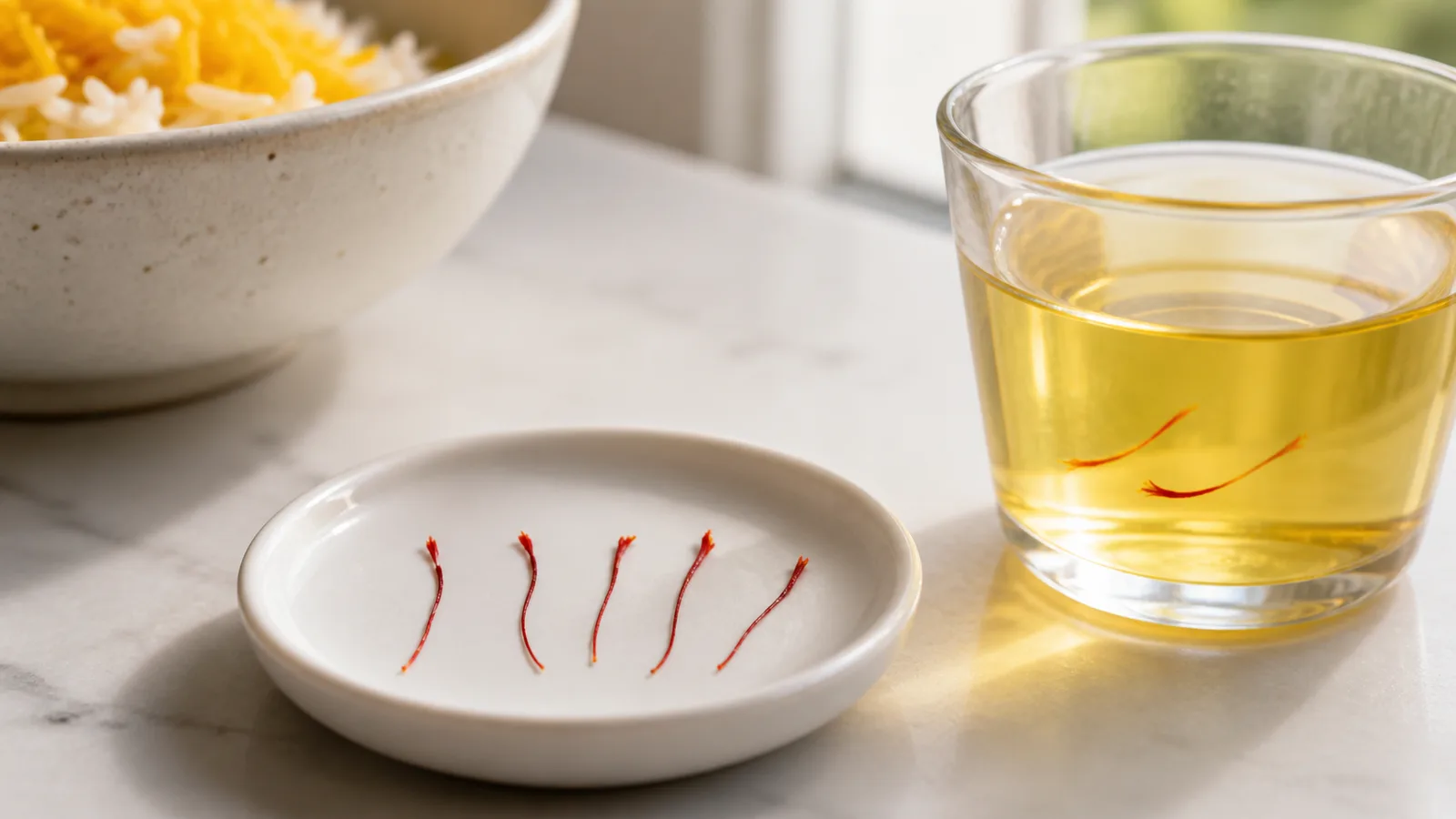
For most home cooks, the best use of saffron is a simple saffron rice. Rice gives a warm-water infusion room to spread, makes the golden colour easy to see, and has a mild enough flavour for saffron’s floral, hay-like aroma to remain clear. Once you understand that balance, the same method can move into paella, soup, sauce, desserts and drinks.
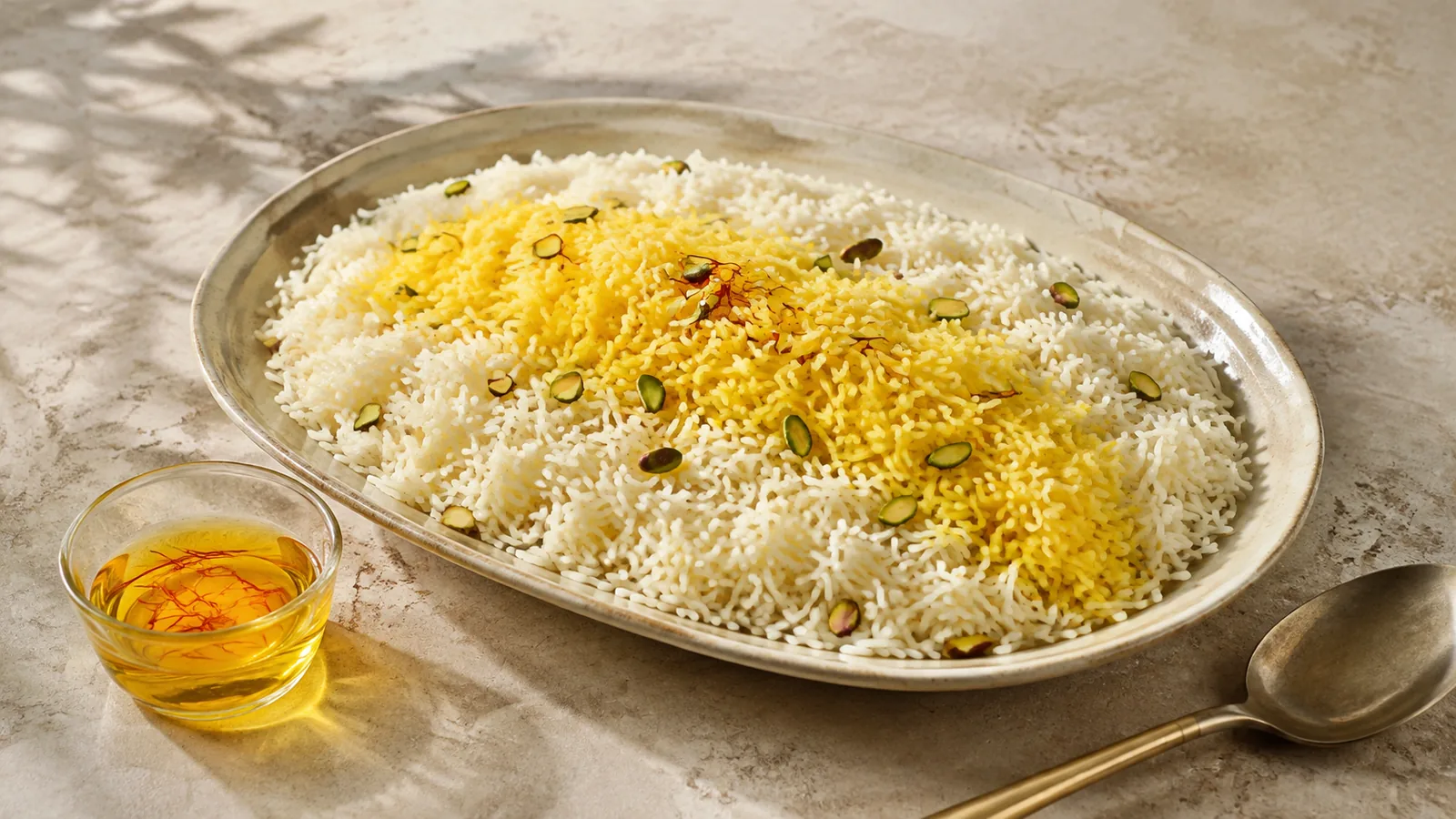
What Is the Best Use of Saffron in Cooking?
Saffron rice is not the only good answer, but it is the most instructive starting point. It teaches the three decisions behind nearly all saffron uses in cooking: how much to measure, how to bloom the threads and when to add the infusion.
What do you use saffron for after that first dish? Choose a recipe with moisture and a relatively gentle flavour base. Saffron needs liquid to distribute its colour and enough sensory space to be noticed. A crowded dish with smoke, strong chilli and many heavy spices can hide it.
Why Saffron Rice Is the Best Starting Point
The Colour Is Easy to Control
You can mix the infusion through the whole pot for an even golden tone or combine it with a small portion of cooked rice for a distinct top layer. That makes it easier to understand the strength of your saffron than using it in a dark stew.
The Aroma Remains Noticeable
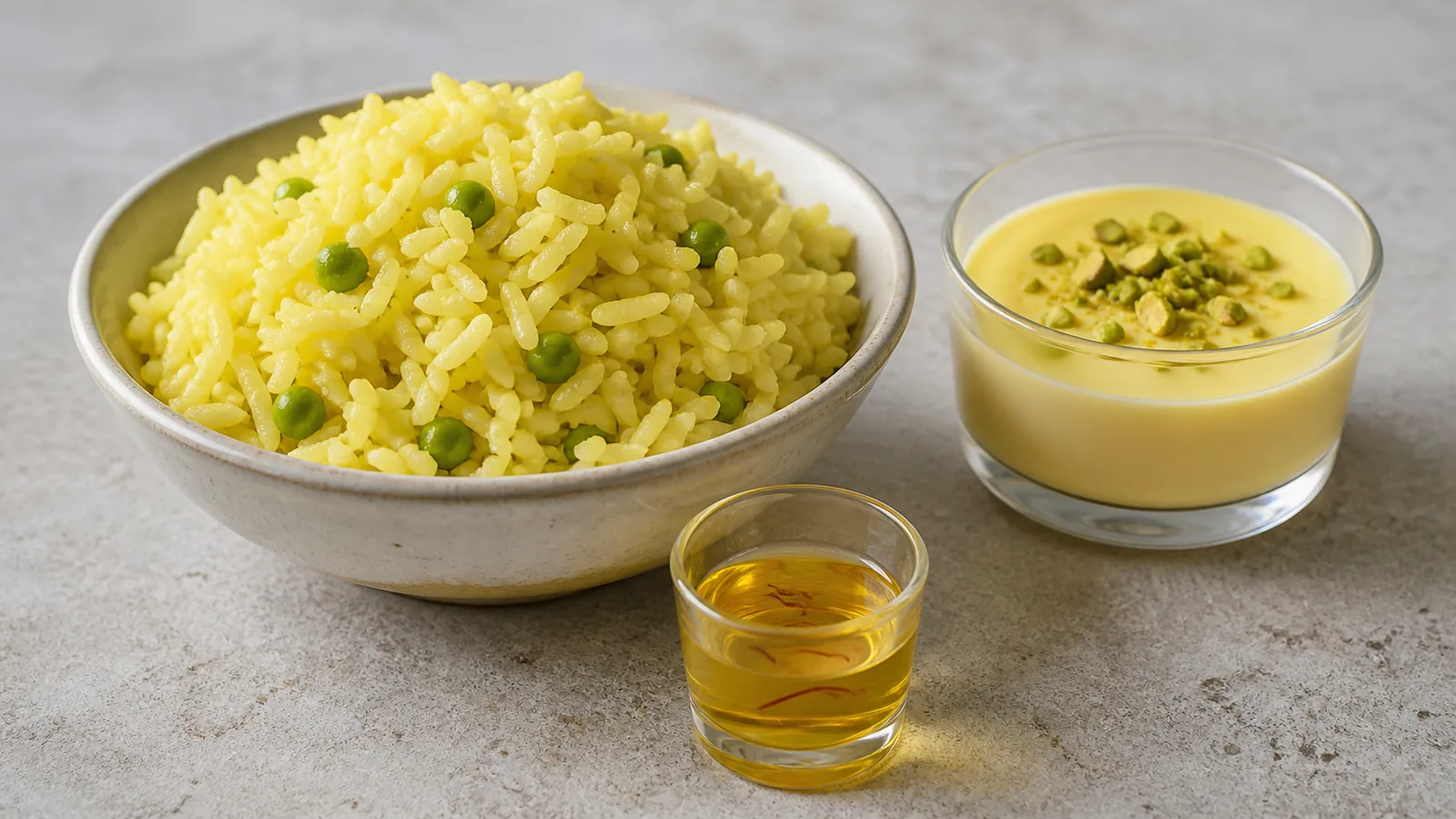
Plain basmati or another fragrant long-grain rice supports saffron without covering it. Butter, oil, salt and mild stock can round the dish, while cardamom, dried fruit or nuts are optional rather than compulsory.
The Technique Transfers to Other Recipes
Crushing, blooming and distributing saffron in rice builds a method you can use in broth, custard, cake batter and syrup. The liquid changes, but the principle remains the same.
A Reliable Saffron Rice Method
- Measure the saffron required by your rice recipe.
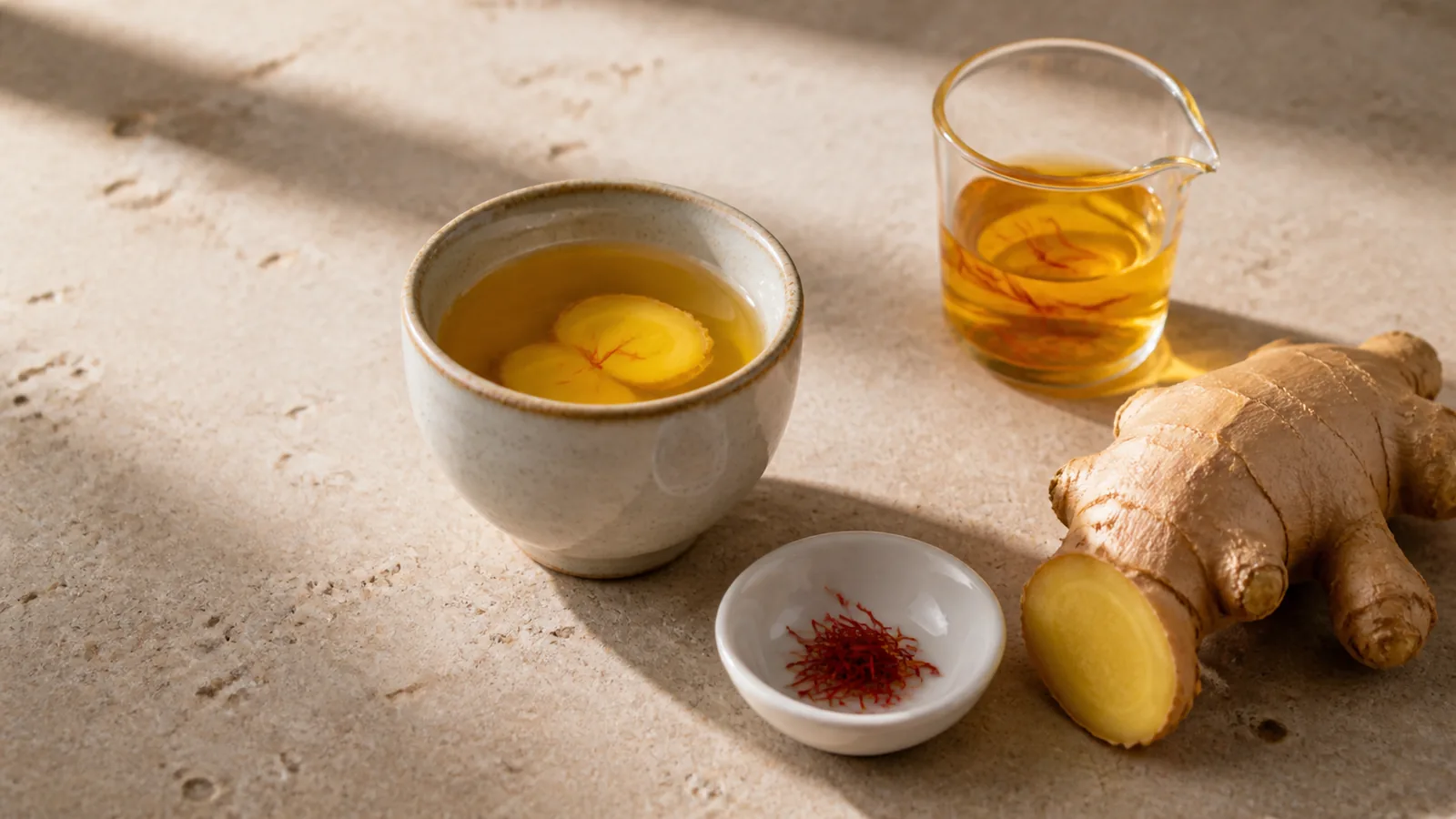
- Gently crush the threads into coarse pieces in a dry mortar.
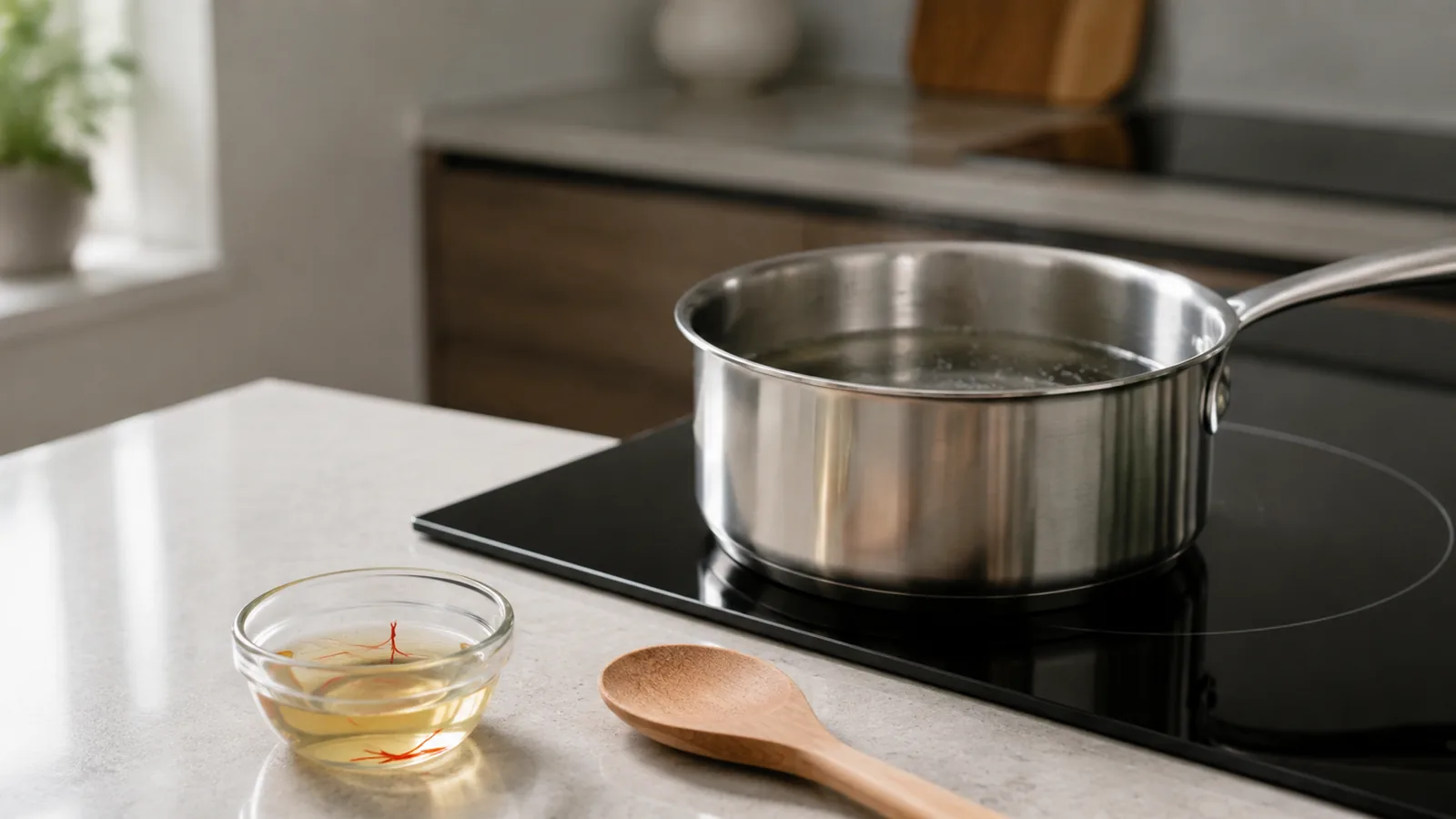
- Cover them with a few spoonfuls of warm water.
- Steep the covered infusion for 10–20 minutes.
- Cook the rice by your chosen method.
- Add the infusion to liquid the rice will absorb, or distribute it after draining and before the final steam.
- Use a few reserved threads only if a garnish helps the presentation.
Do not add saffron to boiling water that will be poured away. In drained rice, wait until the grains return to the pot for the final covered cooking. In absorption rice or risotto, put the infusion into retained cooking liquid.
Why Blooming Matters
Saffron’s crocins, responsible for much of its yellow-orange colour, are water-soluble. A 2024 culinary extraction study found that water-rich conditions favoured crocin extraction. Crushing the measured portion exposes more surface area, and a small water volume keeps the infusion concentrated.
Milk can replace water in a dairy dessert or drink; mild unsalted stock can work in a savoury dish. Water remains the most flexible default because it does not alter the recipe’s flavour or texture.
Other Excellent Savoury Uses
Paella and Seafood Rice
Paella is one of the best-known dishes in which saffron enters through stock and spreads into the rice. Regional recipes differ, but the cooking liquid is the practical delivery route. Seafood, poultry, vegetables and the toasted rice base should still retain their own character.
Risotto alla Milanese
Creamy risotto makes saffron easy to taste and see. Add the infusion while the rice is still absorbing stock so the colour distributes evenly. Butter and cheese can soften bitterness, but too much saffron will still taste harsh.
Fish Soup and Light Broth
Saffron can give fish soup, seafood broth or vegetable soup a warm aromatic layer. It works best when the stock is not so strong that it covers every delicate note. Add the infusion during the later cooking stage.
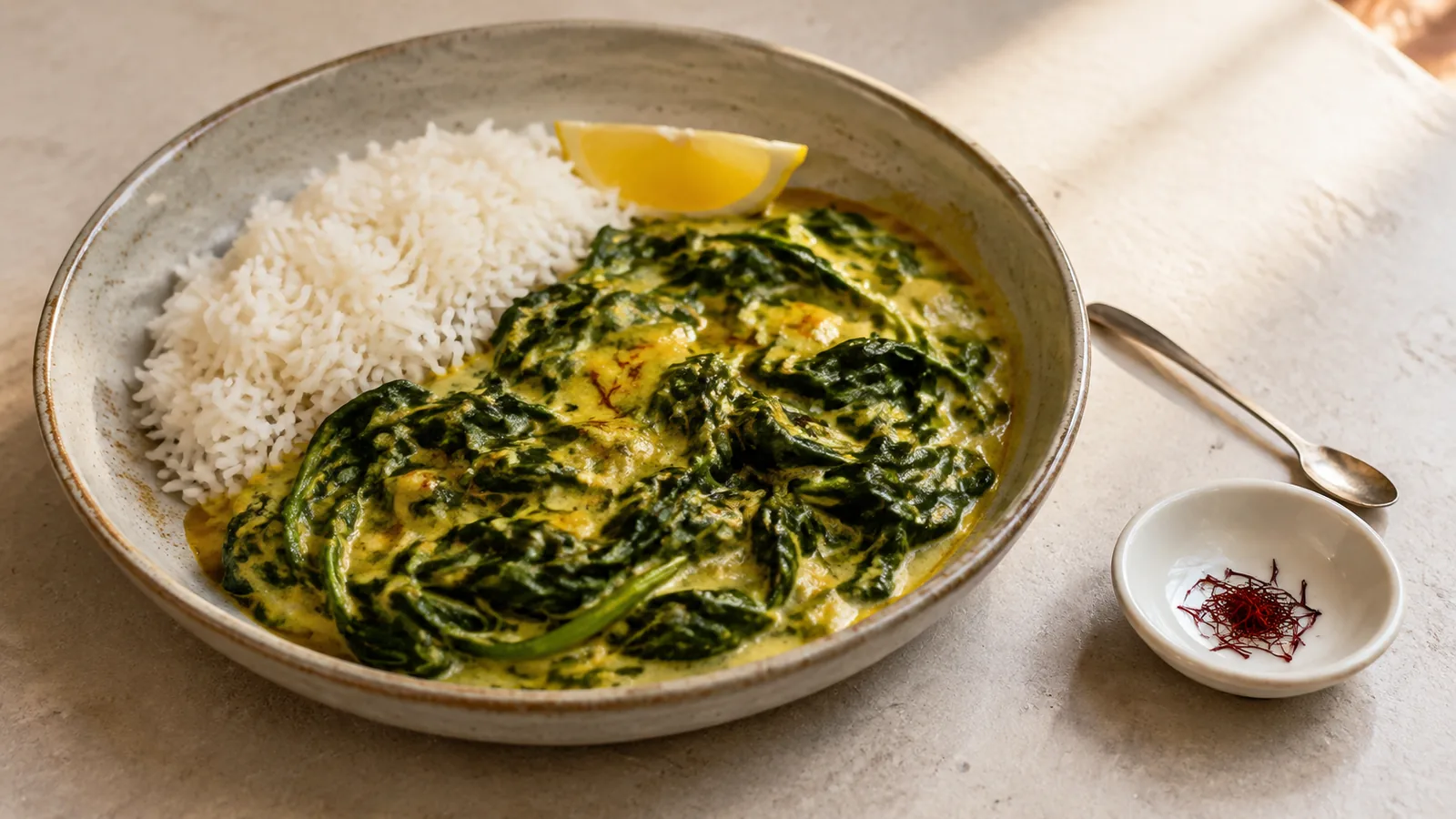
Chicken and Mild Curry
Chicken, lamb and selected mild curries can carry saffron through yoghurt, stock, cream or a finishing sauce. Use it selectively. Many curries have their own complete spice structures and do not need saffron.
The Best Sweet Uses
Rice Pudding and Kheer
Rice and milk provide a quiet base for saffron, while sugar softens its bitter edge. Bloom the spice in a small portion of warm milk from the recipe, then return that infusion before the pudding finishes thickening.
Ice Cream, Kulfi and Custard
Warm dairy releases and distributes the saffron before the mixture is chilled. Pistachio, cardamom, rose water or vanilla can support it, but use them with restraint so the saffron remains identifiable.
Cake, Bread and Pastry
Cool the infusion if necessary and mix it with the wet ingredients. Count that liquid in the recipe. Saffron works particularly well with orange, lemon, almond, pistachio, pear and apricot.
Saffron in Beverages
Warm milk and tea are straightforward beverage uses. Steep the measured threads in hot liquid without a prolonged rolling boil. For lemonade or a cold fruit drink, prepare a warm concentrated infusion, cool it, then add it to the final mixture.
A culinary drink uses saffron for flavour. It should not be treated as a supplement dose or a medical treatment.
How to Choose the Best Use for Your Saffron
- To learn the spice: make simple saffron rice.
- To serve seafood: choose paella-style rice, risotto, fish soup or a light sauce.
- To make a creamy dessert: use rice pudding, custard, kulfi or ice cream.
- To bake: add a cooled infusion to the recipe’s wet ingredients.
- To pair with fruit: use a light syrup with orange, pear, apricot or peach.
- To make a drink: steep it in warm milk or tea, or cool an infusion for a cold beverage.
The broader roundup of recipes that use saffron offers more examples by cuisine and cooking method.
What Saffron Is Used In—and What It Is Not
Saffron is used in rice, broths, sauces, selected curries, breads, cakes, custards, frozen desserts, syrups and drinks. Those saffron spice uses share one feature: a liquid or moist component can distribute the infusion.
It is not a substitute for turmeric. Turmeric supplies a different flavour and a much stronger yellow colour at lower cost. Saffron is also not useful as a large dry pile on finished food; several threads in one bite can be fibrous and bitter.
Common Mistakes
- Starting with a crowded recipe: choose a simple dish so you can learn the flavour.
- Using too much: excess saffron tastes bitter or medicinal.
- Skipping the infusion: dry threads distribute poorly.
- Putting it in discarded liquid: add it to a retained cooking stage.
- Boiling it for the entire cooking time: add it later in long-cooked dishes.
- Adding every complementary spice: one or two supporting flavours are usually enough.
The Best First Recipe
If you have good whole threads and want to understand what saffron does, make rice. Measure the spice, bloom it in warm water and add it before the final steam. You will see how the colour moves, smell the aroma clearly and learn what a balanced amount tastes like.
After that, use the same technique in paella, risotto, soup, sauce, custard or baking. The detailed guide to adding saffron to food shows where the infusion belongs. Current whole-thread options are listed in the saffron shop.