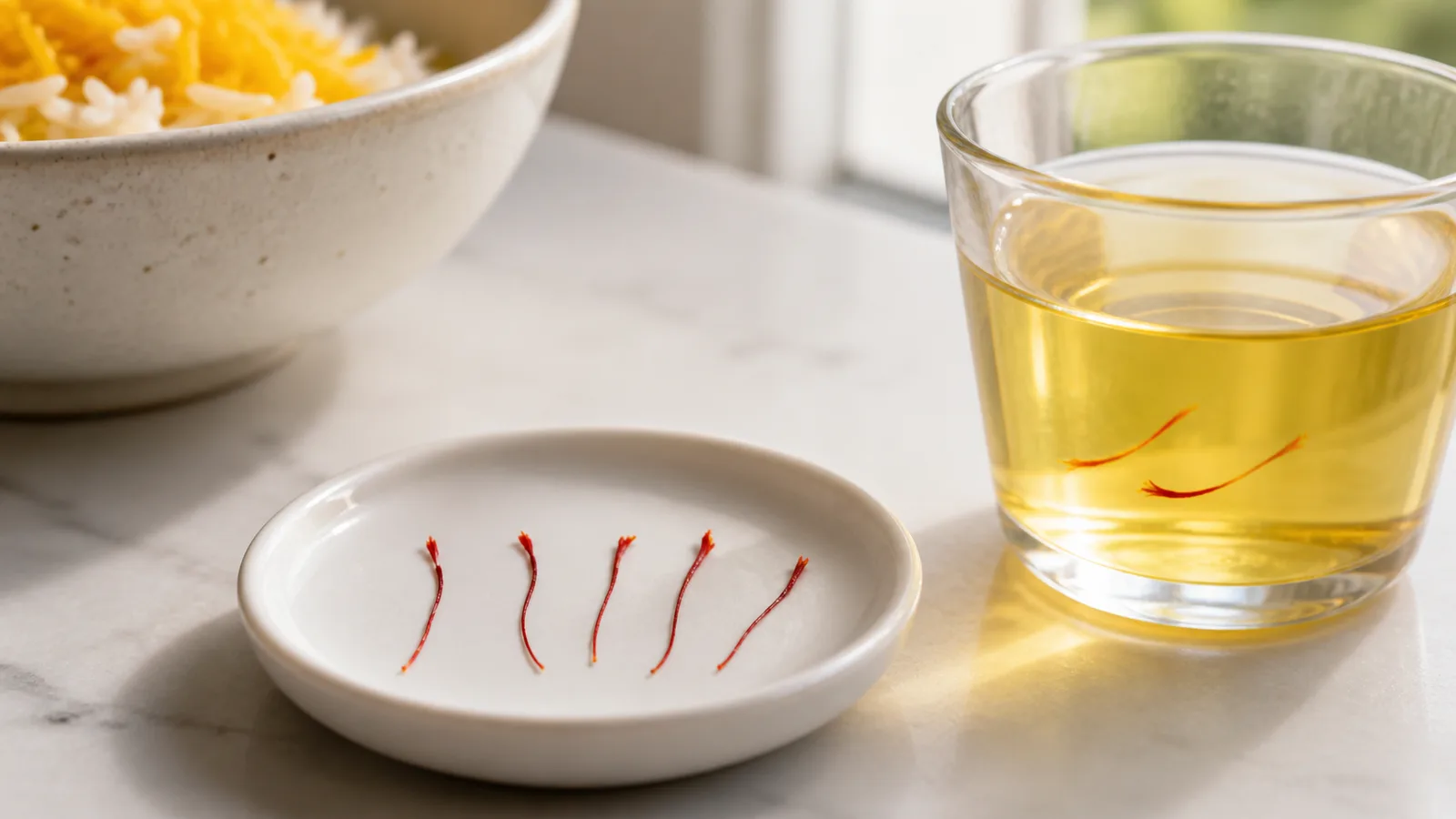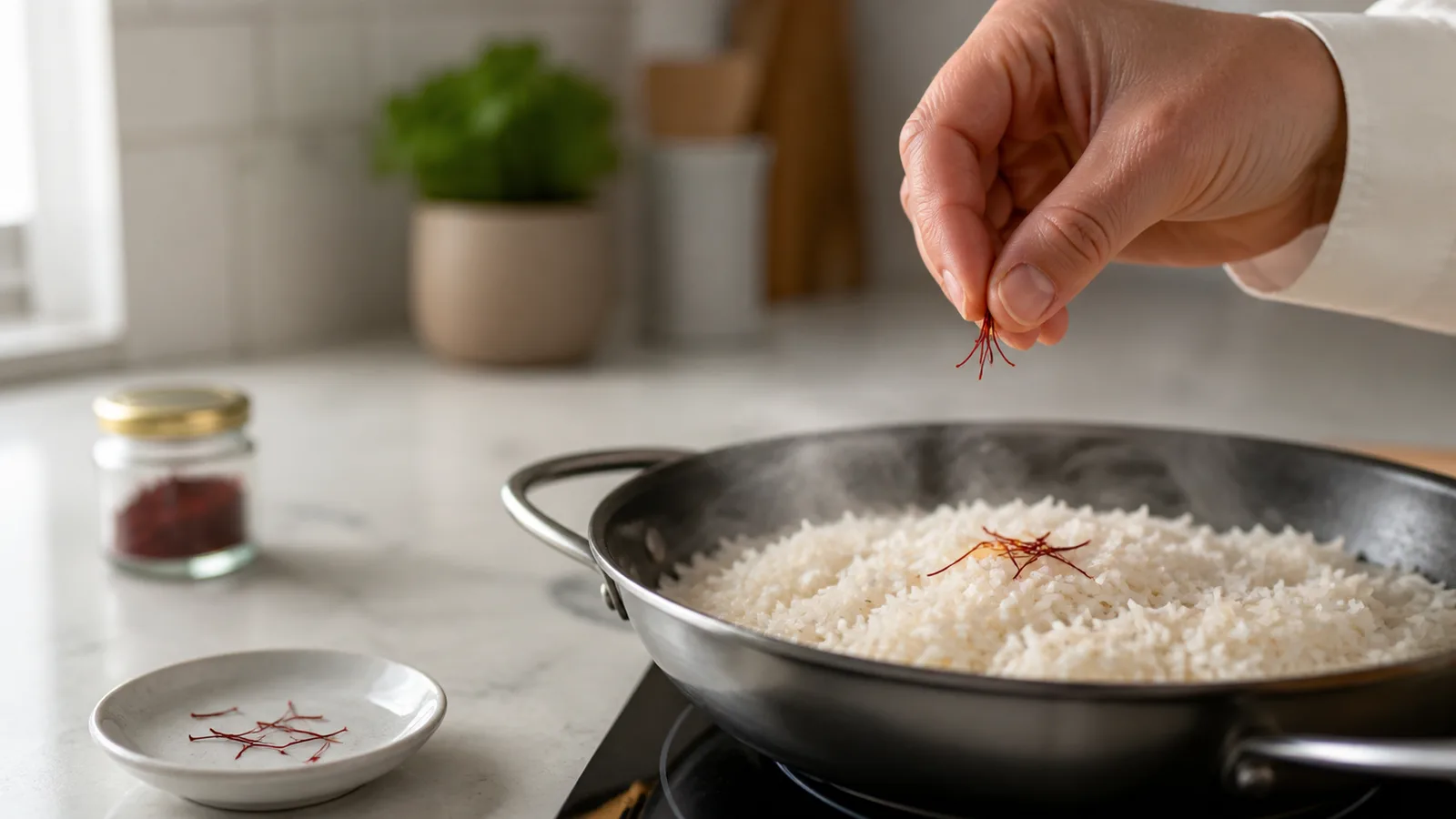
How much saffron is too much? There is no single household number that applies to every person and every product. In ordinary cooking, saffron is used by the pinch—often only a few threads per serving or a small pinch for a shared dish. Eating a large measured amount, or taking a concentrated saffron tablet or extract, is a different kind of exposure and should not be treated like seasoning food.
That distinction is the most useful safety rule. Use saffron sparingly for flavor, aroma, and color. Do not turn a culinary ingredient into a high-dose routine because a number from a study or product label appears reassuring.
Can you take too much saffron?
Yes. Too much saffron can cause unwanted effects, and the risk is harder to judge once the spice is concentrated into powders, capsules, or extracts. The amount in one supplement cannot be reliably estimated by counting threads: thread size varies, products are processed differently, and extracts may be standardized to particular compounds.
A 2008 placebo-controlled trial gave 30 healthy adults either placebo, 200 mg, or 400 mg of saffron tablets daily for seven days. The researchers reported no gross clinical changes, but they did observe changes in blood pressure and several blood and biochemical measures at the higher exposure. Those values remained within normal ranges in that small, short study. This is safety research—not a recommendation to take 400 mg a day. See the trial record on PubMed.
A newer systematic review covering 102 clinical trials and one case report found that saffron preparations were generally well tolerated. It also estimated that related adverse events occurred in about 17.5% of participants, most often minor, self-limiting gastrointestinal problems. The authors advised clinical monitoring for medicinal use at higher doses or over longer periods. The review covers varied preparations and study populations, so it still does not establish a universal do-it-yourself dose. See the 2026 systematic review on PubMed.
What is a normal culinary amount?
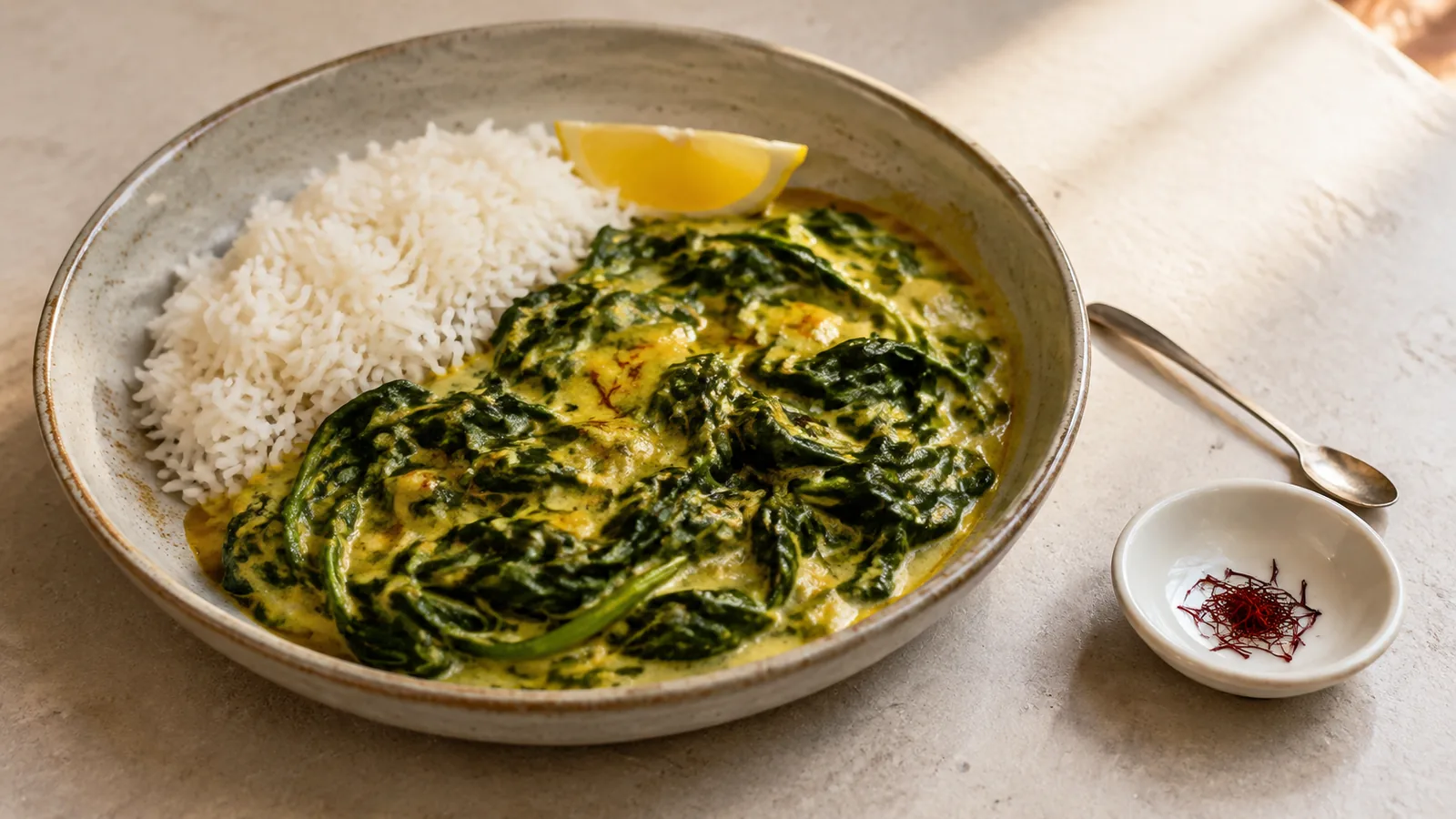
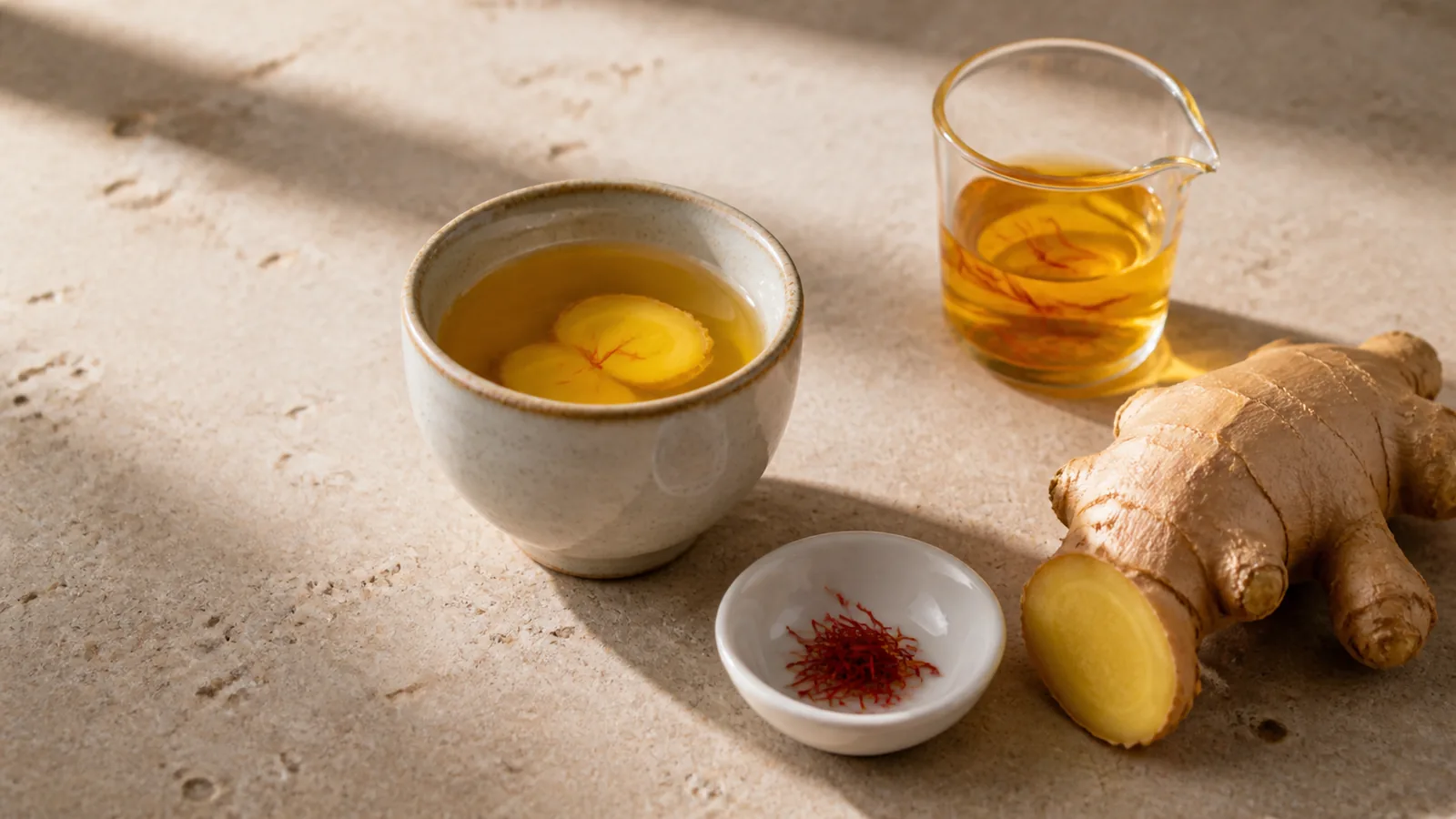
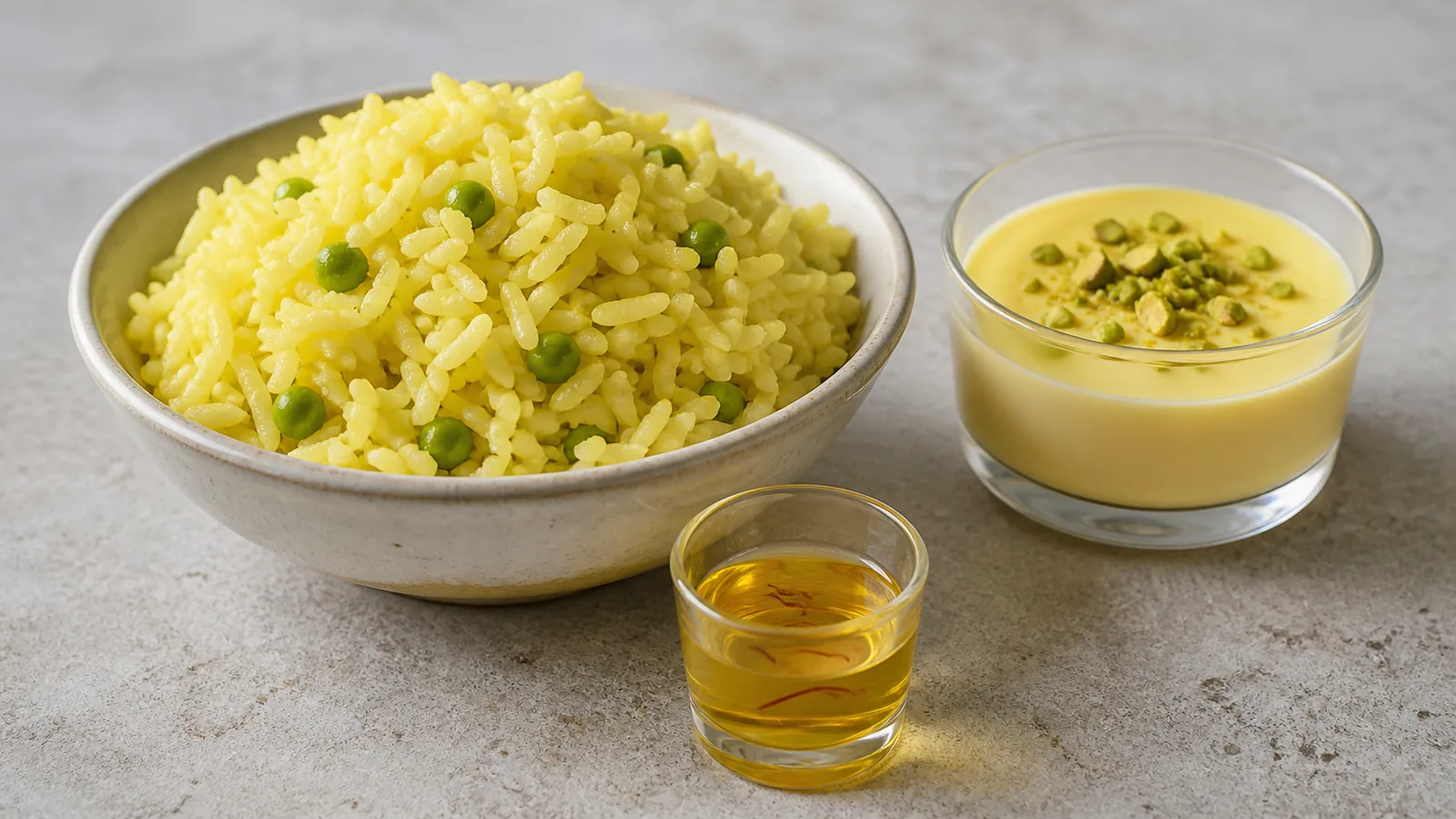
For food, begin with the smallest amount that gives the dish a clear saffron aroma. A few threads can be enough for a cup of tea or milk. A small pinch may suit a pot of rice, soup, or sauce shared by several people. The precise number changes with the strength of the saffron, the size of the dish, and personal taste.
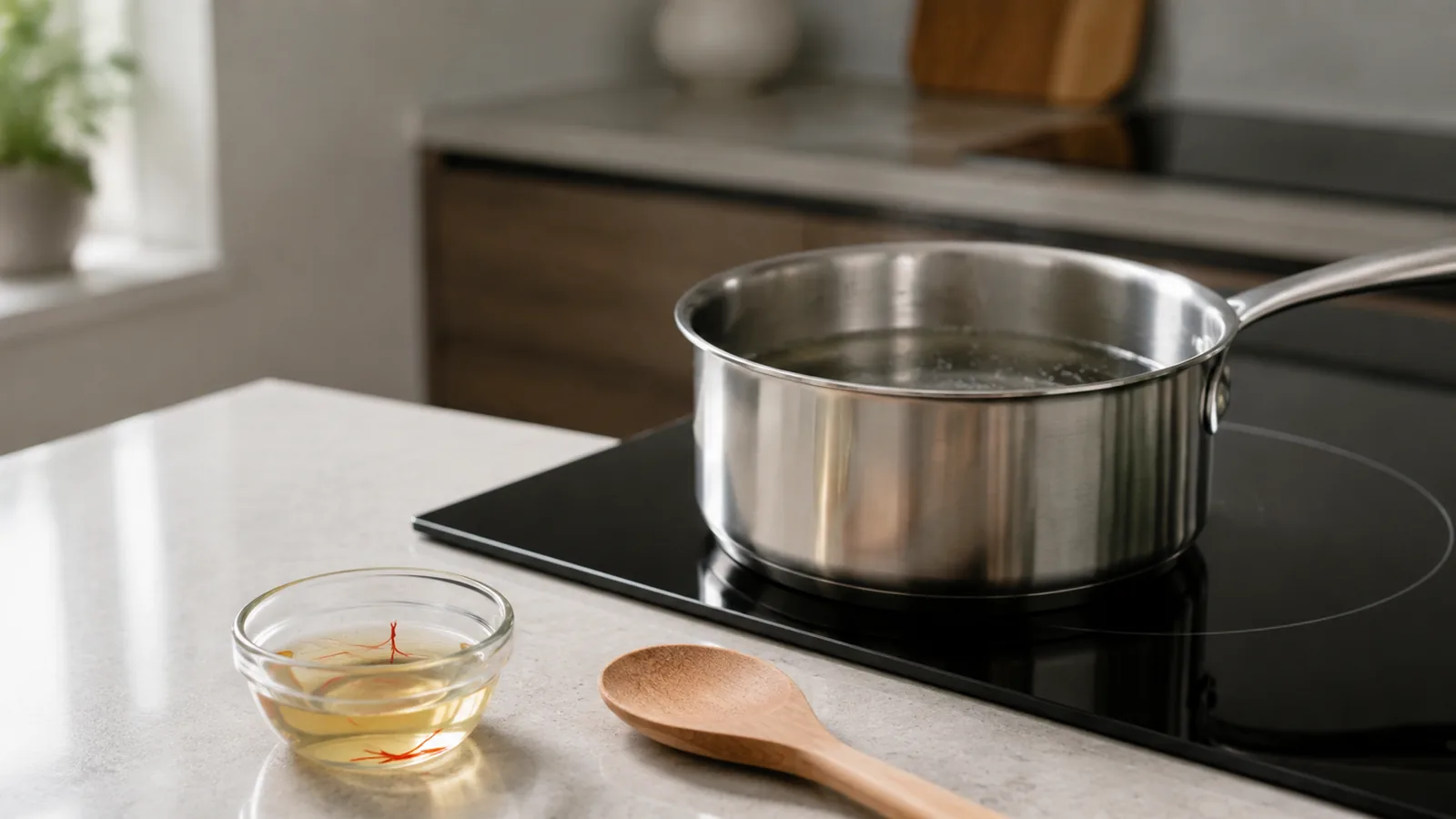
Blooming the threads in a little warm water or milk for 10 to 15 minutes helps distribute them evenly. That usually produces better color and flavor than adding more dry saffron. If a dish tastes harsh, medicinal, or markedly bitter, increasing the sweetener or other spices is not the answer; use less saffron next time.
Side effects of too much saffron
Research on concentrated preparations most often reports gastrointestinal complaints such as nausea, stomach discomfort, vomiting, or diarrhea. Dizziness or other unexpected symptoms also deserve attention, especially after a supplement or an unusually large quantity. A toxicology review indexed by PubMed discusses how effects differ by the form, amount, and duration of exposure.
If you believe you have swallowed a large amount, feel unwell, or do not know what concentration a product contains, stop taking it and contact a local poison service or healthcare professional promptly. Severe symptoms need urgent medical care. Do not wait for an online article to calculate whether an exposure is safe.
Culinary saffron and supplements are not interchangeable
A small pinch dispersed through a meal is visible and easy to keep modest. A capsule may contain powdered saffron or an extract, and two products that carry the same plant name may not deliver the same composition. That is why a tablet amount studied under supervision should never be converted into an informal number of strands.
If you are considering saffron for a health purpose rather than flavor, discuss the exact product with a qualified clinician or pharmacist. This is particularly important during pregnancy or breastfeeding, before surgery, for a child, with a significant medical condition, or when medicines or other supplements are involved. Normal culinary use and medicinal use should remain separate decisions.
How to avoid using too much saffron in food
- Measure with a small pinch rather than pouring directly from the container.
- Bloom the threads first so their color and aroma spread through the dish.
- Wait until the infusion has developed before deciding that more is needed.
- Keep supplements out of recipes; use identifiable culinary threads.
- Store saffron closed, dry, and away from light so a faded batch does not tempt you to keep adding more.
Quality also matters. Threads should come from a source that identifies the product clearly and protects it from moisture and contamination. You can explore our saffron selection for cooking.
The practical answer
When someone asks how much saffron is too much, the safest useful answer is not a dramatic gram threshold. Keep it to ordinary culinary quantities, use blooming to get more from a small pinch, and do not assume that supplement or research doses are suitable for unsupervised use. If you have taken much more than a recipe amount or develop symptoms, get case-specific medical advice.