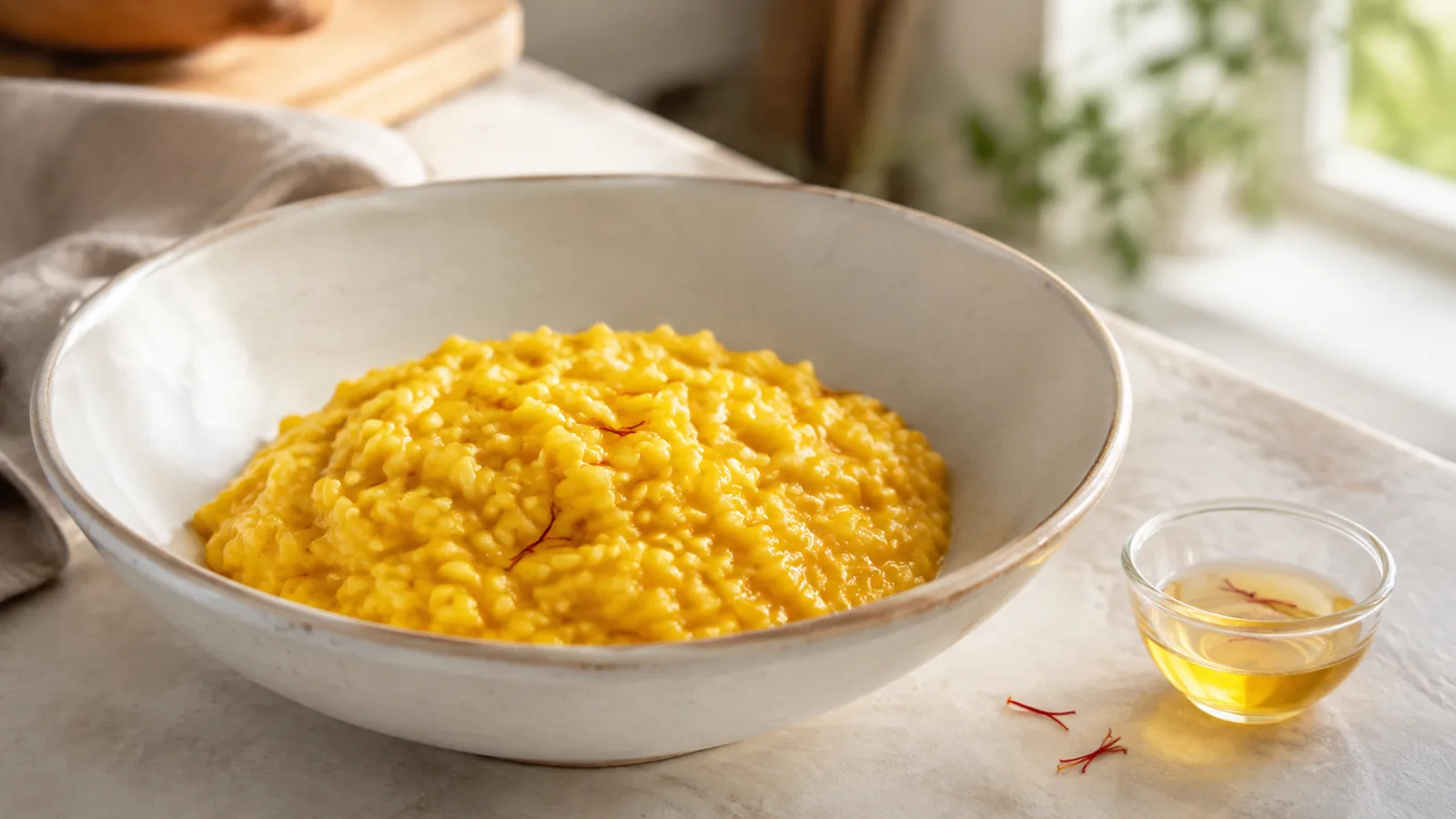
Saffron belongs naturally in rice dishes, seafood soups, mild chicken or lamb preparations, creamy desserts, cakes, tea and warm milk. It also works with vegetables and sauces that leave room for its floral aroma. Start with the food, then choose a preparation method that spreads the spice evenly.
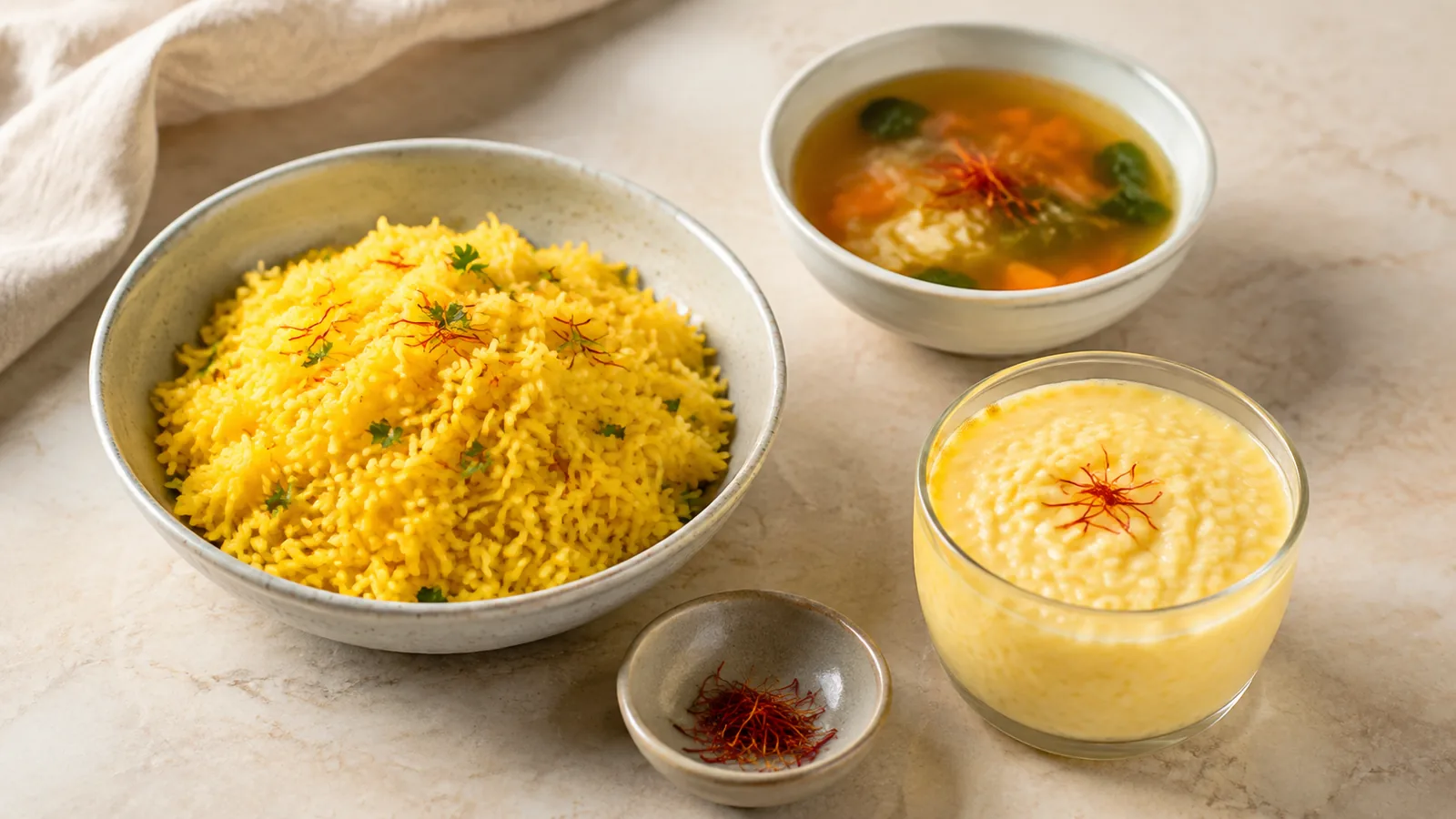
Saffron in cooking: where should you use it?
If you are asking what foods have saffron, the clearest examples come from dishes built around rice, broth or milk. Those ingredients absorb an infusion and carry it through every serving. Saffron can also be used in bread, cake, marinades and sauces, but it needs moisture to disperse.
Where to use saffron depends on what you want it to do. These saffron food ideas are starting points: in rice it can colour and perfume the grain; in a seafood broth it adds warmth; in dairy it contributes aroma and a slight bitter counterpoint to sweetness.
Rice and grain dishes
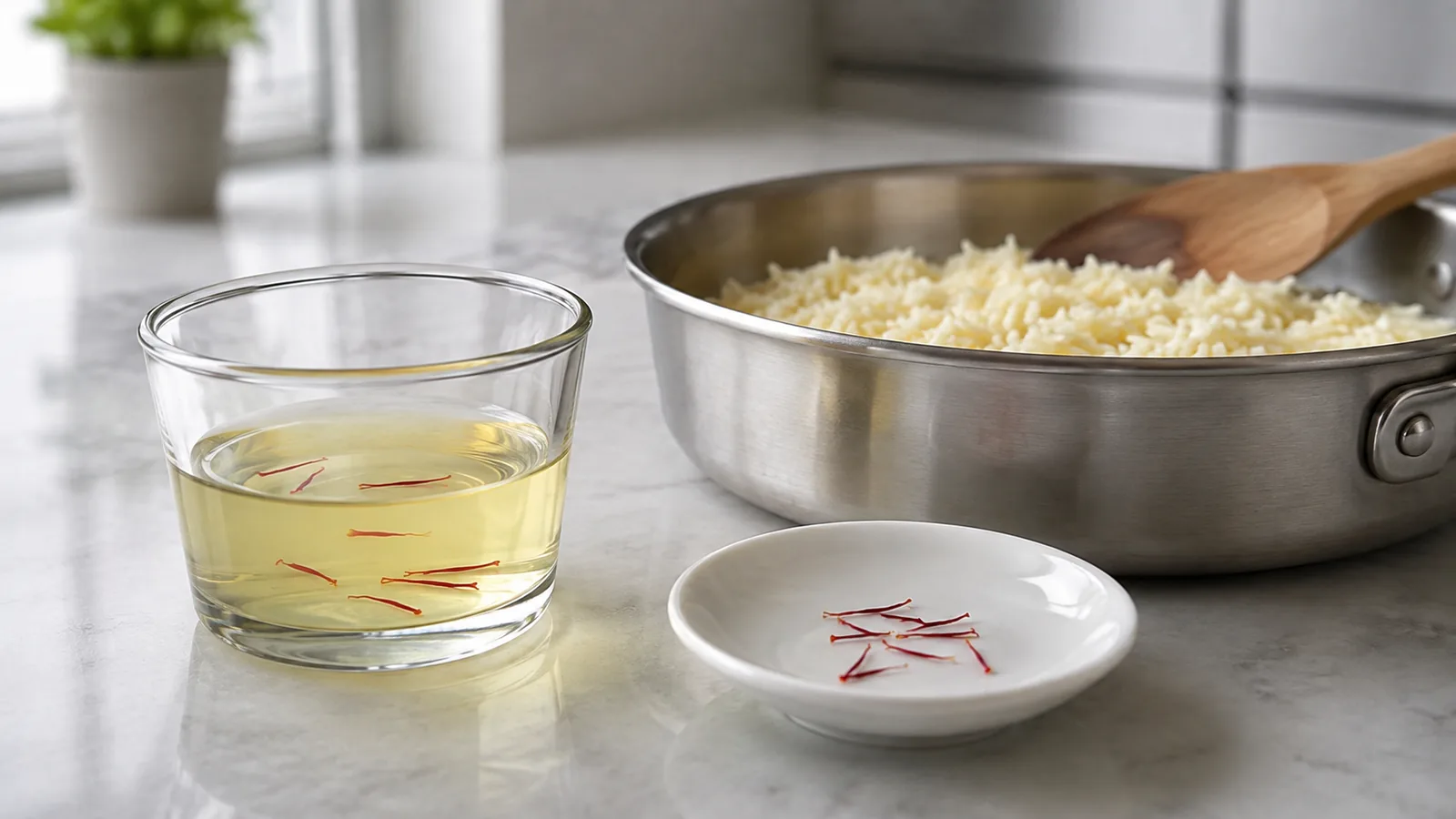
Rice is the most forgiving place to begin. Persian chelow may be finished with a separate portion of saffron-coloured rice, while tahdig can take on its colour and aroma. Paella incorporates saffron into the cooking liquid, and biryani often uses an infusion when the rice is layered. Risotto alla Milanese is another well-known saffron rice dish.
Couscous, barley and quinoa can also carry a light infusion, especially when served with vegetables or a mild stew. Use stock that suits the meal and avoid so much salt or roasting flavour that the saffron disappears.
Seafood and fish
Saffron suits prawns, mussels, crab, lobster and firm white fish because their flavour can remain distinct beside it. Use the infusion in paella, a seafood soup, a tomato-and-fennel broth, or a light cream sauce.
Freshness matters. Saffron should complement seafood, not cover an off smell. Add it to the broth or sauce where it can spread rather than placing dry threads on one fillet.
Chicken, lamb and other meat
Chicken accepts saffron in yoghurt marinades, rice dishes, soups and creamy sauces. Lemon, onion and garlic can support it without turning the dish into a spice mixture. Turkey can be used in similar preparations.
Lamb has a stronger flavour, so give the saffron a clear role: bloom it in liquid for a braise, mix it into a yoghurt marinade, or use it in the rice served with the meat. Beef can work in a lighter stew or broth, although deep smoke and a very dark reduction can overwhelm the spice.
Soups and stews
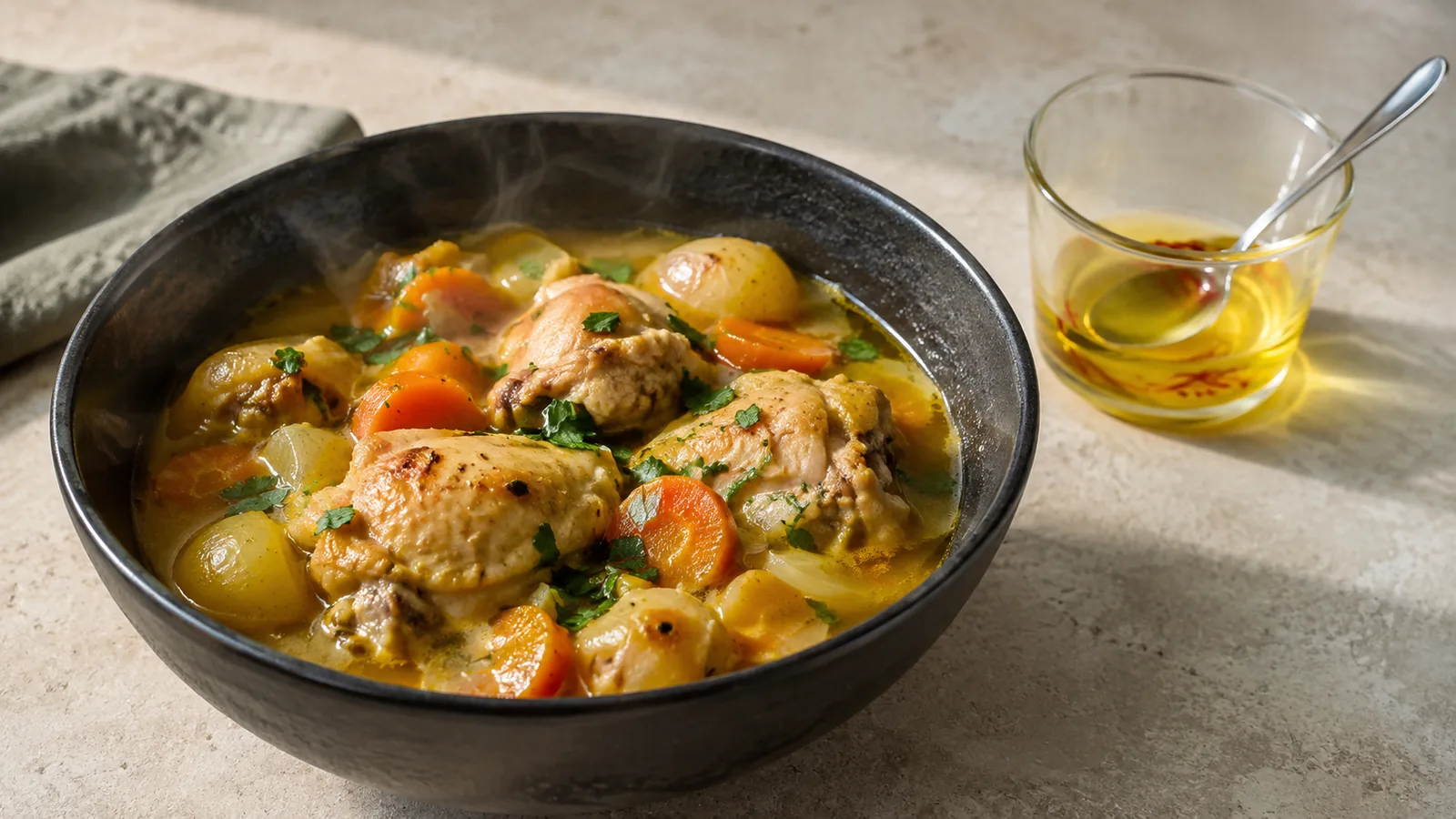
Broth distributes saffron well. It can be added to seafood soup, chicken soup, vegetable soup, chickpea stew or a tomato-based Mediterranean-style dish. Bloom the threads first and stir in the entire infusion.
A hearty stew does not always need more saffron. If the dish contains smoked meat, a large amount of chilli or heavily caramelised sauce, flavour a side of rice or a lighter accompanying broth instead.
Vegetables and pulses
Potato, cauliflower, carrot, parsnip, squash, fennel, leek and onion all provide a mild base. Add saffron to the stock for a vegetable stew, to a dressing for roasted vegetables, or to a yoghurt sauce served alongside them.
Tomato, eggplant, peas, chickpeas and white beans also work. Green vegetables such as spinach and kale have a more assertive mineral character, so use saffron in the surrounding rice or sauce rather than expecting it to dominate the leaves.
Milk-based desserts and frozen sweets
Warm milk extracts and distributes saffron in kheer, rice pudding, other milk puddings, custard, kulfi and ice cream. The spice works especially well with cardamom, pistachio, almond, rose water, honey and citrus, but a dessert rarely needs all of them at once.
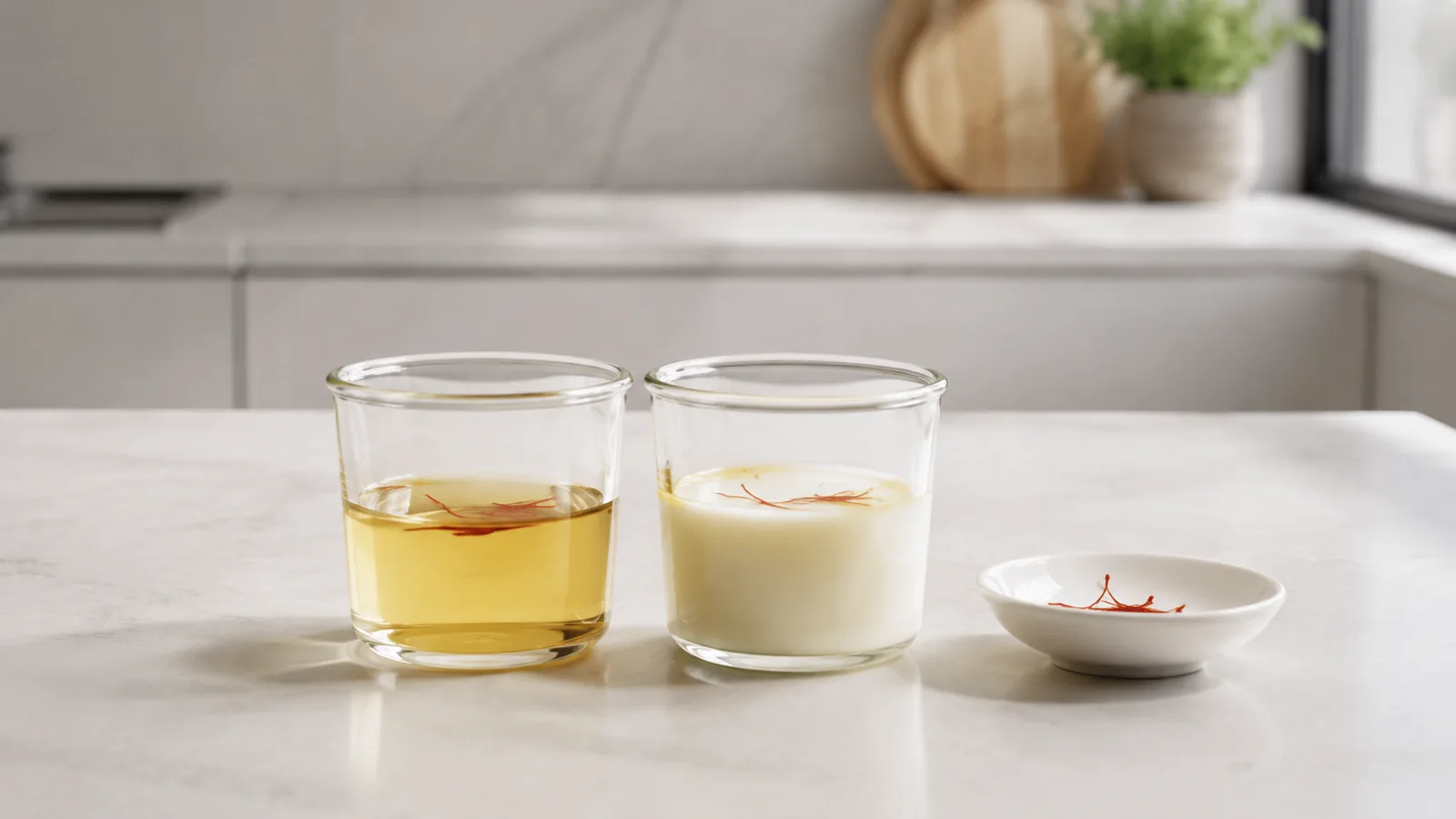
Infuse the saffron in a small part of the recipe’s milk before combining it with the rest. This prevents dry clumps and makes it easier to judge the strength. If you want a complete formula, use the tested saffron ice cream recipe.
Cakes, biscuits and bread
Saffron can flavour butter cake, yeasted bread, buns and biscuits. Add a water or milk infusion with the wet ingredients, taking its volume into account. Ground threads added dry to flour may stay concentrated in a few crumbs.
Orange or lemon zest, cardamom and almonds are useful companions. Keep the supporting flavours measured so the finished bake still tastes of saffron rather than only sugar and citrus.
Tea and milk drinks
A few threads can be steeped in hot water on their own or added to black, green or herbal tea. Honey and lemon are optional. Saffron milk uses the same principle with a warm dairy or plant-based drink.
The tea base sets the caffeine level and much of the bitterness. Saffron does not make an over-brewed black or green tea gentler, so prepare the base correctly before adjusting the spice.
Sauces, marinades and dressings
A concentrated saffron infusion can enter a yoghurt marinade, butter sauce, cream sauce, mayonnaise-style dressing or light vinaigrette. Add it a little at a time because excess water can thin an emulsion.
For grilled food, the sauce is often a better home for saffron than the hottest part of the grill. High heat and smoke can obscure the aroma, while a finishing sauce keeps it noticeable.
What goes with saffron?
The ingredients above are foods you can put saffron in; they are not all interchangeable. If your question is what pairs well with saffron, consider both strength and cooking method. Rice, dairy, seafood and poultry are gentle carriers. Citrus, cardamom, nuts, tomato, fennel and mild alliums can provide direction.
For more detailed saffron flavor pairings, including combinations that can overpower it, use the dedicated guide to what pairs well with saffron.
How to add saffron to food
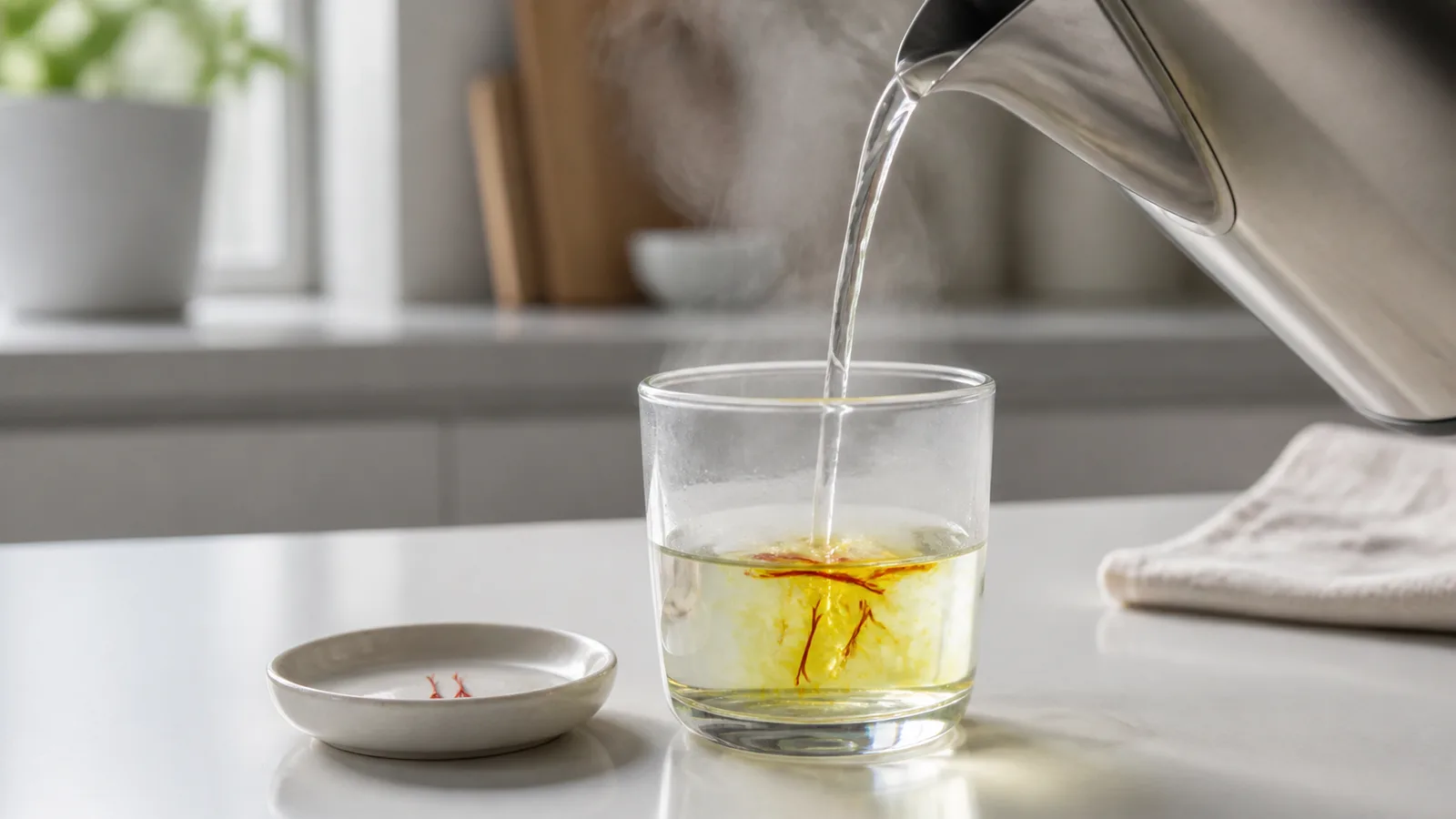
Lightly crush the threads and steep them in a small amount of warm water, milk or stock for 10–15 minutes. Add the liquid and softened threads. The broader method guide to using saffron in food explains amounts, timing and common mistakes.
Do not judge only by colour or add a large pinch because the dish is not yellow immediately. Taste and aroma take time to spread. For more recipe directions, browse the focused guide to what to cook with saffron.
Choose one clear use
For a first attempt, choose rice, a milk dessert or a light broth. These make it easier to understand the saffron before placing it in a heavily spiced dish. Keep the recipe simple, record the amount, and adjust on the next batch.
If you need intact culinary threads, check the current Sargol saffron pack details. The useful question is not how many foods can contain saffron, but what role it has in the meal you are making.