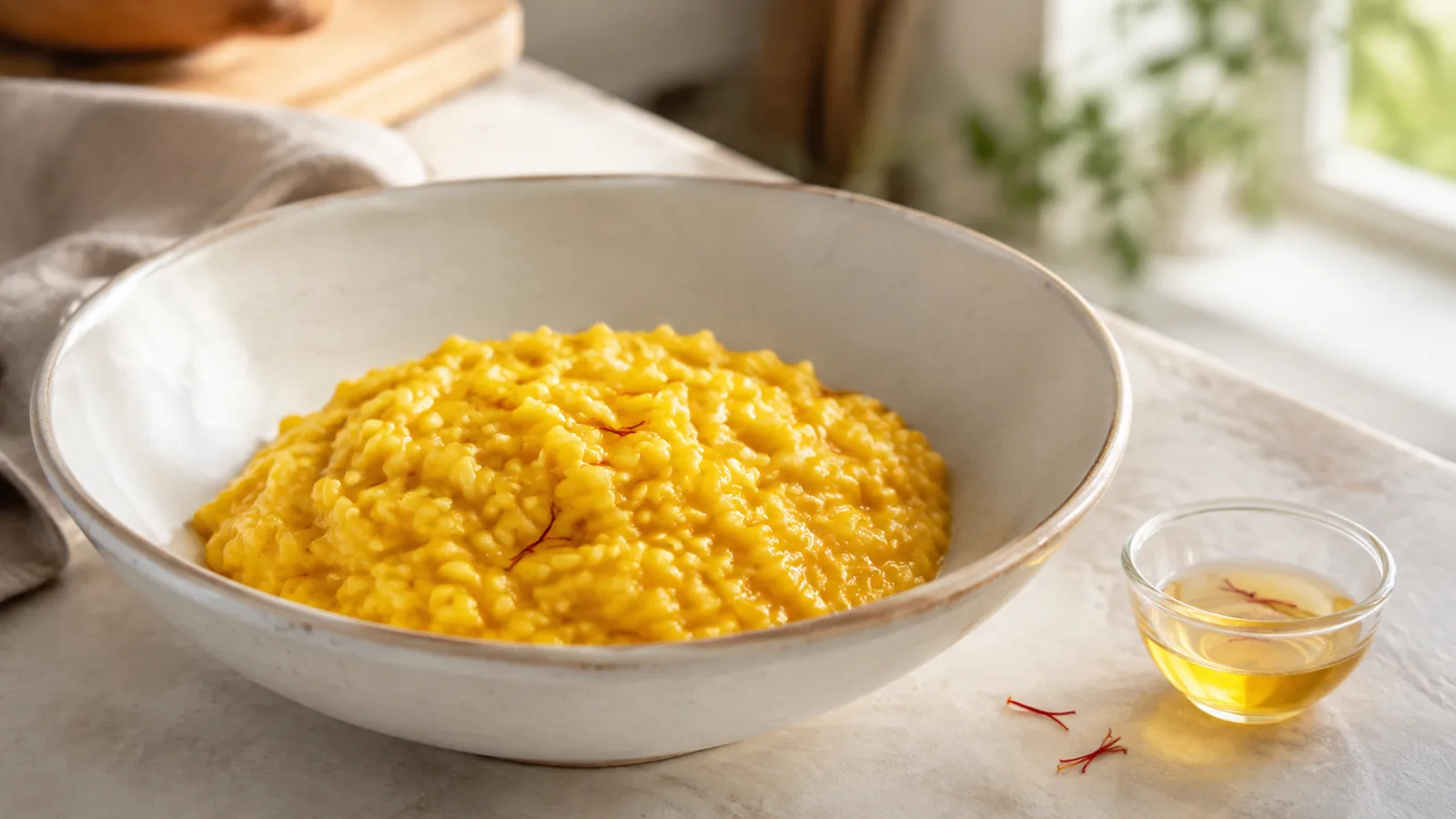
If you are deciding what to cook with saffron, start with rice, seafood, chicken, creamy desserts or a simple broth. These foods give the spice room to add golden colour and a dry, floral, gently earthy aroma without being buried by stronger flavours.
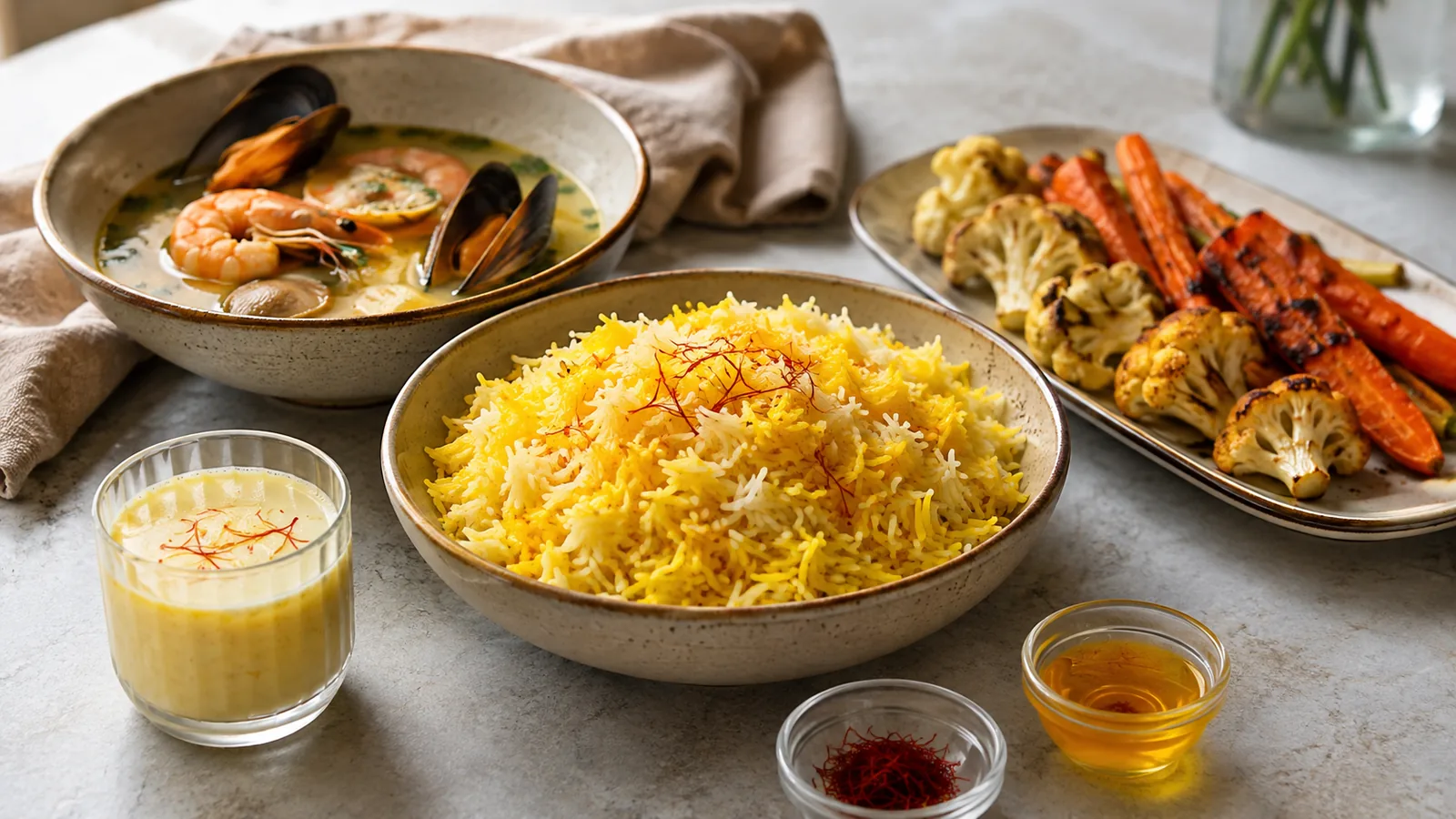
Cooking with saffron starts before the pan
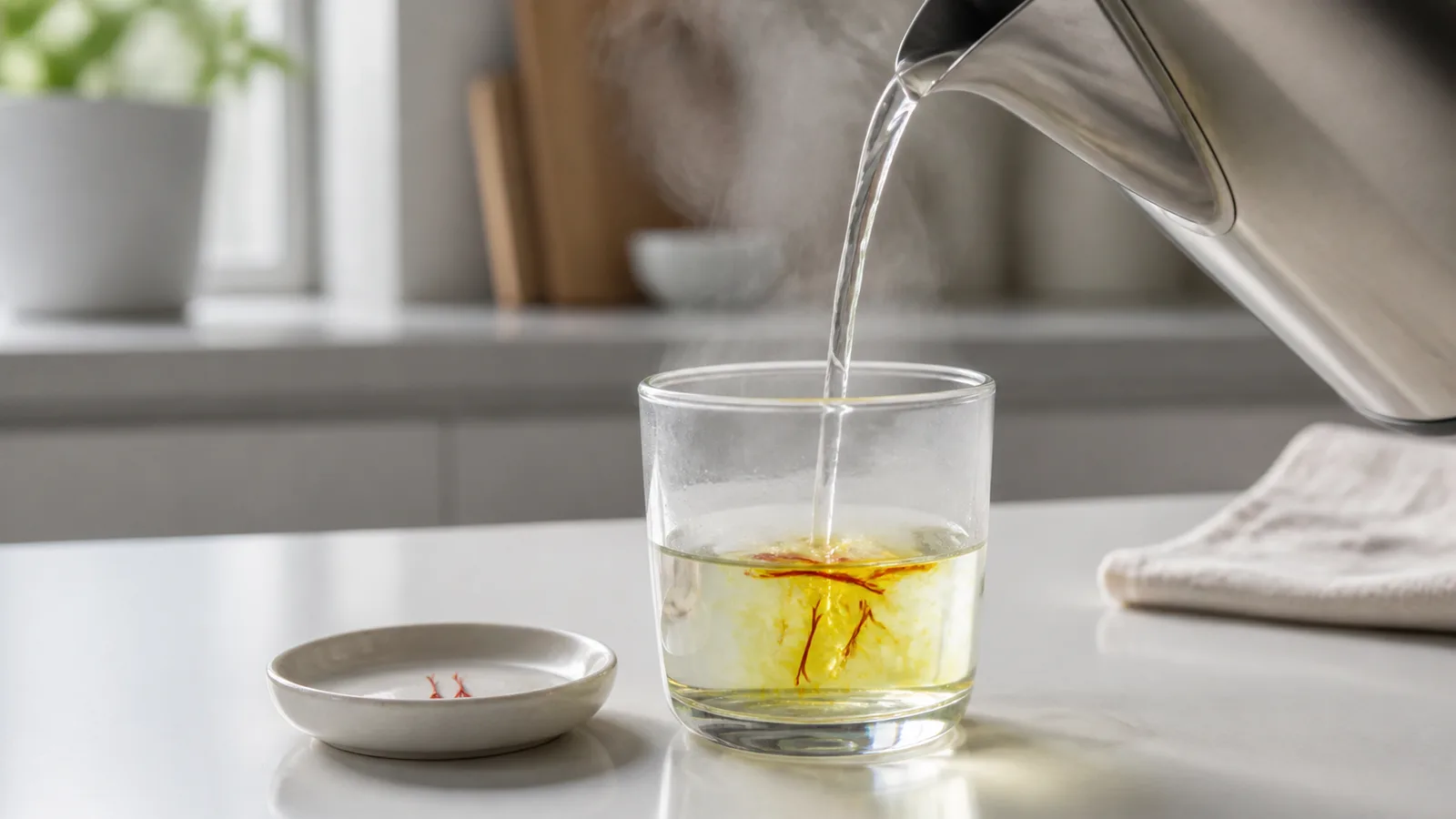
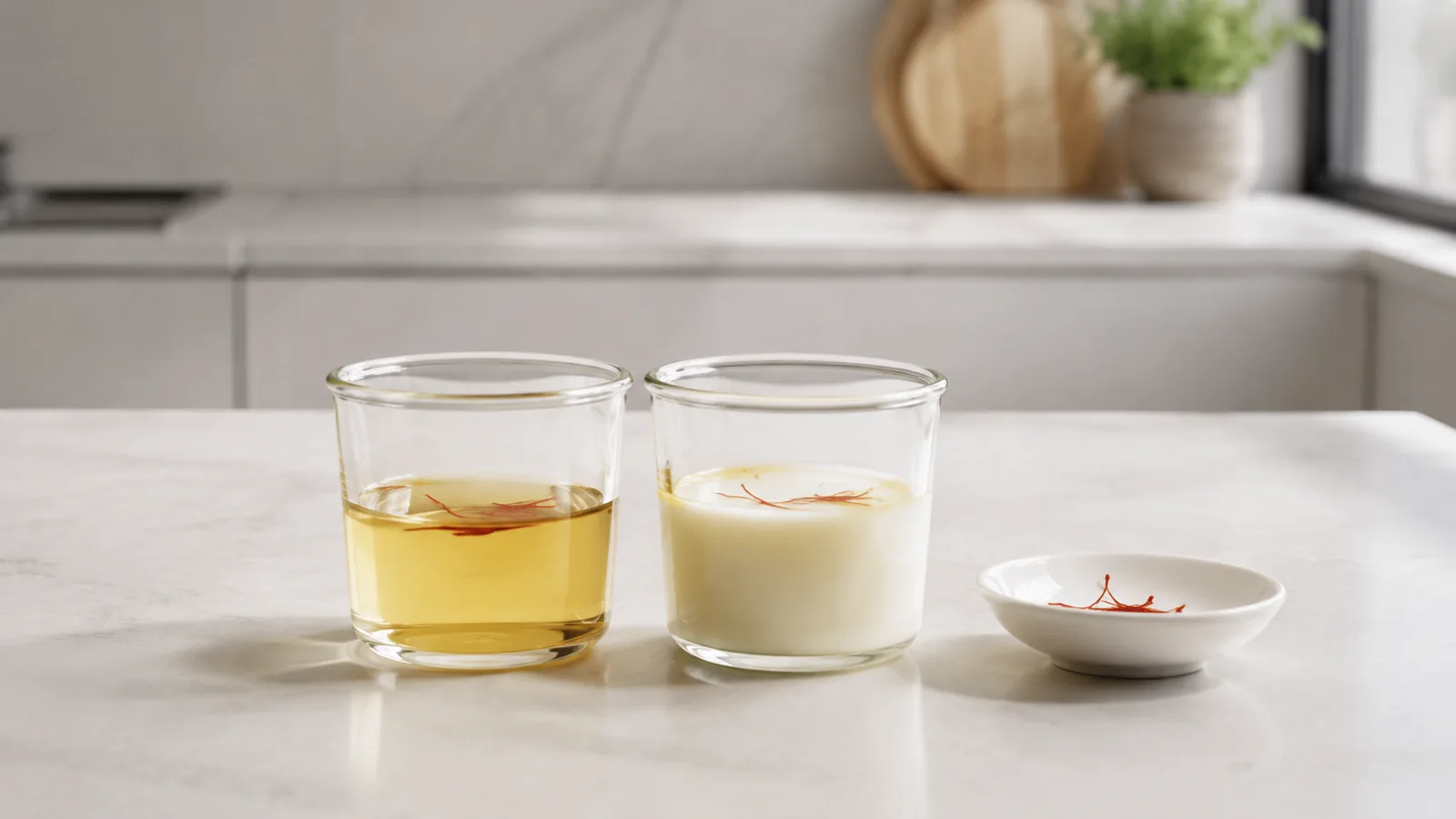
Saffron works best when it is dispersed through liquid rather than dropped as dry threads onto a finished dish. Gently crush the portion you need, soak it in a small amount of warm water, stock or milk, and add both the liquid and threads to the recipe. This spreads the colour evenly and avoids leaving all the flavour in a few bites.
You do not need a large quantity. Start with the amount specified by a tested recipe or with a modest pinch for a family-sized dish; thread thickness and batch strength vary too much for a universal thread count. Our guide to brewing saffron before cooking explains the infusion method in detail.
Colour, taste and aroma do not come from one property. A peer-reviewed sensory study of saffron discusses crocins in relation to colour, picrocrocin in relation to bitterness and safranal’s contribution to aroma, while noting that trained sensory evaluation adds information beyond simple chemical numbers. In the kitchen, this means “darker yellow” is not the only sign of a good result.
What foods is saffron used in?
Saffron appears in savoury and sweet cooking across Mediterranean, Middle Eastern and Indian traditions. It is especially at home in:
- rice and grain dishes, including Persian rice, pilaf, risotto, paella and biryani;
- fish, shellfish and light seafood broths;
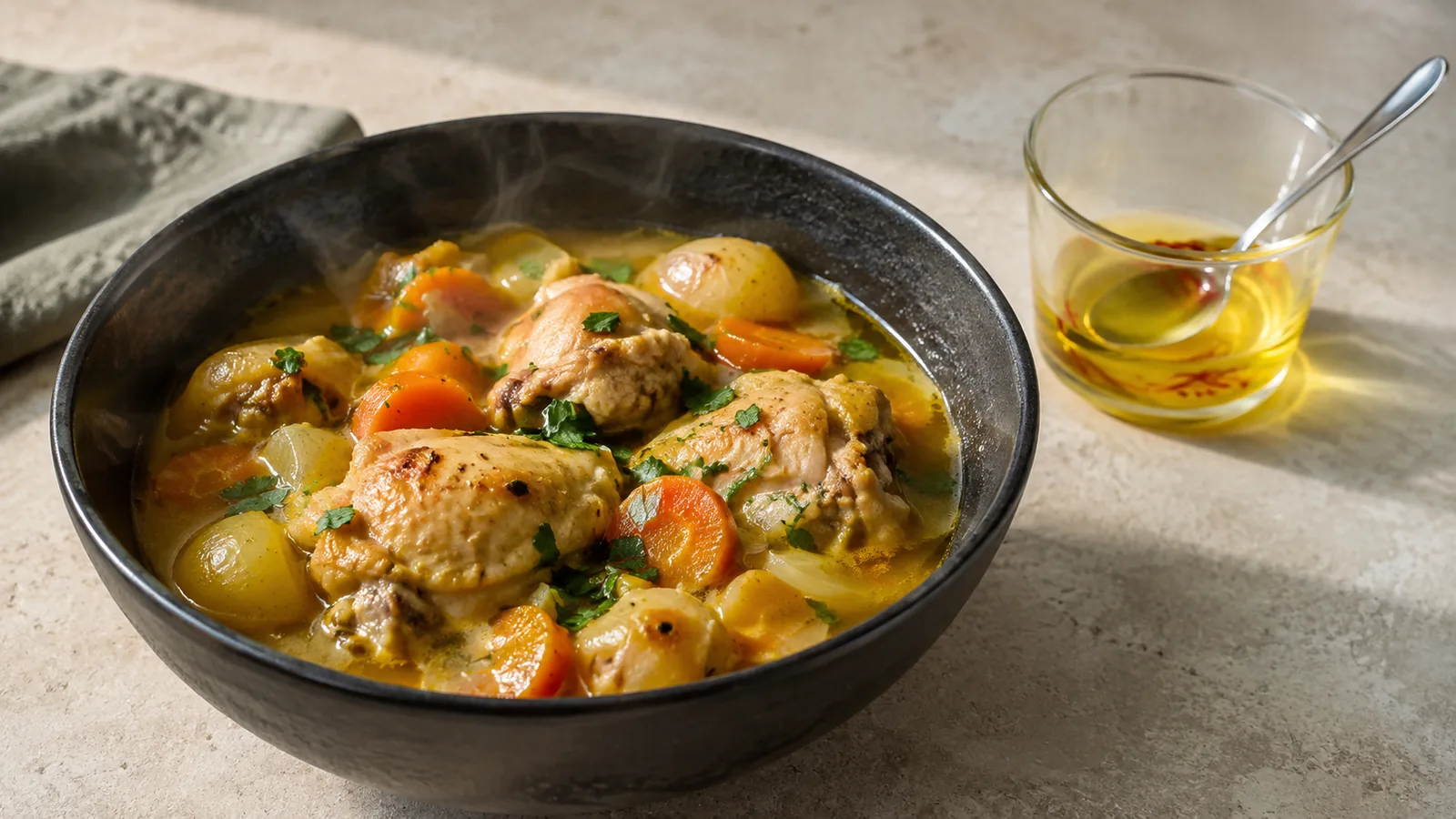
- chicken, lamb and gently spiced stews;
- soups made with legumes, grains or root vegetables;
- cream, milk and yoghurt-based desserts;
- cakes, buns, biscuits and custards; and
- tea and other warm milk or water infusions.
The useful question is not whether saffron can go into a food, but whether the surrounding ingredients let its aroma remain recognisable.
Saffron rice: the easiest place to begin
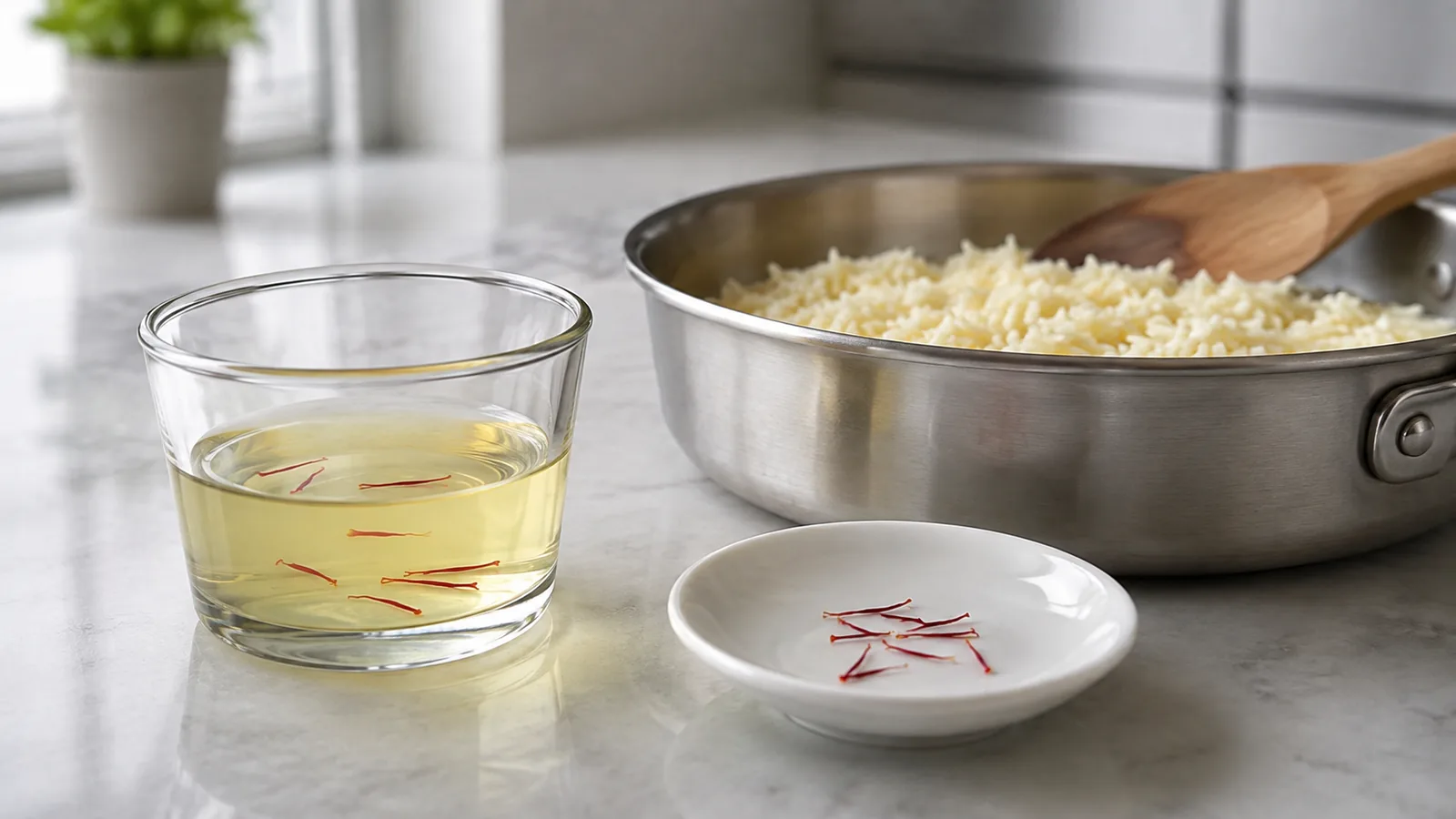
Plain rice gives a new cook the clearest lesson in what saffron does. Prepare a small infusion while the rice cooks. For Persian-style rice, mix the infusion into a portion of the cooked grains, then fold or spoon that golden rice over the white rice. For pilaf, add the infusion to the measured cooking liquid so the colour spreads more evenly.
Keep the seasoning balanced. Onion, butter or olive oil, a restrained stock and toasted nuts can support saffron; a heavily salted or aggressively spiced liquid can hide it. If you need a starting quantity, see our guide to measuring saffron for rice.
Paella, risotto and other one-pan rice dishes
For Spanish paella, dissolve the saffron into warm stock and distribute that stock through the rice. This is more reliable than scattering dry threads over the pan. Saffron works with seafood, chicken, rabbit, beans and vegetables, but it should not be expected to rescue weak stock or replace careful seasoning.
In risotto, add the infusion while the rice is still absorbing liquid, with enough cooking time left for the colour to spread. Finish the dish according to the recipe with butter, cheese or olive oil. The rich finish should round out the saffron rather than smother it.
Biryani and layered rice
Biryani uses saffron differently from an evenly coloured rice dish. Infuse the spice in warm milk or water, then drizzle it over selected areas during layering. The finished rice should have streaks of gold and pockets of aroma rather than one flat colour throughout.
Cardamom, cinnamon, clove, fried onion, nuts and dried fruit can all share the dish, but saffron is easiest to notice when none is overused. Add it late enough to protect its fragrance while still allowing the infusion to reach the rice.
Chicken and lamb
Saffron suits chicken because the meat provides a mild base. Mix an infusion with yoghurt, lemon and a little oil for a marinade, or stir it into a braising liquid near the latter part of cooking. In grilled dishes, keep the threads in the liquid rather than placing them directly against fierce heat.
With lamb, use saffron in a sauce, rice accompaniment or gentle stew. Warm spices and dried fruit can complement it, but a very dark, heavily reduced sauce may make an expensive addition hard to taste.
Fish, shellfish and seafood soup
Saffron pairs naturally with white fish, prawns, mussels and shellfish stock. Add the infusion to the broth before the seafood goes in, then cook the fish only as long as it needs. Tomato, fennel, leek, garlic and citrus zest are useful partners when used with restraint.
For a fuller method rather than a vague suggestion, use our saffron barley soup recipe as one example of building the spice into a warm, substantial soup.
Vegetarian dishes
Saffron does not need meat or seafood. It works well with cauliflower, carrots, pumpkin, potato, chickpeas, white beans and lentils. Add it to the cooking liquid for a vegetable stew or braise, stir it through a bean purée, or use it in a light sauce for roasted vegetables.
For a simple dinner, cook onions gently in olive oil, add chickpeas and a modest amount of stock, then stir in the saffron infusion. Finish with lemon and herbs. The acid should brighten the dish, not make it sharply sour.
Pasta and creamy sauces
A small saffron infusion can season a cream sauce, a seafood pasta or a sauce based on butter and pasta water. Add it before the final toss so it disperses. Use garlic, cheese and chilli carefully; all three can dominate if the goal is to taste the saffron itself.
Short pasta with prawns and a saffron cream sauce is a forgiving combination. A lighter alternative uses olive oil, shellfish stock and a little lemon zest. In either version, reduce the sauce before adding the final saffron infusion if prolonged boiling would drive off aroma.
Saffron ice cream and milk desserts
Dairy carries saffron’s aroma especially well. Infuse the threads in warm milk, then add that milk to an ice-cream, custard, rice-pudding or panna-cotta base with the recipe’s cream and sugar. Pistachio, almond, cardamom, rose water, vanilla and citrus can work alongside it, but choose one or two companions instead of adding all of them at full strength.
For measured ingredients and a complete process, follow our saffron ice cream recipe for four.
Cakes, buns and pastries
In baking, infuse saffron in part of the recipe’s warm milk or other liquid. Let that liquid cool to the temperature required by the batter or yeast before mixing. This is better than adding dry threads that may remain concentrated in one slice.
Saffron pairs well with orange or lemon zest, almonds, pistachios, cardamom and a restrained amount of rose water. It can flavour sponge cakes, enriched buns, biscuits and syrup pastries. Our collection of Persian saffron cakes and desserts gives more specific starting points.
What pairs well with saffron?
The most dependable pairings share one feature: they support the spice without competing for every bit of attention.
- Gentle foundations: rice, potato, bread, pasta, milk and cream.
- Savoury partners: onion, leek, fennel, tomato, shellfish, white fish, chicken, lamb and chickpeas.
- Bright accents: lemon, orange, fresh herbs and a small amount of yoghurt.
- Warm companions: cardamom, cinnamon and mild stock.
- Sweet partners: pistachio, almond, honey, vanilla and restrained rose water.
Salt helps savoury food taste complete, but excess salt does not make saffron stronger. Likewise, too much chilli, smoke, garlic or clove can bury its aroma. Build the dish first, then let saffron occupy a clear place in it.
Common mistakes when cooking with saffron
- Using dry threads only as garnish. They look attractive but contribute less evenly than an infusion.
- Adding more before tasting. Saffron can become medicinal or bitter when overused.
- Boiling it hard for a long time. Give colour time to spread, but protect the more delicate aroma.
- Relying on colour alone. A very yellow dish may be strongly coloured without having a balanced saffron flavour.
- Combining every traditional partner. A shorter ingredient list often makes the spice easier to appreciate.
Choose one dish and cook it well
If this is your first attempt, begin with rice, a milk dessert or a light chicken dish. Prepare the infusion, keep competing flavours controlled and taste before adding more. A red-stigma cut such as Sargol saffron is one practical option, but freshness and measured use matter more than an impressive name.
Once you understand how the spice behaves in a simple recipe, move on to paella, biryani, seafood, soups or baking. That progression answers what to cook with saffron more usefully than a long list: it gives you a way to make each dish taste intentional.