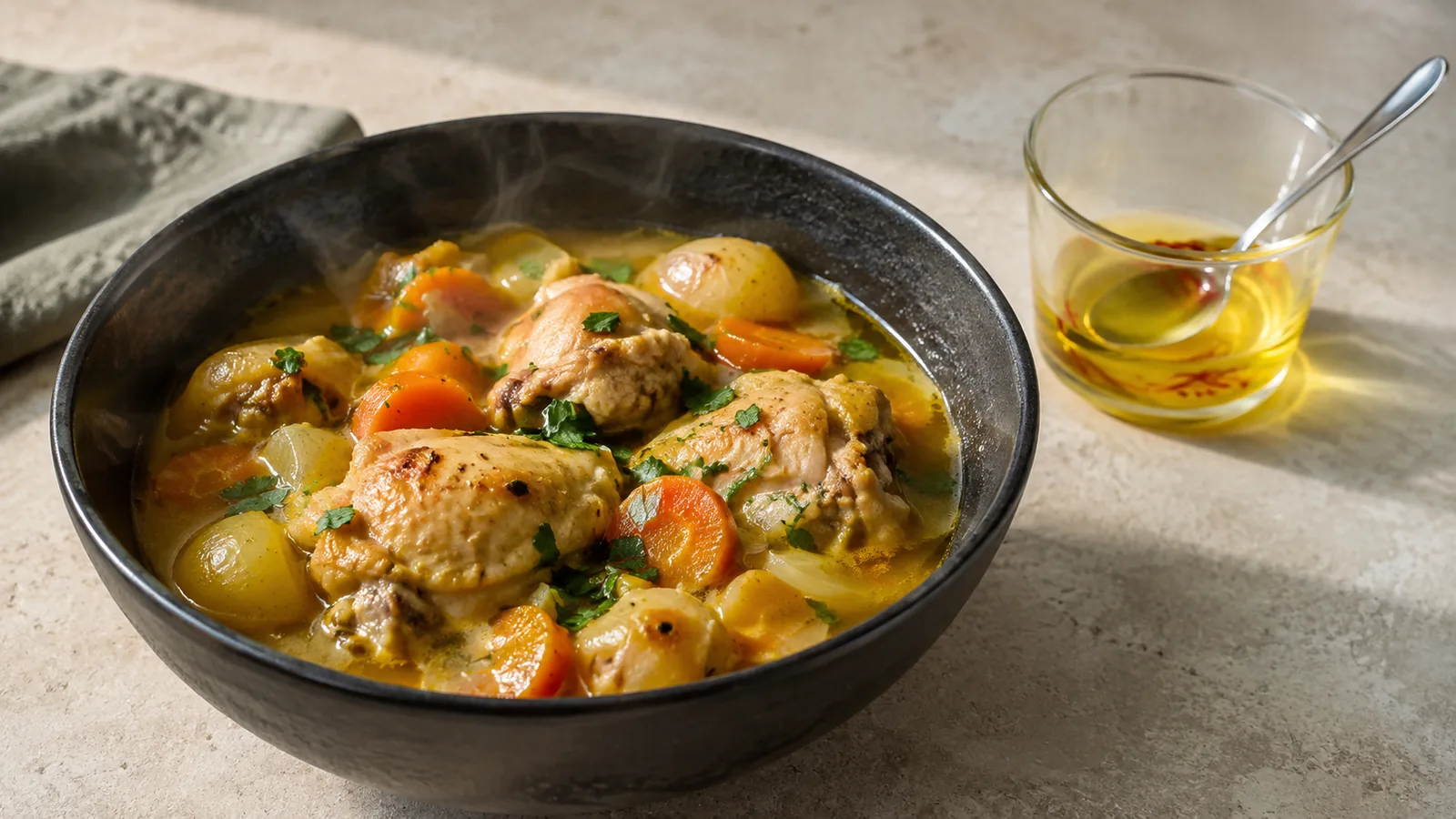
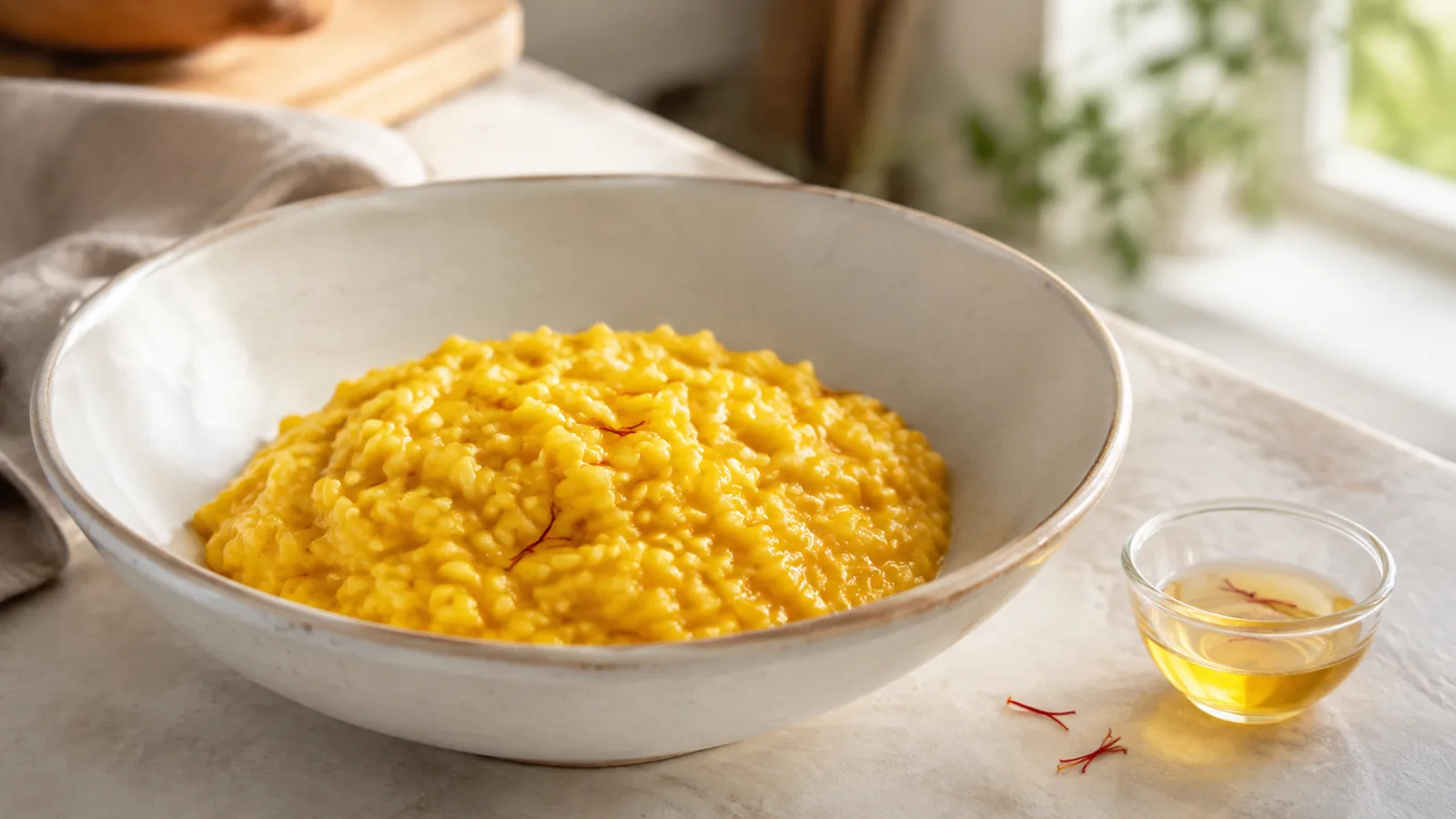
Saffron has a warm, floral taste in rice, with honeyed and slightly earthy notes and a gentle bitterness that keeps the aroma from seeming sweet. It does not make rice spicy or sugary. When the amount is balanced, the saffron flavor in rice is subtle yet distinct, and the grain still tastes like rice.
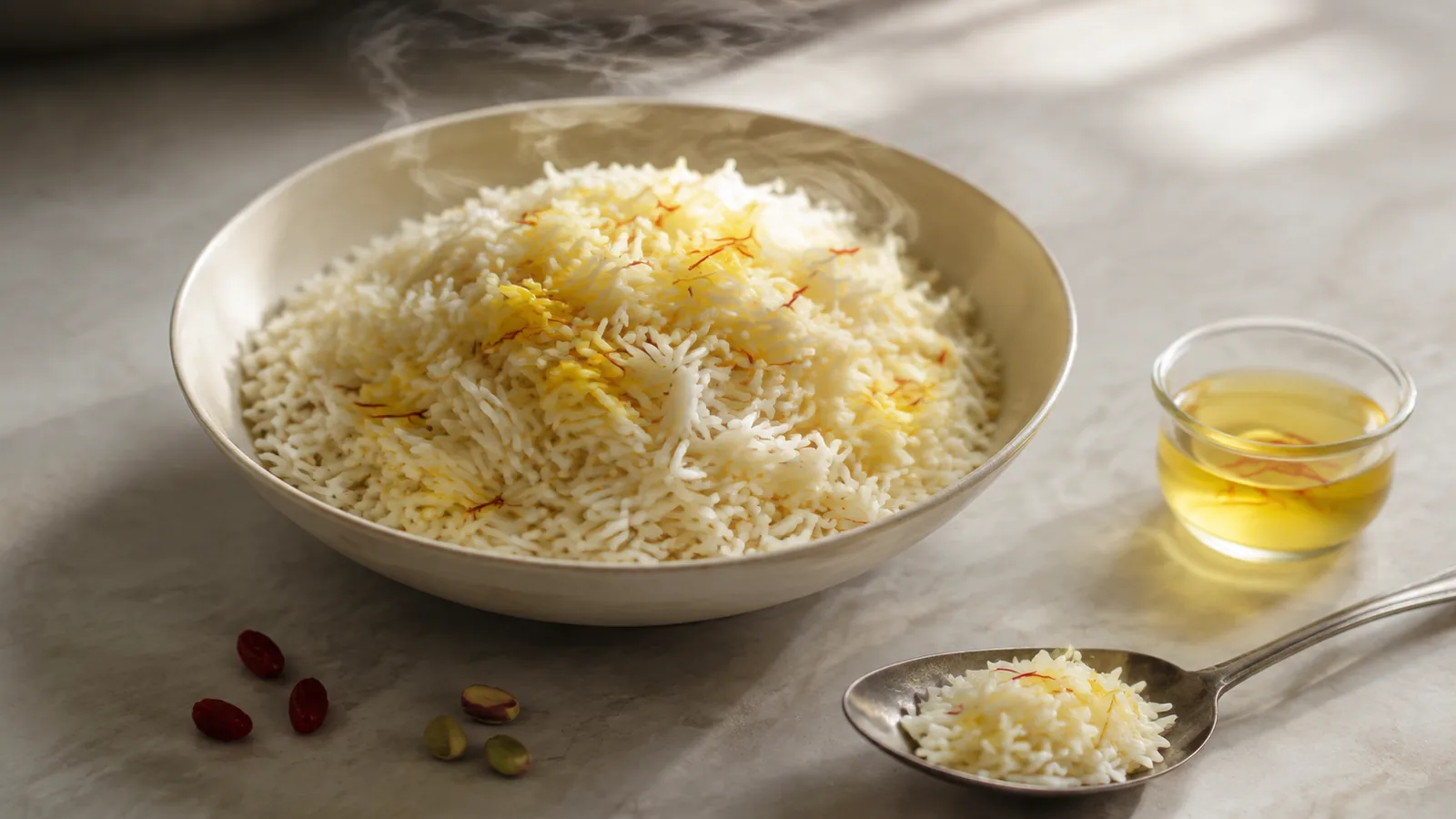
Saffron Flavor in Rice
People often ask what saffron tastes like in rice because its aroma is easier to recognize than to describe. Think of dried flowers, warm hay and a faint honey-like fragrance, followed by a clean bitter edge. Some people notice a mineral or earthy note as well.
The result depends on the rice and the rest of the dish. Plain basmati makes saffron easy to notice. Biryani surrounds it with browned onions, meat, herbs and spices, while risotto places it beside butter, stock and cheese. Saffron should join those ingredients rather than erase them.
The Aroma and Taste of Saffron in Rice
Aroma reaches you first when the lid is lifted. Properly bloomed saffron should smell warm and floral, not like perfume or candy. On the palate, the taste is restrained. The common description “honeyed” refers to part of the aroma; saffron itself contains no sweetness that replaces sugar.
Rice also changes the way the spice feels. Long-grain rice keeps the aroma light and separate, while the starch and fat in risotto produce a rounder impression. Stock, ghee or butter can soften the bitter edge, but too much fat may mute the fragrance.
What Does Saffron Rice Taste Like?
Saffron rice tastes gently savory and aromatic, with floral depth rather than a single strong flavor. A good batch should not taste harsh, metallic or medicinal. It may be uniformly golden if the infusion was mixed through the cooking liquid, or white and gold if only part of the rice was tinted.
Color is not a reliable measure of flavor. Turmeric and food coloring can make rice vivid yellow without producing saffron’s aroma. Genuine saffron may give a softer gold, particularly when a small amount is used in a large pot.
How to Use Saffron for the Best Flavor
- Measure a small portion of whole red threads.
- Crush them gently between clean fingers or with a small mortar.
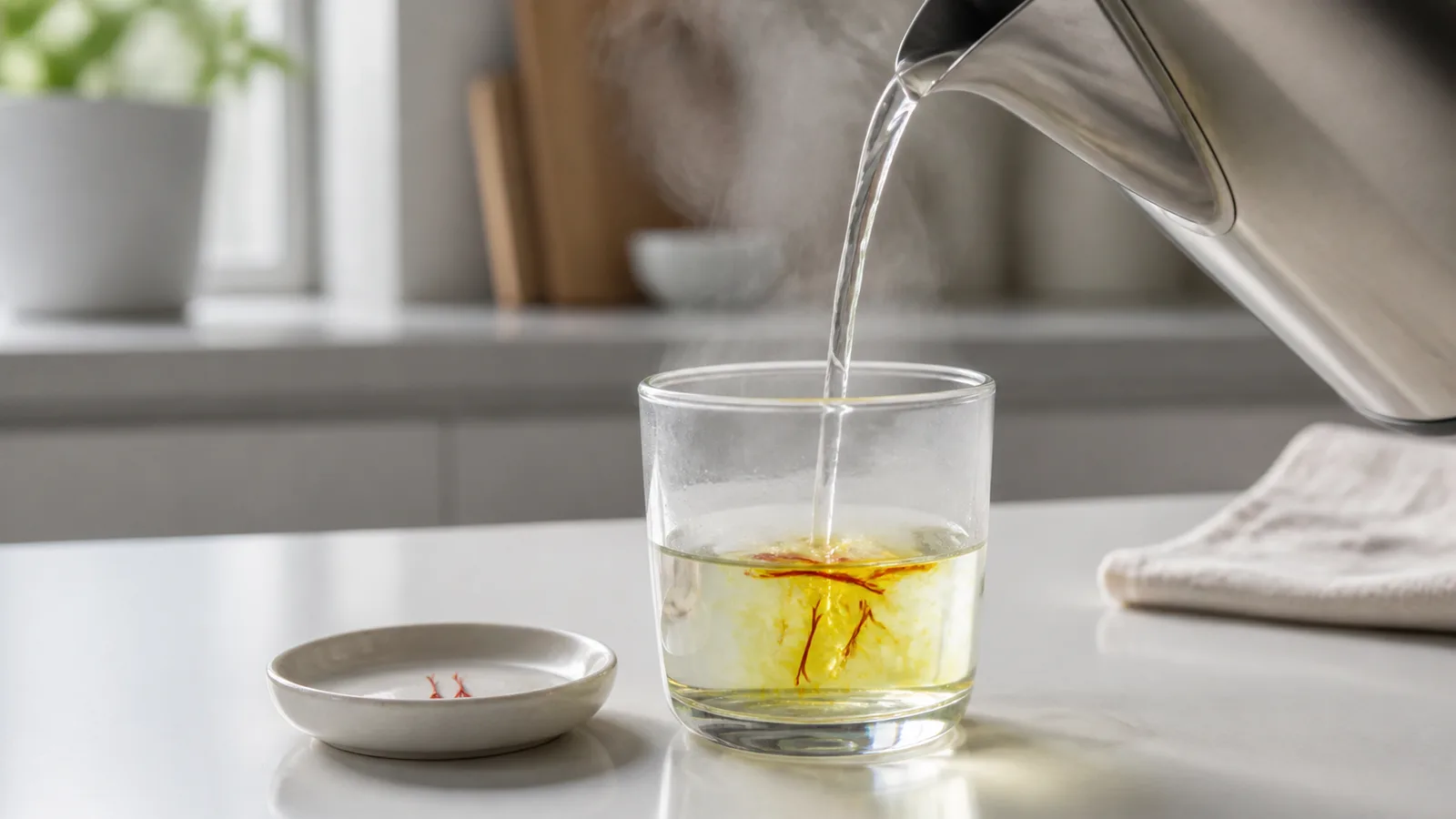
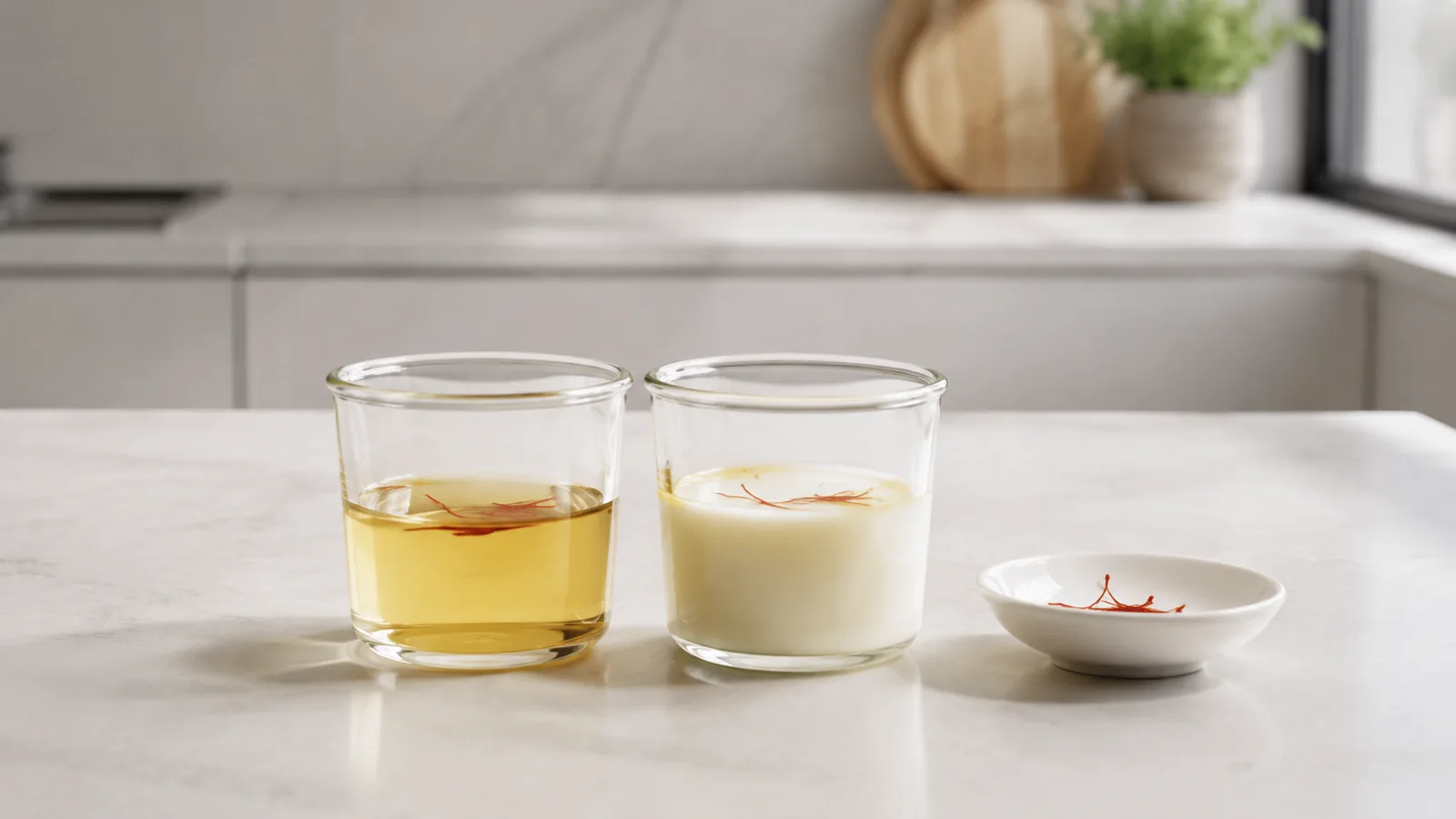
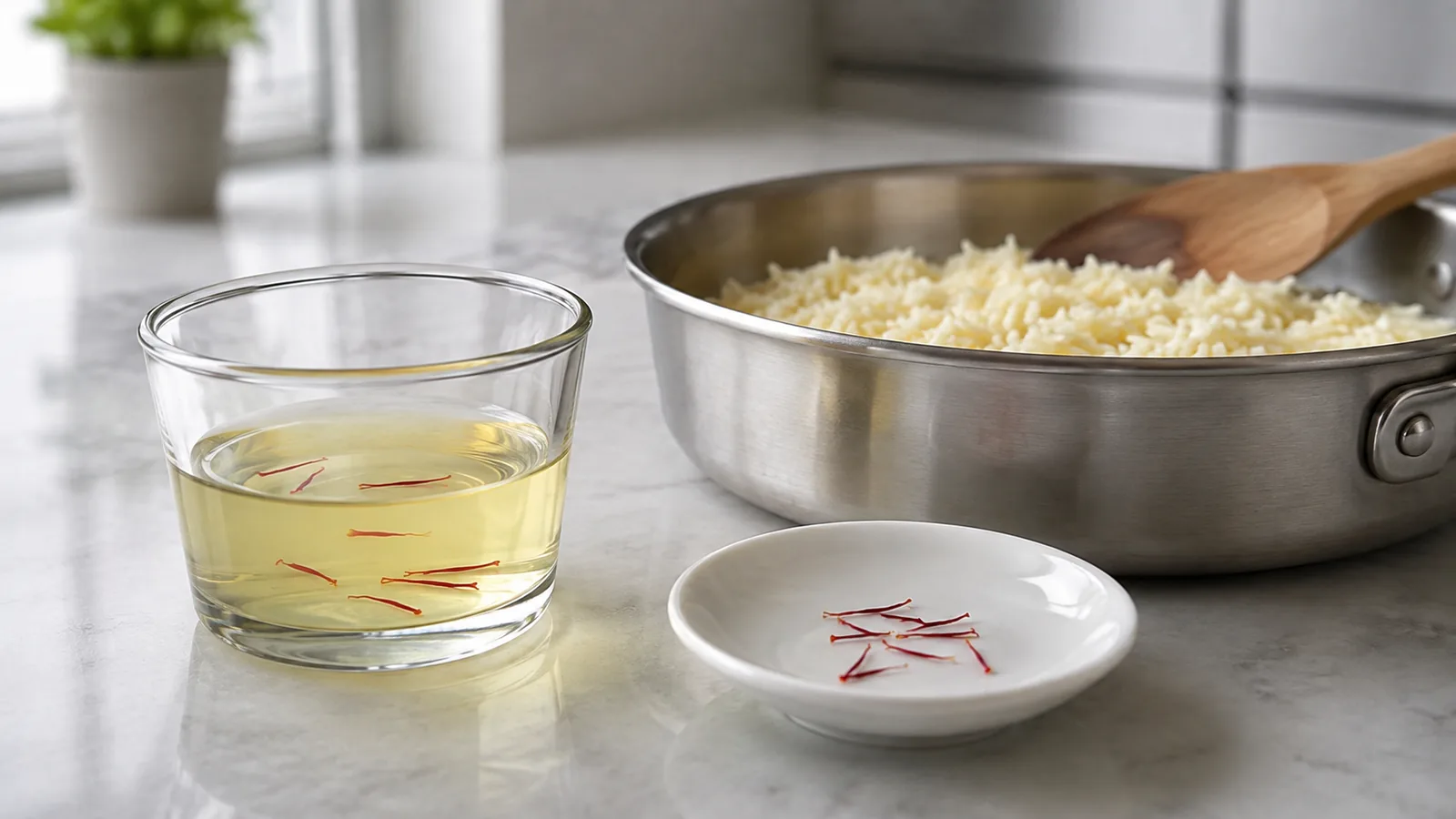
- Bloom them in one to two tablespoons of warm water, milk or unsalted broth for 10–15 minutes.
- Add the golden liquid and softened threads at the stage suited to the rice method.
- Distribute the infusion gently rather than pouring it into one spot.
For absorption rice, the bloom can join the measured cooking liquid. For Persian-style steamed rice, mix it with a small portion of cooked grains and spoon the gold rice over the white. For biryani, drizzle it through selected layers before the final covered steam.
The full guide to using saffron in rice dishes explains those methods separately.
How Much Saffron Gives a Noticeable Taste?
For one cup of uncooked rice, 10 to 15 threads are a sensible starting point. Thread size and saffron strength vary, so treat that as a first test rather than a law. Strongly seasoned biryani may need more than plain rice, but doubling the saffron cannot repair poor blooming or uneven placement.
If the rice tastes bitter, reduce the amount next time. If it is barely fragrant, first check the bloom time and storage before adding more. The measured saffron-for-rice quantity guide gives scalable starting ranges.
What Complements Saffron Rice?
Butter, ghee and olive oil can round out saffron’s aroma. Mild stock, browned onions, chicken, seafood, barberries, almonds, pistachios and dried fruit also work, depending on the cuisine. Cardamom and rose belong in some sweet or celebratory rice dishes but can dominate if used heavily.
A useful pairing leaves enough space for the saffron. Very smoky, hot or strongly spiced food may push a small dose into the background.
Why Saffron Rice Can Taste Different Each Time
- The saffron changed: freshness, storage, grade and thread size affect strength.
- The extraction changed: dry threads release less evenly than a covered warm infusion.
- The rice changed: fragrant basmati, neutral long-grain rice and creamy risotto each create a different backdrop.
- The recipe changed: stock, fat, spices and filling can soften or obscure the saffron.
- The dose changed: an unmeasured pinch is difficult to repeat.
Cultural Significance of Saffron Rice
Saffron rice appears at celebrations and family meals across several regions. Persian cooking often uses golden rice as a fragrant topping and saffron in crisp tahdig. South Asian biryanis may distribute the infusion through layers, while Mediterranean rice dishes and Italian risotto use saffron through the stock.
These traditions do not all aim for the same taste or appearance. Their common lesson is to use saffron deliberately: bloom it well, match it to the cooking method and let the finished dish keep its own identity.
If Your Saffron Rice Tastes Wrong
Harsh or medicinal: the dose may be too high, or dry threads may be concentrated in one bite.
Flat and only yellow: the saffron may be old, poorly stored or replaced by coloring. Check aroma before increasing the amount.
Scorched: high heat damaged the rice or bloom. Saffron cannot hide burnt flavors.
Overly sweet: look at added sugar, dried fruit or sweetened milk. Saffron itself is not the sweetener.
The Short Answer
What does saffron taste like in rice? Floral and honeyed in aroma, gently earthy and slightly bitter in flavor. Used carefully, it makes rice more fragrant without covering the grain or the rest of the recipe. Bloom a measured amount, distribute it well and judge the finished dish by smell and taste rather than color alone.
If you need whole threads for your rice, compare the available formats on the product page.