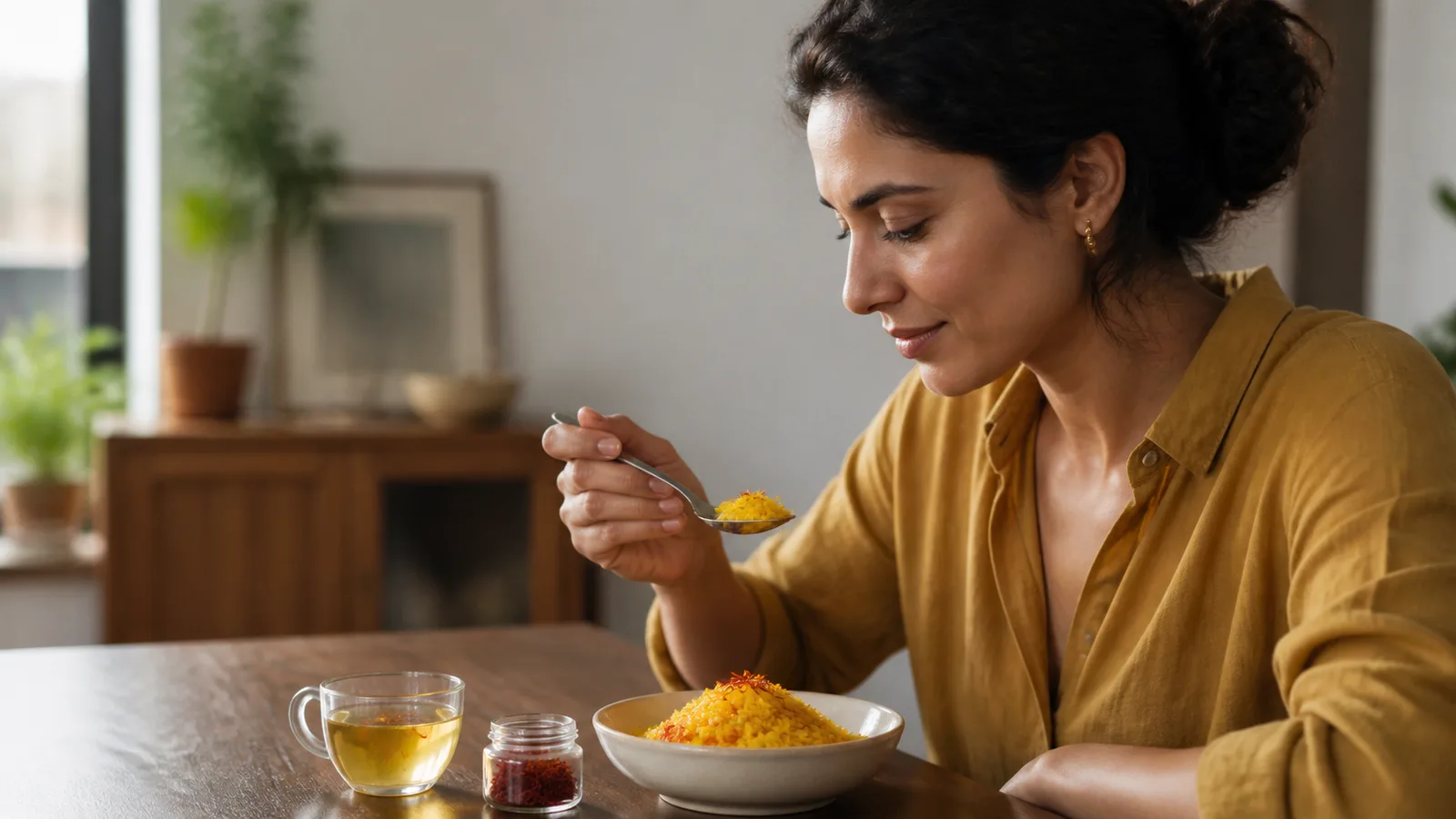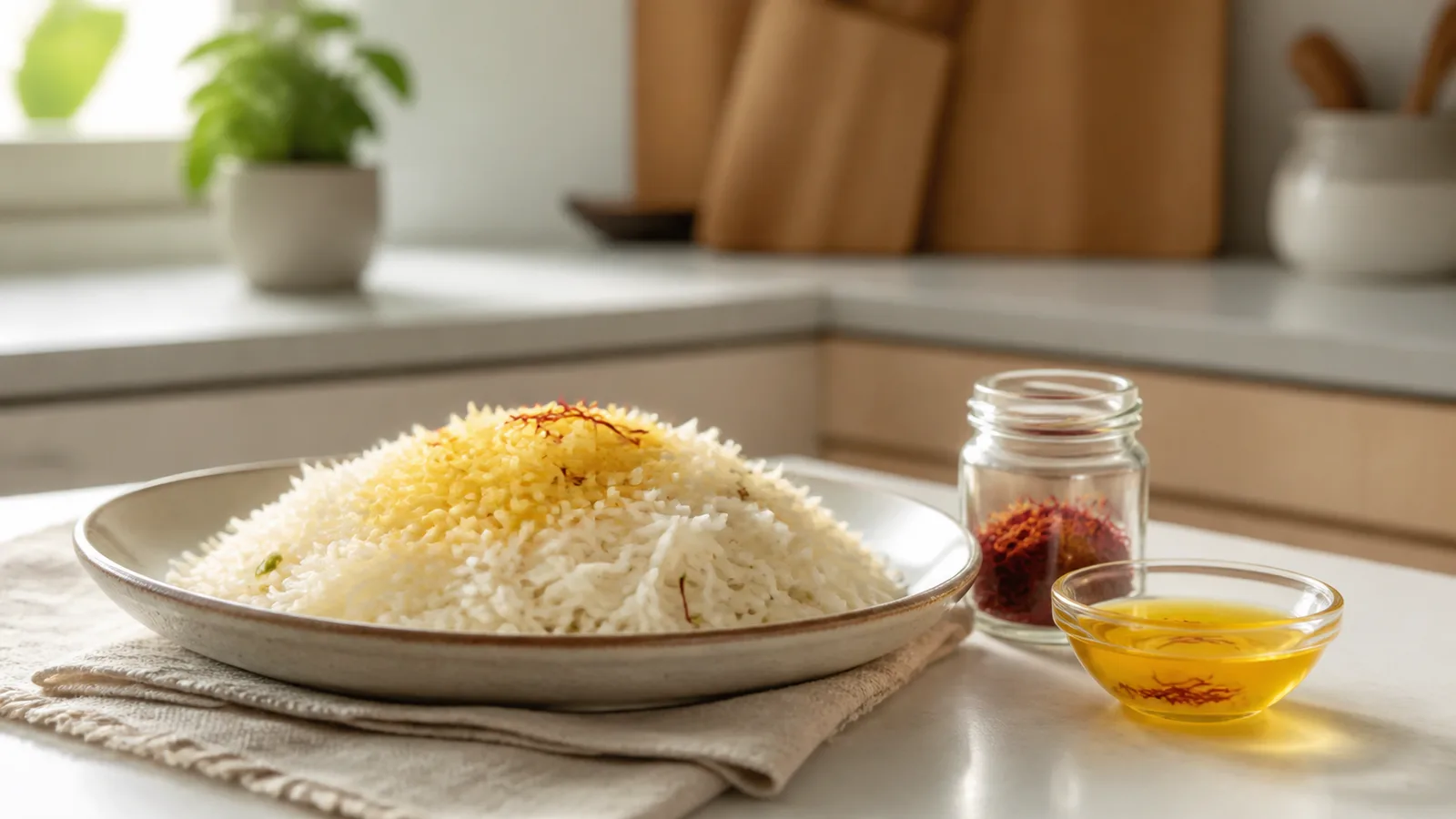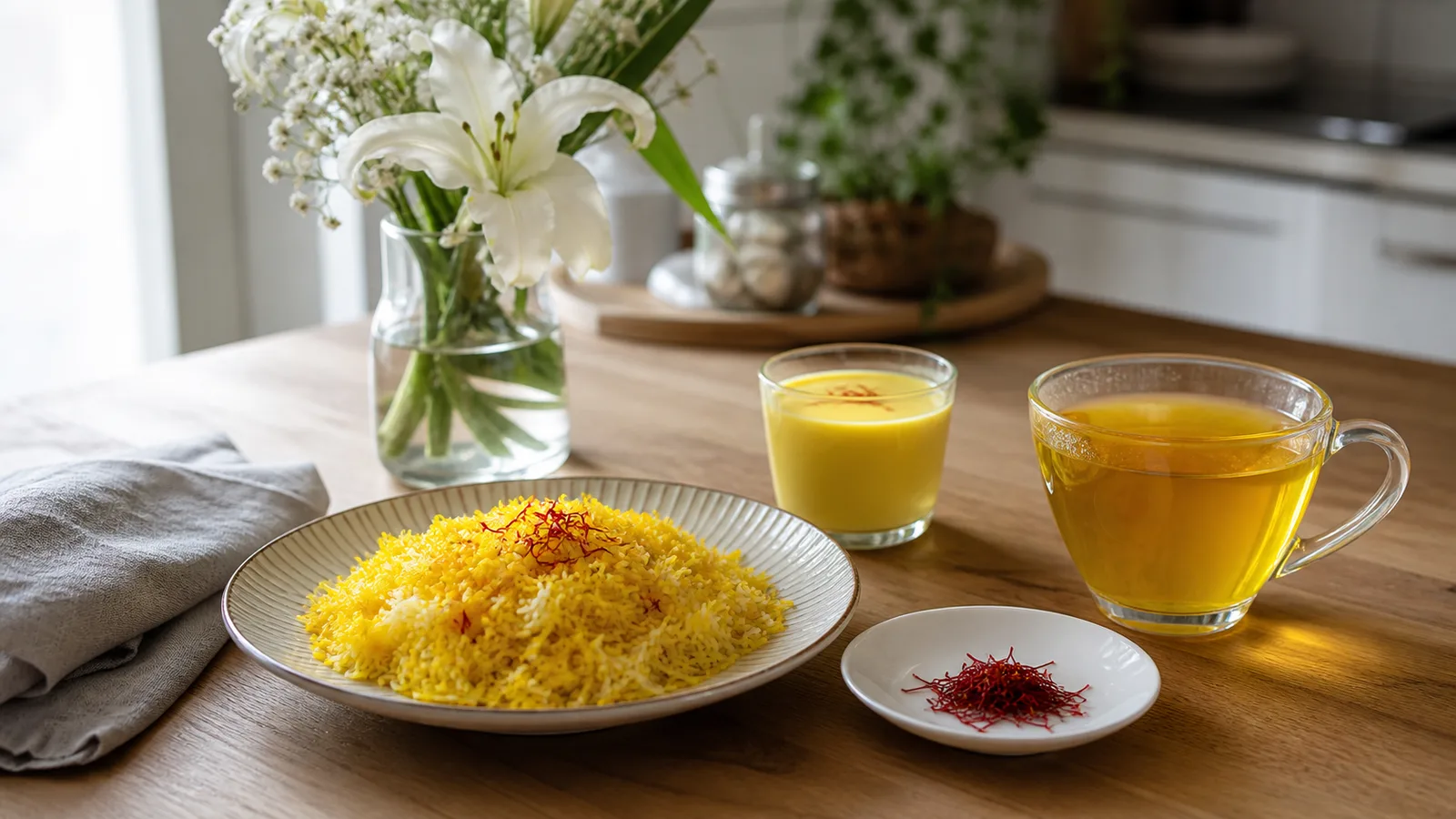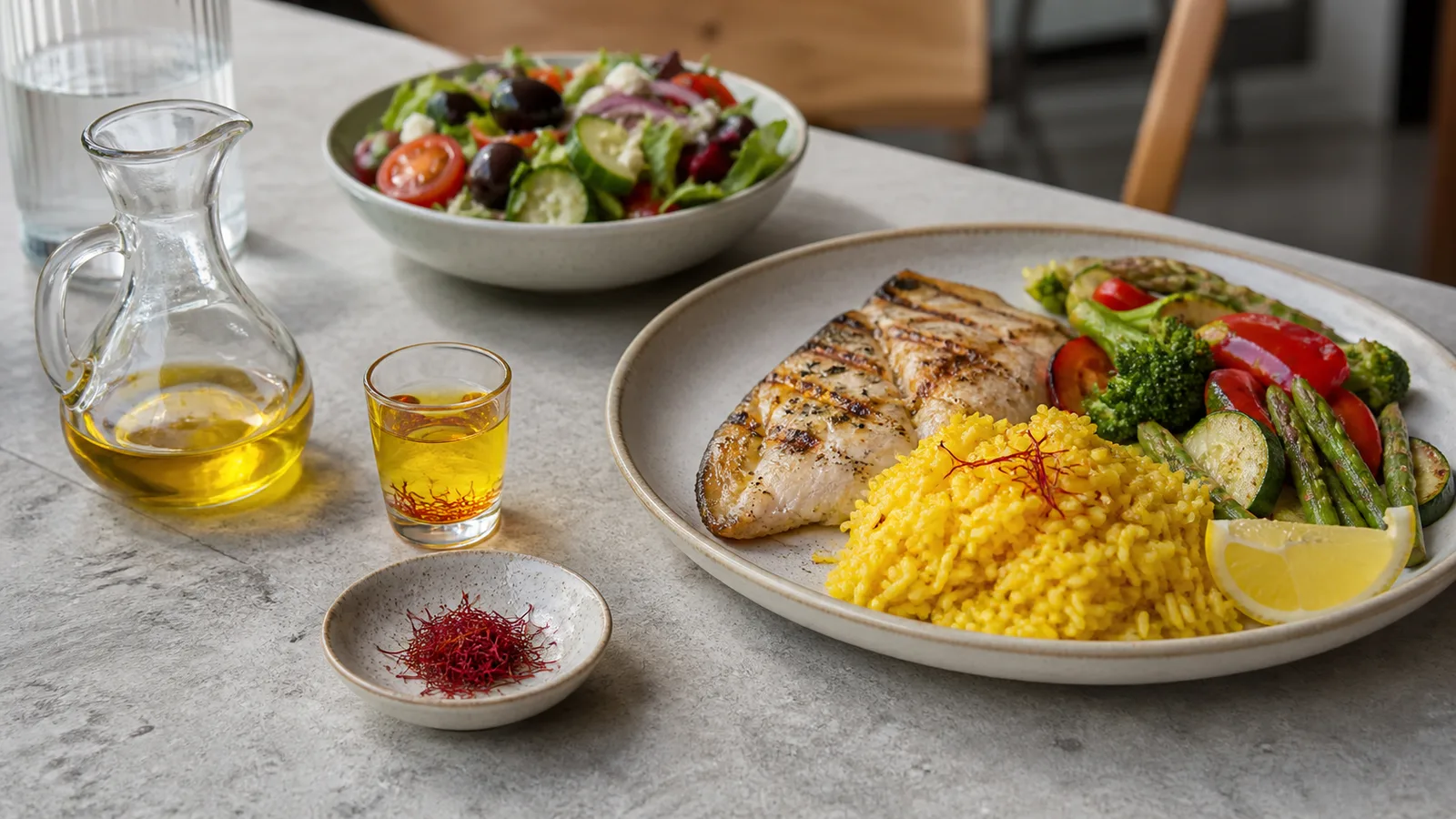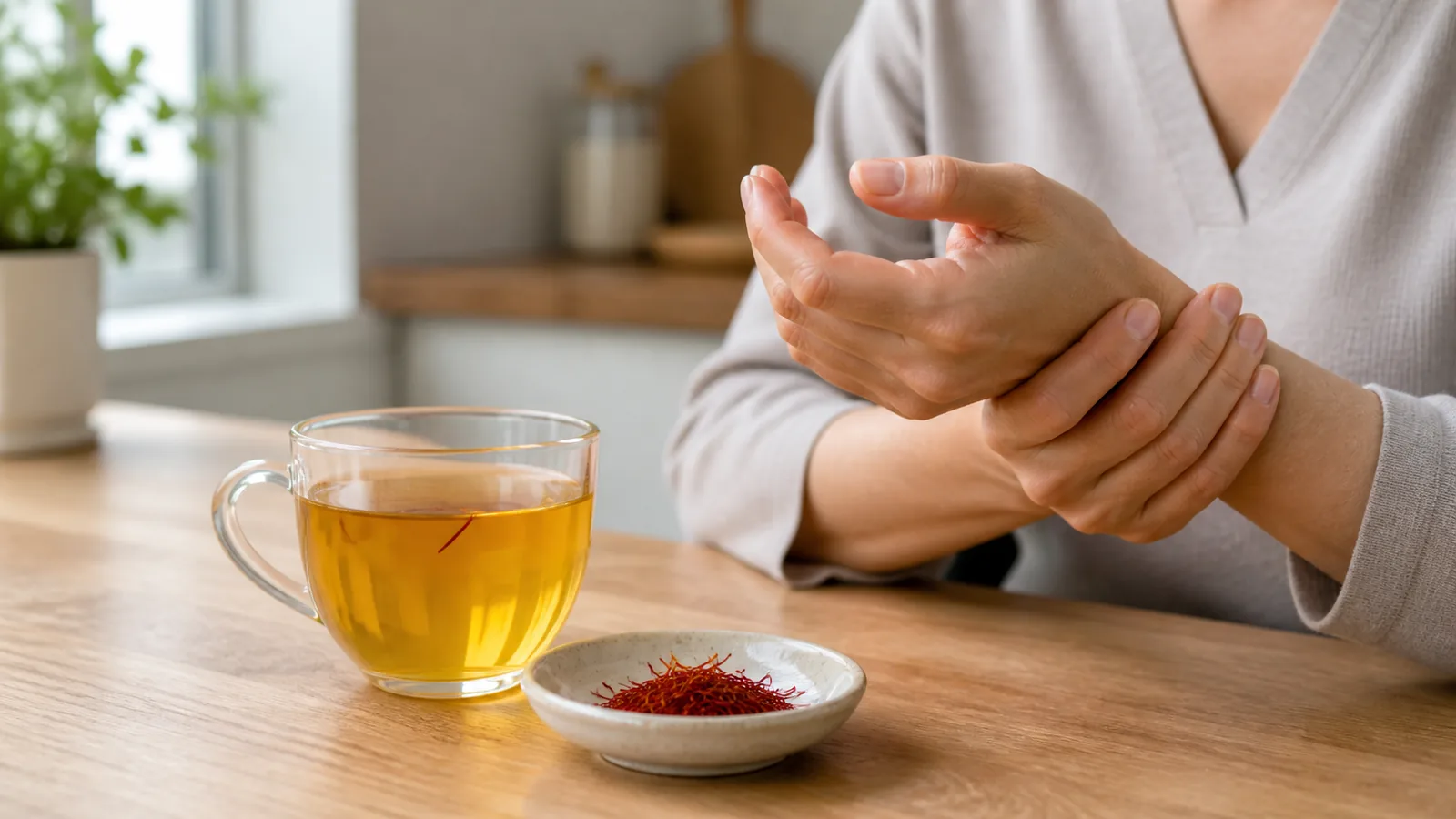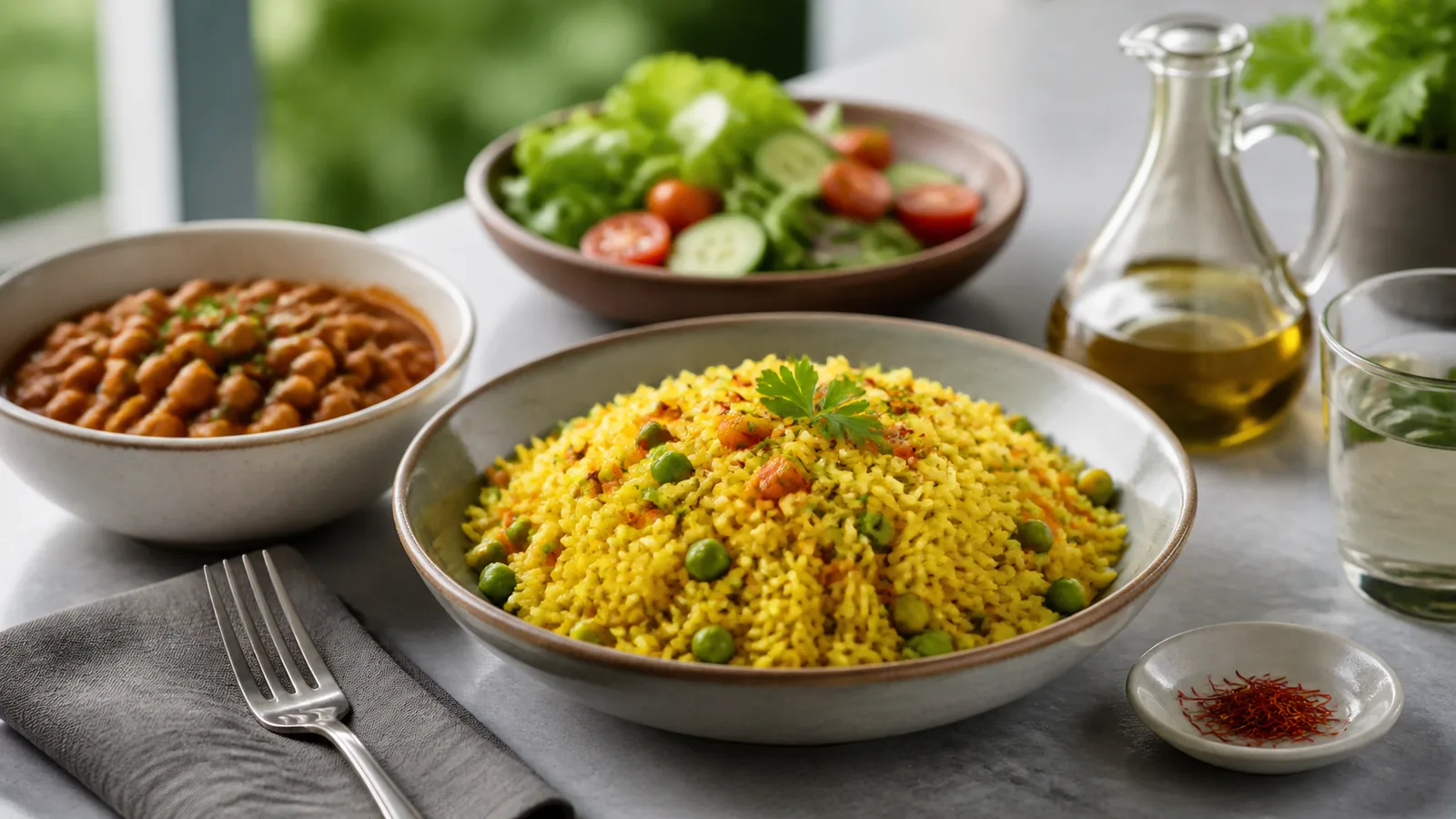
Saffron rice is not automatically bad for cholesterol. Plain rice and saffron are plant foods and do not contain dietary cholesterol; the larger questions are how the rice is cooked, how much saturated fat is added, the portion size and what accompanies it.
A plate made with a modest amount of unsaturated oil, vegetables and beans or another lean protein can fit a heart-conscious eating pattern. The same rice prepared with generous butter or ghee and served beside fatty meat is a different meal. That context matters more than the few saffron threads.
Saffron rice and cholesterol: the short answer
If you are wondering, “Is saffron rice good for you?” or “Is saffron rice healthy?”, look beyond the name. Saffron provides colour, aroma and flavour. Rice provides carbohydrate, and the type of rice affects fibre. Added fats, salt, portion and side dishes determine much of the meal’s nutritional profile.
Saffron rice does not become a cholesterol treatment because it contains saffron, and it does not become harmful merely because it is rice. It can be prepared in ways that support or work against a cholesterol-lowering diet.
What in a saffron rice recipe matters most?
Butter, ghee and other saturated fats
The US National Heart, Lung, and Blood Institute explains that too much saturated fat raises blood cholesterol, particularly LDL cholesterol. Its current Therapeutic Lifestyle Changes guidance prioritises reducing saturated fat and adding soluble fibre and plant sterols or stanols.
That makes the cooking fat an important decision. Use a measured amount of olive, canola or another unsaturated oil instead of treating a large quantity of butter or ghee as essential. If a traditional recipe includes butter, reduce the amount rather than assuming the entire dish must be abandoned.
White rice, brown rice and fibre
White rice is more refined and usually provides less fibre than brown rice; it may also raise blood sugar more quickly when compared in similar portions. Brown rice can add whole-grain fibre and a nuttier texture, though it takes longer to cook and will not suit every dish. The American Heart Association’s 2026 dietary guidance recommends choosing foods made mostly with whole grains rather than refined grains as part of an overall heart-healthy pattern.
You can also keep white saffron rice and build fibre elsewhere in the meal—with lentils, beans, peas, vegetables or a salad. A single ingredient does not need to do every nutritional job.
Portion and meal balance
A very large mound of rice leaves less room for vegetables and protein. Start with a moderate portion, add colourful vegetables and choose beans, lentils, fish, skinless poultry or another protein that suits your dietary plan. Sauces and toppings deserve the same attention as the rice.
Salt and highly processed accompaniments
Sodium does not directly raise LDL cholesterol, but it is relevant to cardiovascular health and often arrives through stock cubes, processed meats and bottled sauces. Use unsalted broth when possible and season with saffron, herbs, lemon and toasted spices before reaching for more salt.
Does saffron lower cholesterol?
Saffron cholesterol research is about supplements or defined preparations, not a normal serving of saffron rice. A 2025 meta-analysis of 25 randomised trials in people with metabolic syndrome and related conditions found a small average reduction in total cholesterol, but no significant change in LDL, HDL or triglycerides. The authors called for more high-quality trials in diverse populations.
Other reviews have reported different pooled effects, which is another reason not to promise that crocin, safranal, antioxidant activity or anti-inflammatory properties in a spice portion will “balance cholesterol.” The evidence does not establish that a few threads in rice improve blood vessel function, provide a nutritional boost, create a healthy cholesterol balance or deliver heart wellness. The amount and form studied may be very different from the threads used to colour a family dish.
Saffron can make a lower-saturated-fat rice recipe more appealing, but it should not replace prescribed cholesterol medicine or clinical advice.
How to make a more cholesterol-conscious saffron rice
- Measure the oil. Use enough unsaturated oil to cook and carry flavour without pouring freely from the bottle.
- Bloom the saffron. Lightly crush a small pinch and soak it in warm water or unsalted broth for 10 to 15 minutes.
- Choose the rice deliberately. Use brown rice when its flavour and texture suit the meal, or serve a moderate portion of white rice with fibre-rich sides.
- Add vegetables. Peas, carrots, spinach, roasted peppers or other vegetables contribute colour, texture and volume.
- Choose the accompaniment carefully. Pair the rice with legumes, fish, skinless poultry or another lean protein rather than relying on processed or fatty meat.
- Taste before adding salt or butter. Saffron, lemon, herbs, nuts and toasted spices can build flavour in other ways.
Are nuts and olive oil always “free foods”?
No. Nuts and unsaturated oils can fit a heart-healthy pattern, but they are energy-dense. A measured spoon of oil or a small scattering of unsalted nuts is different from a dish saturated with oil. “Healthier fat” still benefits from portion awareness.
What if you already have high cholesterol?
Use your clinician’s or dietitian’s plan as the priority, especially if you also have diabetes, high blood pressure, kidney disease or heart disease. Cholesterol treatment is based on overall cardiovascular risk, not on whether one food is labelled good or bad.
Check the whole recipe and serving pattern. If saffron rice is frequent, adjust the fat, fibre, portion and sides. If it is occasional, enjoy a thoughtful portion without expecting the saffron to cancel a high-saturated-fat meal.
In short, saffron rice is not inherently bad for cholesterol. It can be delicious and heart-conscious when the recipe uses modest unsaturated fat, sensible portions and fibre-rich accompaniments. Our all-red saffron can provide the traditional colour and aroma without requiring heavy butter or rich toppings.