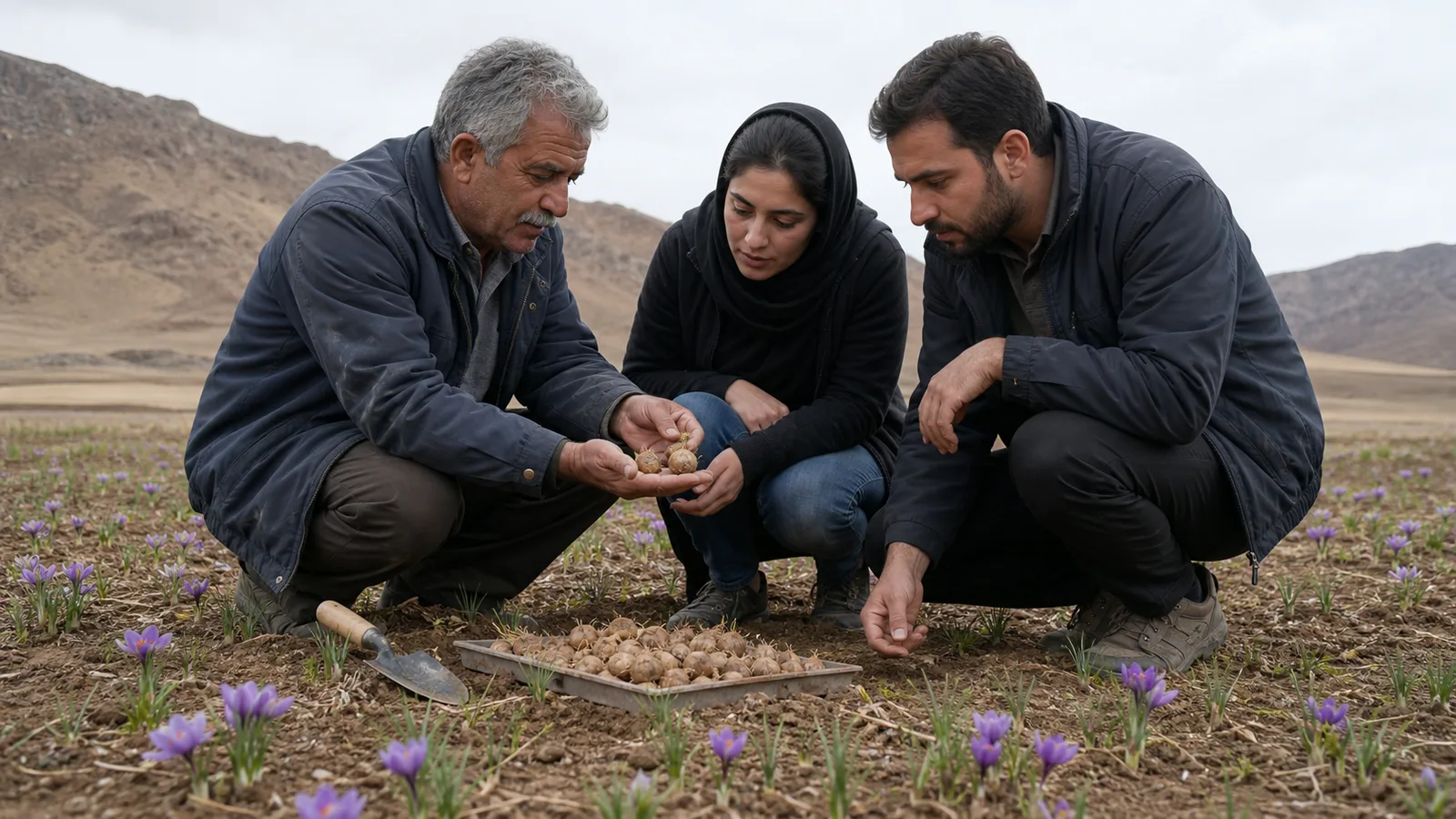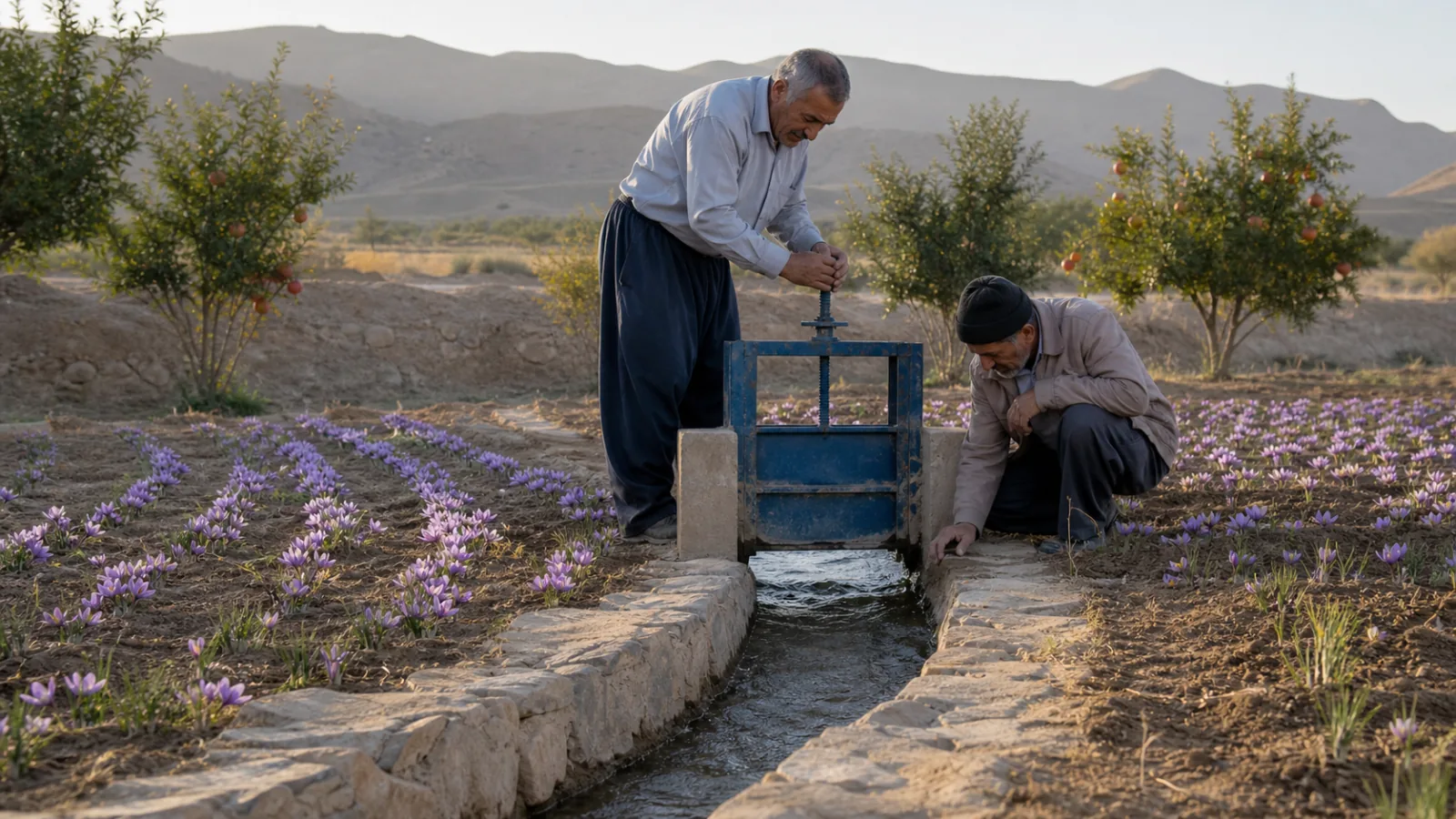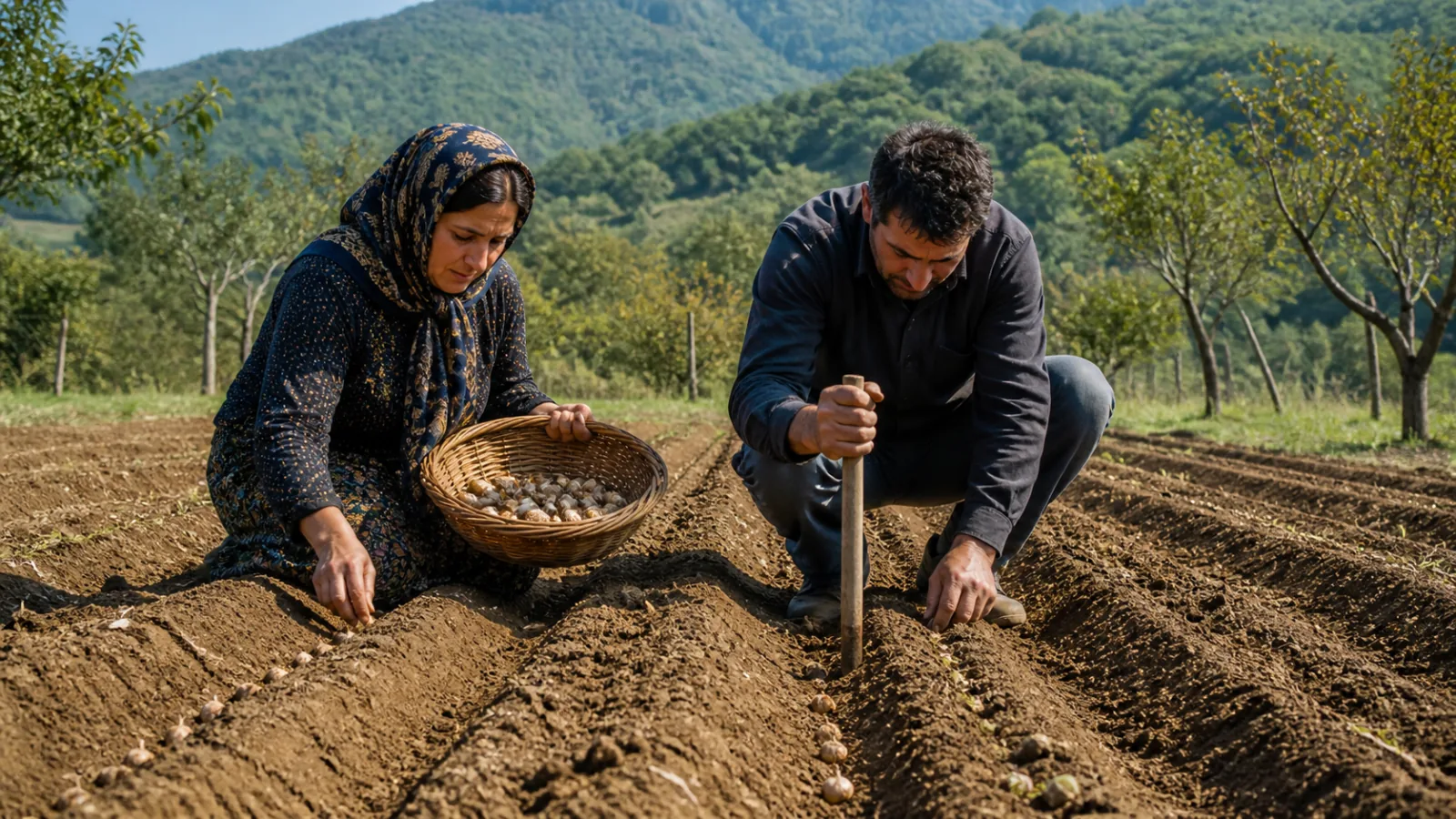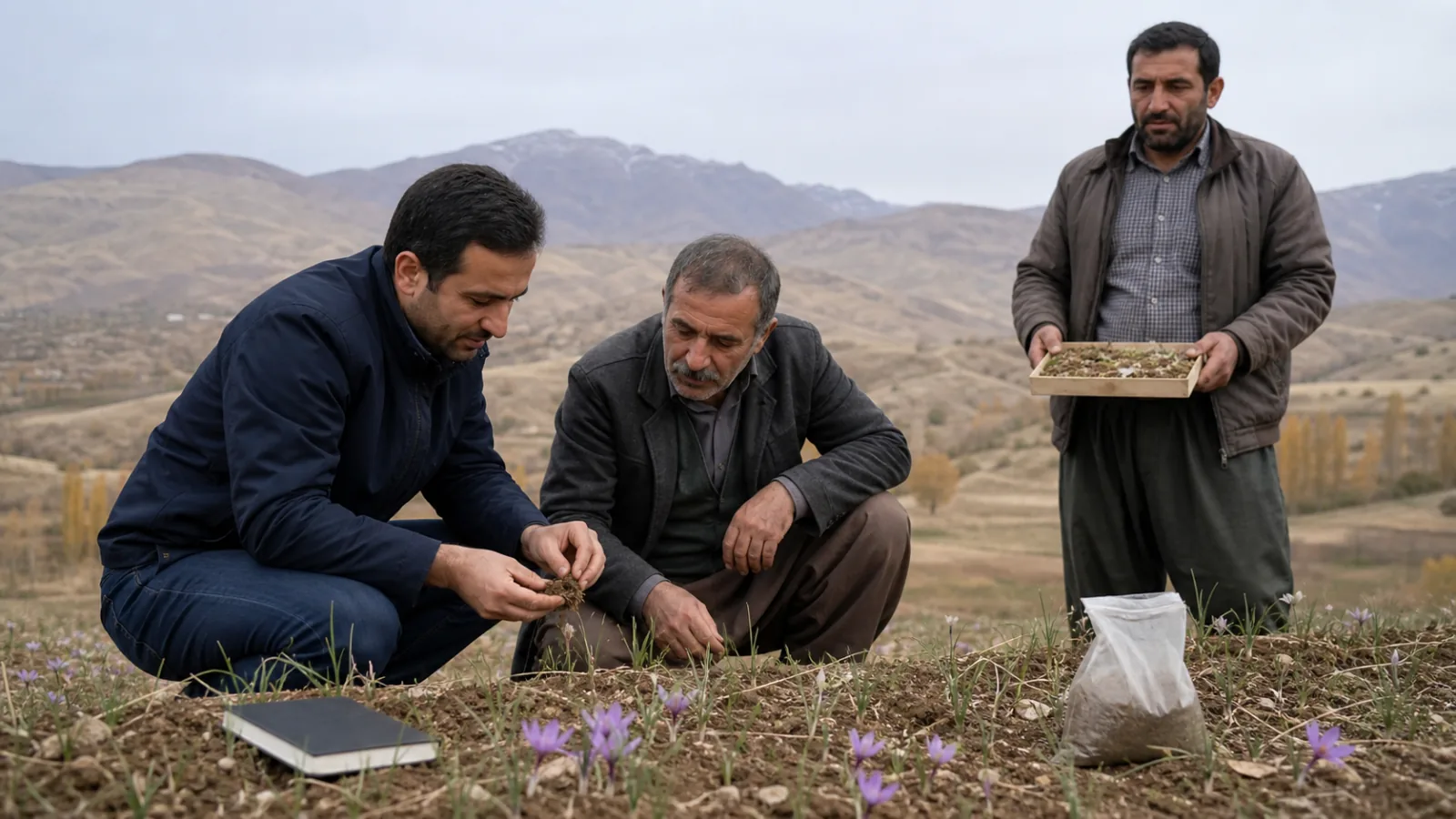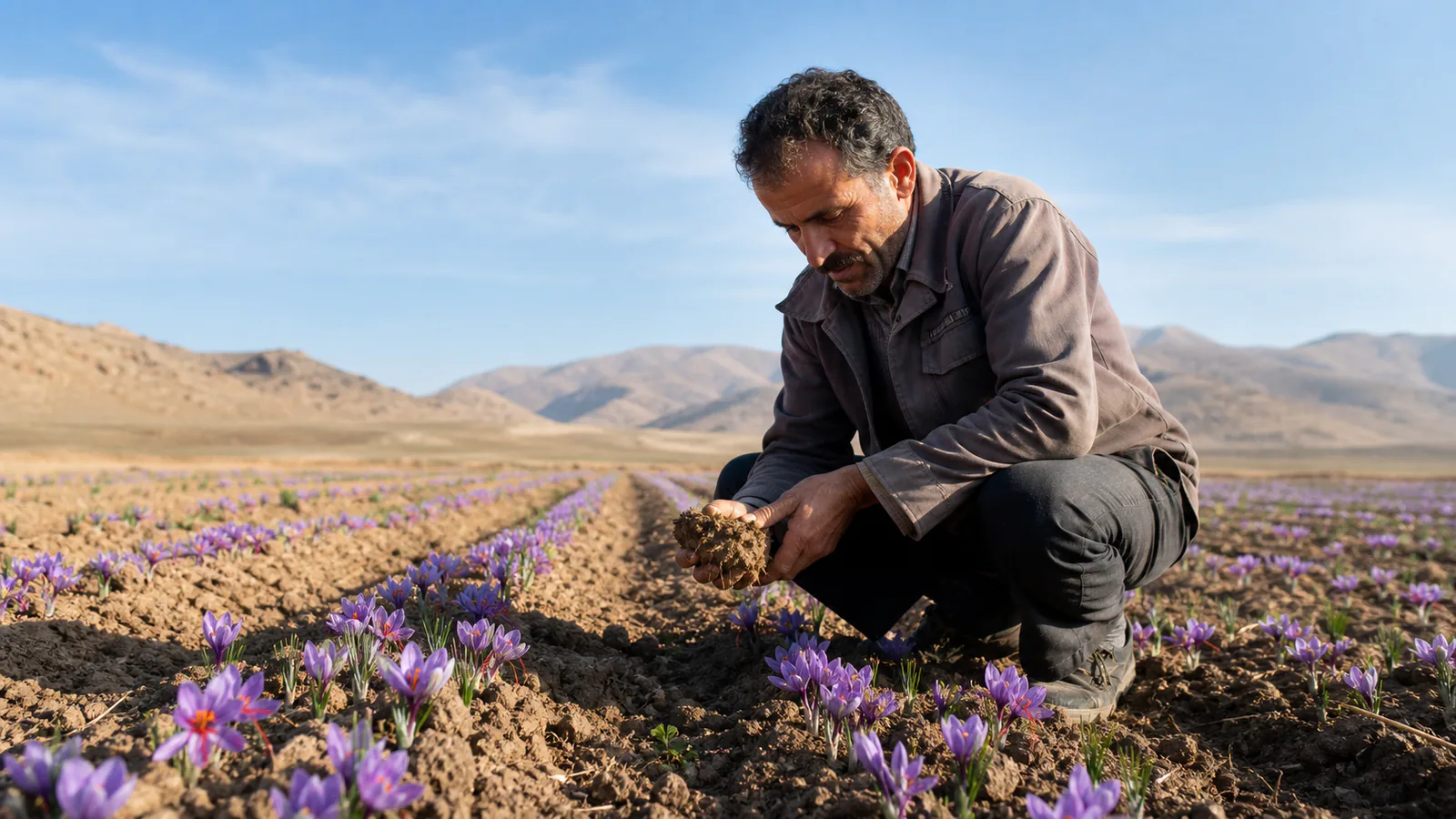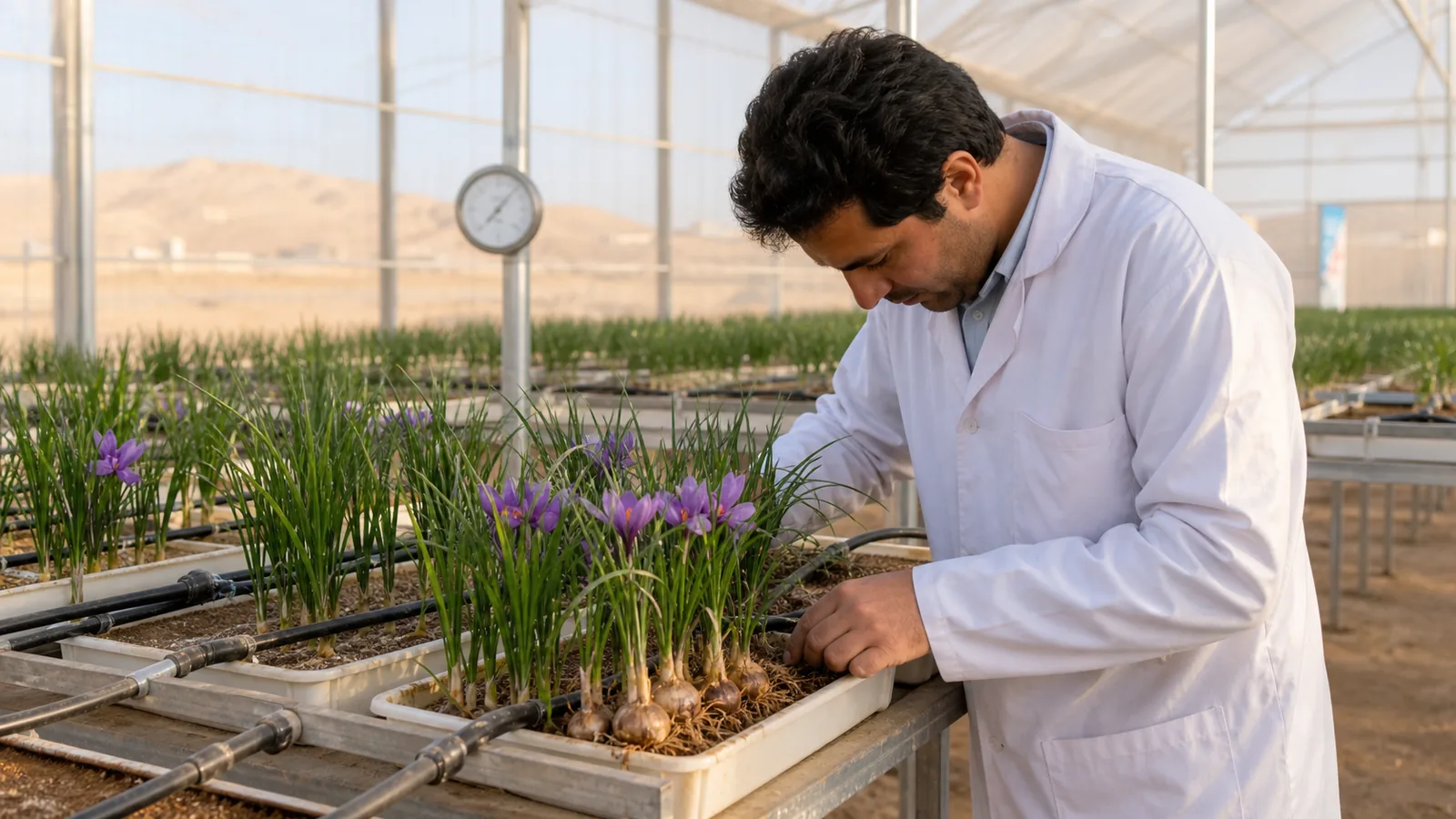
Planting saffron without water and soil this time in Yazd
An experiment in Yazd was described as planting saffron without water and soil, offering a hopeful idea for farmers living through prolonged drought. “Without soil” ... Read More...



An experiment in Yazd was described as planting saffron without water and soil, offering a hopeful idea for farmers living through prolonged drought. “Without soil” ... Read More...
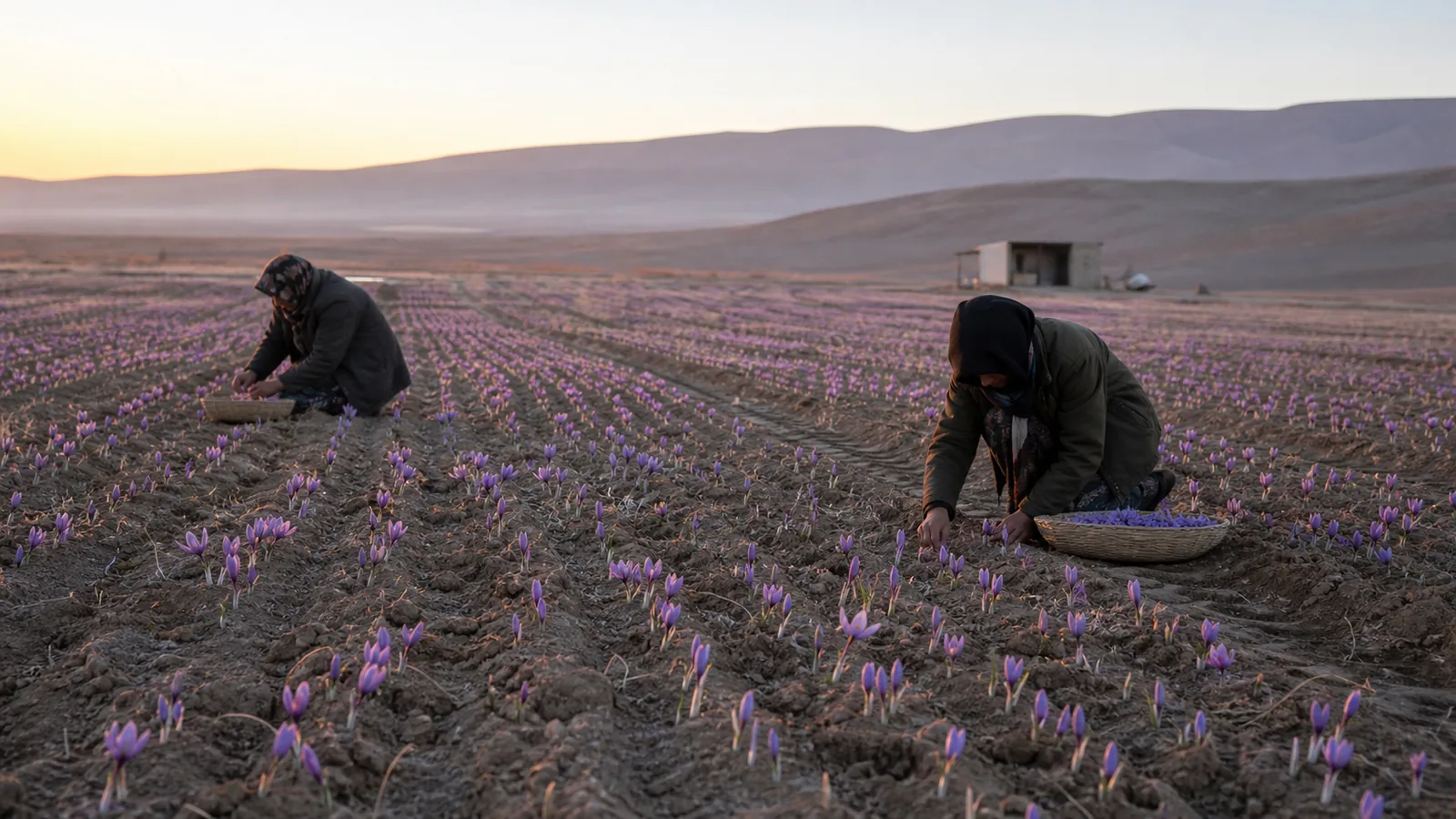
The report of red-gold cultivation across 57000 hectares of Khorasan Razavi farms is a historical snapshot of Iran’s saffron heartland, not a current acreage estimate. ... Read More...
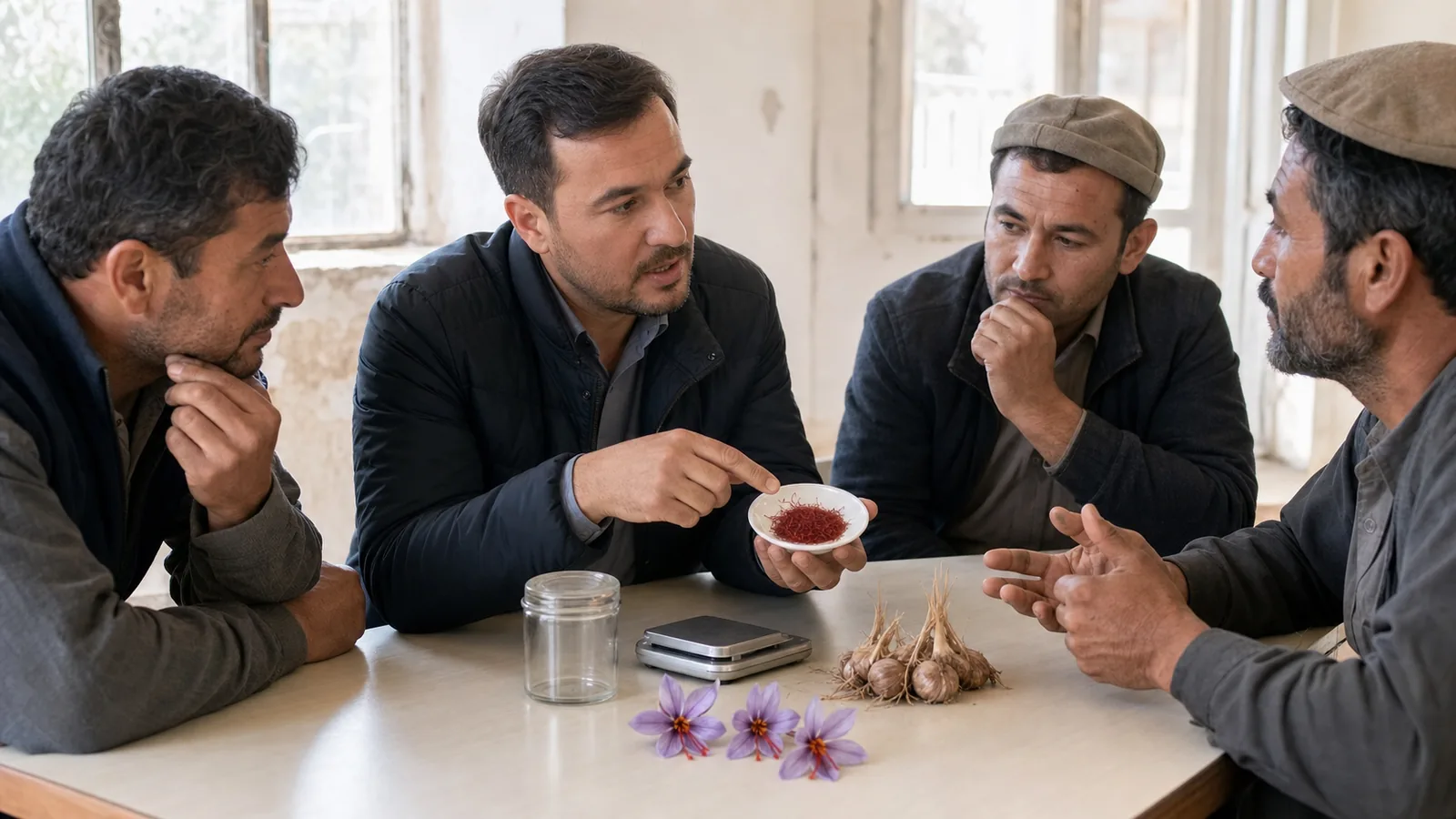
An early Khorasan plan argued that supplying saffron through the stock market could improve price transparency, quality assurance and confidence for growers and buyers. Growers ... Read More...
A Qazvin training programme brought four Lebanese students into a practical saffron course, linking Iranian agricultural knowledge with cultivation in Lebanon. A practical saffron cultivation ... Read More...
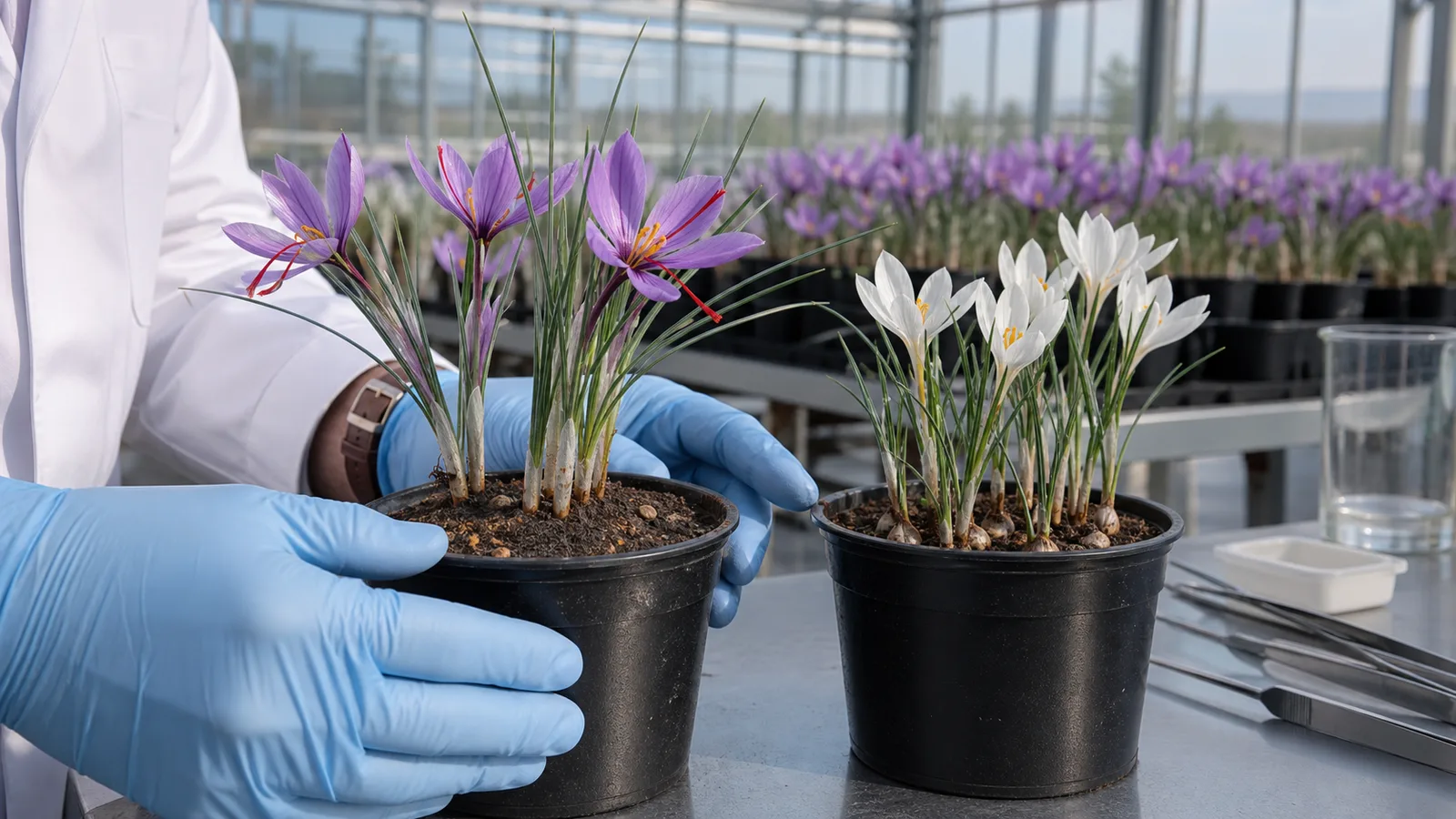
“White saffron” is an ambiguous name, and that matters before anyone plants, sells or consumes it. A 2020 report from West Azerbaijan used the phrase ... Read More...
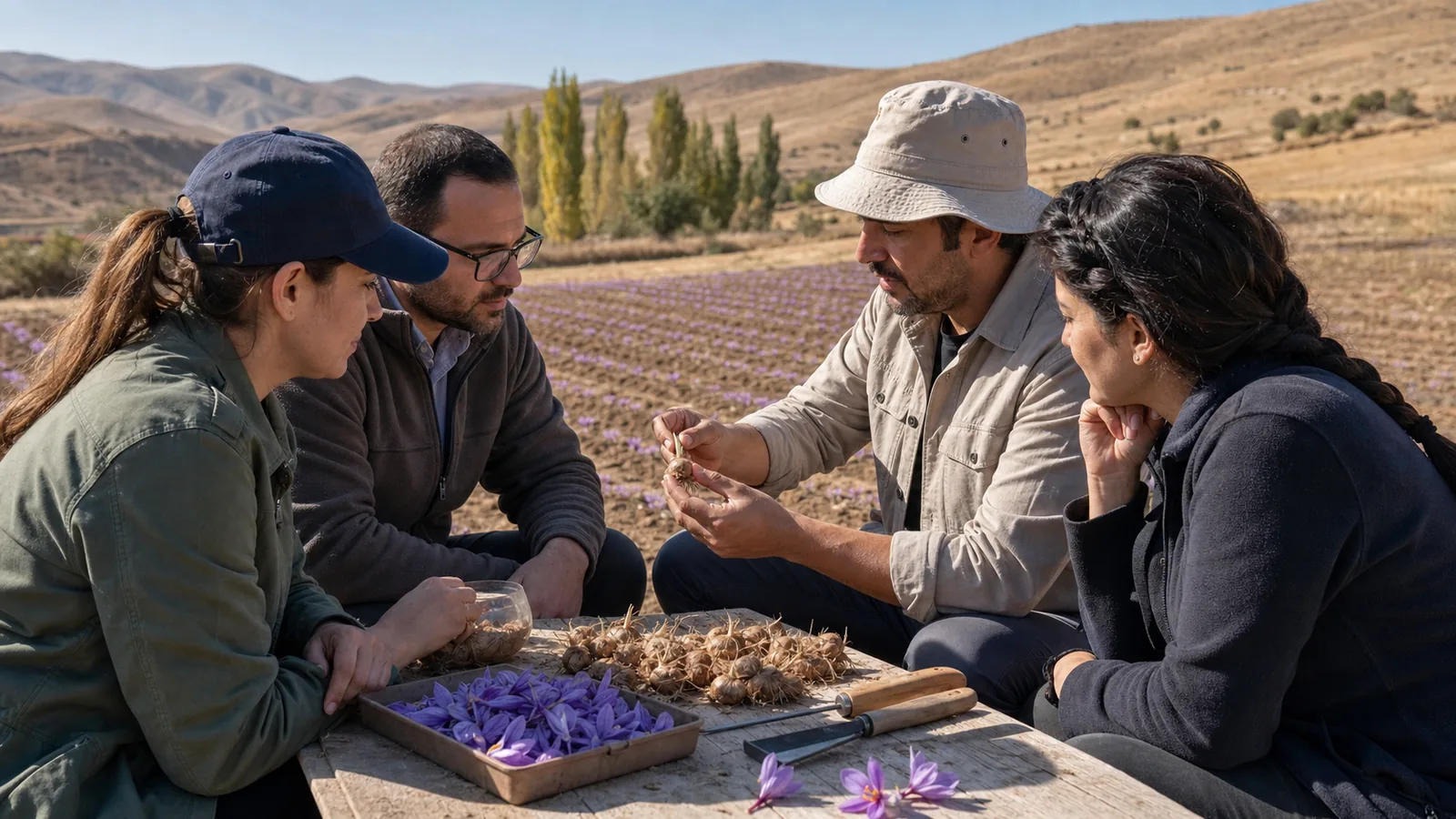
Saffron cultivation in Famenin expanded from about 1.5 hectares to more than seven hectares as local officials looked for alternatives to water-intensive crops. A separate ... Read More...
1200 hectares of land in the qanat Baladeh under the cultivation of saffron was the central figure in a historical report from Ferdows, South Khorasan. ... Read More...
Galogah planted two upland hectares with saffron using 2.5–3 tonnes of corms per hectare. See the planting, drainage and harvest evidence still needed.
Cultivation of Saffron and Herbs in Iran City of Sonqor was presented in 2019 as one part of a local agricultural-development plan. The governor called ... Read More...
Ijrud’s dry climate can suit saffron, but field-level soil, water and frost conditions still decide whether a planting is viable. Ijrud can be suitable for ... Read More...