Daily Saffron Consumption Benefits: Is It Good to Take Saffron Every Day?
Using a small amount of saffron in food every day can fit a normal diet, but taking a saffron supplement every day is a different decision. Food use is mainly about flavour, aroma and colour. A capsule, extract or concentrated drink is closer to a regular supplement regimen, where the product, amount, duration, medicines and health history all matter.
So, is it good to take saffron daily? It can be reasonable in ordinary culinary quantities. The same answer applies if you are asking, “Can I take saffron daily?” There is not enough evidence to say that everyone will gain a particular health benefit from daily use, and there is no official saffron daily intake requirement.
What counts as daily saffron use?
The phrase can describe several very different habits:
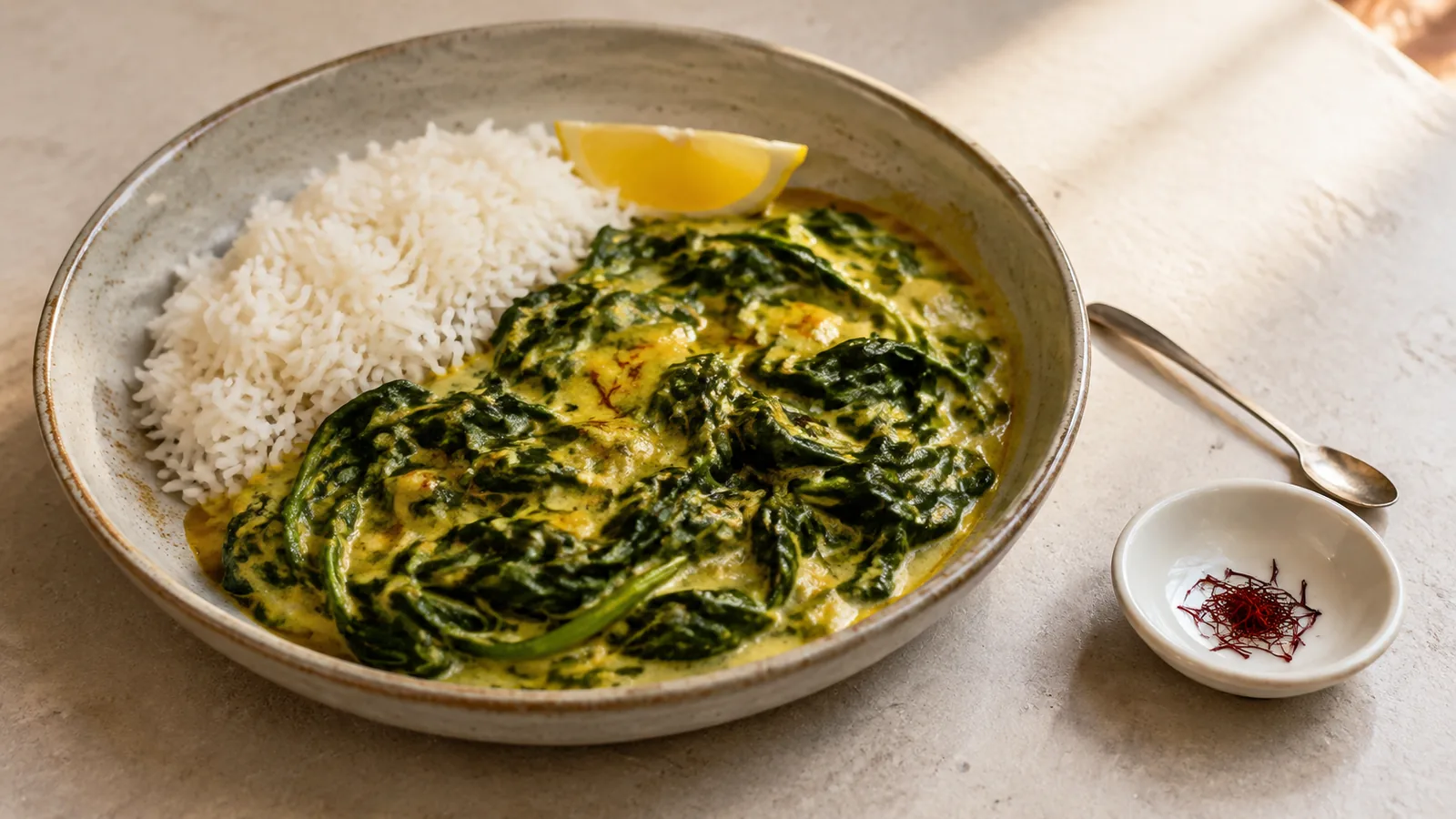
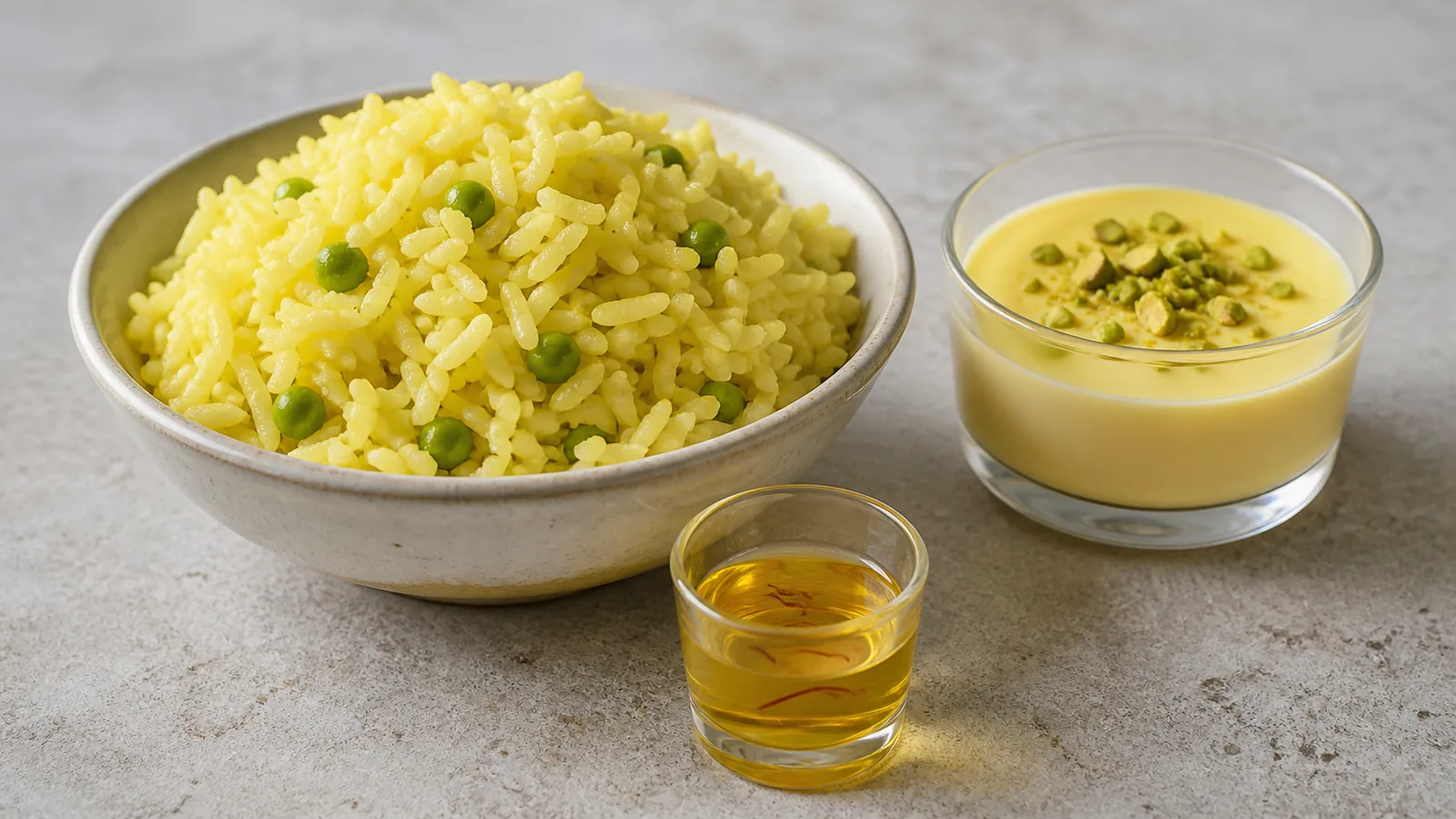
- a small pinch shared across a pot of rice, soup or stew;
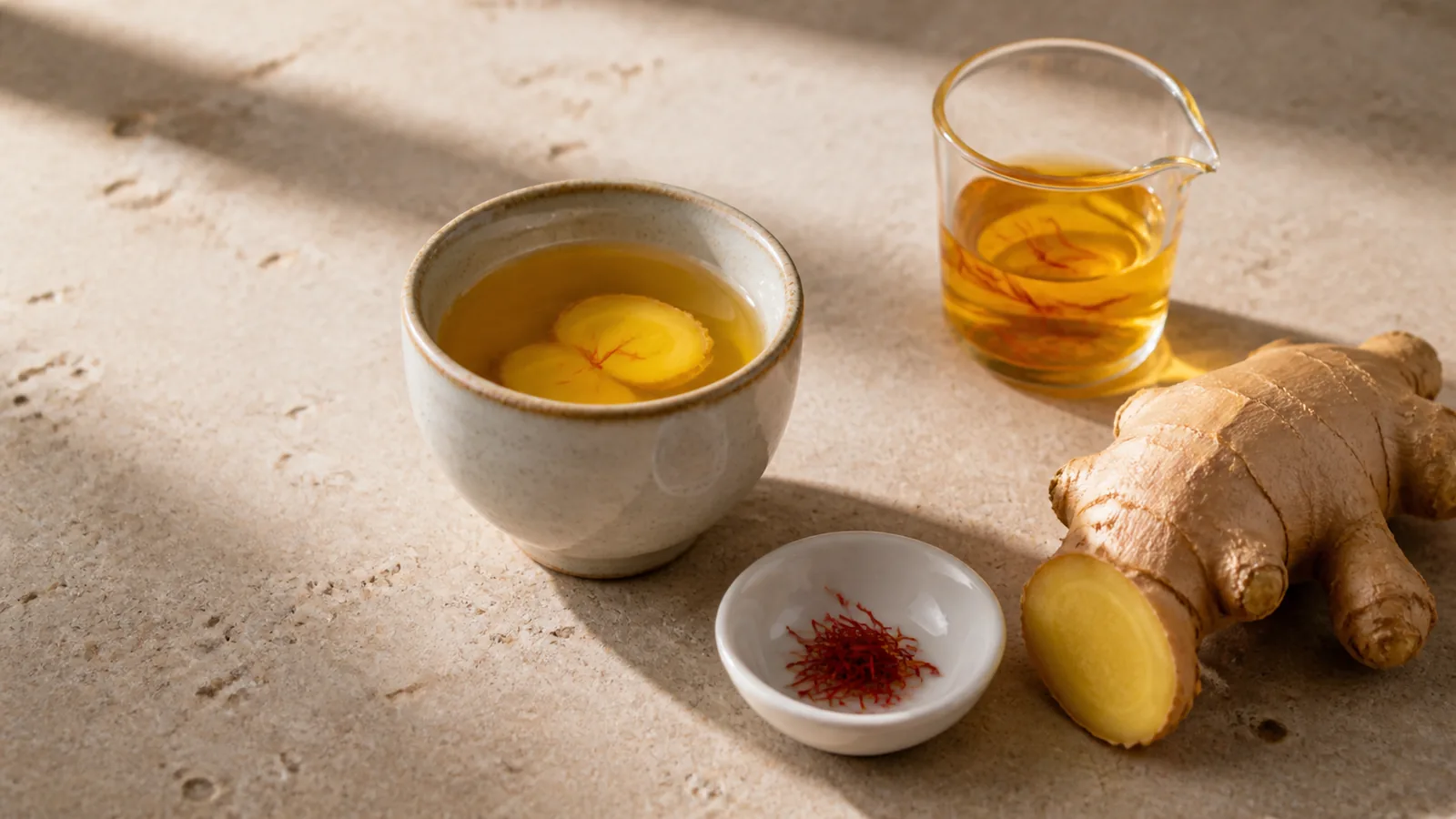
- a few threads bloomed for a cup of saffron water or milk;
- ground saffron measured by weight;
- a capsule containing saffron powder; or
- a standardised extract concentrated to particular compounds.
These should not be treated as equivalent. A culinary pinch is not standardised, while a supplement label may specify an extract ratio or the amounts of particular constituents. Two products with the same number of milligrams can differ in composition.
How much saffron is safe to take daily?
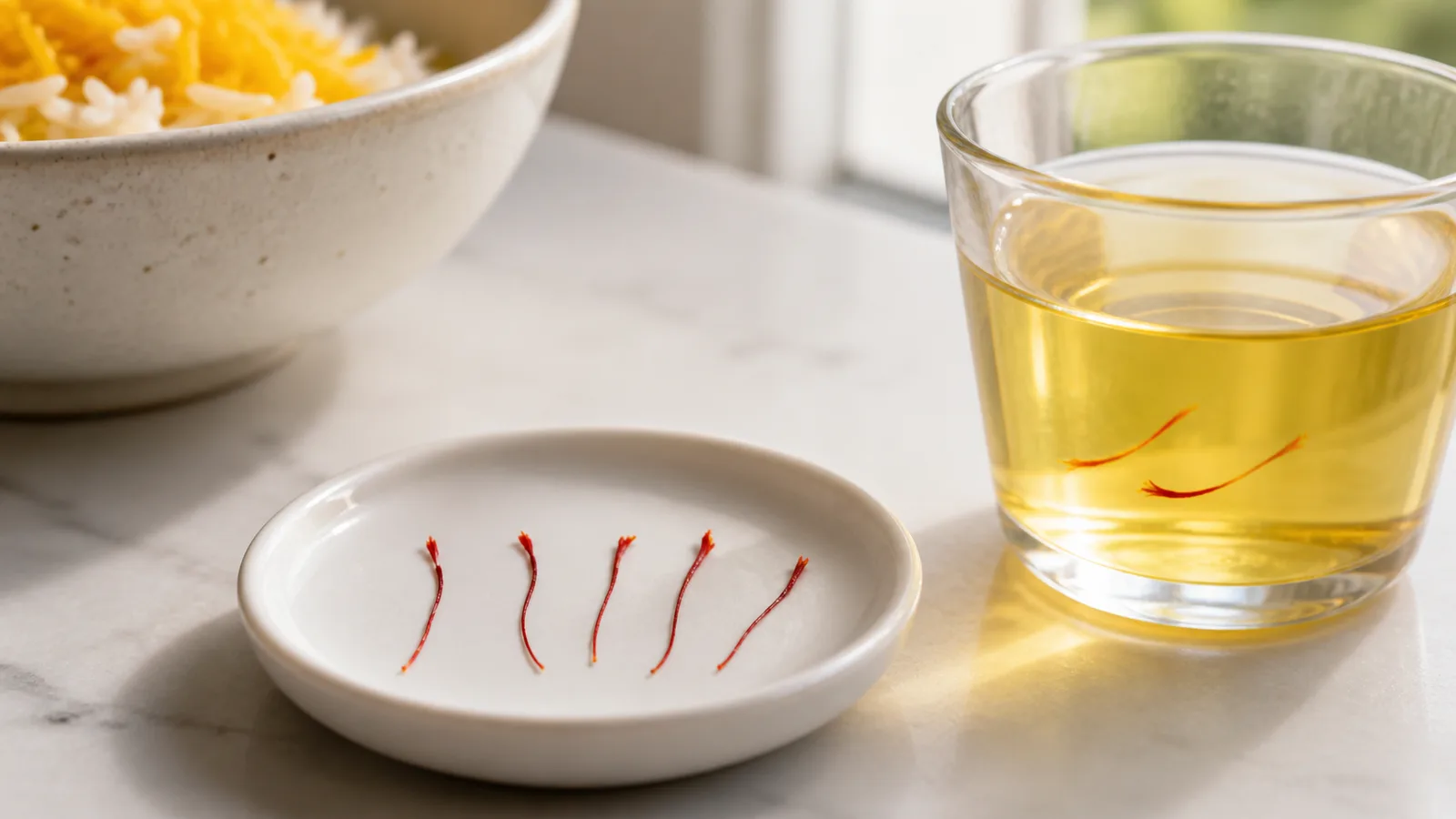
For cooking, use the small amount the recipe needs. There is no dependable answer to “how many saffron strands per day?” because threads vary in length, thickness and weight. The same is true if you call the spice kesar. Counting five, ten or twenty strands of kesar can sound precise without producing a precise dose. If a recipe needs accuracy, weigh the saffron rather than turning a thread count into a health rule.
Online summaries often call 30–50 milligrams a recommended daily dose. In reality, 30 milligrams per day is a common amount in some clinical trials of particular preparations and conditions. It is study context, not a recommended dietary allowance. It does not establish that every adult should take that amount indefinitely or that 50 milligrams is automatically better.
The often-repeated warning not to exceed 1 gram a day should not be mistaken for a safe ceiling. One gram is far beyond the amount normally used in a serving and much higher than many research doses. Avoid trying to find the largest tolerable amount.
What benefits have researchers studied?
Saffron contains compounds including crocin and safranal, and researchers have tested saffron powders and extracts in several areas. The important question is not simply whether a study exists, but what preparation it used, who took it, for how long and what outcome was measured.
Mood
Controlled trials and systematic reviews have reported promising results for some mood symptoms. That evidence concerns defined interventions, not a promise that a pinch in dinner will treat depression or anxiety. A mood disorder deserves proper assessment, and saffron should not replace prescribed medicine or therapy.
Memory and brain function
Studies have examined saffron in people with cognitive impairment and Alzheimer’s disease. Those findings do not show that eating saffron every day prevents neurodegenerative disease or improves memory and focus in every healthy adult. Prevention and treatment claims require stronger, population-specific evidence.
Premenstrual symptoms
A small double-blind trial tested 30 milligrams per day for premenstrual syndrome over two menstrual cycles. It reported symptom improvement, while calling for further investigation. This supports continued research; it does not prove general “hormonal balance” or regulation of every menstrual cycle.
Skin and digestion
It is common to read that daily saffron improves skin tone, reduces pigmentation, creates a youthful glow, aids digestion or relieves bloating and indigestion. Those broad outcomes are not established for routine culinary intake. Crocin and safranal have antioxidant properties in laboratory research, but an antioxidant label alone does not demonstrate a visible skin effect or treat a digestive complaint.
What happens if you drink saffron water every day?
In practical terms, saffron water gives you water, saffron’s aroma and a small amount of its soluble colour and flavour compounds. If the drink is unsweetened and made with a few threads, it may simply become an enjoyable routine. It is not a detox, a guaranteed mood treatment or a substitute for a balanced diet.
Pay attention to the full drink. Added sugar, sweetened milk and other ingredients can matter more nutritionally than the saffron. If you develop nausea, stomach discomfort, headache, dizziness, a rash or another possible allergic reaction, stop and seek advice. Difficulty breathing or swelling requires urgent medical care.
Is saffron safe long term?
Long-term certainty is limited because many clinical trials are measured in weeks or a few months, use different preparations and are not designed to answer lifetime-use questions. A 2026 systematic review of human adverse events found that saffron was generally well tolerated and that gastrointestinal problems were the most commonly reported side effects. The authors still recommended clinical monitoring for medicinal use at higher doses or for prolonged periods.
That makes duration part of the decision. A familiar spice in meals is not the same risk question as taking a concentrated product continuously. If you plan to use a supplement beyond the period studied on its label or recommended by a clinician, review the need rather than renewing it automatically.
Who should check before taking saffron daily?
Speak with a doctor or pharmacist before daily supplement use if you are pregnant, trying to conceive or breastfeeding; take prescription medicines; have a bleeding disorder, low blood pressure or another ongoing condition; or are preparing for surgery.
Higher-dose and occupational-exposure literature has raised concern about uterine stimulation and miscarriage risk. It does not define a self-selected safe supplement dose during pregnancy. The FDA’s supplement advice for women recommends discussing supplements with a healthcare provider.
Medicines that affect blood pressure, blood sugar or clotting are often mentioned in saffron cautions. Evidence for a particular interaction may vary, but that uncertainty is not a reason to experiment. The FDA notes that supplements can change how medicines are absorbed, metabolised or excreted. Share the exact product and label with your pharmacist rather than relying on a generic list.
See our fuller guide to who should avoid or limit saffron for more context.
A sensible everyday approach
- Decide whether your goal is culinary enjoyment or a health intervention.
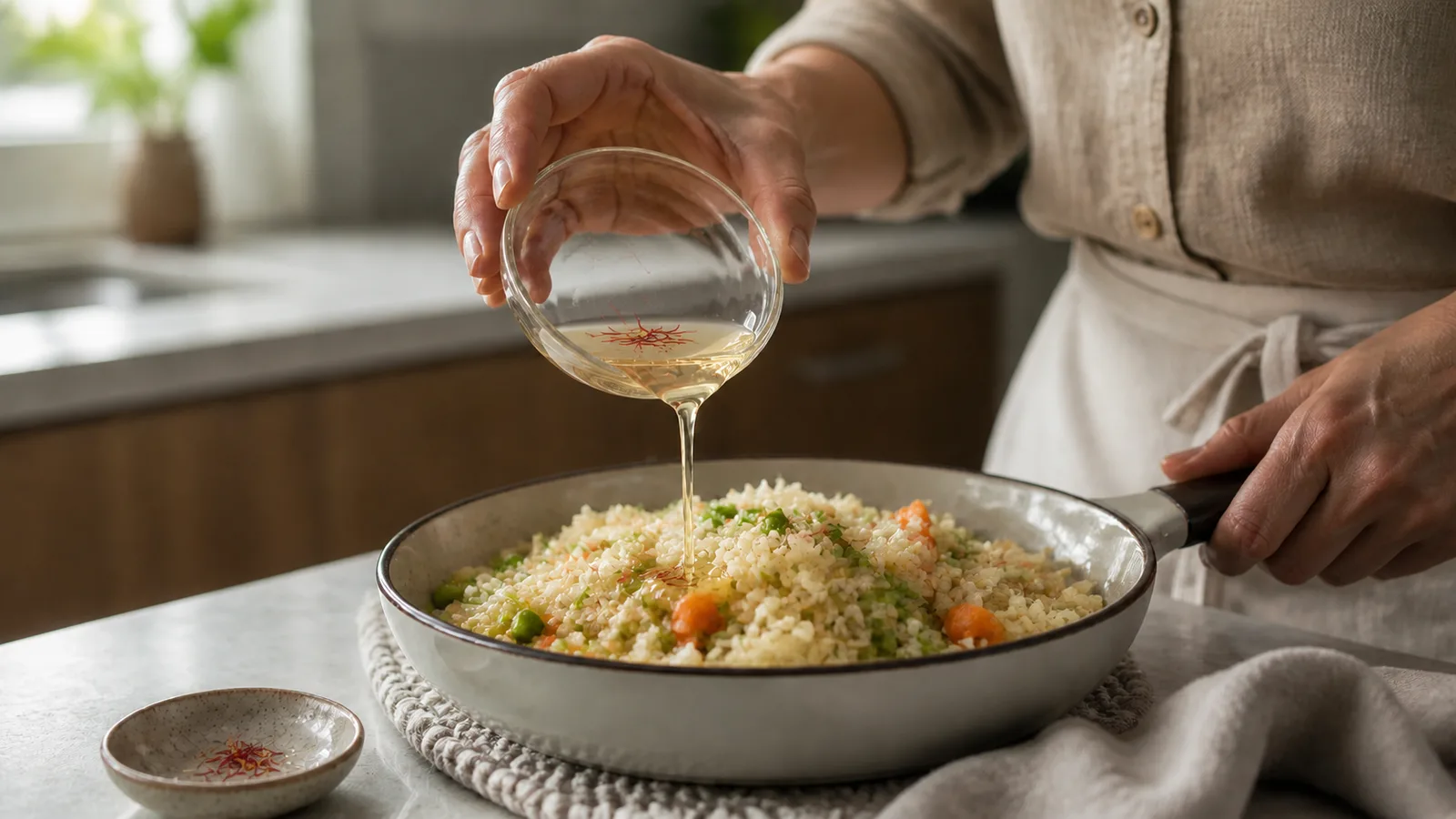
- For food, use a small recipe-appropriate amount and bloom it so the flavour spreads through the dish.
- For a supplement, read the complete ingredient panel, preparation, serving size and duration.
- Do not combine several saffron products or increase the amount because results are not immediate.
- Review medicines, pregnancy, surgery and health conditions with a clinician or pharmacist.
- Stop and seek advice if a new adverse effect appears.
Our guide to using saffron correctly explains blooming and cooking timing without turning a culinary technique into a medical dose.
The practical answer
Can you take saffron every day? A small amount in food can be part of an ordinary diet for many adults. Daily supplements, concentrated extracts and medicinal-dose drinks require more care. Use the product-specific evidence, avoid treating 30–50 milligrams as a universal rule, and involve a healthcare professional when medicines, pregnancy, symptoms or long-term use are part of the picture.