Saffron Weight Loss Benefits: Does Saffron Help with Weight Loss?
Saffron does not reliably make people lose weight. A few trials have tested saffron powders or extracts for appetite, snacking and body measurements, but the combined evidence has not shown a meaningful reduction in body weight or body mass index. A small culinary amount can make nutritious food more enjoyable; it is not a fat-burning ingredient.
If your question is “Can saffron help you lose weight?”, the fairest answer is that it may be studied as one minor part of weight management, but it should not be expected to cause weight loss by itself. Using saffron for weight loss only makes sense when the larger plan is a balanced diet and regular exercise or other appropriate physical activity.
What the best combined evidence found
A 2022 systematic review and meta-analysis of 25 randomised trials examined saffron supplementation in people with overweight or obesity. Across the studies, the changes in weight, BMI, waist circumference and hip circumference were not statistically significant. The pooled estimate for body weight was a difference of only 0.32 kilograms, with a confidence interval that crossed no effect.
The review did find a change in waist-to-hip ratio, while noting heterogeneity and other limitations. One positive measurement among several neutral results does not establish saffron as a dependable weight-loss treatment. A 2025 meta-analysis of people with metabolic syndrome and related conditions likewise found no significant change in BMI or waist circumference.
This is more useful than relying on a single favourable trial. It shows that “saffron and weight loss” is an active research topic, but the present evidence does not support a promise that saffron makes fat disappear.
Why appetite and snacking are often mentioned
A frequently cited 2010 study enrolled 60 mildly overweight women for eight weeks. Participants who received a branded saffron extract reported less snacking and had greater weight reduction than the placebo group. The intervention was 176.5 milligrams of a specific extract each day, not a cup of saffron water or a pinch in food.
The researchers hypothesised that an effect on mood might increase satiety and reduce stress-related snacking. That is a hypothesis, not proof that crocin “regulates serotonin” in a predictable way or switches off cravings for everyone. The study was small and short, and later pooled evidence did not find a significant overall change in weight.
It is still reasonable to notice your own eating triggers. If a fragrant unsweetened drink replaces a high-calorie snack, that substitution can reduce energy intake. The benefit comes from the change in the overall pattern, not from saffron melting fat or accelerating fat metabolism.
Does saffron burn fat?
No human evidence shows that normal culinary saffron directly burns body fat. Claims about “boosting metabolism” often jump from cell or animal experiments to a conclusion about real-world weight loss. Human body weight is influenced by food and drink intake, activity, sleep, medicines, health conditions, genetics and the body’s adaptations over time.
A supplement can also change a laboratory marker without producing a noticeable or lasting change on the scale. For that reason, studies of antioxidants, blood sugar or lipids should not be presented as proof of fat loss.
How saffron can fit a weight-conscious meal
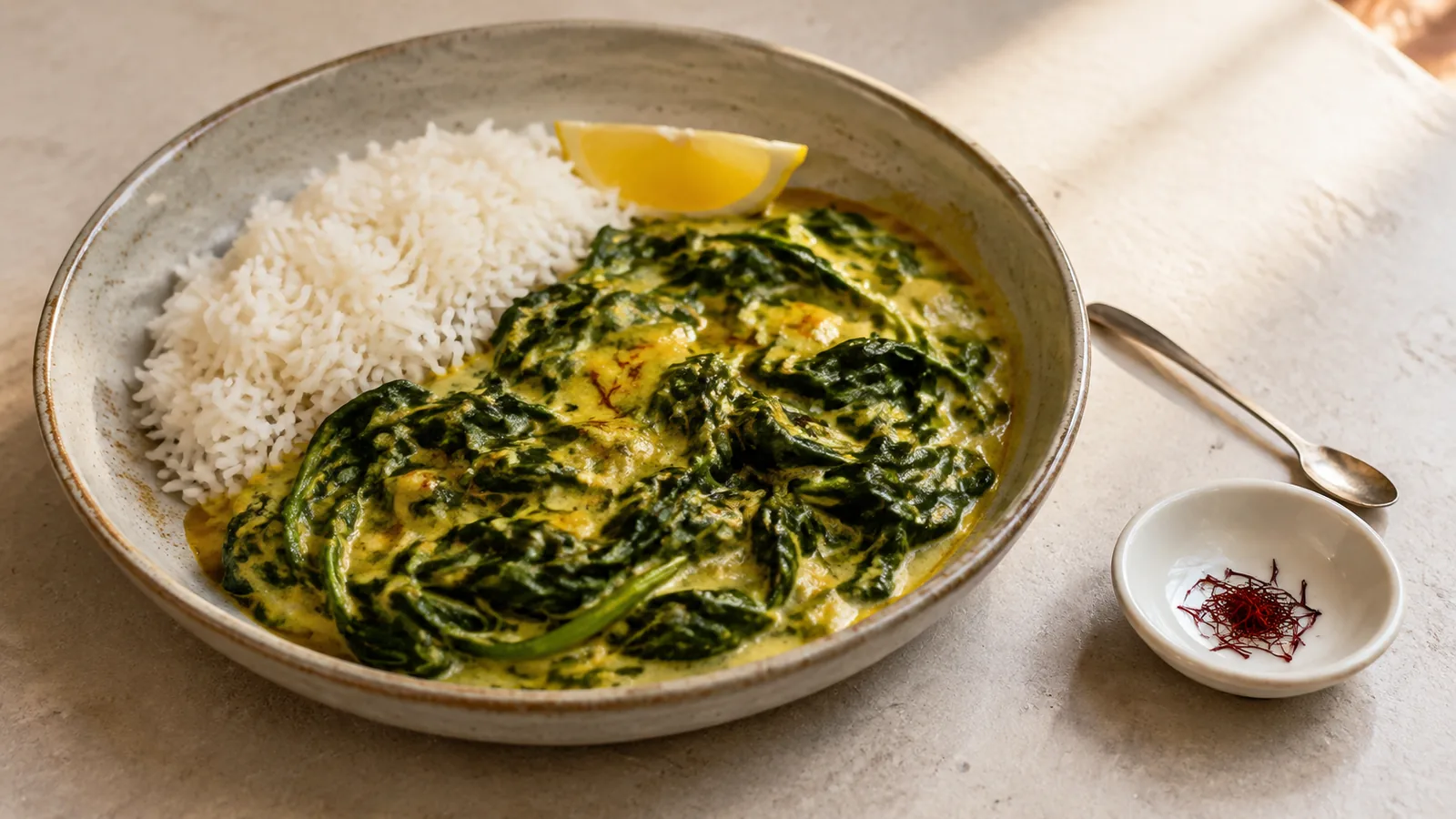
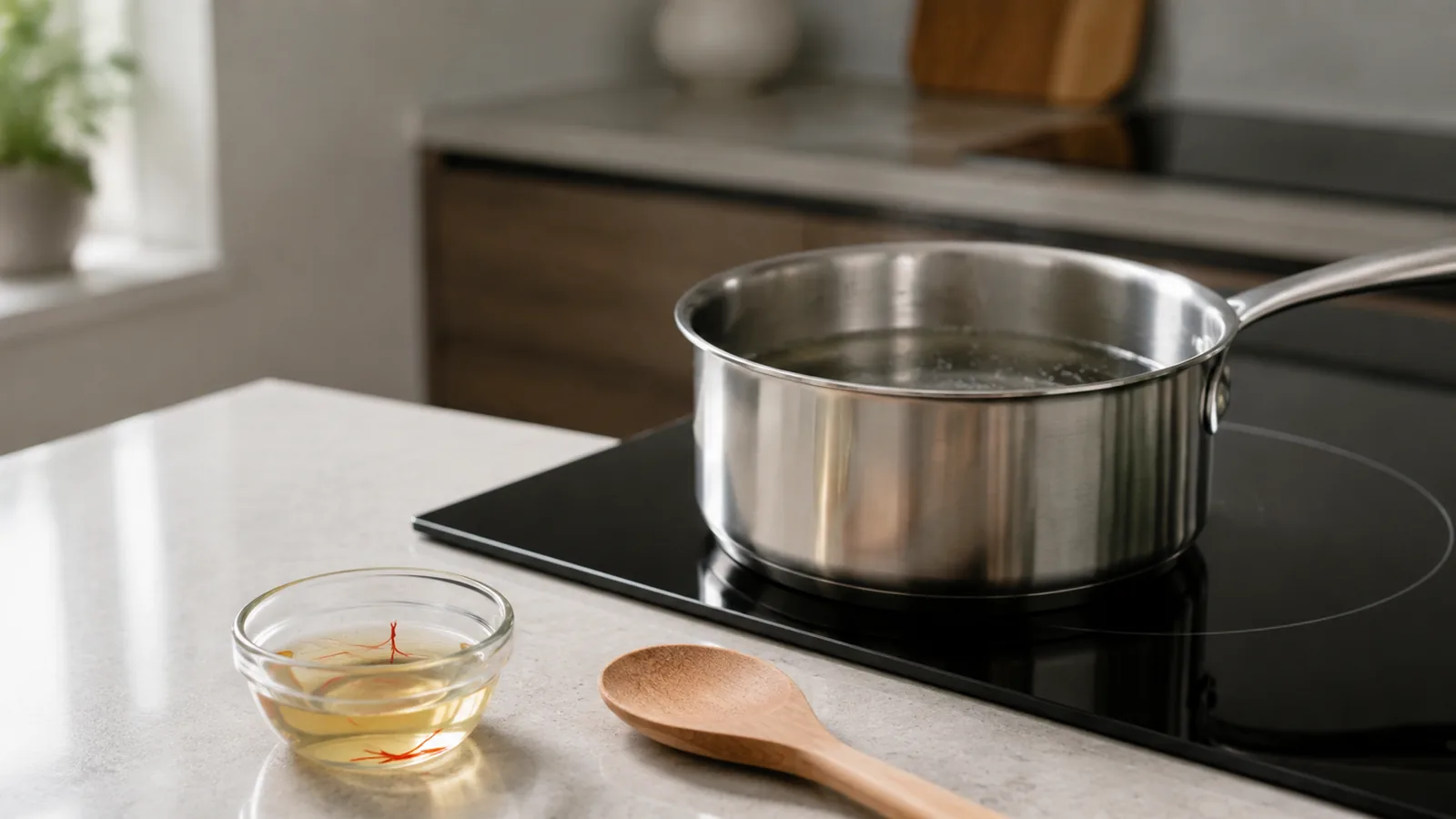
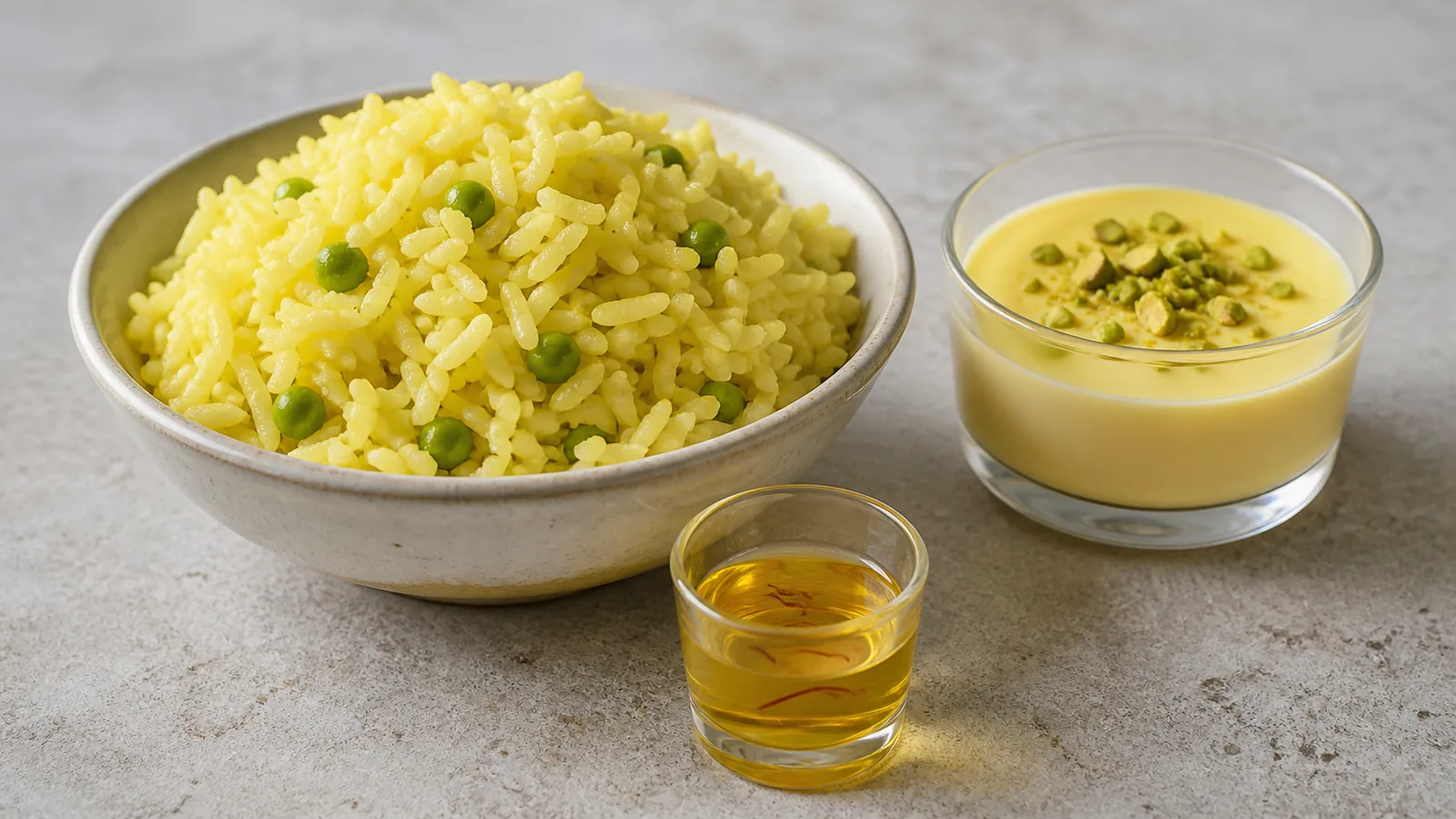
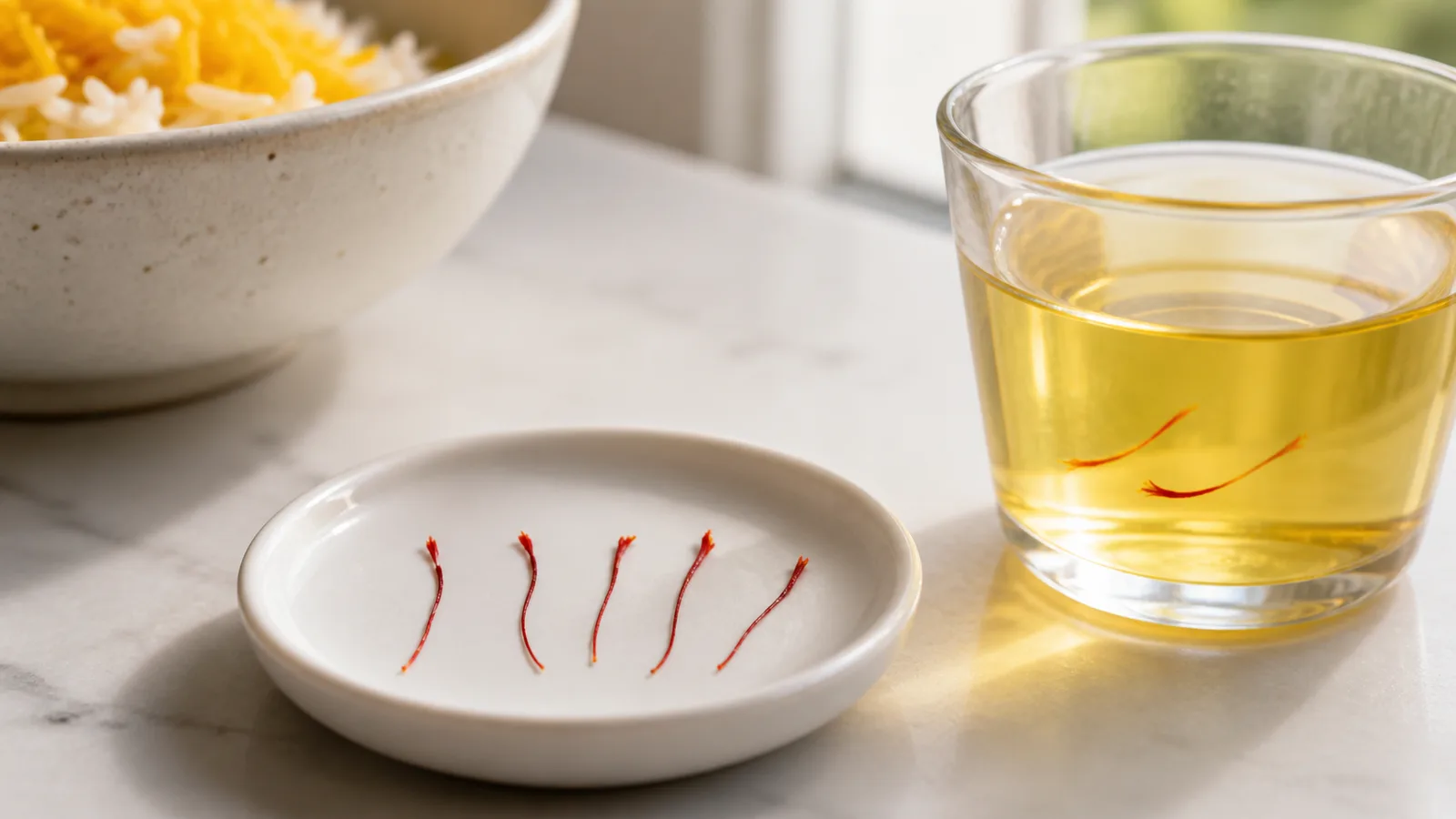
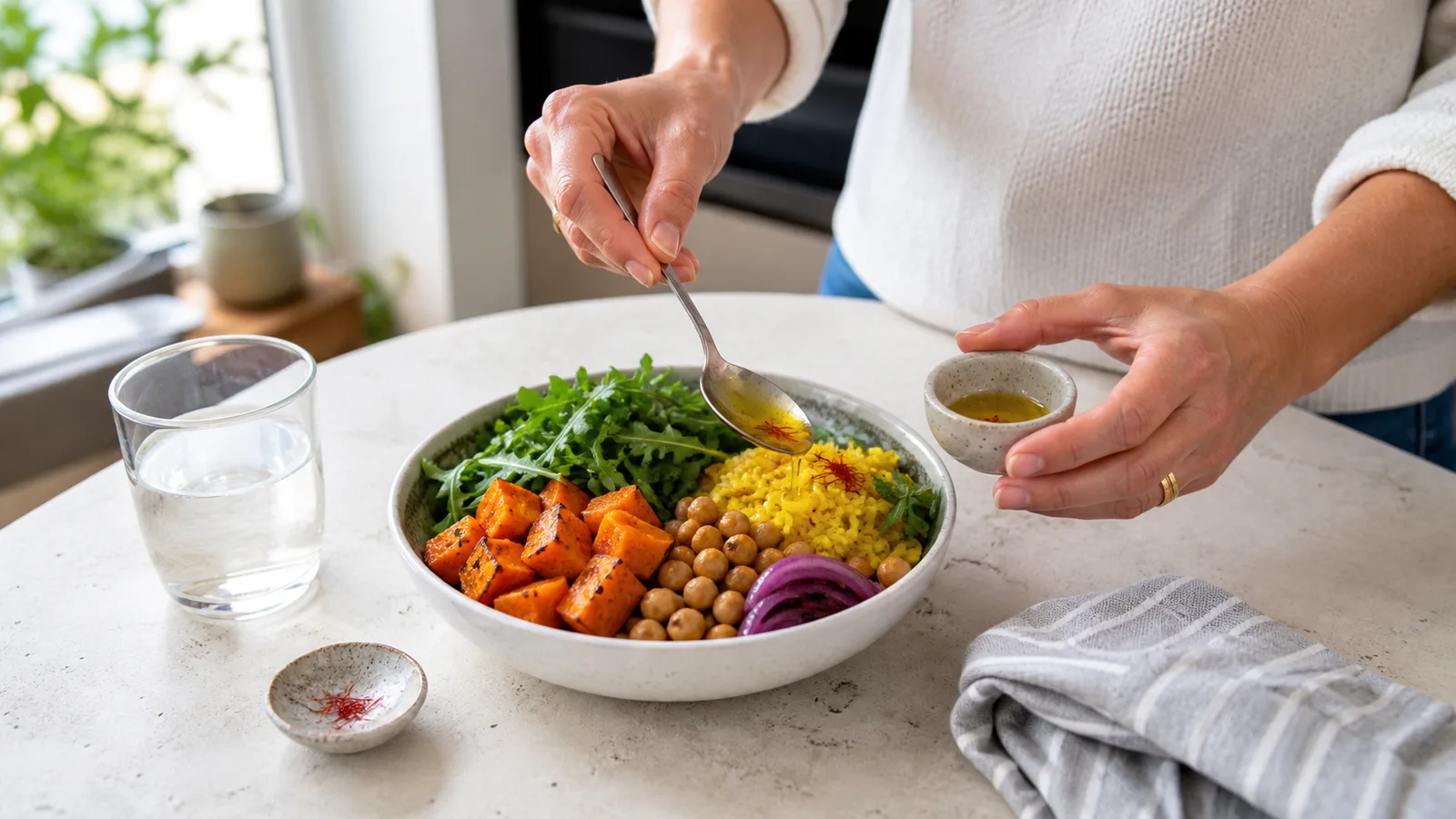
Saffron’s strongest practical contribution is flavour. Bloom a small pinch in warm water and use it to season vegetables, beans, fish, chicken, soup or a measured portion of rice. Strong aroma and colour can make a simple meal feel satisfying without a heavy sauce.
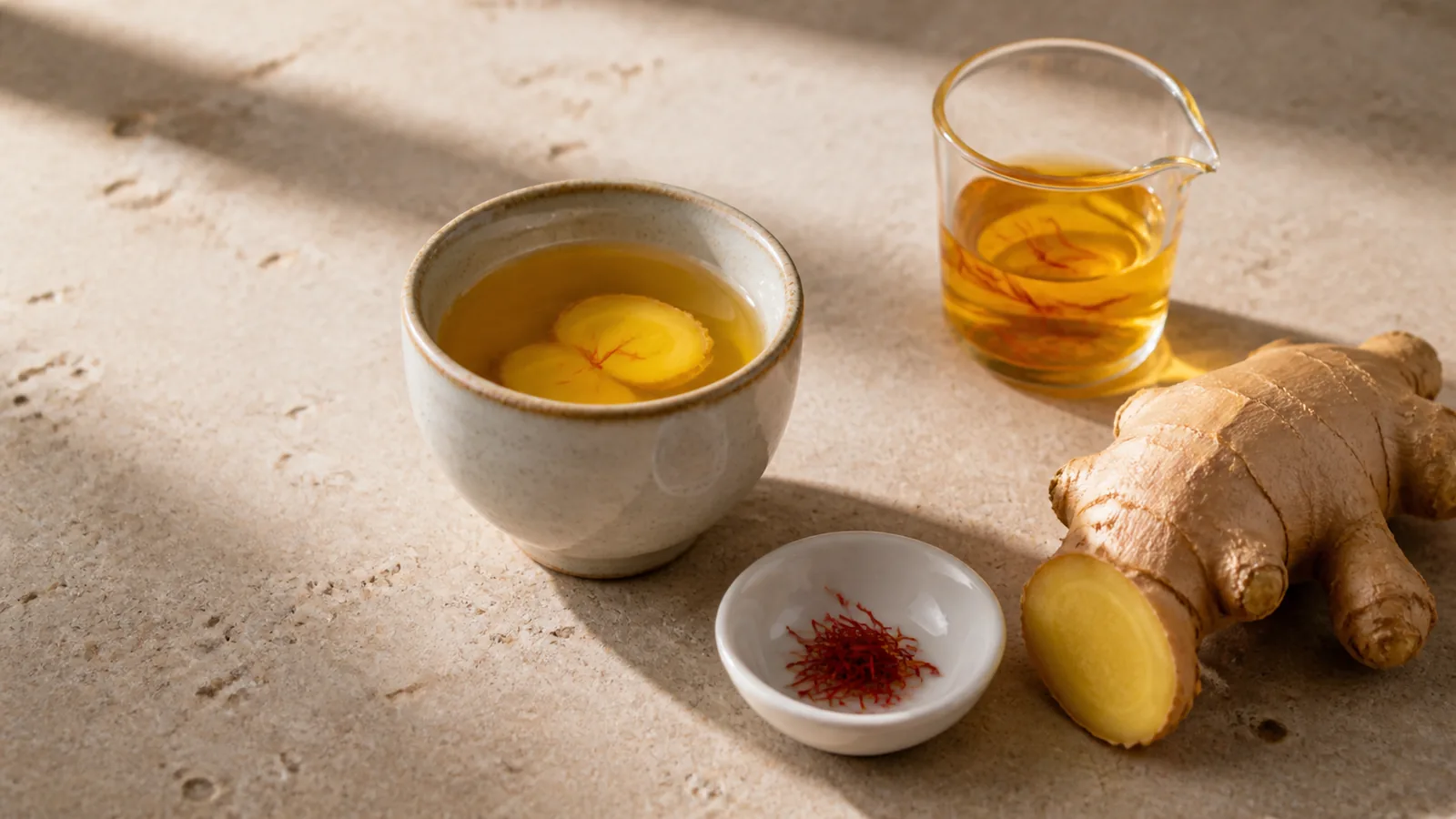
Saffron water is not a weight-loss drink on its own. If you enjoy it, keep it unsweetened or lightly sweetened and count milk, sugar, honey or syrups as part of the drink. Drinking it once or twice a day will not compensate for an eating pattern that supplies more energy than your body uses.
The US National Institute of Diabetes and Digestive and Kidney Diseases recommends a healthy eating plan that can be maintained over time, together with appropriate physical activity. Its guidance emphasises vegetables, whole fruits, whole grains and varied protein sources while limiting added sugar and saturated fat.
What about saffron supplements?
A capsule is not the same as culinary threads. Extracts can differ in concentration and composition, and the amount from a study cannot simply be transferred to a different bottle. Saffron supplements have not been established as approved weight-loss medicines.
The FDA advises discussing supplements with a healthcare professional because they can cause side effects, interact with medicines or be risky around surgery. A current review of saffron adverse events found that gastrointestinal symptoms were the most frequently reported effects and advised monitoring for higher-dose or prolonged medicinal use.
Take extra care if you are pregnant or breastfeeding, use prescription medicines, have a chronic condition or are preparing for surgery. A product promising effortless or rapid fat loss should be treated as a warning sign, not a reason to take more.
Other saffron claims do not prove weight loss
Saffron contains crocin and safranal, compounds widely described as antioxidants. Research has also examined saffron for mood and cognitive outcomes. Those are separate questions. Evidence about mood does not automatically prove appetite suppression, and laboratory antioxidant findings do not demonstrate better skin, improved digestion or lower body fat in a person eating saffron.
Our broader review of saffron health evidence keeps culinary use, clinical studies and supplement claims separate.
Build a plan that can work without saffron
A sound weight-management plan should still make sense if saffron is removed from it. Useful questions include:
- Can you maintain the eating pattern rather than follow it for a few days?
- Does it include enough protein, fibre and food you genuinely enjoy?
- Are sweet drinks, alcohol or unplanned snacks adding substantial calories?
- Is the activity plan safe and realistic for your current health?
- Could a medicine, sleep problem or medical condition be affecting weight?
- Do you have appropriate support from a clinician or registered dietitian?
NIDDK describes successful programmes as combining a healthy reduced-calorie eating plan, physical activity, behavioural support and a plan for maintaining the change. That is a stronger foundation than any single spice.
The practical answer
Does saffron make you lose weight? Current pooled research says it does not produce a significant overall reduction in weight or BMI. A specific extract has reduced snacking in one small study, but that result does not turn saffron into a proven appetite suppressant or fat burner. Use saffron to make balanced food taste good, and treat any supplement as an optional, evidence-limited product to discuss with a healthcare professional rather than a shortcut.