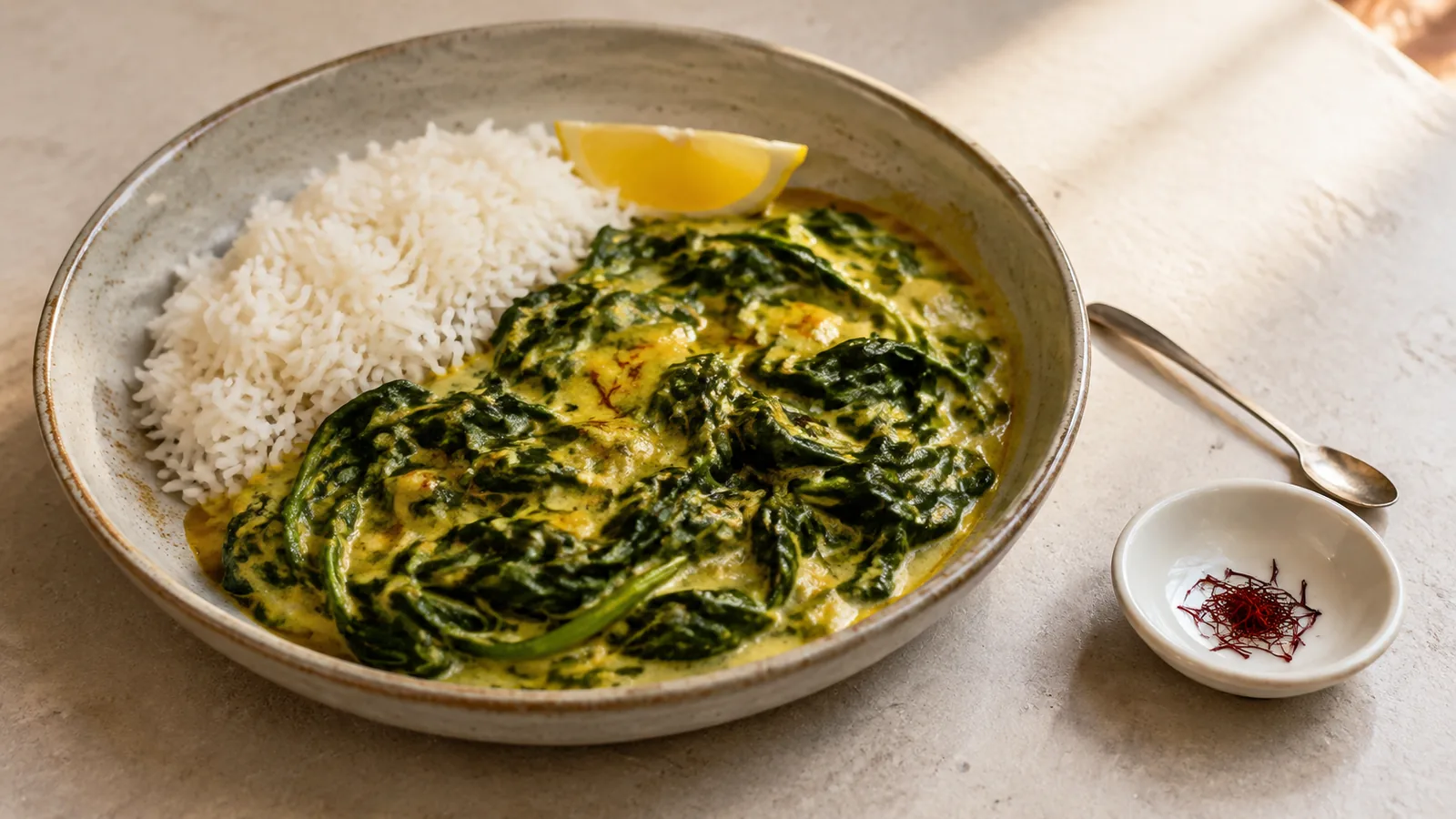
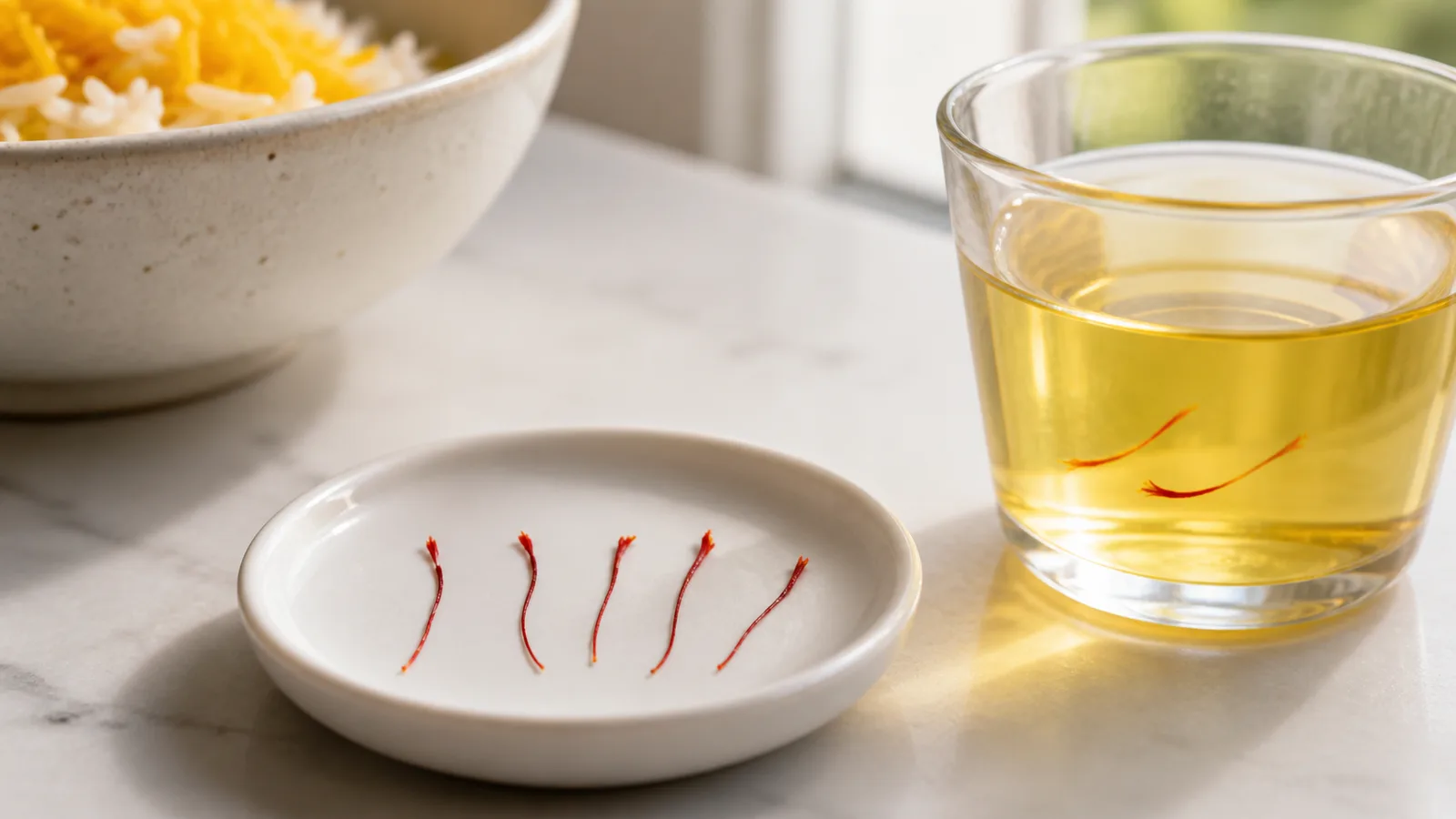
Saffron adds flavour, aroma and colour. It does not simply dye food yellow. Genuine saffron flavor is gently bitter and earthy, while its aroma can seem floral, warm, hay-like or faintly honeyed. The saffron flavour changes with the food around it. Crocins provide the golden colour, picrocrocin contributes bitterness, and safranal is an important part of the aroma.
Does Saffron Add Flavor or Just Color?
Saffron is often described as one of the most unique spices in the world, not only for its striking golden hue but also for its taste and fragrance. Many people wonder if saffron simply adds color to food or if it also contributes real flavor. The answer lies in the natural compounds present in saffron threads, which influence both the appearance and the sensory experience of a dish.
Colour is usually the easiest change to see, but it is only one part of the ingredient. A small, well-bloomed amount can change the smell of warm rice before the diner takes a bite. The taste then adds a mild bitterness and savoury depth rather than the sweetness suggested by the golden appearance.
The Flavor of Saffron
Saffron flavor is subtle yet distinct. Descriptions of gentle sweetness usually refer to its aroma rather than sugar on the tongue. Earthy and floral undertones, a dry hay-like note and a slightly honey-like aftertaste can all appear, depending on the saffron and the food around it.
In the right amount, saffron complements other ingredients. The statement that saffron never overpowers other ingredients is too absolute: too much can become bitter, medicinal or perfumed. Used with restraint, it suits rice, soups, stews, seafood, chicken, bread and desserts.
Temperature matters as well. Warm food releases aroma more readily than a cold dry sample, while hours of aggressive heat can flatten the finer notes. Fat in butter, milk or oil may carry some aroma, and water helps distribute colour and bitter taste.
The Color Contribution
While saffron flavor is highly valued, its ability to produce a golden color is equally important. The crocins in saffron are responsible for the rich hue released into water. Just a few threads can change the look of a dish, making it visually appealing while adding a sense of luxury.
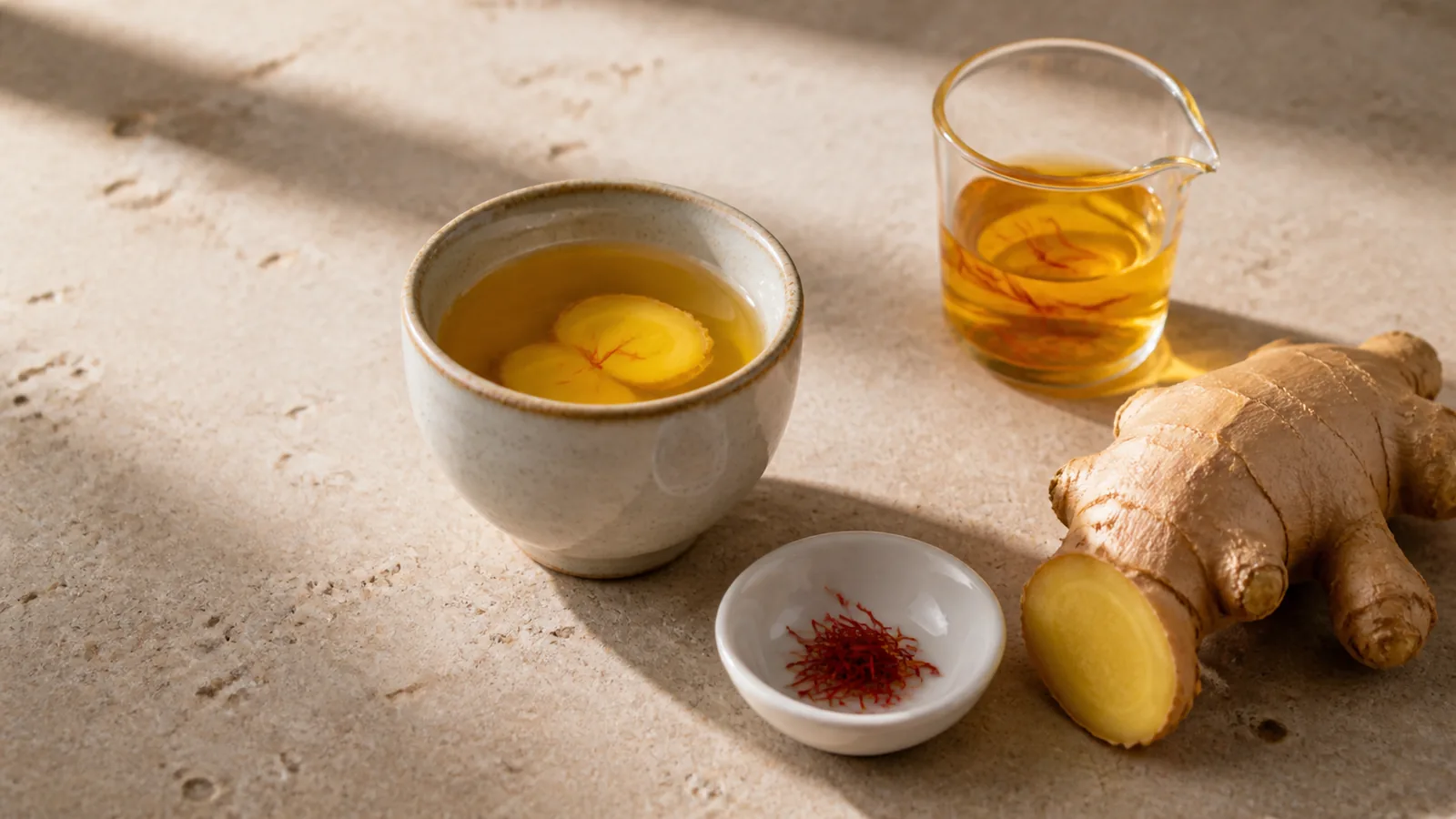
Crocins are water-soluble, which is why a warm infusion turns yellow or gold. The colour should spread from the threads into the liquid rather than behave exactly like an instant artificial dye. The final shade depends on quantity, water, time and the colour of the food itself.
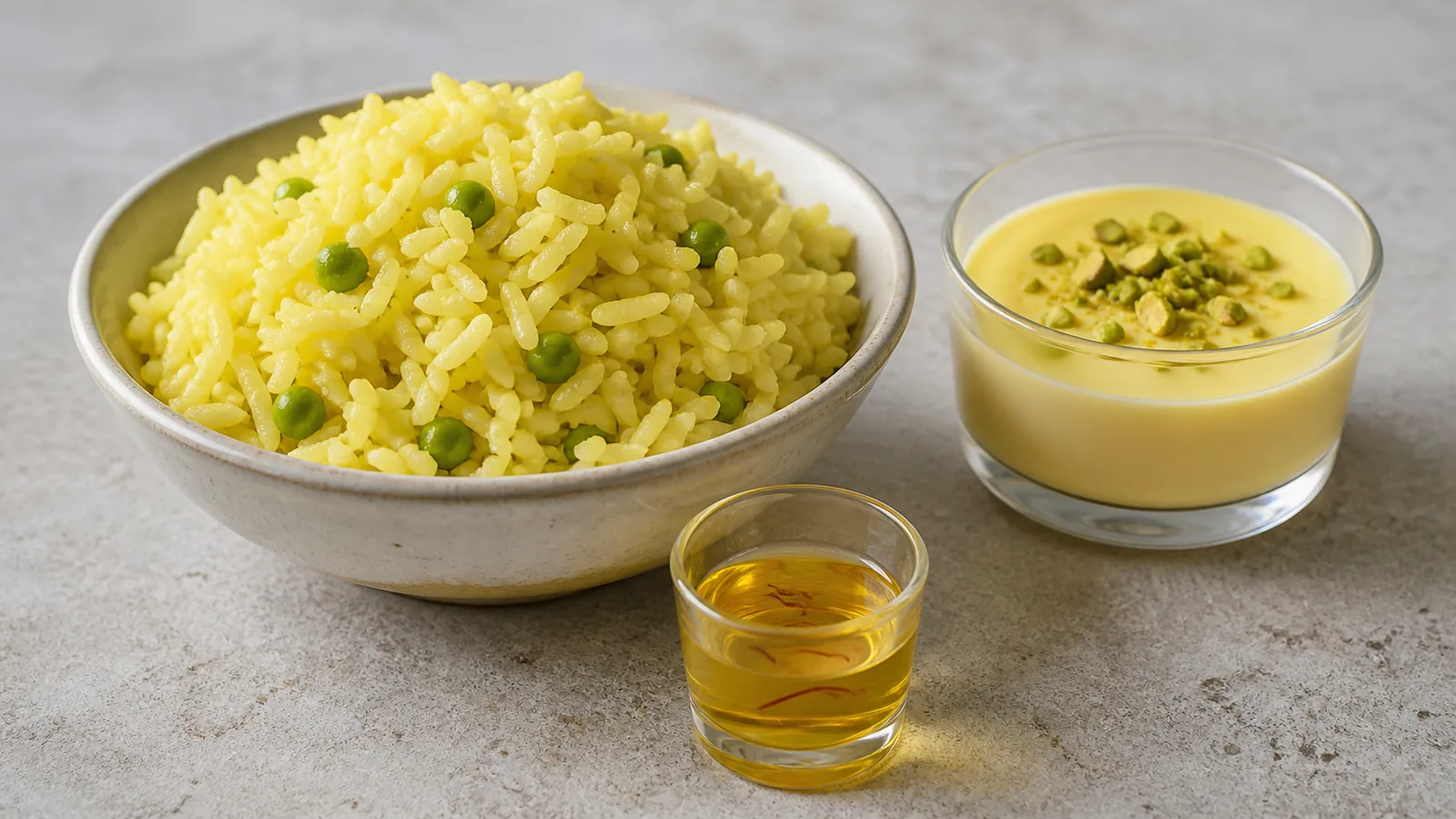
White rice and milk show the change clearly. Tomato, brown rice, chocolate or a dark stock can hide it even when the saffron aroma remains. Colour intensity is therefore not a complete measure of flavour or quality.
What Creates the Three Sensory Effects?
Peer-reviewed food research identifies crocins, picrocrocin and safranal as major compounds associated with saffron’s color, flavor and aroma. Crocins create colouring power, picrocrocin is closely linked to bitter taste, and safranal is a central volatile in the characteristic smell.
These components do not behave identically during cooking. The study found stronger crocin extraction in water and showed that time, temperature and the balance of water and oil affect what moves into an infusion. That helps explain why one method may produce good colour yet a different aromatic result.
The compounds also work together with other volatiles and with the dish. Saffron in plain warm water will not taste exactly like saffron in buttered rice, milk pudding or seafood broth.
Can Saffron Give Colour without Much Flavour?
Yes, especially when the quantity is small, the dish is strongly seasoned or the saffron is old. A few threads may visibly colour pale food while their flavour is difficult to pick out. This does not mean saffron is only a colourant; it means the eye can detect a change that the palate misses in that particular recipe.
Poor storage can also reduce aroma. Light, heat, moisture and air gradually weaken the spice. Threads stored in a tightly closed container away from the stove are more likely to retain their sensory character.
Can Saffron Add Flavour without Obvious Colour?
It can. In a dark sauce, brown rice or tomato-rich stew, the golden pigment may not be visible. The aroma and bitter-savoury note can still affect the dish. A taster may notice a warm, complex background without being able to point to a yellow colour.
This is why judging saffron only by appearance can mislead. The food’s original colour, thickness, acidity and other spices change what the diner perceives.
What Does “Zafrani Color” Mean?
People searching for zafrani color generally mean a saffron-like golden, yellow-orange or warm amber shade. In food, genuine saffron can create that family of colours, but the exact shade is not fixed. Concentration and the base ingredient matter.
A product described as zafrani is not automatically made with real saffron. The word may refer to colour, flavour style or saffron itself depending on the language and label. Read the ingredient list and do not treat a colour name as proof of authenticity.
Balancing Color and Flavor
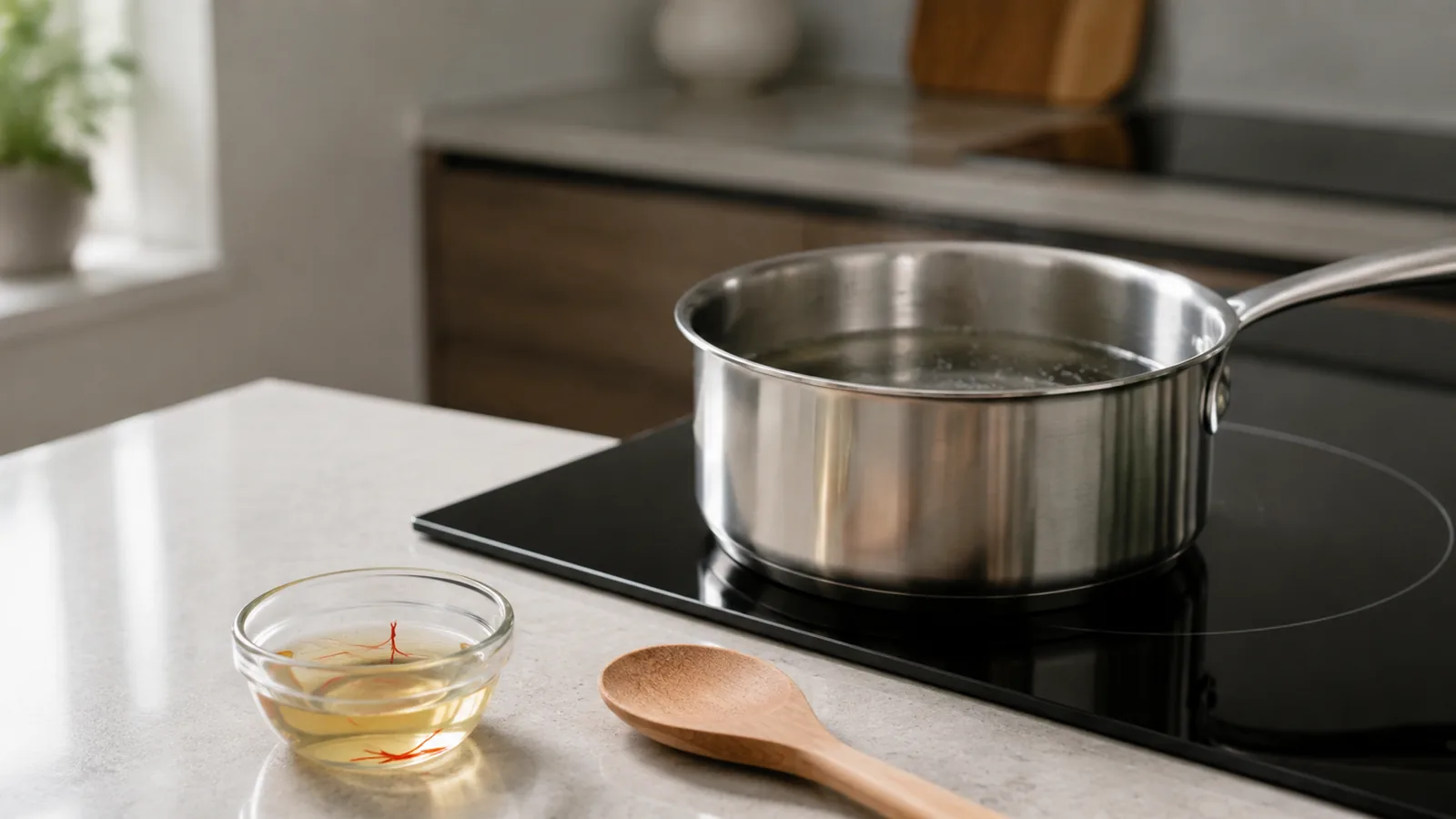
To enjoy both the flavor and color, saffron should be soaked in warm water or milk before use. This process allows its compounds to release more effectively. Crush the threads lightly, steep them for several minutes, then add the entire infusion to the dish.
Use enough liquid to wet the saffron without diluting the recipe. Warm water suits rice and many savoury foods; milk is useful for custards, drinks and desserts. Broth can be convenient when it already belongs in the recipe.
For detailed timing and liquid choices, see how to add saffron to a dish. The method should serve the food rather than become a ritual followed without context.
A Simple Taste-and-Colour Test
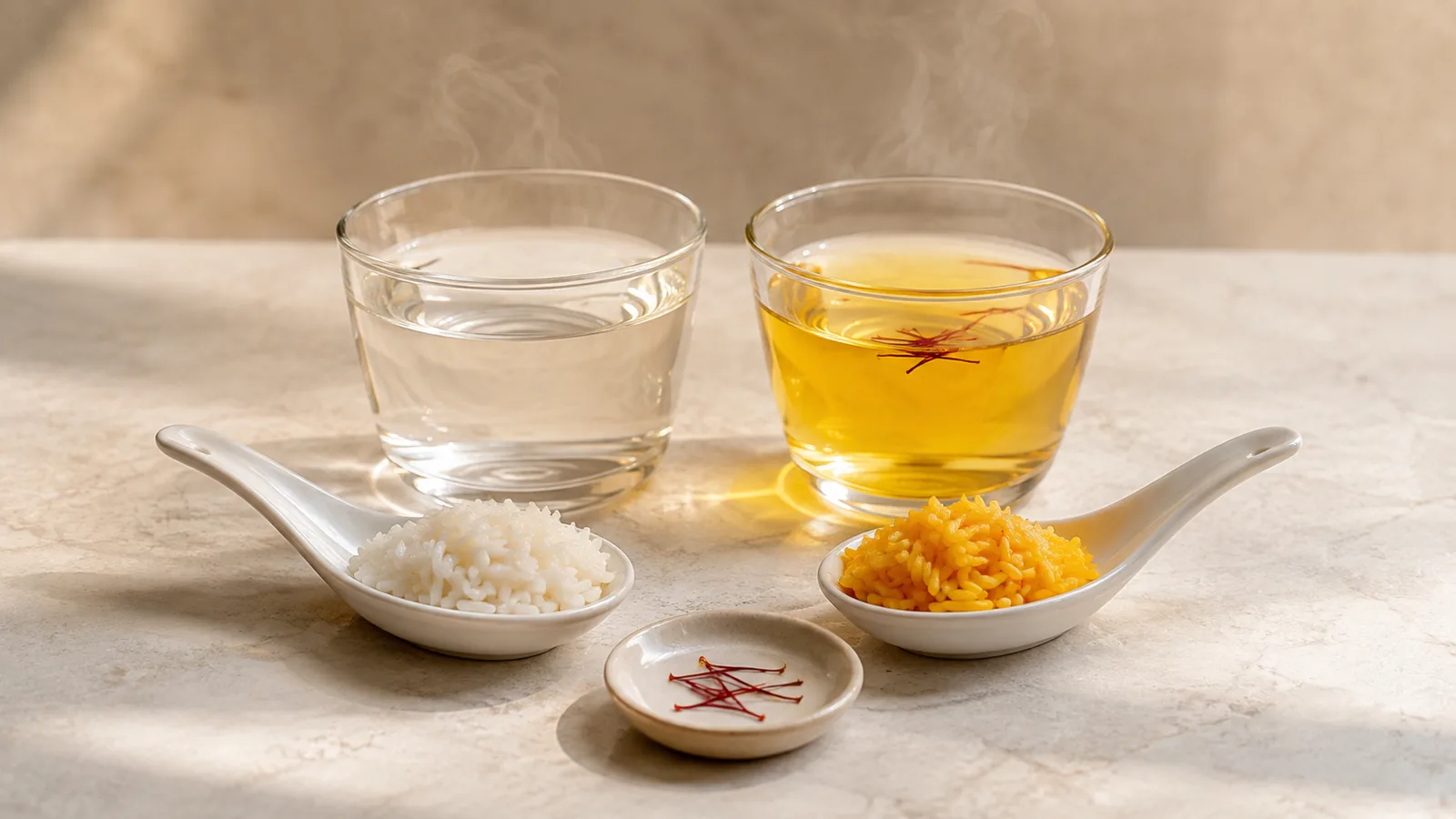
Prepare a small infusion in warm water and leave a second cup of plain warm water beside it. First compare the colour and smell. Then taste a drop of each after the saffron has steeped. The difference is easier to notice in a neutral liquid than in a heavily spiced meal.
You can repeat the comparison with two small portions of plain rice: mix infusion into one and leave the other untreated. Smell them warm, then taste. This separates saffron’s contribution from salt, stock and other seasonings.
Do not use the colour-release test as a complete home proof of purity. Different grades and thread sizes release at different rates, and added dye is specifically designed to create colour. Laboratory methods are needed for definitive authentication.
How Much Is Enough?
A small pinch is usually a sensible start for a household dish. Strength varies with freshness, grade and storage, while recipes vary in volume. Bloom the first amount, add it evenly and assess the cooked food before deciding that more is necessary.
Chasing a darker yellow can lead to waste and bitterness. If colour is the only goal, saffron is an expensive choice; its value lies in the combined aroma, taste and appearance.
Where the Flavour Is Easiest to Notice
Mild starches and dairy products give saffron room. Plain rice, risotto, bread, custard, ice cream and milk drinks can make the aroma clear. Seafood broth and chicken also work when the seasoning remains balanced.
Strong smoke, chilli, bitter greens or a crowded spice blend may cover it. That does not make the pairing impossible, but it makes the amount harder to judge. The detailed guide to what flavour saffron adds explores those comparisons.
Authentic Saffron versus Colouring Substitutes
Turmeric, annatto and artificial dyes can make food yellow or orange, but they do not reproduce saffron’s sensory profile. Fake or low-quality substitutes may create colour while lacking the same depth of flavour. Turmeric tastes earthy, annatto is mild, and a dye may have no culinary aroma at all.
Using authentic saffron is essential when the goal is its full depth of flavor. Whole threads are easier to inspect than anonymous powder, though appearance alone cannot guarantee identity or grade. Treat exaggerated “instant proof” tests with caution.
Conclusion
Saffron does not only add color. It provides a subtle yet remarkable flavor that enhances taste and aroma as well as appearance. Crocins, picrocrocin and safranal help explain why one spice can affect all three. Bloom a modest amount, use it in a dish where it can be noticed, and judge the result by smell and taste rather than yellow colour alone. Genuine threads for cooking are available through our saffron collection.