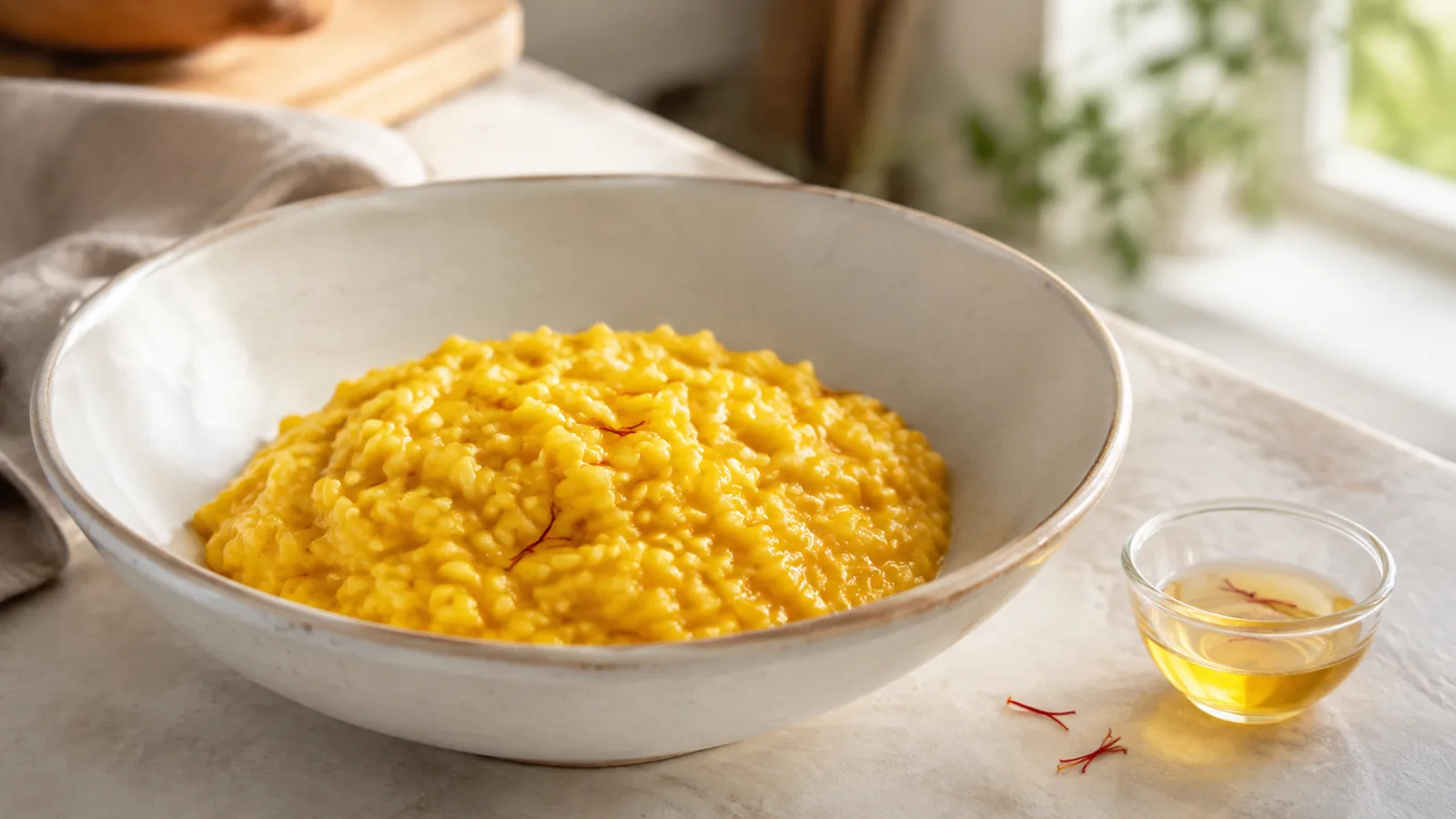
There is no permanent, official ranking of the world’s three costliest foods: prices change with grade, season, origin and the size of a particular specimen. Still, saffron, white truffles and fine beluga caviar consistently belong in any practical discussion of luxury foods in the world because each combines scarcity with unusually demanding production.
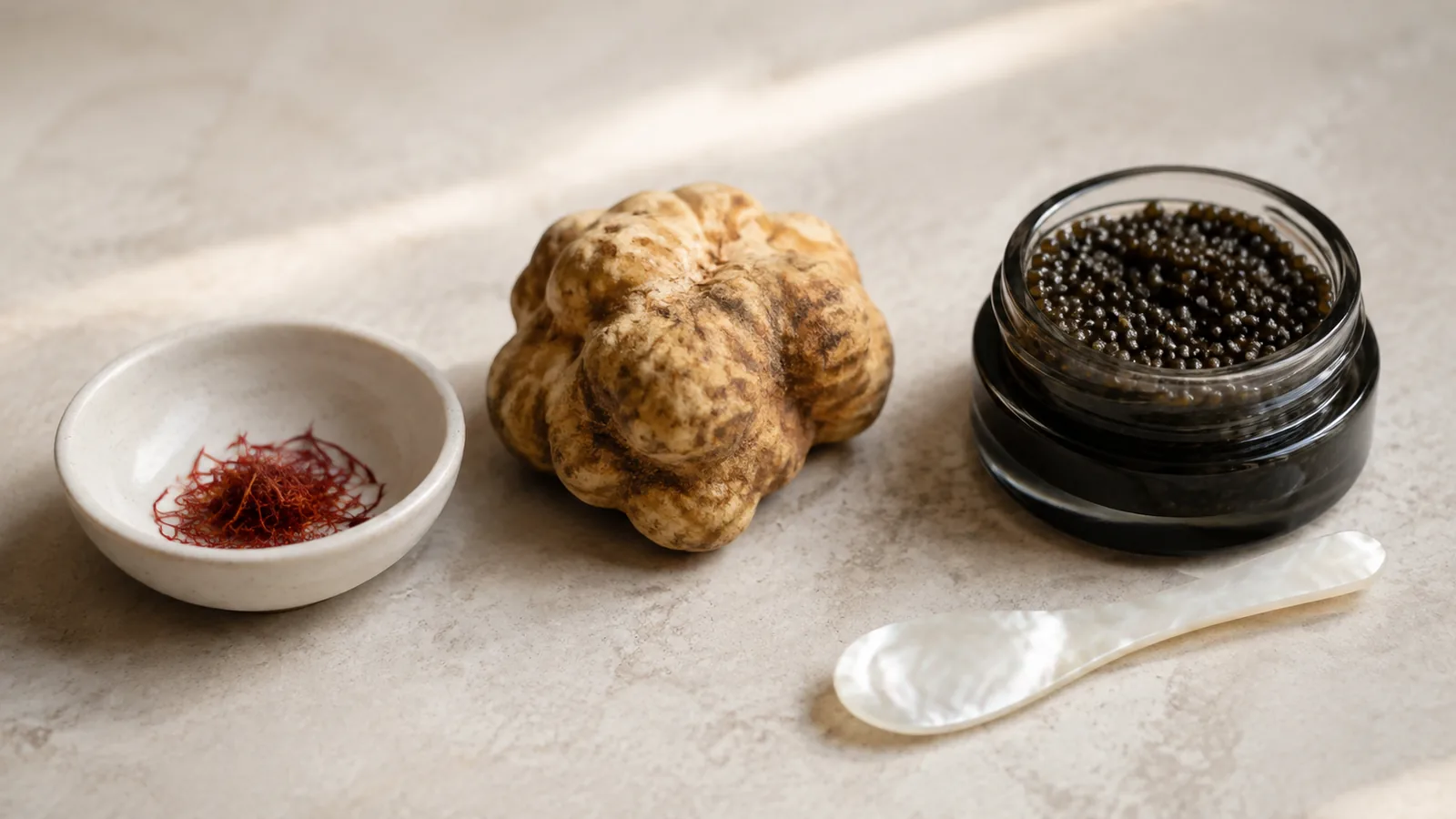
Three of the Most Expensive Foods in the World
If the question is about ingredients rather than record-breaking restaurant dishes, these are three clear examples:
- Saffron, often described by weight as the world’s most expensive spice
- White truffles, especially fresh Tuber magnatum Pico from recognised Italian regions
- Beluga caviar, with rare specialist grades commanding exceptional prices
Calling them a fixed “top three” would be misleading. A large truffle sold at auction, a collector-grade caviar or another exceptionally rare ingredient can change the order. What makes this trio useful is that all three are genuine foods with established culinary value, not ordinary dishes made expensive by adding gold leaf or elaborate presentation.
Why Luxury Foods Cost So Much
Food can reflect culture, social status and history, but high price alone does not make it luxurious. The strongest examples usually share several pressures: limited natural supply, a short harvest window, skilled manual work, careful grading, perishability and demand from buyers who can tell one grade from another.
The price also depends on the unit being compared. Saffron is exceptionally expensive per kilogram, yet a cook normally uses only a small pinch. A whole white truffle can cost far more at the table because it is bought fresh and used generously. Caviar is sold in small tins, but rarity, origin and egg quality create a very wide price range.
Saffron: Red Gold Gathered Flower by Flower
Saffron comes from the dried red stigmas of Crocus sativus. Each flower provides only three stigmas, and the crop blooms during a brief period. The flowers must be collected and the delicate stigmas separated before they can be dried, sorted and packed. That combination of tiny yield and intensive handling explains much of the value.
The labour is not an advertising story invented after the fact. The UN Food and Agriculture Organization’s account of saffron production describes harvesting and processing by hand and the very large number of stigmas needed for a small finished quantity.
What Saffron Contributes to Food
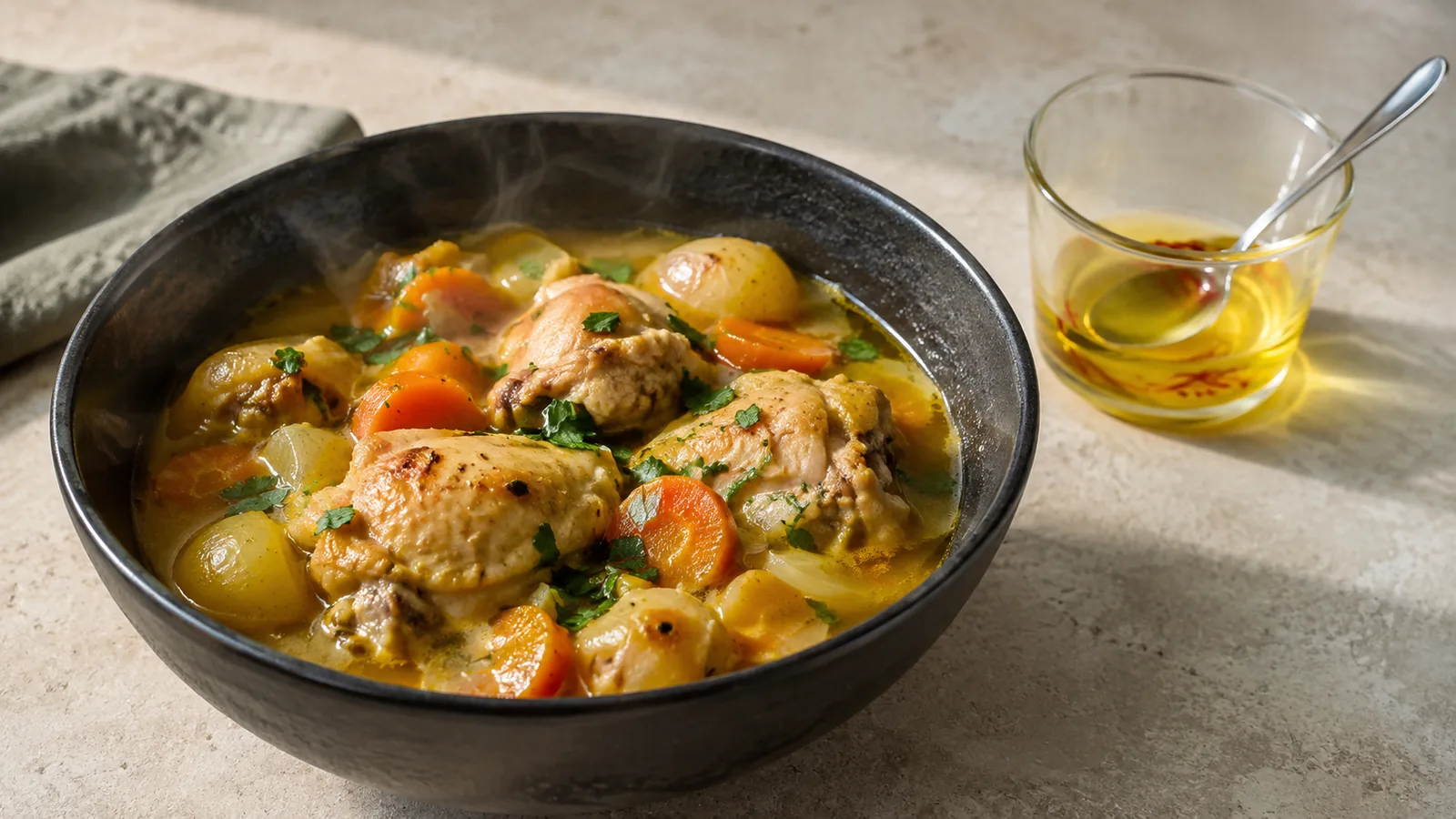
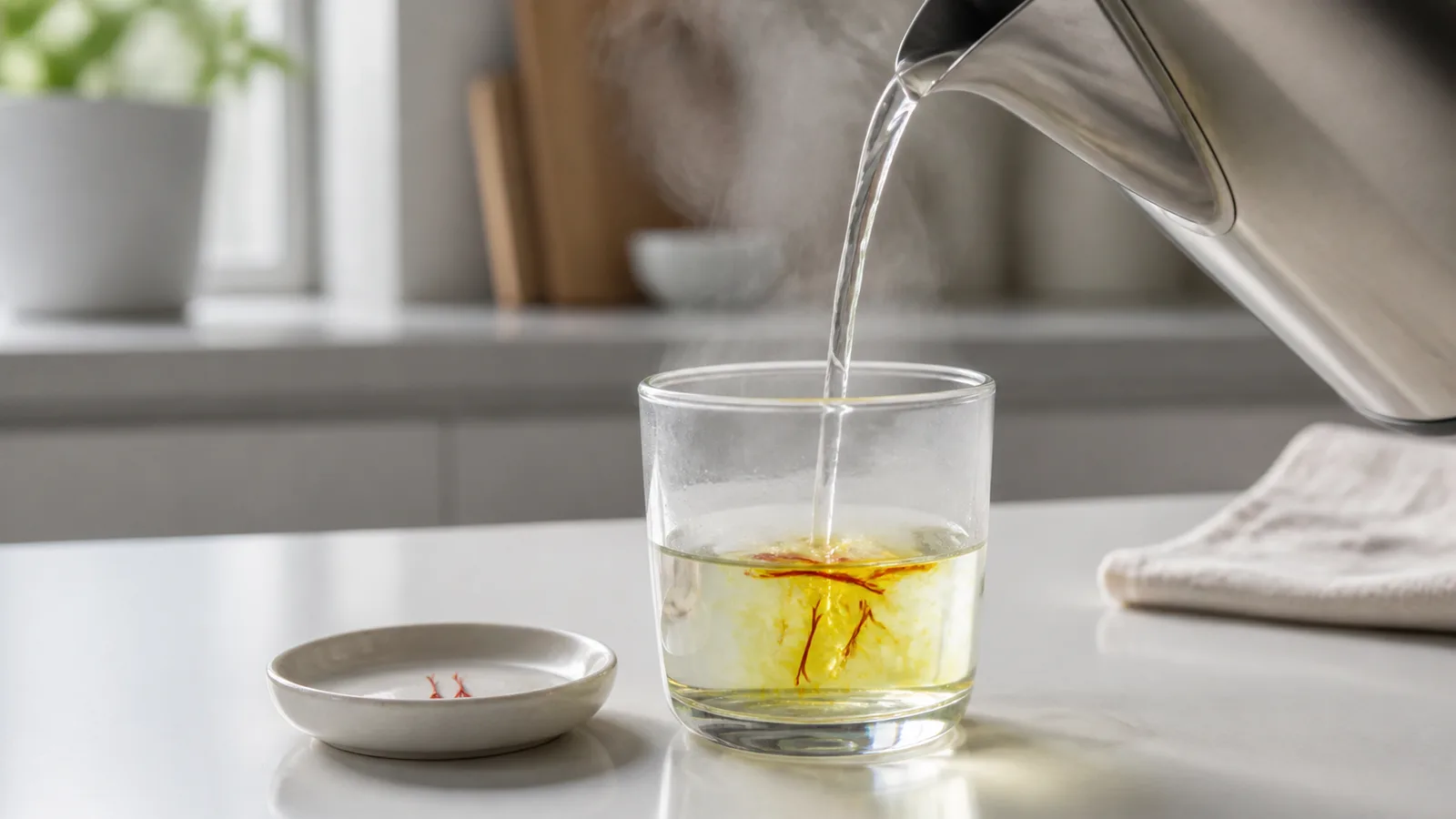
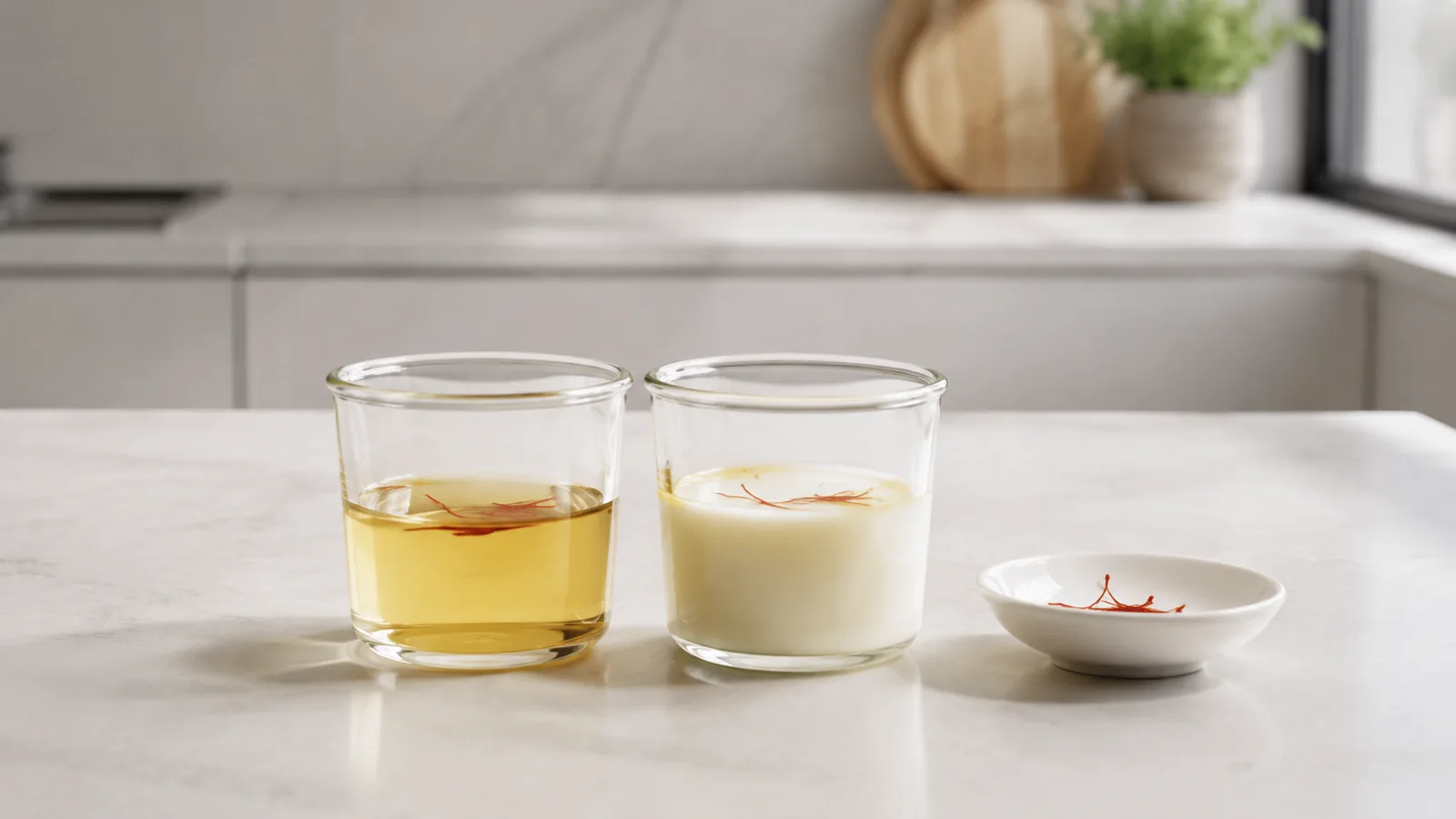
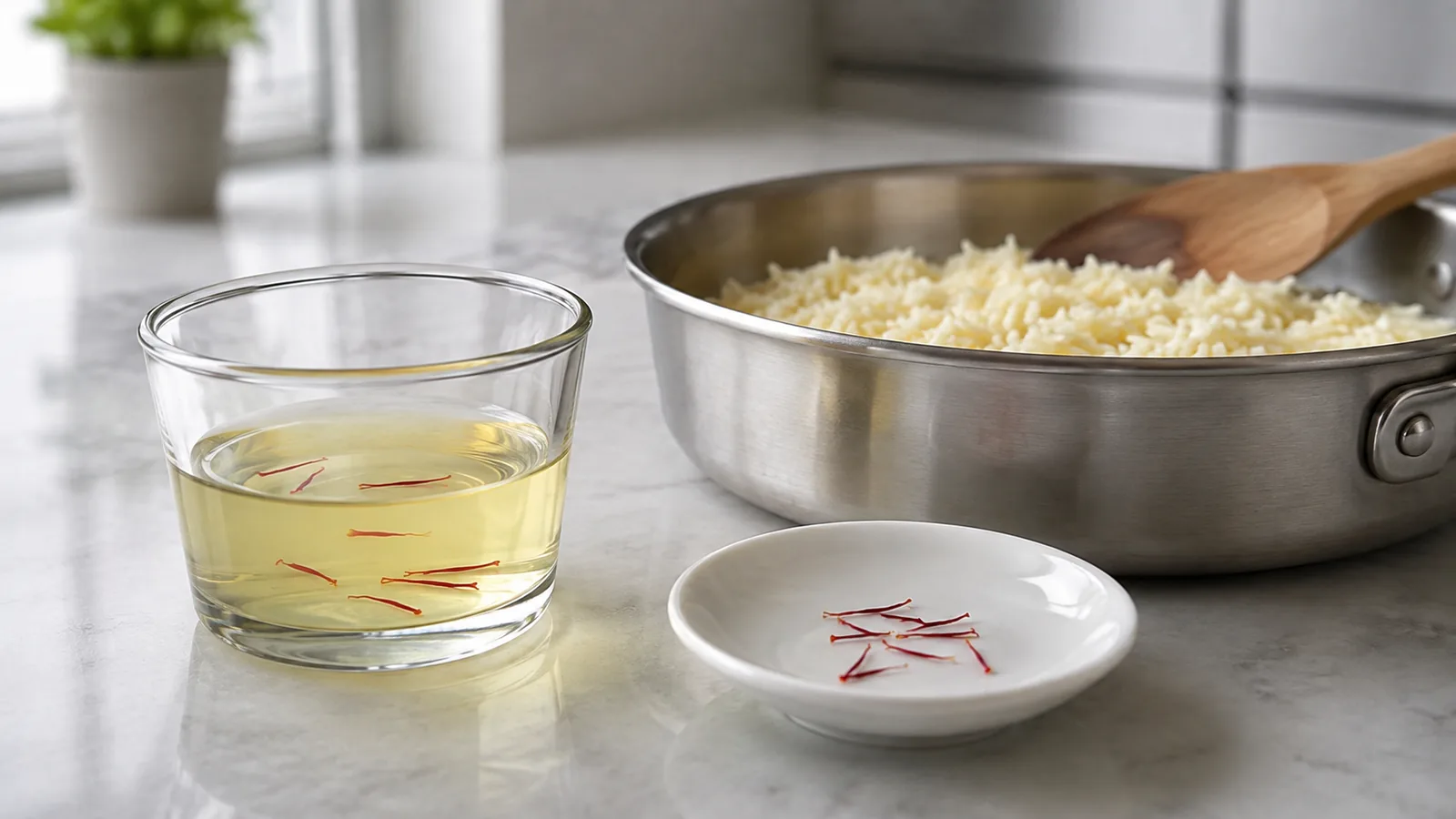
Good saffron earns its place in the kitchen as well as on a price list. It gives dishes a clear floral, hay-like aroma, a lightly bitter taste and a deep golden colour. A few threads can shape an entire pot of rice, a broth, a custard or a loaf of bread. Because the spice is concentrated, its per-dish cost can remain modest even when the per-kilogram figure sounds extraordinary.
Quality matters. Colour alone is not enough: genuine threads should contribute aroma and flavour as they infuse. Buyers comparing all-red saffron should consider thread integrity, fragrance, storage and trustworthy origin rather than choosing by the darkest photograph or the highest price.
White Truffles: Valuable Because They Cannot Be Scheduled
The prized white truffle is the underground fruiting body of a fungus that lives in a complex relationship with particular trees and soils. It is found rather than produced on a predictable factory timetable. Trained dogs help hunters locate mature truffles, and each one must reach the market while its powerful aroma is still fresh.
Seasonality keeps supply tight. The National Centre for Truffle Studies harvest calendar identifies the legal gathering period for Piedmont or Alba white truffle, Tuber magnatum Pico. Weather, maturity, size and condition affect what reaches buyers during that window.
Why Chefs Use White Truffle Sparingly
White truffle is valued chiefly for aroma. It is usually shaved raw over warm, simple food such as risotto, pasta, eggs or potatoes, where heat carries its fragrance without cooking it away. Its short useful life is part of the cost: unlike a dried spice, it cannot sit in the cupboard for months while keeping the same character.
Beluga Caviar: Time, Scarcity and Care in Every Tin
Beluga caviar is prepared from the roe of the beluga sturgeon, Huso huso. Sturgeon mature slowly, and responsible production, traceability, grading and cold handling all add to the cost. The most sought-after caviar is judged by factors such as species, egg size, texture, colour, flavour and condition rather than by the word “caviar” alone.
At the rarest end of the category, prices can become remarkable. Guinness World Records lists Almas from Iranian beluga as its record for most expensive caviar. That record concerns a rare specialist product, not the normal price of every tin labelled beluga.
How Caviar Is Served
Fine caviar is generally served cold in a small quantity so its texture and clean, briny flavour remain the focus. Mild accompaniments are preferred because strong onion, spice or excessive salt can hide the qualities for which the buyer paid.
Which One Is Actually the Most Expensive?
The honest answer depends on the comparison:
- By weight: exceptional caviar, saffron and individual truffles can all reach very high figures, with grade and rarity deciding the order.
- Per item: a remarkable whole truffle or auction lot may cost more than a household quantity of saffron.
- Per serving: saffron can be the most approachable because so little is needed, while a generous truffle or caviar service uses a larger value at once.
- By record price: one-off auction results and novelty dishes are poor guides to what a shopper will normally pay.
This is why lists of the “most luxury food” can disagree without either list necessarily being fraudulent. They may be measuring a retail price per gram, a single auction sale, a restaurant dish or an unusually rare grade.
How to Judge Whether an Expensive Food Is Worth Buying
Start with the experience you want, not the prestige of the name. For saffron, look for intact, aromatic threads and buy a quantity you can use while it remains fresh. For white truffle, timing and condition are crucial. For caviar, species identification, refrigeration and traceable packaging matter more than decorative presentation.
Then compare like with like. A low-grade product and a carefully selected one may share a familiar name while tasting entirely different. Price is evidence of cost and scarcity; it is not proof of authenticity or personal enjoyment.
Conclusion
Saffron, white truffles and beluga caviar are three of the world’s most luxurious foods, but not a permanent league table. Their prices show how rarity, tradition, and effort can shape value: saffron requires meticulous flower-by-flower work; white truffles are seasonal, perishable and difficult to find; beluga caviar reflects slow biological growth, limited supply and demanding handling. Their real interest lies in what they bring to food: colour and aroma, an unmistakable fresh fragrance, or a delicate texture and marine flavour.