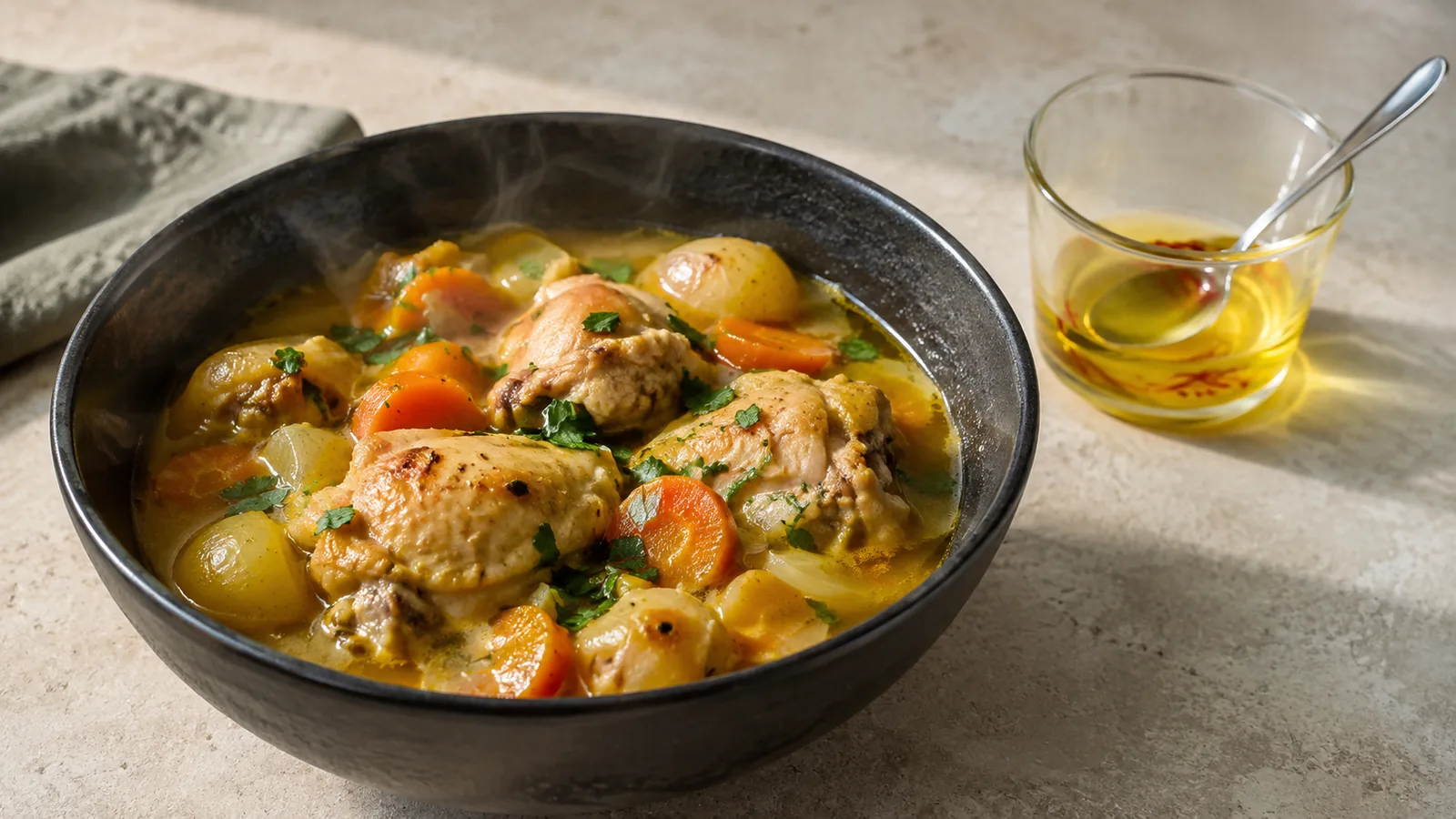
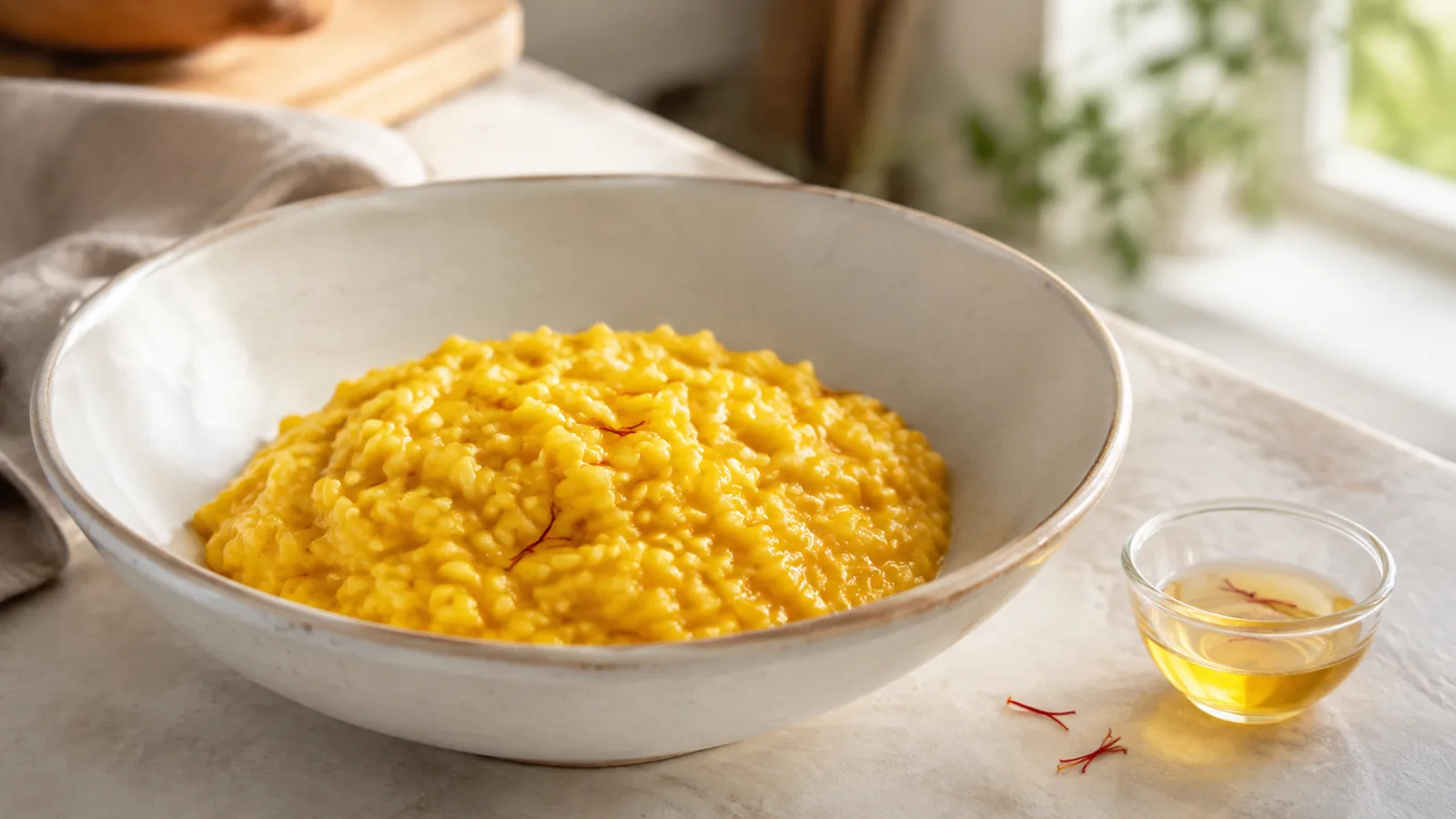
Yes, you can put saffron in rice. Bloom a small pinch of crushed threads in warm water or broth, then add the golden infusion according to the cooking method: with the liquid for absorption-style rice, during the final steam for Persian rice, or near the end when colouring cooked rice. Saffron in cooking should add aroma and colour without making the rice bitter.
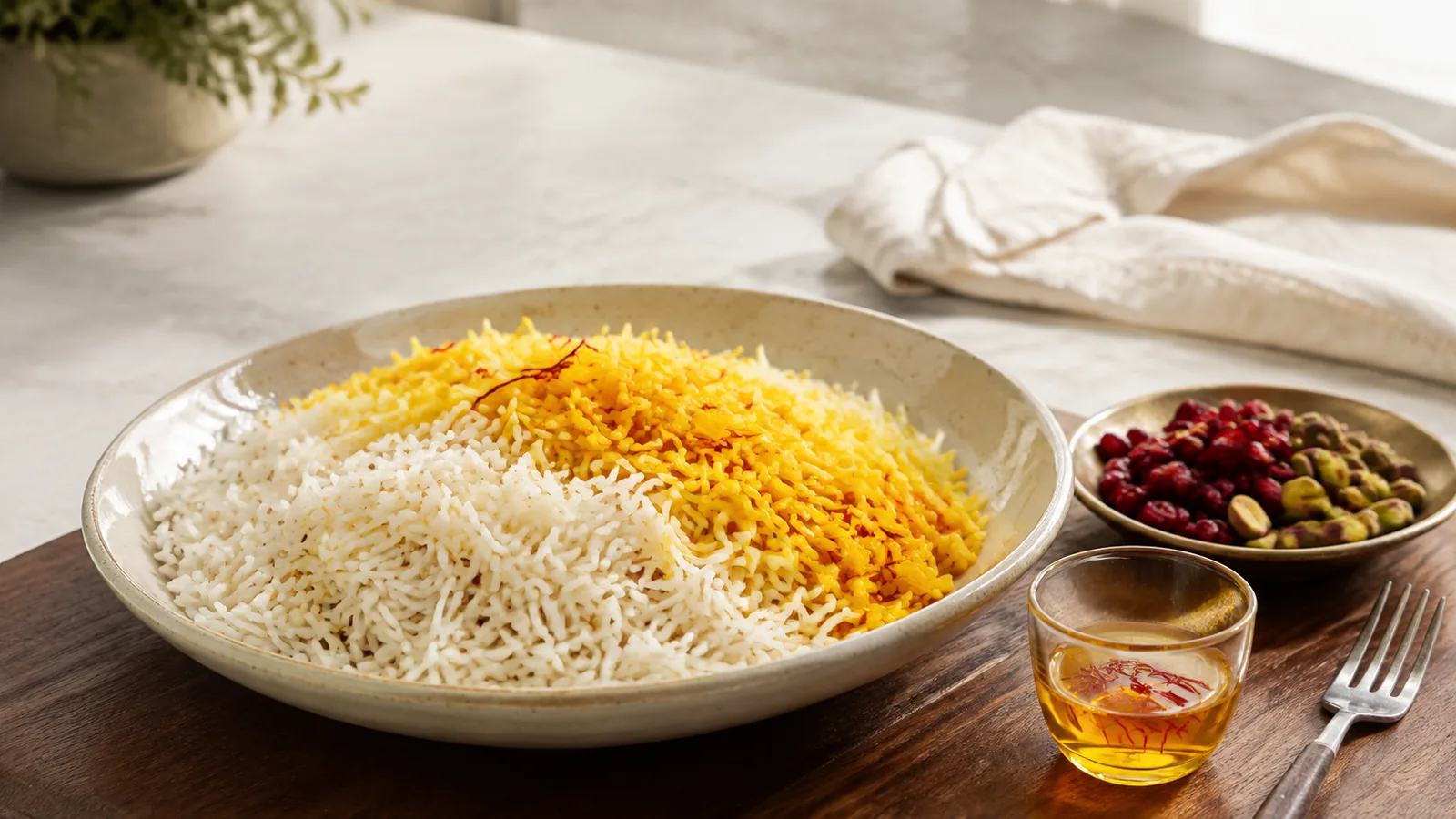
Saffron in Cooking: How to Add It to Rice
Saffron is a prized spice that can transform simple rice into an aromatic and visually stunning dish. While rice is typically plain and mild, saffron in cooking adds a golden color, delicate aroma, and subtle flavor that elevates it to a gourmet experience.
The best time to add it depends on how the rice is cooked. The old advice to add saffron only during the last 5–10 minutes suits some steamed and already-cooked rice methods, but not every recipe. Rice that absorbs a measured amount of liquid needs the infusion earlier so it can cook evenly.
Preparing Saffron
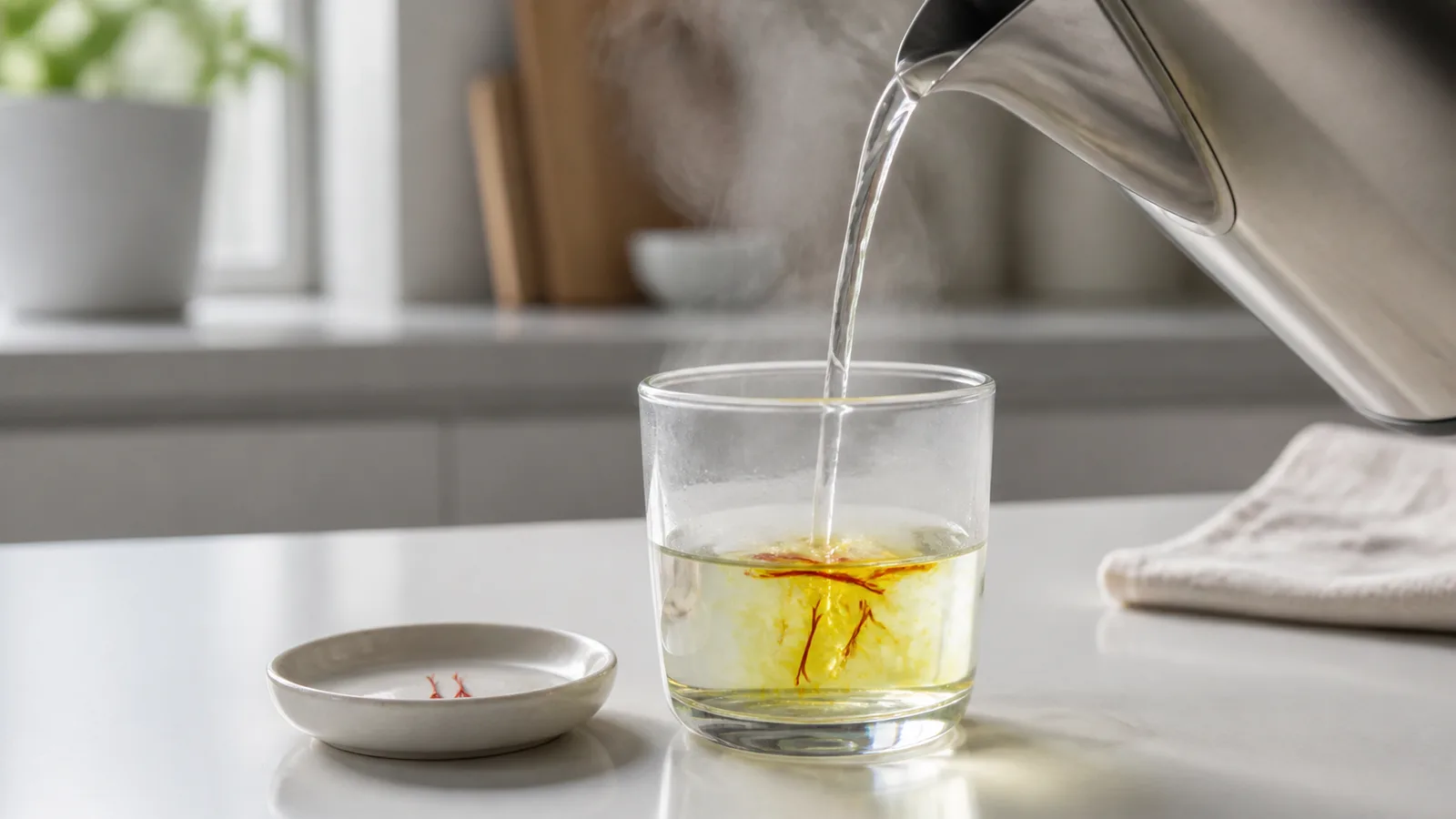
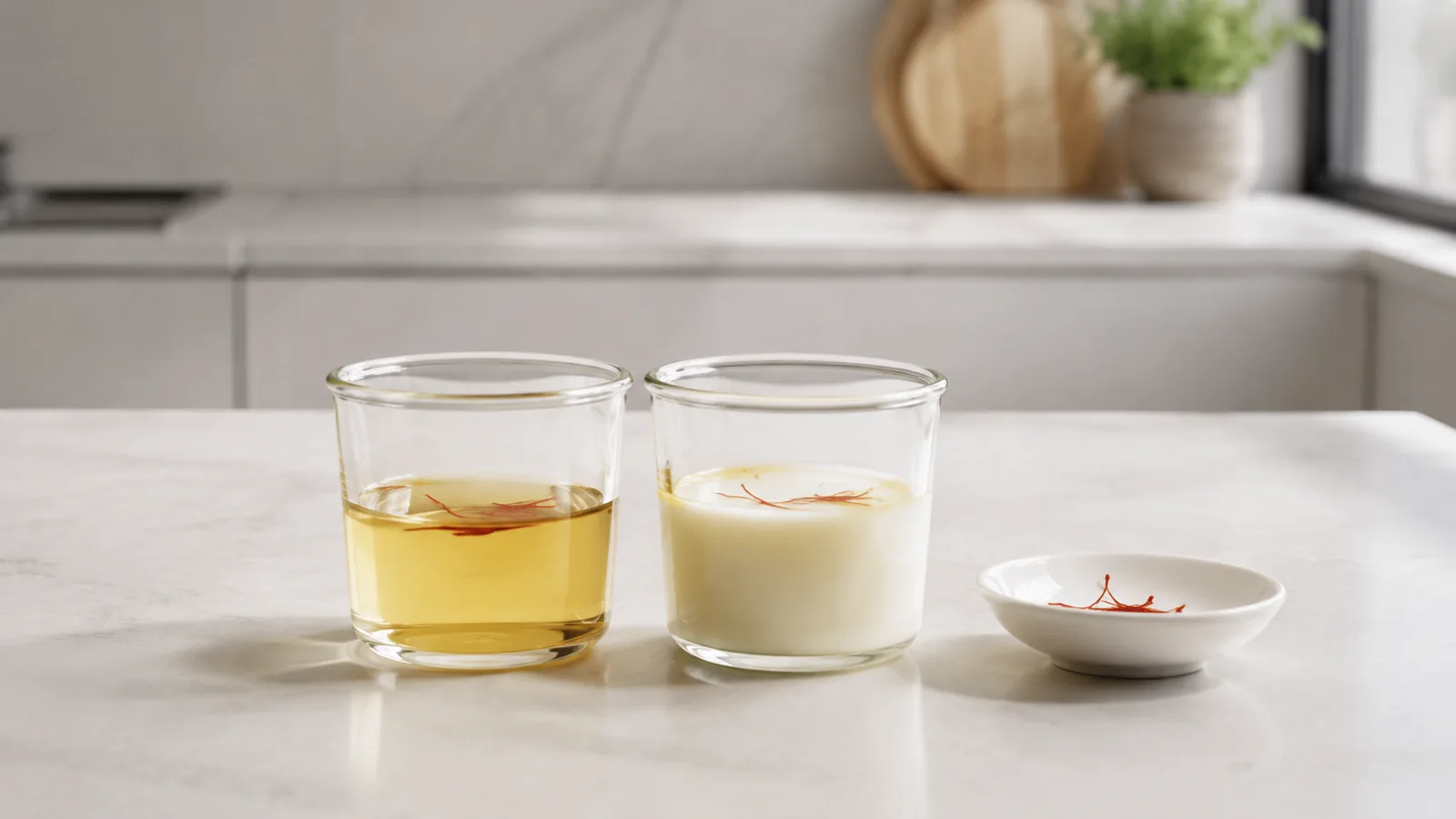
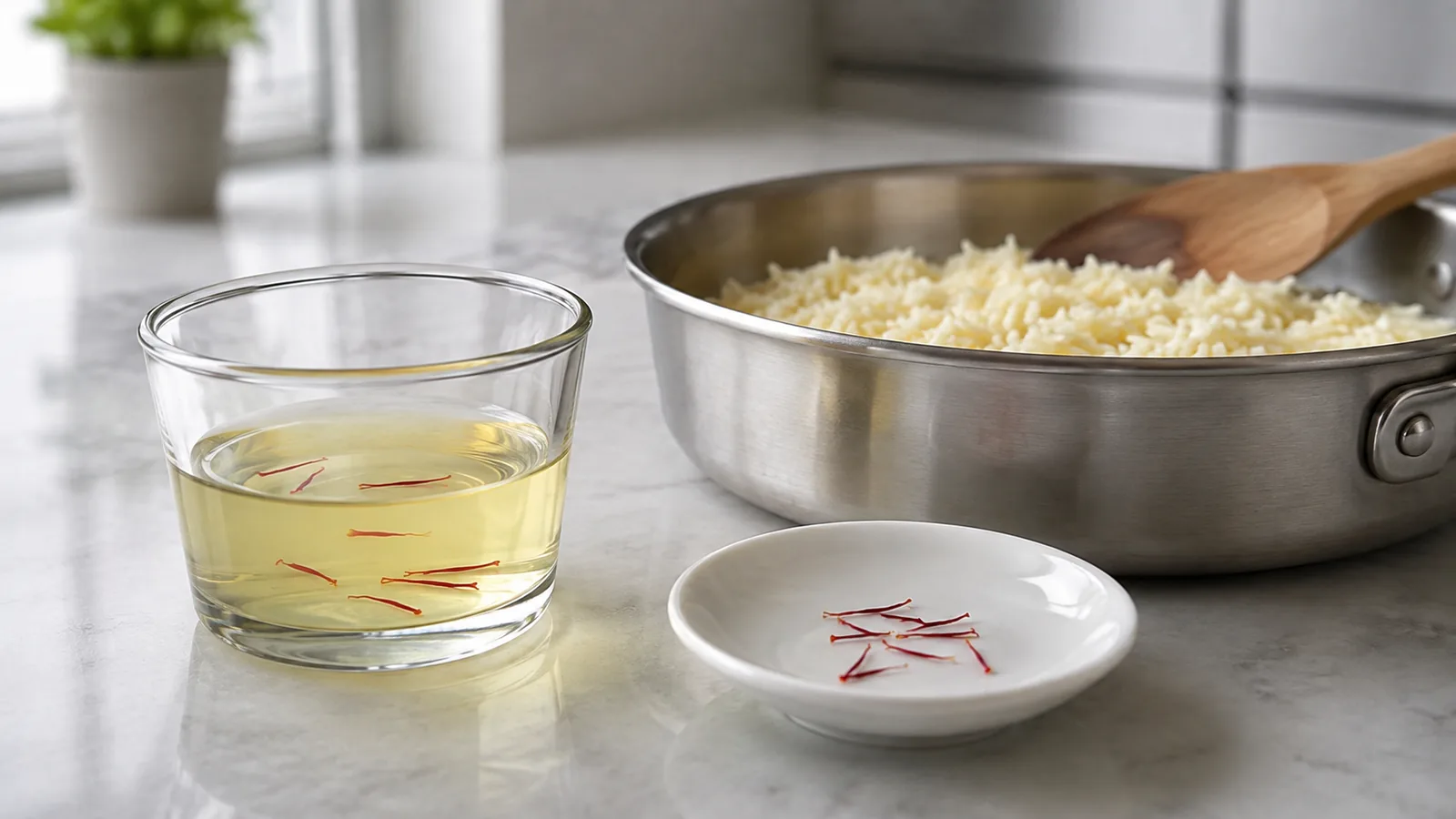
Before adding saffron to rice, soak a few threads in warm water or broth for 10–15 minutes. This step allows the spice to release its color and aroma fully, ensuring it spreads evenly throughout the dish.
Lightly crush the threads first. Use a small mortar or clean fingers, then pour over just enough warm liquid to cover them comfortably. The water or broth should be warm rather than boiling. A concentrated infusion colours rice more effectively than a large weak cup.
Do not scatter a large amount of dry saffron into the pot. Some threads may remain visible, but their flavour and colour will be uneven. Blooming also makes it easier to judge how much you are adding.
When to Add Saffron
For best results in steamed or nearly cooked rice, add the saffron infusion during the last 5–10 minutes of cooking. Adding it too early can reduce its fragrance and delicate flavor, while adding it toward the end allows the rice to absorb its rich color and aroma evenly.
That guidance changes for an absorption method. If raw rice cooks in a fixed quantity of water or stock, stir the infusion into that liquid before the pot is covered. For pilaf, it can join the stock after the grains have been toasted. For Persian steamed rice, mix part of the cooked rice with saffron near the end and use it as a golden top layer or return it to the pot for the final steam.
Three Reliable Methods
Absorption-style rice
Rinse the rice if the recipe calls for it. Combine it with the measured cooking liquid, salt and saffron infusion, then cook according to the grain’s usual ratio and time. Avoid lifting the lid repeatedly. Rest the covered rice off the heat before fluffing.
Pilaf
Soften any onion, toast the rice briefly in fat, then add warm stock and the saffron infusion. Cover and cook gently. This method spreads the colour through the pot while allowing butter, onion and stock to support the aroma.
Persian steamed rice
Parboil and drain the rice, then steam it as the recipe directs. Near the end, combine a small portion with concentrated saffron liquid. Spoon the golden grains over the white rice or layer them into the pot. This creates deliberate contrast rather than one uniform colour.
How Much Saffron for Rice?
Begin with a modest pinch. The ideal amount depends on the volume of dry rice, the strength and freshness of the saffron, and whether you want lightly scented grains or a pronounced golden layer.
Measure rice before cooking when following a ratio. “One cup of rice” can otherwise mean one cup dry or one cup cooked, which are very different amounts. Our guide to saffron for one cup of rice explains that distinction.
Using more threads is not a shortcut to better colour. Excess saffron can become bitter and expensive. If the infusion is pale, check freshness and storage before doubling the quantity.
Flavor Pairings
Saffron complements ingredients like butter, nuts, raisins, and vegetables. It also pairs beautifully with proteins such as chicken, lamb, or seafood, creating a dish that is both flavorful and visually appealing.
Choose companions according to the cuisine. Barberries and pistachios suit Persian rice; cardamom and fried onion can work in a South Asian pulao; seafood and stock fit a Spanish-style rice dish. These combinations are not interchangeable simply because they all contain saffron.
Keep strong spices measured. Heavy smoke, intense chilli or a large amount of cumin can hide saffron’s aroma. A clean stock, good rice and restrained seasoning give it more room.
Can You Add Saffron to Already-Cooked Rice?
Yes. Warm the cooked rice gently and fold in a concentrated infusion a little at a time. Cover it for several minutes so the steam helps distribute the aroma. This is useful for leftovers or when only part of a meal needs to be saffron-coloured.
Do not pour a large volume of water over finished grains or they may become soggy. Use a strong, small infusion and fluff with a fork rather than pressing the rice.
Using Saffron in a Rice Cooker
For an absorption-style rice cooker recipe, add the bloomed saffron with the measured cooking water before starting the cycle. Keep the total liquid at the amount required by the appliance and rice type.
For a two-colour result, cook the rice normally, then mix saffron infusion with a small portion after the cycle. Return that portion to the warm cooker briefly or use it as a garnish. Follow the appliance instructions for holding and reheating.
White Rice, Brown Rice and Other Grains
White basmati and other aromatic long-grain rice show saffron’s colour and fragrance clearly. Short-grain rice can also use it, but the method may be creamy, as in risotto, rather than fluffy.
Brown rice has a nuttier flavour and takes longer to cook. Add the infusion with the cooking liquid so it has time to spread, but expect the colour to appear more muted against the bran. Wild-rice blends may be visually dark enough that aroma matters more than colour.
Common Mistakes
Do not confuse saffron with turmeric. Turmeric can make rice yellow, but its earthy flavour is different. Avoid boiling saffron separately for a long time, using so much infusion that the rice ratio changes, or adding dry threads in one clump.
Another common error is treating every rice method alike. Absorption rice, pilaf, steamed Persian rice, paella and risotto handle liquid differently. Start with the recipe’s rice technique, then decide where the saffron infusion belongs. The broader guide to adding saffron to a dish gives more timing context.
How to Keep the Rice Fluffy
Use the correct rice-to-liquid ratio, control the heat and let the finished pot rest. Saffron cannot repair too much water or overcooking. Fold the infusion in gently when working with cooked grains, and avoid vigorous stirring unless the dish is meant to be creamy.
If adding nuts, raisins or vegetables, prepare them separately when their moisture or cooking time could disturb the rice. Fold or layer them in at the end so each component keeps its texture.
Conclusion
Incorporating saffron in cooking enhances rice by adding color, aroma, and subtle taste. Bloom the threads in warm water or broth, then match the timing to the method: add it with the liquid for absorption rice, during the final steam for Persian rice, or in a concentrated small amount for cooked rice. Whole threads for careful rice cooking remain available on our all red saffron page.