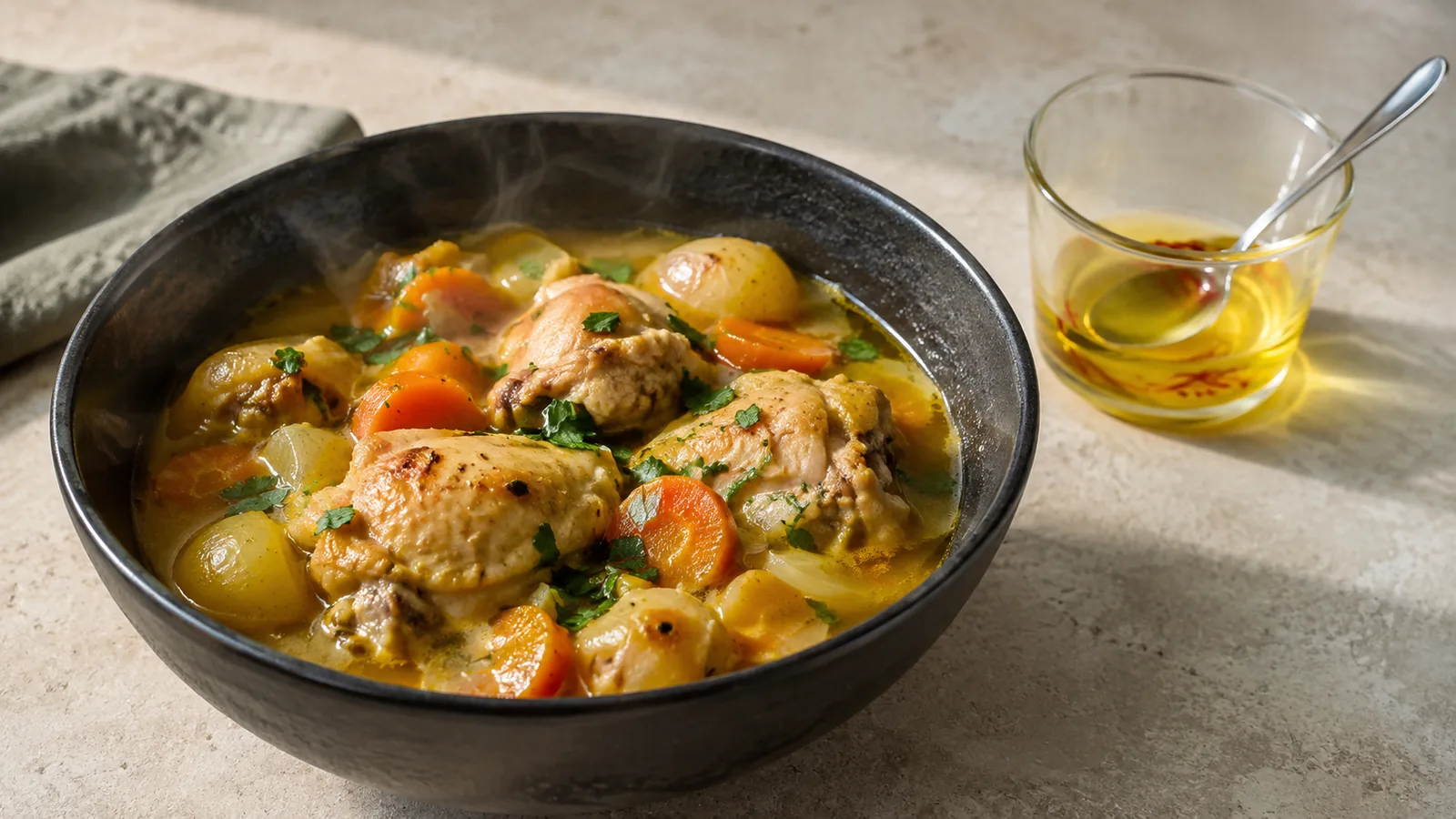
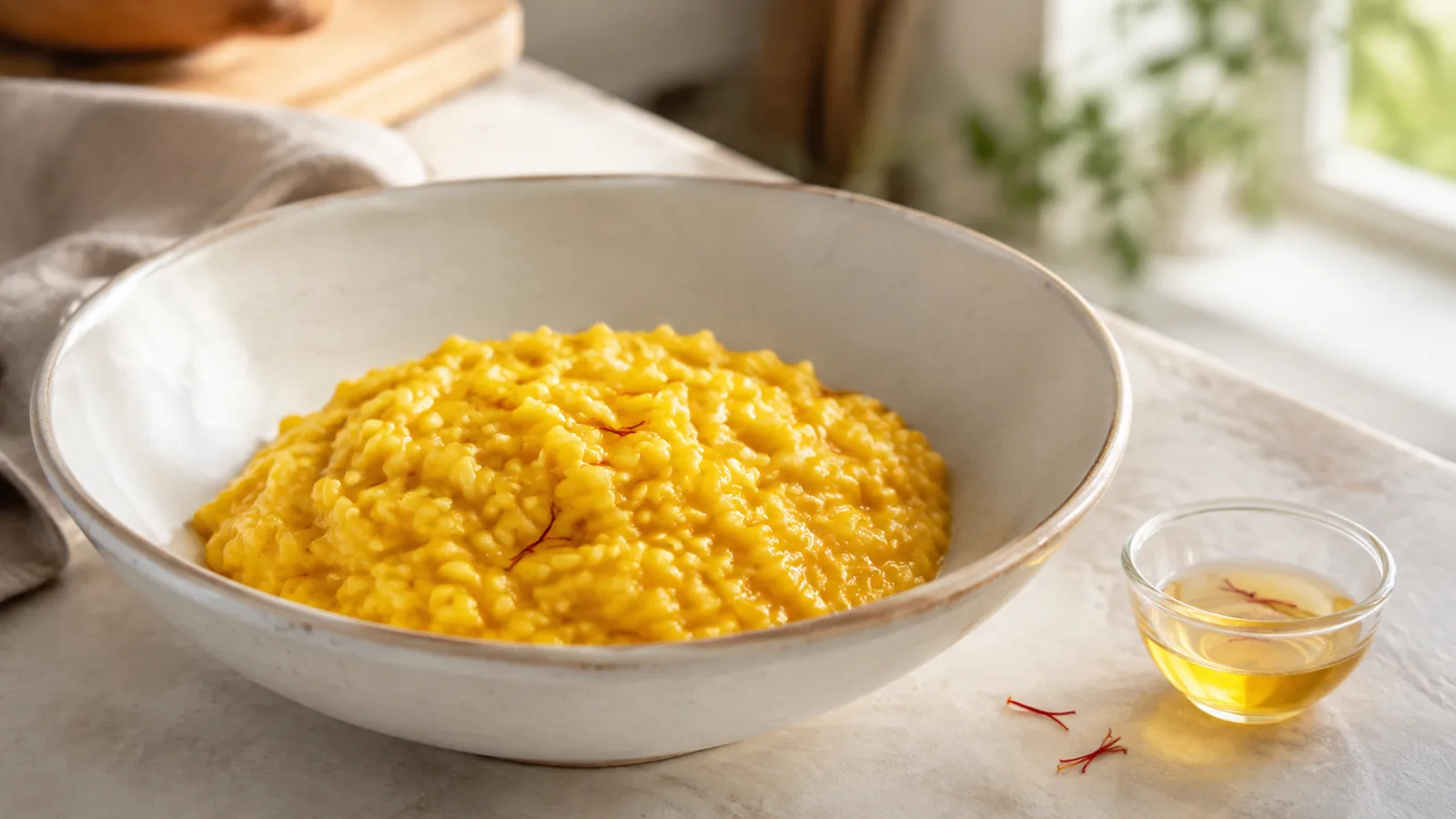
Yes, saffron is used in Indian food, especially in biryani, pulao, milk sweets, festive drinks and selected rich sauces. It is not an everyday ingredient in every regional kitchen, though. A small amount is usually reserved for dishes where its aroma, golden colour and sense of occasion can be noticed.
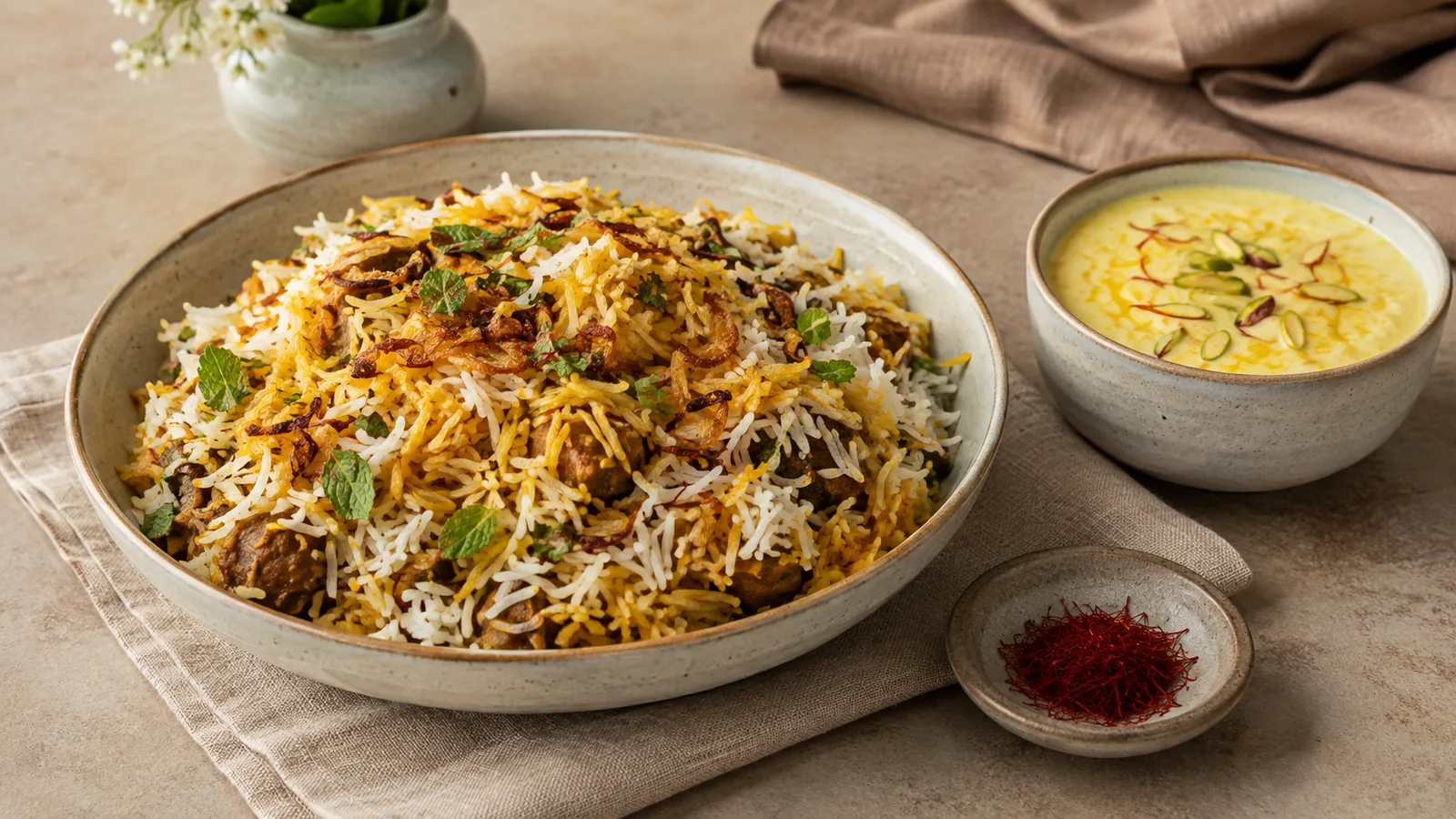
Saffron in Indian Cuisine: How Saffron Enhances Traditional Dishes
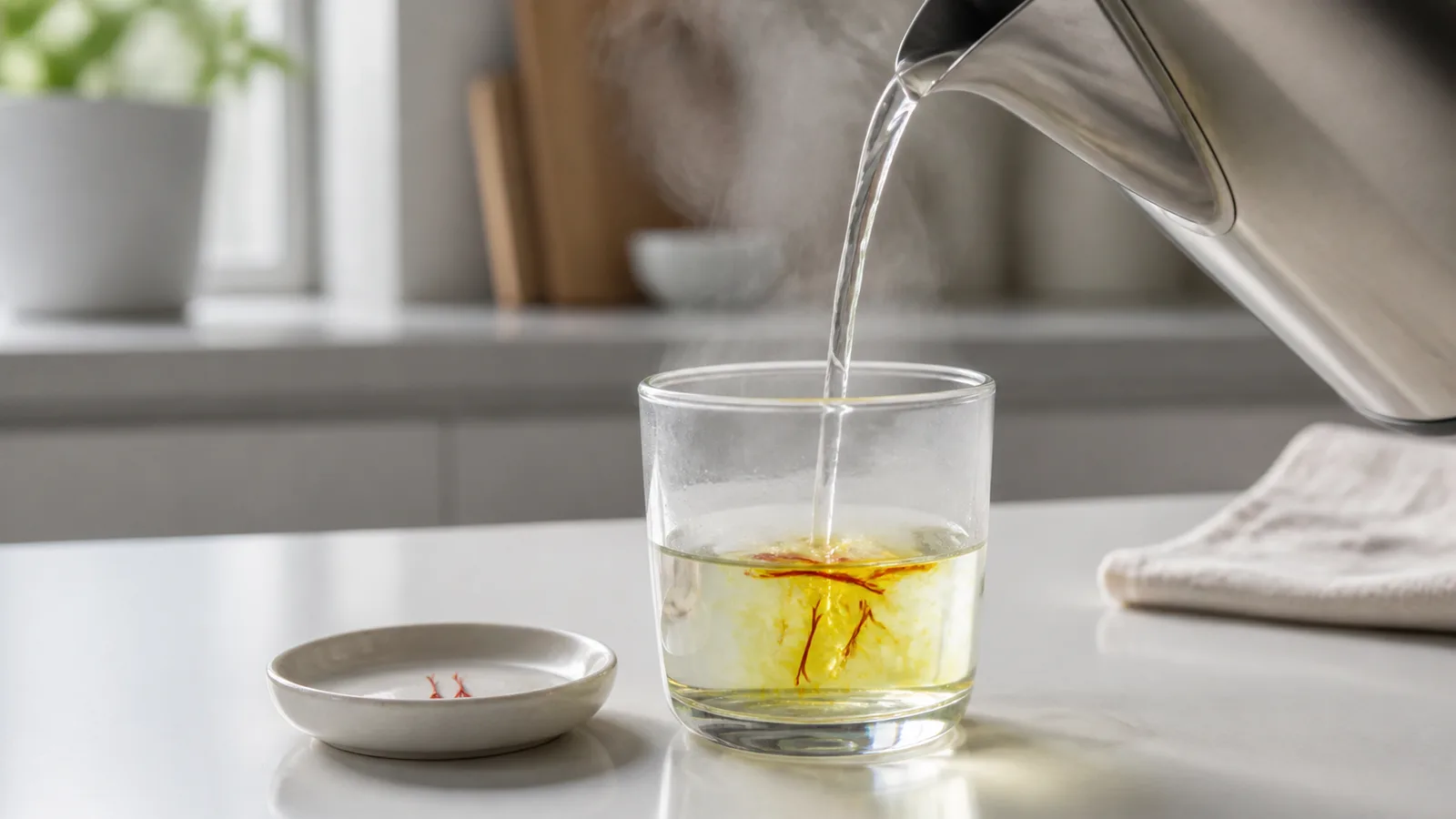
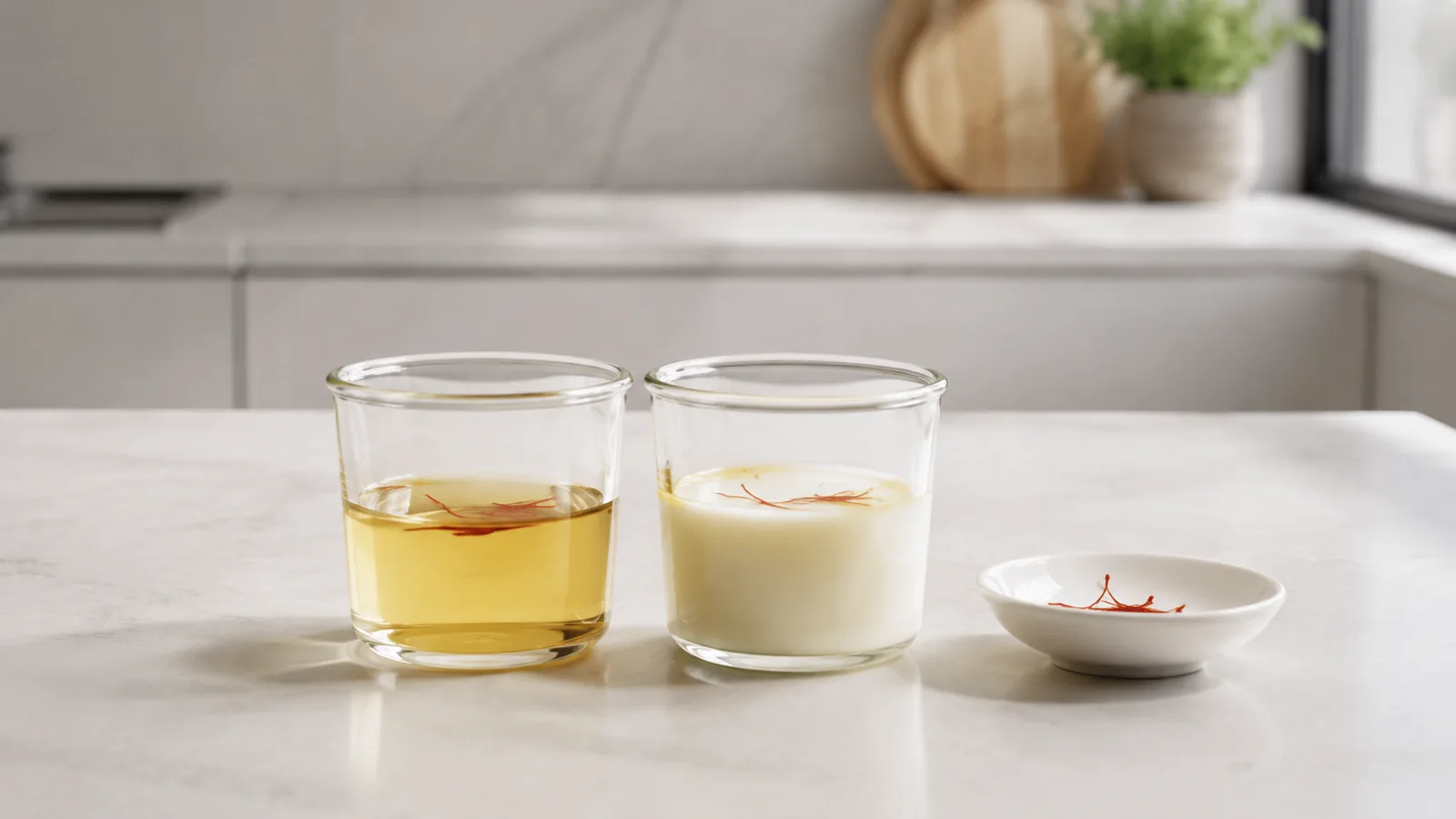
Saffron in Indian cuisine often appears as an infusion rather than as dry threads scattered into a pan. The cook crushes a measured amount lightly, steeps it in warm milk or water, and adds both the liquid and threads at a point where they can spread without prolonged high heat.
The liquid depends on the dish. Milk suits kheer, kulfi and many festive drinks. Warm water works well when dairy would change a rice dish. Some recipes use a little of the dish’s own warm stock.
Saffron in Biryani
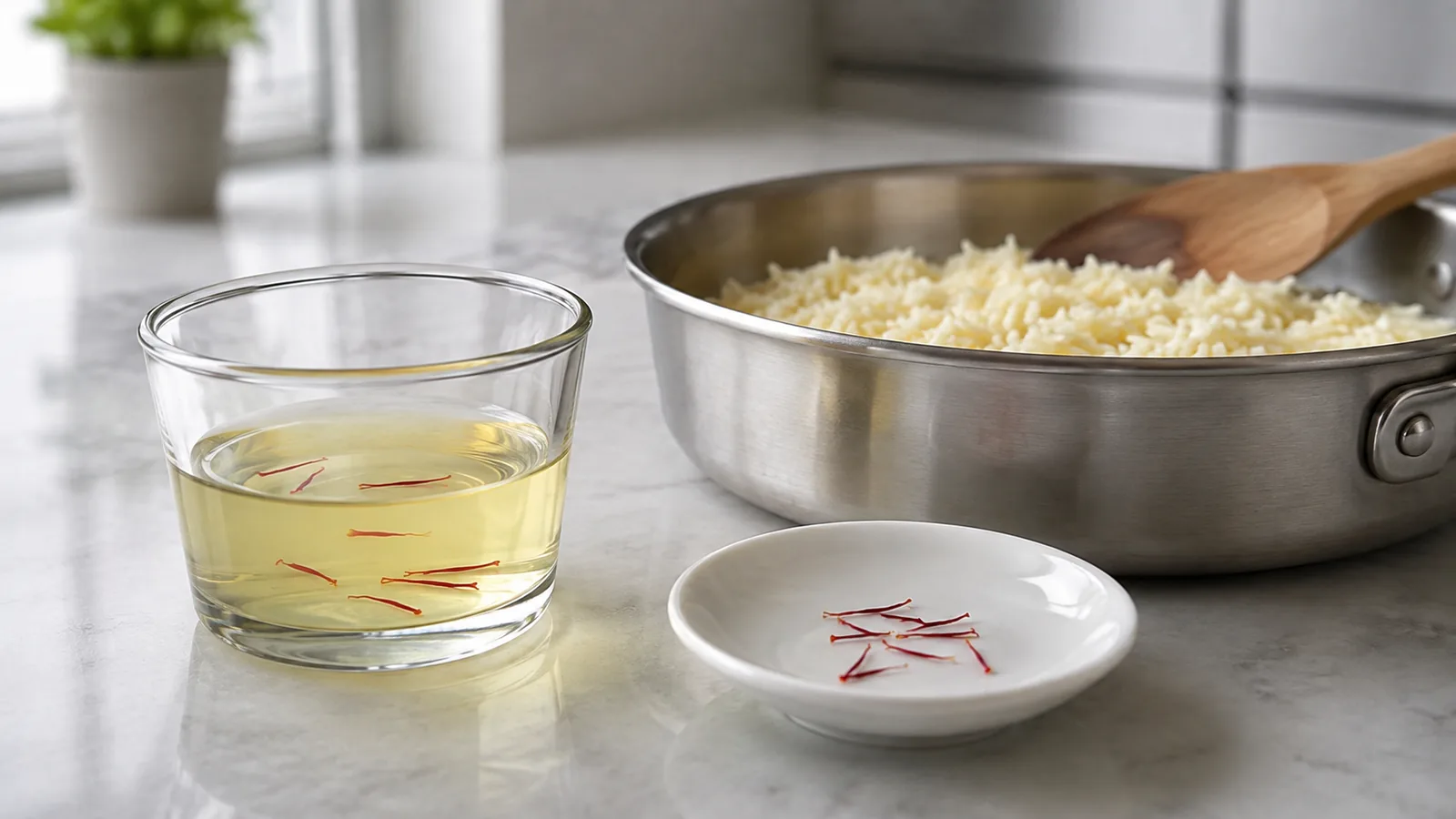
Biryani is one of the clearest examples of saffron in Indian food. A warm saffron infusion is usually drizzled over part of the rice during layering or before the final covered cooking stage. This creates gold-and-white variation rather than dyeing every grain the same colour.
The spice should complement the basmati rice, browned onions, herbs and other aromatics. Too much can obscure those flavours. For a step-by-step explanation, see when to add saffron to biryani.
Saffron in Pulao and Other Rice Dishes
Pulao may use saffron for a gentler effect than a richly layered biryani. Add the infusion to the cooking liquid for even colour, or spoon it over selected areas near the end when you want visible contrast.
Sweet rice dishes can use the same technique, with sugar, nuts or dried fruit added according to the recipe. In every case, measure the saffron before it meets the pan. Trying to correct a pale dish by adding a large second dose often leads to an unbalanced flavour.
Saffron in Curries
Saffron appears in some rich Indian sauces, particularly dishes influenced by royal or Mughlai cooking, but it is not a standard ingredient in every curry. Creamy korma-style sauces are a natural setting because the milk, cream or nut base carries the infusion well.
Butter chicken is sometimes prepared with saffron, yet many established versions do not require it. Treat saffron as a deliberate recipe choice, not a shortcut to make any curry “authentic.” When a recipe calls for it, stir a small warm infusion into the sauce during gentle cooking or close to the finish.
Saffron in Indian Desserts
Milk-based sweets give saffron room to be noticed. Common examples include:
- Kheer: a rice pudding in which saffron is usually infused in warm milk and added after the rice begins to soften.
- Kulfi: a dense frozen dessert whose cooked milk base can receive the infusion before chilling.
- Shrikhand: strained yoghurt flavoured carefully so the saffron does not disappear behind cardamom or excessive sugar.
- Phirni: a ground-rice pudding where the spice can be added to the warm milk base.
- Gulab jamun: some versions scent the serving syrup with saffron, while others use rose, cardamom or no saffron at all.
Warm milk is an effective base, but it should not be kept at a hard boil after the infusion is added. Our guide to using saffron in milk explains the timing in more detail.
Saffron in Drinks
Kesar milk is a straightforward example: saffron is steeped in a small amount of warm milk, mixed into the remaining milk and often paired with cardamom or nuts. Thandai and other festive drinks may also include saffron, depending on the household and recipe.
For a cold drink, prepare the warm infusion first, cool it, and then stir it into the chilled base. This distributes the spice more evenly than adding intact threads directly to a cold glass.
The Role of Saffron in Indian Cooking
Saffron contributes three things at once: aroma, flavour and colour. Its aroma is warm and distinctive; its taste can become slightly bitter when overused; and its natural pigments create tones ranging from pale yellow to deep gold. It also carries cultural associations with hospitality and celebration, which helps explain its place in wedding dishes, festival foods and gifts.
Those roles do not make saffron essential to all Indian cooking. Both vegetarian and meat dishes may use it, but India contains many regional cuisines, and ingredients vary by place, season, religion, family and budget. A dish should use saffron because it belongs in that preparation, not because every Indian recipe supposedly needs it.
How to Prepare Saffron for an Indian Recipe
- Measure a modest quantity. For four servings, 0.05 to 0.1 gram is a practical range to test.
- Crush the threads lightly in a dry mortar or between clean fingertips.
- Cover them with two or three tablespoons of warm milk, water or stock.
- Leave the infusion covered for 10 to 15 minutes.
- Add it at the stage the recipe specifies, avoiding unnecessary prolonged boiling.
- Wait for the flavour to settle before deciding whether the dish needs more.
The correct dose depends on the dish and the strength of the threads. Our saffron quantity guide gives a useful starting framework.
Ingredients Commonly Paired with Saffron
Cardamom, rose, pistachio, almond and gently sweetened milk are familiar partners in desserts and drinks. Rice dishes may pair saffron with basmati, fried onion, mint, coriander and warm spices. These ingredients should frame the saffron rather than compete with it.
Be especially careful with very strong spice blends. Saffron is expensive, and its subtler aroma can disappear if every other flavour is pushed to maximum intensity.
Common Mistakes
- Assuming more threads mean a better dish: overuse can create bitterness and overwhelm milk or rice.
- Using artificial colouring as a substitute: colour alone cannot reproduce saffron’s aroma or flavour.
- Boiling the infusion for too long: add it with enough time to blend, but avoid unnecessary harsh heat.
- Calling every saffron curry traditional: saffron belongs to particular recipes and styles, not to every sauce.
- Failing to distribute the infusion: stir it through a sauce or drizzle it deliberately across layered rice.
Conclusion
Saffron has a recognised place in Indian cuisine, from biryani and pulao to kheer, kulfi and kesar milk. Its use is selective rather than universal. Prepare a small infusion, add it at a gentle stage, and let the dish determine the dose. Clean aromatic threads matter; our saffron shop lists the grades currently available.