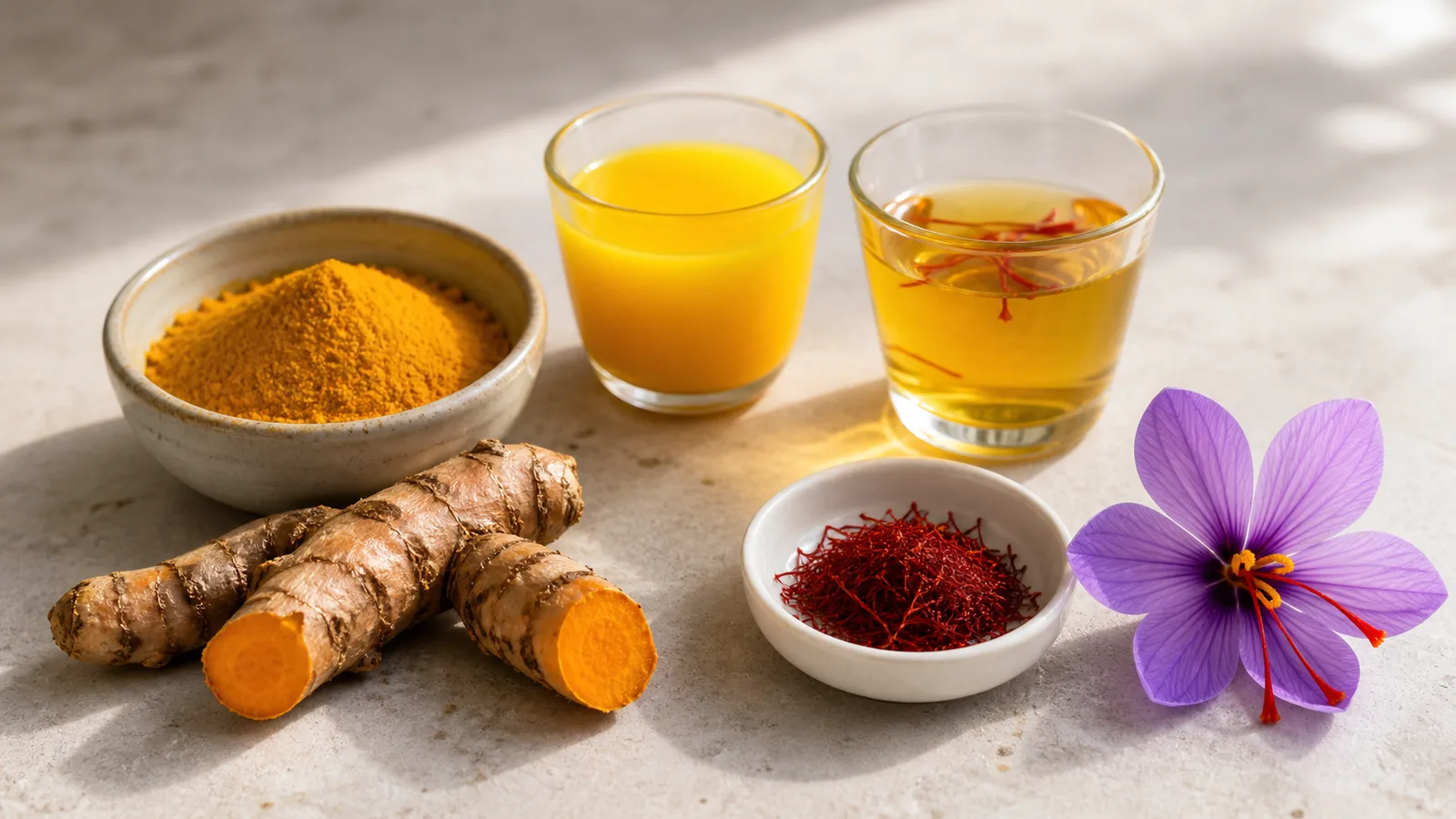
No. Turmeric and saffron are not the same spice. Turmeric is the ground rhizome of Curcuma longa, a plant related to ginger. Saffron is made from the dried red stigmas of the flower Crocus sativus. They can both make food yellow or golden, but their form, flavor, aroma, price, and cooking method are distinctly different.
The practical turmeric vs saffron choice is not about which one is “better.” Use turmeric when a dish needs an earthy, peppery foundation and bold yellow color. Use saffron when its floral aroma and delicate bitterness are meant to remain noticeable.
Is saffron a turmeric?
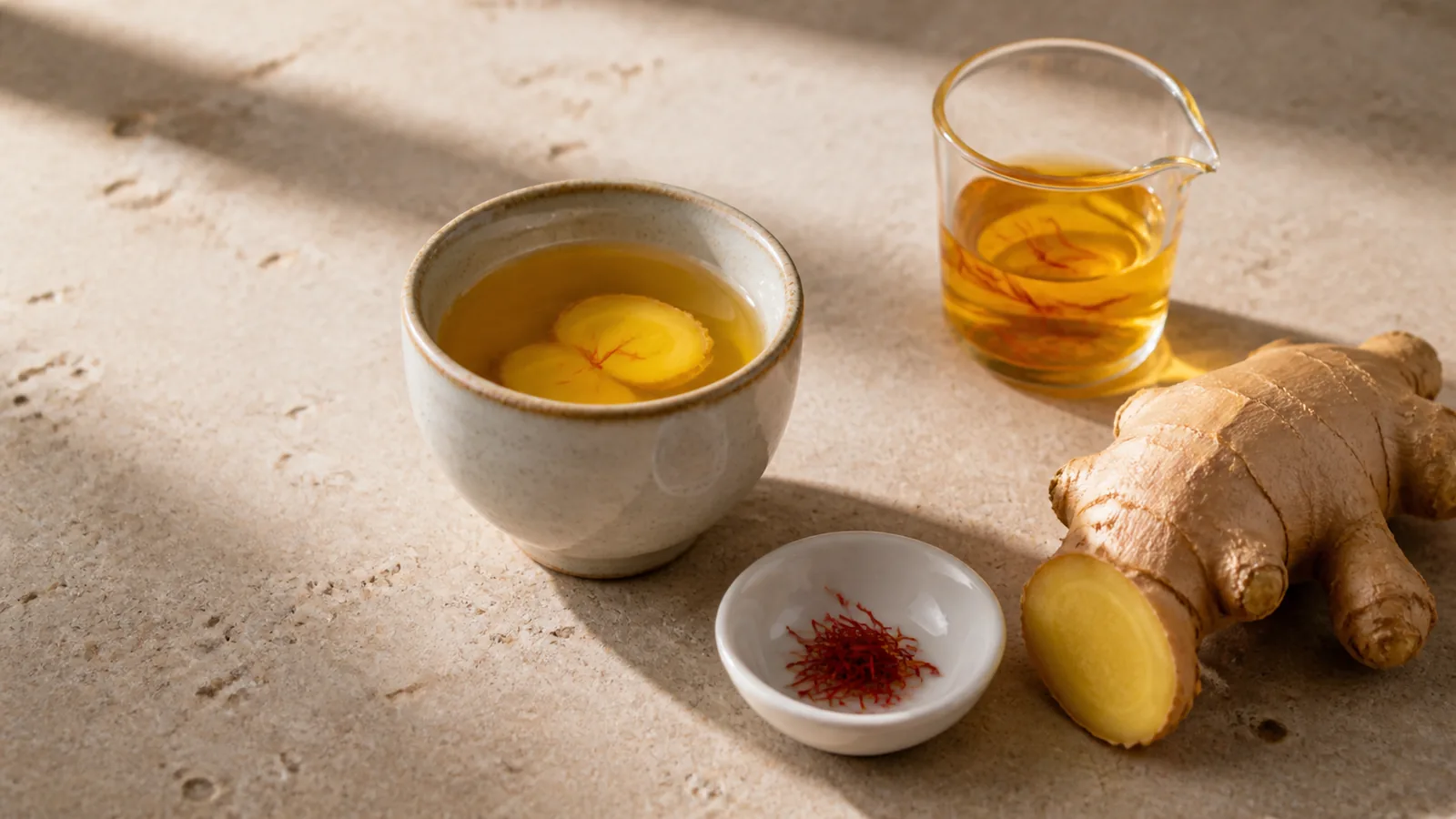
Saffron is not a type of turmeric, and turmeric is not a form of saffron. Fresh turmeric grows underground as a branching rhizome with orange flesh. It is sold fresh, dried, or most commonly as a mustard-yellow powder.
If the question is “Is saffron turmeric?”, the answer is still no: the shared color hides two entirely different plant ingredients.
Saffron comes from a purple autumn-flowering crocus. Each flower produces three red stigmas, which are picked and dried. The small yield and labor involved help explain why genuine saffron costs far more by weight than turmeric.
Appearance: threads, powder, and color
Whole saffron is easy to recognise as fine red threads, often with a slightly wider end. Turmeric powder is densely colored and uniform; fresh turmeric resembles a smaller, knobbier ginger rhizome until it is cut.
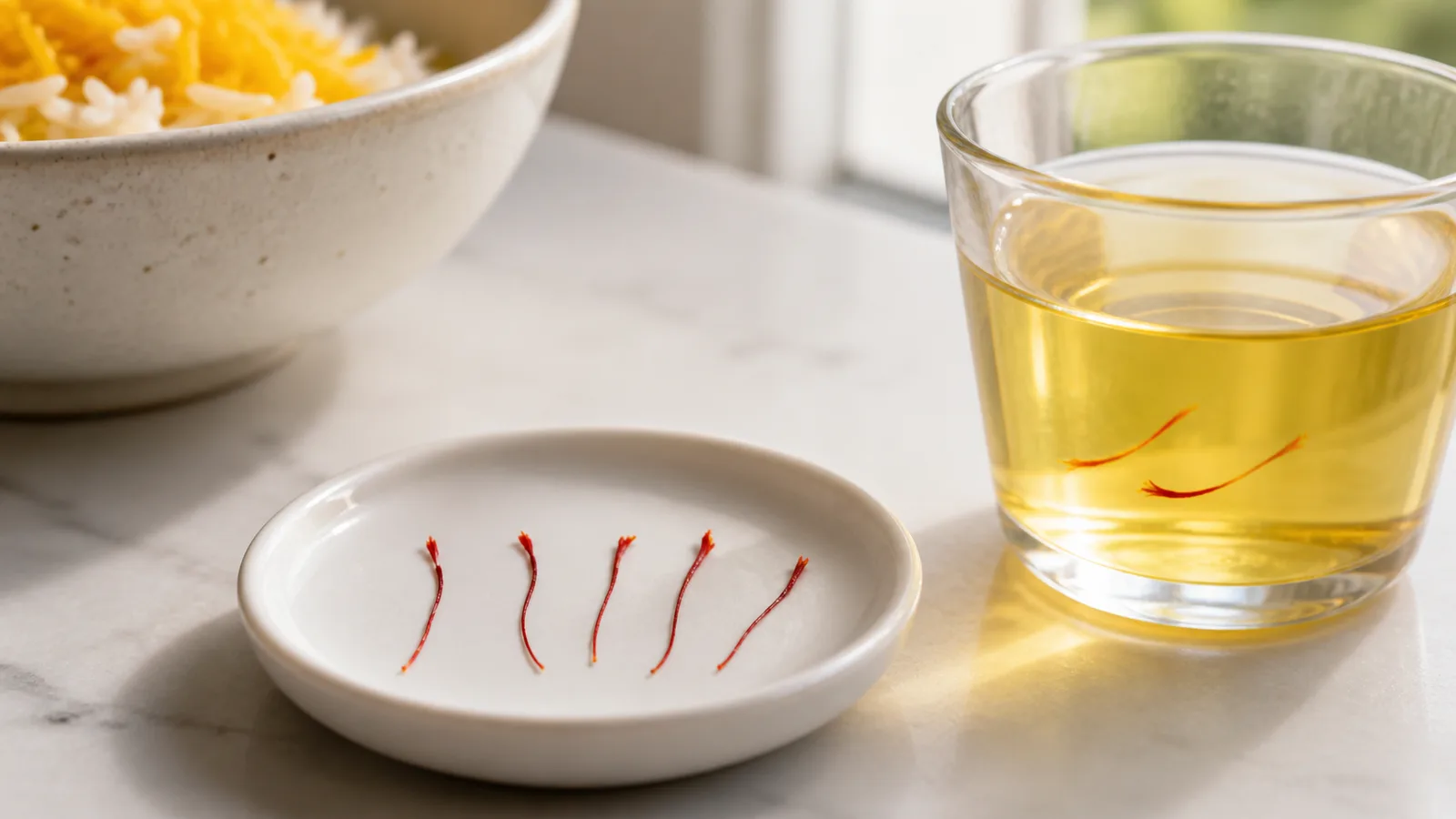
Turmeric disperses into an opaque, vivid yellow and stains hands, boards, cloth, and pale cookware readily. A saffron infusion is usually more transparent, ranging from yellow to gold, with red threads still visible. Saffron powder also exists, but it is harder to inspect and loses aroma more quickly once exposed to air.
Flavor and aroma
Turmeric tastes earthy, dry, mildly bitter, and somewhat peppery. It supports curries, lentils, soups, rice, roasted vegetables, and spice blends. Its flavor is broad enough to sit under garlic, ginger, chilli, cumin, and coriander.
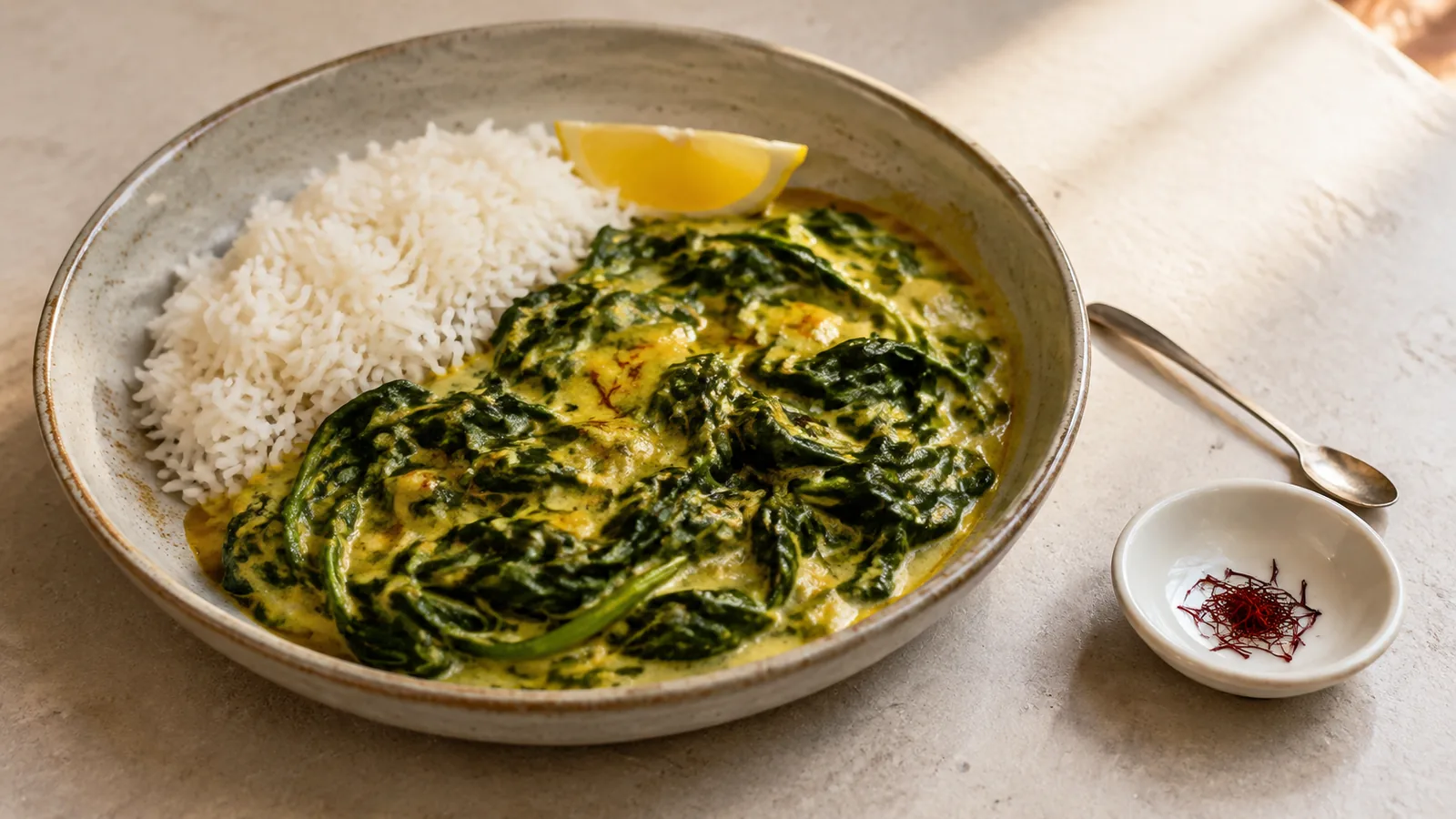
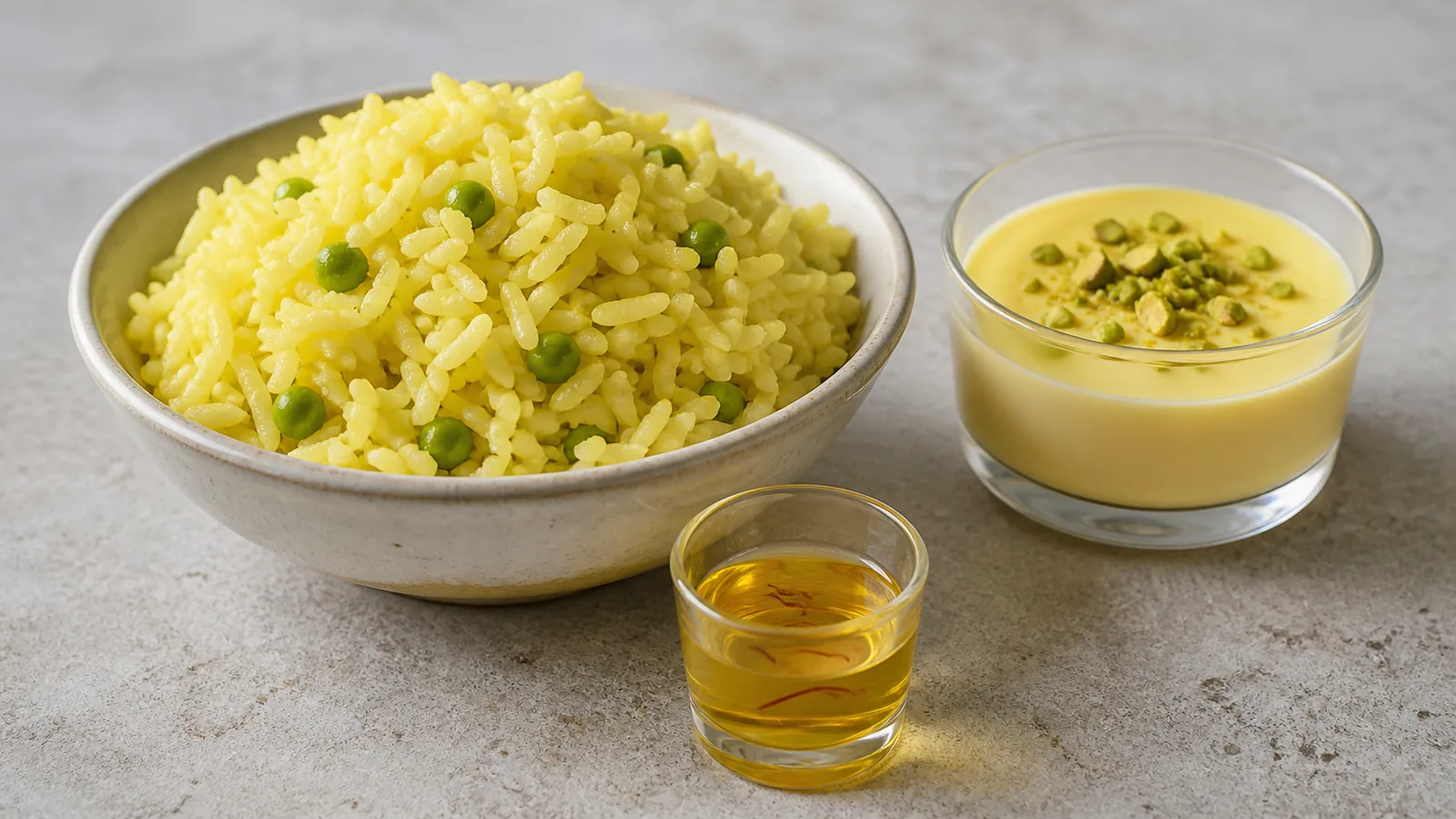
Saffron smells floral, hay-like, and warm, with gentle earthiness and natural bitterness. It is used sparingly in rice, paella, risotto, biryani, broths, milk drinks, pastries, custards, and ice cream. Heavy smoke or strong seasoning can hide it.
This flavor contrast is the central saffron and turmeric difference. Similar color does not make the spices interchangeable.
How each spice is prepared
Using turmeric
Ground turmeric can go into hot oil with other dry spices, into a wet curry base, or directly into broth or rice liquid. Brief cooking helps its raw edge settle into the dish. Fresh turmeric can be grated or finely chopped, though it stains strongly.
Using saffron
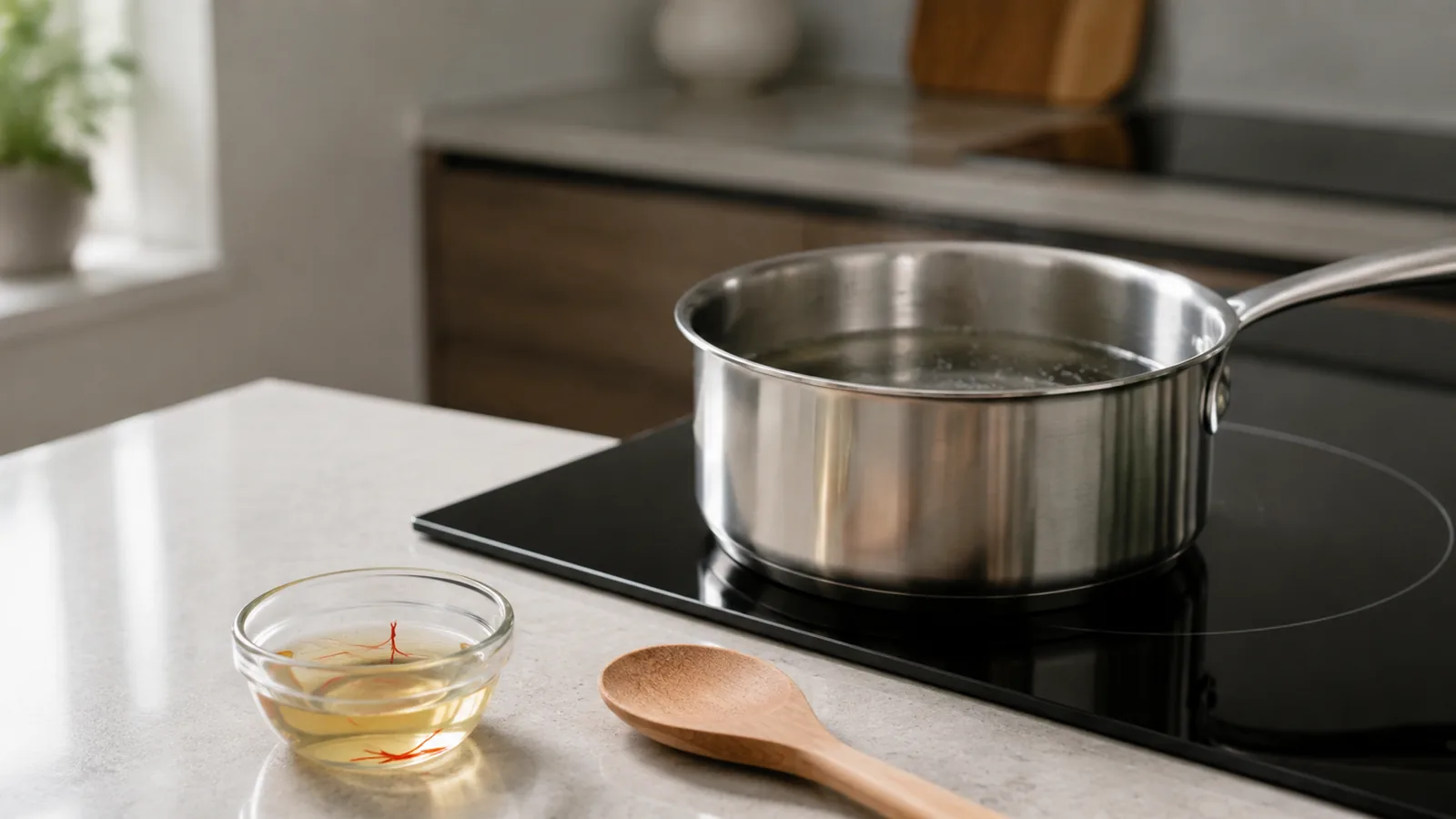
Lightly crush a few threads and bloom them in warm water, stock, or milk for 10 to 15 minutes. Add both the infusion and the threads. This step distributes saffron more evenly and helps a small pinch color and perfume the dish.
Do not fry saffron alongside turmeric over high heat for an extended time. The direct heat that works for blooming a spice base can dull saffron’s delicate aroma.
Can one replace the other?
Turmeric can make food yellow when saffron is unavailable, but it is a color alternative rather than a true flavor substitute. Start with a small amount because turmeric quickly becomes earthy and bitter. A recipe built around saffron will taste different.
Saffron is rarely a sensible substitute for turmeric in a curry powder or spice paste. It is more expensive, more delicate, and does not provide turmeric’s broad earthy base.
Can turmeric and saffron be used together?
Yes, if the recipe has a reason for both. Turmeric can build the savory base while saffron adds a higher floral note near the end. Keep the turmeric restrained when you want to see or taste the saffron, and bloom the saffron separately.
In rice or milk, too much turmeric can overpower the aroma and produce a chalkier yellow drink or dish. Begin with one leading spice and let the other support it.
Where the spices come from
Turmeric is associated especially with South Asian and Southeast Asian food traditions and is cultivated across tropical regions. Saffron is strongly associated with Iran, which is the principal producer, as well as places including Afghanistan, India, Spain, Greece, and Morocco. Origin alone does not establish quality; freshness, handling, identity, and storage also matter.
What about health claims?
Curcumin from turmeric and constituents of saffron have both been studied, but research on extracts or standardised products does not mean a spoonful of curry or a few saffron threads will treat inflammation, change mood, or prevent disease. The amount, formulation, population, and outcome matter.
For everyday cooking, choose between them for the dish you are making. If you are considering either as a concentrated supplement or for a medical purpose, discuss the exact product with a qualified clinician or pharmacist rather than treating the spices as equivalent remedies.
How to remember the turmeric and saffron difference
- Plant part: turmeric is a rhizome; saffron is a flower stigma.
- Usual form: turmeric is commonly powder; saffron is best recognised as threads.
- Taste: turmeric is earthy and peppery; saffron is floral and hay-like.
- Color: turmeric is opaque bright yellow; saffron infusion is transparent yellow to gold.
- Method: turmeric often cooks in the spice base; saffron is usually bloomed first.
- Substitution: they may overlap in color but not in flavor.
Store both spices closed, dry, and away from heat and light. Keep saffron threads in a small airtight container and protect turmeric powder from moisture. For identifiable saffron threads, visit our products page.
So, is saffron the same as turmeric? No. Their shared ability to color food is only one surface similarity; they come from different plants and perform different jobs in the kitchen.