What foods use saffron?
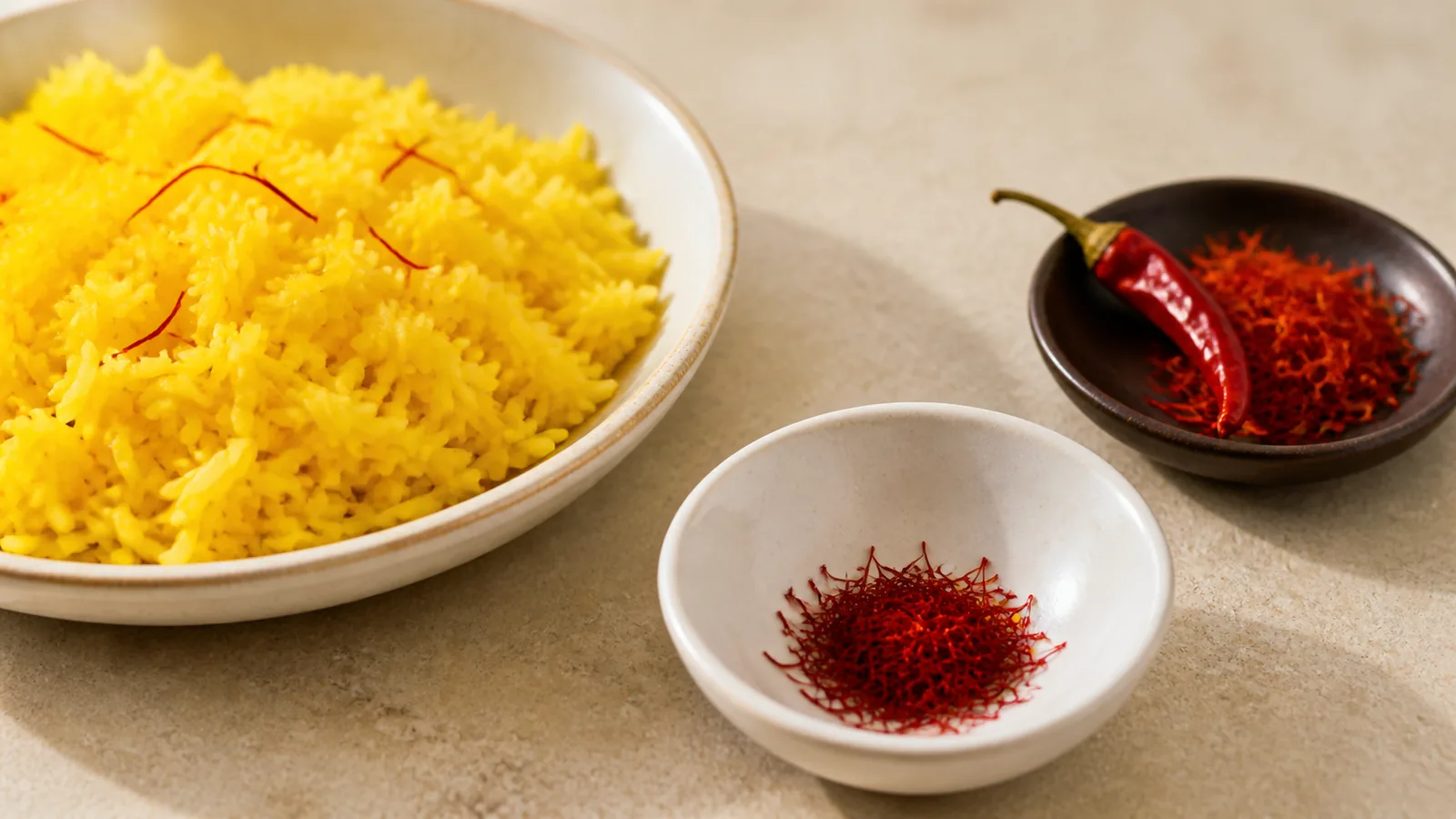
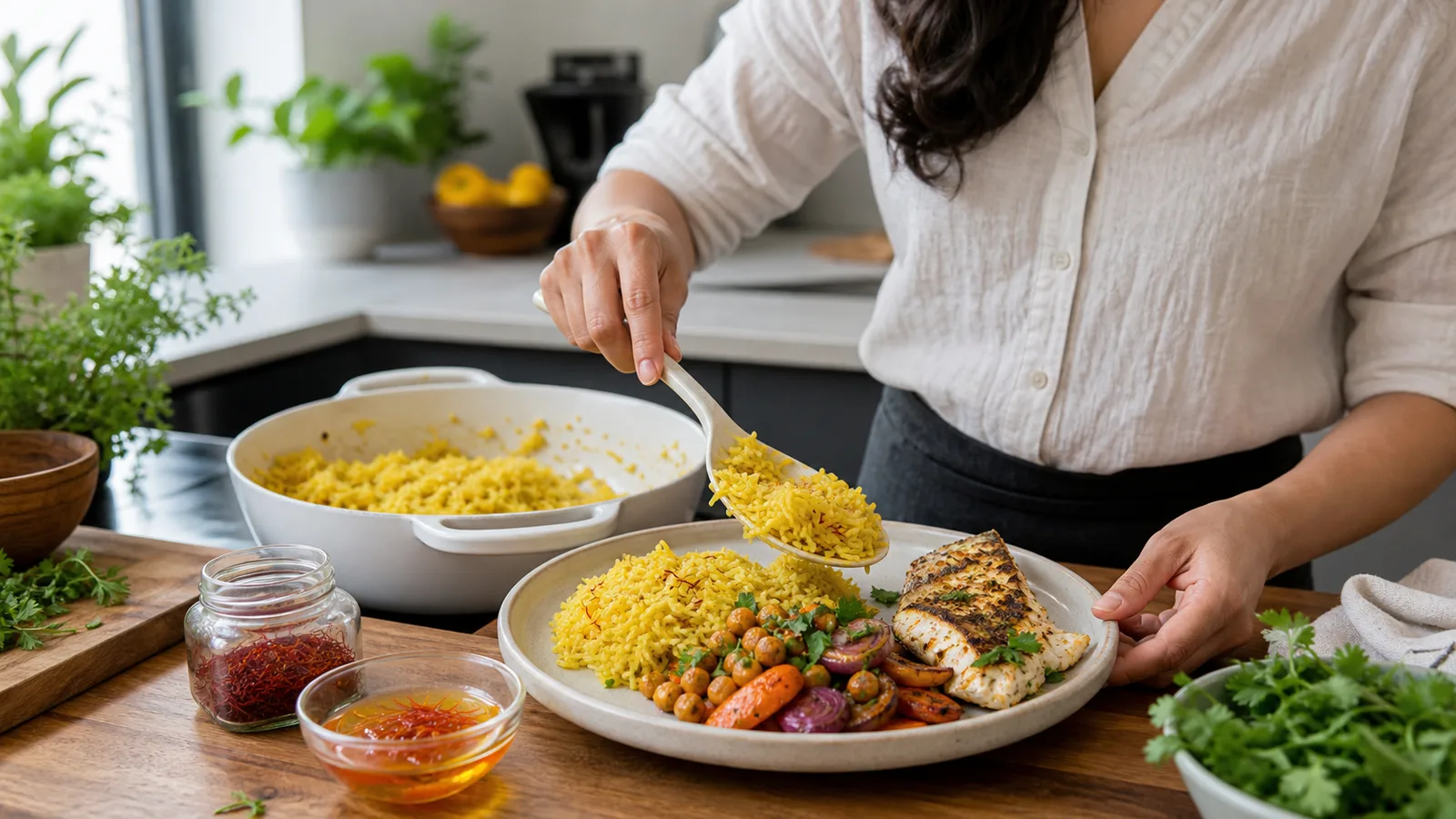
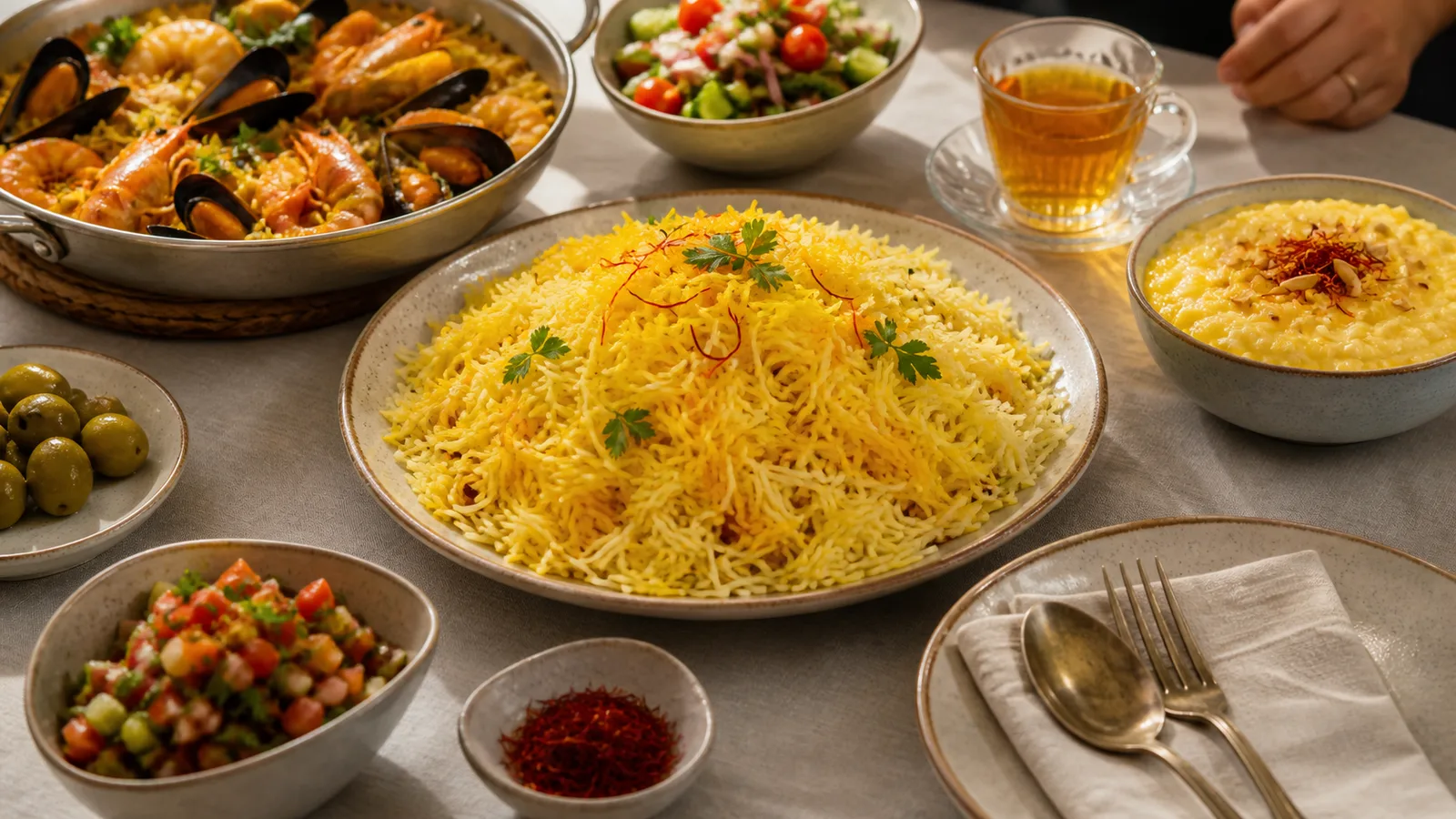
What foods use saffron? Saffron is most at home in rice, broths, seafood, meat marinades, breads, dairy desserts and warm drinks. Well-known examples include Persian ... Read More...




What foods use saffron? Saffron is most at home in rice, broths, seafood, meat marinades, breads, dairy desserts and warm drinks. Well-known examples include Persian ... Read More...
Saffron benefits and side effects belong in the same conversation. Human trials give the clearest positive signal for mood symptoms, with smaller bodies of evidence ... Read More...
Real saffron should not have a distinctly fishy or rotting smell. Its normal aroma is complex—often described as floral, grassy, hay-like, earthy or warm—with a ... Read More...
Saffron is not hot or spicy in the way chilli, cayenne or black pepper can be. It adds aroma, golden colour and a slightly bitter, ... Read More...
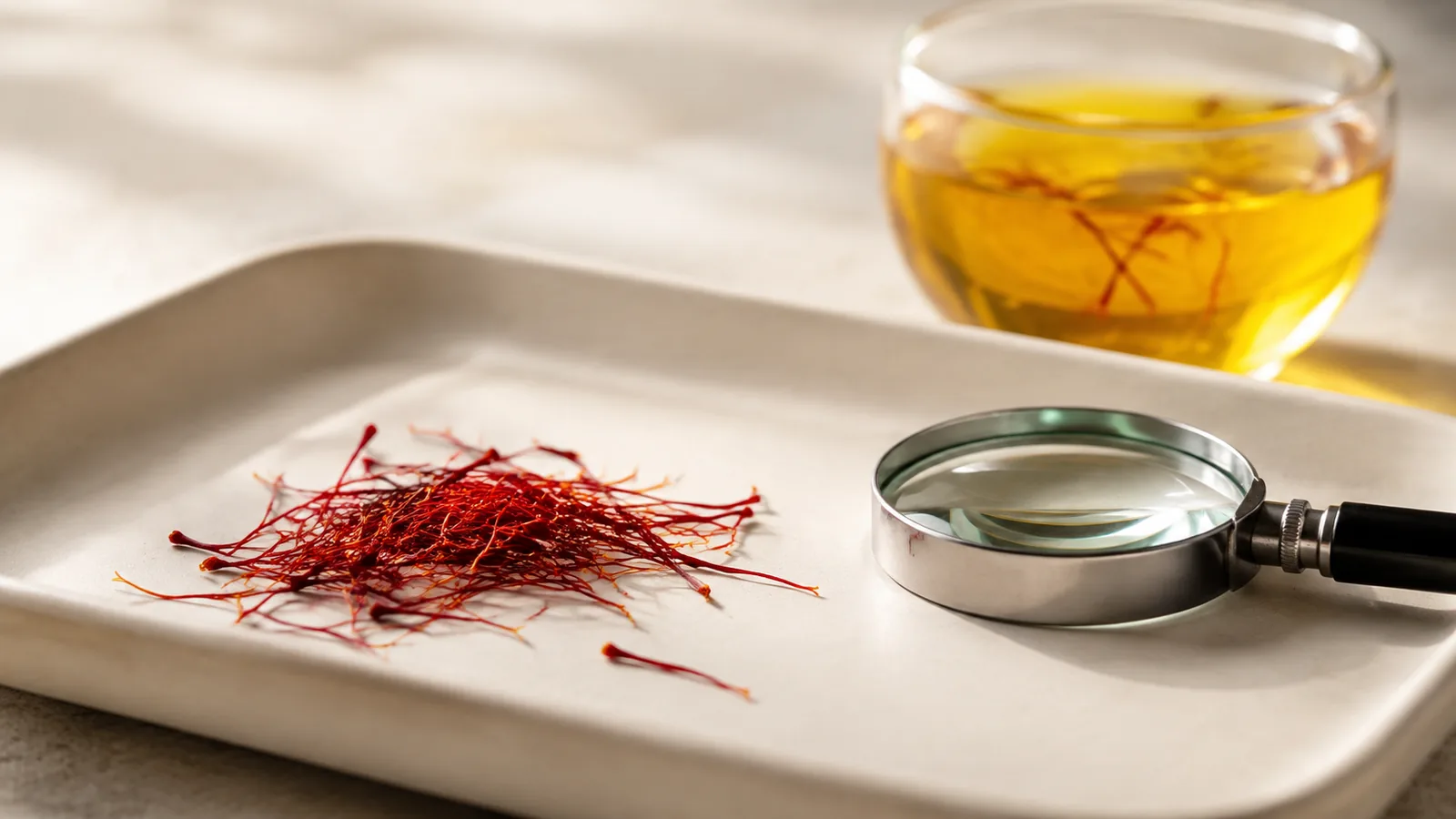
You can tell whether saffron is likely to be real by checking several clues together: the shape of the whole threads, their aroma, the way ... Read More...
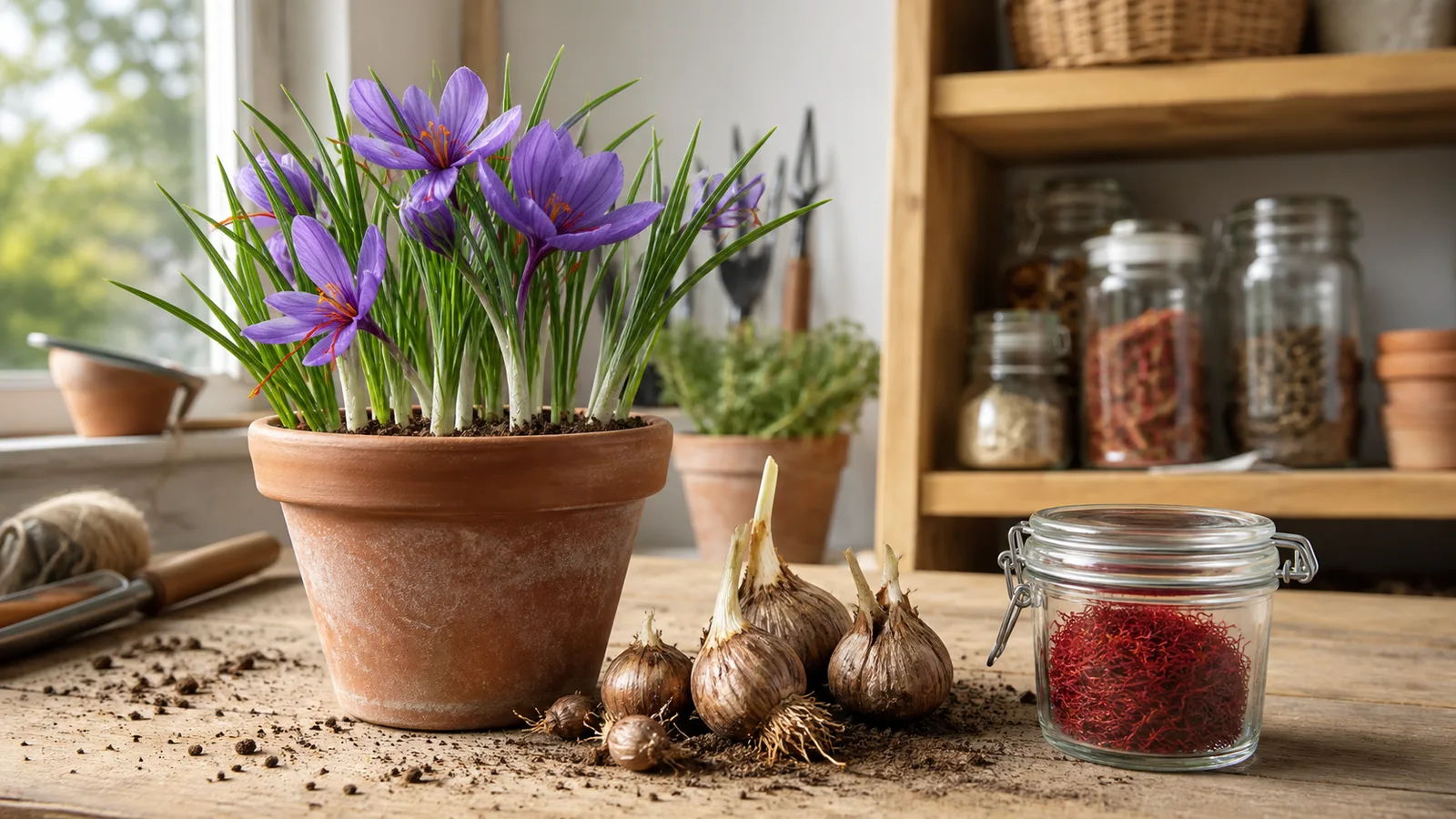
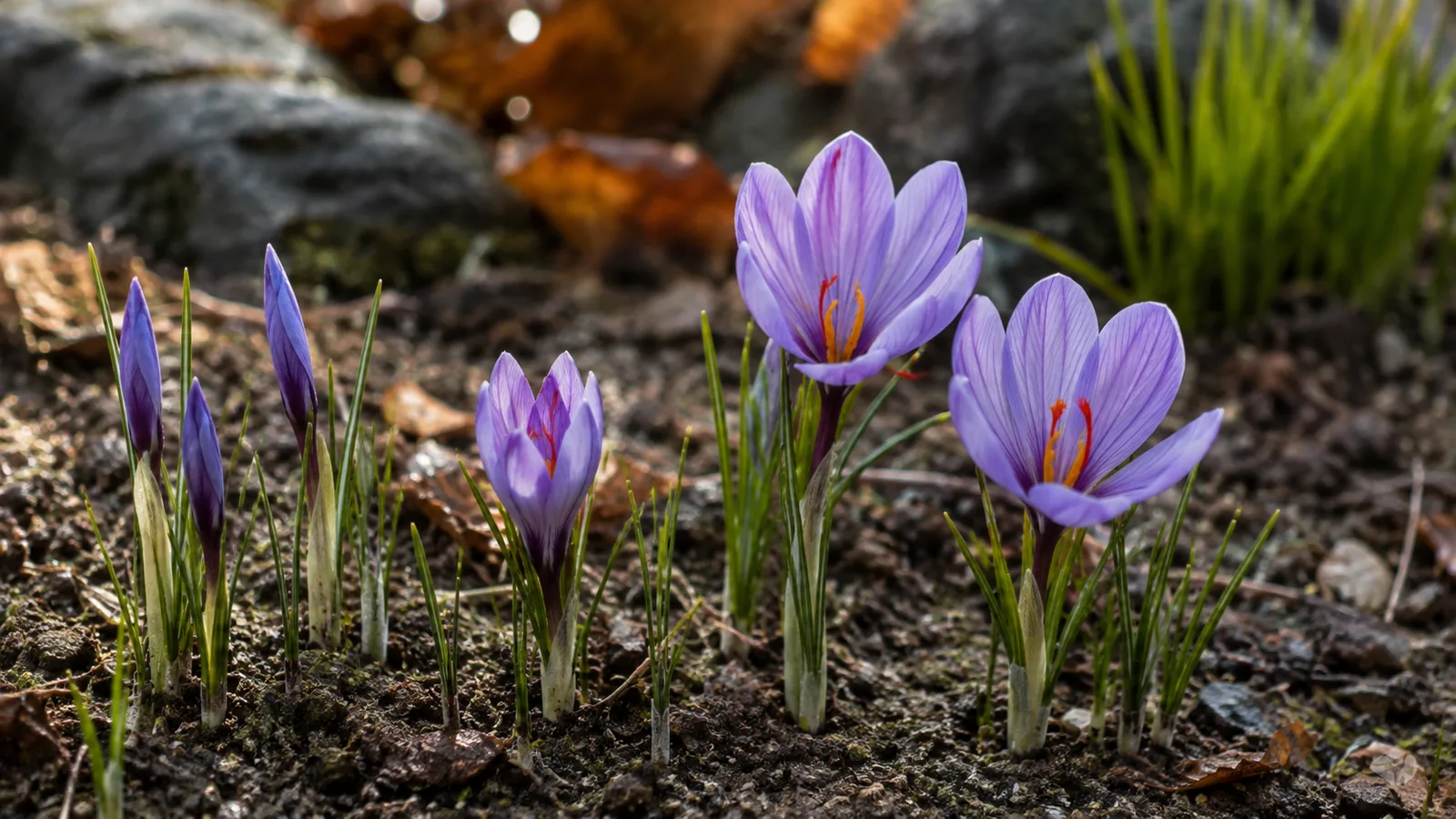
What is the lifespan of saffron? The answer depends on whether you mean the living plant or the dried spice. A saffron planting can return ... Read More...
Saffron health benefits are most credible in three areas: mood symptoms have the broadest clinical research, sleep has a smaller positive trial base, and some ... Read More...
A mature saffron corm can produce flowers roughly six to eight weeks after late-summer or early-autumn planting, but that is only the first visible milestone. ... Read More...
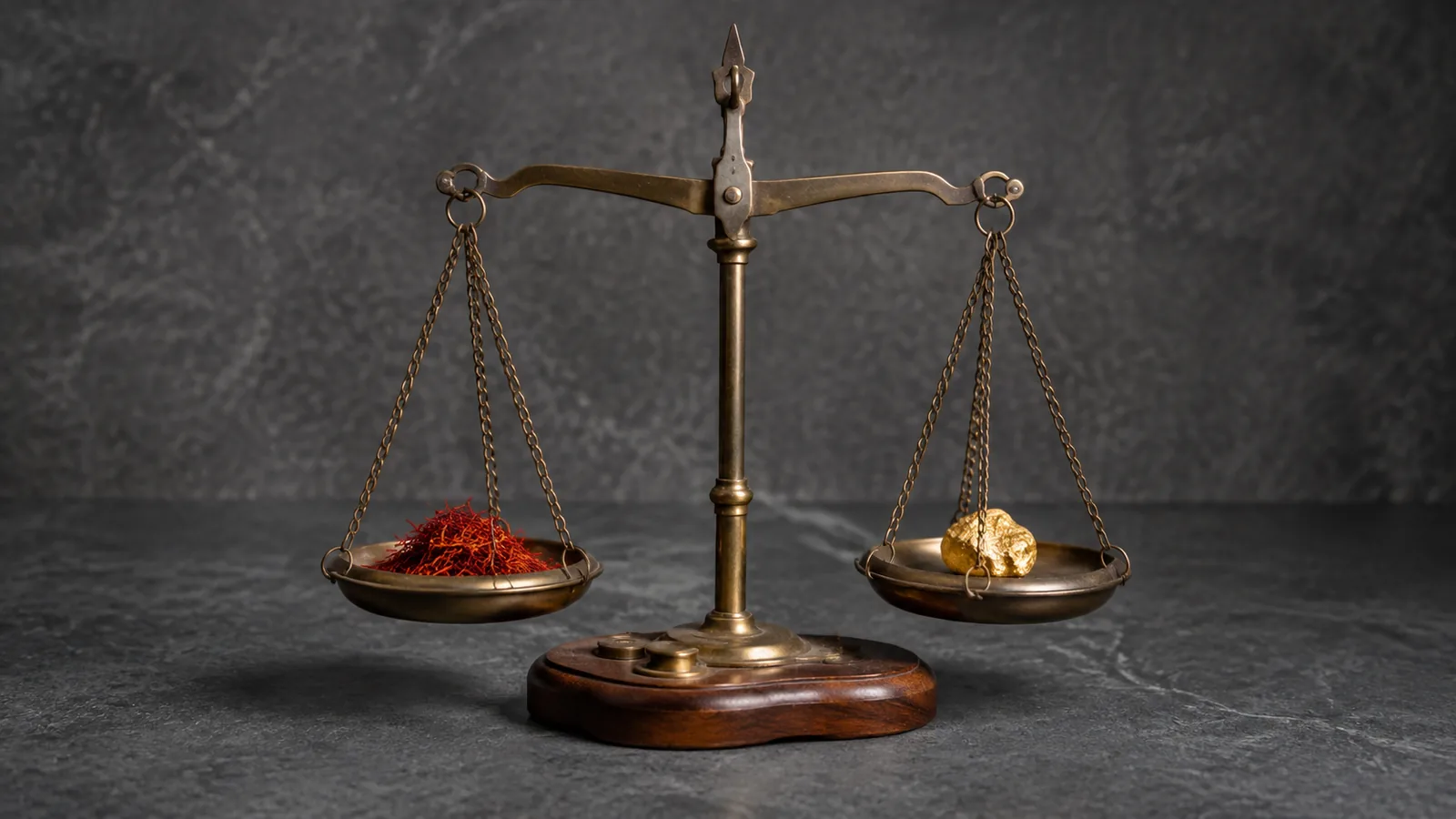
No—at current mainstream prices, gold is more expensive than culinary saffron when both are compared by the gram. The phrase “red gold” describes saffron’s exceptional ... Read More...
Saffron for health benefits makes sense only when the spice and the claim are both genuine. Saffron is a remarkable food: a small pinch gives ... Read More...