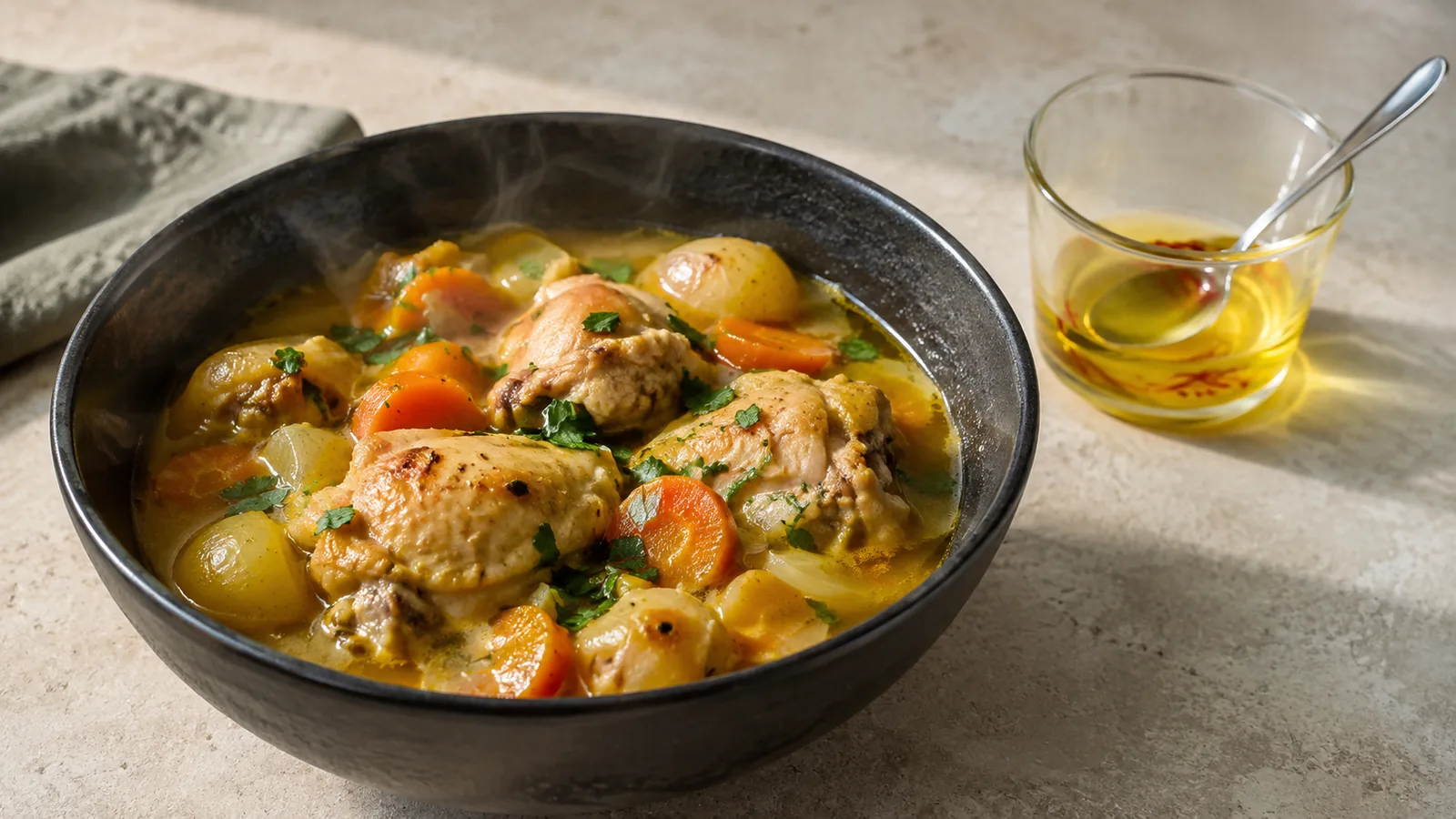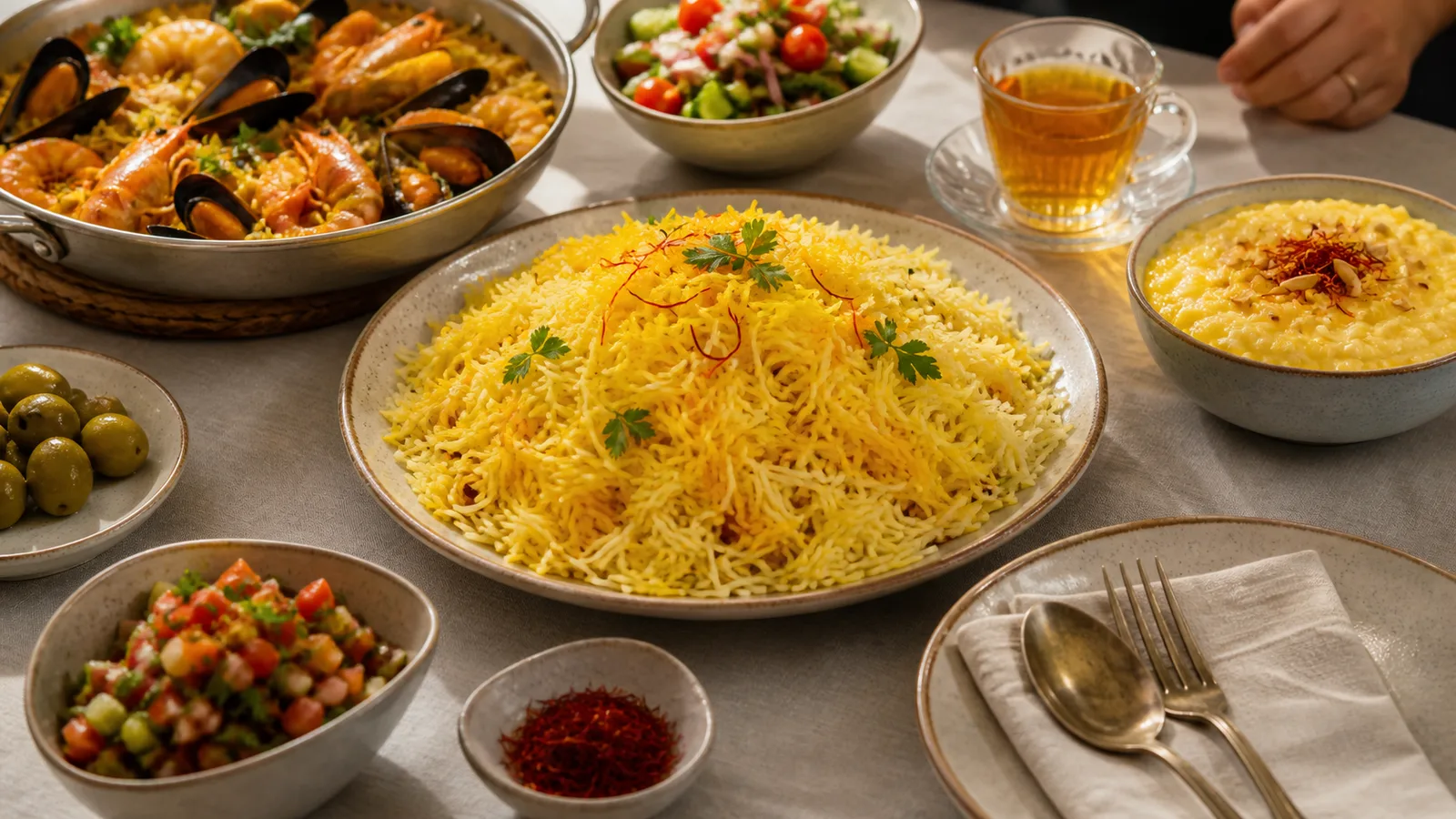
What foods use saffron? Saffron is most at home in rice, broths, seafood, meat marinades, breads, dairy desserts and warm drinks. Well-known examples include Persian saffron rice, Spanish paella, risotto alla Milanese, biryani, bouillabaisse, kulfi and kheer.
If you are asking “saffron is used in what foods?”, “what foods is saffron used in?” or simply “what has saffron in it?”, the examples below cover the main savoury, sweet and drink traditions without pretending every regional recipe is identical.
Foods That Use Saffron: Flavorful Dishes You Should Try
Saffron uses in food are remarkably broad because the spice supplies both aroma and colour. Its taste is floral, hay-like and gently bitter. The best dishes give that aroma room to appear rather than covering it with a large quantity of competing spice.
Famous Savory Dishes with Saffron
Paella is one of the foods most closely associated with saffron. In versions that use it, a small infusion colours and perfumes the rice while the stock carries the flavour across the pan. The dish varies by region and cook, so saffron does not make every mixed-rice dish an authentic paella.
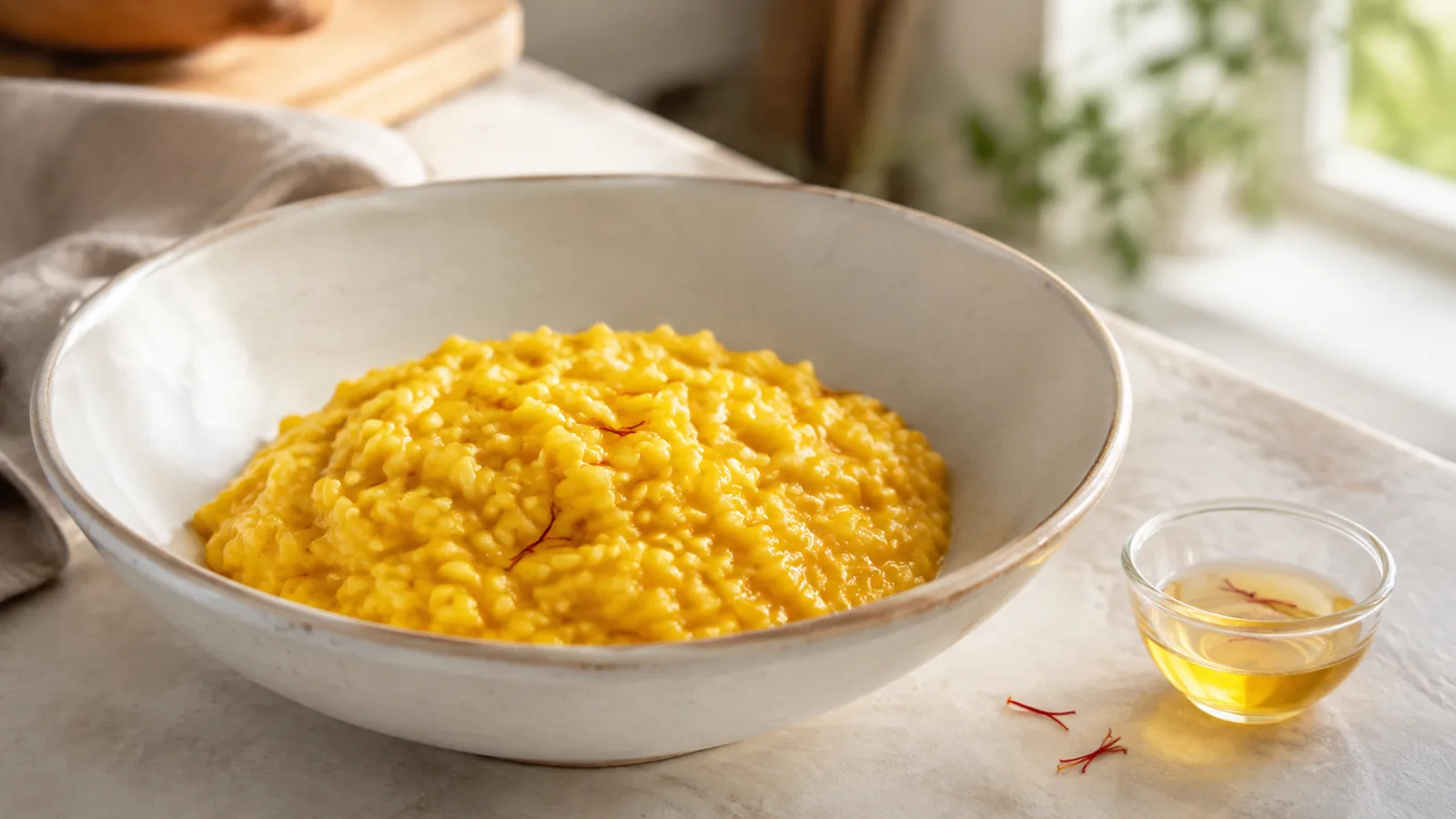
Risotto alla Milanese uses saffron in creamy rice, often served on its own or beside ossobuco. Bouillabaisse and related fish soups may use saffron in an aromatic broth. It also works in mussel broth, fish stew, roast chicken and a restrained cream sauce.
Middle Eastern and Indian Delights
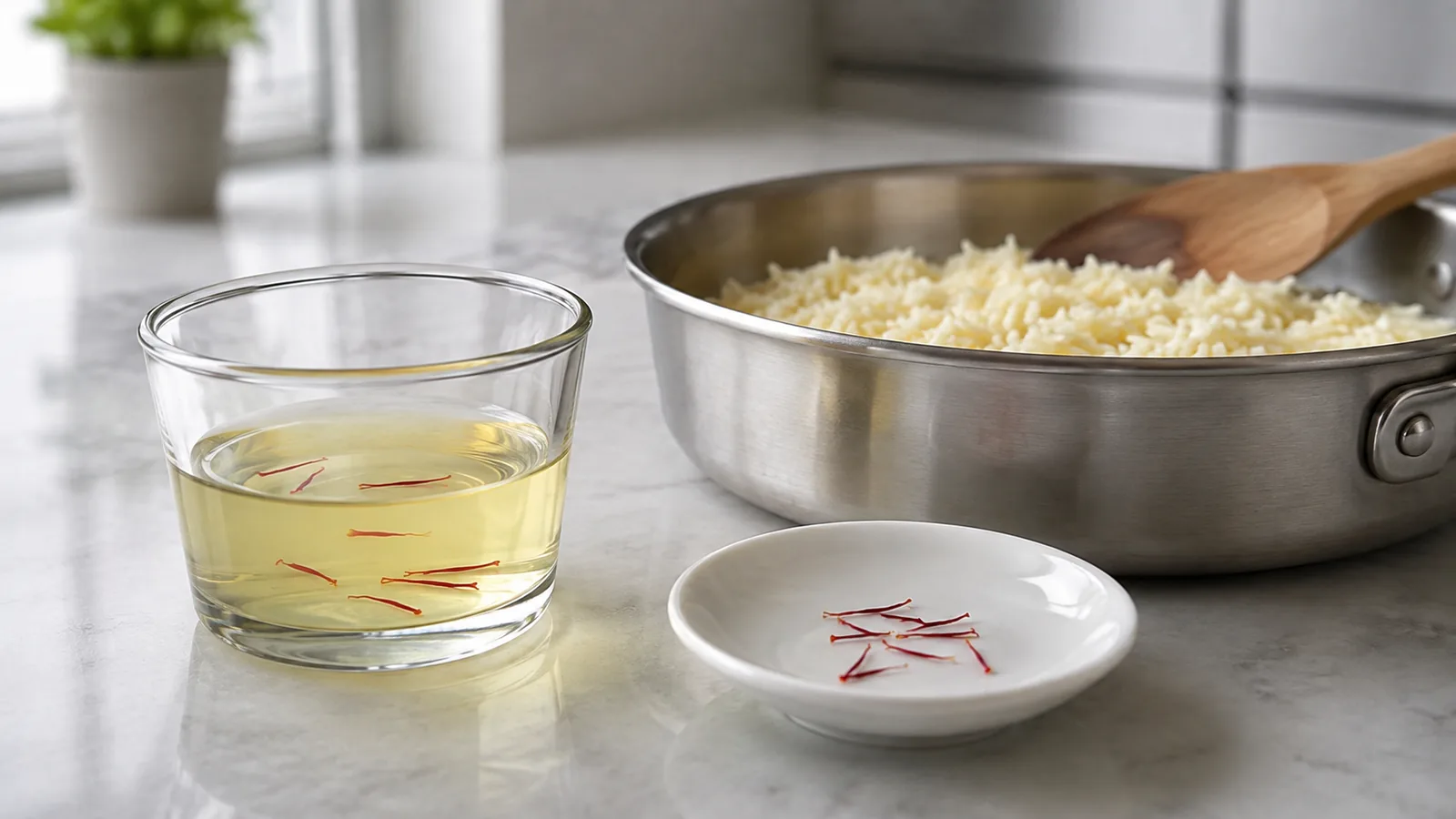
Persian cooking uses saffron in steamed rice, tahdig, zereshk polo, kebab marinades, chicken and sweets. The threads are often ground and bloomed first, then part of the golden liquid is folded through rice to create clear bands of colour and aroma.
Across South Asia, saffron—often called kesar or zafran—appears in some biryanis, pulao, kheer, shrikhand and festive milk drinks. It is a valued ingredient rather than a requirement in every regional version. Pilafs and meat dishes in other parts of West and Central Asia also use saffron where the recipe tradition and budget suit it.
Sweet Treats with Saffron
Dairy carries saffron particularly well. Kulfi, ice cream, custard, panna cotta and rice pudding can all take a small infusion. Saffron also appears in cakes, buns, biscuits, halva and poached fruit.
Sweetness should support rather than bury the spice. Pistachio, almond, cardamom, rose, orange and honey can pair well, but using all of them heavily at once makes it harder to taste the saffron you paid for.
Drinks That Contain Saffron
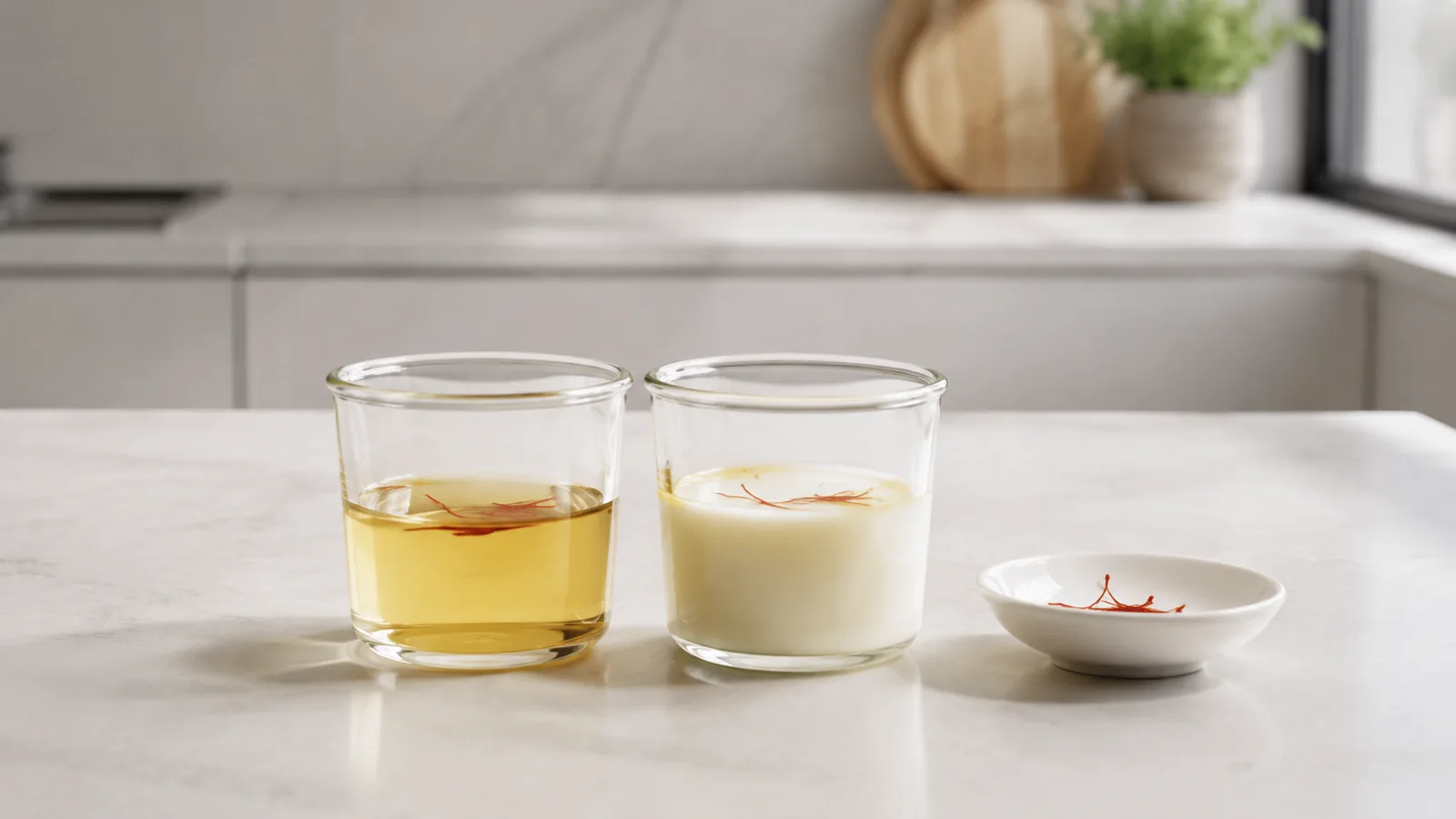
Saffron in food is only half the story. A few threads can be steeped in warm milk, tea or plain water. Coffee recipes also exist, though dark roast can overwhelm the delicate aroma. In cold drinks, bloom the threads first; simply dropping them into iced liquid extracts colour and flavour slowly.
The Health Benefits of Saffron
Saffron contains crocins, crocetin, picrocrocin and safranal, and defined preparations have been studied for several outcomes. That research does not turn paella, pudding or tea into medicine. The certain reasons to use saffron in a recipe are taste, aroma, colour and culinary tradition.
How to Use Saffron in Food
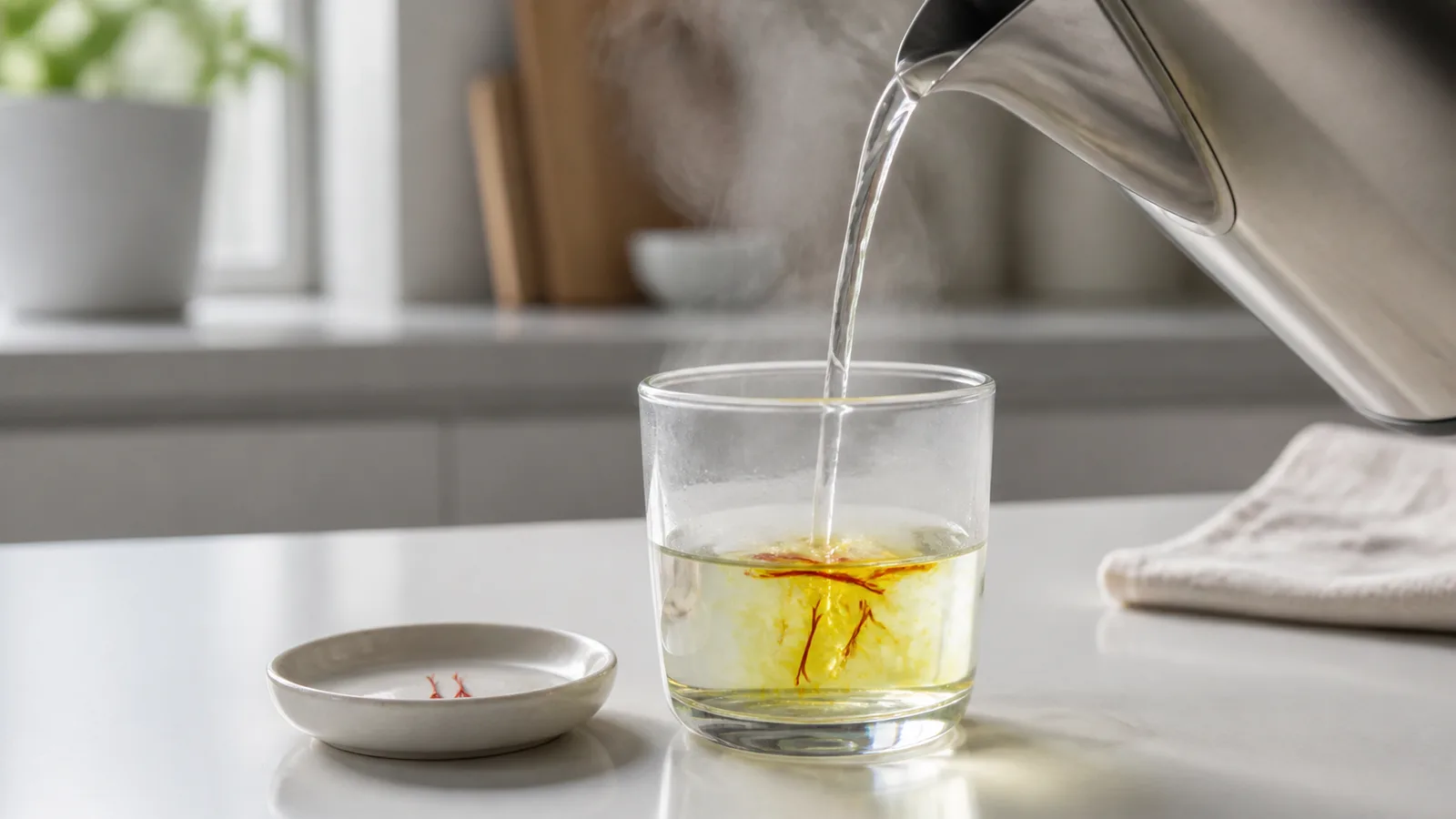
Lightly crush a small culinary pinch and steep it in a few tablespoons of warm water, milk or stock for 15 to 20 minutes. Add both liquid and threads during cooking. For rice, reserve a little infusion to fold through one portion near the end so the colour remains varied rather than flat.
What foods contain saffron on a menu cannot always be judged by yellow colour alone; turmeric, food dye and other ingredients can look similar. Ask when it matters, and buy predominantly red, dry threads from a traceable seller for home use.
Where to Buy Saffron
Choose a sealed product with clear origin or supplier details. Whole threads are easier to inspect than powder and let you grind only what a recipe needs. Store the remainder airtight, cool, dry and away from direct light.
Browse our saffron products, or read the benefits of eating saffron for an evidence-aware health discussion.