What are the benefits of eating saffron? Saffron adds colour, aroma and a gently bitter edge to food. Its plant compounds have also been studied for mood, sleep, cognition and appetite, but the strength of the evidence varies. A culinary pinch can be part of a good diet; it should not be presented as a cure or a replacement for medical care.
Benefits of Eating Saffron: Why It’s Good for Your Health
The useful question is not whether saffron is “powerful,” but what research has actually tested. Studies often use standardised extracts or measured preparations. That is different from scattering a few threads over rice, so results cannot be transferred directly to every cup or meal.
Rich in Antioxidants
Saffron contains crocins, crocetin, picrocrocin and safranal. These compounds help create its colour, taste and aroma, and they show antioxidant activity in laboratory research. That does not prove that eating saffron prevents cancer, heart disease or other chronic illnesses. “Antioxidant” describes a property, not a treatment guarantee.
Improves Mood and Reduces Anxiety
Mood is one of the better-researched areas, with trials and evidence reviews reporting promising results for defined saffron preparations. A broad review of saffron evidence reviews found encouraging findings alongside limitations in trial quality and reporting.
The cautious conclusion is that saffron warrants further study. A person with persistent low mood, anxiety, thoughts of self-harm or a sudden change in mental health needs professional help; adding spice to food is not equivalent to taking a tested preparation.
Enhances Cognitive Function
Researchers have investigated saffron compounds in relation to memory and cognitive decline. The work is interesting, but it does not show that an ordinary serving boosts memory or prevents Alzheimer’s disease. Anyone worried about confusion or memory loss should seek a clinical assessment rather than relying on a food ingredient.
Supports Digestive Health
Saffron can make simple foods more appealing without adding much sugar or salt. That is a practical culinary benefit. Claims that it stimulates digestive enzymes or relieves cramps and bloating are not established well enough to promise. Ongoing pain, vomiting, bleeding, weight loss or a marked change in digestion deserves medical advice.
Improves Skin Health
Eating saffron has not been proven to brighten skin, erase pigmentation or prevent wrinkles. Skin appearance depends on many factors, including sun exposure, sleep, hydration, nutrition and health conditions. Saffron may contribute flavour and plant compounds to the diet, but it should not be sold as an edible skin treatment.
Supports Weight Loss
Some studies have explored saffron extracts, appetite and snacking. The findings do not make saffron a weight-loss shortcut, and concentrated products are not interchangeable with recipe amounts. Sustainable changes in food, activity and sleep matter more than a single spice.
How to Incorporate Saffron Into Your Diet
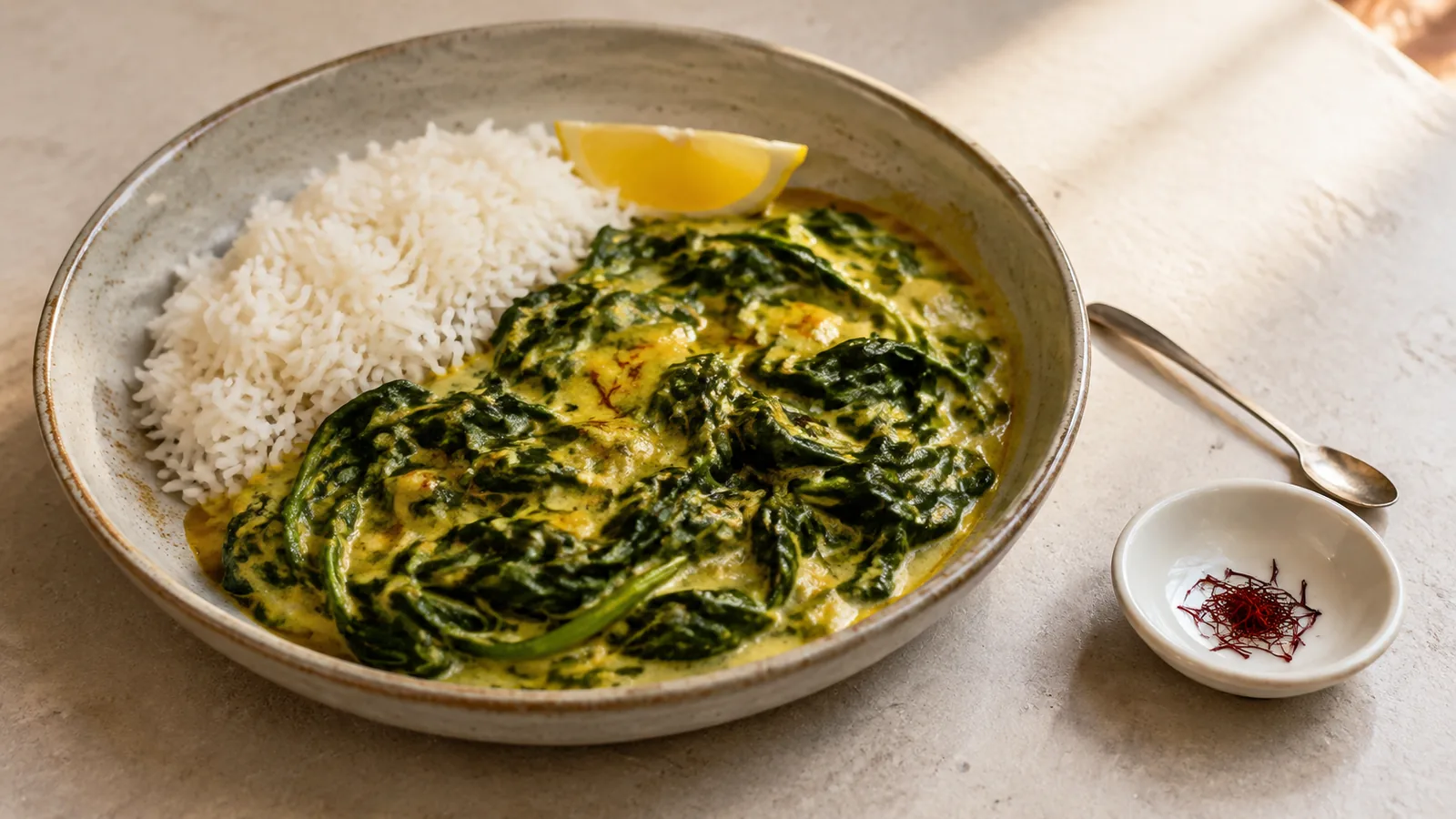
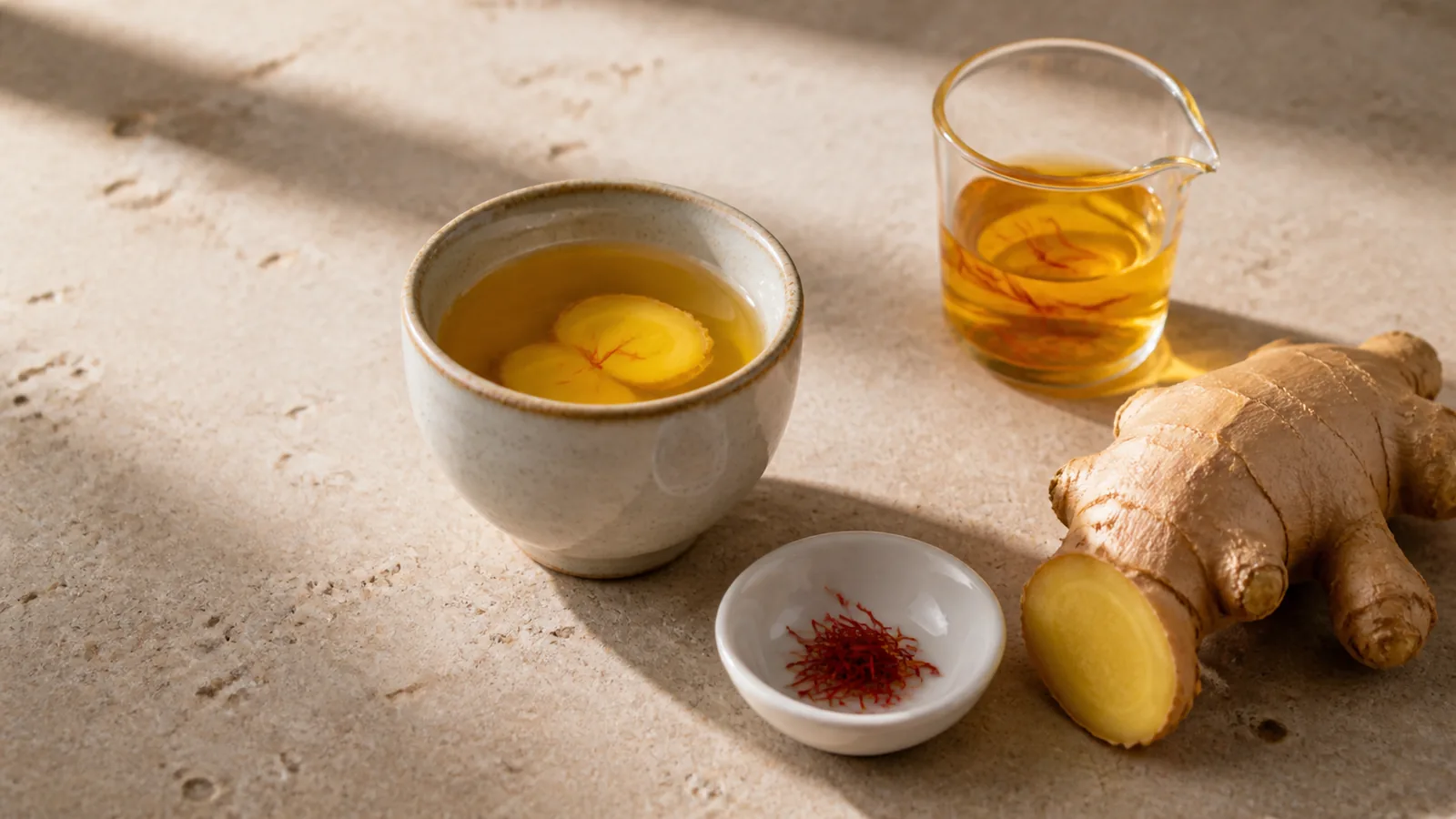
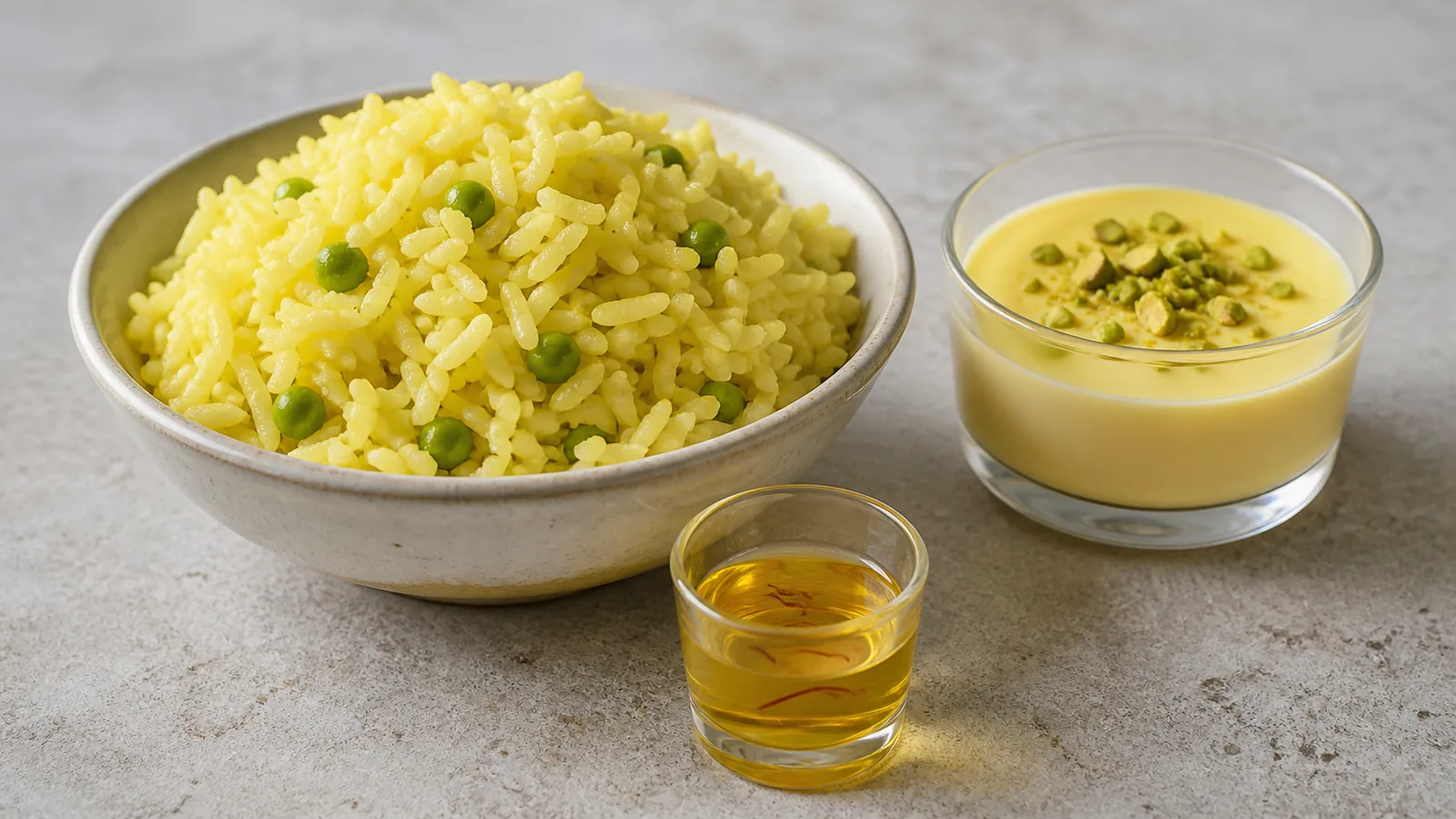
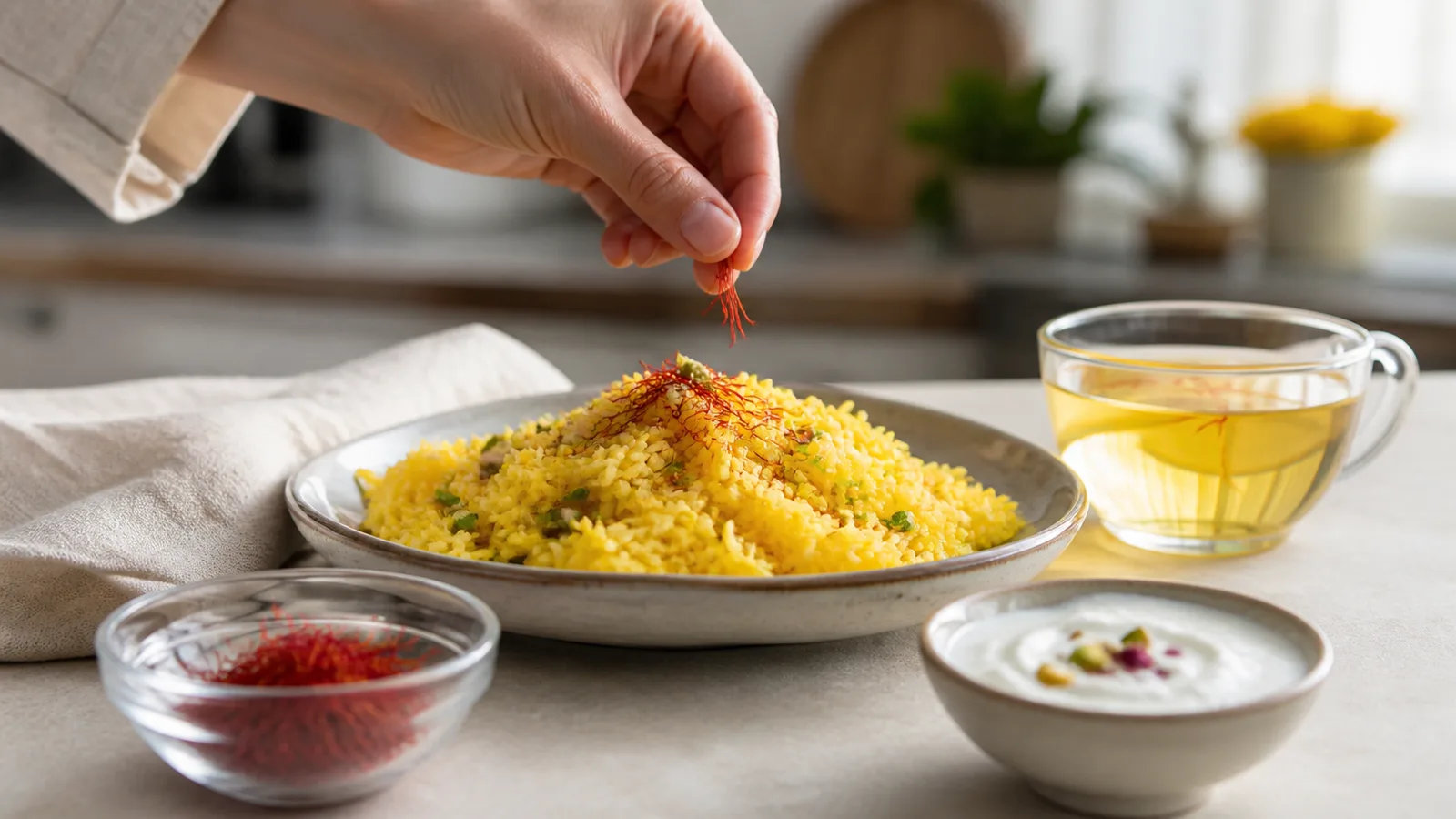
For the fullest flavour, crush a small pinch of threads and bloom it in warm water or milk for 15 to 20 minutes. Stir both the liquid and softened threads into rice, soup, stew, yoghurt, custard or tea. Gentle blooming distributes saffron more evenly than chewing a dry cluster.
Choose food-grade saffron from a traceable seller. Mostly red, dry threads with a clean hay-and-honey aroma are preferable to damp material or loose powder of uncertain origin. There is no authoritative universal daily thread count, because thread size and product strength vary; use the modest amount a recipe requires.
Conclusion
The most certain benefits of eating saffron are culinary: a distinctive aroma, vivid colour and a way to bring character to food. Human research on mood and other outcomes is promising in places, but it is preparation-specific and should be described honestly. Enjoy saffron as a spice, not as a cure.
See our guide to taking saffron orally for practical methods, or browse our culinary saffron products.