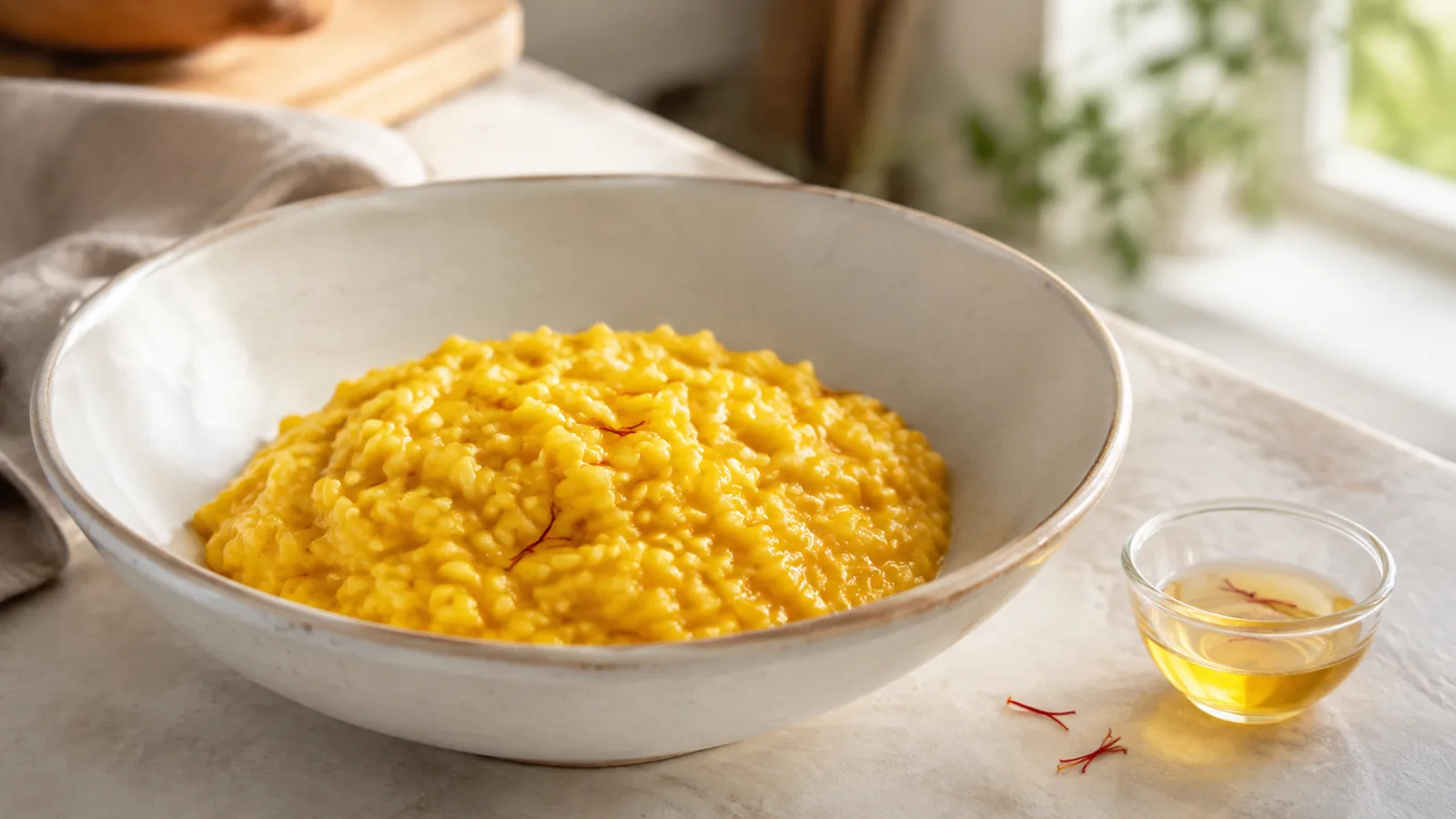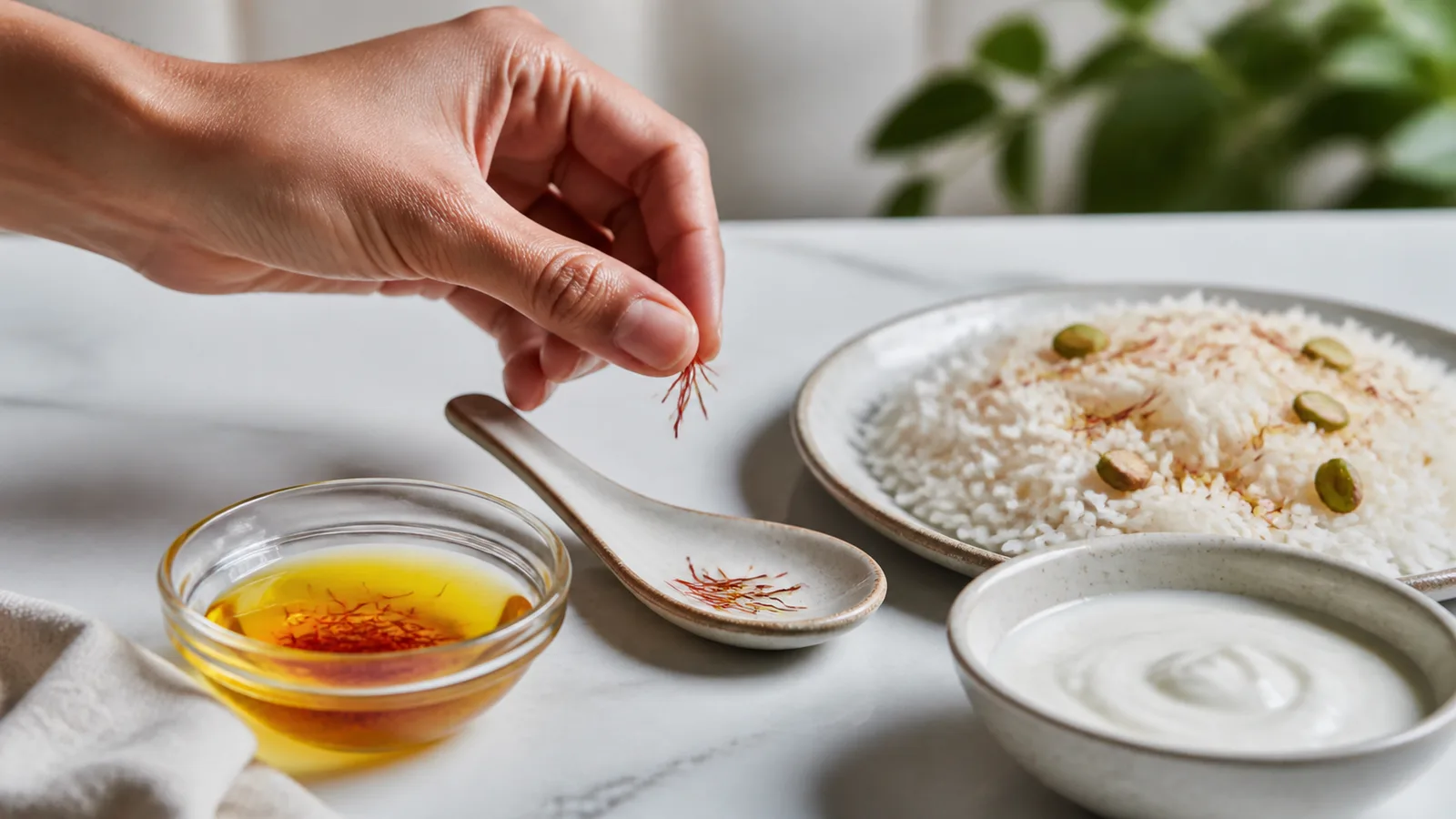
Can I eat saffron directly? Yes. Genuine dried saffron threads are a culinary spice and a few can be eaten without cooking. They are safe to leave on yoghurt, rice or dessert for most adults, although eating them dry is not the best way to release their flavour.
Direct eating should mean a small food garnish, not swallowing powder by the spoonful or treating a concentrated supplement like spice. More saffron does not create greater benefit and can increase risk.
Eating Saffron Directly: Is It Safe and Beneficial?
Commercial saffron is normally dried after harvest. In this context, “raw” means the dried threads have not been cooked or steeped. It does not mean eating a garden crocus, bulb or unidentified flower, some of which may be unsafe.
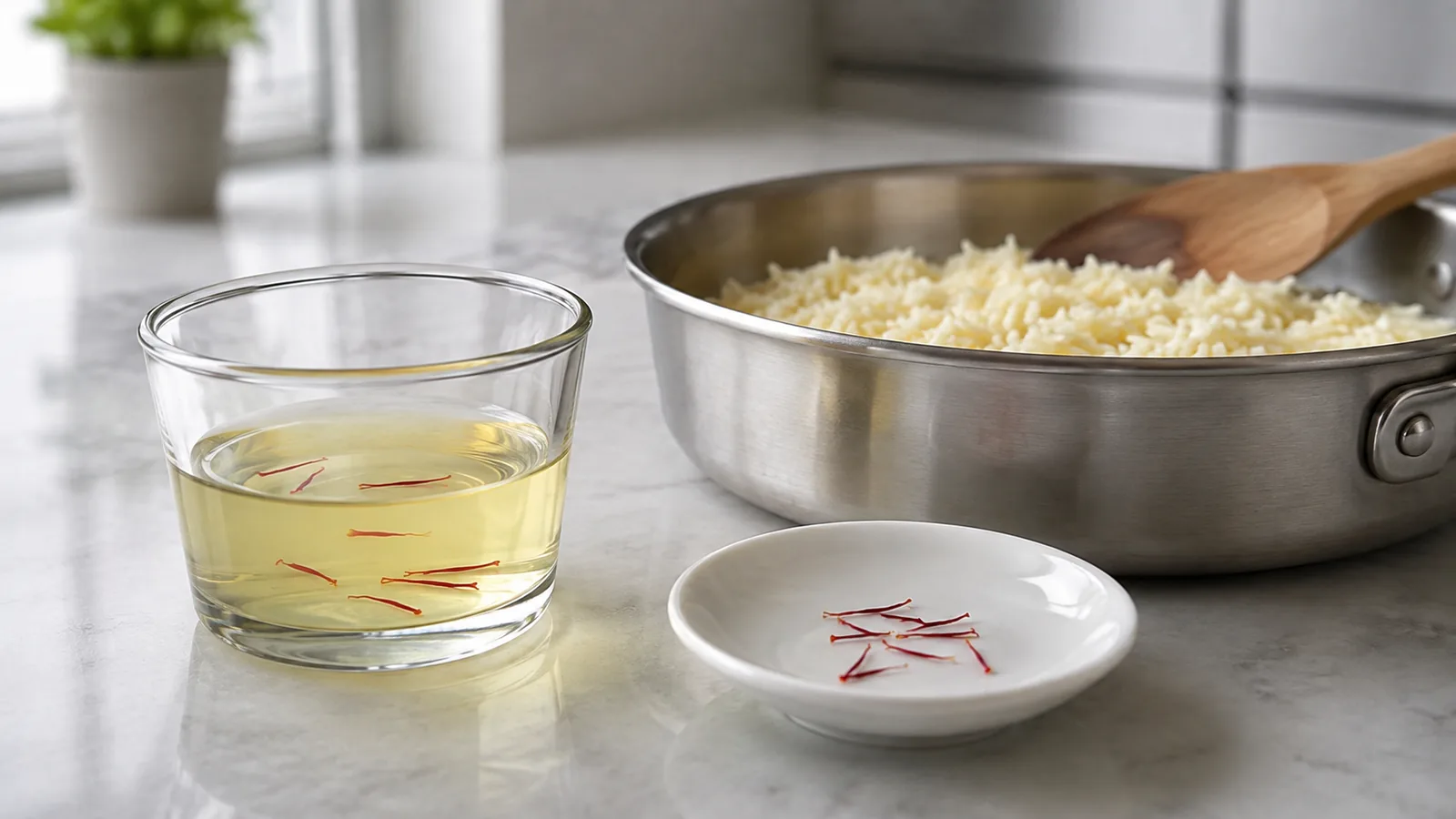
Check that the threads are dry, predominantly red and free from mould, pests or a chemical odour. Buy a sealed, traceable food product rather than loose coloured fibre of uncertain origin.
Can You Eat Saffron Raw?
Can saffron be eaten raw straight from the jar? A few genuine food-grade threads can. They taste aromatic and gently bitter, and their texture may be a little wiry. Someone with swallowing difficulty should have them crushed or softened first.
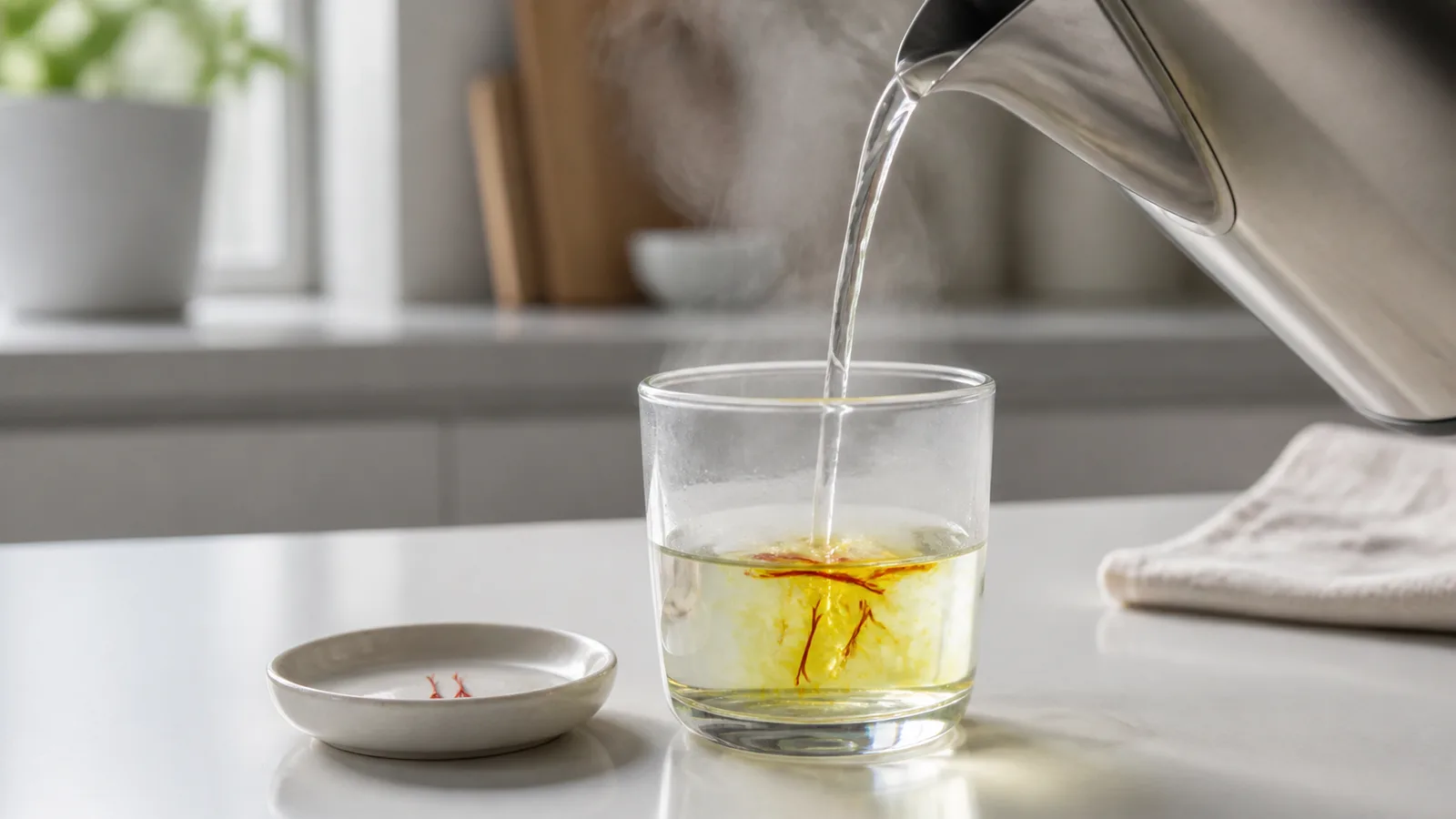
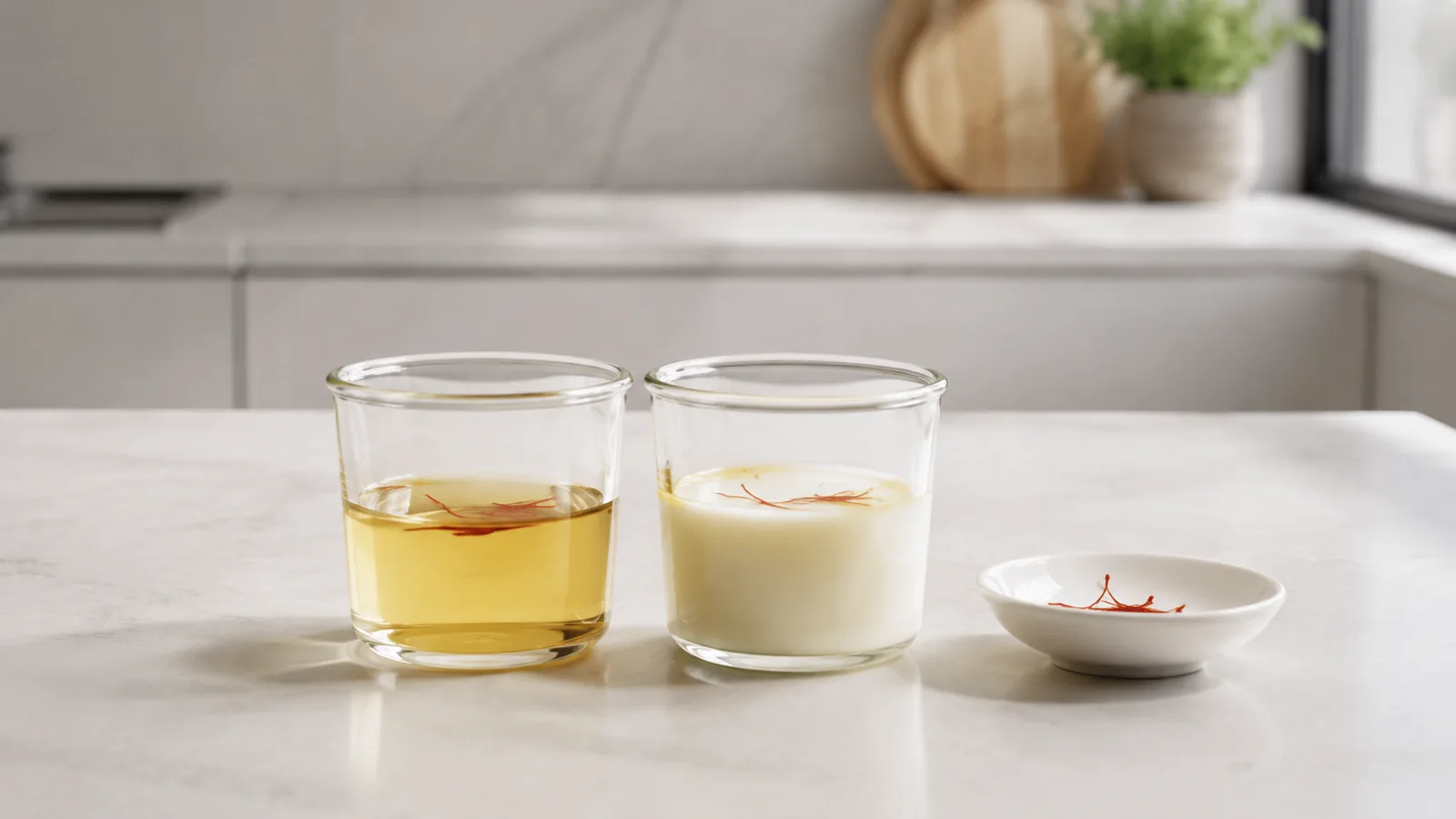
Can you eat raw saffron for a stronger effect? There is no proven advantage. Blooming a small culinary pinch in warm water or milk for 15 to 20 minutes spreads the colour and aroma through food, which is why cooks usually prefer infusion.
Health Benefits of Eating Saffron
Saffron contains crocins, crocetin, picrocrocin and safranal. Research has tested defined preparations for several outcomes, but a few dry threads have not been shown to treat depression or anxiety, improve memory, or prevent inflammation.
A review of saffron evidence reviews found promising findings along with limitations in study quality and reporting. Eating saffron directly is a culinary choice, not a more powerful delivery method or a substitute for treatment.
Potential Risks of Eating Saffron Directly
Possible adverse effects of larger or concentrated amounts include nausea, dizziness, headache and allergic reactions. Stop and seek urgent help for breathing difficulty, facial swelling or collapse. Do not keep increasing the amount after an unwanted effect.
Pregnancy deserves particular caution, especially with repeated or concentrated intake. A toxicology review discusses high-exposure pregnancy concerns while noting limitations in human evidence (PMID 28293386). Medicines, low blood pressure, bleeding conditions and planned surgery are other reasons to ask a doctor or pharmacist before concentrated use.
How to Safely Eat Saffron
Use a few threads as a garnish, crush them over food, or bloom a modest pinch and consume both the liquid and softened threads. Yoghurt, custard, fruit, rice and warm milk all make the aroma easier to appreciate than chewing a dry cluster.
There is no authoritative universal thread count for daily use because thread size and preparations vary. Judge a culinary portion by the recipe and flavour; do not copy a supplement-study dose into the kitchen.
Conclusion
Can we eat saffron directly? Yes, in a small culinary amount from a genuine product. Blooming is usually better for flavour, while dry garnish is reasonable when texture suits the dish. Neither method turns saffron into a health cure.
For the broader raw-saffron safety question, read is saffron safe to eat raw? You can also browse our culinary saffron.