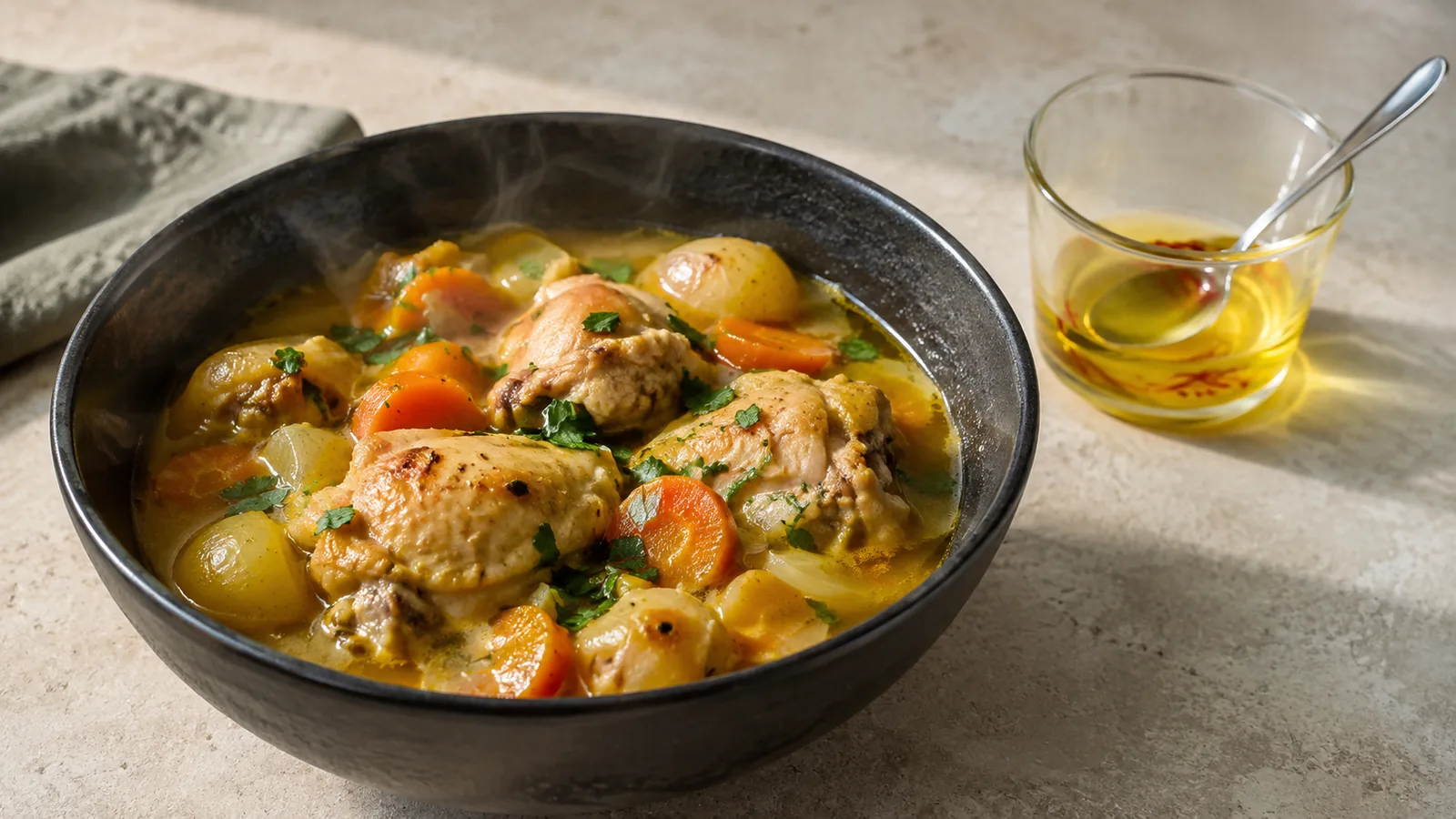
Is saffron safe to eat raw? Genuine dried saffron threads can be eaten without cooking when used as a small culinary garnish. They are the dried stigmas of Crocus sativus, not a raw bulb or flower. The practical issue is rarely whether heat has touched them; it is the amount, the product’s authenticity and whether the person has a reason to be cautious.
A few threads on yoghurt, rice or dessert are very different from swallowing spoonfuls or taking a concentrated extract. Cooking does not neutralise saffron, and “natural” does not make an excessive amount safe.
Is Saffron Safe to Eat Raw?
Yes, most adults can use food-grade dried threads raw in ordinary food quantities. Can saffron be eaten raw straight from the jar? It can, provided the threads are clean, dry and bought as a culinary spice. Blooming them first is usually better for flavour, not a safety requirement.
Saffron is expensive because each flower produces only three stigmas and they are harvested and separated with substantial manual work. That value also makes adulteration a concern. Buy sealed, traceable threads from a reputable seller; do not eat an unidentified crocus, decorative flower, garden bulb or loose coloured fibre.
Understanding Raw Saffron
The word “raw” can be misleading here. Commercial saffron is normally dried soon after harvest so it can develop and retain its characteristic aroma. Eating raw saffron means consuming those dried threads without steeping or cooking them.
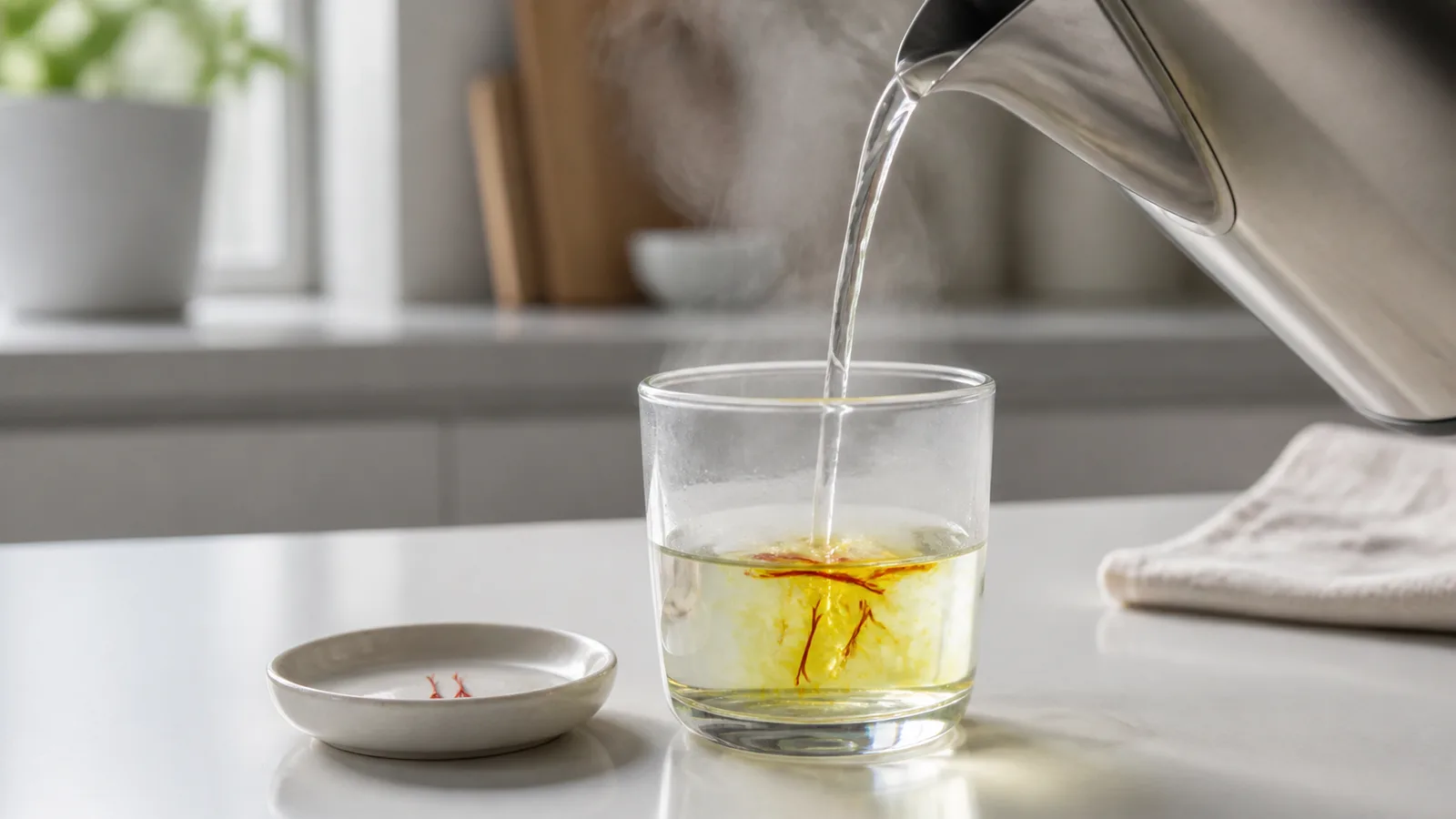
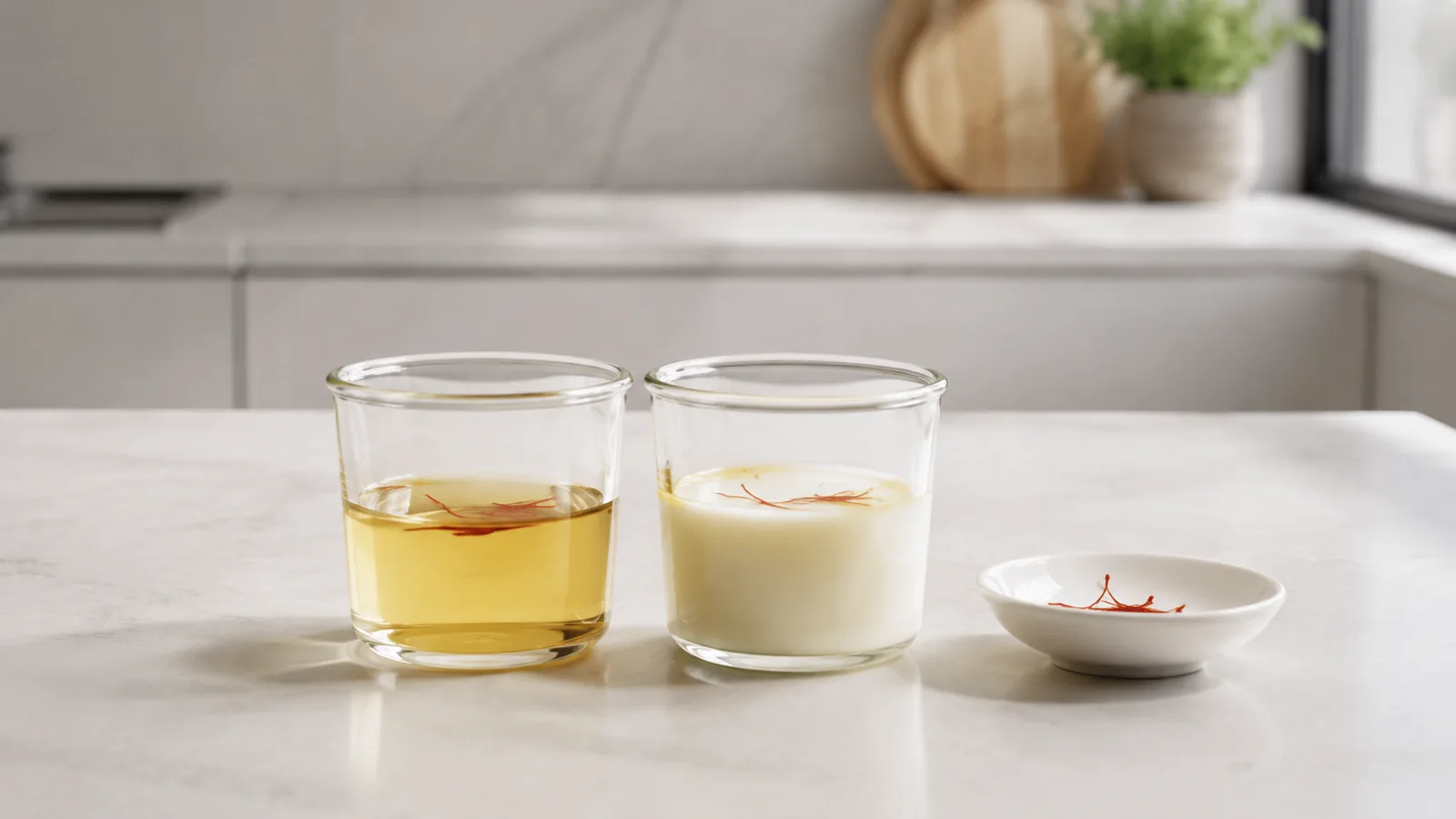
What does saffron taste like? A thread is aromatic, gently bitter and somewhat hay-like or floral, not sweet. Chewing it dry concentrates that bitterness while releasing little colour into the rest of the dish. Soaking a few threads in warm water or milk for 15 to 20 minutes distributes the flavour more evenly.
Benefits of Raw Saffron
Saffron contains crocins, crocetin, picrocrocin and safranal. Research has examined standardised extracts for several outcomes, but eating a few dry threads has not been shown to treat depression, heart disease or digestive disorders. A review of reviews on saffron health evidence found promising results alongside important weaknesses in evidence quality and reporting.
There is no established extra benefit to eating the threads dry instead of using them in food. In fact, blooming helps a cook make better use of their colour and aroma. The credible benefit of a raw garnish is culinary: it adds a recognisable ingredient, texture and fragrance in a very small amount.
Potential Risks of Eating Saffron Raw
Is saffron poisonous? Culinary use and excessive intake are not the same exposure. A toxicology review describes adverse effects and pregnancy concerns at much higher or concentrated intakes, while also noting limitations in the evidence (PMID 28293386). Do not translate a supplement-study dose into a home serving.
Possible adverse reactions include nausea, dizziness and allergy. Stop using it and seek urgent help for swelling, breathing difficulty or another severe reaction. Ask a doctor or pharmacist before regular or concentrated use if you are pregnant or breastfeeding, take medicines, have low blood pressure or a bleeding condition, or are preparing for surgery.
Powder deserves extra care because its identity and amount are harder to judge. Avoid products with an unexplained chemical smell, excessive instant colour, dampness or missing origin and seller information. No cooking method can make adulterated or mouldy spice acceptable.
How to Safely Enjoy Raw Saffron
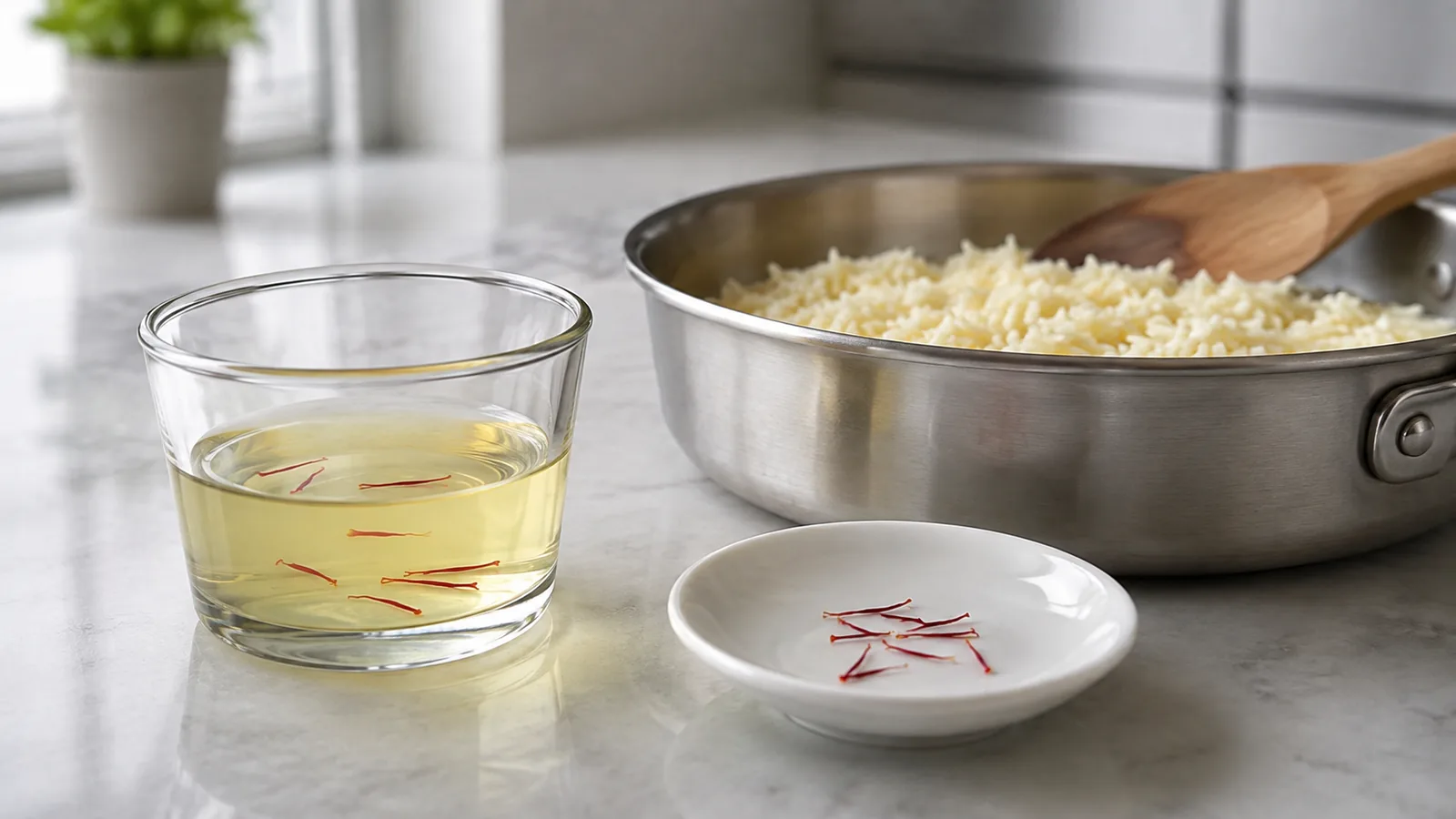
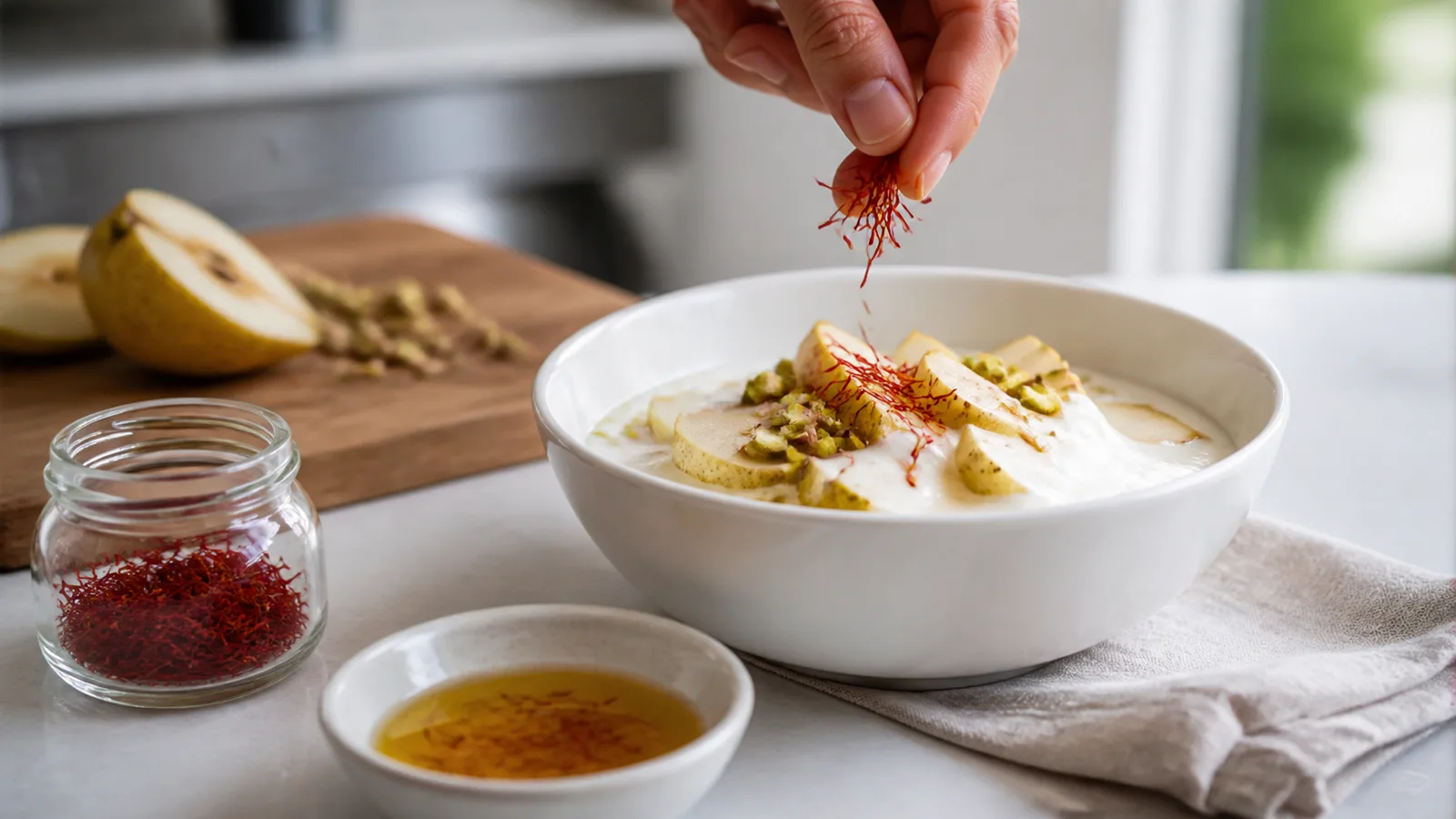
Use a few threads as a finishing garnish on yoghurt, custard, fruit, rice or a milk dessert. Crush them lightly between clean fingers if you want a more even distribution. Because a dry thread can feel wiry, soften saffron before serving it to someone who has difficulty chewing or swallowing.
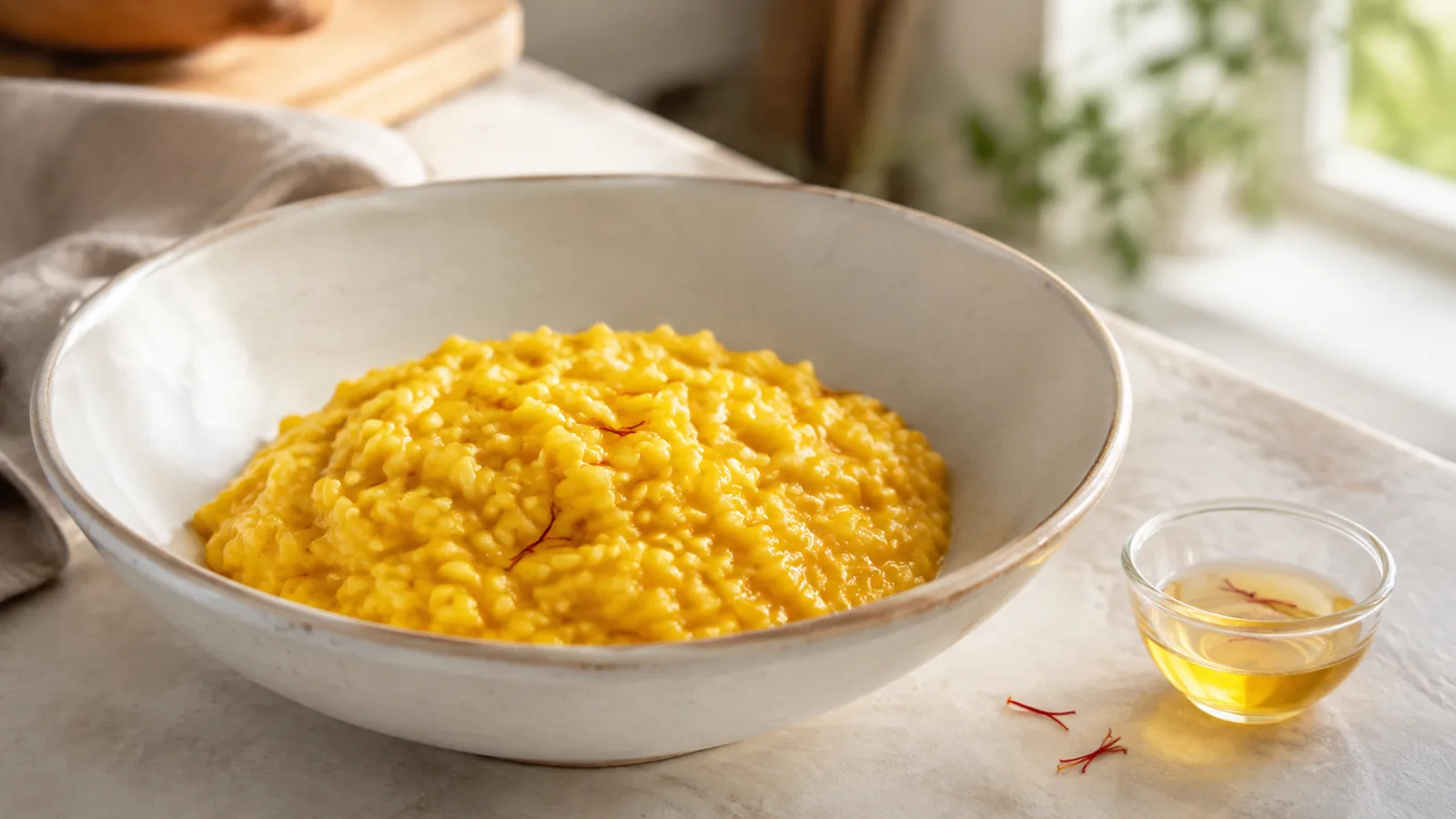
For fuller flavour, bloom a small culinary pinch in warm liquid, then add both liquid and threads to the dish. Smoothies can take bloomed saffron too, but strong fruit or spice can overwhelm it. Store the remaining threads airtight, dry and away from light and heat.
Conclusion
Can you eat saffron raw? Yes: a few genuine dried threads used as food are generally reasonable for most adults. There is no need to do so for a health advantage, and eating more is not better. Choose a traceable product, use a modest culinary amount and seek individual medical advice when pregnancy, medication or another risk factor applies.
For practical ways to release the aroma, see the best way to use saffron. You can also browse our culinary saffron.