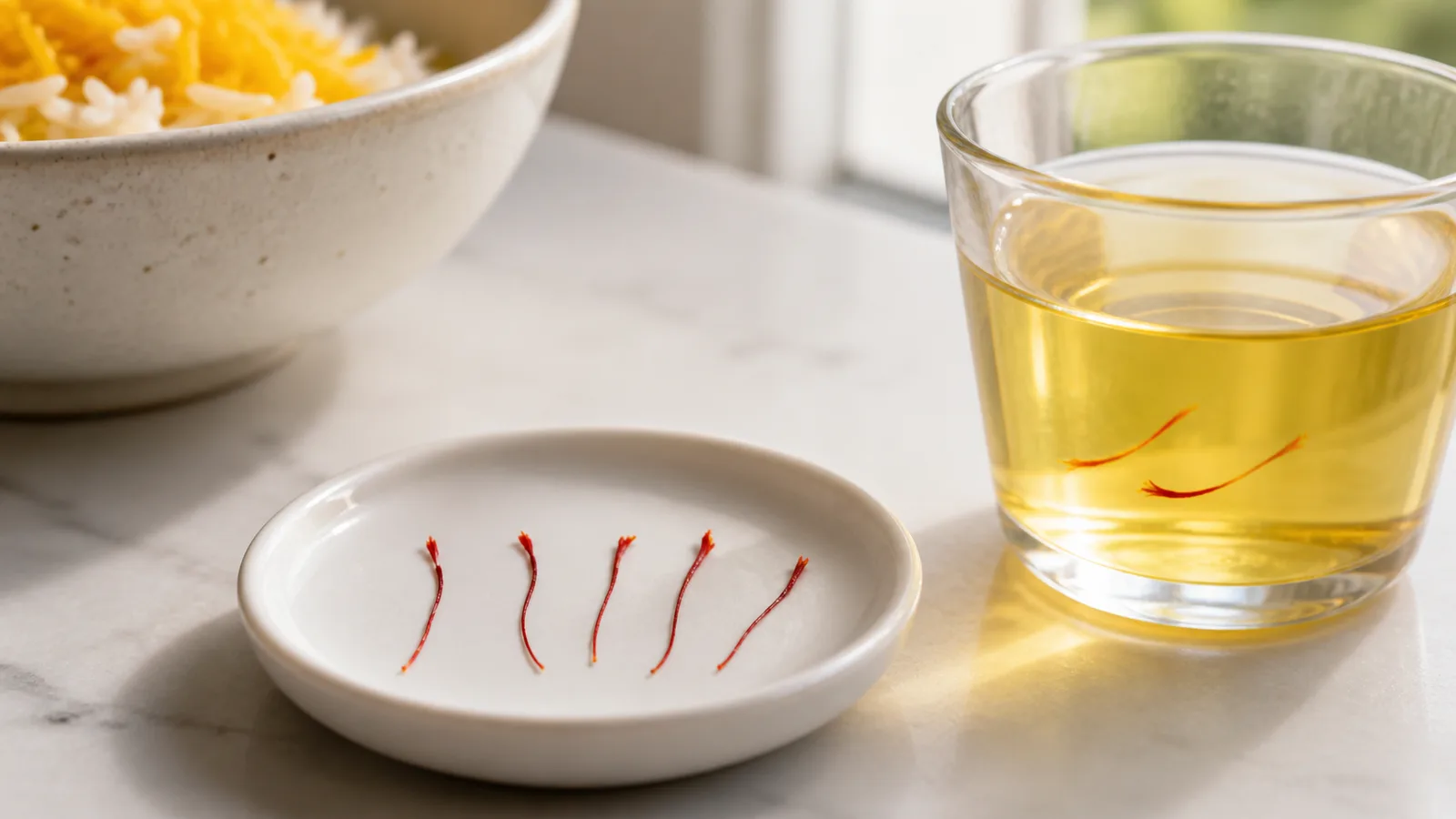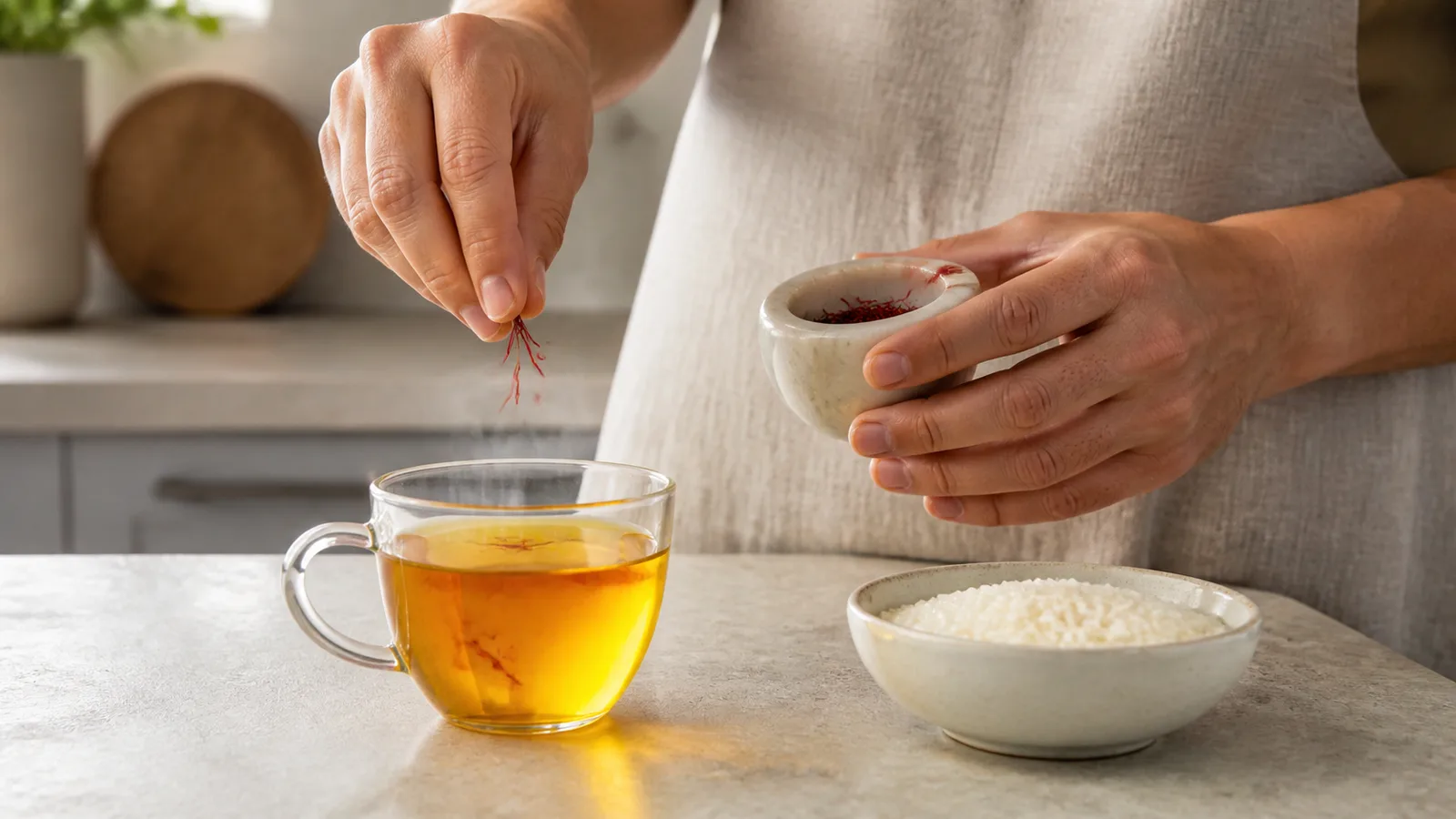
How do you take saffron orally? For cooking, the best way is to bloom a small pinch of genuine saffron threads in warm water or milk, then consume the liquid and softened threads with food or as a drink. You can also add crushed threads to a dish. Saffron supplements are a separate product and should be taken only as their label and a healthcare professional direct.
Saffron Oral Consumption Methods: How to Take Saffron Effectively
“How to take saffron” can mean two quite different things. Culinary saffron is used in modest recipe amounts for flavour and colour. Extract capsules contain a measured, often standardised preparation. A dose used in a study or printed on a supplement should never be converted into a handful of threads at home.
If you are asking how to consume saffron or how to eat saffron, the food methods below are the simplest place to begin. They preserve the spice’s aroma without turning a recipe into an improvised supplement.
Dosage: How Much Saffron Should You Take?
There is no authoritative universal number of saffron strands per day. Threads vary in size, moisture and strength, while powders and extracts are not equivalent. For food, use the small amount specified by a reliable recipe; often a pinch flavours several servings.
Advice to take one or two grams every day is not appropriate kitchen guidance. Larger amounts can cause nausea, dizziness, headache or allergic reactions, and very high exposure may be toxic. If you are using an extract, follow that exact product’s directions rather than guessing from culinary measures.
Soaking Saffron in Water or Milk
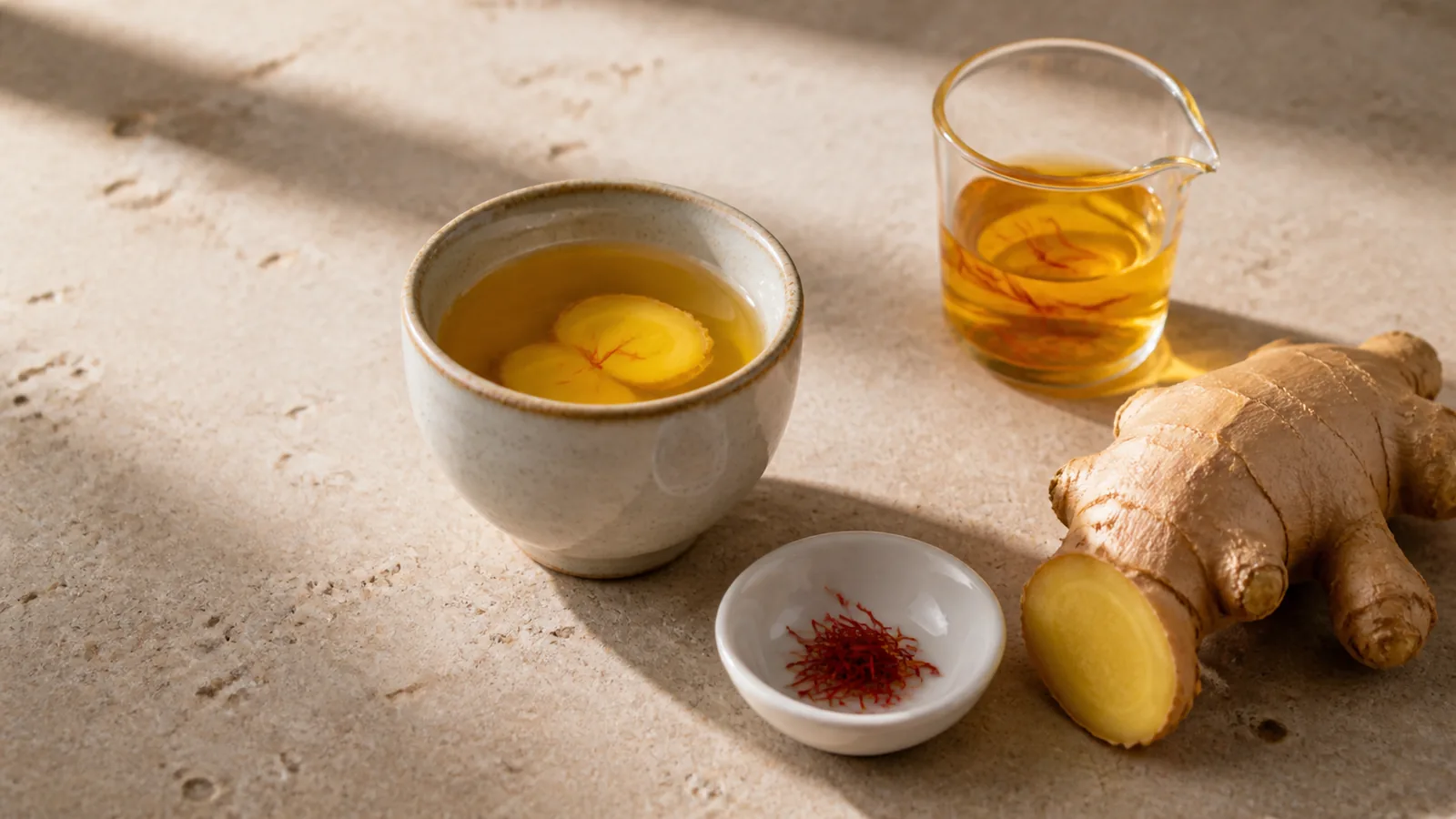
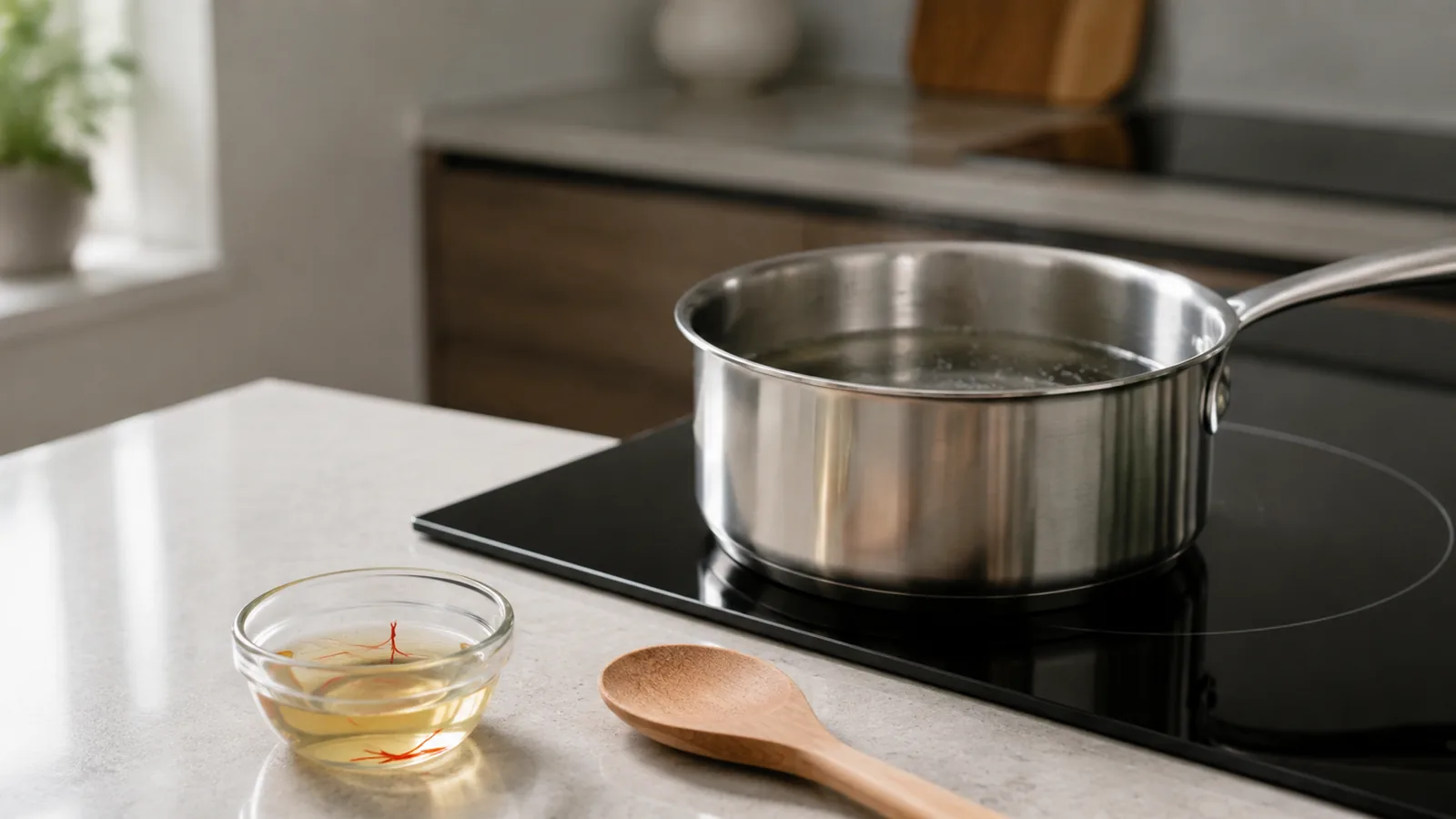
Lightly crush a small pinch of threads between clean fingers or with a mortar and pestle. Cover them with a few tablespoons of warm—not vigorously boiling—water or milk and leave them for 15 to 20 minutes. The liquid should gradually turn golden and smell floral and hay-like.
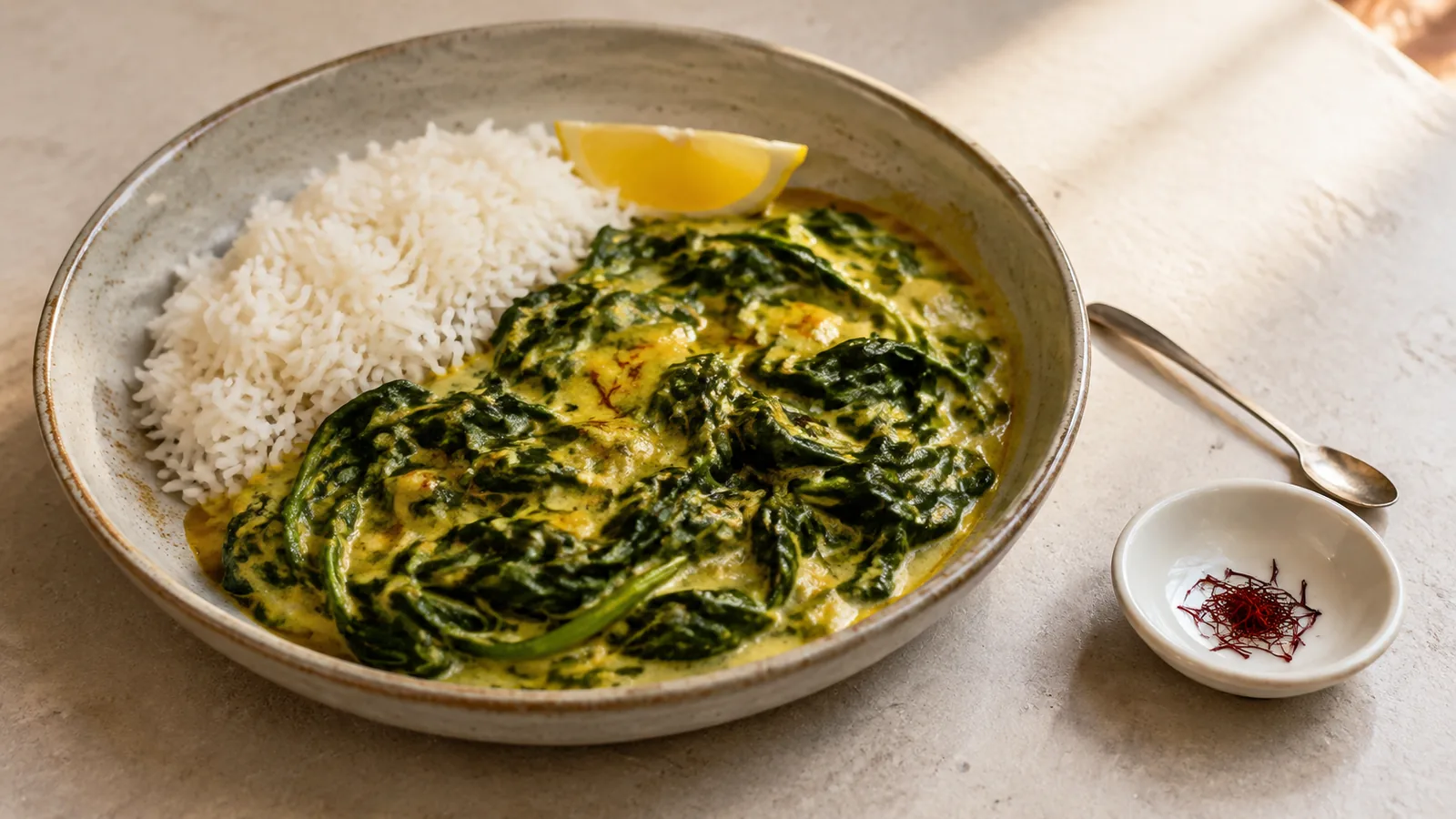
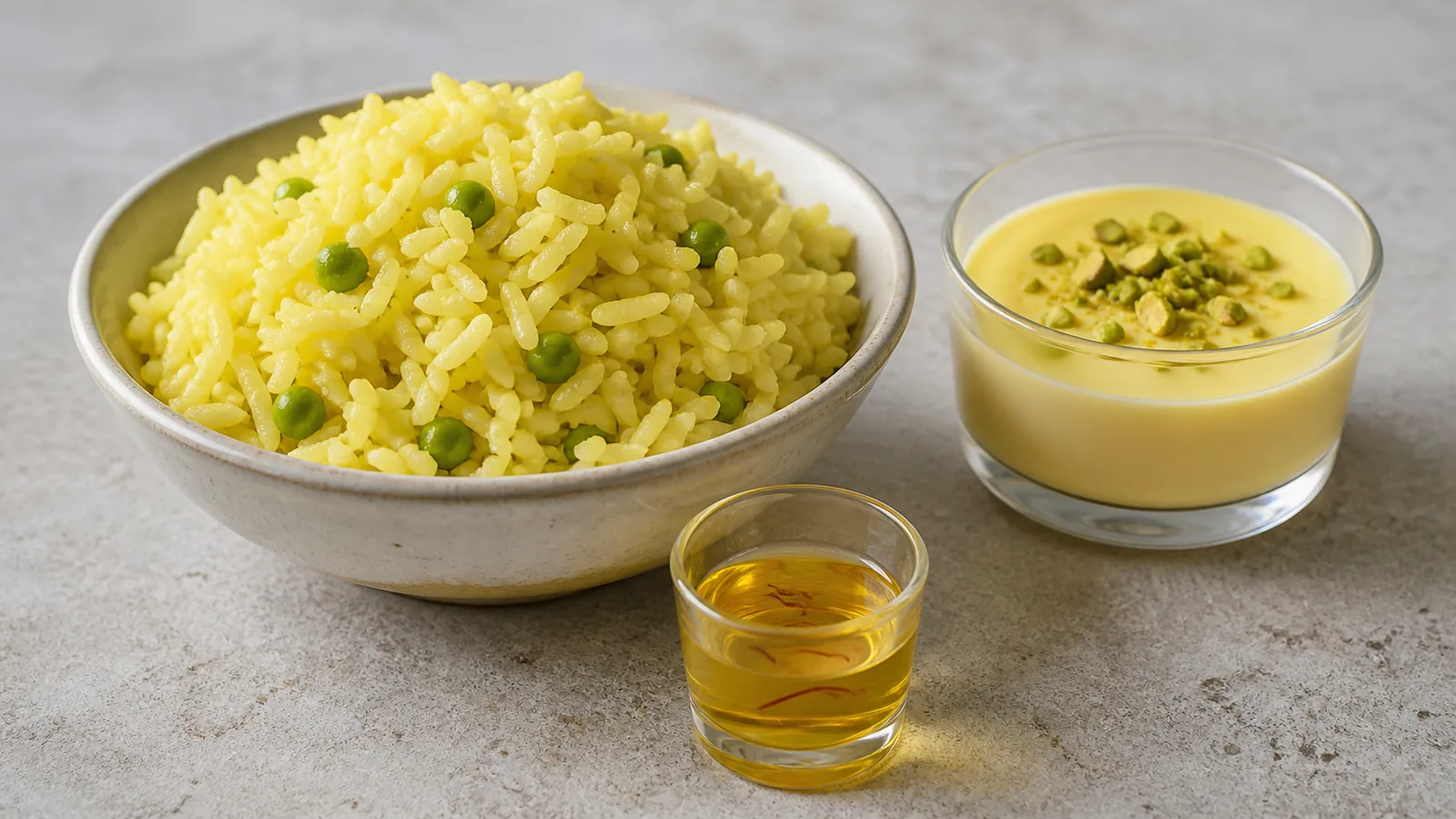
Drink the infusion, including the softened threads, or stir it into rice, soup, yoghurt or another dish. Water shows the aroma clearly; milk gives a richer drink. Neither method has a special empty-stomach advantage.
Making Saffron Tea
Put a few threads in a cup, add hot water and steep for about 10 minutes. Honey or lemon is optional and changes flavour rather than making the saffron medicinally stronger. If you use other tea leaves or spices, keep them restrained so they do not bury saffron’s aroma.
There is no proven best time of day to drink saffron tea. Choose a time that suits you, and avoid turning a pleasant drink into a promise to treat stress, digestion or poor sleep.
Adding Saffron Powder to Food
Powder disperses quickly in rice, sauces, soups and desserts. It is also easier to adulterate and harder to judge by sight, so buy it sealed from a traceable seller. Use only a pinch; adding more can make food bitter.
Whole threads can be crushed just before use, which preserves aroma and lets you inspect what you bought. They may be eaten after blooming or left as a garnish. There is no established benefit to holding saffron under the tongue, and dry threads are awkward for anyone with swallowing difficulty.
Taking Saffron Supplements
If your question is how to take saffron as a supplement, read the label for the exact extract, serving size and warnings. Do not combine several saffron products or copy the dose from a trial that used a different formulation. “Saffron extract” does not describe one standard strength.
Saffron with or without food? A supplement may generally be taken either way unless its label says otherwise. Taking a capsule with food may be more comfortable for someone who develops nausea. The best time to take a saffron supplement is the labelled time you can follow consistently, not a universal morning or night rule.
Speak with a doctor or pharmacist before concentrated use during pregnancy or breastfeeding, before surgery, or if you take medicines or have a bleeding condition, low blood pressure, allergies, or a significant health condition.
Precautions and Side Effects
Stop using saffron and seek urgent help for breathing difficulty, facial swelling, fainting or another severe reaction. Repeated nausea, dizziness, headache or unusual bleeding is a reason to stop and obtain advice rather than increasing or changing the dose yourself.
A review of saffron toxicology discusses dose-related adverse effects and pregnancy concerns, while also noting limits in the human evidence. That uncertainty supports moderate culinary use and extra care with concentrated products.
Conclusion
The best way to take saffron for food is simple: bloom a small culinary pinch, then use the infusion and threads in a meal or drink. Supplements need product-specific instructions. More is not better, and a pleasant spice should not be treated as a shortcut around medical care.
For a food-focused alternative, see the best way to eat saffron, or browse our saffron products.