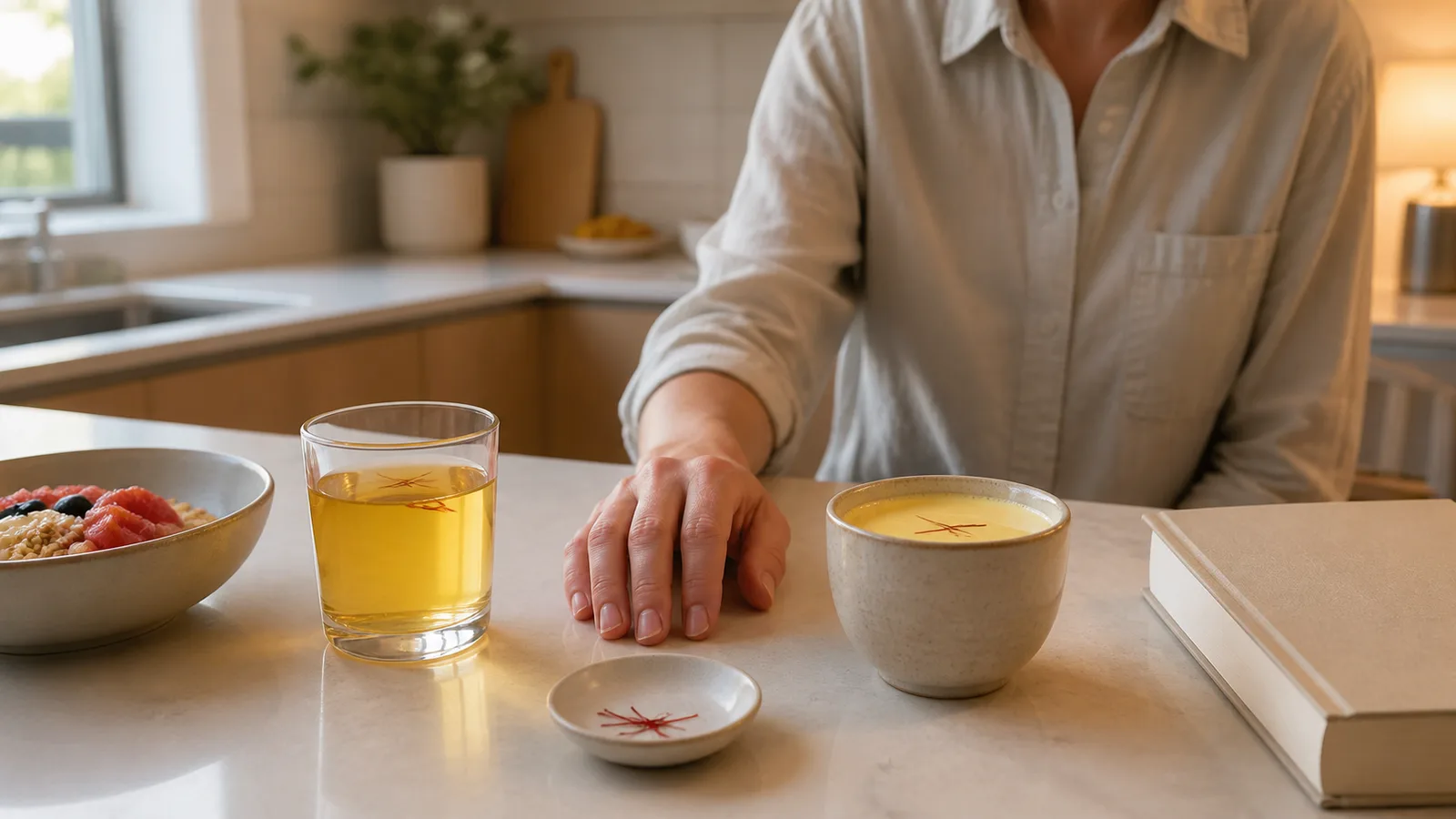
When should I take saffron, morning or night?
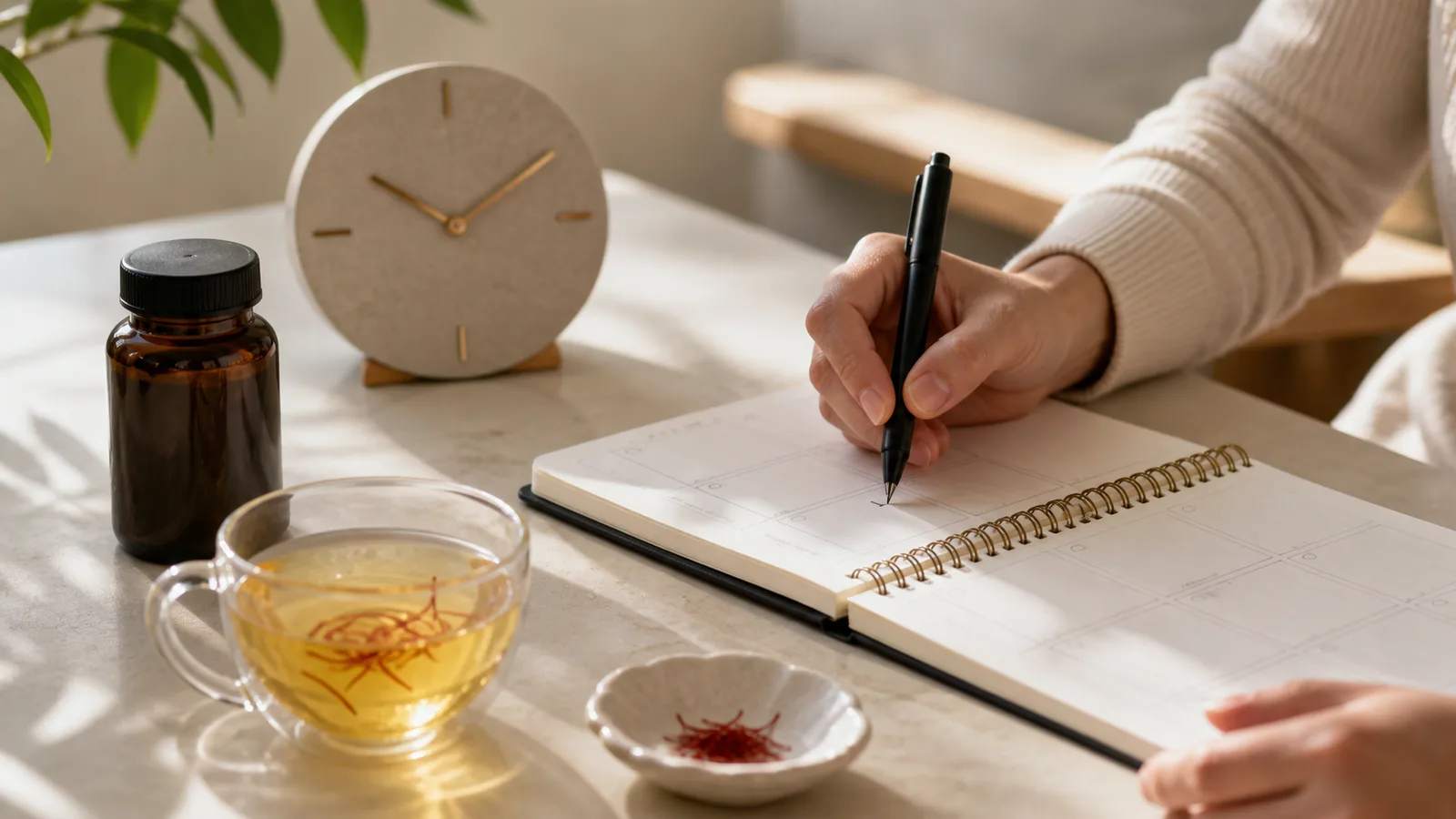
There is no universally best time to take saffron. Morning or night can both work; the better choice is the time that fits the form ... Read More...




There is no universally best time to take saffron. Morning or night can both work; the better choice is the time that fits the form ... Read More...
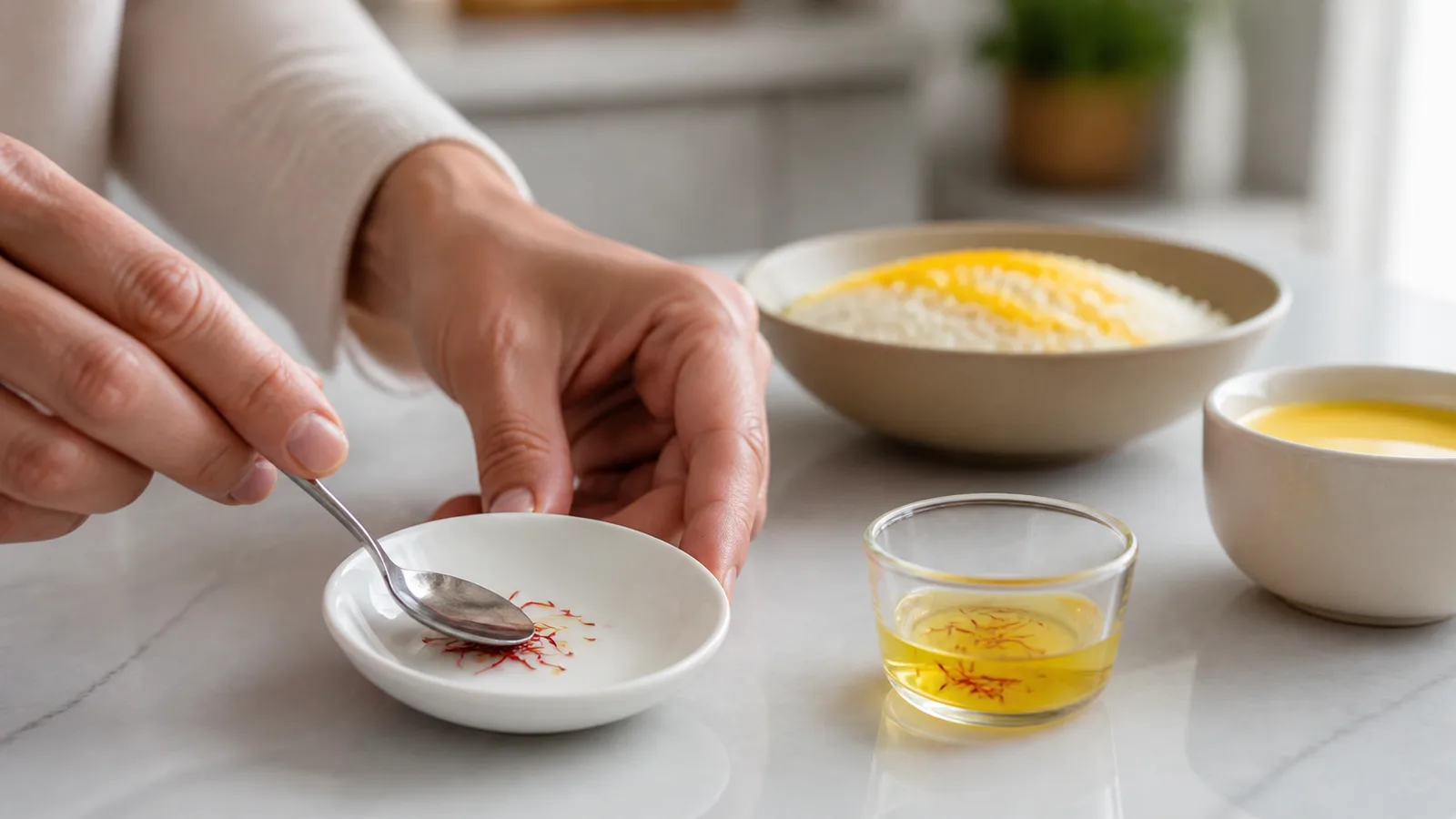
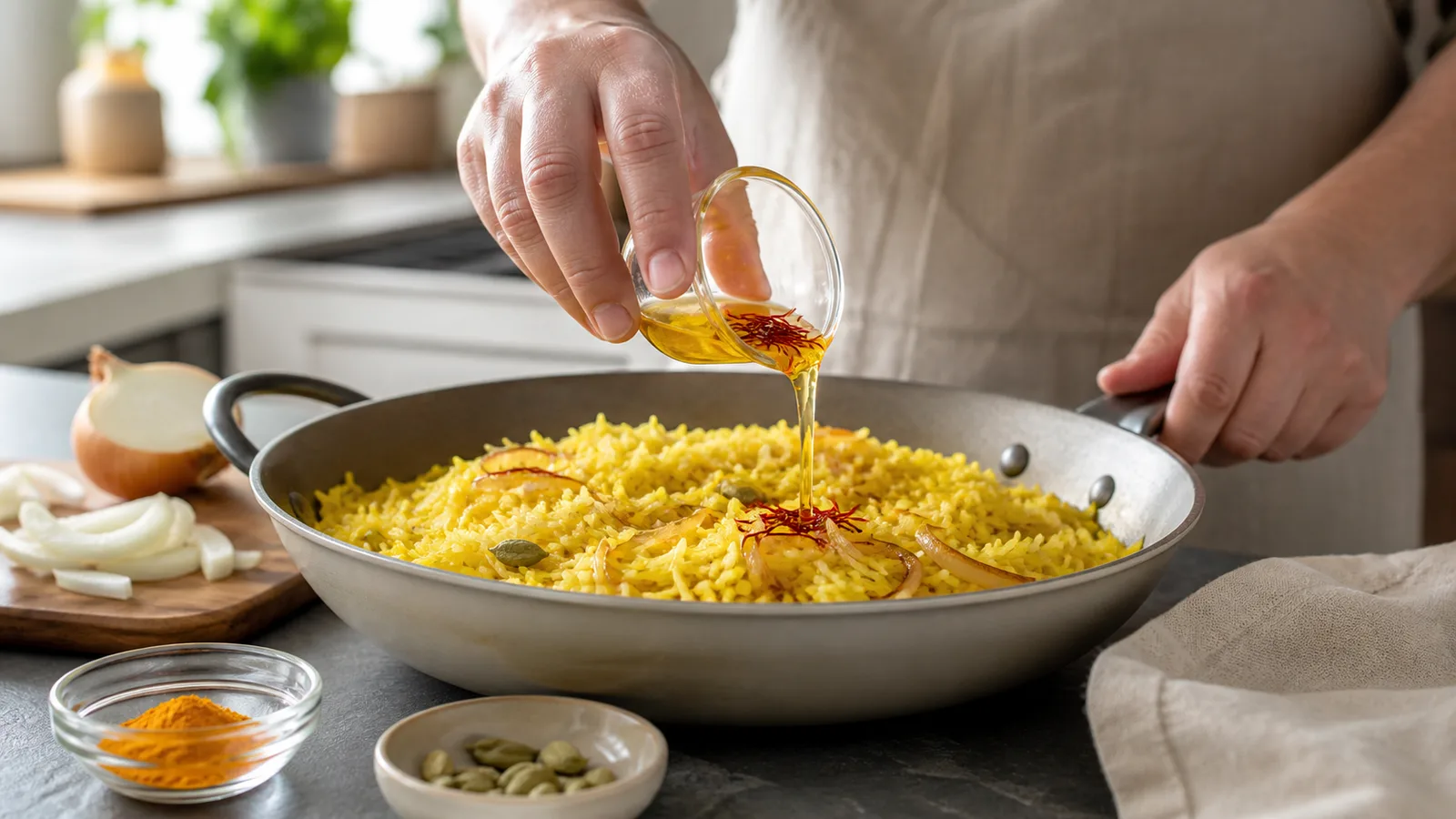
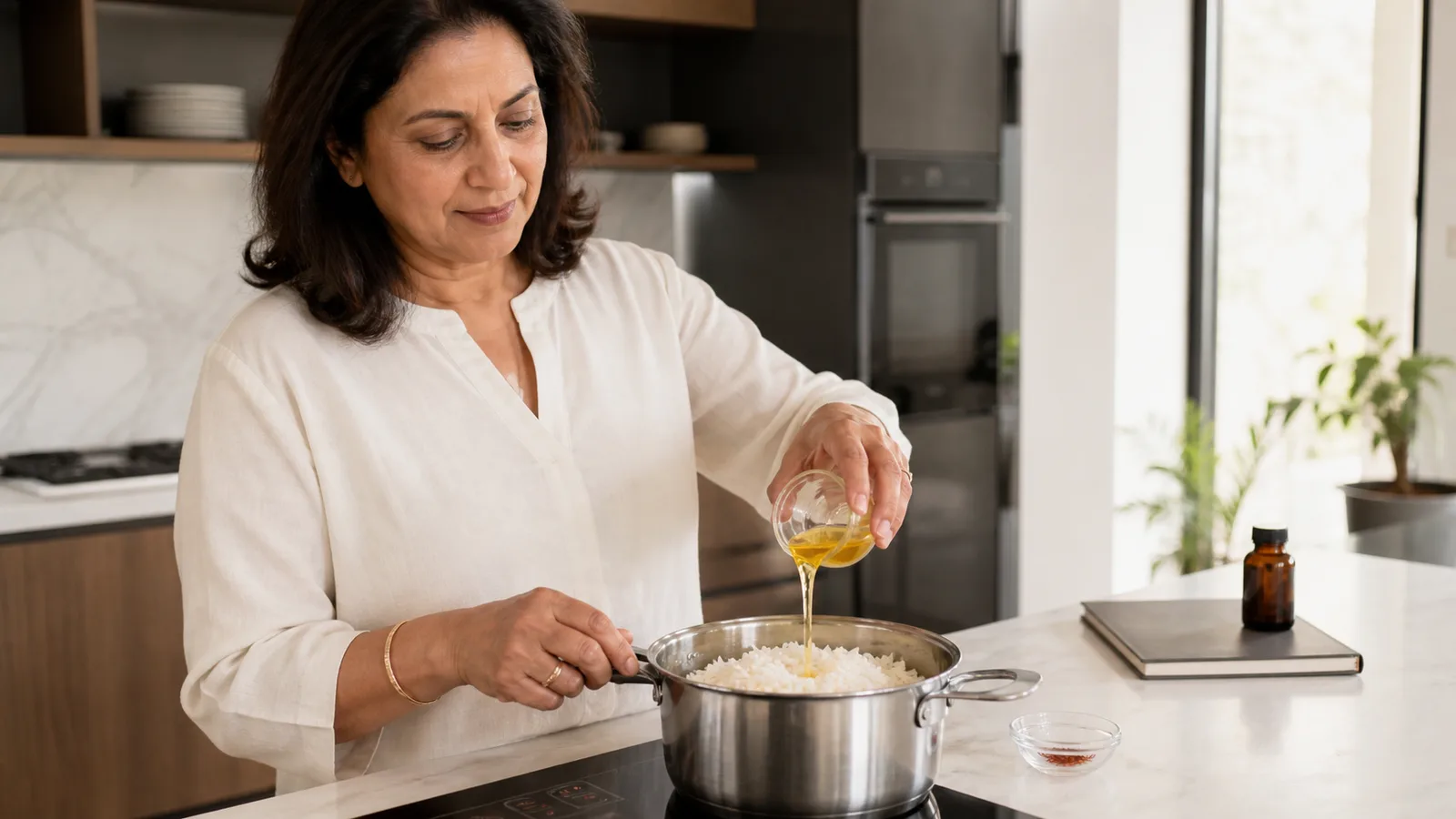
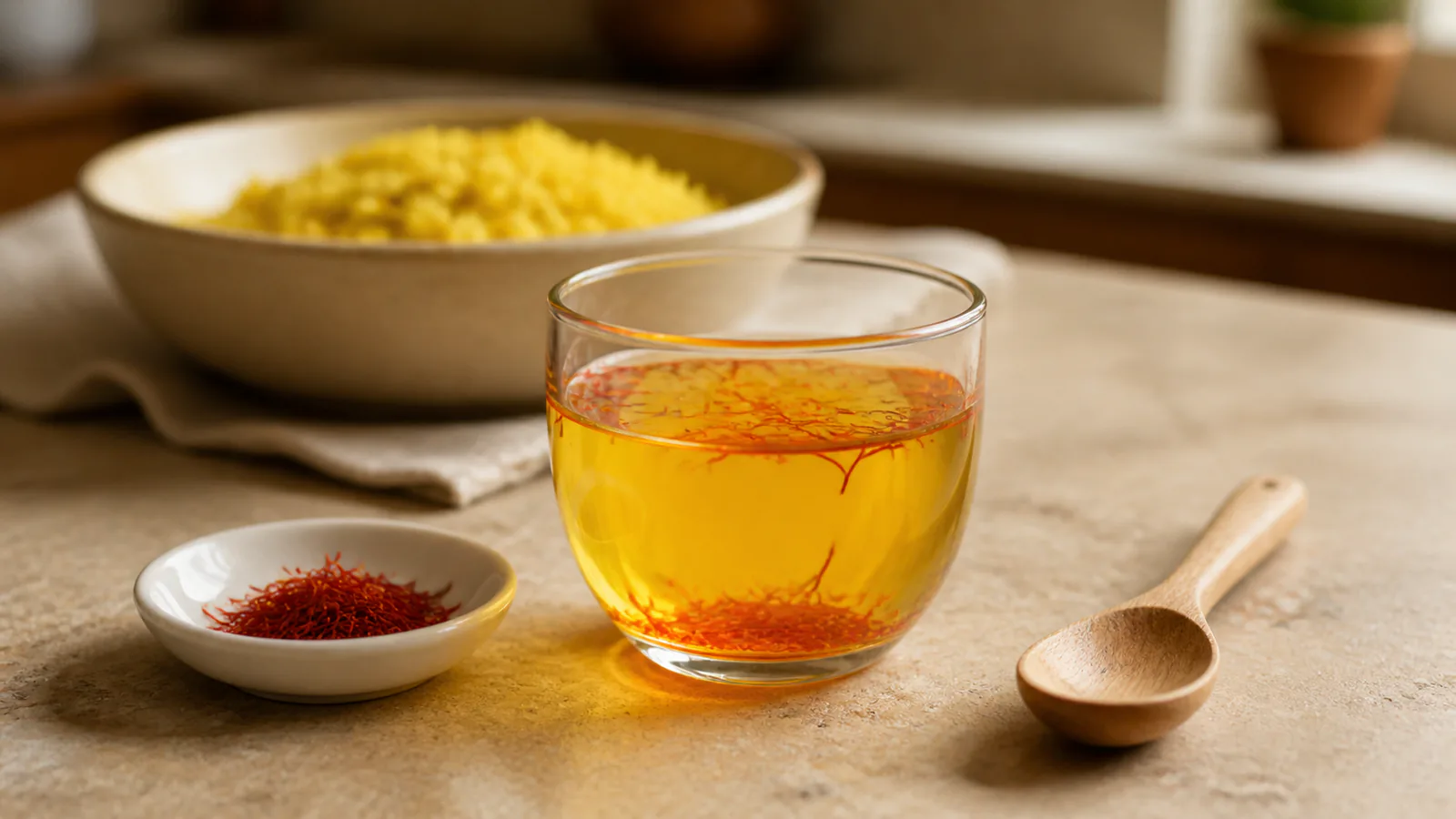
The best way to consume saffron every day is to use a small culinary amount, bloom it in warm liquid, and add that infusion to ... Read More...
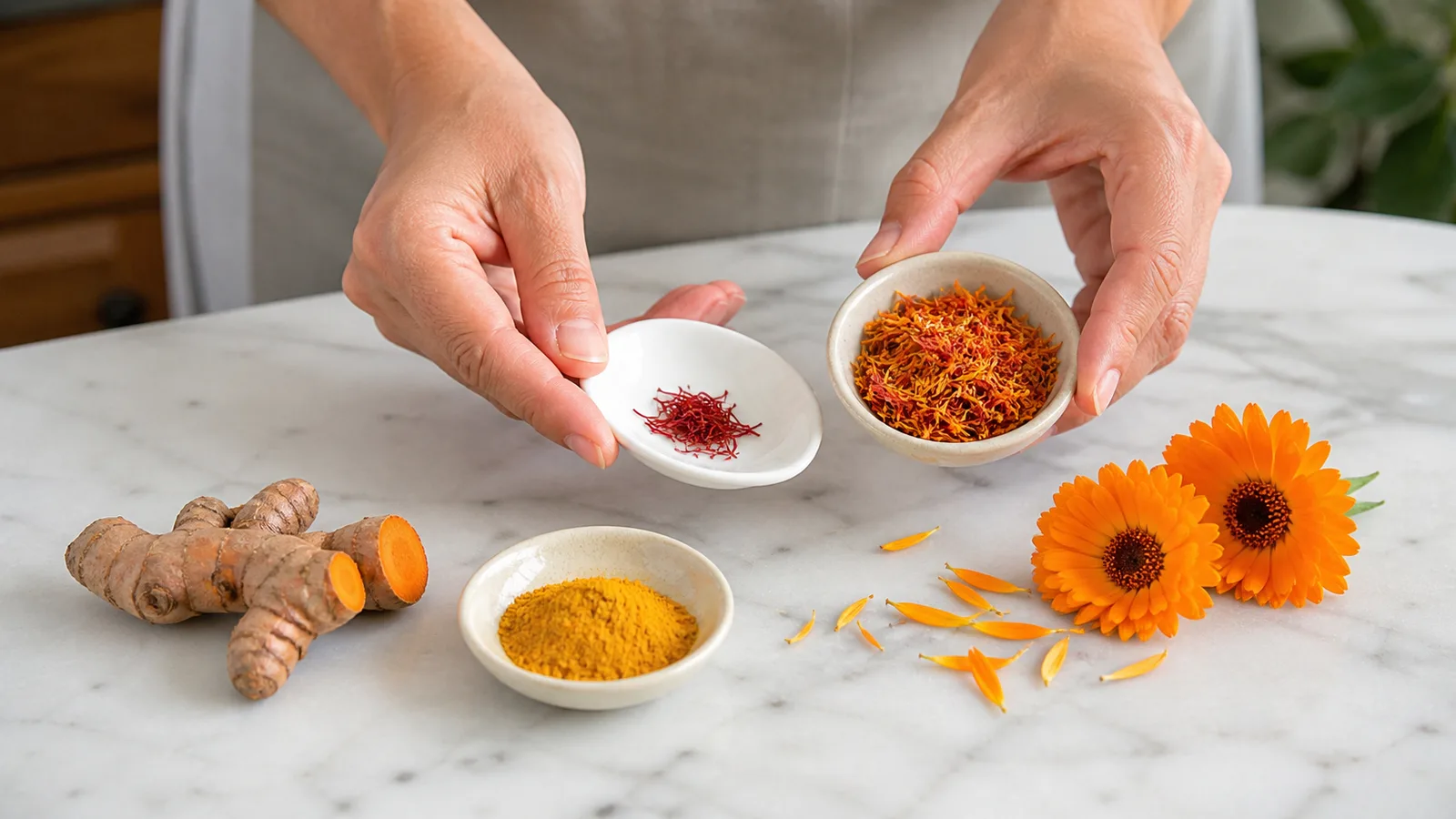
Yes, you can mix turmeric and saffron together in food and drinks. They are different spices with complementary colour but very different flavours: turmeric is ... Read More...
“Poor man’s saffron” is an informal name, not one specific spice. It most often refers to safflower, whose orange-red petals can add colour at a ... Read More...
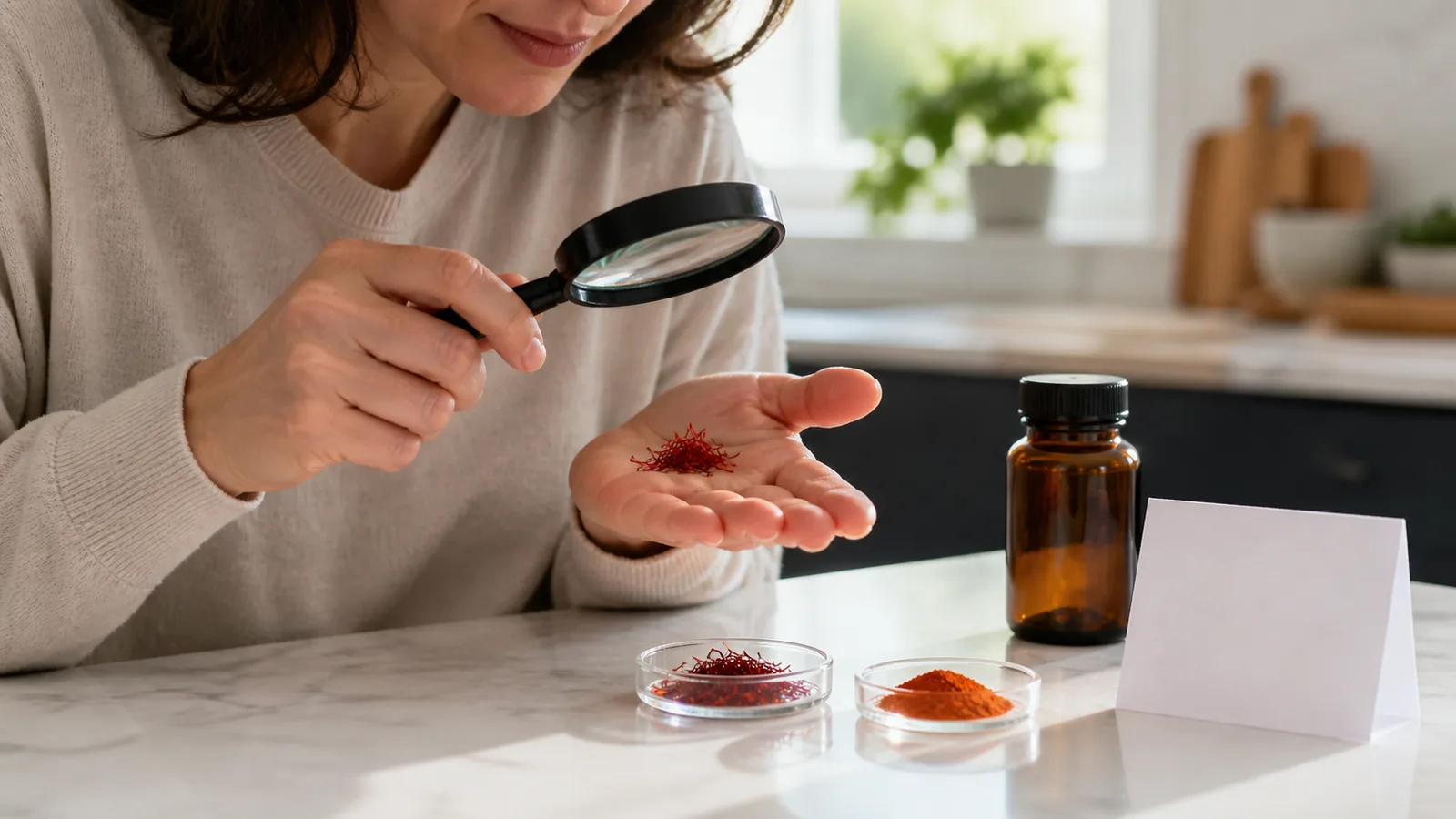
The main disadvantages of saffron are its high price, uneven product quality and the uncertainty that comes with concentrated supplements. Culinary amounts are generally well ... Read More...
You do not have to avoid saffron forever. Small culinary amounts can be part of ordinary cooking. The concern is daily use of a concentrated ... Read More...
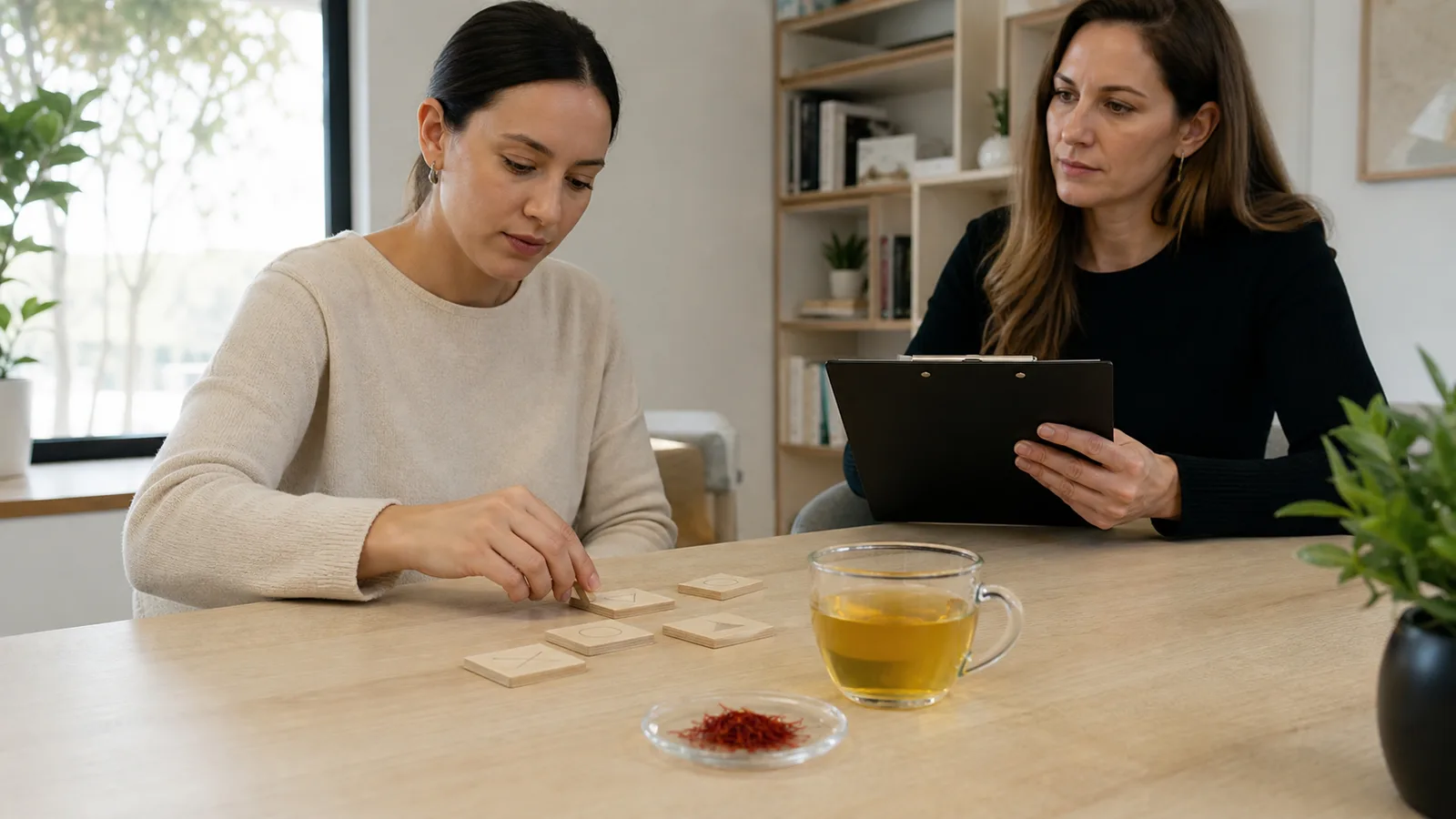
Saffron may affect the brain through several biological pathways, but human research measures outcomes such as mood scores and memory tests—not a visible “boost” in ... Read More...
Normal culinary use of saffron is not known to be hard on the liver for most healthy adults. That does not mean saffron “detoxes,” protects ... Read More...
Saffron does not have one dependable “working” time in the body. Its aroma, taste and colour are noticeable as soon as you eat or drink ... Read More...
The “magical properties of saffron” are a mixture of sensory qualities, cultural tradition and health claims of very different strength. Saffron can transform a dish ... Read More...