The best way to consume saffron every day is to use a small culinary amount, bloom it in warm liquid, and add that infusion to food or a drink you already enjoy. Blooming draws out the colour and aroma more evenly than swallowing dry threads.
You do not need to take saffron on an empty stomach, and there is no requirement to consume it daily for health. If you choose regular use, food-sized quantities are a different decision from a concentrated extract or supplement.
How to consume saffron for the best flavour
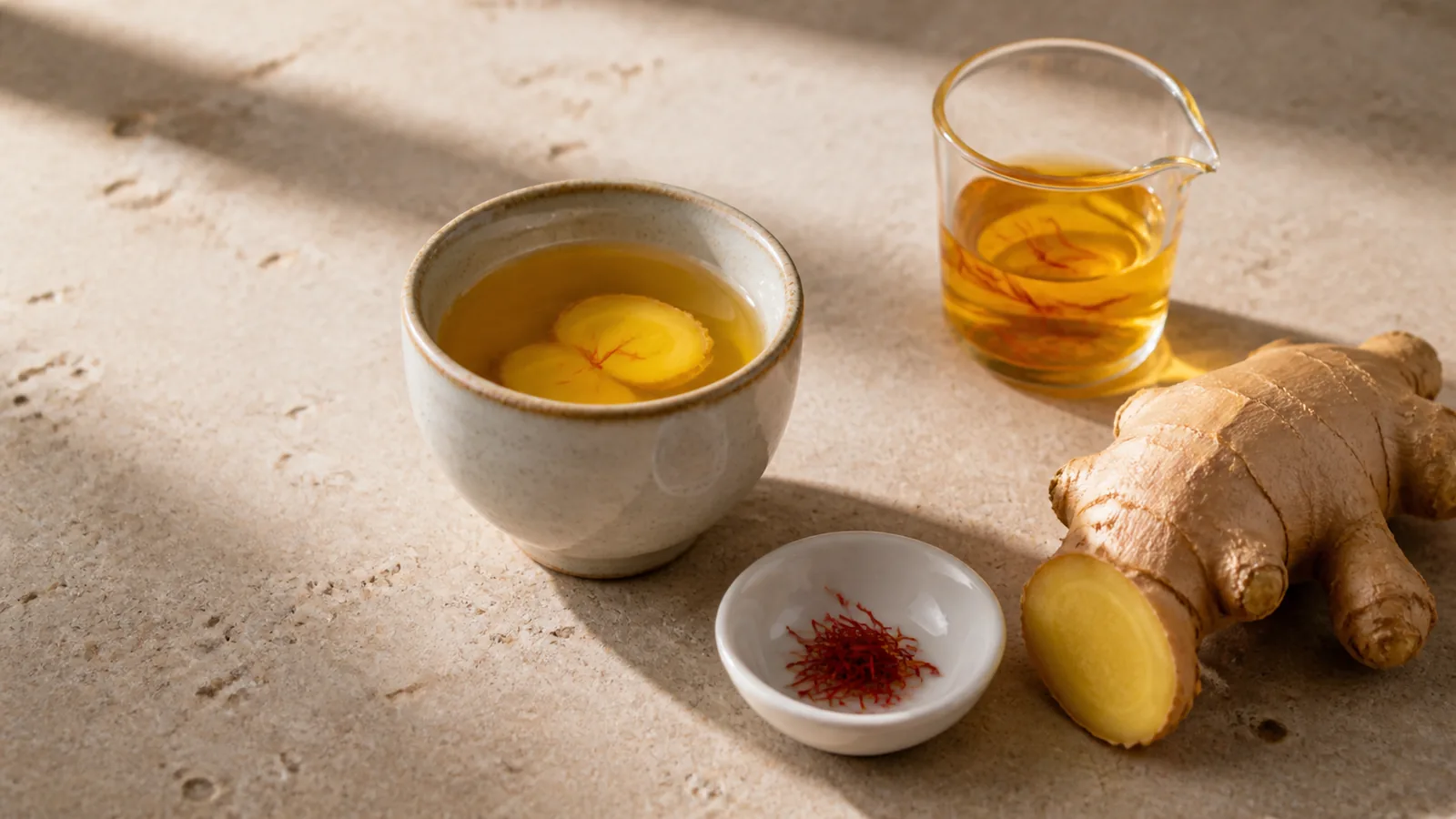
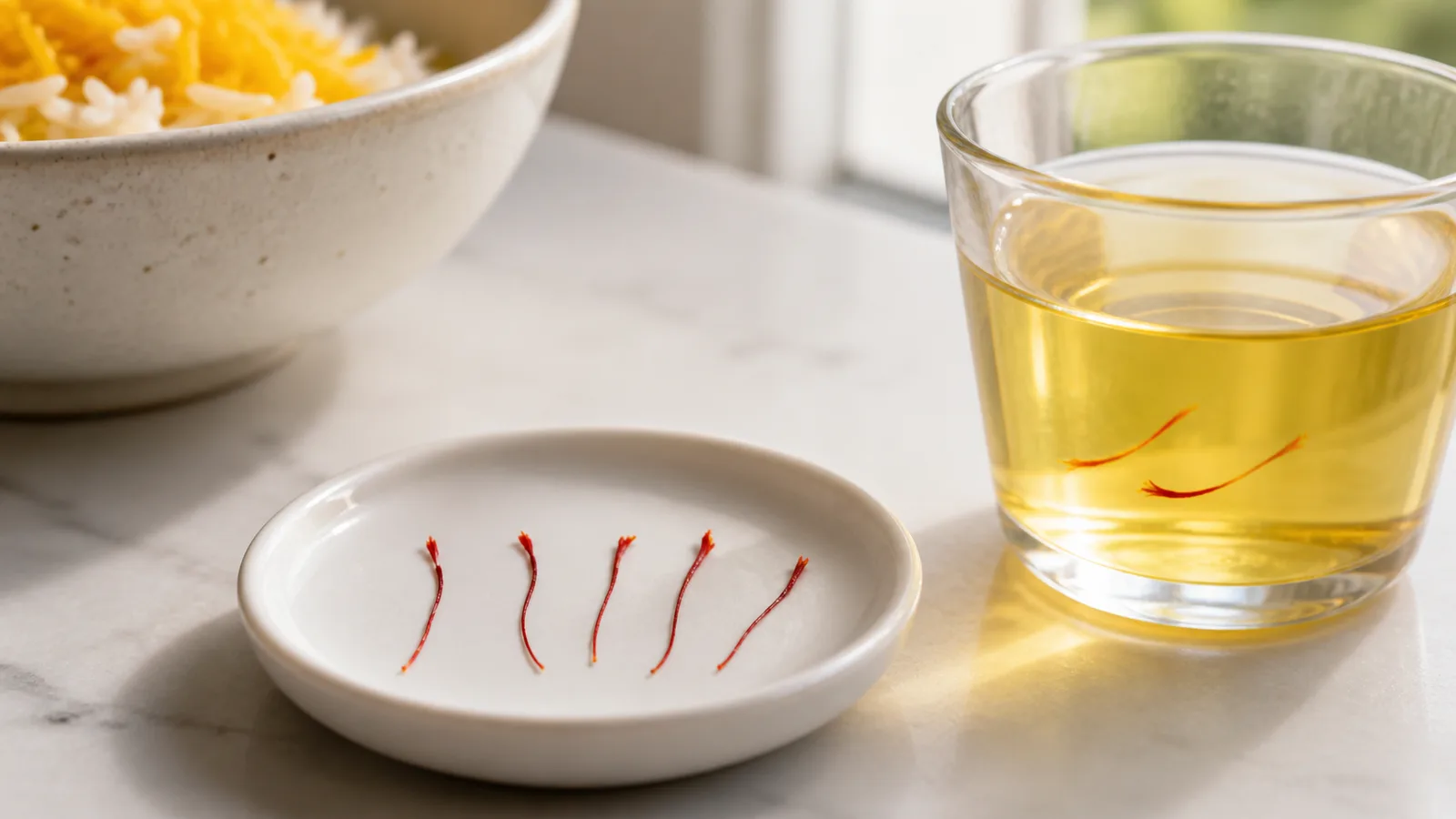
- Put a modest pinch of saffron threads on a clean surface. For a dish serving four, roughly 12–20 threads is a practical starting point.
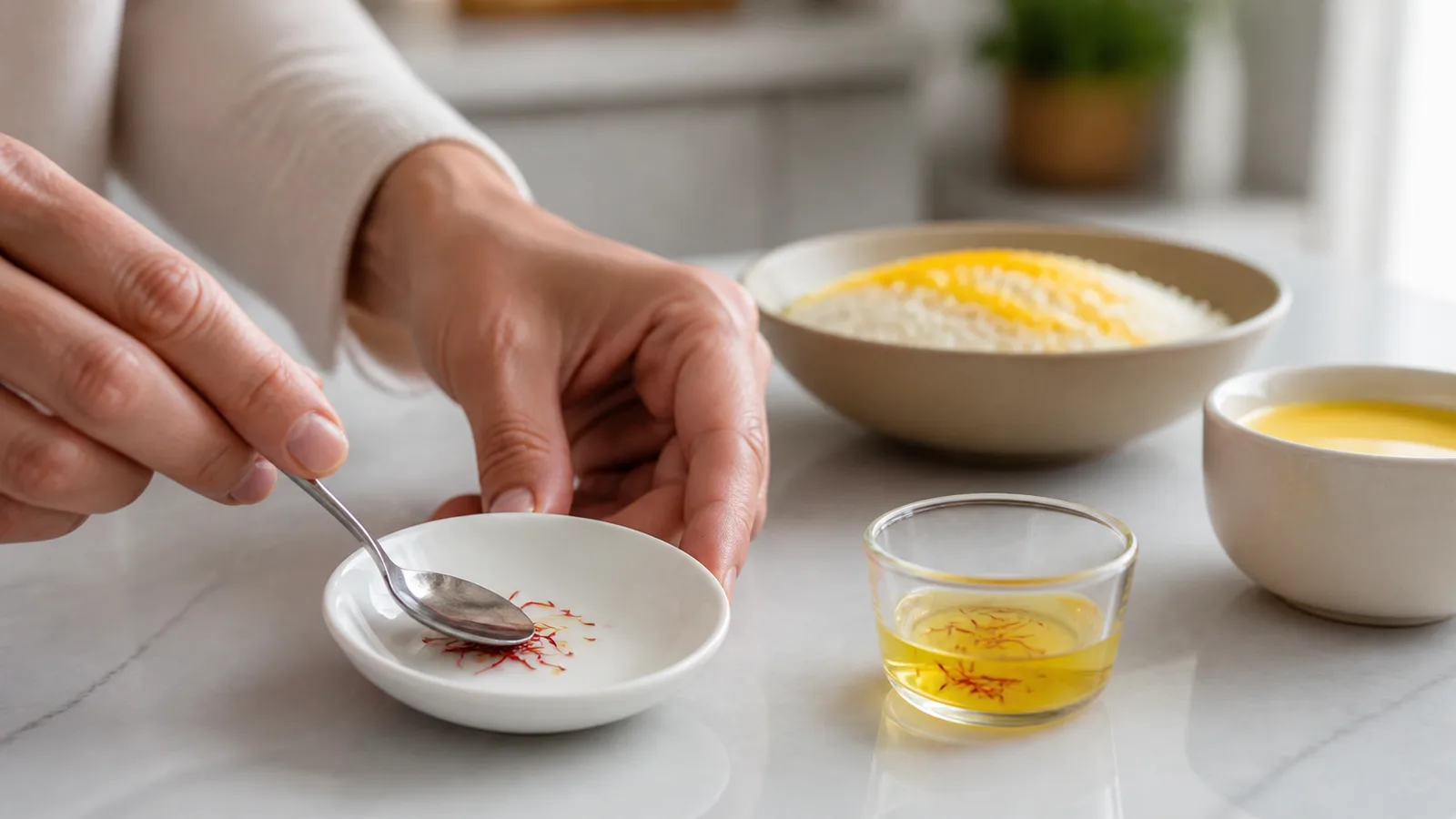
- Lightly crush the threads with clean fingers or the back of a spoon. A powder is not necessary.
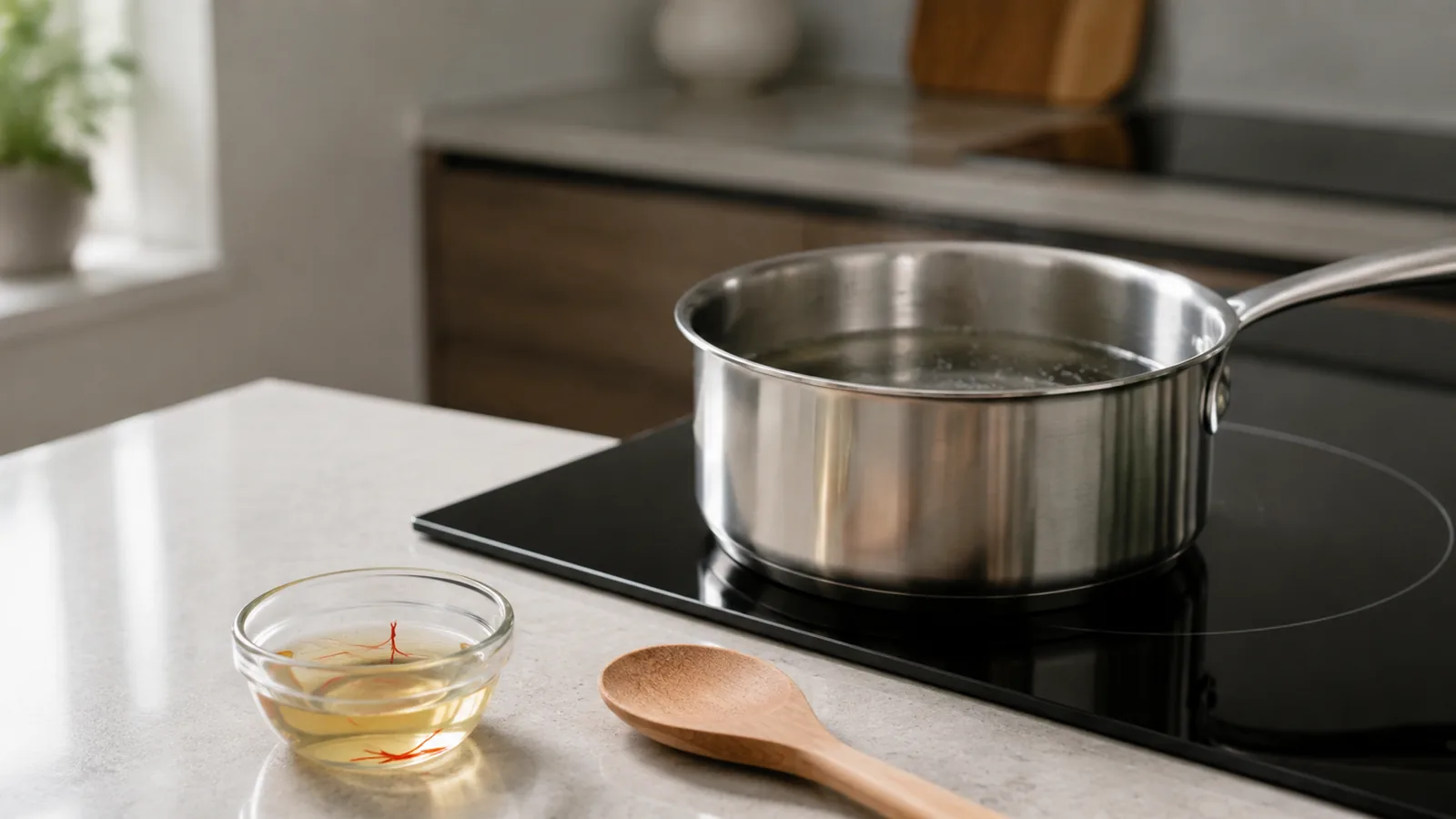
- Add two to three tablespoons of warm water, milk or stock. It should be warm rather than boiling.
- Leave it for 10–15 minutes, until the liquid becomes fragrant and golden.
- Add the liquid and threads to the recipe. For a delicate dish, add it late enough to preserve more aroma.
This method is useful for rice, soups, stews, sauces, milk drinks and baking. It is a kitchen technique, not a way to create a medical dose.
What is the best way to drink saffron?
For a simple saffron drink, steep a few lightly crushed threads in a cup of warm water for 10–15 minutes. Drink it with or without food according to comfort and preference. Morning use on an empty stomach has not been shown to unlock special effects, boost metabolism or provide guaranteed energy.
Saffron milk, often called kesar doodh, is made the same way: infuse a few threads in a spoonful of warm milk, then stir it into the rest of the cup. Cardamom or cinnamon can complement the flavour. It may be a pleasant bedtime drink, but that does not guarantee better sleep, skin changes or an anti-inflammatory effect.
Tea can carry saffron well when the other flavours are restrained. A cold smoothie usually masks its aroma, so it is rarely the best value for an expensive spice.
Can we eat saffron directly?
Yes, food-grade saffron threads can be eaten directly in a small culinary amount. They are not a seed, shell or inedible garnish. The drawback is that dry threads release their aroma and colour less evenly, so blooming usually gives a better result.
If you are learning how to eat saffron threads, try crumbling a few over yoghurt, porridge or a finished rice dish after a short soak. How to consume kesar, how to eat kesar and how to eat saffron are the same question: kesar is a common name for saffron.
How to use saffron in everyday food
Rice, soup and stews
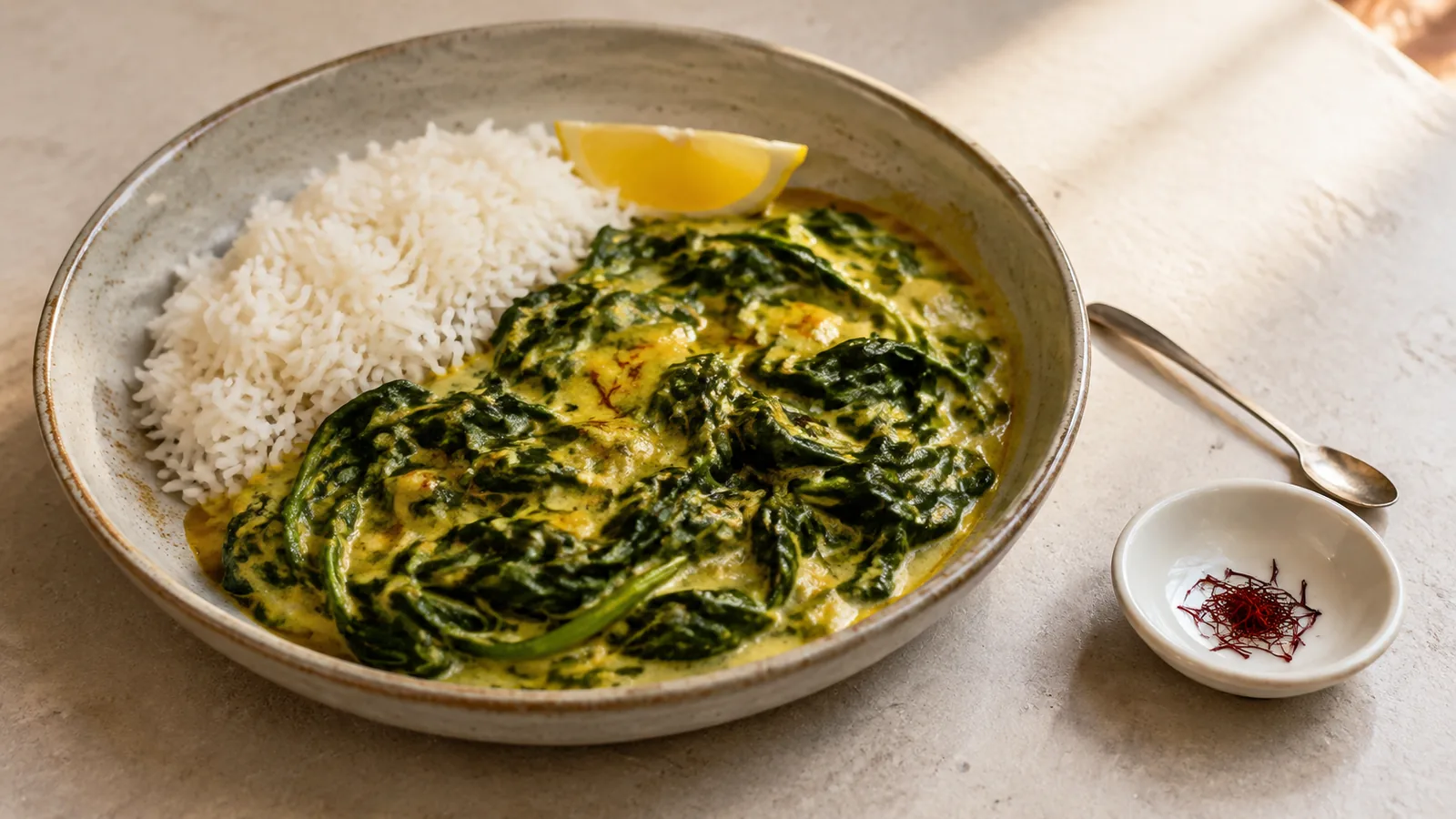
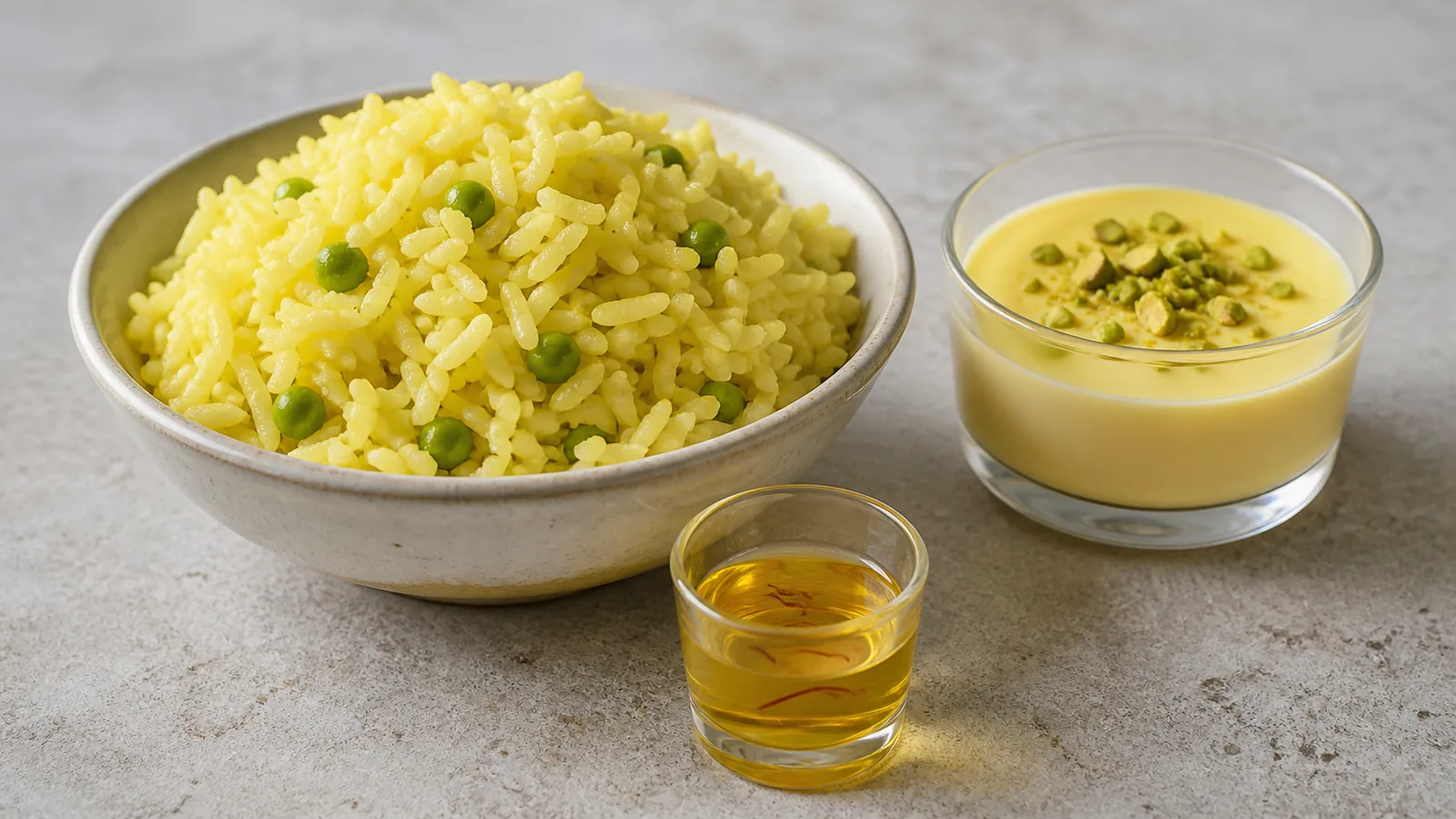
Stir the infusion through rice near the end of cooking, or add it to a mild soup or stew where the aroma will remain noticeable. Strong chilli, smoke or heavy spice blends can overwhelm it.
Baked goods
Infuse the saffron in part of the recipe’s milk or water, then add that liquid with the wet ingredients. This distributes the colour without leaving concentrated red spots.
Tea and desserts
Saffron pairs well with cardamom, rose, vanilla, citrus, pistachio and almond. Keep the supporting flavours balanced so the saffron still has a purpose.
How much saffron should you use daily?
There is no official daily requirement for saffron and no universal number of threads that suits every recipe or person. Thread length, moisture and strength vary. Use enough to flavour the food, not enough to chase a stronger colour or health result.
Clinical studies often use a measured, standardised extract for a set number of weeks. That milligram amount cannot be recreated reliably by counting culinary threads, and a trial protocol is not a general recommendation. Questions phrased as “how to intake saffron,” “how to take saffron” or “saffron how to consume” still need this food-versus-supplement distinction.
Saffron daily consumption: benefits and safety
Saffron adds flavour and enjoyment, but consistency alone does not prove that it improves digestion, metabolism, energy, mood, sleep or skin. Research findings depend on the exact preparation and population. A cup of saffron water should not be presented as treatment.
A 2026 systematic review of saffron adverse events found studied preparations generally well tolerated, with gastrointestinal problems the most commonly reported effects. The review also noted that higher-dose or prolonged medicinal use may justify monitoring. That conclusion does not create one safe daily dose for every product.
Talk with a doctor or pharmacist before daily supplement use if you take medicines, are pregnant or breastfeeding, are preparing for surgery, have a significant health condition or previously reacted to saffron. Stop a new product if it causes a concerning symptom.
A practical routine
Buy identifiable saffron threads, keep them airtight and away from heat, light and moisture, and bloom only what the recipe needs. Rotate among rice, savoury dishes, milk or tea if you like the variety. The best routine is the one that preserves saffron’s aroma, fits your food and does not turn a spice into an unsupported health promise.