Yes, you can mix turmeric and saffron together in food and drinks. They are different spices with complementary colour but very different flavours: turmeric is earthy and slightly bitter, while saffron is floral, warm and delicate. The practical trick is to use much less turmeric than you might expect so it does not hide the saffron.
The combination can make a fragrant rice dish, soup or warm milk. It does not automatically create stronger health effects, and evidence about each spice on its own cannot be added together to prove “synergy.”
Are turmeric and saffron the same thing?
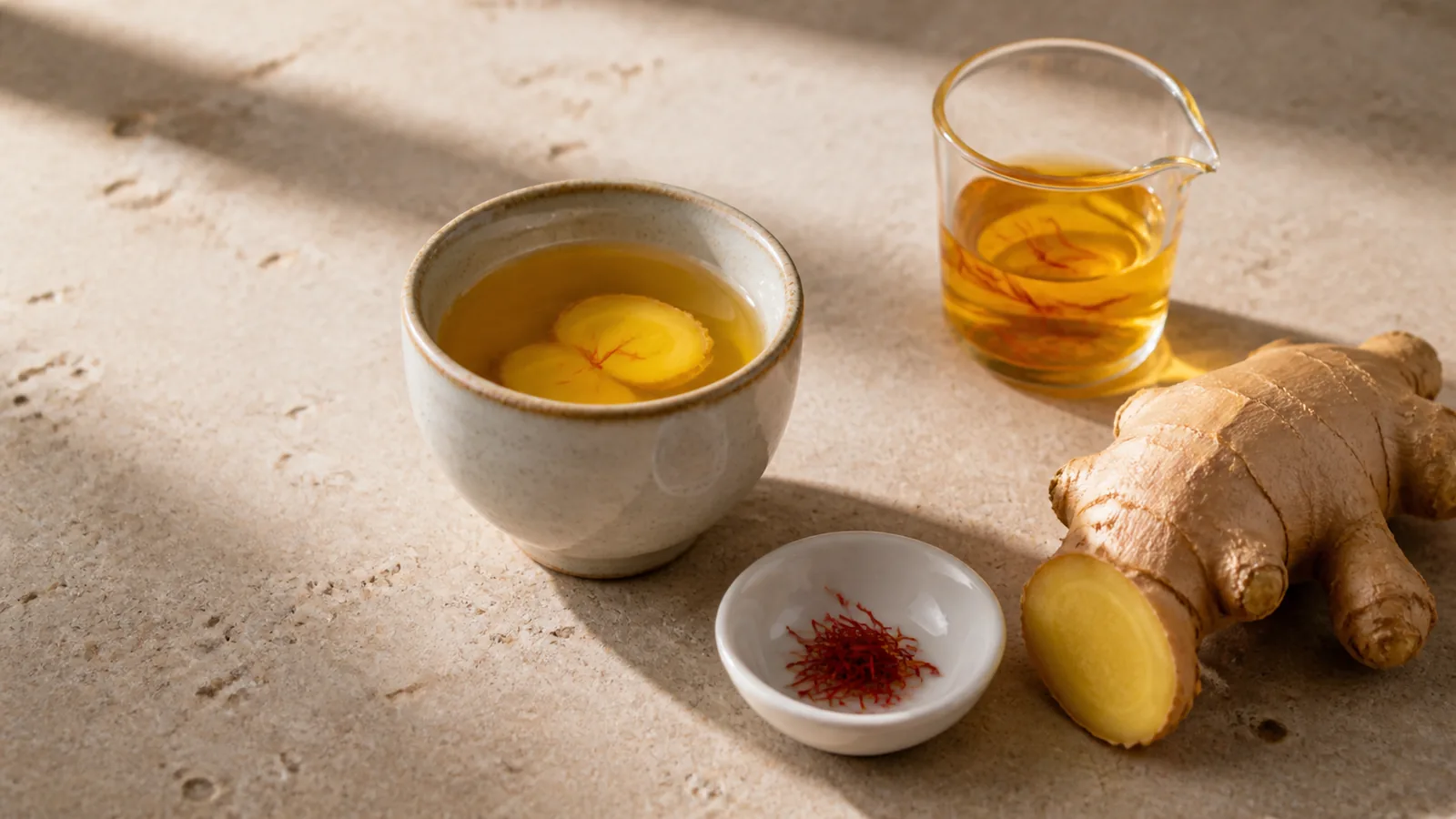
If you are asking “is turmeric and saffron the same?”, the answer is no. Turmeric comes from the rhizome of Curcuma longa, a plant in the ginger family. The familiar yellow powder contains curcuminoids, including curcumin. Saffron is made from the dried red stigmas of the Crocus sativus flower; crocins contribute its colour, while compounds including picrocrocin and safranal help shape its taste and aroma.
This turmeric and saffron difference matters in the kitchen. Turmeric disperses as a powder and quickly turns a whole dish yellow. Saffron threads release colour and aroma gradually when they are infused. One cannot be used as a direct substitute for the other.
What are the possible turmeric and saffron benefits?
Both spices contain compounds studied for biological activity. Curcumin and saffron’s crocins are frequently discussed in antioxidant and anti-inflammatory research, but a laboratory mechanism is not a promise that a mixed drink reduces inflammation, boosts immunity or protects the brain.
Human research usually tests a defined extract against placebo for a specific outcome. The U.S. National Center for Complementary and Integrative Health says there is not enough evidence to conclude definitively that turmeric or curcumin benefits any health purpose. Saffron trials have reported promising results for some mood and cognitive outcomes, but findings vary by preparation, population and measure.
One 12-week trial of curcumin and a curcumin–saffron combination enrolled people with major depressive disorder. The active groups improved on some symptom measures, but the study found no difference between the curcumin doses or the combination. It was small and did not establish that saffron turmeric works better than either ingredient alone.
There is also no good basis for saying the mixture improves digestion, regulates stress hormones, prevents Alzheimer’s disease or delivers broad “overall health” benefits. A meal can be enjoyable and nutritious without carrying a treatment claim.
How to combine saffron and turmeric without losing the aroma
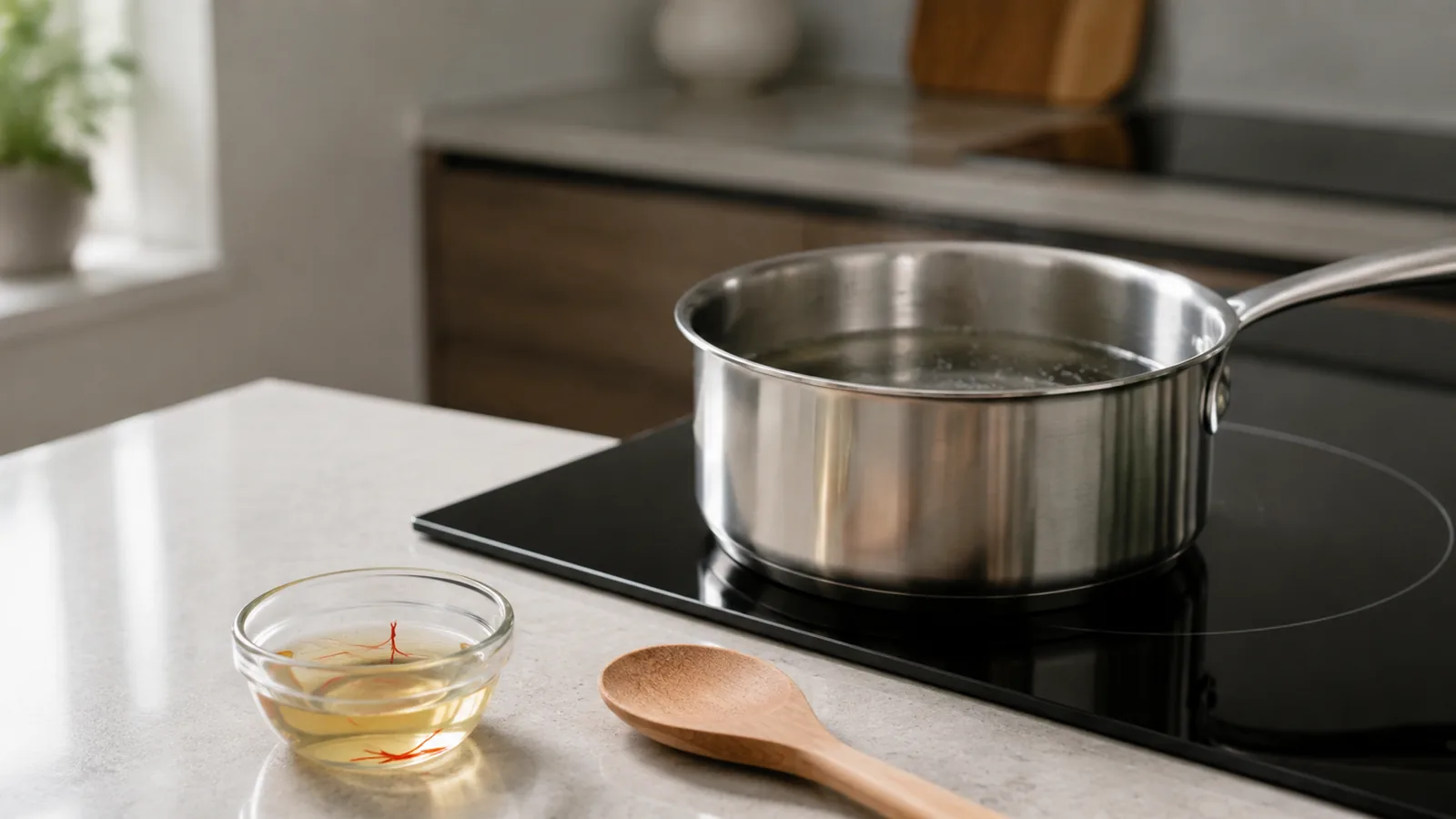
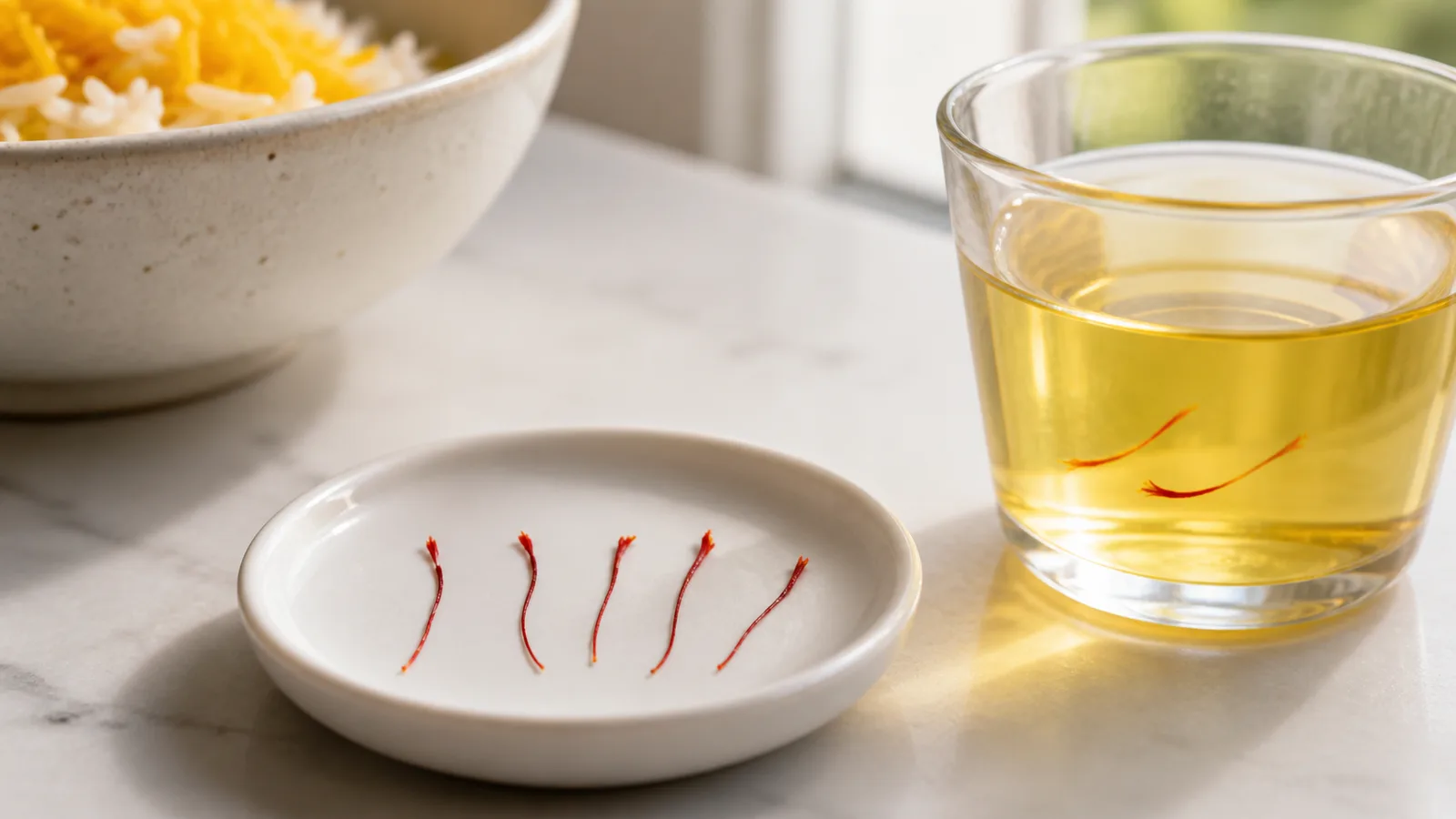
- Bloom the saffron. Lightly crush 12–20 threads for four servings and steep them in two tablespoons of warm, not boiling, water or milk for 10–15 minutes.
- Use turmeric sparingly. Start with about ⅛ to ¼ teaspoon of ground turmeric for four servings. You can add more, but you cannot remove its bitterness or dominant colour.
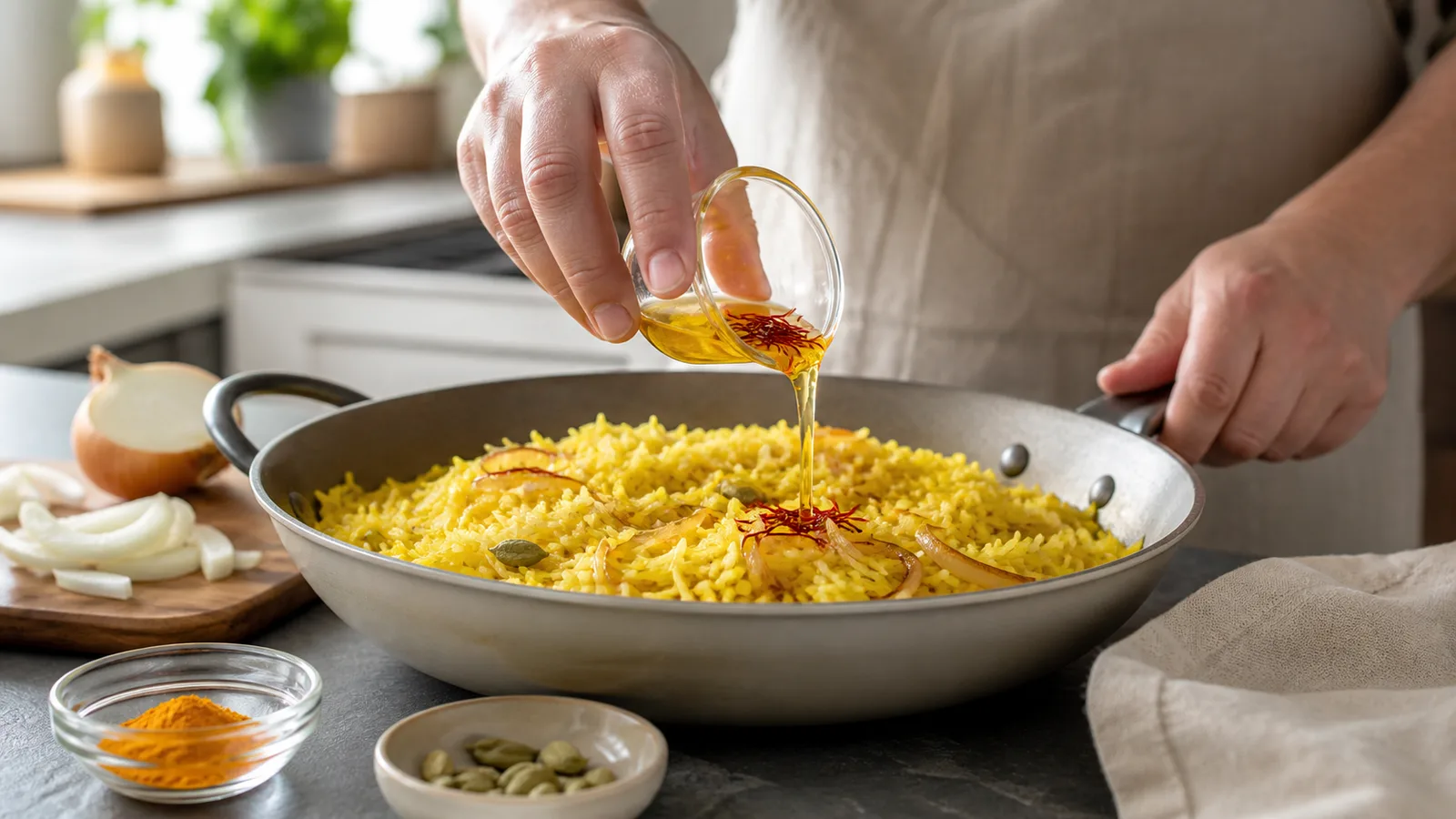
- Add them at different moments. Cook turmeric briefly with the other spices or liquid. Stir in the saffron infusion later so more of its aroma remains.
- Taste before adjusting. The goal is balance, not the darkest possible yellow.
These are culinary proportions rather than supplement doses. Thread size and strength vary, and a recipe shared by four people is not the same exposure as taking an extract every day.
Easy ways to use turmeric and saffron together
Rice or pilaf
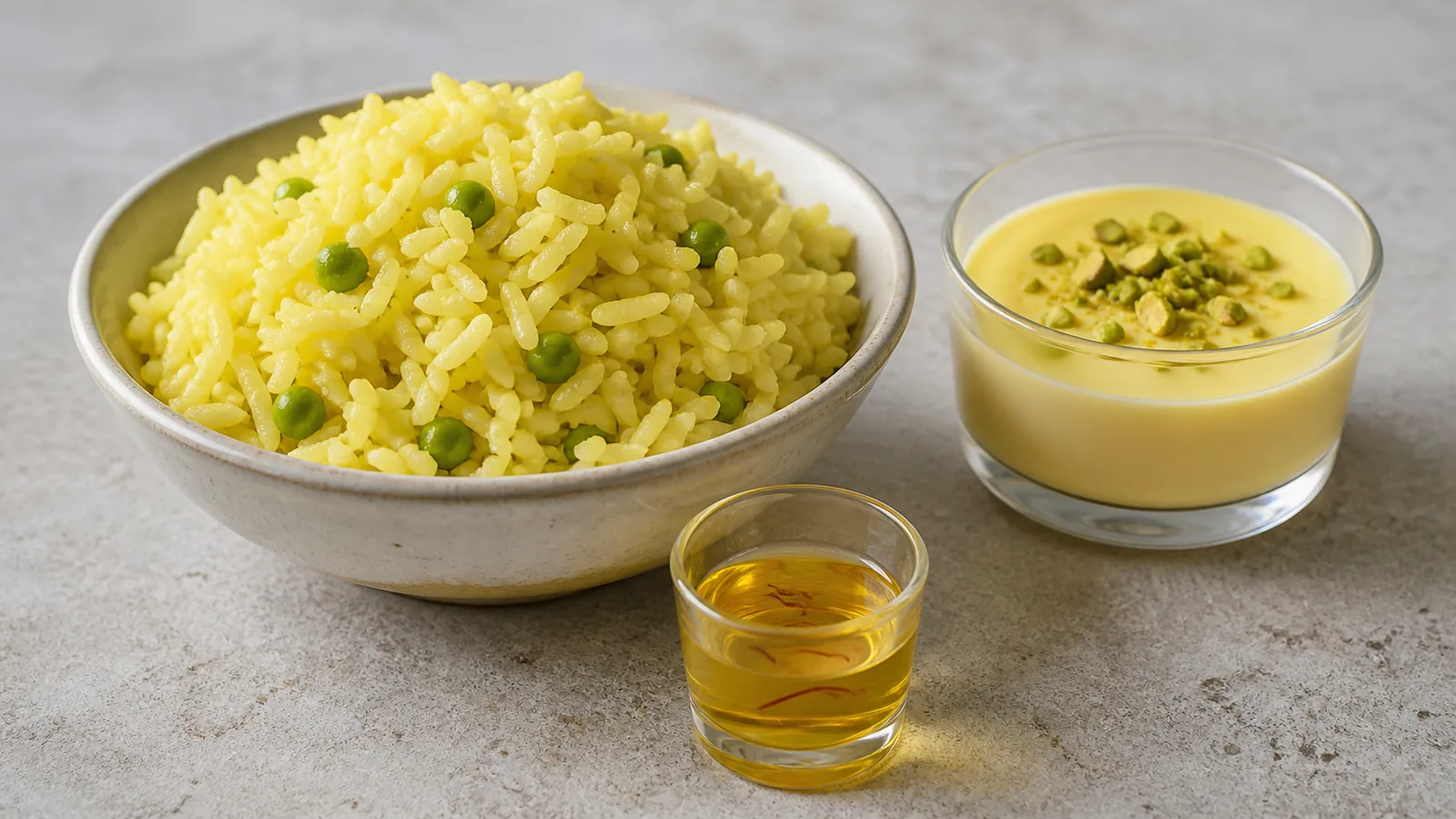
Cook a small amount of turmeric with onion and fat, then add the rice and cooking liquid. Fold the saffron infusion through near the end. This produces a warm golden base with visible saffron aroma instead of letting turmeric take over.
Warm milk
Infuse saffron in a little warm milk first. Whisk a small pinch of turmeric into the remaining milk, heat gently and combine. Cinnamon or cardamom can round out the flavour; sweeten only if you want to.
Soup or lentils
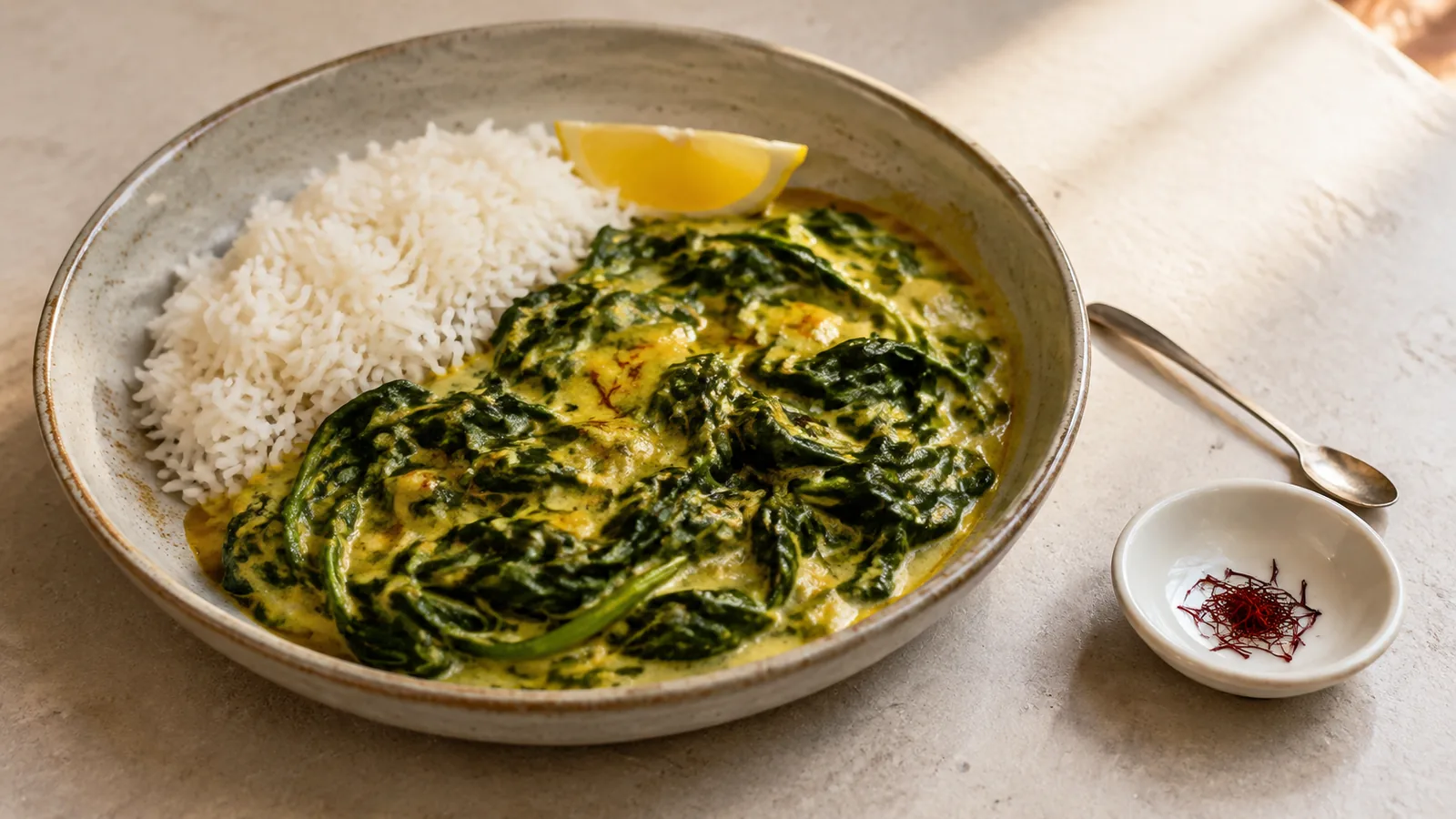
Use turmeric with the sautéed aromatics in a soup, lentil dish or curry. Add the saffron liquid during the final minutes, especially in a mild dish where its fragrance will still be noticeable.
A smoothie is possible, but cold, strongly flavoured fruit can bury expensive saffron. Tea works best when turmeric is used lightly and the drink is strained if its powdery texture is distracting.
Can you safely mix turmeric and saffron?
For most people, normal culinary quantities used in a shared dish are a different and lower-risk question from concentrated supplements. Either spice can still cause an individual reaction, and an unusually large amount can upset the stomach.
Supplements need more caution. NCCIH notes that highly bioavailable curcumin formulations have been linked with liver injury and that turmeric supplements during pregnancy may be unsafe. Both turmeric and saffron products can also differ in composition, and adding black pepper extract can materially change curcumin absorption.
Talk with a doctor or pharmacist before combining extracts if you take medicines, are pregnant or breastfeeding, have liver or gallbladder disease, are preparing for surgery, or are using either product for a diagnosed condition. Do not replace treatment with a spice mixture.
The practical answer
Can I mix turmeric and saffron together? Yes. For cooking, bloom a modest amount of saffron, keep turmeric restrained and let flavour guide the recipe. The spices are not the same, and their combined colour and aroma are easier to demonstrate than enhanced medical benefits.