Saffron does not have one dependable “working” time in the body. Its aroma, taste and colour are noticeable as soon as you eat or drink it, but clinical outcomes studied with standardised supplements are usually assessed over several weeks. There is no good evidence that saffron reliably relieves digestion within hours, changes skin in a month or speeds metabolism on a fixed schedule.
How long it takes to feel the effects of saffron therefore depends on what effect you mean, which preparation you use and whether that outcome has actually been demonstrated. That is why the shorter questions “how quickly does saffron work?” and “when does saffron start working?” have no single answer. Absorption, a pleasant cup of tea and a measurable health benefit are three different things.
How long does it take for saffron to start working?
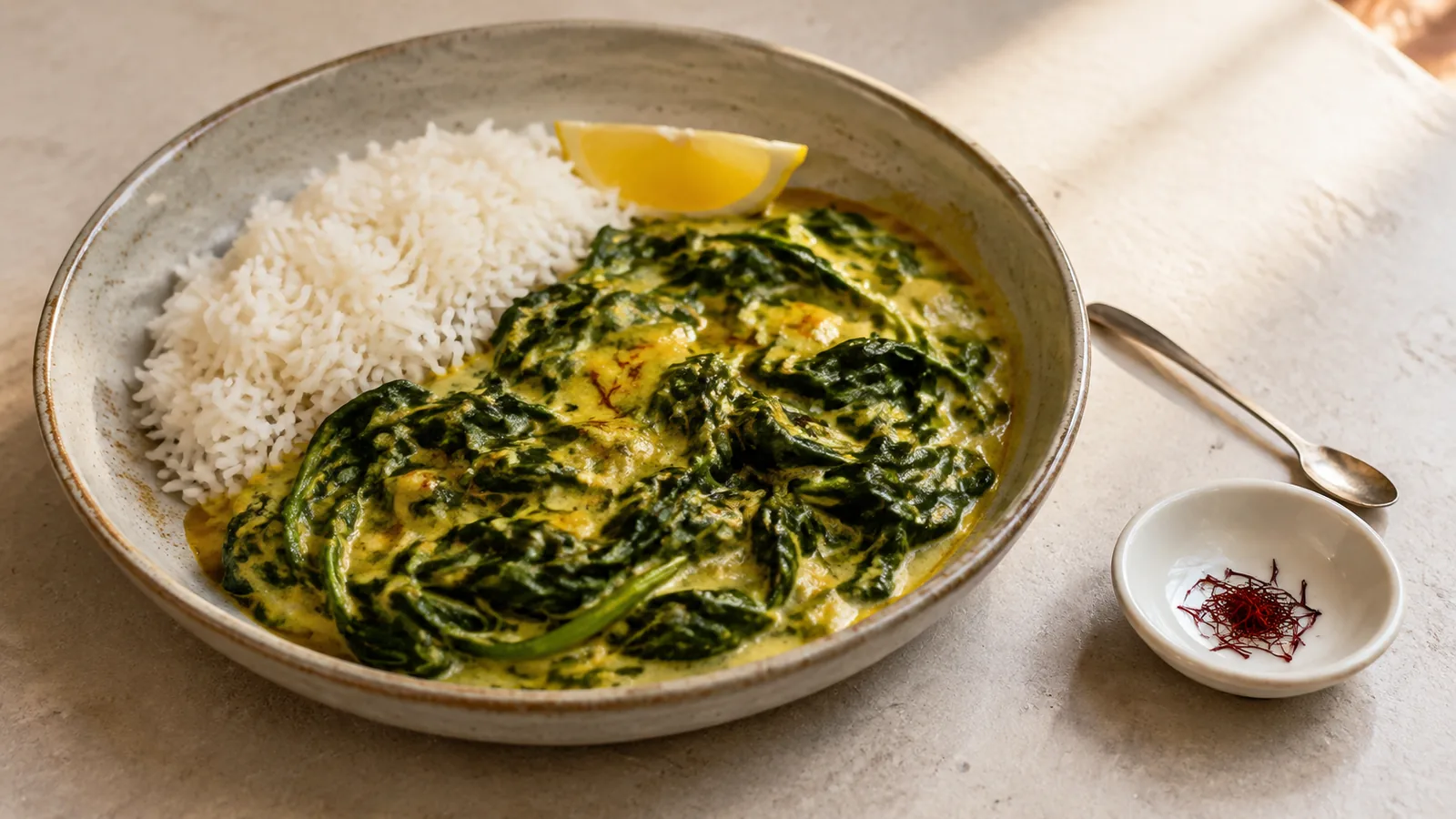
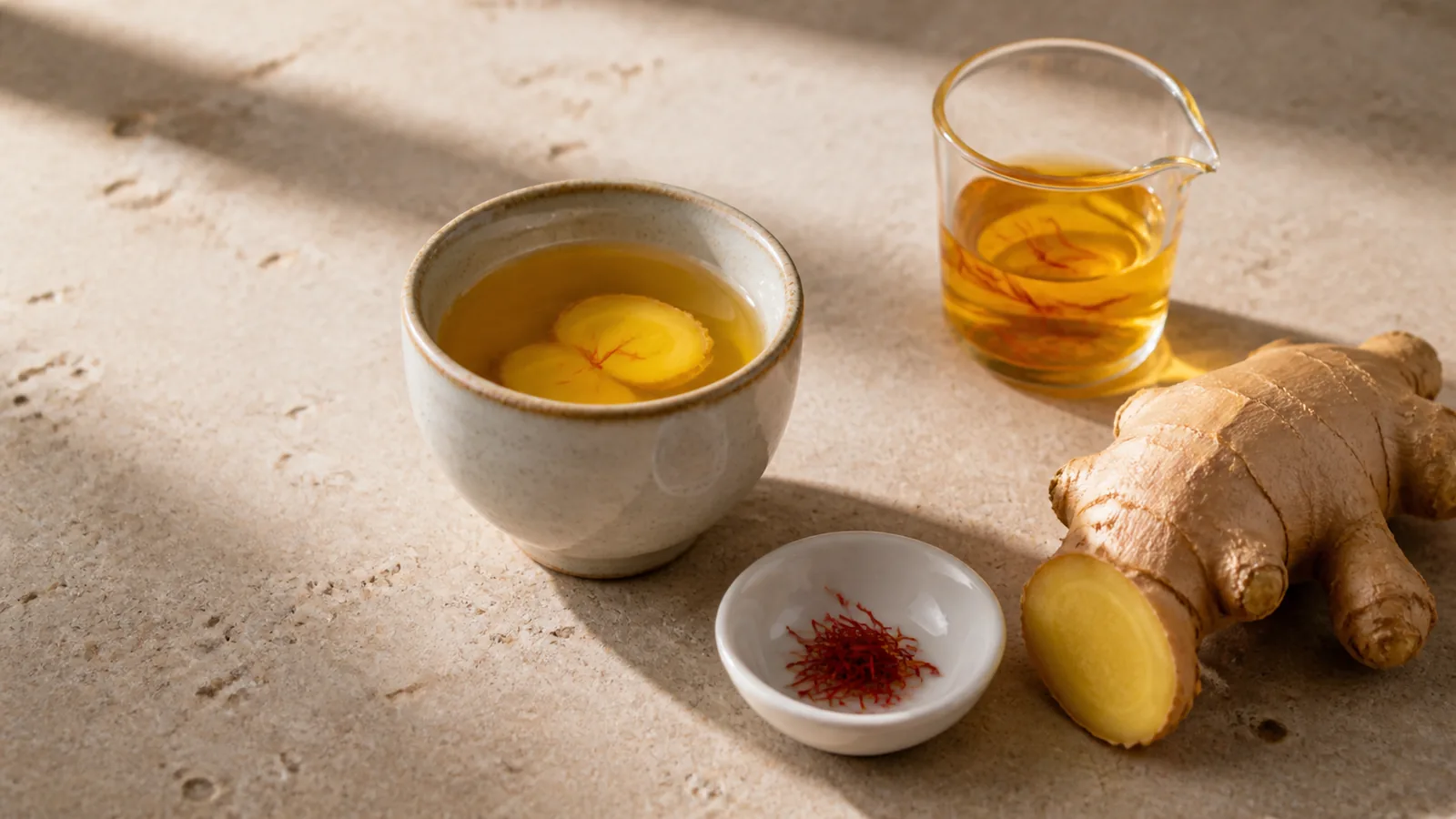
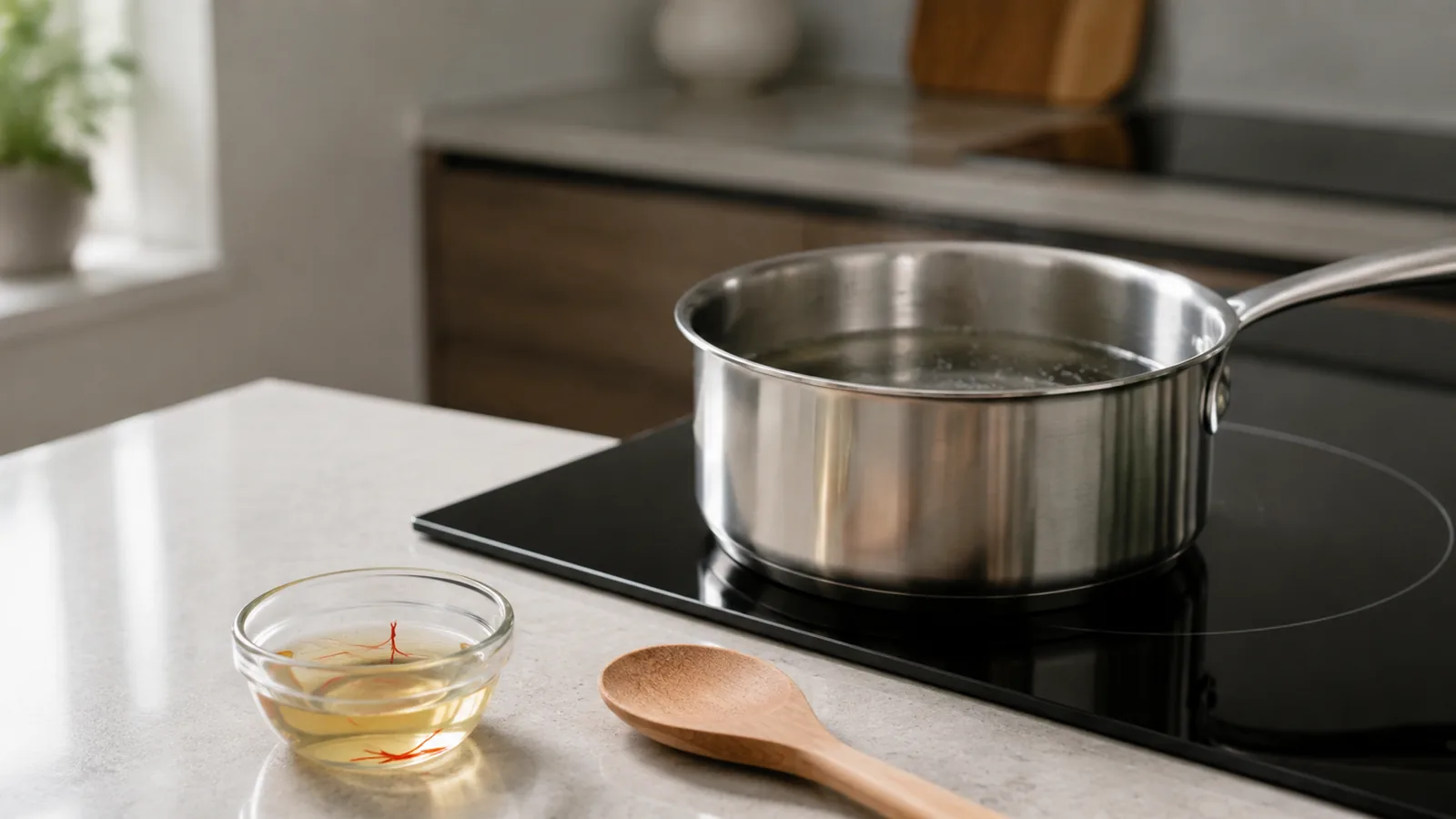
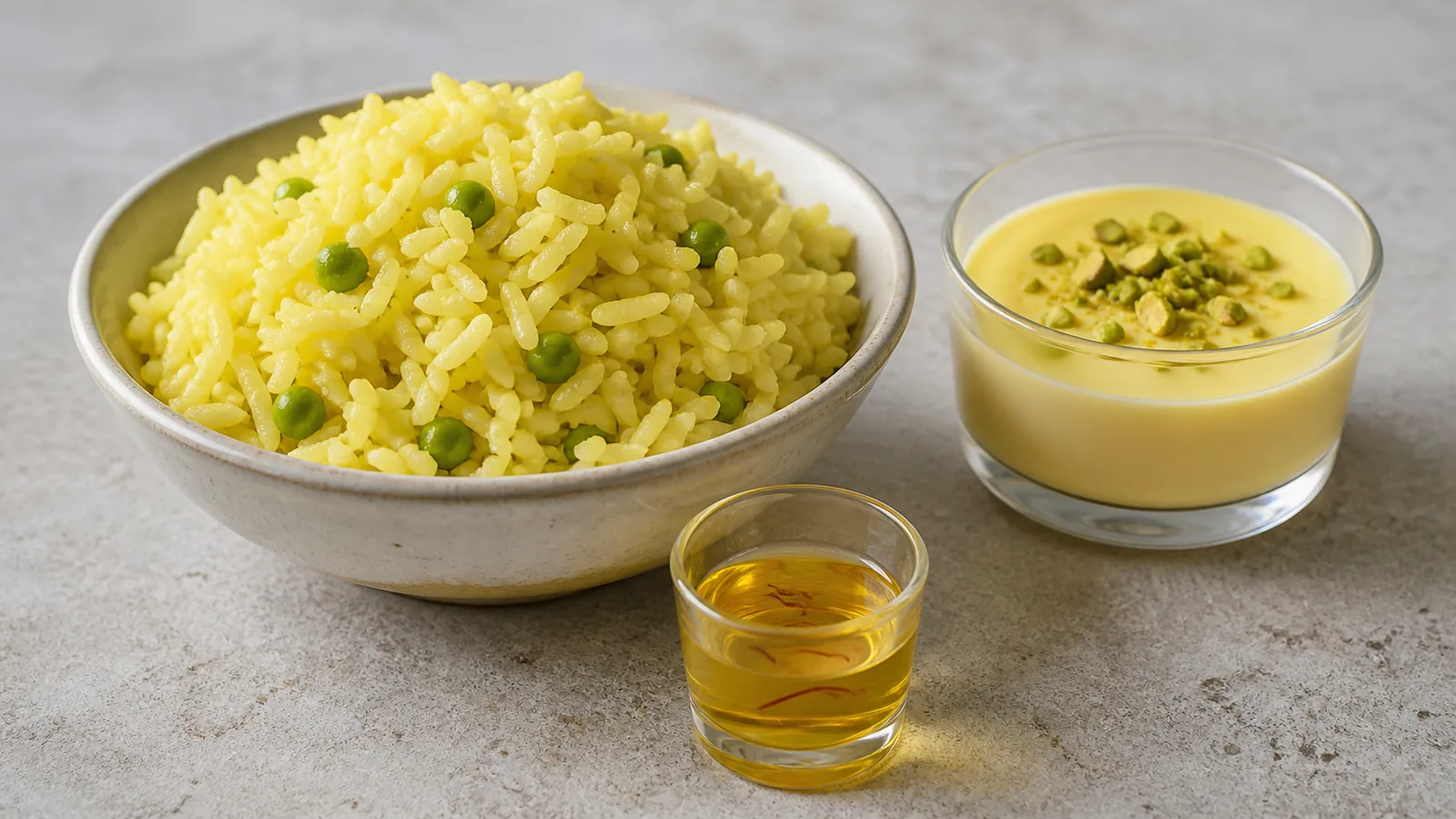
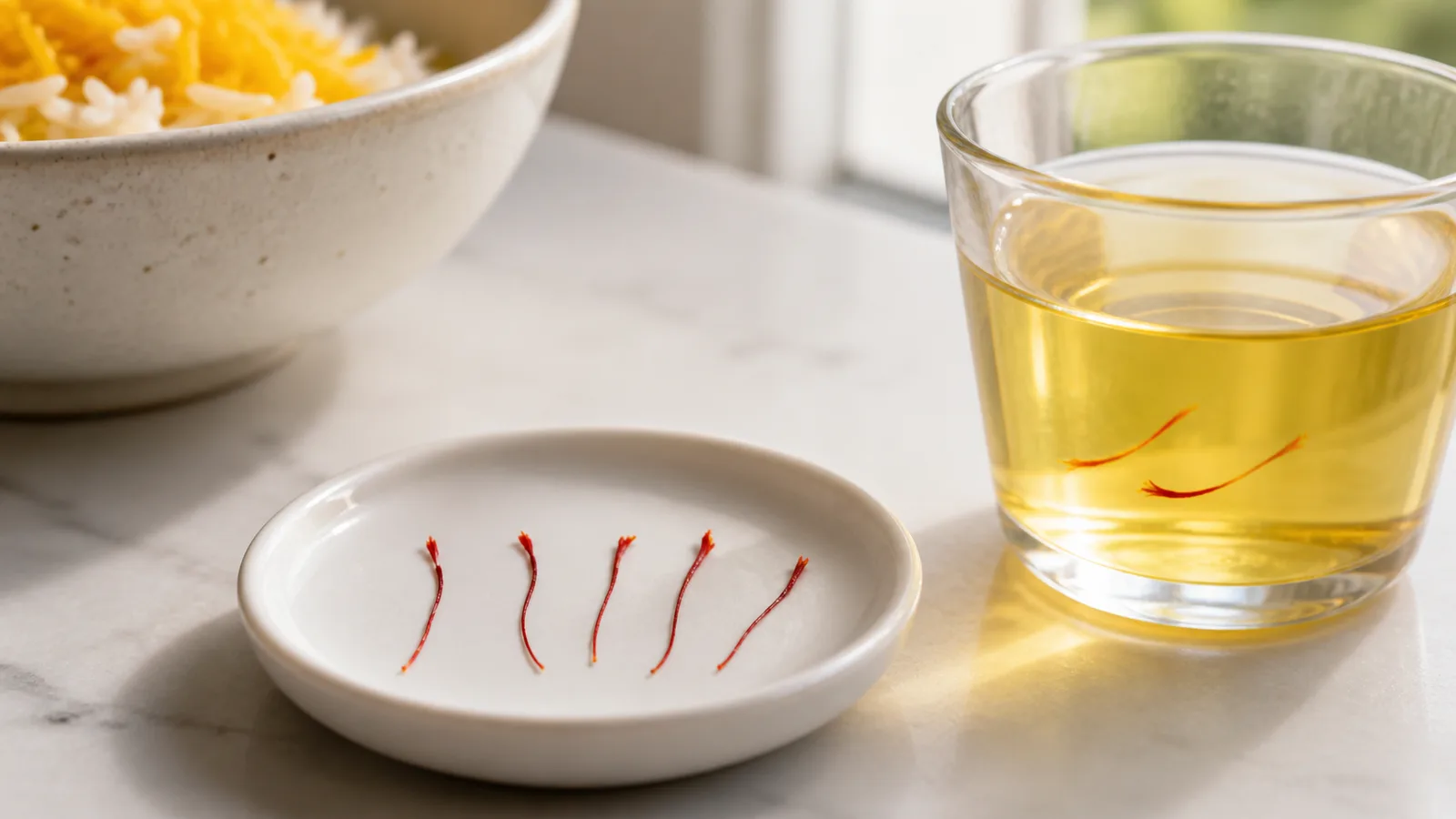
For culinary use, it works immediately as a spice: blooming saffron in warm water releases colour and aroma before it reaches the plate. That sensory result does not show that it has treated a symptom.
For a supplement, there is no universal onset. Trials normally give participants a defined extract every day and compare group averages at scheduled visits. They are not designed to show the precise hour or day when each person first responds. A study endpoint can tell us when researchers measured a difference, not when saffron entered the body or when every participant should feel something.
How long do saffron supplements take to work for mood?
Mood studies often run for four to eight weeks, and some assess participants at week two. A six-week randomised trial comparing saffron with sertraline measured symptoms at baseline and weeks two, four and six. Week two was an assessment point; it does not prove that everyone feels better after 14 days.
An eight-week placebo-controlled add-on trial found a difference on clinician-rated depressive symptoms but not participants’ self-ratings. A newer six-week trial in adults with subclinical symptoms did not improve its main combined depression, anxiety and fatigue outcome. The mixed findings matter as much as the calendar.
A 2026 systematic review of 34 randomised trials found benefits on some depression and anxiety measures, but not on all clinician-rated or general mood scales. The evidence supports cautious investigation, not a guarantee that a saffron supplement will start working within a set number of days.
These studies used measured products and research protocols, not an occasional pinch in cooking. Saffron is not a replacement for professional care for diagnosed depression or anxiety. If low mood is severe, worsening or includes thoughts of self-harm, seek urgent help rather than waiting for a supplement.
Does saffron improve skin in three to four weeks?
The claim that visible skin benefits appear after three to four weeks is not supported for saffron itself. Crocin and safranal have been studied for antioxidant activity and free-radical mechanisms, but those findings do not prove that eating saffron or applying a DIY mixture fades pigmentation, changes tone or texture, or brightens a complexion on a timetable.
Skin turnover does not automatically validate a botanical claim. A moisturiser may make dry skin look better quickly, and consistent sun protection can help prevent dark spots from becoming darker, but those effects should not be assigned to saffron without evidence.
Does digestive relief happen within hours?
There is no reliable clinical basis for promising that saffron tea relieves bloating or mild nausea within hours. In fact, gastrointestinal symptoms are among the adverse events reported with saffron preparations. Feeling better after a warm drink may reflect hydration, warmth, the meal or ordinary symptom variation rather than a direct saffron effect.
Persistent pain, vomiting, bleeding, unexplained weight loss or a major change in digestion needs medical assessment. Adding more threads is not a useful way to test the cause.
How long does saffron take to affect metabolism or weight?
Saffron is not a standalone metabolism or weight-loss treatment, and there is no established number of weeks after which a person should expect a visible change. Studies of appetite or weight use particular extracts and selected populations; their findings cannot be translated into a guaranteed result from saffron tea or food.
A healthy diet and regular exercise can influence weight and metabolic health over time. If they are introduced alongside saffron, any change cannot automatically be credited to the spice.
Why the saffron timeline varies
- The intended outcome: flavour, low mood, anxiety, skin pigmentation, digestion and weight are unrelated endpoints.
- The preparation: whole threads, tea, powder and a standardised extract are not interchangeable exposures.
- The product: extracts can differ in composition, dose, quality and testing.
- The person: symptoms, diagnosis, age, medicines, sleep, diet and expectations can affect what is noticed.
- The measurement: a validated questionnaire, laboratory value and a general feeling each answer a different question.
Consistency does not make an ineffective product effective. Using saffron regularly may match a trial protocol better than an occasional pinch, but time and repetition alone cannot create a benefit the preparation has not shown.
A practical way to judge a saffron supplement
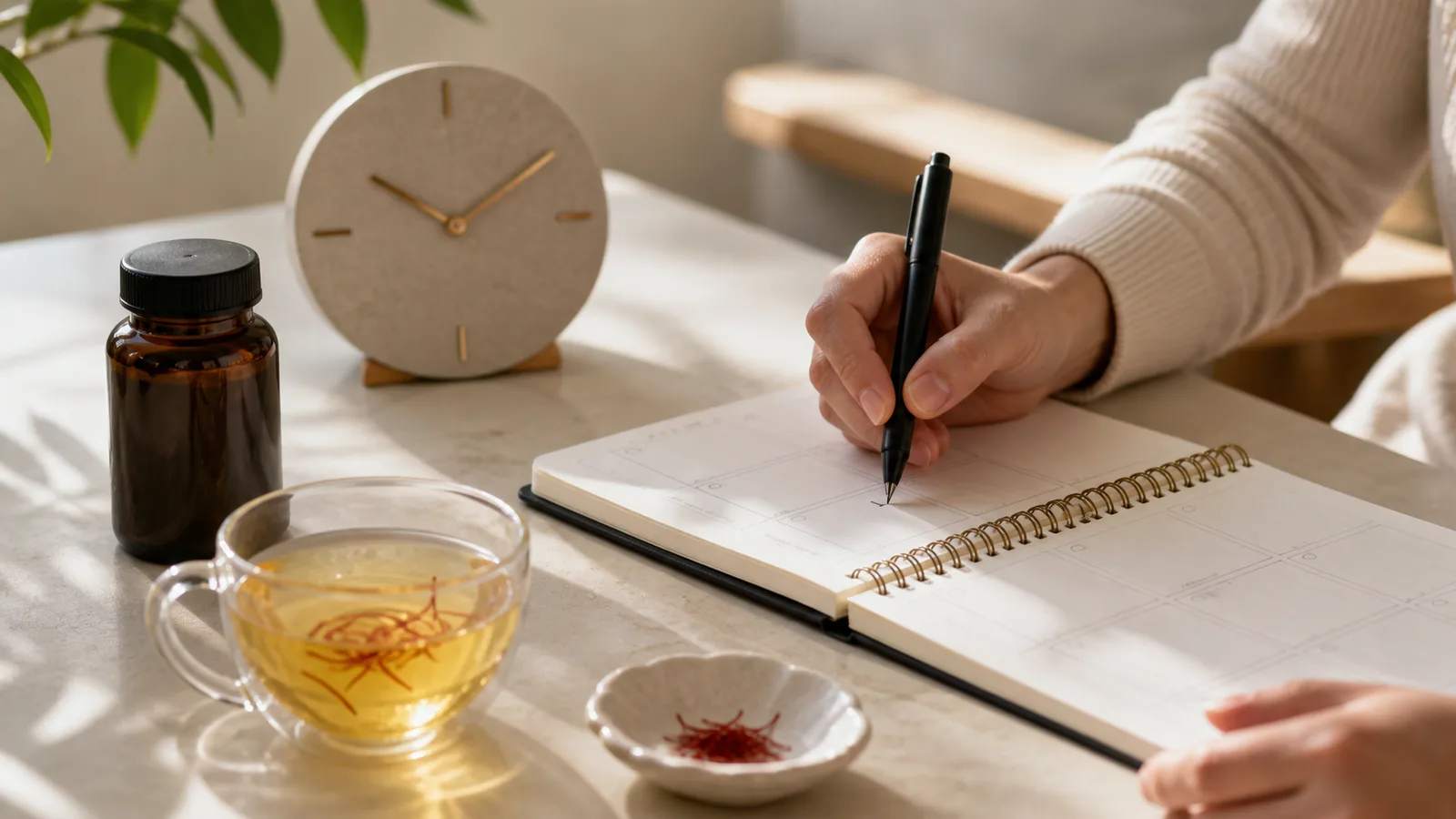
Before starting, write down the exact reason you are considering it and the medicines or supplements you already take. Discuss possible interactions and suitability with a doctor or pharmacist, especially during pregnancy or breastfeeding, before surgery, or with a medical condition.
During the first days, focus on tolerance. Record nausea, stomach upset, headache, dizziness, sleep changes or an unexpected mood change. Do not keep increasing the amount to force a faster effect.
If the goal is mood, four to eight weeks reflects many study designs, but it is not a deadline or promise. Compare the same symptoms and daily function with your baseline. If nothing useful has changed, reconsider with a professional rather than continuing indefinitely. Our focused guide to saffron’s mood timeline reviews those trial windows in more detail.
The bottom line
How fast does saffron work? The spice is immediately noticeable in food, while studied supplement outcomes—when they occur—are generally evaluated over weeks. Quick digestive relief, one-month skin changes and a predictable metabolism effect are not established. Define the outcome, match expectations to the evidence and do not delay appropriate care while waiting.
For culinary use, enjoy a modest amount of saffron for its flavour and aroma without treating dinner as a timed health intervention.