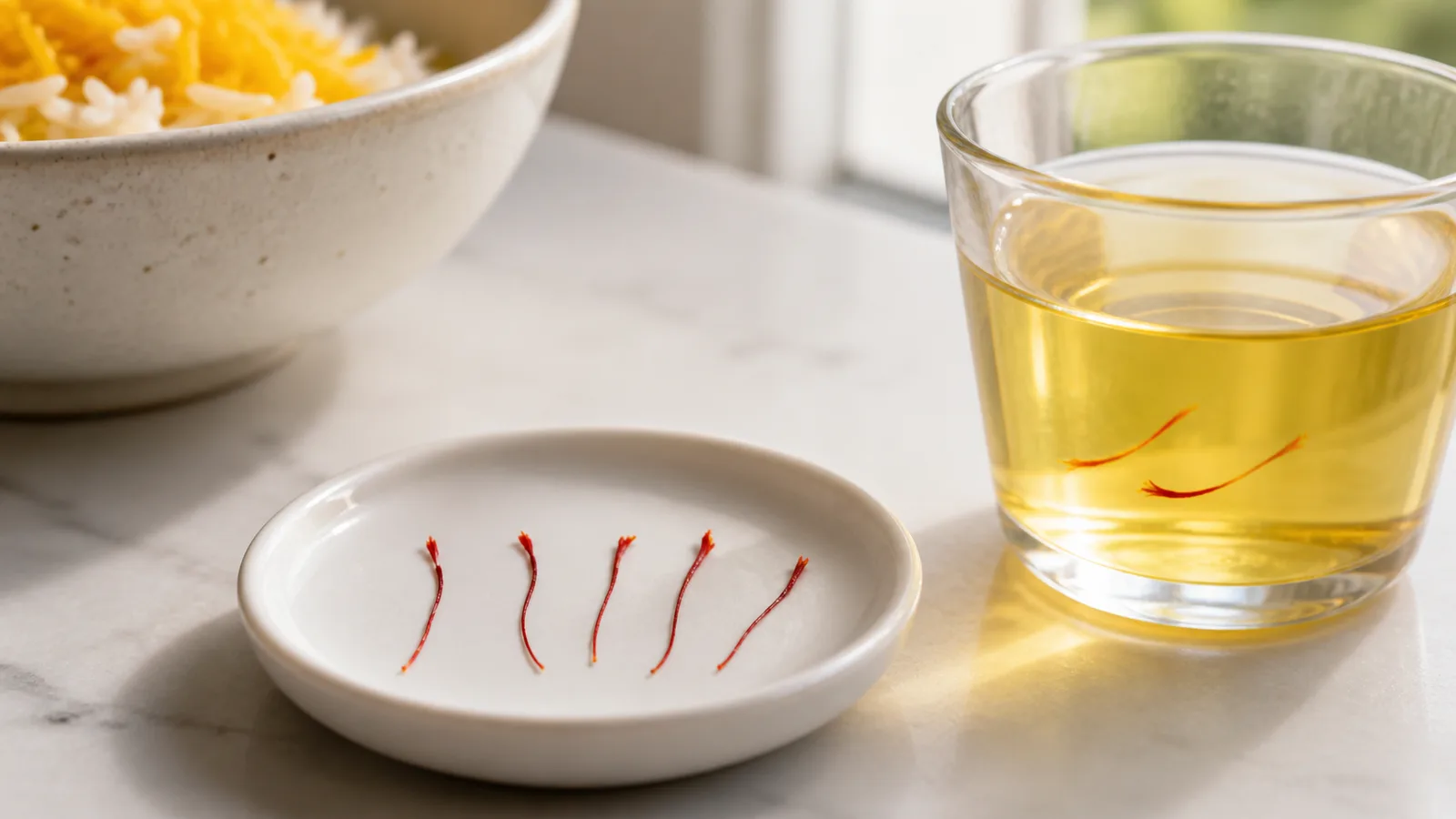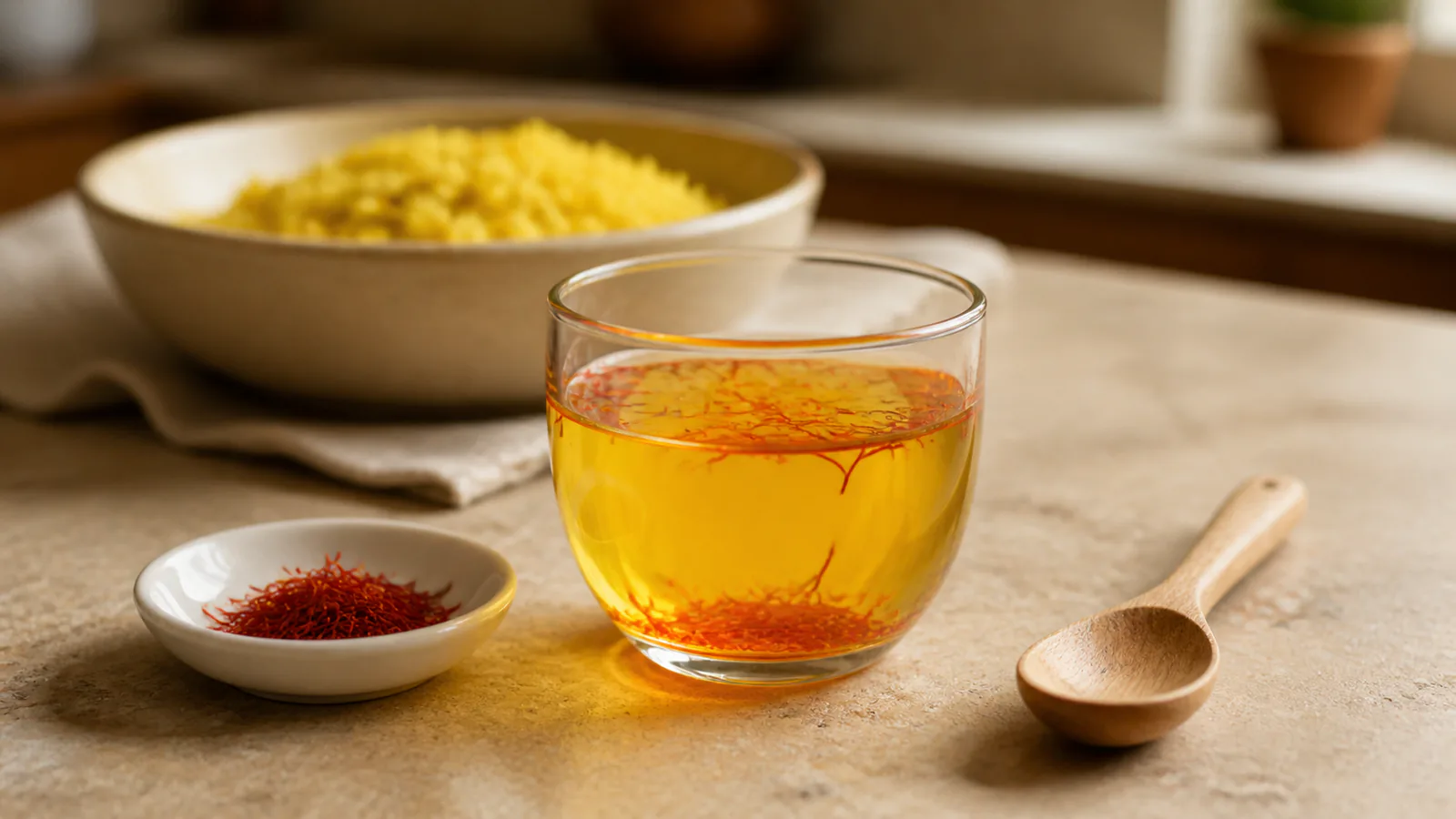
The “magical properties of saffron” are a mixture of sensory qualities, cultural tradition and health claims of very different strength. Saffron can transform a dish with a tiny amount of color and aroma; that is real. Its compounds are also being studied in people, but no spice works wonders for every condition, and traditional use is not proof of treatment.
This guide separates what is established, what is promising, what is traditional and what should be treated cautiously.
Why saffron is called a magic spice
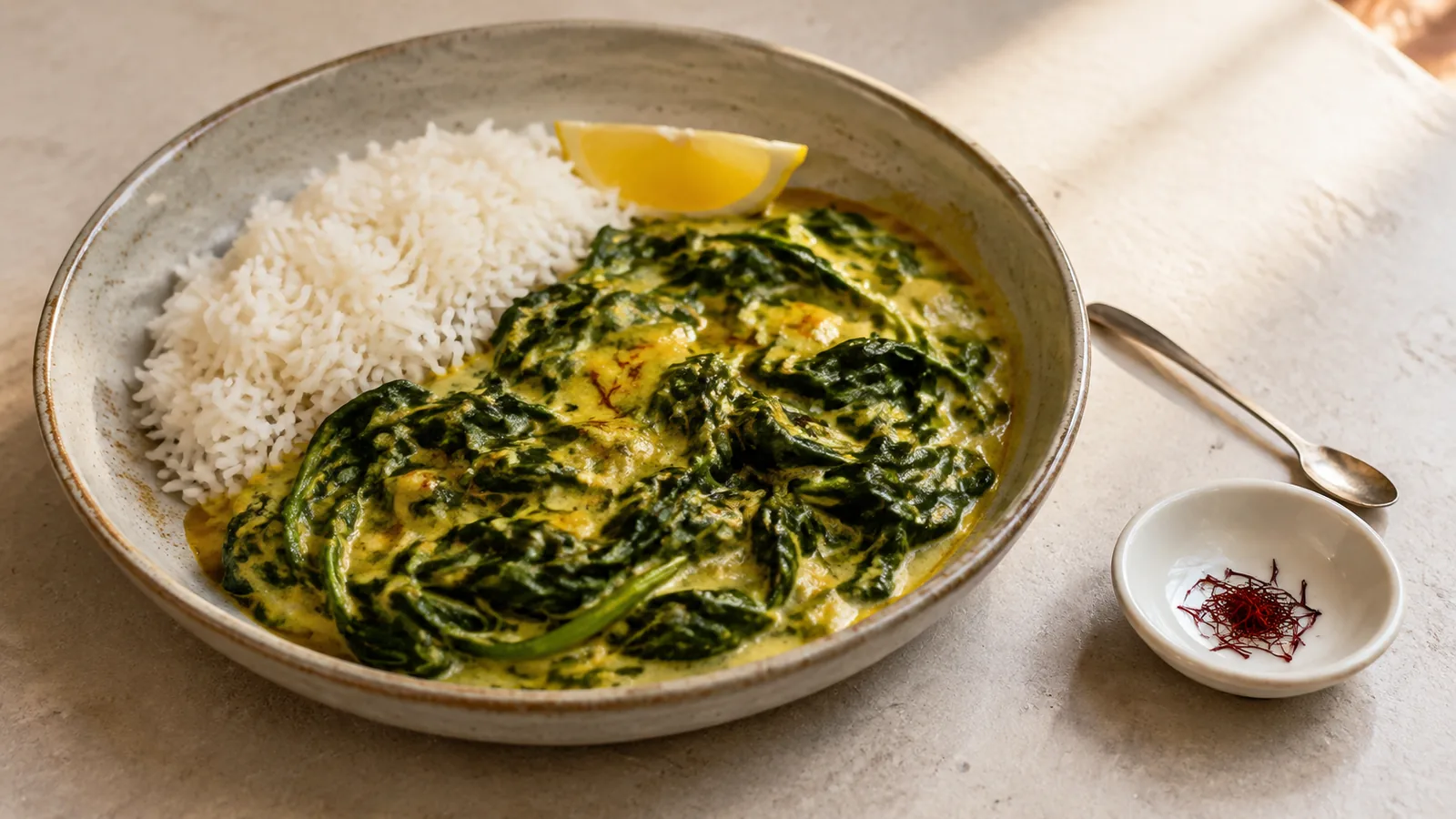
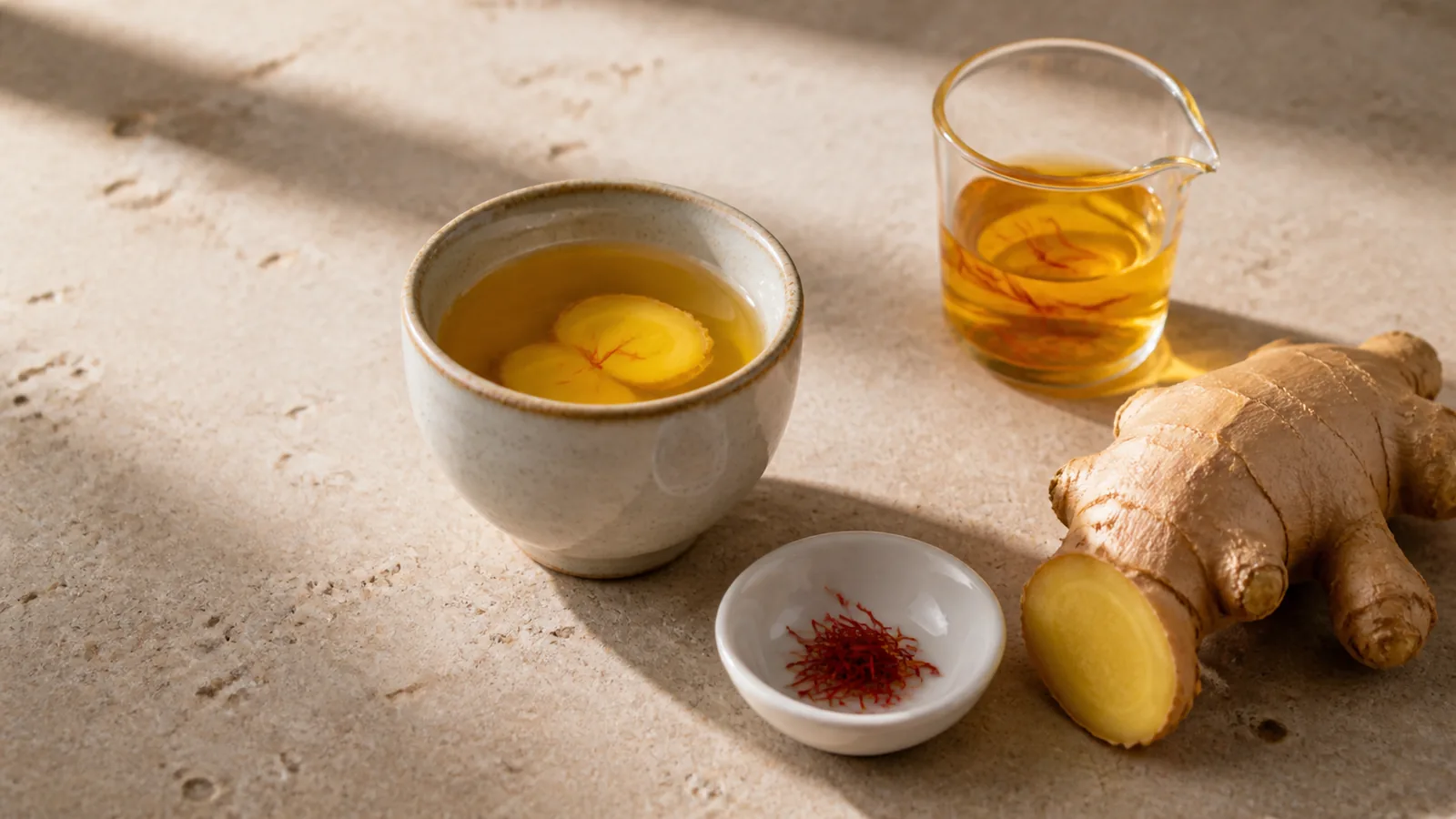
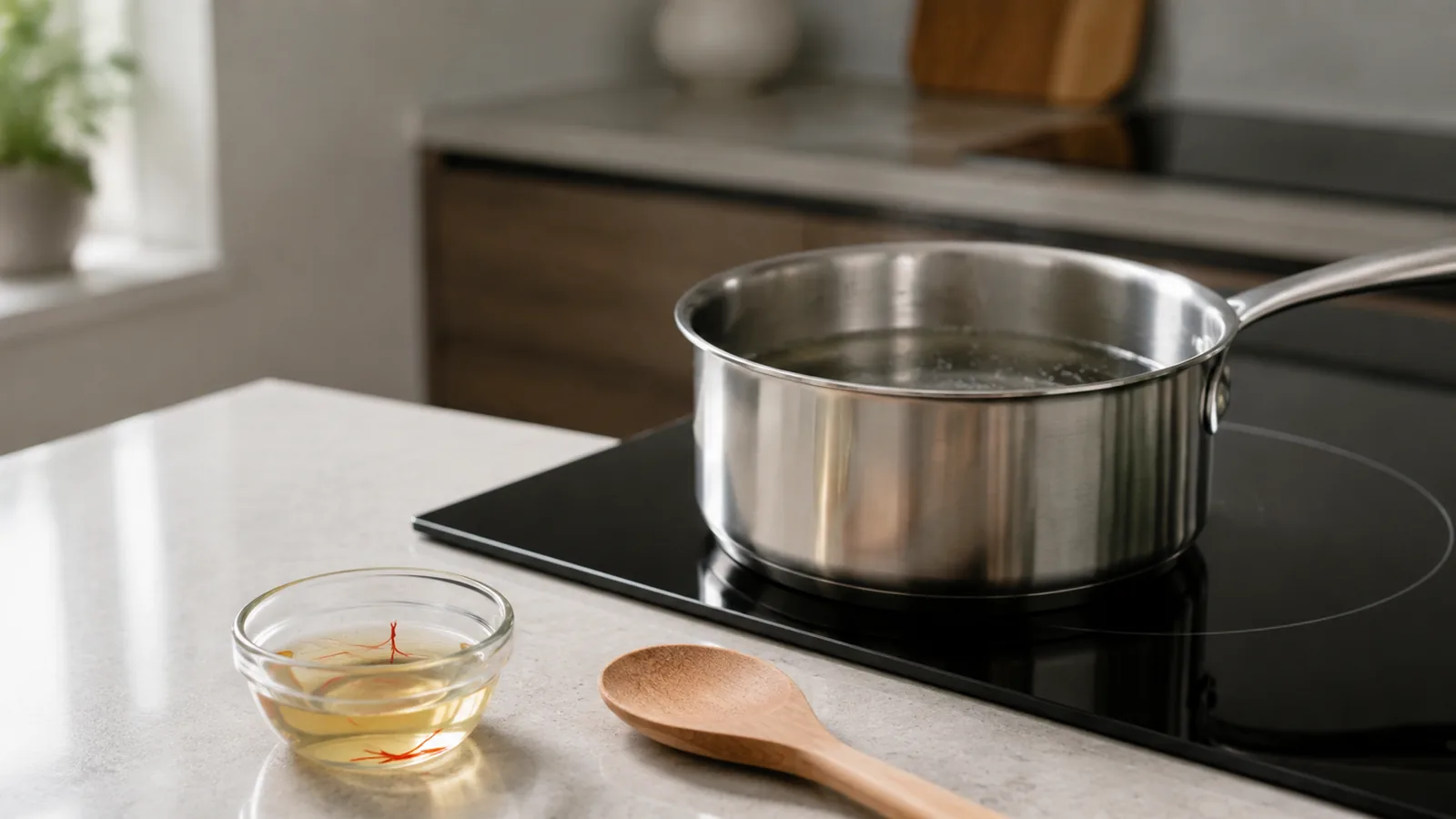
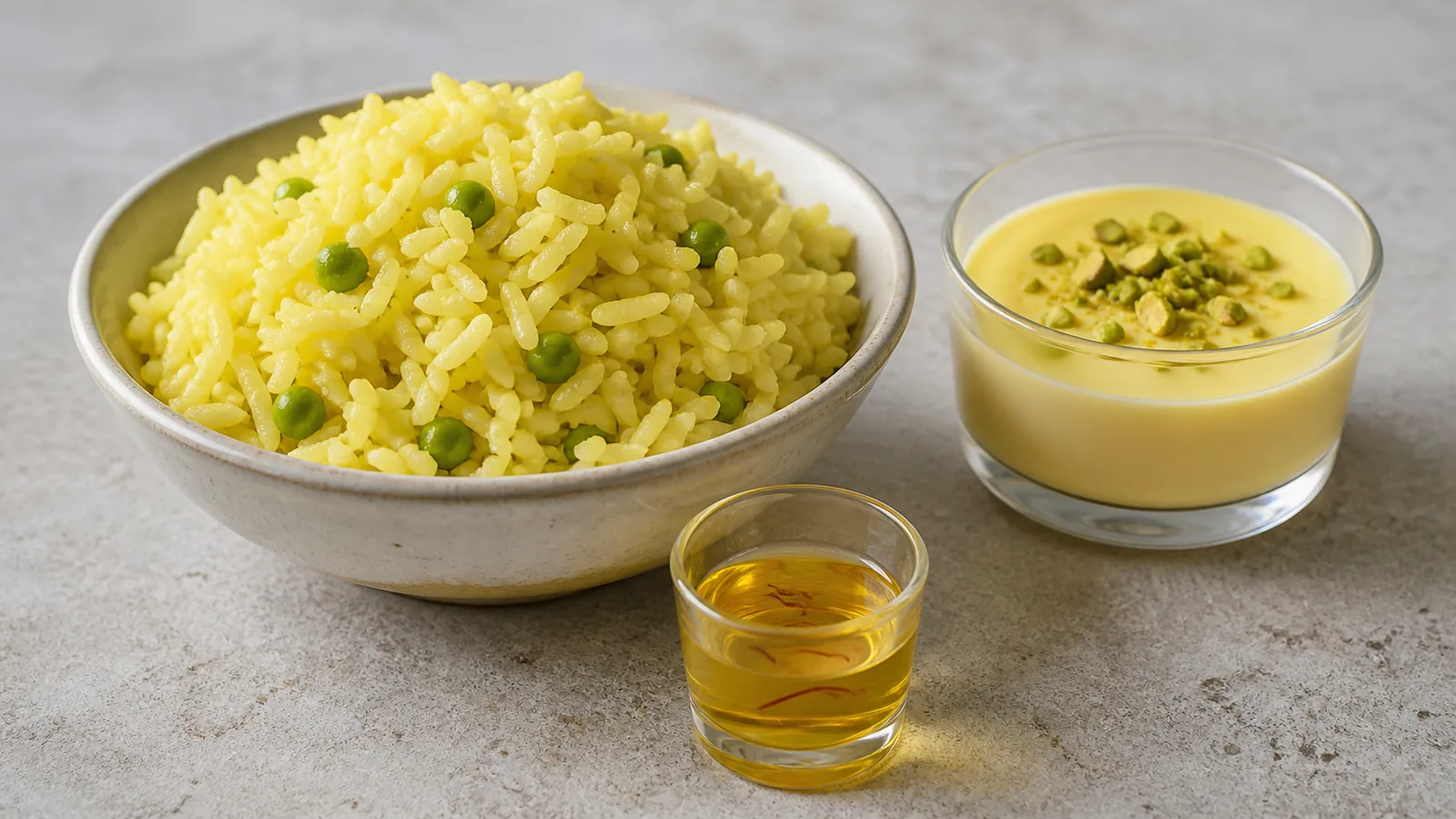
Saffron comes from the dried stigmas of Crocus sativus. Crocin and related compounds contribute color, picrocrocin contributes bitterness, and safranal is important to aroma. Because a small infusion changes the color, fragrance and flavor of an entire recipe, “magic spice” is an understandable culinary nickname.
It is not evidence of supernatural or witchcraft properties. Cultural symbolism can be meaningful, but there is no scientific test showing that saffron changes luck, protects a person through magic or produces a medical result through ritual alone.
Antioxidant compounds: what that actually means
Crocin, crocetin and safranal have shown antioxidant and anti-inflammatory activity in laboratory research. Those findings help scientists decide which mechanisms to study. They do not prove that a serving of saffron prevents cancer, heart disease, skin disease or other chronic illness.
“Contains antioxidants” and “prevents disease” are different claims. Clinical evidence requires controlled studies in people, an appropriate preparation and dose, outcomes that matter to patients, and results that can be repeated by independent groups.
Mood: the best-studied potential benefit
Among saffron health claims, mood has a larger body of human research than most. Systematic reviews of randomized trials have reported improvements in some depression and anxiety measures, but the studies often used standardized extracts, were relatively short and came from a limited set of regions. An umbrella review also found that results differed by the rating scale used and warned against treating saffron as a stand-alone approach.
That makes saffron a subject for continued clinical research, not a reason to stop antidepressant medication or avoid professional care. Depression can be serious. Anyone considering a concentrated saffron product for mood should discuss it with a qualified clinician, especially when already taking medication. See the umbrella review on saffron and depression.
Digestion and appetite
Traditional accounts describe saffron as warming and use it for appetite, bloating, nausea and digestive discomfort. The older source post also claimed it increased digestive enzymes and nutrient absorption. We did not find strong clinical evidence supporting that specific enzyme claim, so it should not be presented as an established effect.
Using saffron in food may make a meal more appealing through aroma, color and flavor. That ordinary sensory role is different from treating persistent abdominal pain, reflux, vomiting or loss of appetite. Symptoms that continue or worsen need medical assessment rather than a spice remedy.
Skin and topical traditions
Saffron appears in traditional skin preparations and modern cosmetics. Claims that it lightens dark spots, treats acne, heals burns, removes rashes or changes a person’s natural skin color are not established by the evidence reviewed for this article.
The old source described mixing saffron with milk for dry skin, applying saffron water to inflamed gums, and using it on wounds or burns. These are traditional practices, not instructions we recommend. A homemade mixture is not sterile, and damaged skin or an inflamed mouth can react to concentrated plant material. Burns, open wounds and persistent oral inflammation need appropriate care.
Warm milk, sleep and traditional use
Saffron in warm milk before bed is a long-standing household preparation. It may be enjoyable as part of a calming routine, but the drink should not be described as a proven treatment for insomnia. The source’s “warm nature” language belongs to a traditional medical framework and should be labeled as such rather than translated into modern physiology.
The same applies to historic uses for coughs, colds, circulation, menstrual discomfort, kidney or bladder complaints and gum inflammation. Tradition records how people used the spice; it does not establish diagnosis, dose or effectiveness.
What human evidence does—and does not—support
A review that mapped 19 meta-analyses found signals across several outcomes, including mood, cognition and some metabolic measures. It also found heterogeneous results and shortcomings in the quality of the reviews, concluding that larger, higher-quality and more geographically diverse trials were needed. Read the evidence-mapping review on PubMed.
This is why a list of dozens of “benefits” is misleading. Each outcome has different participants, preparations, doses and evidence quality. A result for a measured extract cannot automatically be transferred to saffron tea, milk, rice or a cosmetic paste.
Possible adverse effects
Culinary use and medicinal-dose supplementation should be considered separately. A 2026 systematic review of human safety data found saffron generally well tolerated, but reported adverse events in clinical use—most often gastrointestinal problems—and recommended monitoring for higher-dose or prolonged medicinal use. Earlier evidence reviews also listed nausea, dry mouth, poor appetite and headache among commonly reported effects. See the current saffron safety review.
The older source claimed that excess saffron causes anxiety, skin-color change, diarrhea, dehydration and blood in urine. Some of those statements may reflect reports of excessive intake, but the source provided no dose or reliable evidence. Skin-color change is not a normal expected effect, and blood in urine needs medical evaluation rather than attribution to saffron without assessment.
Stop using a supplement and seek advice if symptoms appear. Severe symptoms, trouble breathing, fainting, heavy bleeding or blood in urine require prompt medical care.
Pregnancy, breastfeeding and medicines
The source’s blanket statement that pregnant women should not consume saffron failed to distinguish culinary amounts from medicinal preparations. Evidence on therapeutic use during pregnancy remains limited and inconclusive. The prudent rule is to avoid high-dose saffron or concentrated extracts during pregnancy unless the person’s obstetric clinician has specifically reviewed the product. A small amount used as a spice in food is not equivalent to a capsule or strong extract.
The same caution applies during breastfeeding and when taking prescription medicines. A doctor or pharmacist can assess a supplement’s dose, purity and possible interactions. “Natural” does not make a concentrated product risk-free.
How to judge a saffron benefit claim
- Is the claim based on culinary tradition, laboratory work or a controlled human trial?
- Was the tested material whole saffron, an extract or one purified compound?
- Does the claim name the dose and duration?
- Was the outcome meaningful to patients or only a laboratory marker?
- Were the results repeated by independent researchers?
- Are risks and interactions explained as clearly as the proposed benefit?
The honest meaning of “magical”
Saffron’s genuine magic is sensory and cultural: a few threads, properly infused, can give a dish a distinctive color, fragrance and taste. Research on mood and other outcomes is promising in places, but it remains preparation- and condition-specific. Enjoy saffron as food; treat medicinal claims as health decisions that require evidence, an appropriate product and professional advice.
For culinary saffron selected for aroma and color, explore Rowhani Saffron products. Product quality does not turn a food into a cure, and our products are not offered to diagnose, treat or prevent disease.