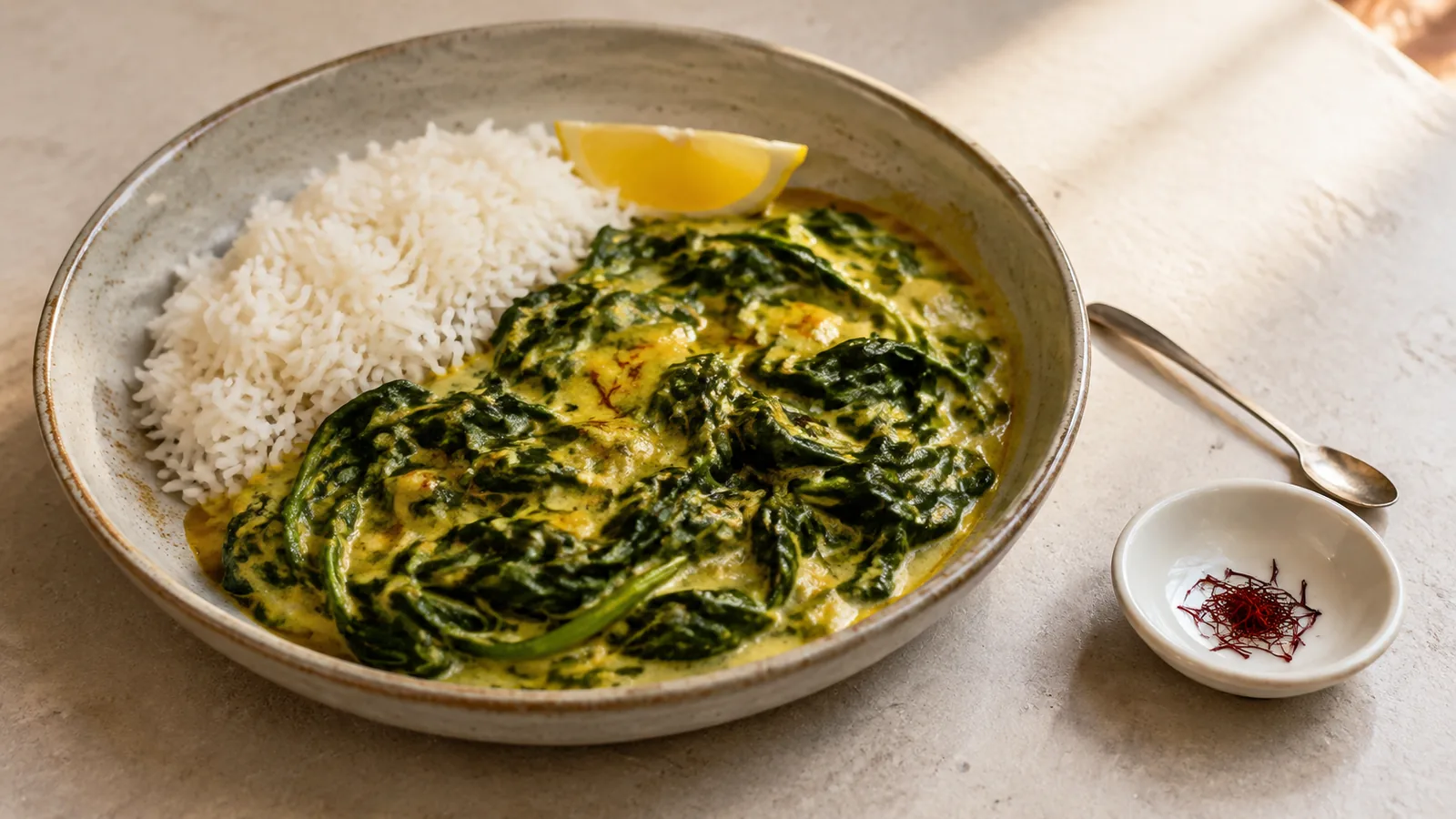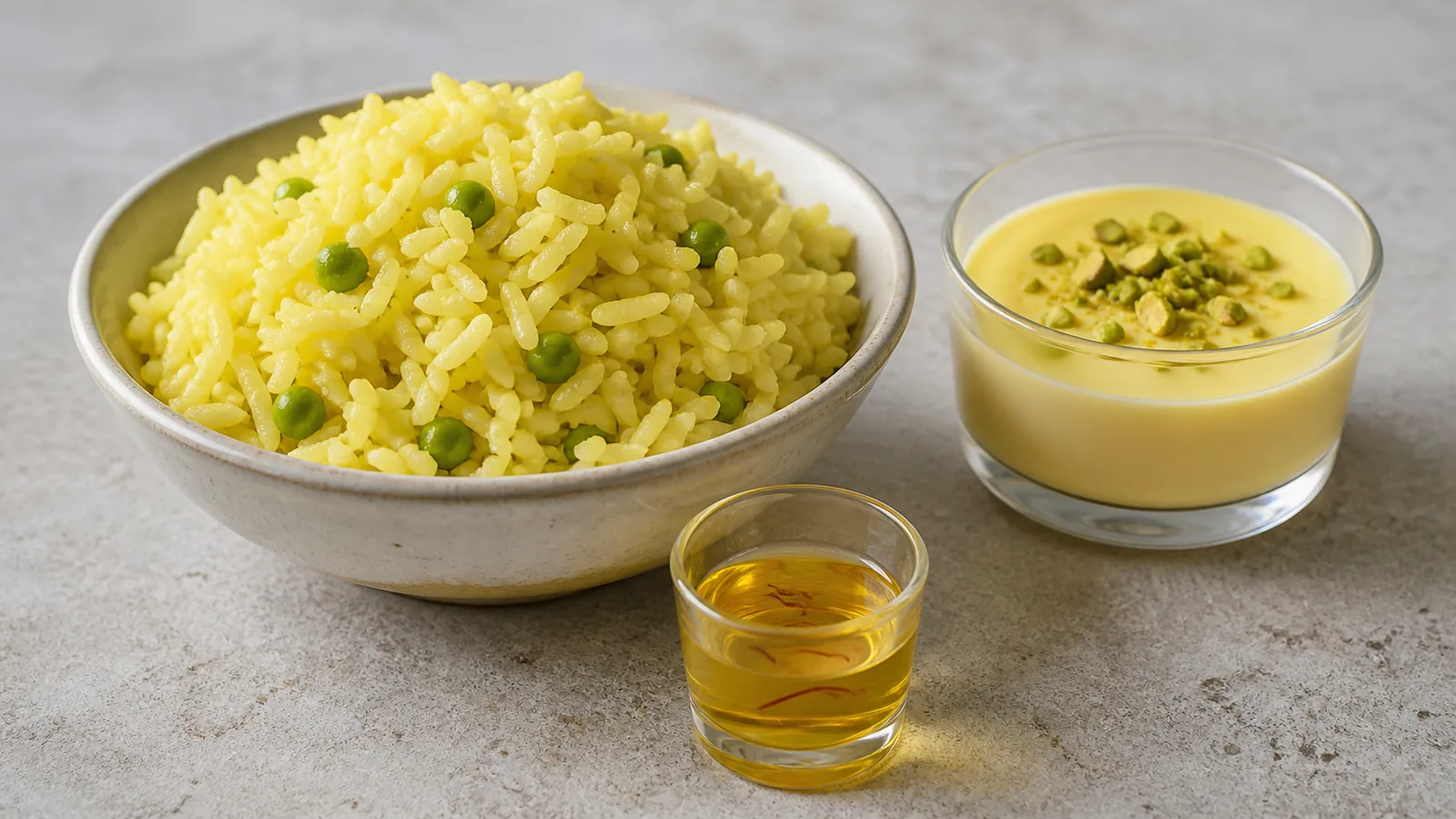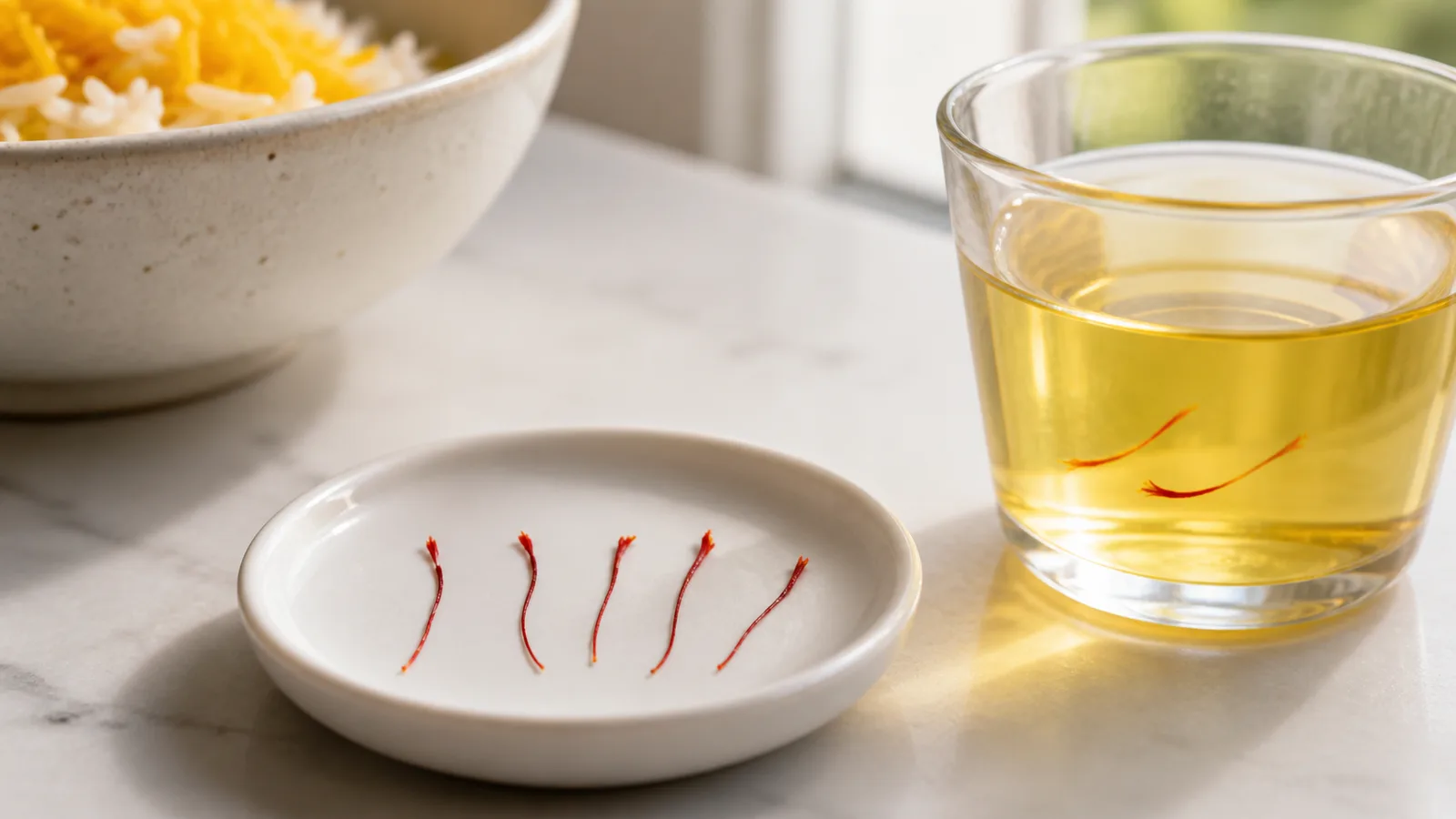
You do not have to avoid saffron forever. Small culinary amounts can be part of ordinary cooking. The concern is daily use of a concentrated supplement for weeks or months, then continuing for years, because the long-term evidence is limited and products, doses and personal risks vary.
So the question is less “Why can’t you take saffron long term?” and more “What am I taking, how much, for how long, and what else could it interact with?” A pinch in a family meal is a different exposure from a capsule swallowed every morning.
Risks of long-term saffron use: what do we know?
A 2026 systematic review of saffron adverse events included 102 clinical trials and one case report. Saffron preparations were generally well tolerated, and gastrointestinal problems were the most frequently reported effects. The authors still advised considering clinical monitoring for medicinal use at higher doses or over prolonged periods.
That review does not identify one point at which saffron suddenly becomes unsafe. It also cannot answer what happens after years of continuous use, because clinical trials usually follow a defined preparation for a much shorter period. “Long term” has no universal cutoff here.
Commonly reported problems in supplement studies include nausea, dry mouth, reduced appetite and headache. Dizziness has also been reported. These symptoms are not proof of liver or kidney damage, and current human evidence does not support saying that ordinary saffron builds up in either organ. New symptoms still deserve attention, especially after starting a high-dose or multi-ingredient product.
Is saffron a blood thinner?
Saffron is not an approved blood-thinning medicine, and the human evidence does not justify using it as one. Laboratory findings and some early observations raised a coagulation question, but a small placebo-controlled study found no significant change in the coagulation measures it tested after healthy adults took 200 or 400 mg daily for one week.
That short study cannot rule out every interaction or bleeding risk during longer use. If you take warfarin, apixaban, rivaroxaban, clopidogrel, aspirin or another medicine that affects bleeding, ask your prescriber or pharmacist about the exact saffron supplement before combining them. Do the same if you bruise easily or have a bleeding disorder.
The FDA warns that supplements can interact with medicines and may need to be stopped before an operation. Tell the surgical team about every supplement rather than choosing a stop date yourself.
Is saffron toxic if you take too much?
What happens if you take too much saffron depends on the amount, preparation and person. The first step is not to assume that a supplement capsule and a culinary pinch carry the same risk.
Yes, dose matters, but online lists of a single “toxic dose” often blur old reports, experiments and modern clinical use. Amounts measured in grams are far beyond normal seasoning and should never be treated as a personal test. A concentrated extract can also differ from whole saffron threads in strength and composition.
If someone has swallowed a large amount and develops persistent vomiting, severe dizziness, unusual bleeding, confusion, fainting or another concerning symptom, contact a poison centre or emergency service. Do not wait for a blog dosage chart to decide whether the amount was dangerous.
What about hormones, fertility and pregnancy?
Evidence does not establish that routine saffron supplementation causes a general “hormonal imbalance.” Studies of menstrual, sexual and reproductive outcomes use different preparations and selected groups, so their results cannot prove that years of use are harmless.
Pregnancy deserves separate caution. A 2026 review of saffron use during pregnancy described the safety evidence as limited and inconclusive. Culinary use and a medicinal supplement are not the same decision. Anyone who is pregnant, breastfeeding or trying to conceive should discuss concentrated saffron with their healthcare professional.
How to decide whether continued use makes sense
- Name the product. Record whether it is whole threads, powder, a standardised extract or a blend.
- Check the amount. Do not translate a trial dose across products or estimate milligrams by counting threads.
- Define the goal. If there is no clear benefit after the studied period, indefinite use adds exposure without an obvious reason.
- Review medicines and conditions. Include over-the-counter pain relievers, other botanicals, bleeding risk, pregnancy, upcoming surgery, and liver or kidney disease.
- Reassess. A clinician can help decide whether symptoms, blood pressure or laboratory monitoring are relevant to your situation.
Culinary saffron is a different question
Most recipes use a small pinch across several servings. There is no evidence-based rule that healthy adults must stop eating saffron-seasoned food after a set number of weeks. Use enough for flavour and colour; more is not automatically better.
If you buy saffron for cooking, store it well and follow the recipe. If you plan to take a concentrated product every day, treat that as a supplement decision and review it with a healthcare professional rather than assuming that “natural” means suitable indefinitely.