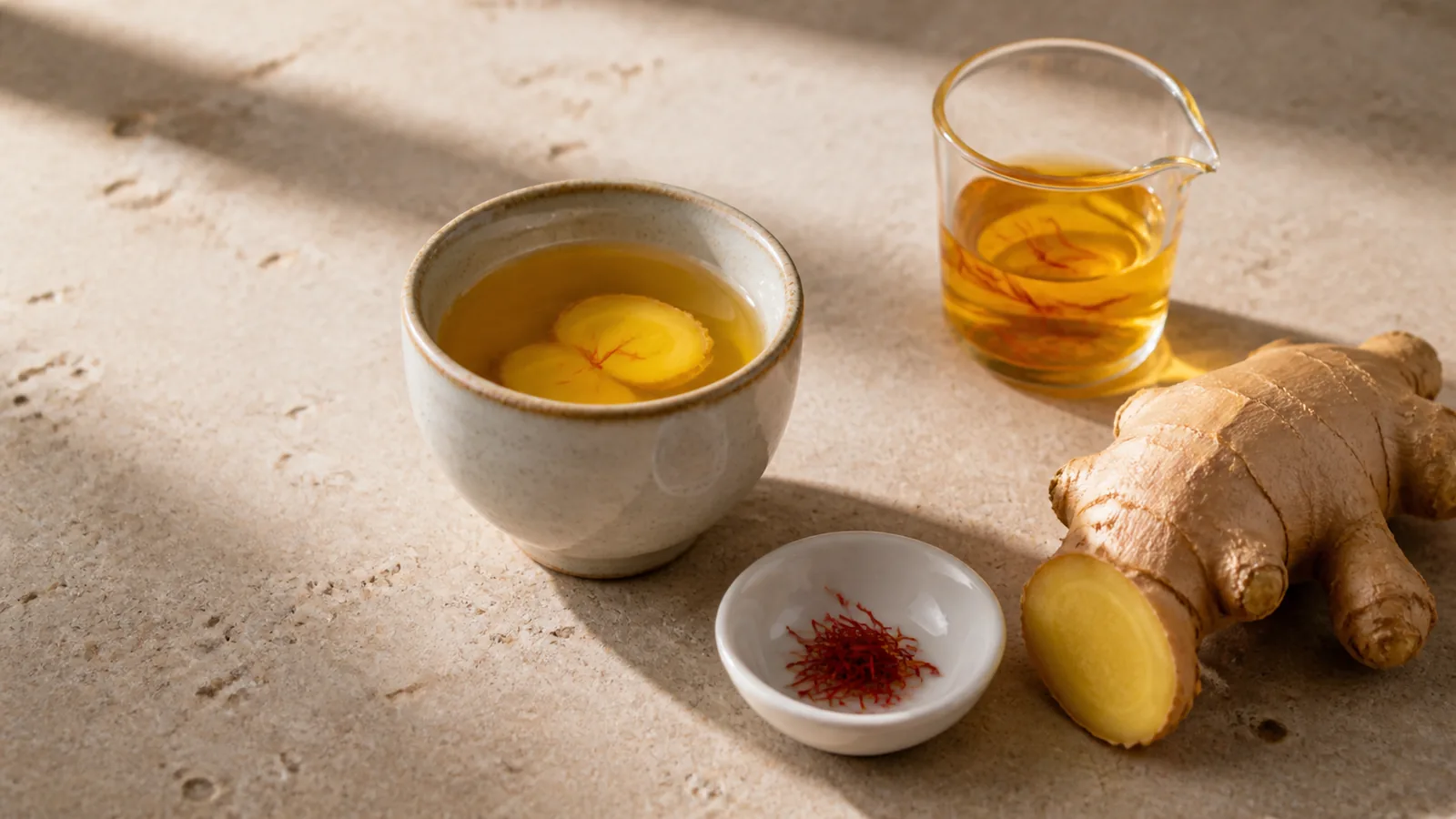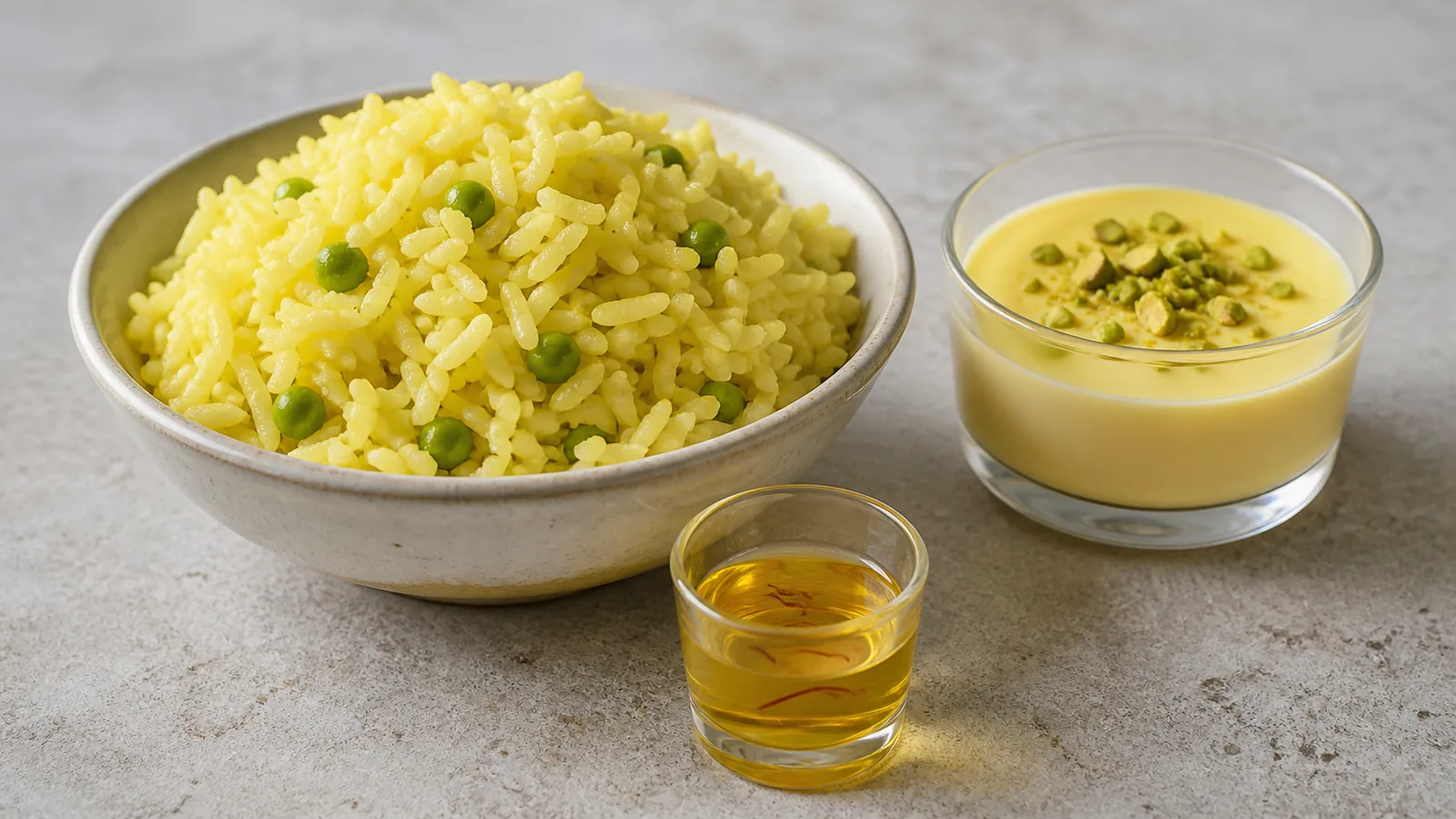
Saffron is not generally considered a stimulant, so it is unlikely to keep most people awake. Small trials of standardized extracts have more often reported modest improvements in sleep than insomnia. Still, an individual can sleep poorly after any new product, and the cause may be its timing, amount, other ingredients or simple coincidence.
The practical question is not only “can saffron keep you awake?” It is also what form you took, what it was mixed with and whether the same pattern happens again. A saffron latte containing coffee is very different from caffeine-free saffron tea or a standardized capsule.
What sleep studies have found
A 2023 systematic review identified five randomized saffron sleep trials with 379 participants in three countries. The results offered early support for improvements in sleep quality and sleep duration in some settings, including people reporting poor sleep or restlessness. Five trials are not enough to show that every preparation works, and the review does not establish saffron as a treatment for all insomnia.
One placebo-controlled study enrolled 120 adults who were dissatisfied with their sleep. They took 14 mg or 28 mg of one standardized extract, or placebo, one hour before bed for 28 days. Both saffron groups reported improvements in some sleep measures. Read the trial summary. It tested a named extract on a schedule—not culinary threads taken at any amount.
A separate meta-analysis of randomized trials also reported favorable group-level changes on common sleep scales, while calling for more research on dose and long-term safety. These studies support “may help some people sleep”; they do not prove deeper sleep, a balanced circadian rhythm or immediate sedation.
Does saffron keep you awake if you take it at night?
Usually it should not, but the whole product matters. Check the label for caffeine, green tea, guarana, cocoa, stimulating herbs, added sugar and high-dose vitamins. Blended powders and “energy” drinks may display saffron prominently while another ingredient drives wakefulness.
Also consider the drink itself. A large cup close to bedtime can lead to a bathroom trip; a rich milk drink may cause reflux; and drinking anything very hot or sweet can be uncomfortable. Our companion guide to saffron in evening drinks focuses on those caffeine and recipe checks.
Crocin, safranal and relaxation claims
Crocin and safranal are widely discussed as active saffron compounds. Laboratory and animal studies have prompted theories involving stress and neurotransmitter pathways. Human sleep trials, however, measure sleep diaries and questionnaires rather than proving that these compounds calm the nervous system, balance serotonin or reset a person’s circadian rhythm.
Reduced anxiety or stress could make it easier to unwind for some people. That is a plausible indirect route, not a guaranteed relaxing effect. Saffron is also not a conventional sedative: feeling sleepy soon after a meal does not prove the spice caused it, and being alert after taking saffron does not prove it is stimulating.
If saffron seems to keep you awake
- Pause the product. Do not keep taking it at bedtime simply because studies were positive on average.
- Read the full ingredient list. Note caffeine and every herb, vitamin, sweetener or flavoring—not just saffron.
- Check the amount and form. Record whether it was food, tea, threads, powder or an extract, plus the labeled serving.
- Review the rest of the evening. Late exercise, screen use, alcohol, stress, a heavy meal and an irregular bedtime can all affect sleep.
- Change one variable at a time. If a clinician agrees it is appropriate to try again, moving it earlier can help show whether timing matters.
Do not increase the amount to force relaxation. If insomnia repeats after the same saffron-only product and resolves when you stop, that pattern is more informative than a single difficult night. You are not obligated to continue a supplement that makes you feel worse.
Will better sleep improve daytime energy?
Better rest can improve how alert someone feels the next day, but saffron has not been shown to regulate everyone’s energy levels. Daytime fatigue can come from insufficient sleep, sleep apnea, anemia, thyroid problems, medicines, depression and many other causes. A supplement should not delay assessment of persistent fatigue.
If your real question is whether saffron acts as an energy booster or a sedative, see our focused comparison of saffron, energy and sleepiness.
When to get advice
Speak with a clinician or pharmacist before concentrated saffron use if you are pregnant, take prescription medicines, have a chronic condition or are treating anxiety, depression or a sleep disorder. Get medical advice when insomnia persists, interferes with daytime function, or comes with racing thoughts, unusually elevated mood, breathing pauses or severe distress.
Bottom line
Will saffron keep you awake? For most people, probably not, and small extract trials lean toward better sleep rather than stimulation. If sleep worsens, examine the full product, timing and evening routine, then pause it rather than assuming the reaction is harmless. Saffron for better sleep remains a possibility—not a promise.