Saffron Energy Effects: Does Saffron Give You Energy or Make You Sleepy?
Saffron is not a stimulant like caffeine, and a culinary pinch is not a sleeping pill. It should not create an immediate burst of energy or make most people suddenly drowsy. Research on saffron extracts has reported possible effects on mood and sleep in selected groups, but those longer-term outcomes are different from feeling a dose “kick in.”
Whether a saffron drink feels bright or relaxing often depends on the setting, the other ingredients and your expectations. A morning cup may contain tea or coffee; an evening cup may be warm milk taken as part of a quiet routine. The saffron is not automatically responsible for the whole effect.
Does saffron give you energy?
Saffron does not supply enough calories in normal culinary quantities to be an energy source, and it contains no caffeine. There is no strong evidence that a cup of saffron water increases alertness, focus or physical performance in the way a stimulant can.
Some studies have examined saffron extracts for mood, anxiety or fatigue. Better mood or better sleep could make a person feel more motivated or less tired, but that is an indirect possibility rather than an instant energy boost. It also cannot be assumed for every healthy person.
A 2025 double-blind placebo-controlled study in 51 adults with subclinical mood symptoms found that six weeks of saffron extract did not significantly improve the combined depression, anxiety and fatigue outcome or the individual symptoms. That neutral result is important when broad claims say saffron reliably combats tiredness.
Can saffron make you sleepy?
Trials of standardised saffron supplements have reported improvements on sleep questionnaires in some participants. A 2023 systematic review found five randomised trials with 379 participants and described the evidence as initial support for better sleep duration and quality.
That does not mean saffron is a proven sedative. The studies used different preparations, doses and populations, and many were short. A 2022 meta-analysis also found promising results but called for more research on efficacy and long-term safety. Neither review shows that ordinary food use treats insomnia.
Crocin and safranal are often described as the active compounds behind calming or hypnotic effects. Mechanism studies can generate useful hypotheses, but they do not justify saying that a few threads will reduce stress, cure anxiety or make everyone fall asleep.
Why “energy by day, sleep by night” is misleading
Saffron is sometimes called an adaptogen that supposedly boosts energy in the morning and calms the mind at night. That label is not a demonstrated timing switch. Taking the same spice at different hours does not make it choose opposite effects on command.
There is a more ordinary explanation for the apparent balance. If a defined extract helps a particular person’s mood or sleep over several weeks, that person may feel better during the day and sleep better at night. This is not proof of immediate energising and sedating actions, and it does not make saffron a treatment for fatigue or insomnia.
Marketing explanations often invoke serotonin, vitality, tranquility and a special balance between energy and relaxation. These words may sound scientific or soothing, but they do not show that saffron predictably controls alertness. Consistency is necessary when researchers test a product over time; consistent use is not a guarantee that an individual will benefit.
Morning or evening: when should you use it?
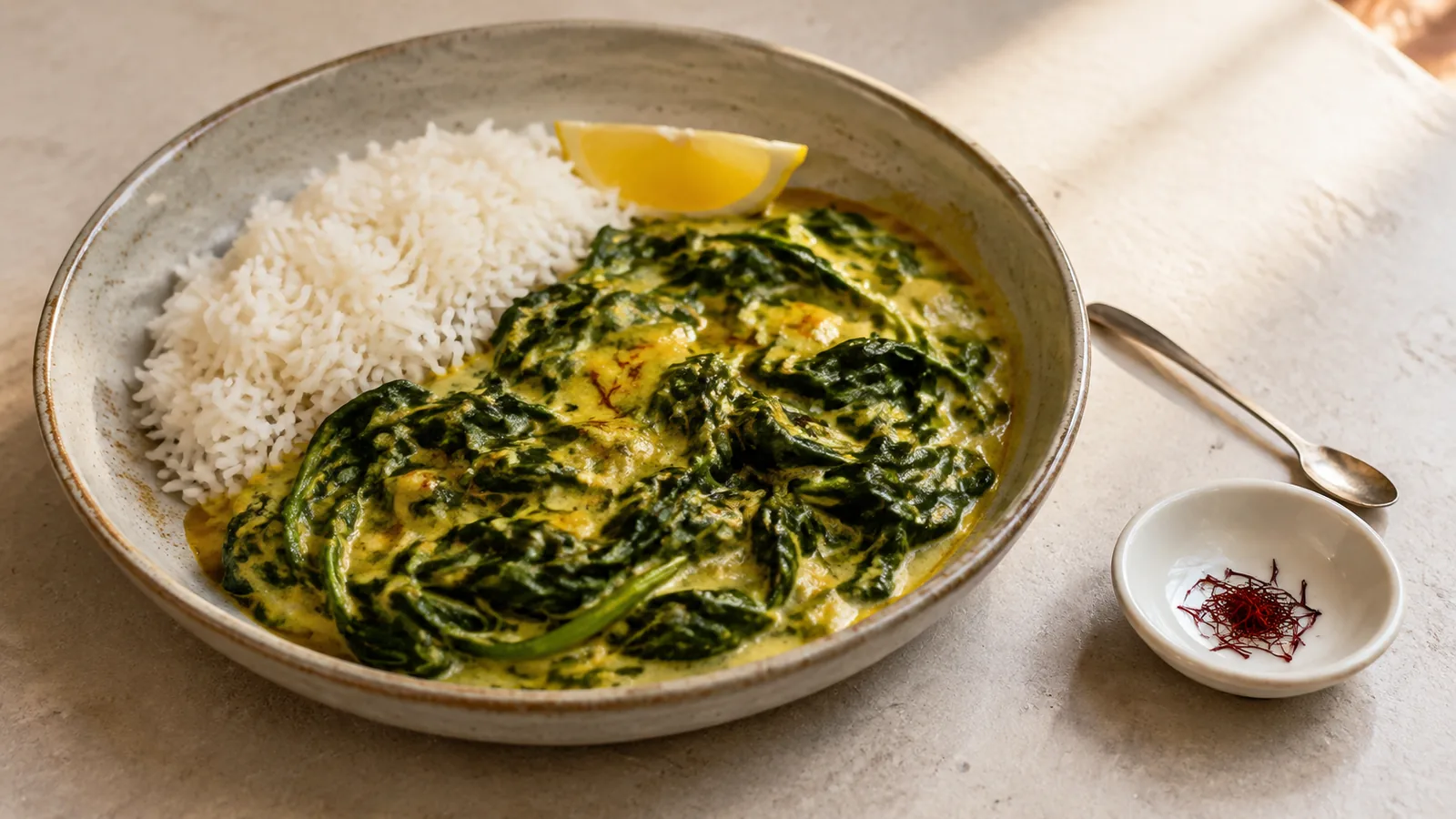
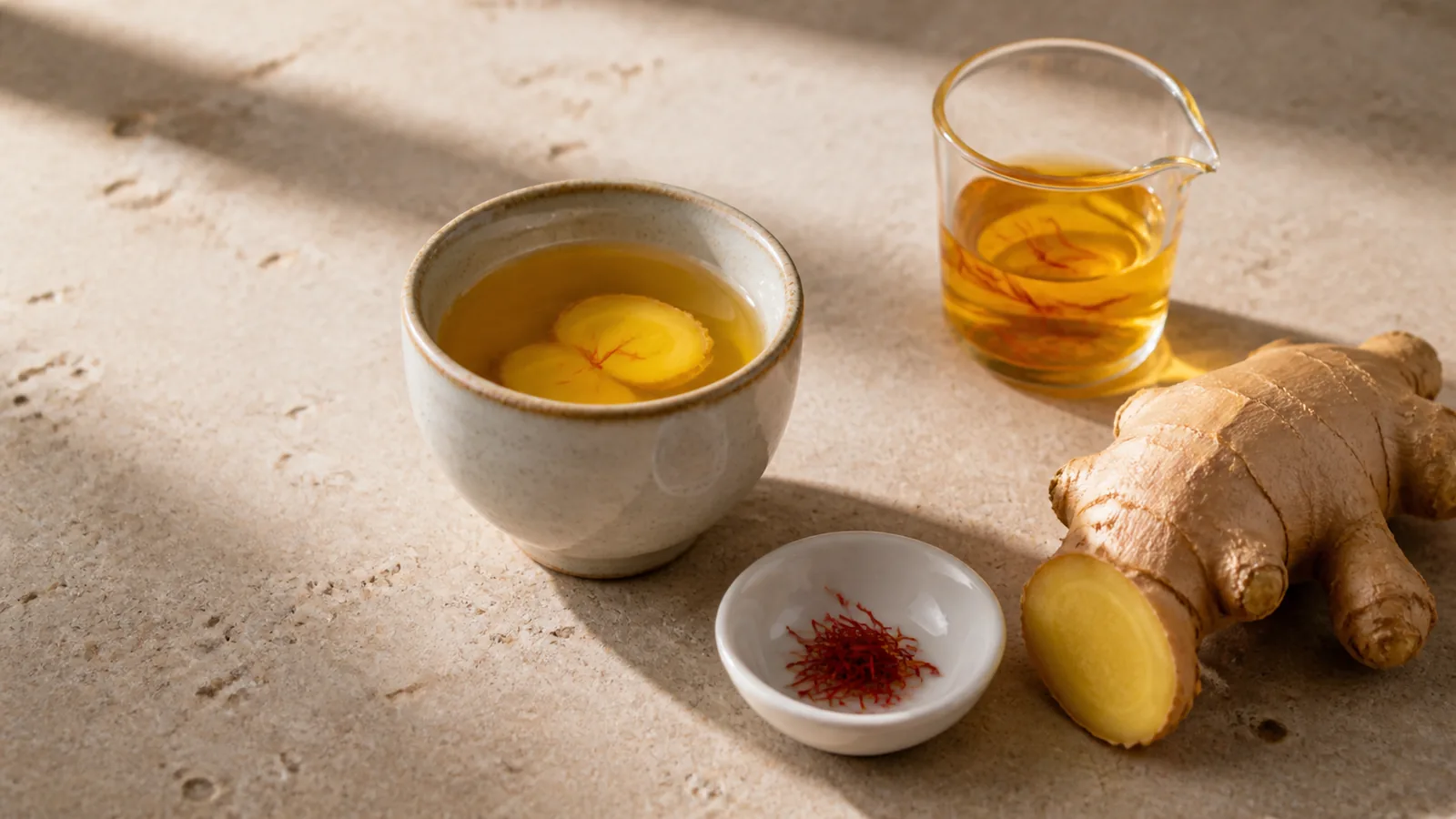
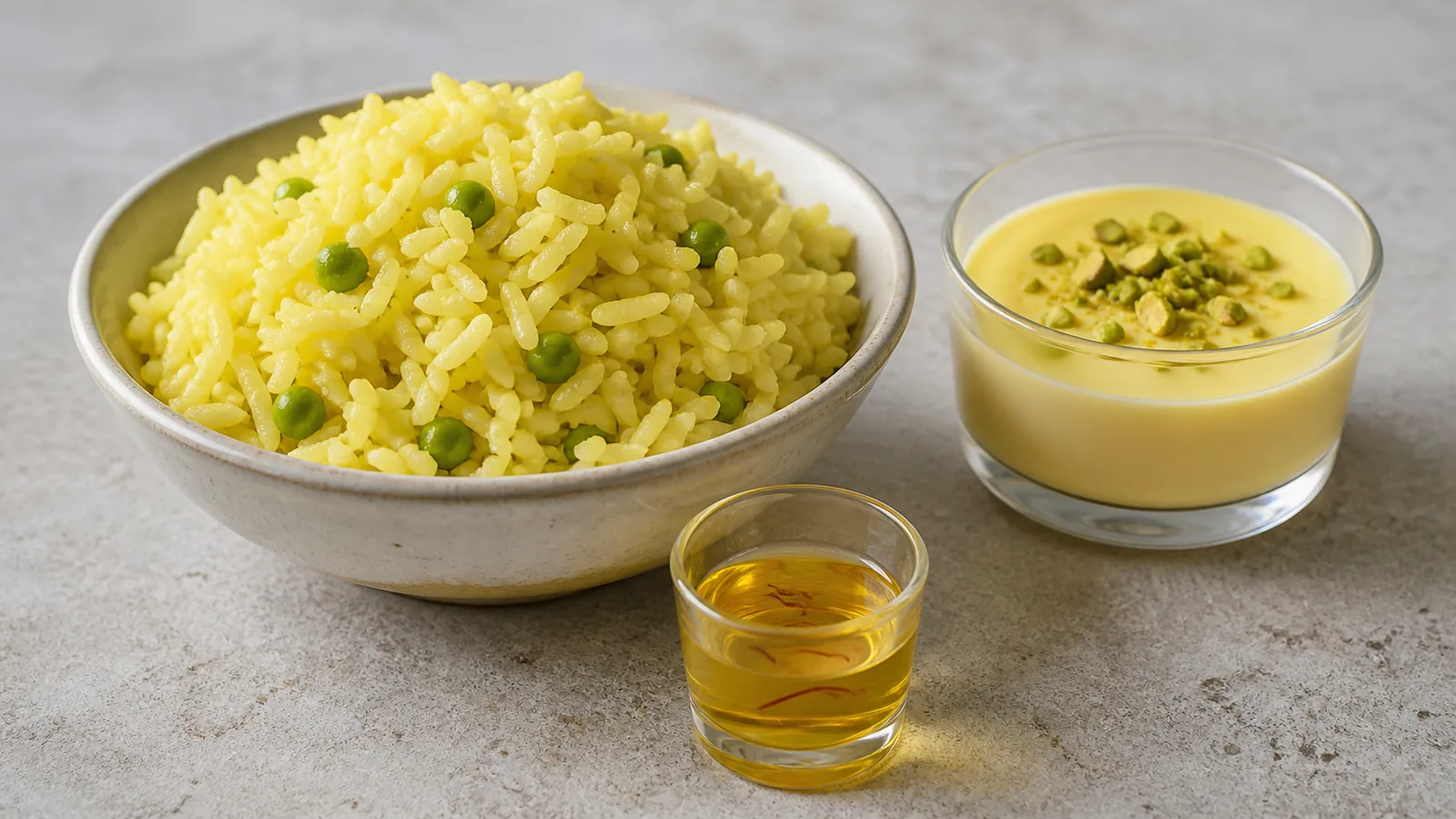
For food, use saffron when it suits the recipe. A small amount in breakfast rice, lunch or dinner is unlikely to determine whether you are alert or sleepy. For a drink, consider everything in the cup:
- Caffeinated tea or coffee can increase alertness and disturb sleep when taken late.
- Warm milk may feel comforting, but it is not automatically a sleep treatment.
- Added sugar can turn a light drink into a substantial source of calories.
- A quiet routine, dim light and reduced screen use can make an evening drink feel relaxing.
If you enjoy saffron-infused water or milk in the morning, do not expect it to replace sleep, food or appropriate medical care. If you prefer saffron tea in the evening, treat it as part of winding down rather than a guaranteed remedy.
Supplements need a different decision
A capsule or concentrated extract is not equivalent to a culinary pinch. Products vary, and research results belong to the preparation and duration actually tested. Do not combine several saffron products or increase an amount in pursuit of a stronger energy or sleep effect.
The FDA advises discussing supplements with a healthcare professional because they can cause side effects or interact with medicines. This is particularly important during pregnancy or breastfeeding, before surgery, or when you take medicines for mood, sleep, blood pressure, blood sugar or clotting.
Stop and seek advice if you experience nausea, persistent stomach upset, headache, dizziness, unusual drowsiness, agitation, rash or another concerning change.
When tiredness or poor sleep needs attention
Persistent fatigue can have many causes, including too little sleep, anaemia, thyroid disease, infection, medication effects, depression, sleep apnoea and other health conditions. It should not be covered up with an unproven energy remedy.
Likewise, ongoing insomnia deserves an assessment when it affects daytime life. The US National Heart, Lung, and Blood Institute notes that a clinician may use a one- to two-week sleep diary and check for other sleep disorders. Its treatment guidance prioritises healthy sleep habits and established behavioural care.
Seek prompt help if sleepiness makes driving unsafe, breathing seems to stop during sleep, or tiredness is severe or accompanied by another worrying symptom.
The practical answer
Does saffron give you energy or make you sleepy? In culinary use, usually neither in a direct, immediate way. Saffron extracts have shown promising sleep results in some short trials, while current fatigue evidence is mixed and includes a recent neutral study. Enjoy saffron for its flavour and aroma; do not use timing alone to turn it into a stimulant, sedative or substitute for care.