Saffron is expensive because every small harvest contains a great deal of careful work. Each flower produces only three red stigmas, those stigmas must be separated and dried, and the finished spice weighs very little. That combination—not a mysterious luxury markup—is why saffron is worth so much.
Why is saffron expensive?
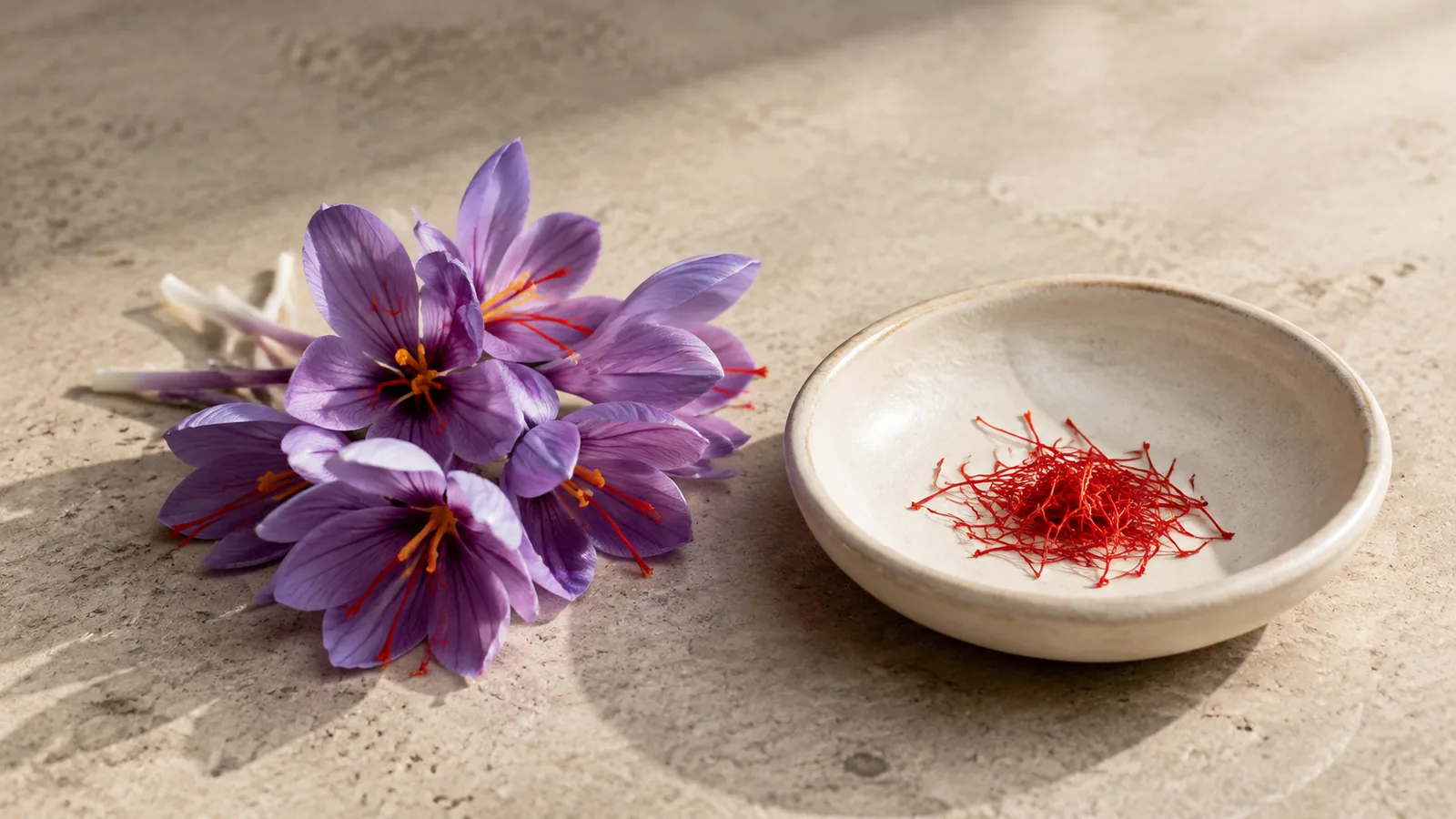
The price begins with the part of the plant we actually eat. Saffron is made from the dried stigmas of Crocus sativus, rather than from a whole fruit, seed, leaf, or root. The current ISO 3632-1:2025 saffron specification defines the product as dried saffron obtained from the flower’s pistils. A grower therefore raises an entire flowering crop to collect a few delicate strands from each bloom.
An ISO saffron-quality explainer estimates that about 250,000 flowers are needed for one kilogram of saffron and notes that each flower has three stigmas. Flower counts in other references can differ because strand size, moisture, trimming, and final yield are not identical from one harvest to another. Whichever estimate is used, the underlying point is the same: a kilogram of dry spice represents an extraordinary number of individual flowers.
Most of the cost is work that cannot be rushed
The flowers have a short harvest window
Saffron crocuses bloom over a concentrated period. Flowers have to be gathered while they are in suitable condition, so the workload arrives quickly rather than being spread evenly through the year. Harvesting the flowers is only the first step.
Three stigmas must be separated from every flower
Once picked, each flower is opened and its red stigmas are removed. This close, repetitive work protects the part that carries saffron’s characteristic colour, aroma, and flavour. A mechanical process that crushes or mixes the stigmas with too much other flower material would reduce the value of the finished batch.
Fresh stigmas still have to be dried
Freshly separated stigmas are not yet the shelf-stable spice sold in a jar. Controlled drying reduces their moisture and develops the familiar character of saffron. Too much heat or careless storage can diminish quality; insufficient drying leaves excess moisture and weight. ISO’s saffron standard includes quality requirements and storage and transport recommendations for this reason.
The crop carries costs beyond harvest day
A saffron field requires suitable soil, planting material, land, and year-round management even though the valuable harvest is brief. Corms must be established and maintained, and weather and crop conditions affect what can be collected. The land does not yield a heavy commodity crop: the saleable output is a comparatively tiny weight of dried stigmas.
Those realities also make a simple price-per-kilogram comparison misleading. Production volumes, growing conditions, labour costs, strand trimming, moisture, and grade all influence the final price. Our overview of saffron production statistics explains the wider supply picture without changing the basic labour equation.
Quality control and traceability add legitimate value
Not every expensive jar is automatically excellent, but genuine quality has costs after the harvest. Sorting removes unwanted plant material. Appropriate packaging protects the dry threads from moisture and light. Testing can assess identity, purity, moisture, and the chemical properties associated with saffron’s colour, aroma, and flavour. Traceable handling gives a buyer more confidence about what is in the package.
This matters because saffron’s high unit price makes substitution tempting. The US Food and Drug Administration describes saffron being bulked with cheaper plant matter as an example of economically motivated adulteration. In an EU-wide authenticity survey, 16 of 141 saffron samples—11 percent—were considered suspicious. The survey did not show that all saffron is unreliable; it demonstrated why sound sourcing, handling, and verification are valuable.
Are you paying for scarcity or for quality?
Both can influence the price, but they are not the same thing. A genuine saffron thread is scarce because the yield per flower is tiny and the processing is demanding. Quality then depends on how the stigmas were selected, dried, stored, and protected. Attractive packaging or a dramatic price alone does not prove purity.
When comparing saffron, look for intact red threads, clear origin and lot information, sensible packaging, and a seller who can explain the product. Be cautious of a very low price that seems inconsistent with the work required to make real saffron. Our guide to telling real saffron from fake saffron covers practical checks and the limits of home tests.
Does a little saffron justify the price?
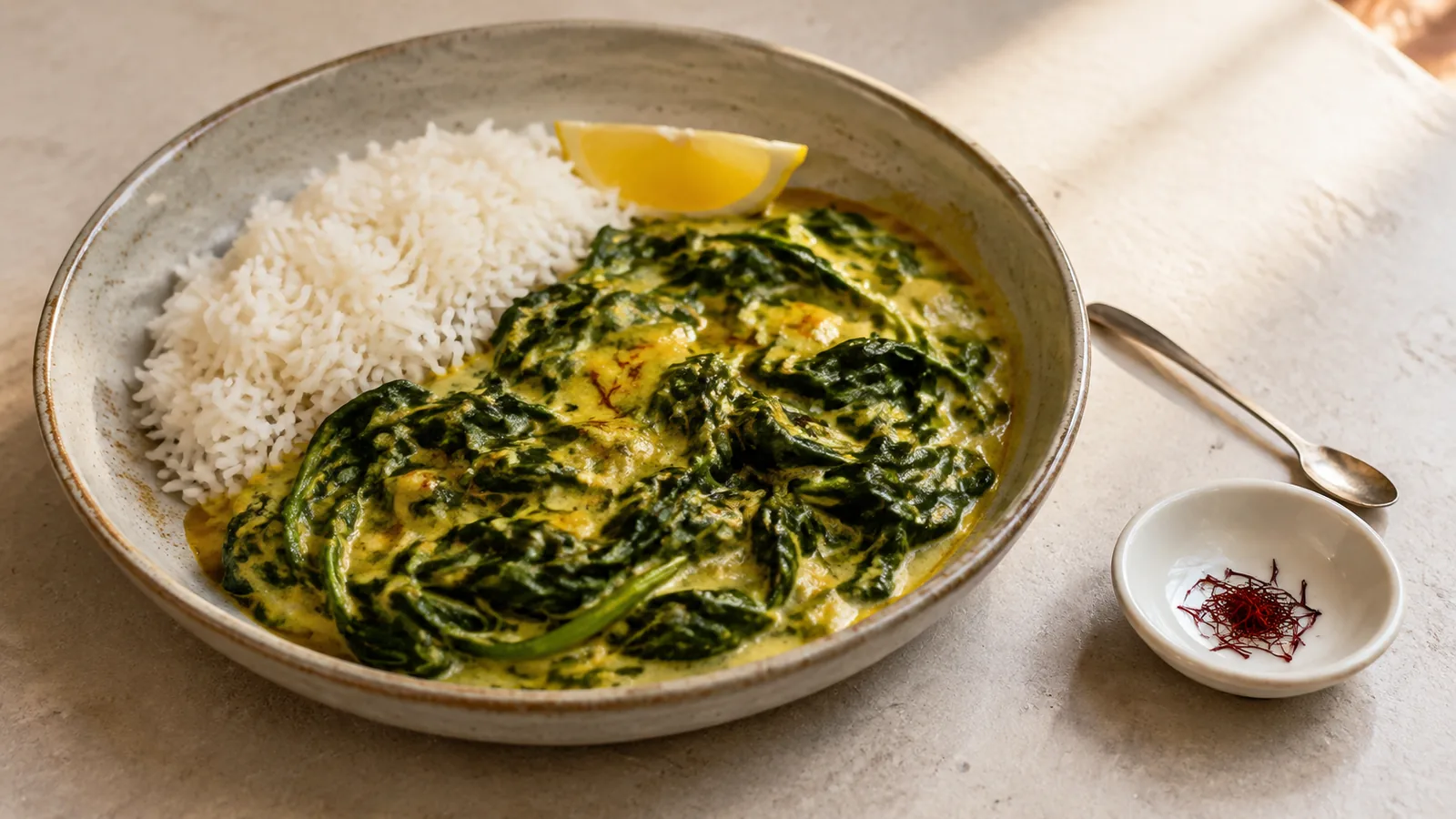
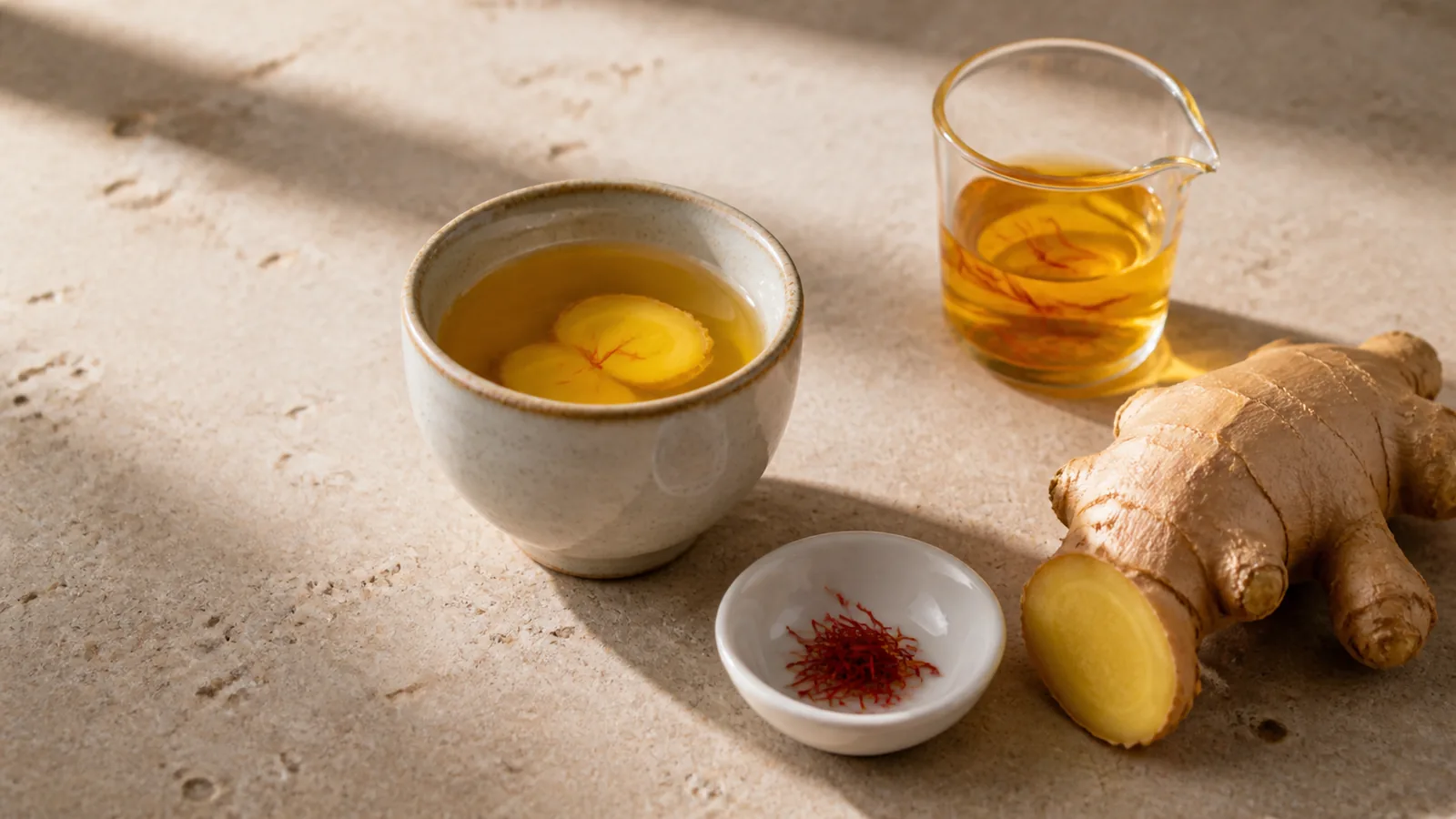
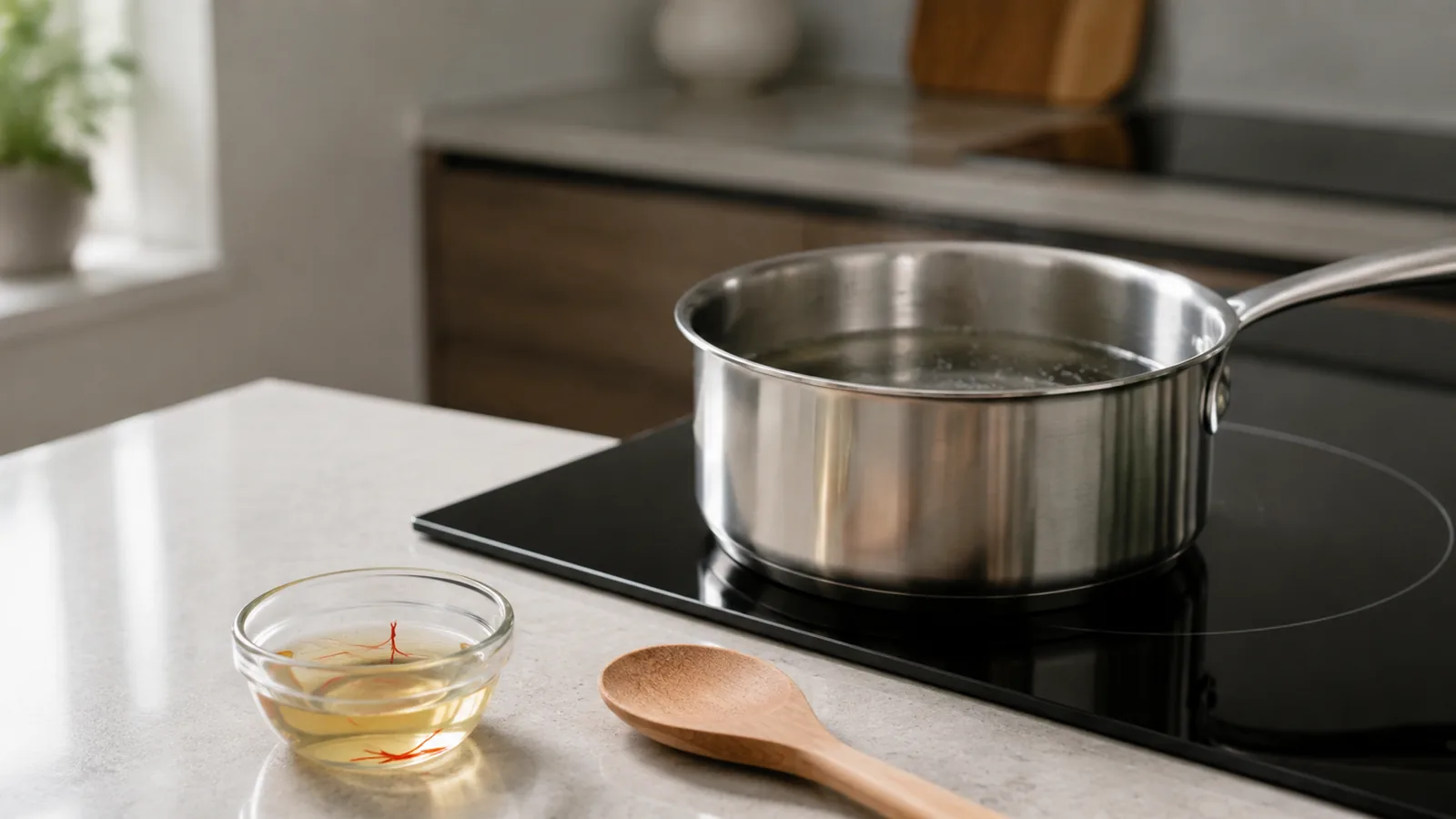
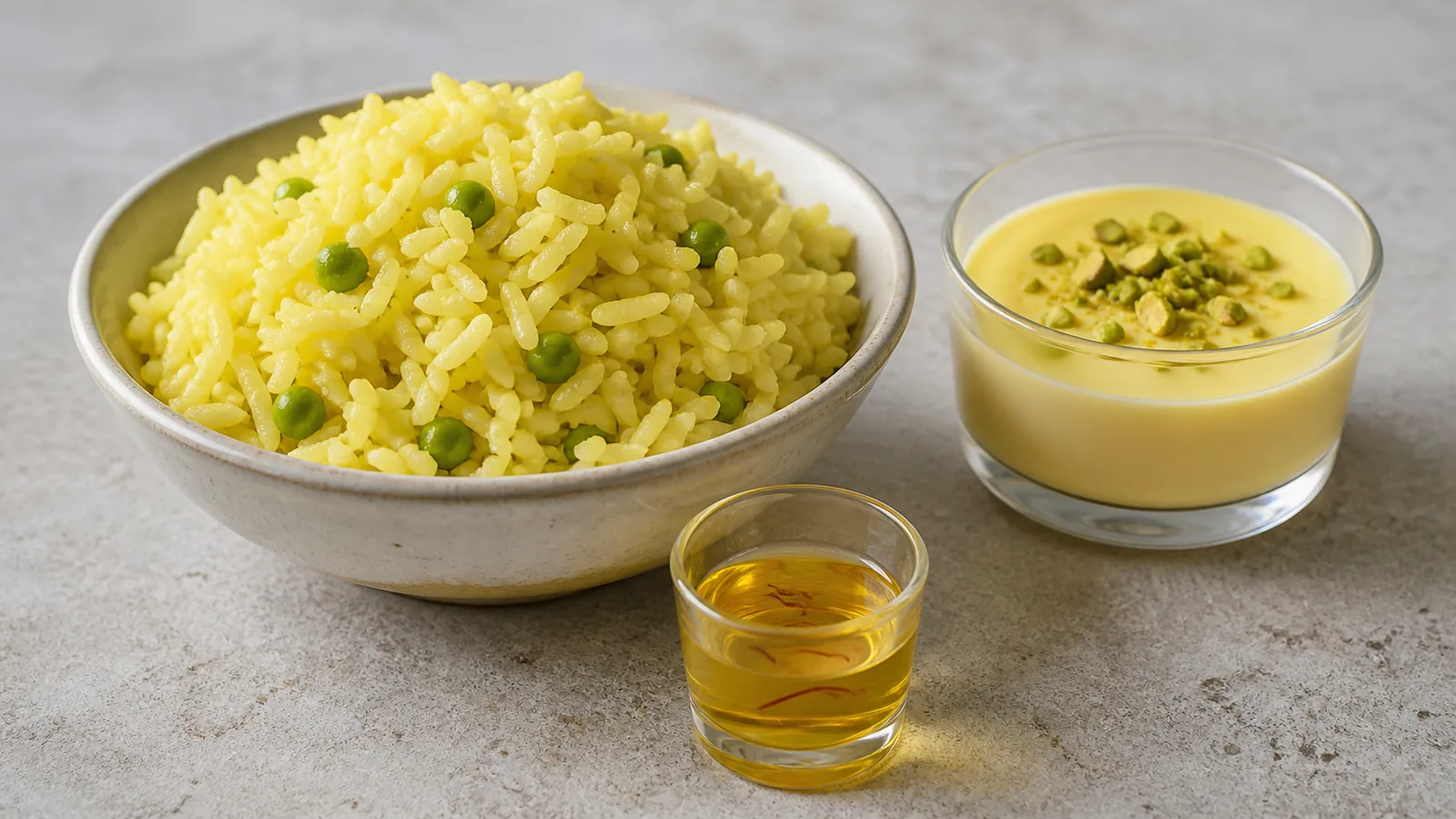
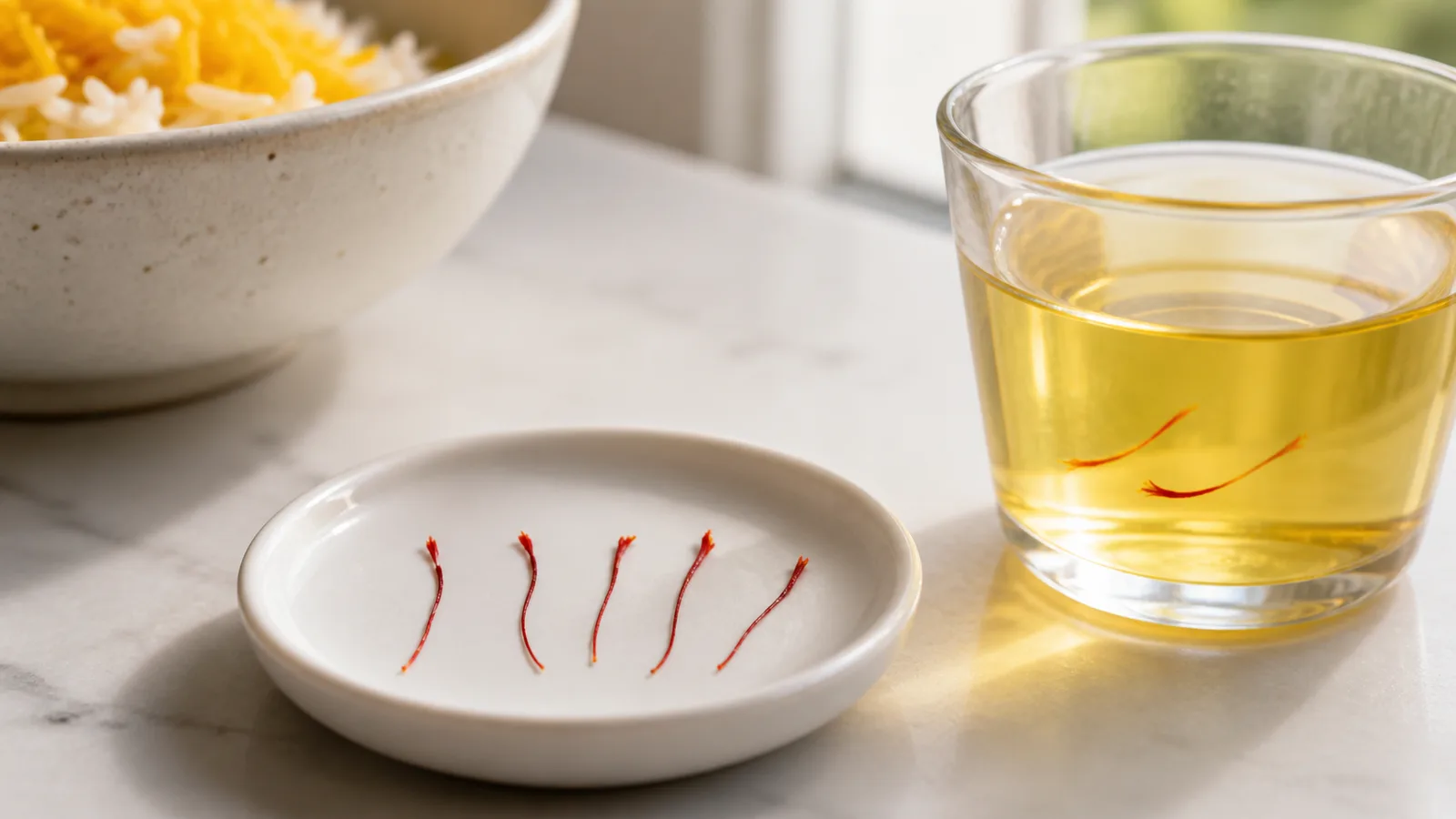
Saffron is normally used in small quantities. A few properly infused threads can contribute colour, aroma, and a distinctive flavour to a whole dish, so the cost per serving is far lower than the price per kilogram suggests. Buying an appropriate amount and storing it well is usually more useful than buying a large package that loses quality before it is used.
For a concrete comparison, our Sargol saffron product page shows the current pack sizes and price. Price should still be considered alongside authenticity, grade, freshness, and how much a recipe actually requires.
Why saffron is worth so much, in one sentence
Why saffron is expensive comes down to a tiny usable yield, a concentrated harvest, meticulous separation and drying, and the work required to protect and verify the final spice. Its value is earned long before the threads reach the kitchen.