Saffron is expensive because each flower provides only three usable red stigmas, the crop blooms in a short window, and much of the picking and separation still has to be done by hand. Drying, grading, testing, careful storage and losses between field and finished spice add to the cost.
Those are the central reasons behind saffron’s high price. Demand matters, but the price begins with an unusually low yield of spice from a large volume of delicate flowers—not simply with luxury marketing.
Why does saffron cost so much?
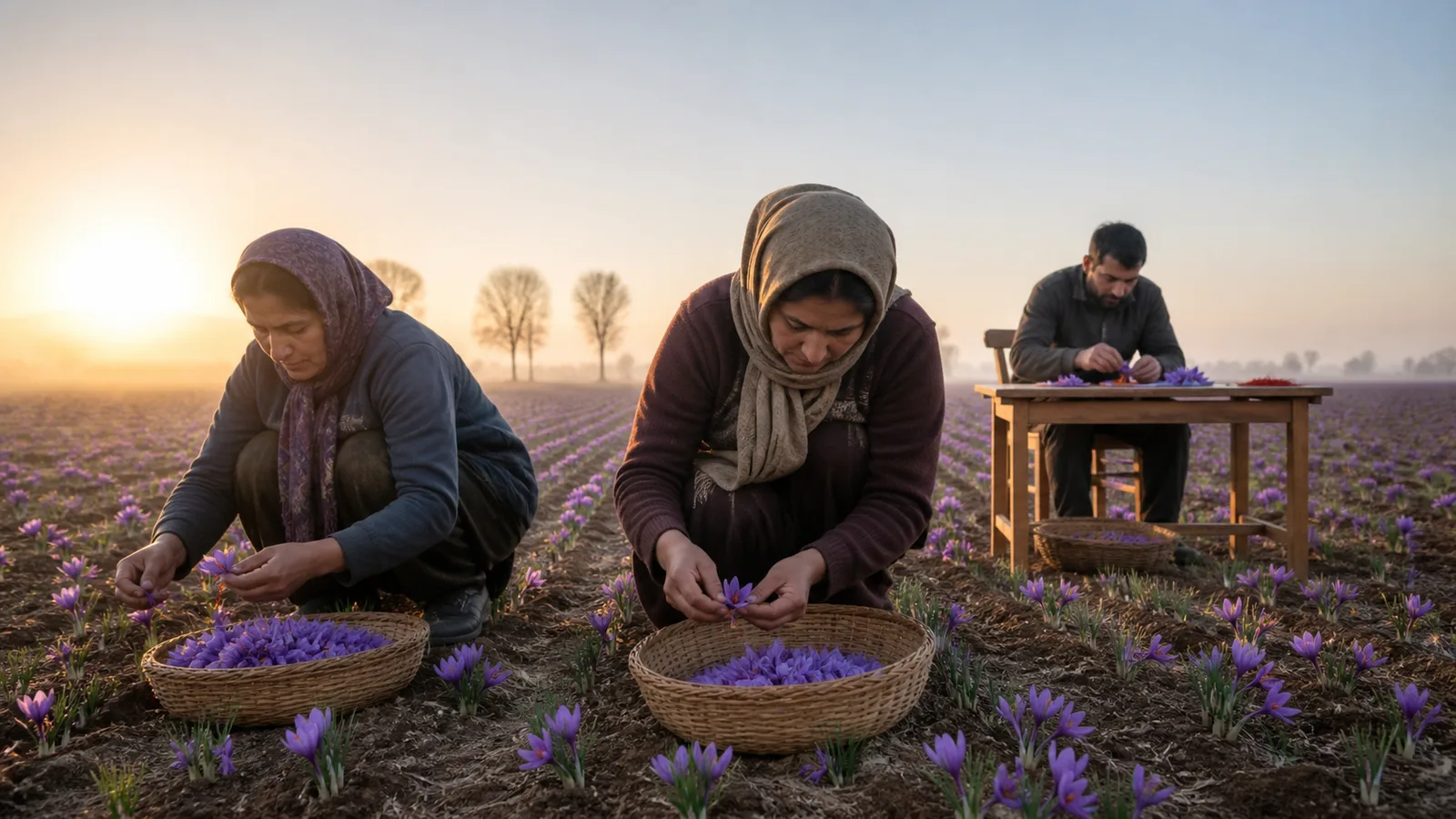
Saffron is the dried stigma of Crocus sativus. Each flower has three stigmas. Workers collect the flowers during the bloom, separate those fine red parts and dry them quickly enough to protect color and aroma.
The International Organization for Standardization has reported that about 250,000 flowers may be needed for one kilogram of saffron. Estimates vary with the crop and with how much style is included, but all lead to the same conclusion: thousands of flowers yield a very small amount of finished spice. That is why a pound of saffron represents far more field and hand work than a pound of most dried seasonings.
ISO’s explanation of saffron quality and production also notes that each stigma is picked individually. The process is difficult to mechanize without damaging or mixing the delicate material.
A short harvest creates intense labor demand
Saffron flowers do not wait for a convenient factory schedule. Blooming is concentrated, and flowers are commonly gathered early in the day before wilting reduces quality. The stigmas then need to be separated while the flowers are fresh and dried promptly.
FAO production information describes harvesting over several autumn weeks, with each plant flowering for a much shorter period. Picking, separating and drying therefore require many people at the same time. Labor costs are concentrated into a narrow season, while the land and corms need attention beyond harvest.
Unlike a crop whose edible fruit can be mechanically harvested and sold whole, most of the saffron flower never becomes the spice. The valuable output is only a tiny fraction of the material handled.
Drying turns fresh stigmas into less finished weight
Fresh stigmas contain moisture. Controlled drying makes the spice stable and helps develop the color, aroma and flavor buyers expect, but it also reduces weight. A producer must begin with considerably more fresh material than the final package contains.
Drying is not merely a way to remove water. Too much heat can damage quality; too much moisture can add weight unfairly and encourage deterioration. Skilled processing and moisture control have a real cost.
Limited production conditions add risk
Saffron is grown in more places than simplified lists suggest, including important production in Iran and cultivation in India, Spain, Afghanistan, Greece, Morocco and other regions. It can adapt to several soils and climates, but profitable production still depends on suitable drainage, seasonal conditions, healthy corms, skilled labor and a successful short bloom.
Weather, disease, labor availability and local yields can change the amount reaching market. Limited growing regions are part of the story, but “it grows in only three countries” would be inaccurate. Origin alone also does not guarantee quality.
Quality, purity and testing affect price
High-quality saffron is valued for coloring strength, aroma and flavor—not just for looking deep red. Color alone can be misleading because styles, age, moisture and adulterants affect appearance and weight.
Authenticity therefore affects value: documented pure saffron and an unverified red powder are not economically equivalent.
The current ISO 3632-1:2025 specification covers dried saffron in filament, cut-filament and powder forms. Laboratory testing, traceability and protective packaging add expense, but they help distinguish a documented product from one sold only on appearance.
Because saffron commands a high price, it is also vulnerable to dilution, added moisture, dyed plant fibers and misleading grading. Powder is harder for a buyer to inspect visually. Our practical guide to recognizing real saffron explains what consumers can check without relying on internet tricks alone.
High demand matters—but it does not explain everything
Saffron is used in food, beverages, fragrance traditions, cosmetics and supplements, so demand spans several markets. Popularity can raise prices when harvest supply is tight. However, global demand does not remove the underlying work: every legitimate batch still begins with flowers, stigmas, skilled handling and weight loss during drying.
Retail prices also include sorting, testing, packaging, transport, duties, storage, distributor margins and small-pack costs. A one-gram jar can cost more per gram than a bulk lot because the jar, label and handling are spread across very little spice.
Why is saffron so costly at one shop and cheaper at another?
Two prices may refer to different things. Compare:
- whole threads versus powder;
- net saffron weight, not package size;
- the amount of yellow style mixed with red stigma;
- harvest age and storage conditions;
- origin and traceability;
- documented laboratory grading; and
- retail pack size versus wholesale quantity.
An unusually low price is not automatic proof of fraud, just as an expensive jar is not automatic proof of excellence. It is a reason to ask what evidence supports the grade. See how to compare real saffron prices without treating one market quote as universal.
Does expensive saffron make sense in the kitchen?
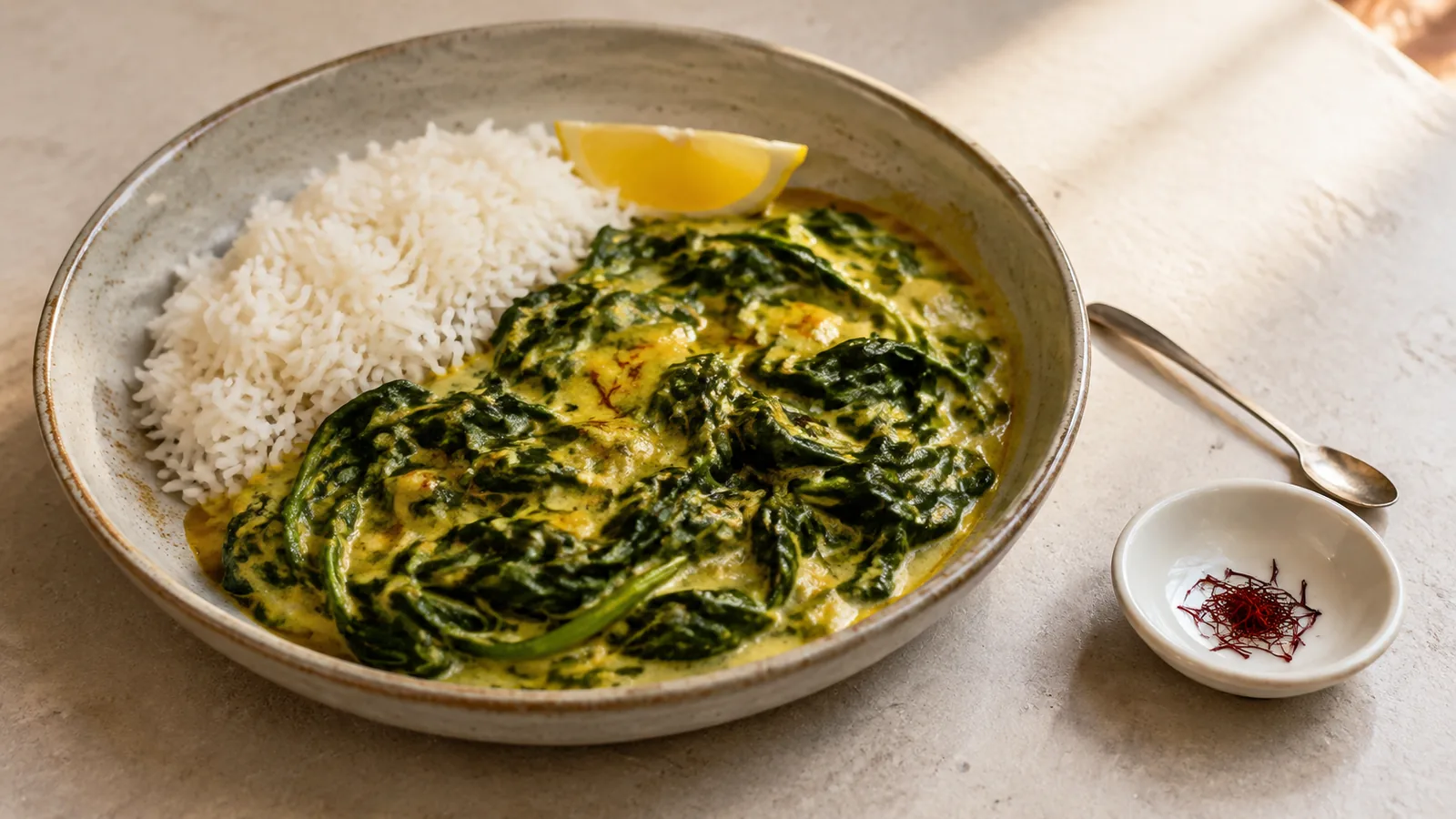
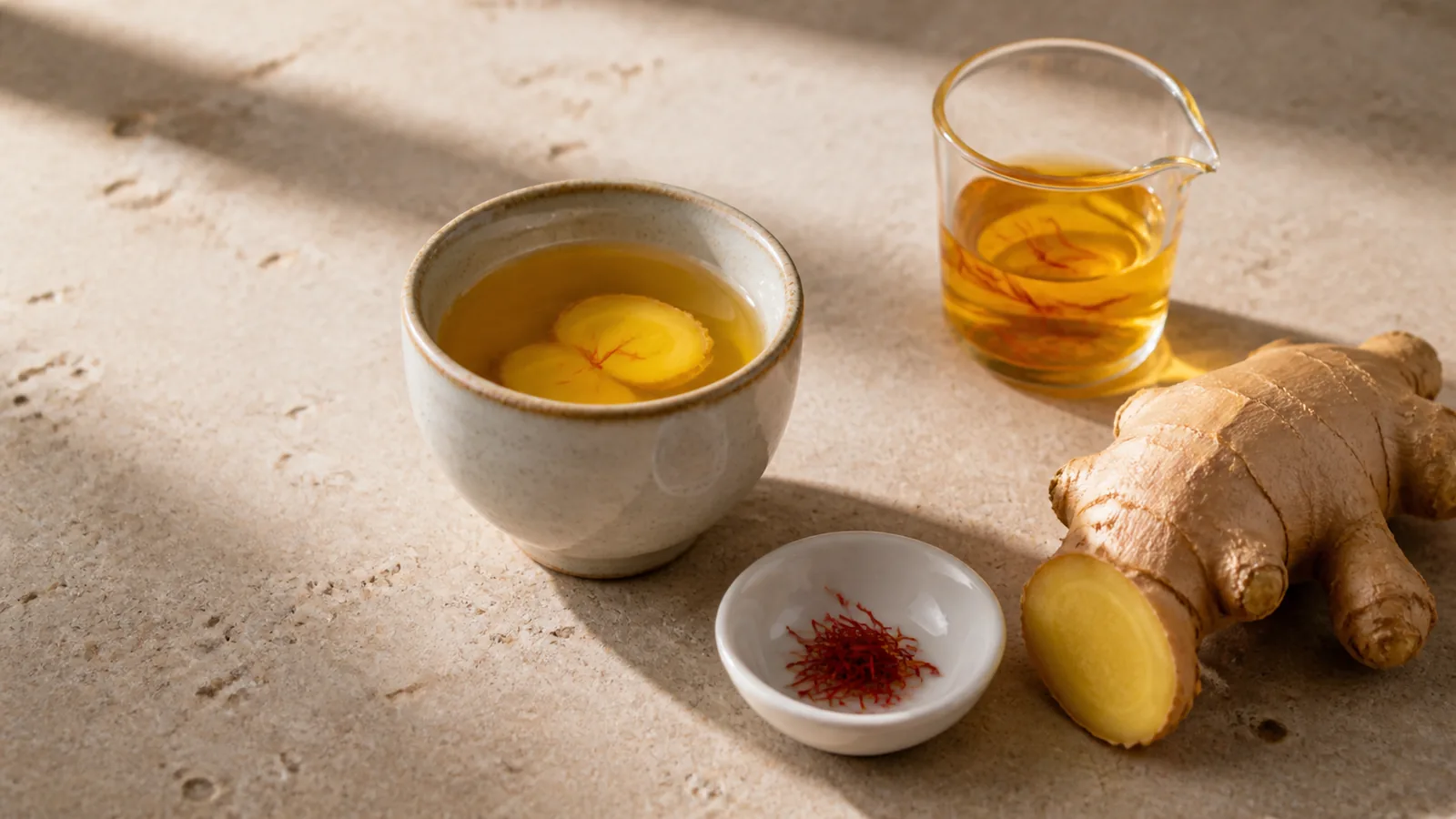
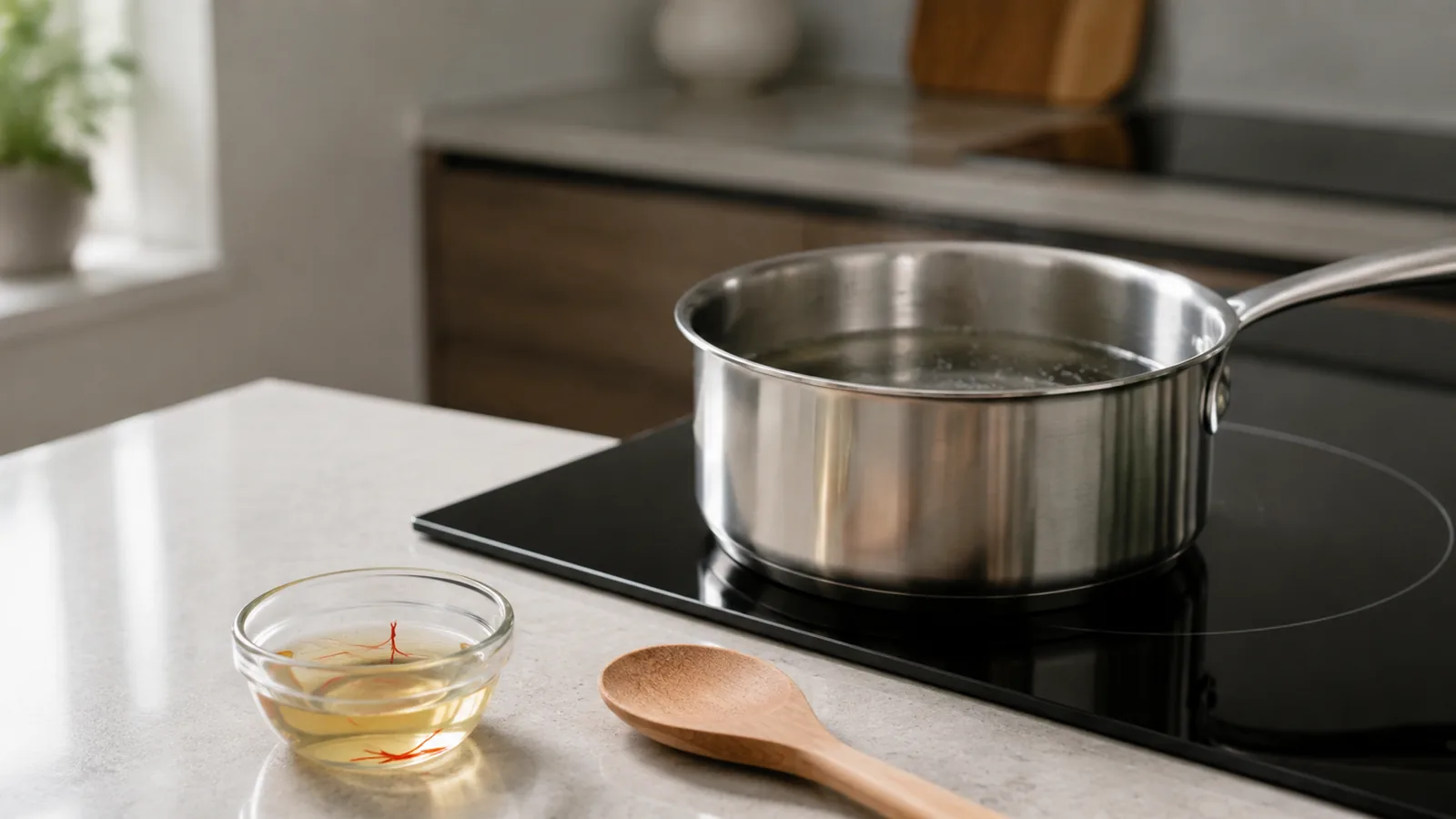
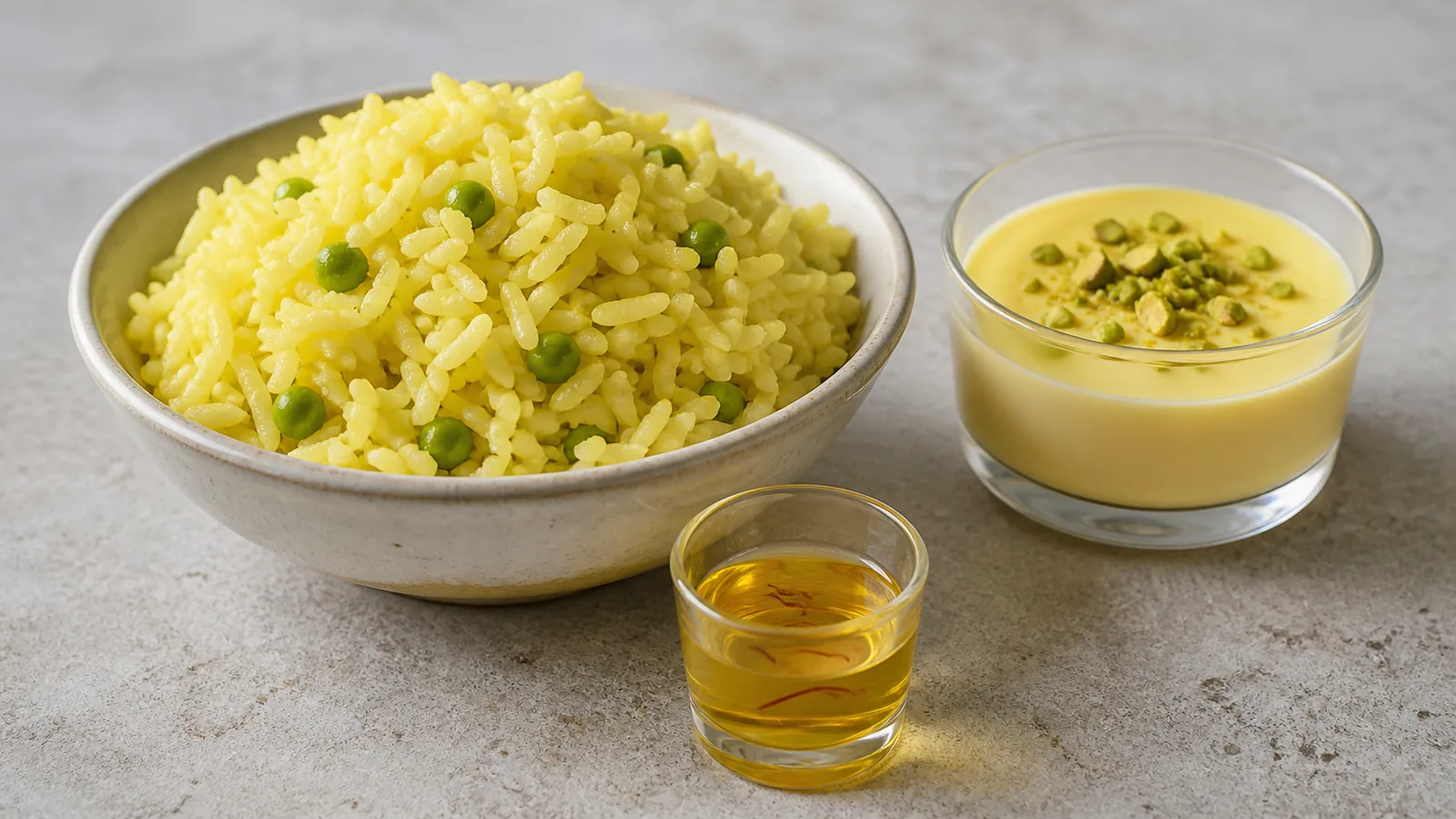
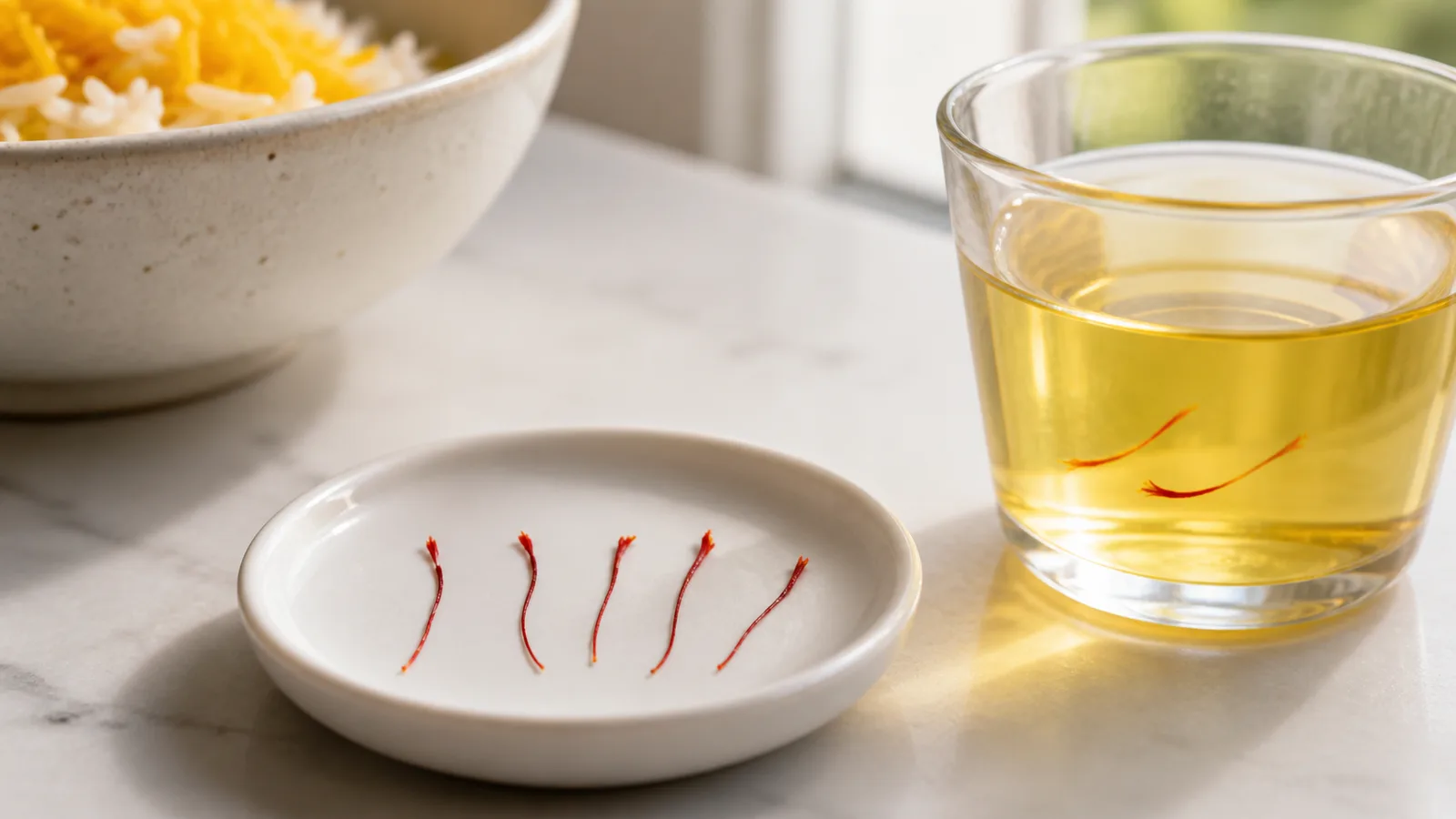
Saffron is potent enough that recipes normally use a small pinch, not a spoonful. Blooming the threads in warm water before adding the liquid can distribute color and aroma through an entire dish. The purchase price is high by weight, but the cost per serving can be modest when the spice is genuine, fresh and used carefully.
Why is saffron expensive, then? Because buyers are paying for a tiny, labor-intensive part of a seasonal flower, carefully converted into a stable spice. Its value is understandable; quality still needs evidence.