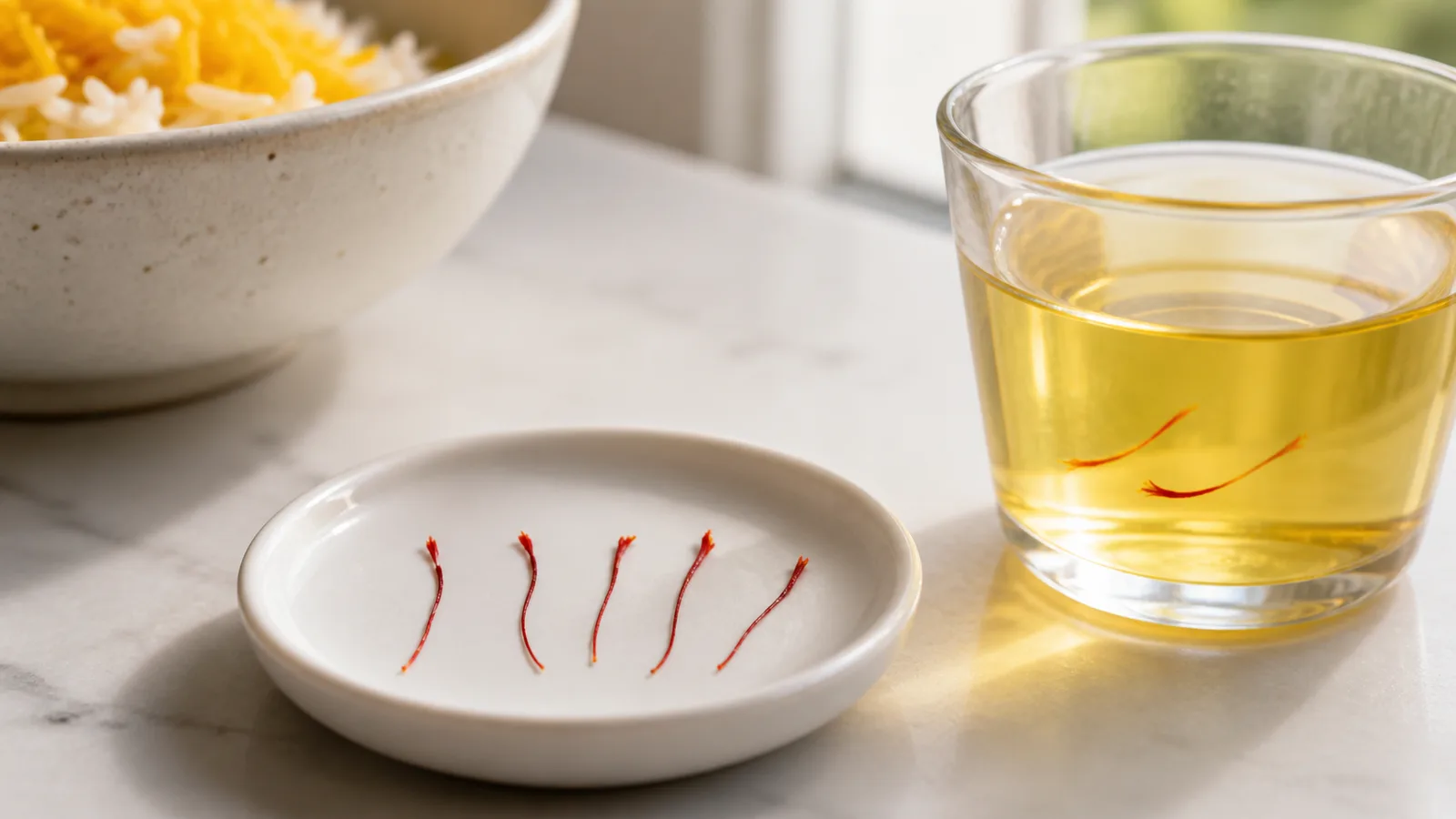
Why saffron is costly—or, in more familiar wording, why saffron is so expensive—comes down to its unusually small yield and demanding production. Each flower yields only three red stigmas, the harvest window is short, much of the work remains manual, and the fresh stigmas must be separated, dried, graded and protected with very little room for error.
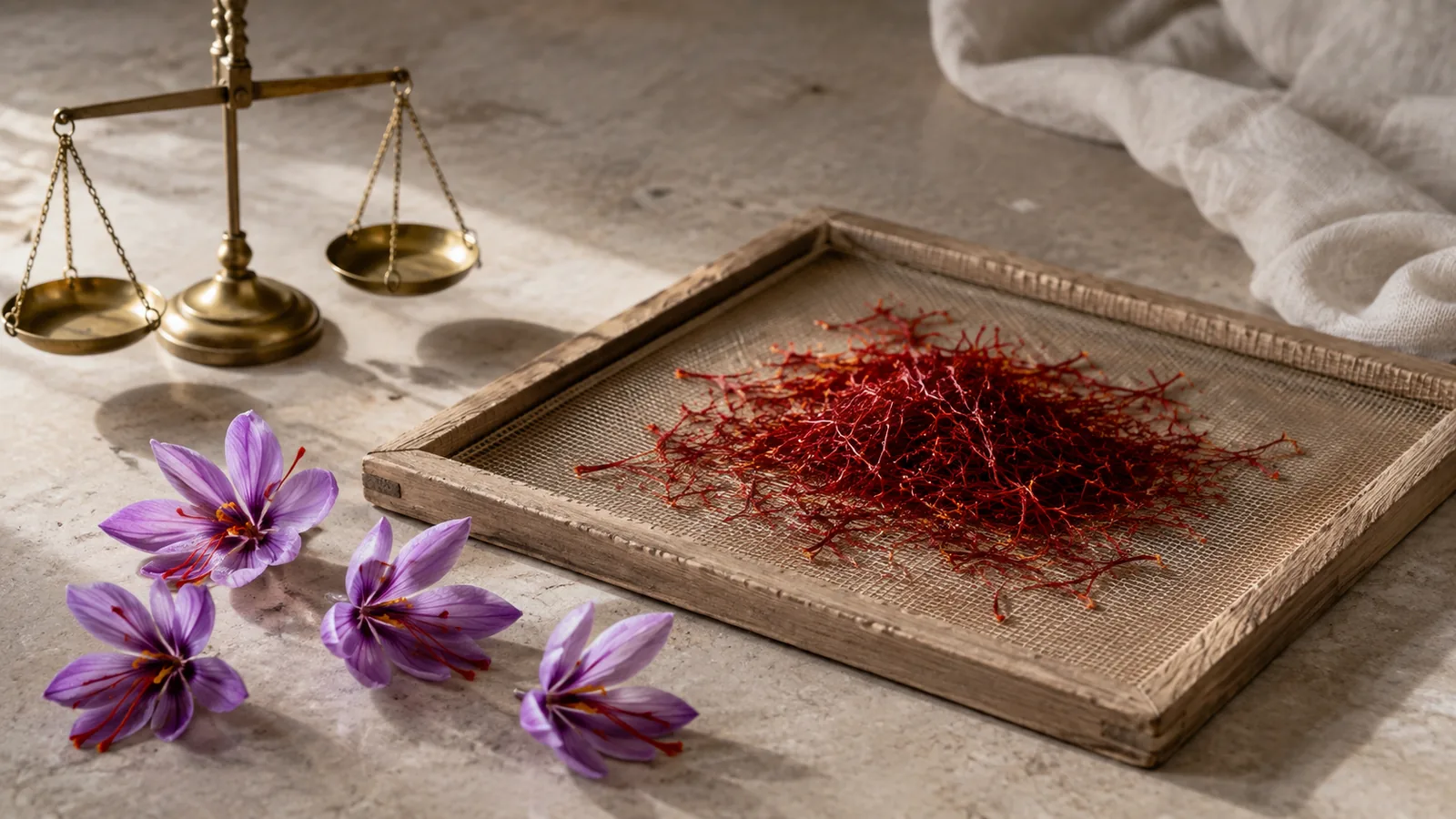
Why is saffron so costly?
The price is built across the whole production chain. It begins with land, corms, irrigation and crop care; rises sharply during the concentrated flower harvest; and continues through separation, drying, cleaning, testing, packaging, storage and distribution. The result is a small amount of finished spice from a much larger volume of flowers.
Saffron is widely described as the most expensive culinary spice by weight, but that does not mean every pack is fairly priced or every harvest costs the same. Origin, grade, form, pack size, currency and sales channel can move the price substantially.
Three stigmas create a very small yield
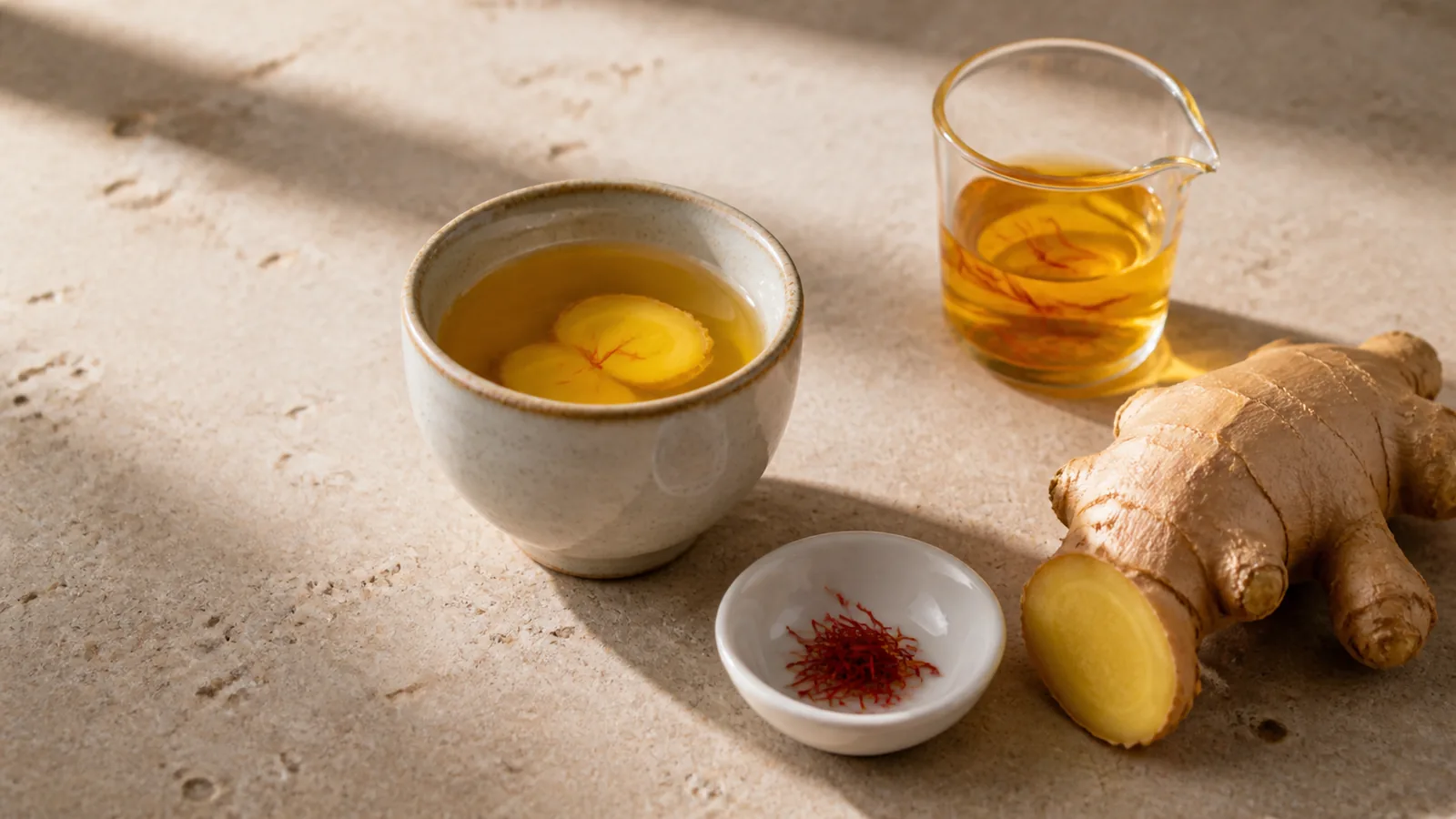
Saffron comes from Crocus sativus. Each flower has three red stigmas, which become the spice after careful drying. That biological limit matters: a farmer cannot obtain a handful of saffron from a handful of flowers.
Popular explanations often say exactly 150,000 flowers make one kilogram. The number is useful as an illustration, but it is not universal. Flower size, field yield, how much style remains attached and final moisture all change the calculation. An FAO production review records large quantities of blooms and fresh stigmas behind a much smaller dried yield, while other documented seasons produce different ratios.
The harvest concentrates labour into a short season
Flowers emerge over a limited autumn period and deteriorate quickly after opening. Picking has to keep pace with bloom, often early in the day, and the stigmas should be separated and dried promptly. A delay can reduce colour, aroma and saleable quality.
Machines can assist with field preparation, cleaning or controlled drying, but delicate flower and stigma handling is still difficult to automate without loss. Producers therefore need a sizeable temporary workforce at the same moment. Wages, transport, supervision and rejected material all become part of the cost.
Cultivation costs begin well before flowering
A saffron field requires suitable corms, prepared and well-drained soil, weed control, crop monitoring and a water plan suited to local conditions. Corm multiplication can support later harvests, but establishment ties up land and capital before the crop reaches its expected output.
Yield also changes by field age, corm size and health, planting density, soil, temperature, rainfall, irrigation and disease pressure. Drought can affect some regions, but excess water and poor drainage can be just as damaging. There is no single “perfect humidity” or climate recipe that applies to Iran, Kashmir, Spain and Afghanistan alike.
Drying and processing determine how much value survives
Fresh stigmas are not yet shelf-stable saffron. They need controlled drying, followed by cleaning and protection from moisture, heat, light and contamination. Dry too slowly or store badly and aroma and colour can decline; dry or trim inconsistently and the final lot may fail the buyer’s specification.
Processing creates ordinary business costs too: food-safe work areas, trays or dryers, energy, hygiene controls, trained staff, traceable batch records and packaging. Losses during sorting cannot simply be sold as premium material.
What does a saffron processing plant cost?
There is no responsible universal figure for saffron processing plant cost. A family-scale drying room, a cooperative separation facility and an export plant with laboratory access, climate-controlled storage and automated packing are different investments.
A useful budget separates capacity and functions:
- daily fresh-flower intake during the peak harvest;
- manual or assisted stigma-separation stations;
- dryer type, batch size, energy and backup capacity;
- cleaning, moisture control and food-safety requirements;
- laboratory testing and sampling arrangements;
- storage, weighing, sealing, labelling and traceability;
- local building, labour, licensing and finance costs.
Without those inputs, a single online plant-price number is more likely to mislead than help.
Testing, purity and traceability add legitimate cost
Buyers need to know that a batch is saffron, that foreign material has not increased its weight, and that its condition matches the agreed specification. Visual inspection is useful, but it cannot replace representative sampling and laboratory work for a commercial lot.
The current ISO 3632-1:2025 saffron specification covers dried saffron in filament, cut-filament and powder forms. Testing, documented handling and traceable packaging cost money, yet they also make comparison possible and reduce the risk that a cheaper adulterated or poorly dried product is mistaken for a bargain.
Why Iranian and Spanish saffron prices differ
Iran supplies a large share of the international saffron market, but “Iran saffron price” is not one number. Farm-gate, domestic wholesale, export and overseas retail prices differ, as do thread grade, crop year, pack size, currency and contract terms.
Spanish saffron can be expensive because European labour, protected-origin requirements for qualifying product, packaging and a shorter supply chain for some buyers affect the offer. Imported saffron packed or traded in Spain is not automatically Spanish-grown. In either case, country name alone does not prove colour strength, purity or freshness.
Why Iranian saffron is so expensive and why Spanish saffron is so expensive therefore have the same basic answer—low dry yield and intensive handling—but different wage, certification, market and distribution contexts.
Demand matters, but it is not the whole explanation
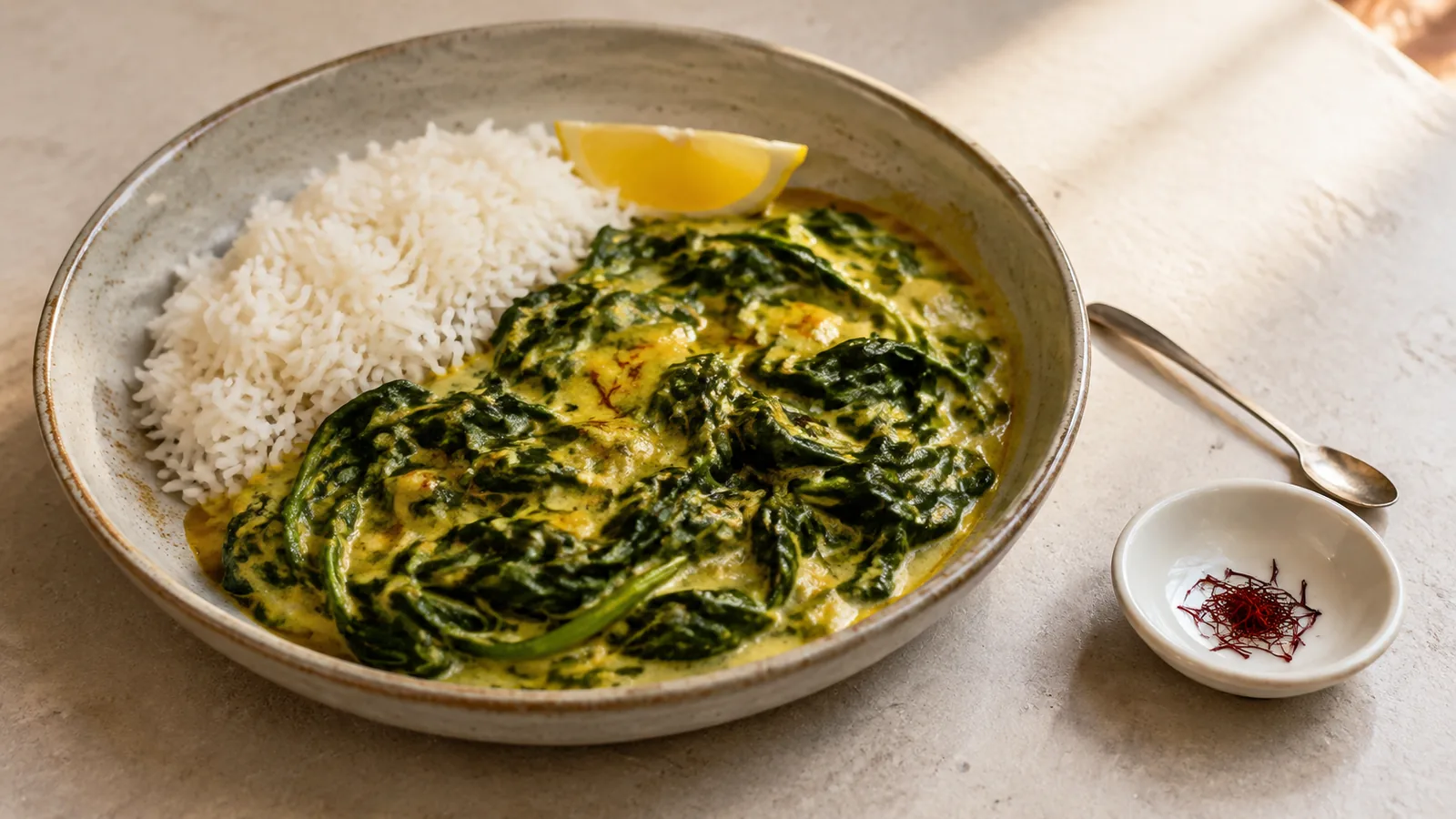
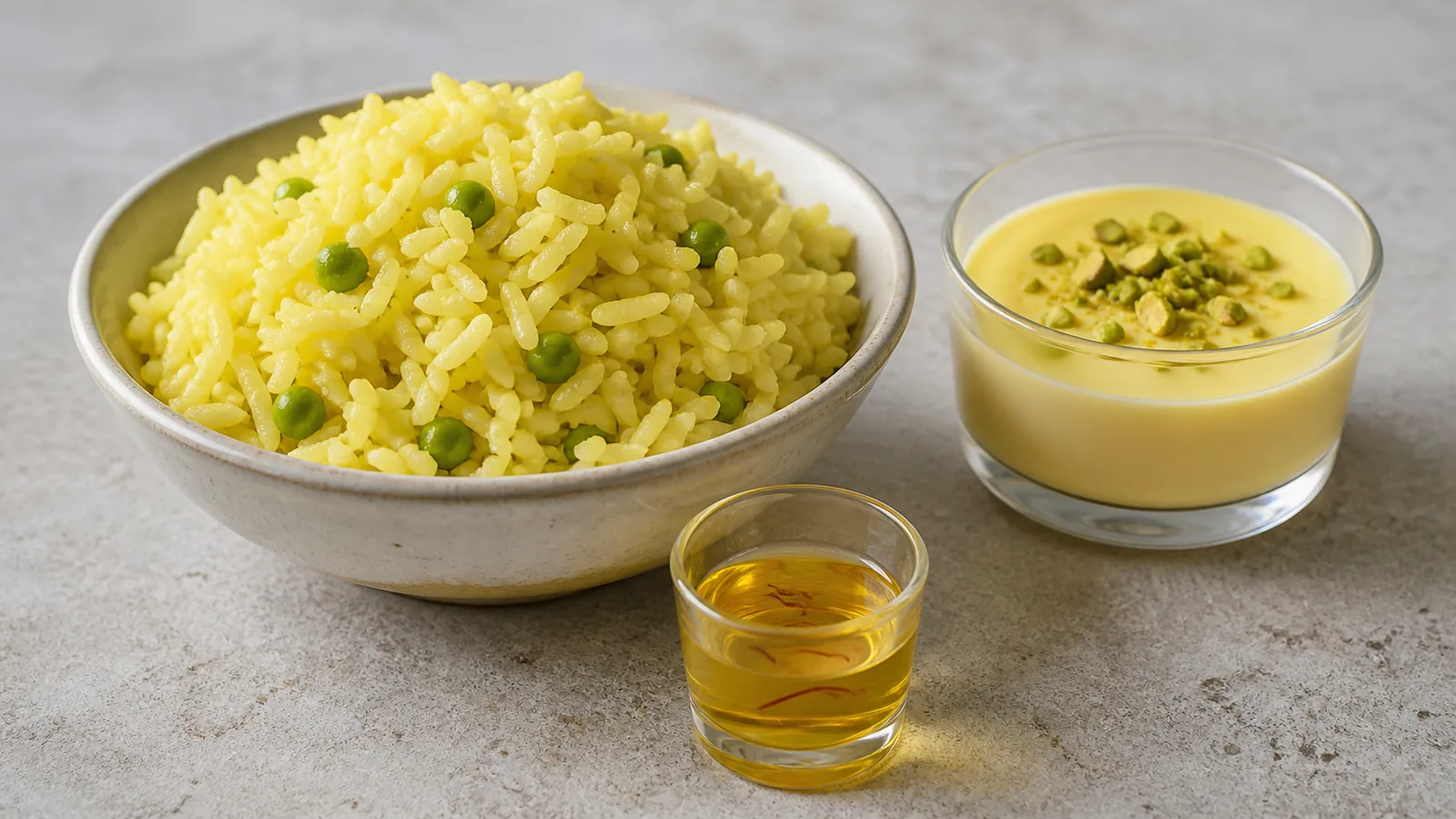
Saffron is used in Persian, Indian, Mediterranean and other cuisines for rice, stews, seafood, breads, drinks and desserts. Because a recipe normally uses a small measured amount, demand is spread across many small retail packs as well as larger food-service and wholesale lots.
Traditional medicine and modern supplement marketing also create demand, but potential health benefits should not be used as a blanket justification for price. A culinary pack is food, not proof of a treatment effect, and a clinical extract is not interchangeable with threads used in a meal.
How the shelf price is formed
The farmer’s return is only one part of a retail price. Cleaning, grading, testing, export documents, financing, freight, insurance, duties, importer margin, small-pack filling, breakage risk, retailer overhead and tax can all sit between the field and the customer.
This is why an average saffron price needs a place, date, currency, unit and trade level. A kilogram wholesale quote should not be compared directly with the per-gram price of a tested gift jar. For current retail context, check the dated offers on our saffron price page.
Does a higher price guarantee better saffron?
No. A suspiciously low price can signal dilution, old stock or a misleading quantity, but a high price can also reflect decorative packaging rather than better spice. Check net weight, whole-thread condition, seller identity, origin claims, batch information and available testing.
Our guide to buying high-quality saffron explains how to compare offers without relying on one home test or one marketing adjective.
The short answer
Why is saffron so costly? Three stigmas per flower, a short and labour-intensive harvest, low dried yield, careful processing and the cost of verified, protected distribution all contribute. Market demand can raise or lower the final price, but the production work and small yield are the durable reasons.