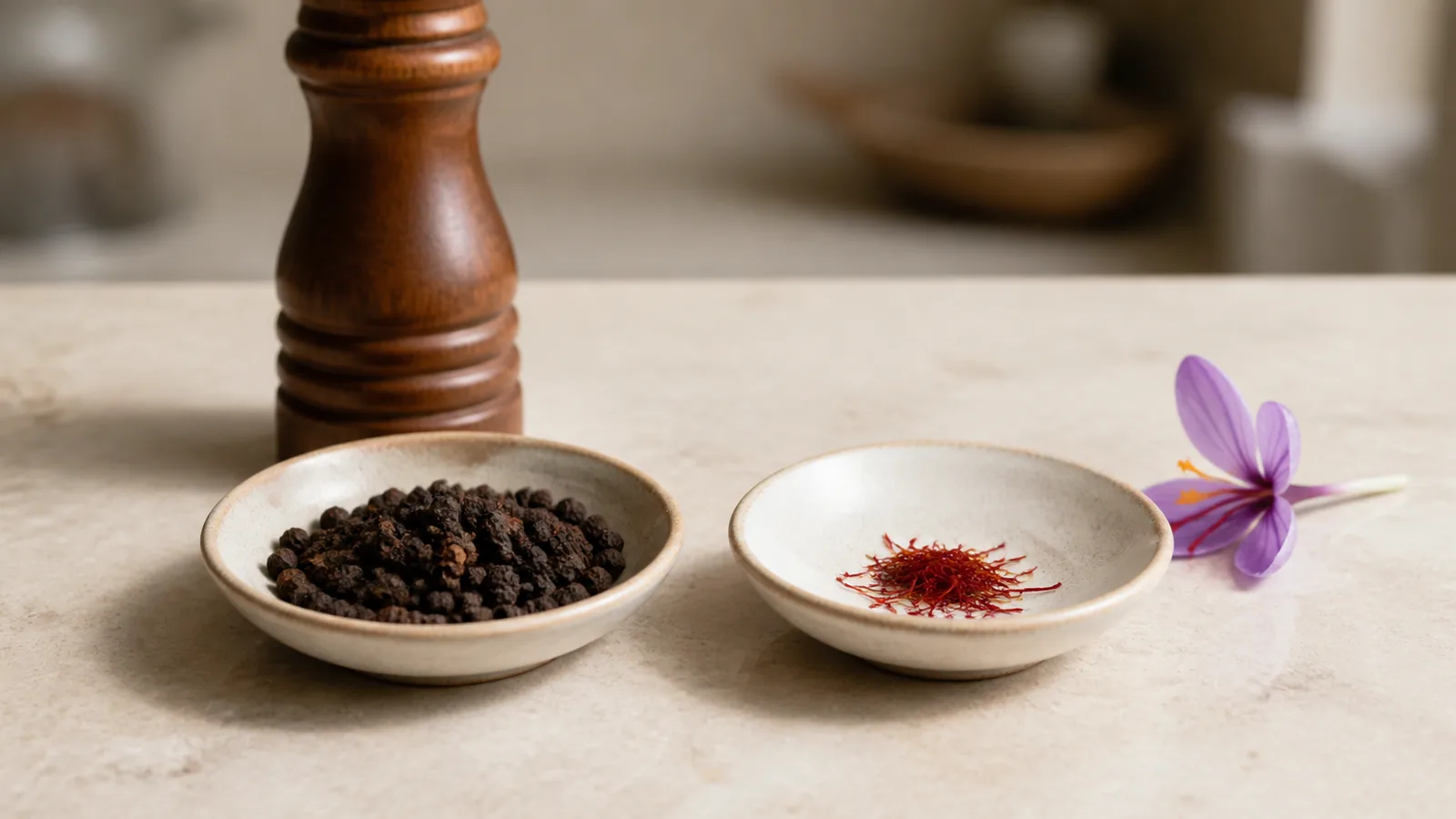
“King of spices” is a nickname, not an official title. It most commonly refers to black pepper, while saffron is also called the king of spices when people are talking about rarity, price and prestige. The answer therefore depends on what the speaker means: black pepper for its historic reach and everyday importance; saffron for the extraordinary work and value concentrated in a small quantity.
This distinction matters because a colourful phrase can easily turn into a false fact. There is no world authority that crowns one spice above every other spice.
Why black pepper is called the king of spices
Black pepper, Piper nigrum, has the strongest documented claim to the conventional nickname. The Indian Council of Agricultural Research’s Indian Institute of Spices Research says it is often called the “King of Spices” and describes its importance to food, cultivation and trade.
Pepper’s case is based less on rarity than on reach. It is used across cuisines, can sharpen both savoury food and some sweets, and has travelled through major trade routes for centuries. It became a familiar table seasoning as well as a valuable commodity. In that sense, “king” means influence and widespread use.
Why saffron also receives the title
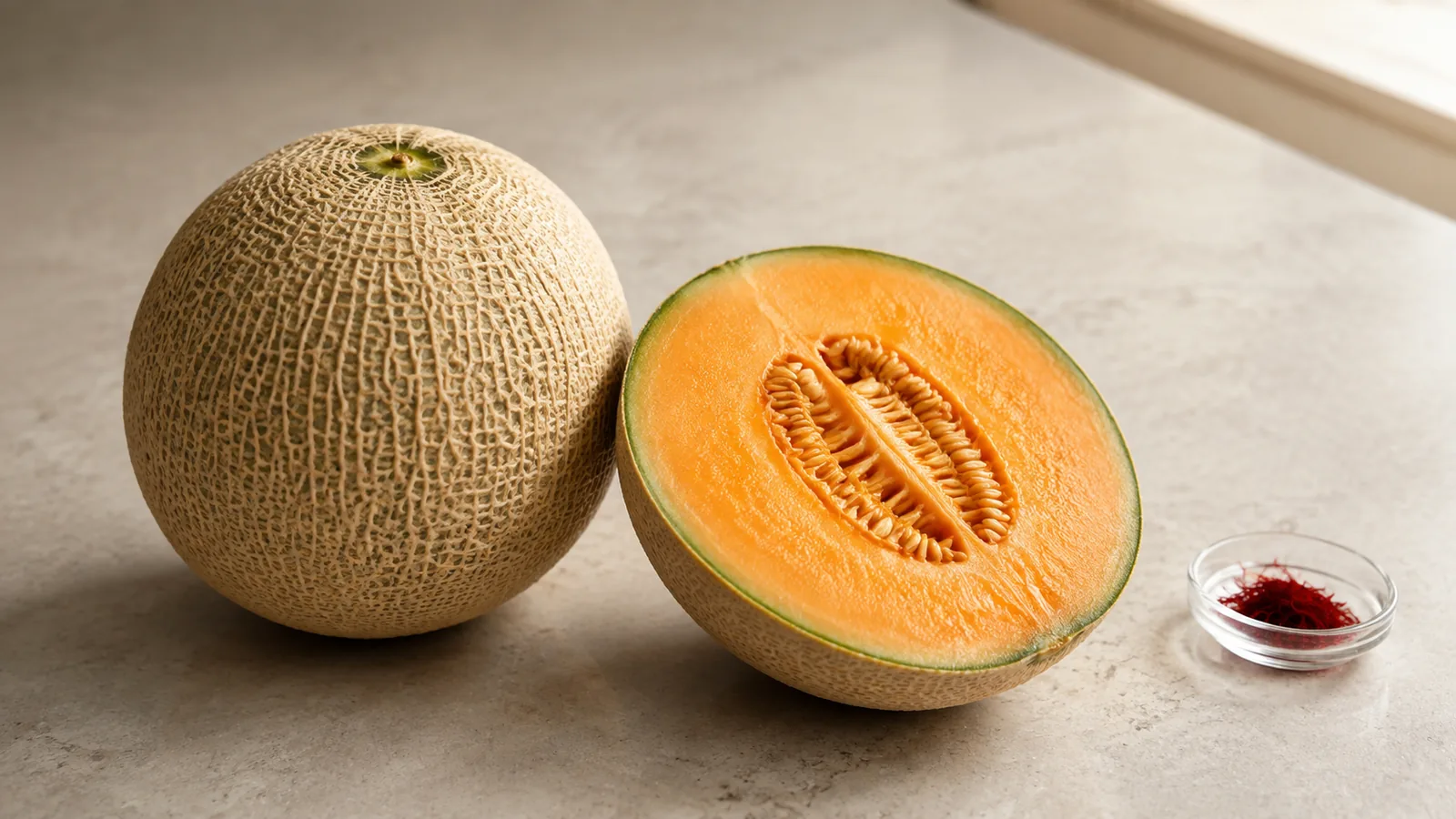
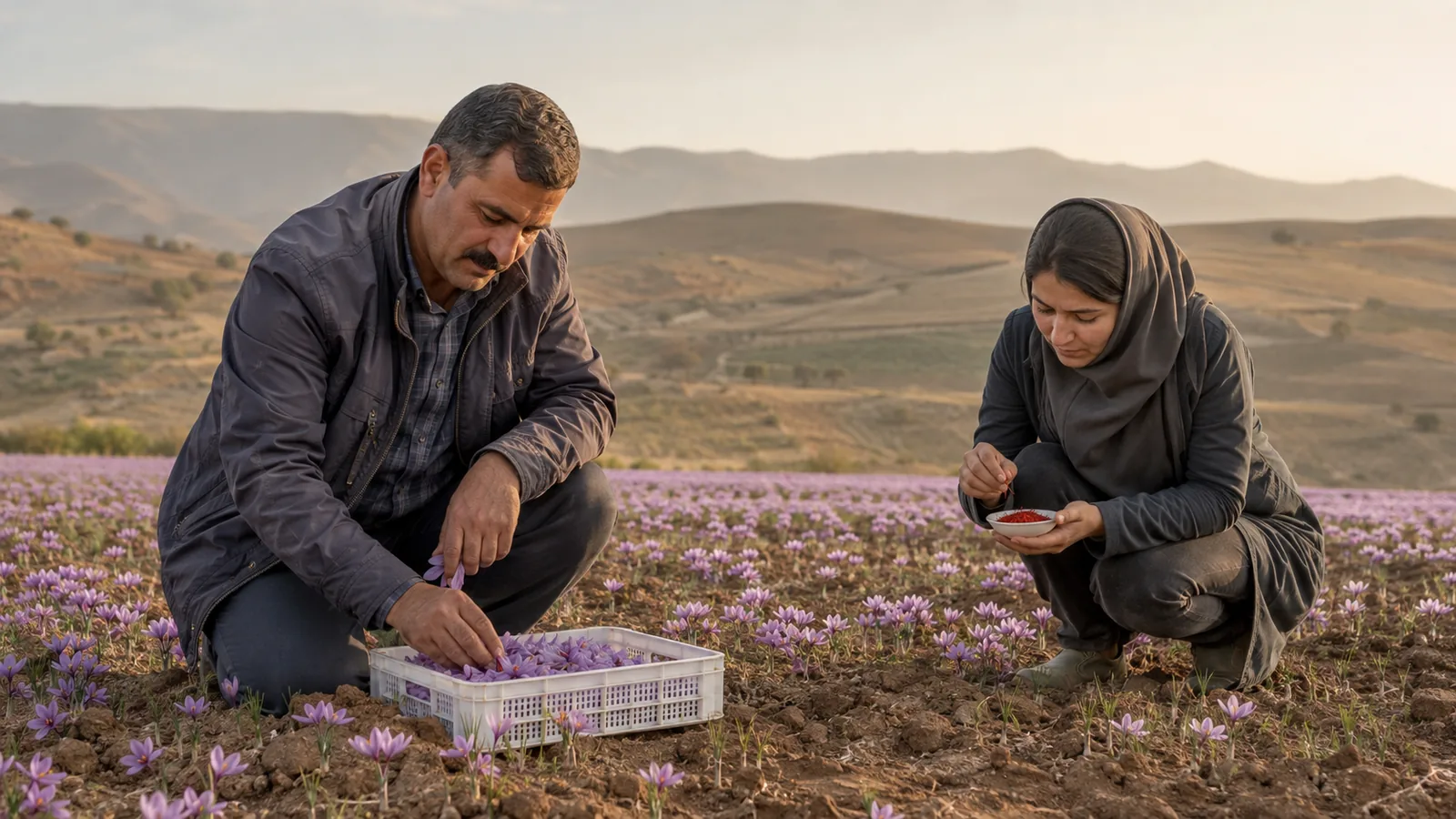
Saffron’s claim is different. The spice consists of the dried red stigmas of Crocus sativus. Each flower carries only three, and they must be separated and dried with care. An FAO production guide estimates that roughly 150,000–170,000 flowers are processed for one kilogram of dried saffron.
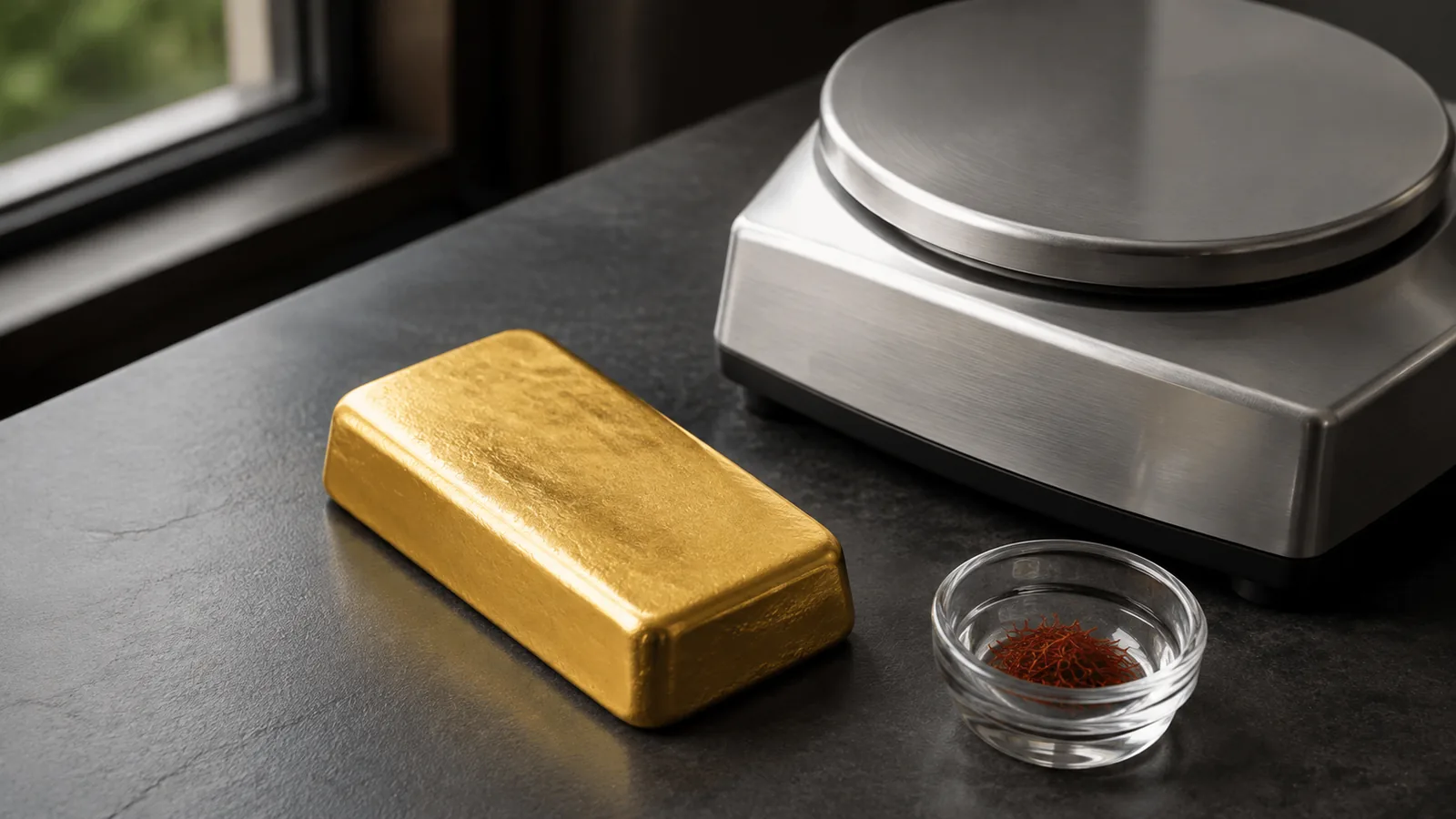
That low yield, short harvest window and close manual handling help explain why genuine saffron is sold in grams rather than spoonfuls. Its high value has led to other names too, including “red gold.” When saffron is described as the king of spices, “king” usually means rare, labour-intensive and luxurious.
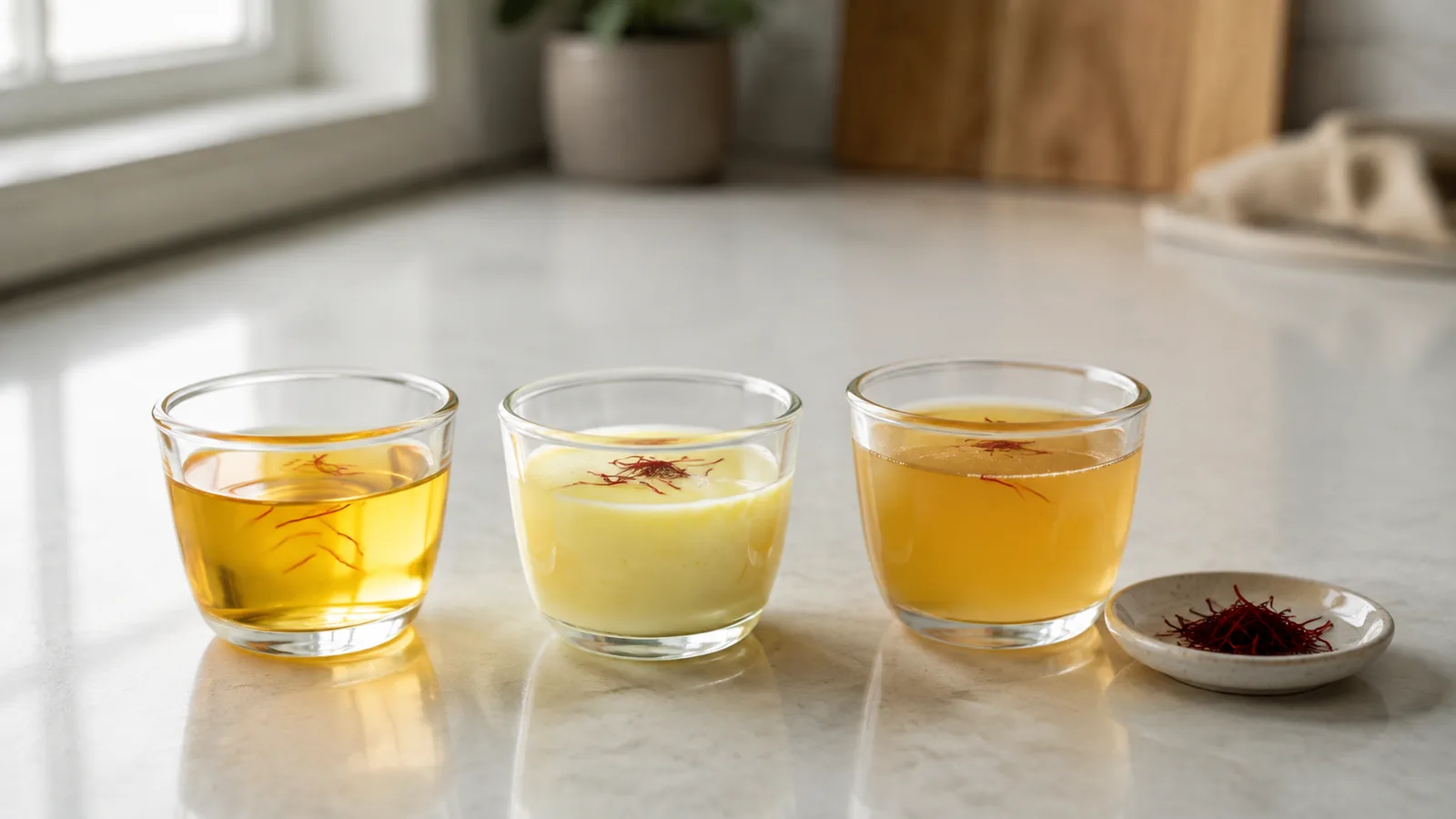
It also has an unusual sensory range. Crocin contributes the yellow-gold colour, picrocrocin the characteristic bitterness, and safranal much of the aroma that develops during drying. A small infusion can change the colour and fragrance of an entire dish.
What makes saffron valuable beyond its price
A flavour that is difficult to substitute
Saffron can taste floral, honeyed, earthy and slightly bitter at once. Turmeric can colour food yellow, but it does not reproduce that aroma. Safflower may resemble threads from a distance, but it does not behave like saffron in the pot. The value lies in this combination of colour, fragrance and flavour, not simply in a high price tag.
A place in distinct food traditions
Persian rice, Spanish paella, Italian risotto alla Milanese and many sweets and drinks use saffron in different ways. The thread count may be small, yet the ingredient helps define the finished dish. That cultural range is one reason saffron remains a prized spice rather than a curiosity reserved for display.
Skill throughout the supply chain
Value can be lost after picking. Separation, drying, sorting, protection from light and moisture, and honest grading all affect the final result. Long red threads may command a premium for appearance, while good broken or shorter grades can still be practical for cooking. The grade should match the use.
Does the nickname come from health benefits?
No. Saffron has a long place in traditional medicine, but that history does not make every modern health claim true and it is not what decides the nickname. Research has examined particular saffron extracts and defined outcomes. A 2025 randomised trial, for example, studied a named standardised extract in adults experiencing low mood. It did not show that ordinary culinary saffron automatically has mood-enhancing or anti-inflammatory benefits.
The safest way to describe saffron in a food article is as a spice with a distinctive sensory and cultural role. Treatment claims require their own evidence, dose, safety context and professional guidance.
What about vanilla, cardamom and other contenders?
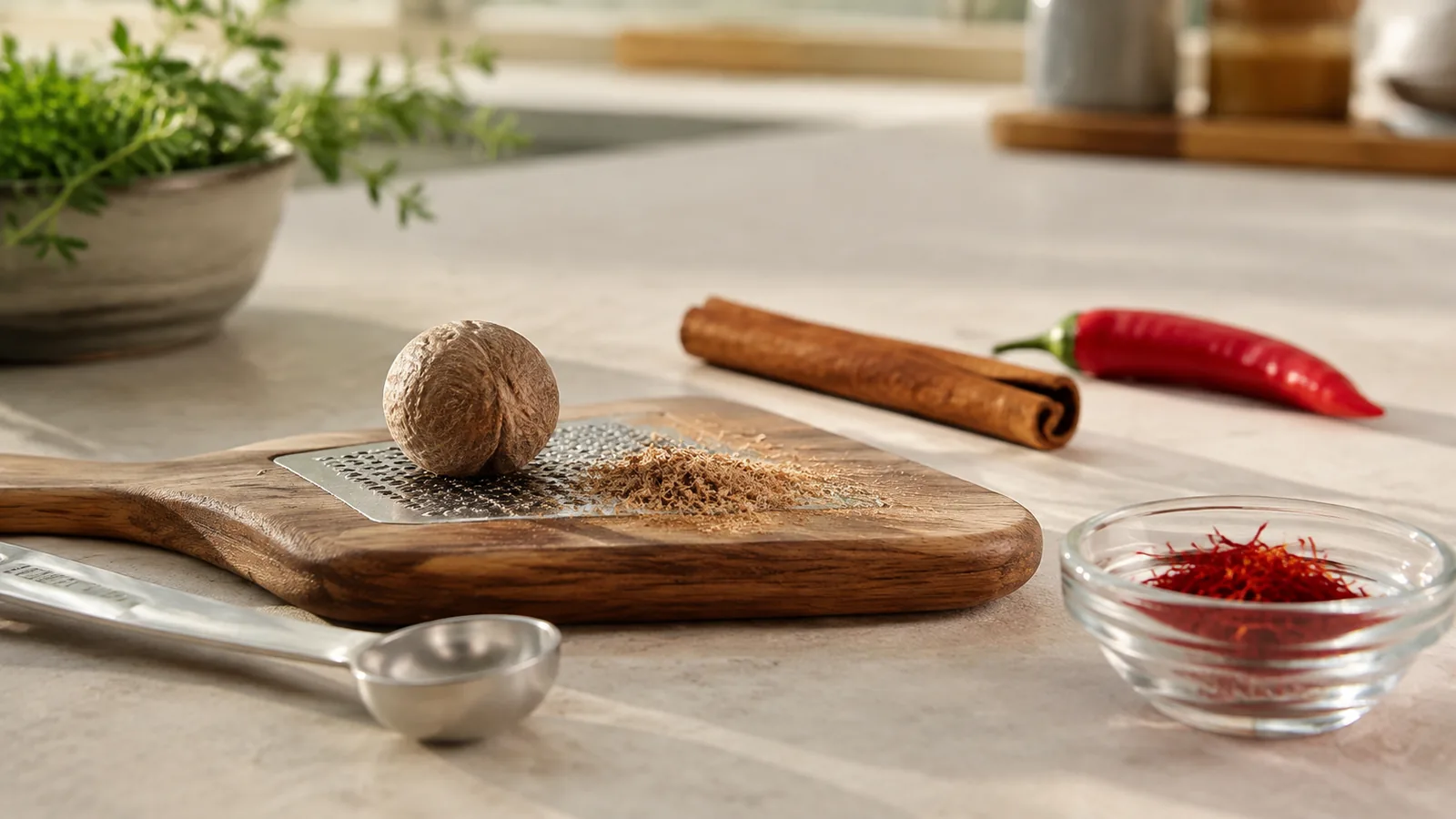
Vanilla is another labour-intensive, high-value ingredient, and it is sometimes mentioned beside saffron when expensive spices are compared. Cardamom is frequently called the “queen of spices,” especially in South Asian spice literature. Cloves, cinnamon and nutmeg have each carried enormous historical and trading importance.
These comparisons are useful only if the criterion is clear. Highest retail price, largest trade volume, widest culinary use, most difficult harvest and greatest cultural prestige are different questions. One spice does not win every category.
So which is the king of spices?
If you want the conventional answer, it is black pepper. If the conversation is about the rarest and most prized culinary spice, saffron is often given the same crown. Calling saffron the king of spices is understandable shorthand for its labour, scarcity, colour, aroma and culinary prestige, provided it is presented as a nickname rather than an official ranking.
For a practical look at what different saffron grades currently cost, visit the saffron price page.