There is no scientifically accepted “deadliest spice” ranking. Nutmeg is often given that label because a deliberately large amount can cause serious intoxication, while an ordinary recipe quantity is used safely. The real danger depends on the dose, the form of the ingredient, how it enters the body and the person exposed.
Why nutmeg is called the world’s deadliest spice
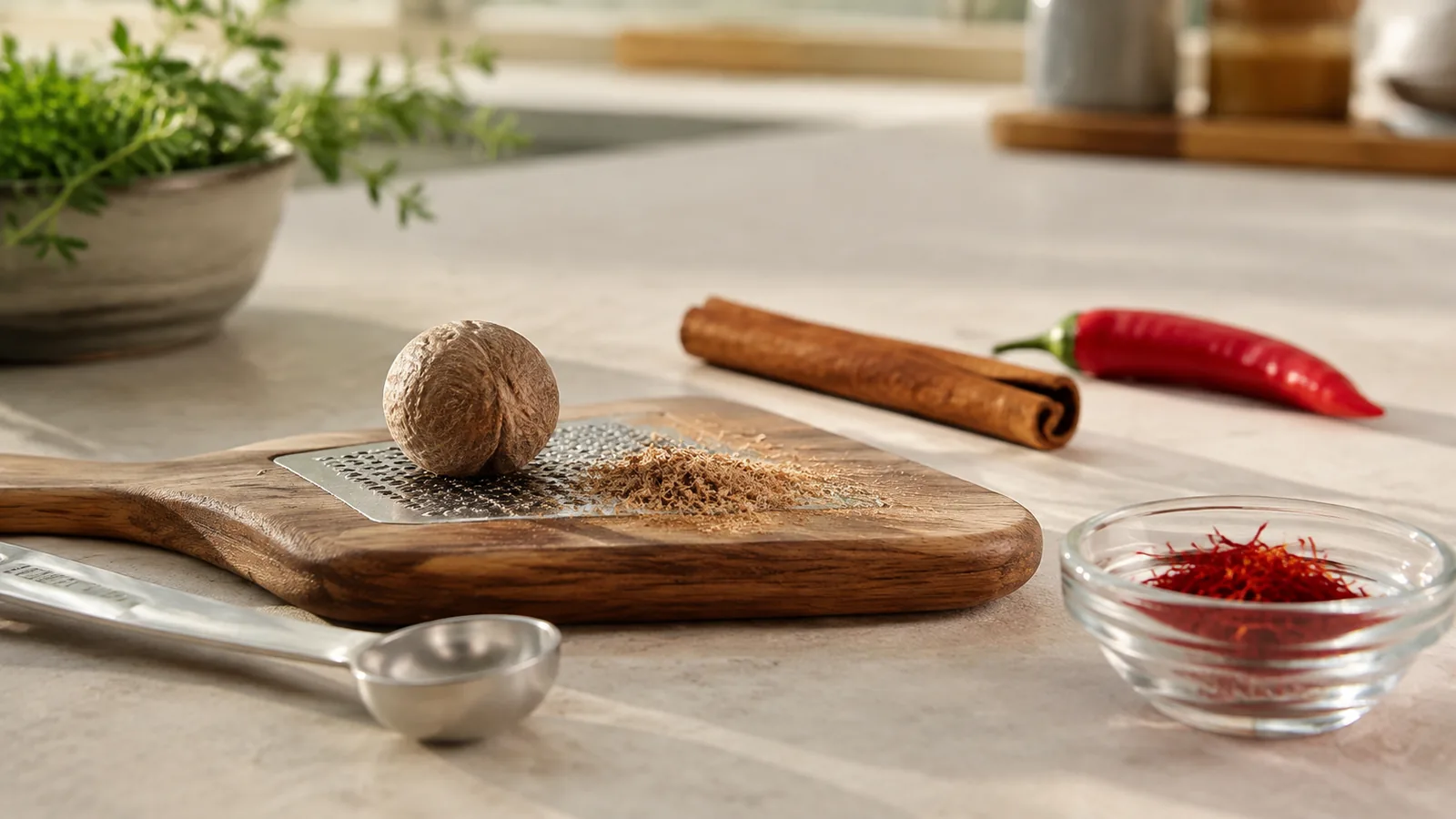
Nutmeg comes from the seed of Myristica fragrans. Its aroma is part of what makes it useful in baking, sauces and warm drinks. The same seed contains myristicin and other compounds that can affect the nervous system when nutmeg is swallowed in amounts far beyond normal seasoning.
The important distinction is between flavouring food and intentionally consuming a large quantity. Poison Control’s guidance on kitchen ingredients describes nausea, vomiting, agitation, prolonged drowsiness and hallucinations after nutmeg misuse. A review of poison-centre cases found that many reported exposures were mild, but some required medical observation, particularly when other substances were involved.
Myristicin is often presented online as the whole explanation. The evidence is less tidy. A toxicological review of myristicin notes that other components of nutmeg may contribute to intoxication. That is why “nutmeg contains myristicin” is accurate, while “myristicin alone always causes a specific outcome” is too certain.
Is nutmeg the most toxic spice?
Not in any universal, measurable sense. Researchers do not publish a league table that makes one culinary spice the most toxic in every situation. A pinch of one ingredient, a spoonful of another, a concentrated oil and powder accidentally inhaled are not comparable exposures.
Calling nutmeg the deadliest spice is therefore a memorable warning, not a formal medical classification. Its ordinary culinary use should not be confused with deliberate misuse. In a ten-year Illinois Poison Center review, recorded nutmeg cases included accidental childhood exposures and intentional adolescent use. The study also found combined-drug exposures among some intentional cases, which makes sweeping claims about nutmeg alone especially unreliable.
Other spices can cause harm in different ways
A spice does not need to be “poisonous” to cause an emergency. Irritation, allergy, aspiration, contamination and interaction with medicines are different kinds of risk. A useful comparison asks what happened and how, rather than which jar deserves the most frightening label.
Cinnamon powder and the airway
Cinnamon is a familiar food ingredient, yet trying to swallow a dry spoonful can send fine particles into the airway. Coughing and choking are not evidence that normal cinnamon use is toxic; they are consequences of exposing the lungs to a dry irritant. Cooking with cinnamon in an ordinary recipe is a different situation.
Chilli pepper and capsaicin
Capsaicin gives hot peppers their heat. It can produce intense burning when it reaches the eyes or sensitive skin, and airborne chilli particles can irritate the nose and throat. Poison Control’s capsaicin guidance explains these exposure risks and first-aid considerations. Again, normal food use and a concentrated exposure are not the same.
Essential oils and concentrated extracts
A bottle of essential oil is not simply a stronger jar of dried spice. Concentrated oils can behave differently when swallowed or applied to the skin. “Natural” does not guarantee that a concentrated product is safe, and an essential oil should never be substituted for a food ingredient unless its label specifically permits that use.
Why ricin does not answer the spice question
Ricin is sometimes added to lists of deadly spices because it comes from castor beans. That comparison is misleading. Castor beans are not a culinary spice, and ricin is a toxin rather than a seasoning. The US Centers for Disease Control and Prevention’s ricin guidance explains that ricin can be released when castor beans are chewed and swallowed. It belongs in poison-safety information, not in a ranking of ingredients used to season dinner.
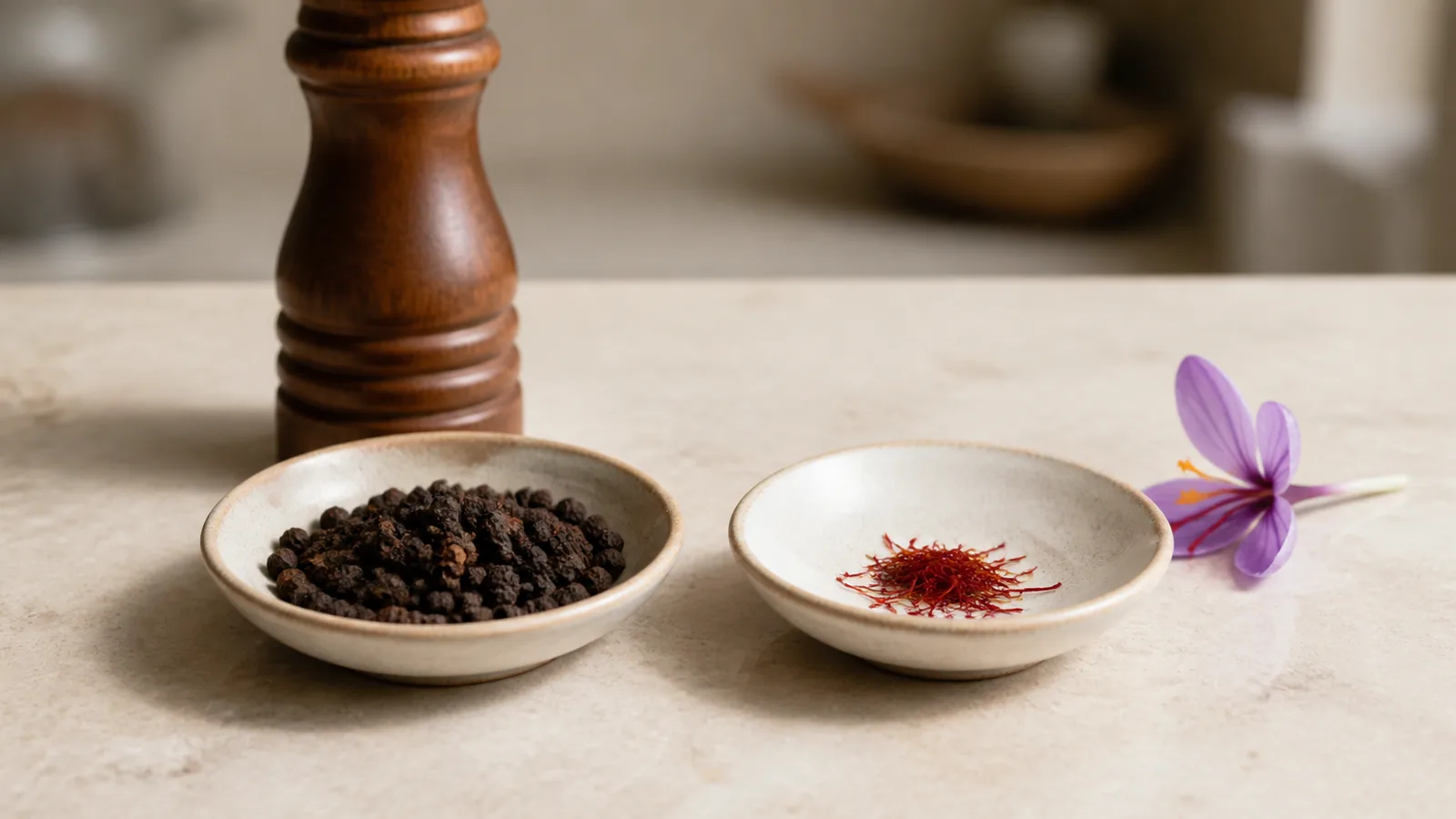
Pepper’s role in wars and trade disputes is another category mistake. Black pepper was historically valuable, but a violent trade history does not make the spice itself the most toxic. Commercial importance, toxicity and the risk of misuse are three separate questions.
Where saffron fits
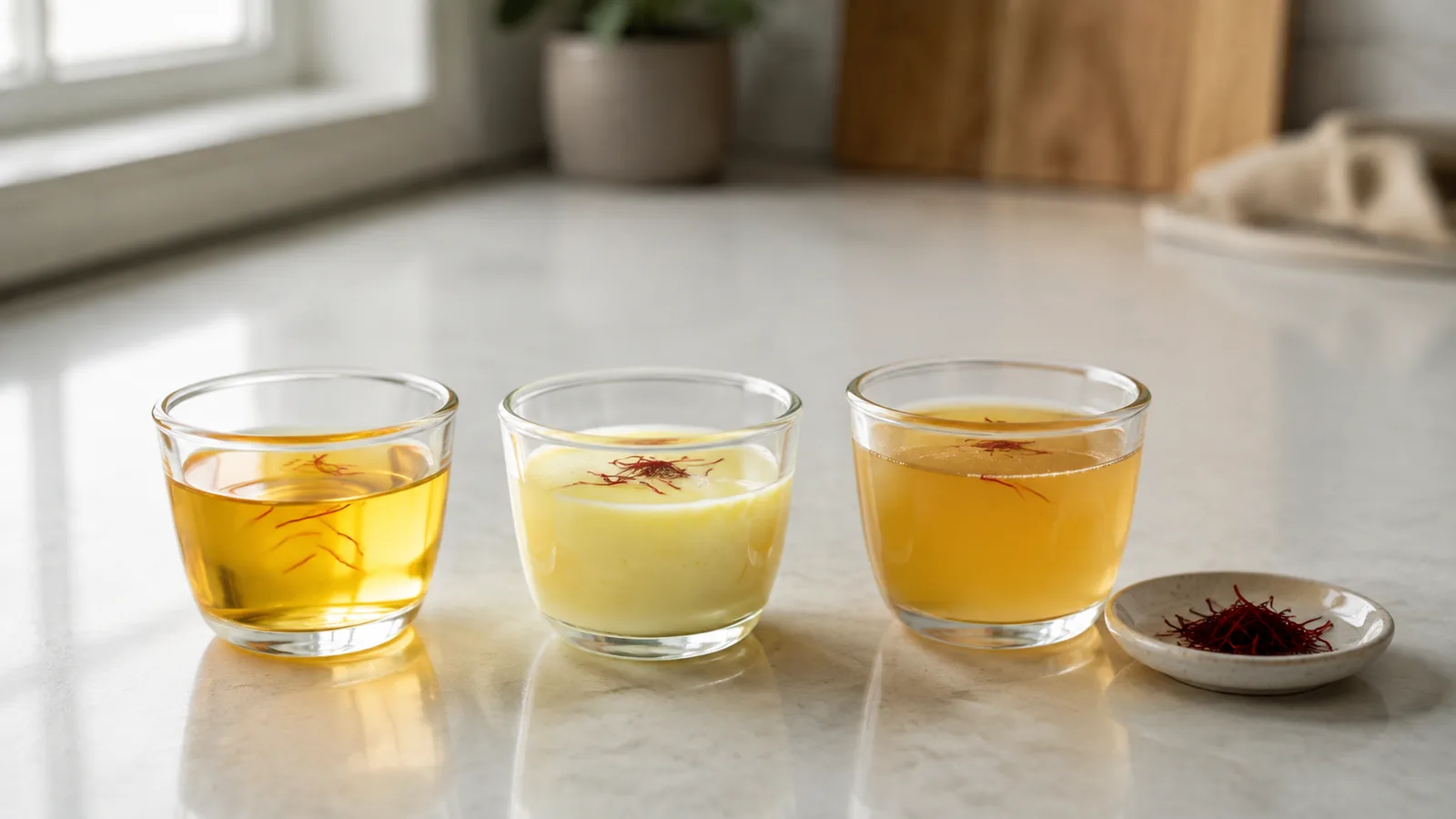
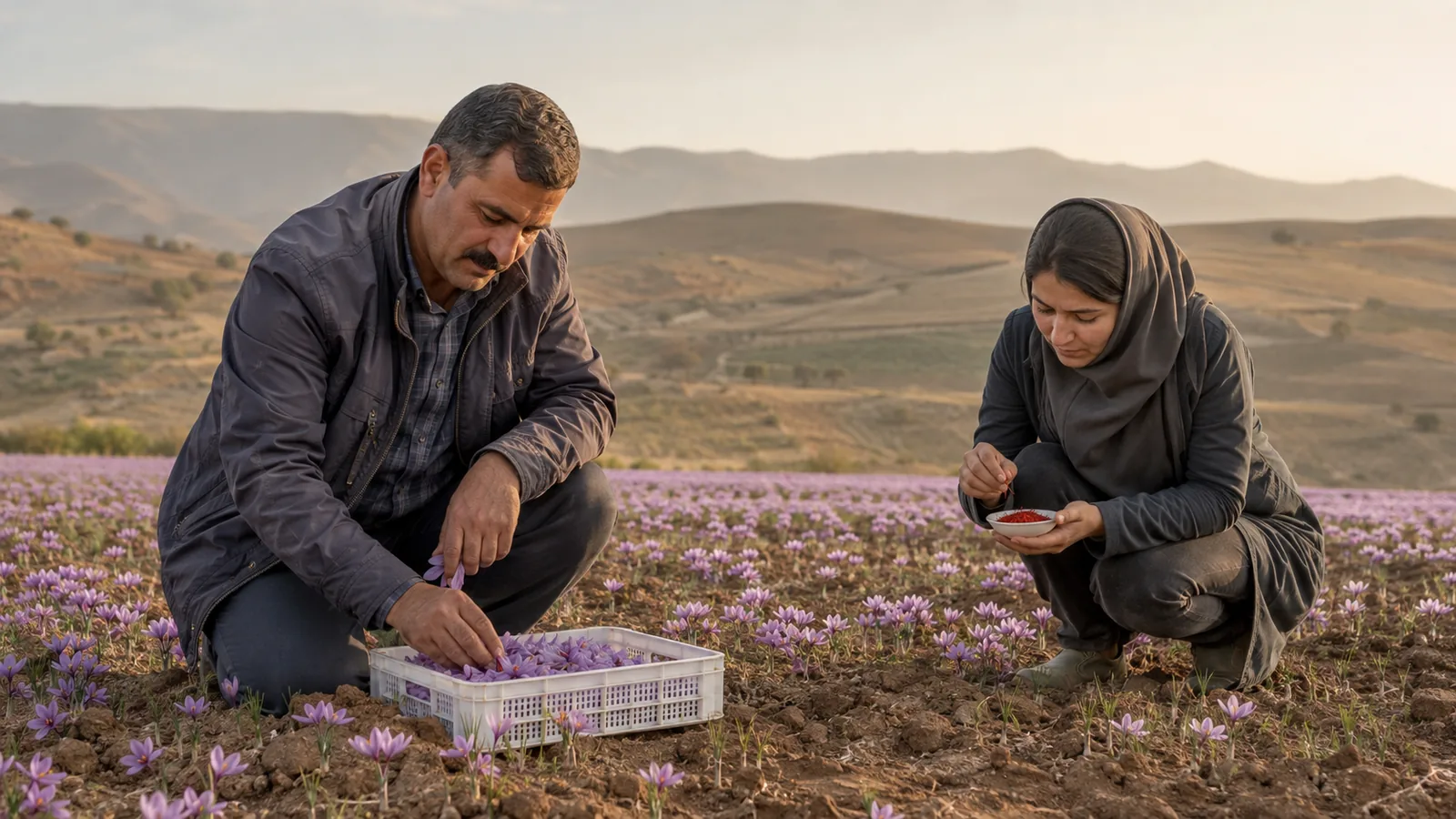
Saffron is often discussed beside unusual or expensive spices, but price is not a measure of danger. The amount used to colour and flavour a dish is small. Concentrated supplements and very large amounts raise different questions and should not be treated as equivalent to culinary use.
If the concern is specifically whether saffron can be harmful, our guide to saffron safety, adulteration and excessive use deals with that subject directly. People who are pregnant, take medicines, have a health condition or are considering a supplement should ask a qualified clinician rather than using a general food article as personal dosing advice.
Possible health benefits do not cancel a dose-related risk. That principle applies to saffron, nutmeg and other plant products: evidence for one use does not prove that more is better or that every concentrated product is safe.
Contamination is a separate spice-safety issue
Sometimes the hazard is not the plant’s natural chemistry at all. Poor handling can introduce microorganisms, and adulteration can add material that should not be present. The US Food and Drug Administration’s risk profile for pathogens and filth in spices treats food-chain contamination as a practical public-health concern.
For a household buyer, sensible precautions are straightforward:
- buy culinary spices from a supplier that identifies the product and its origin clearly;
- keep concentrated oils, extracts and large containers away from children;
- use the amount called for in a recipe rather than experimenting with high-dose challenges;
- discard products that show moisture, mould, insects or a broken seal; and
- take allergies and medicine interactions seriously.
What to do after a possible spice poisoning
Do not wait for an internet ranking to decide whether an exposure matters. If someone has swallowed a large amount, inhaled powder, put a concentrated oil in the eyes or develops severe symptoms, contact a local poison centre or emergency service. In the United States, Poison Control provides immediate guidance online and by phone; outside the US, use the local poison service or emergency number.
Do not make the person vomit unless a poison specialist tells you to. Keep the package or ingredient name available and be ready to explain the amount, time and route of exposure. Trouble breathing, collapse, a seizure or inability to wake someone requires emergency help.
The honest answer
Nutmeg is the best-known answer to “What is the world’s deadliest spice?” because misuse can cause a genuine intoxication. It is not proven to be the single deadliest spice under every definition, and it is not inherently dangerous at the small amounts used in ordinary cooking.
The safer lesson is broader: dose and form matter. Culinary nutmeg, airborne cinnamon, concentrated spice oil, capsaicin in the eyes and contaminated seasoning present different risks. Treat each exposure on its facts, and get expert help when something goes wrong.
Moderation is sensible in everyday cooking, but it is not a treatment plan for a suspected poisoning. In that situation, use an actual poison service rather than guessing from a recipe amount.