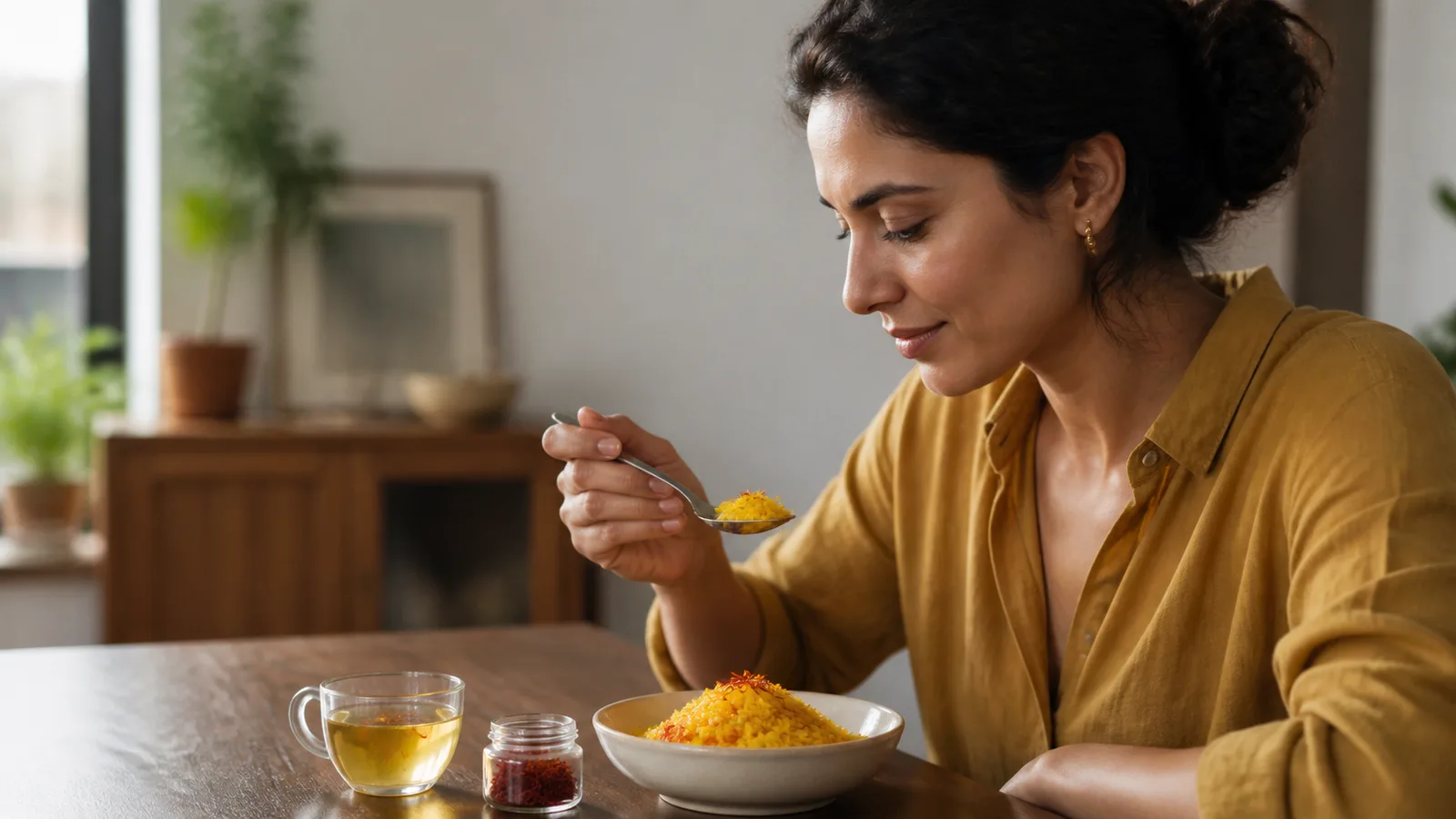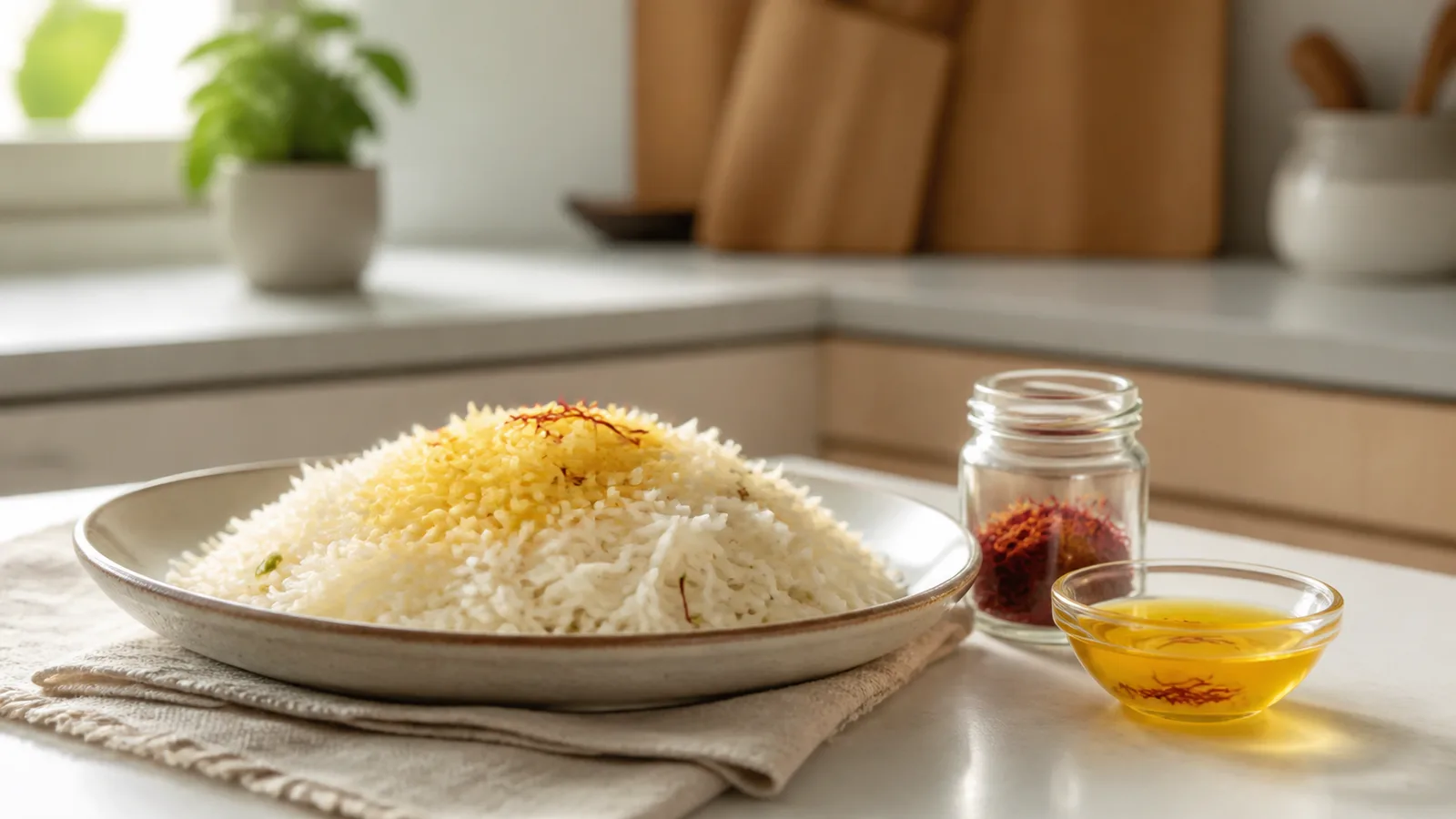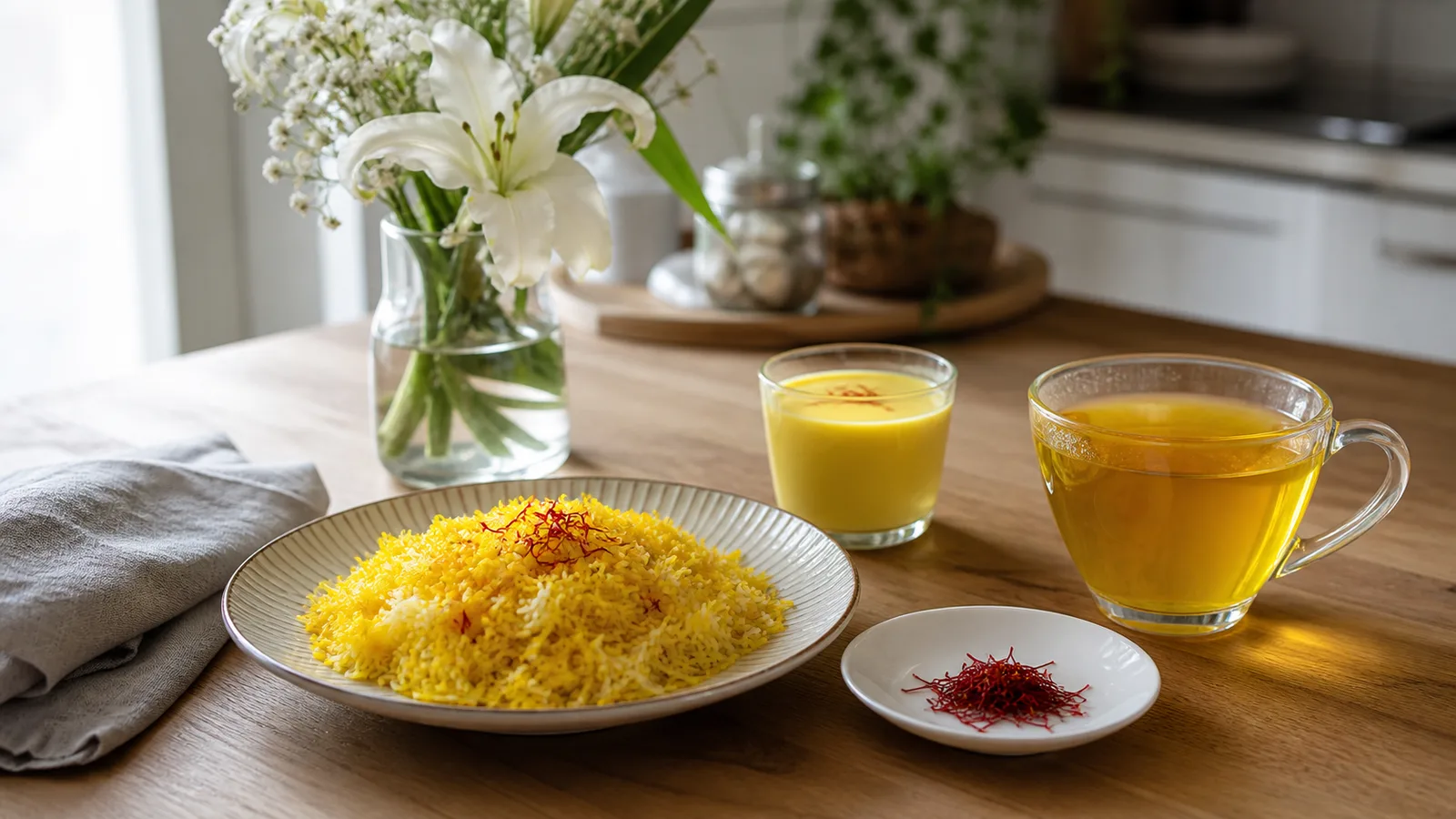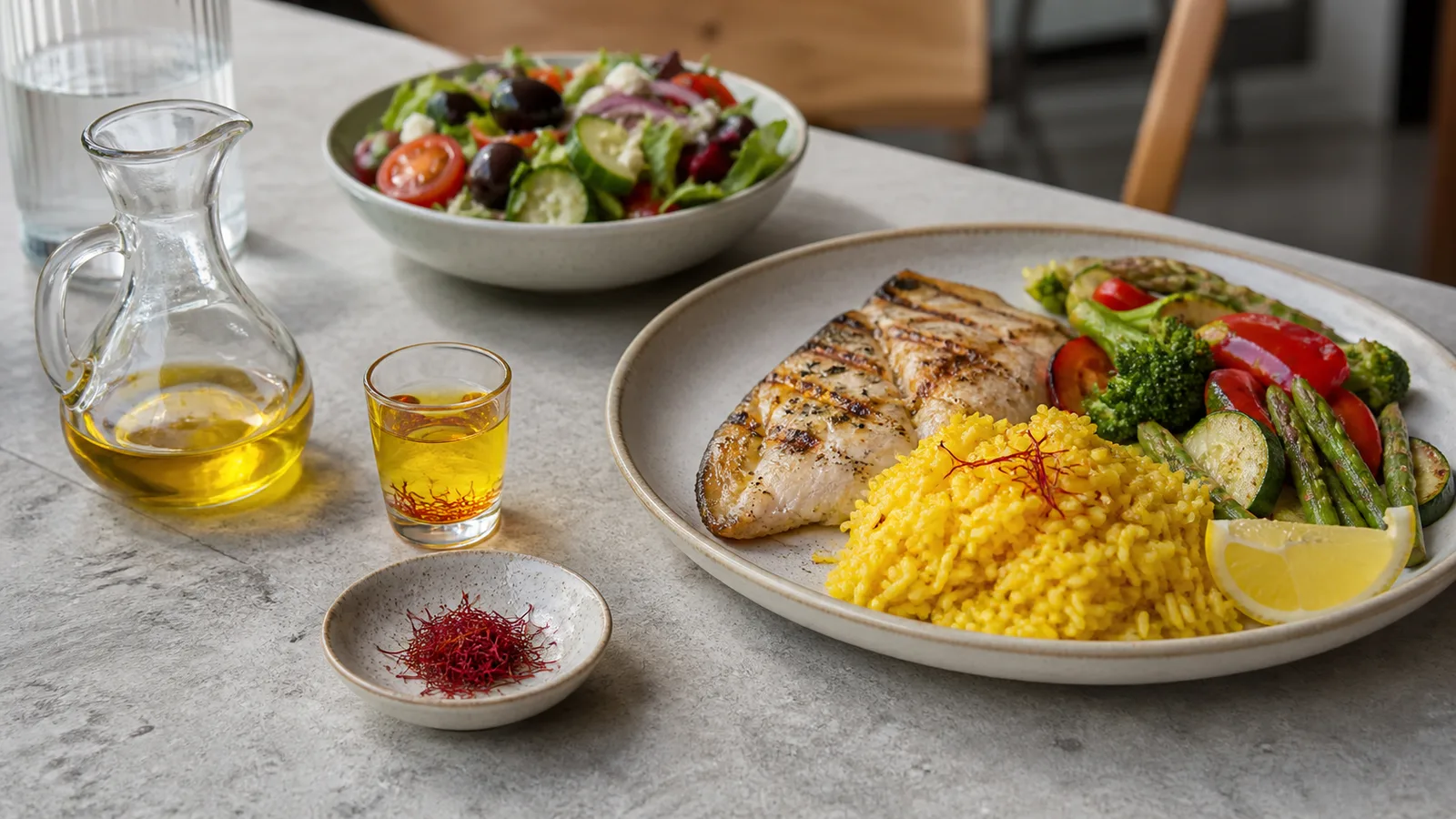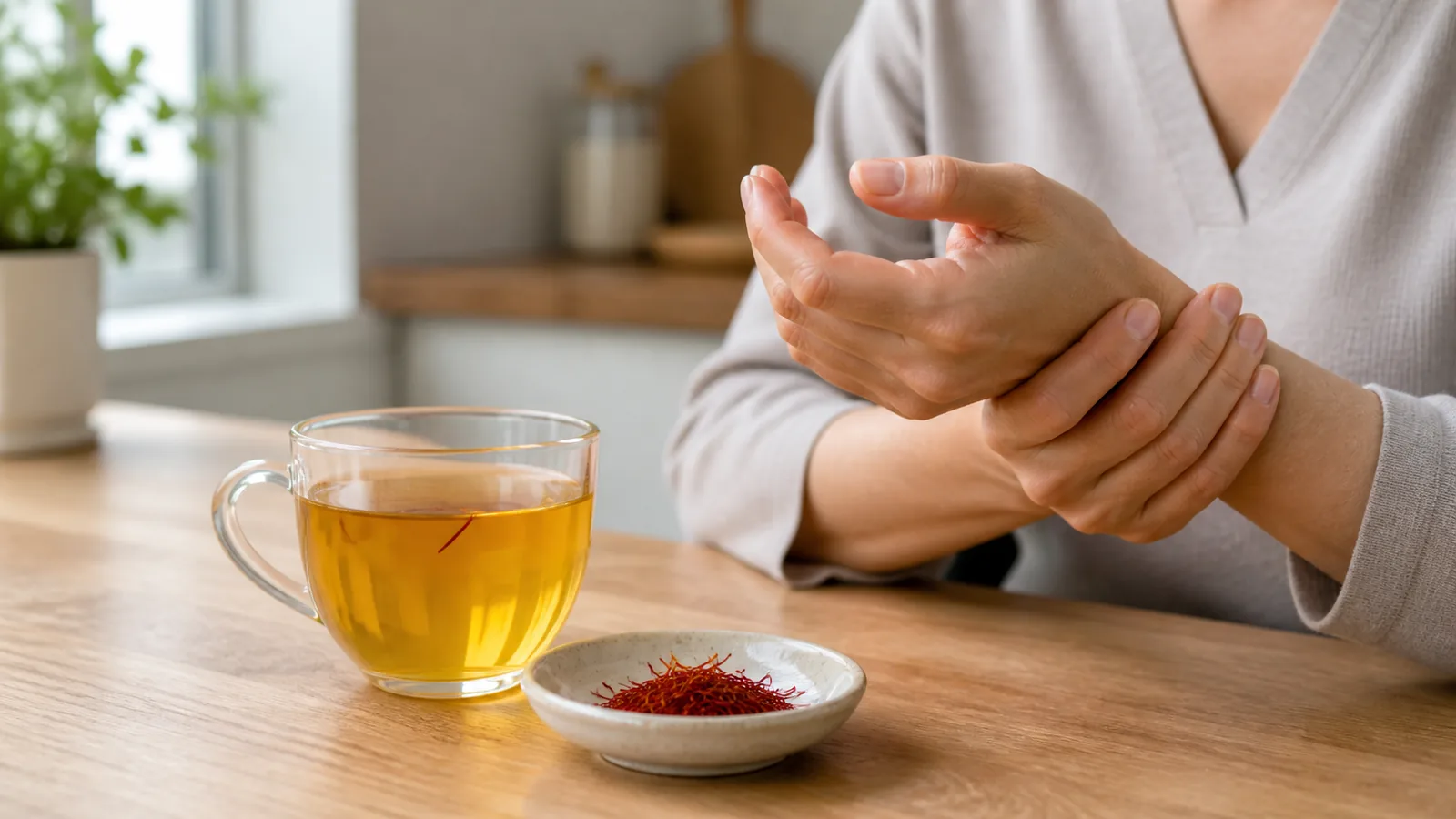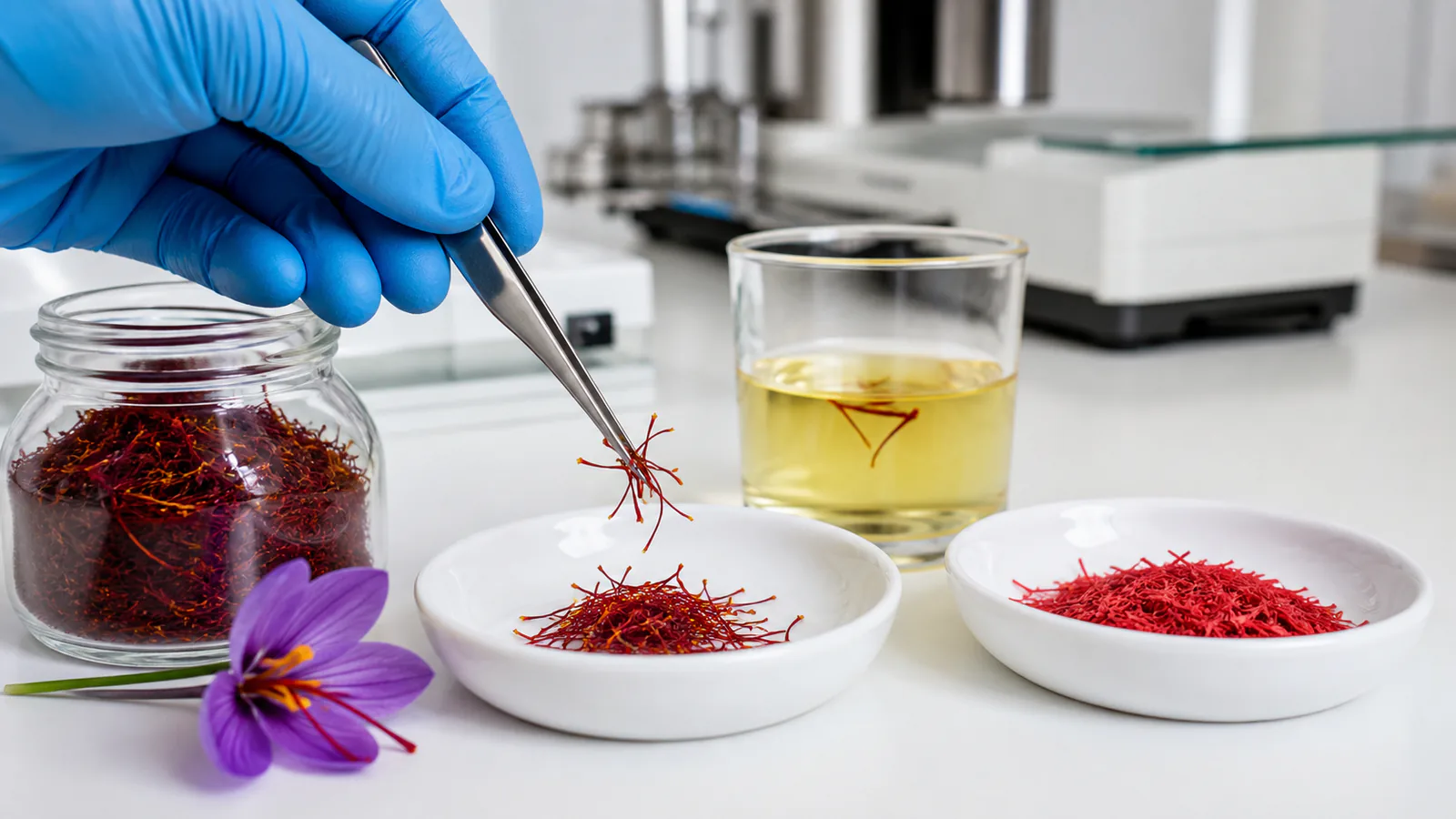
Is saffron poisonous? Genuine saffron is safe to use in normal cooking amounts. Most “saffron poison” concerns come down to two real issues: fake saffron dyed with synthetic chemicals, and side effects that can appear when very large medicinal amounts of real saffron are consumed.
Those risks should not be blended together. A few threads in a family meal, a concentrated extract capsule and an unidentified red powder are three different exposures. Here is how to judge each one.
Real culinary saffron is not considered a poison
Saffron is the dried stigma of Crocus sativus. Its natural colour, aroma and bitter taste come from compounds including crocins, picrocrocin and safranal. A small amount has been used in food for generations because the spice is powerful enough to flavour and colour an entire dish.
A systematic review of human adverse events found that saffron was generally well tolerated across clinical studies. Reported adverse events did occur—gastrointestinal problems were the most common—but a research capsule is already a different use from seasoning a meal.
What makes fake saffron dangerous?
Counterfeit saffron can be a quality fraud, a food-safety hazard or both. Sellers may add safflower, marigold, turmeric, dyed fibres, exhausted saffron, extra moisture or mineral material. Some substitutions are ordinary foods sold dishonestly. Others may introduce undeclared colours or contaminants that have not been approved for food use.
A 2026 systematic review of saffron adulteration identifies synthetic dyes among documented fraud methods. A dye that releases quickly into water is not automatically toxic, because permitted food colours also exist, but an unidentified colour in an undeclared product cannot be assumed safe.
Leaving more pale style attached to a real red stigma is different again. It lowers colouring strength and grade, yet the style is part of the flower; its presence does not turn the product into poison. Accurate language helps buyers distinguish poor value from a medical emergency.
Signs that a saffron product deserves caution
- the powder or threads release a vivid red cloud immediately in warm water;
- the remaining fibres turn colourless or fall apart unnaturally;
- the product smells of perfume, chemicals or almost nothing;
- threads are perfectly uniform, sticky, unusually heavy or coated;
- the package lacks a supplier, lot number, origin or tamper seal; or
- the price is implausibly low for a hand-harvested spice.
These are screening signs, not proof. Real grades and storage ages behave differently, while sophisticated adulteration can pass a simple home check. Our detailed guide to recognising counterfeit saffron explains the water, paper, visual and laboratory tests and their limits.
Is saffron poisonous in large amounts?
Very large intake can be harmful even when the saffron is genuine. A 2017 toxicology review describes nausea, vomiting, diarrhoea, bleeding and changes in blood, blood-pressure or kidney measurements at some high experimental exposures. Clinical trials at lower medicinal doses generally reported no important toxicity, but that does not create a universal safe dose.
The old folklore numbers are unreliable. One online threshold cannot account for whole threads versus extract, a single intake versus weeks of use, pregnancy, body size, medicines or health conditions. A trial dose is not a self-treatment instruction, and a dose below an alleged fatal amount is not necessarily sensible.
If someone has taken a large amount, call the local poison-information service or urgent medical care rather than waiting for an exact number. In the United States, the official Poison Help service connects callers to a poison centre. Elsewhere, use the national or local poison service.
Symptoms that need prompt attention
Stop using the product and seek advice for persistent nausea, vomiting, severe dizziness, unusual drowsiness, marked weakness or a new rash. Urgent help is appropriate for fainting, breathing difficulty, swelling of the face or throat, confusion, heavy bleeding, a racing or unusually slow heartbeat, or yellowing of the skin or eyes.
Keep the container and receipt. Clinicians need the exact ingredient list, preparation, estimated amount and time of exposure. Do not induce vomiting unless a poison specialist tells you to do so.
Saffron and pregnancy
Normal seasoning and medicinal use should not be treated as equivalent during pregnancy. Evidence on supplements is limited, while high exposure has been associated with uterine stimulation and greater miscarriage risk. A 2026 review of saffron in pregnancy concluded that the overall safety and efficacy evidence remains limited and inconclusive.
Do not use saffron extracts, strong preparations or repeated medicinal amounts to start labour or treat a pregnancy symptom without an obstetric clinician’s direction. The same caution is sensible during breastfeeding because infant-exposure evidence is limited.
Can saffron interact with medicines?
Saffron extracts have been studied for mood and other outcomes, so a person taking antidepressants, sedatives, blood-pressure medicine, anticoagulants or several prescriptions should ask a pharmacist to check the actual product. Evidence is not complete enough to publish one universal interaction list.
Food use may be a much smaller exposure, but medical history still matters. Anyone with a bleeding disorder, significant low blood pressure, kidney disease or a known plant allergy should obtain individual advice before using a concentrated supplement.
Is saffron illegal?
Saffron itself is a lawful food spice in many markets. Rules apply to food labelling, imports, pesticide residues, contaminants and permitted colour additives, and the details differ by jurisdiction. A product can violate those rules through false identity or an undeclared dye even though genuine saffron is legal.
Importers and commercial buyers should not rely on a photograph or supplier promise. Batch documentation, representative sampling and qualified laboratory analysis are the appropriate controls for a high-value shipment.
Saffron’s culinary and traditional uses
Saffron is prized for flavouring and colouring rice, stews, bread, desserts and drinks. It also has a long history in traditional medicine, and researchers have studied standardised preparations for mood, sleep and other outcomes. Traditional use and preliminary studies do not make every claimed treatment effective.
Enjoying saffron in food does not require a health promise. A few authentic threads, properly infused, offer the aroma and golden colour customers expect without turning a recipe into an unmeasured supplement.
How to store saffron safely
Keep dry saffron in a tightly closed glass or metal container, away from light, heat and moisture. Open it only with clean, dry hands or utensils. Good storage protects aroma and colour; it cannot make an adulterated product genuine or remove contamination.
Do not combine a suspicious batch with a trusted one. Preserve the lot information, photograph the product and contact the seller or local food-safety authority. If illness follows, obtain medical advice and report the exact product.
The clear answer
Genuine saffron used sparingly in cooking is not poisonous for most adults. The meaningful dangers are concentrated or excessive intake, individual vulnerability and fake product containing undeclared material. That is why the right safeguards are modest food use, medical review for supplements, and traceable sourcing.