Buying saffron is worth it if you want its unique flavour, aroma and golden colour in dishes that depend on it. So, is saffron worth it for every shopper? No. It is less convincing as an impulse purchase, and it is not worth the price if the only reason is an unproven health promise. The sensible question is not whether saffron is expensive—it is—but how much you will use and what that small amount contributes.
A gram can season several recipes when it is measured and infused properly. That makes the cost per dish much lower than the price of the container first suggests.
Is saffron worth the price for cooking?
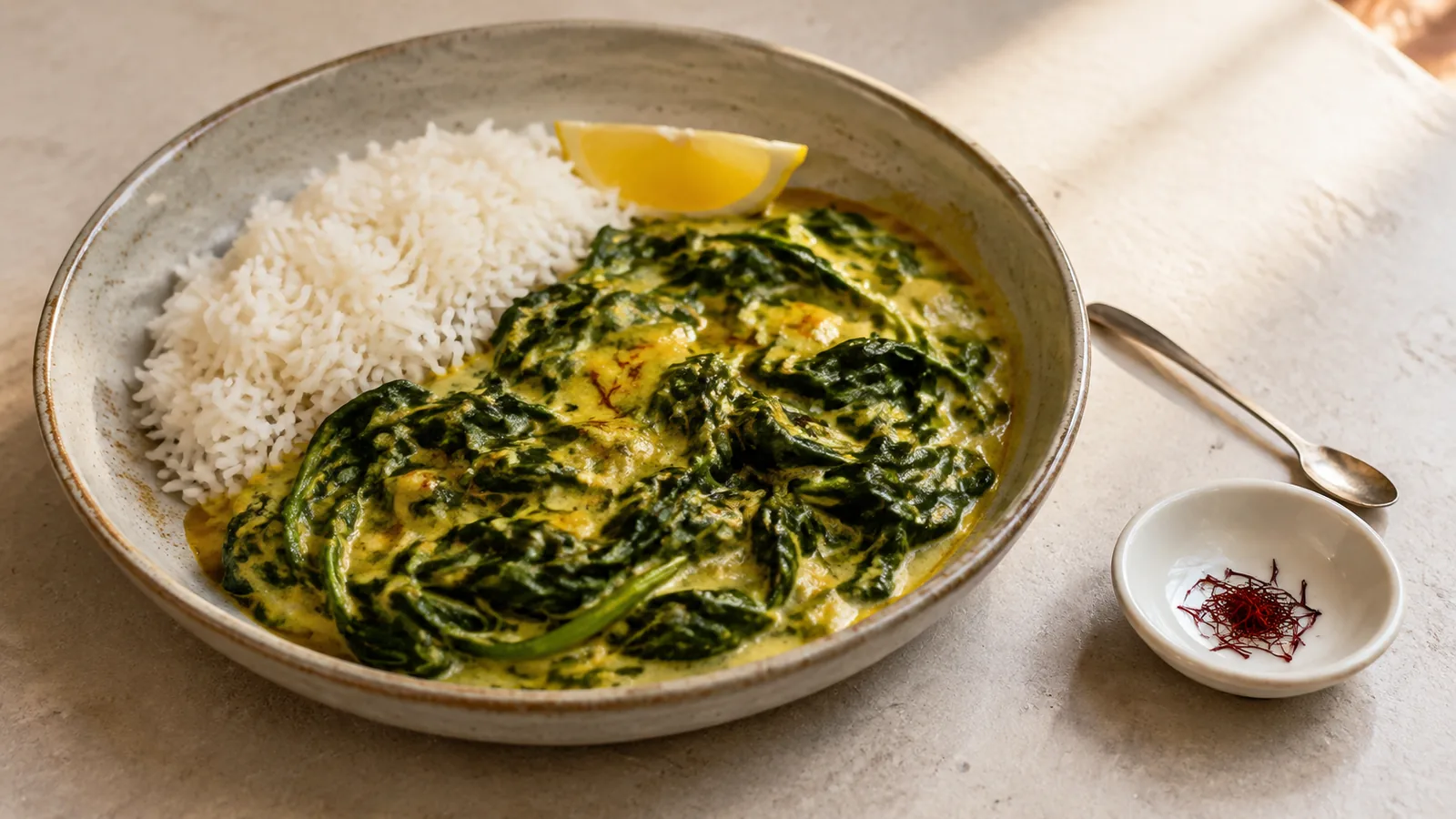
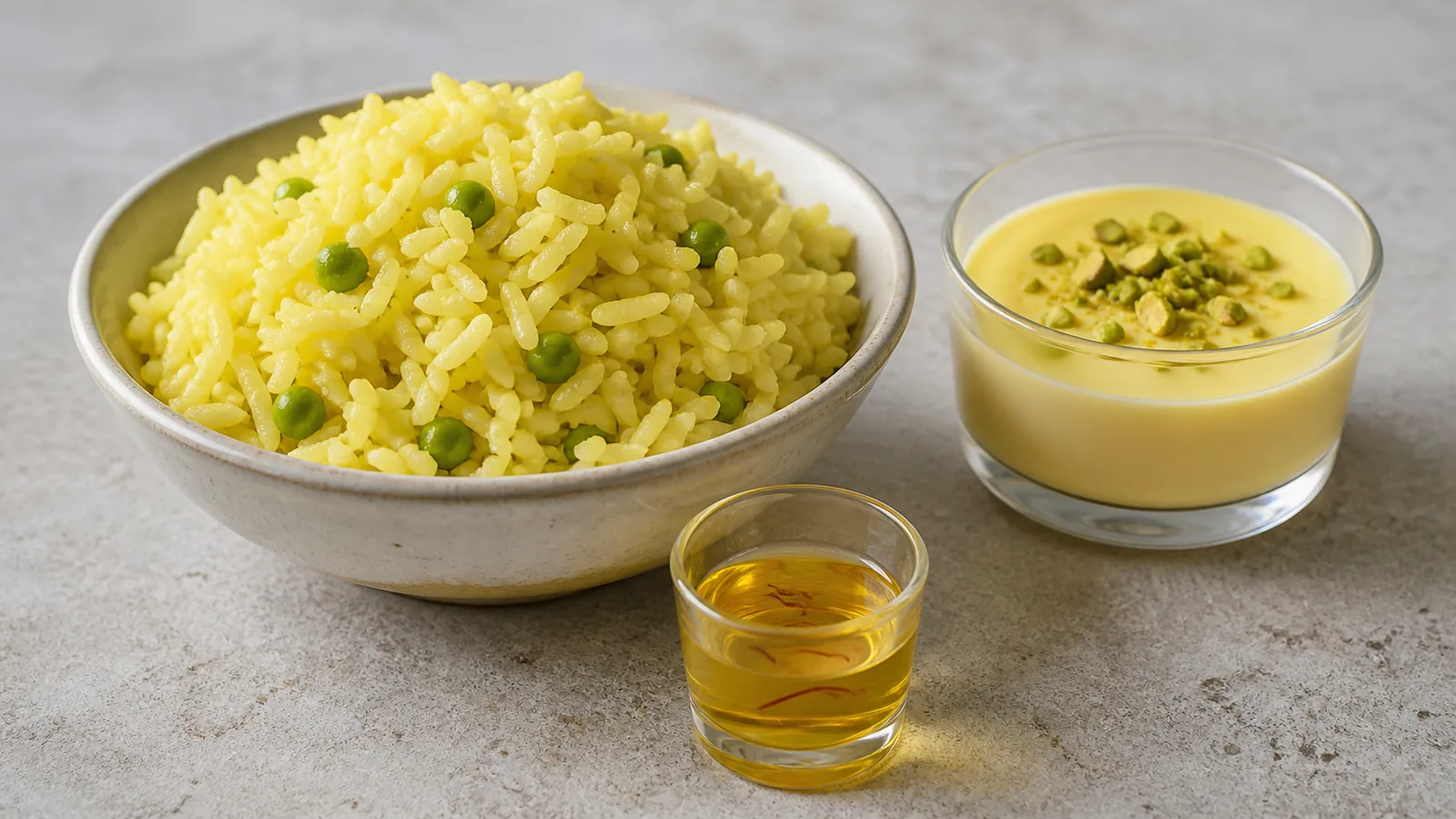
For the right recipe, yes. Saffron combines floral, earthy, honeyed and gently bitter notes with a yellow-gold colour. Turmeric can colour rice, but it does not reproduce saffron’s aroma. Safflower can resemble red threads, but it does not create the same infusion. If paella, risotto alla Milanese, Persian rice, biryani or a saffron dessert is meant to taste recognisably of saffron, there is no exact substitute.
The current thread prices in our shop on 27 August 2026 work out to roughly €4.87–€6.82 per gram, depending on grade. A recipe using 0.05 g therefore uses about €0.24–€0.34 of saffron; 0.1 g uses about €0.49–€0.68. These figures are dated retail examples, not permanent market prices, and delivery or tax may change the checkout total. The live saffron price page is the place to check current amounts.
What you are paying for
Harvesting a very small yield
Saffron is the dried stigma of Crocus sativus. Each flower supplies only three stigmas, and workers separate them during a short flowering period before careful drying and sorting. An FAO production guide estimates that about 150,000–170,000 flowers are processed to make one kilogram of dried saffron. The price reflects labour and low yield, not merely luxury packaging.
A concentrated sensory effect
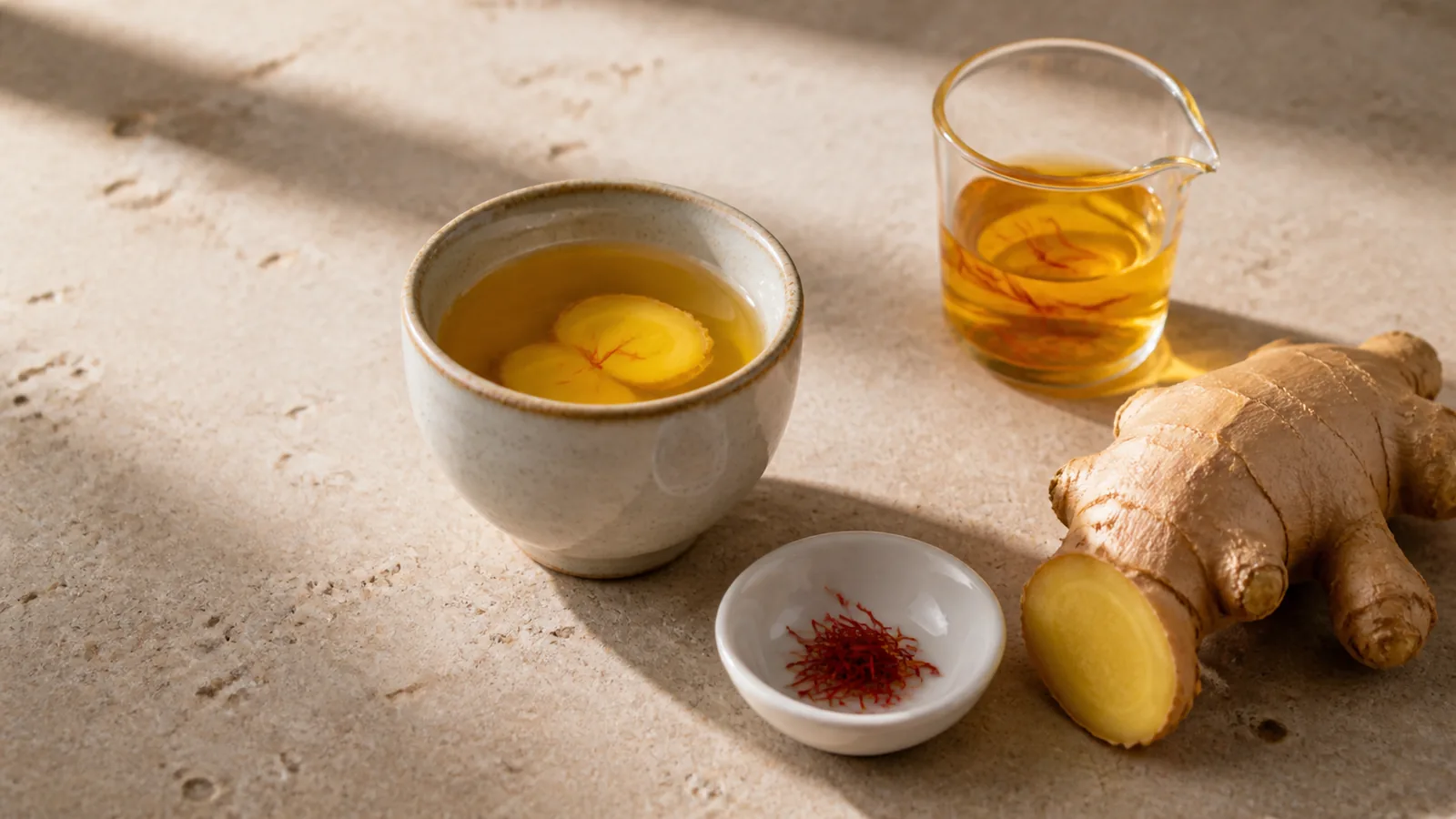
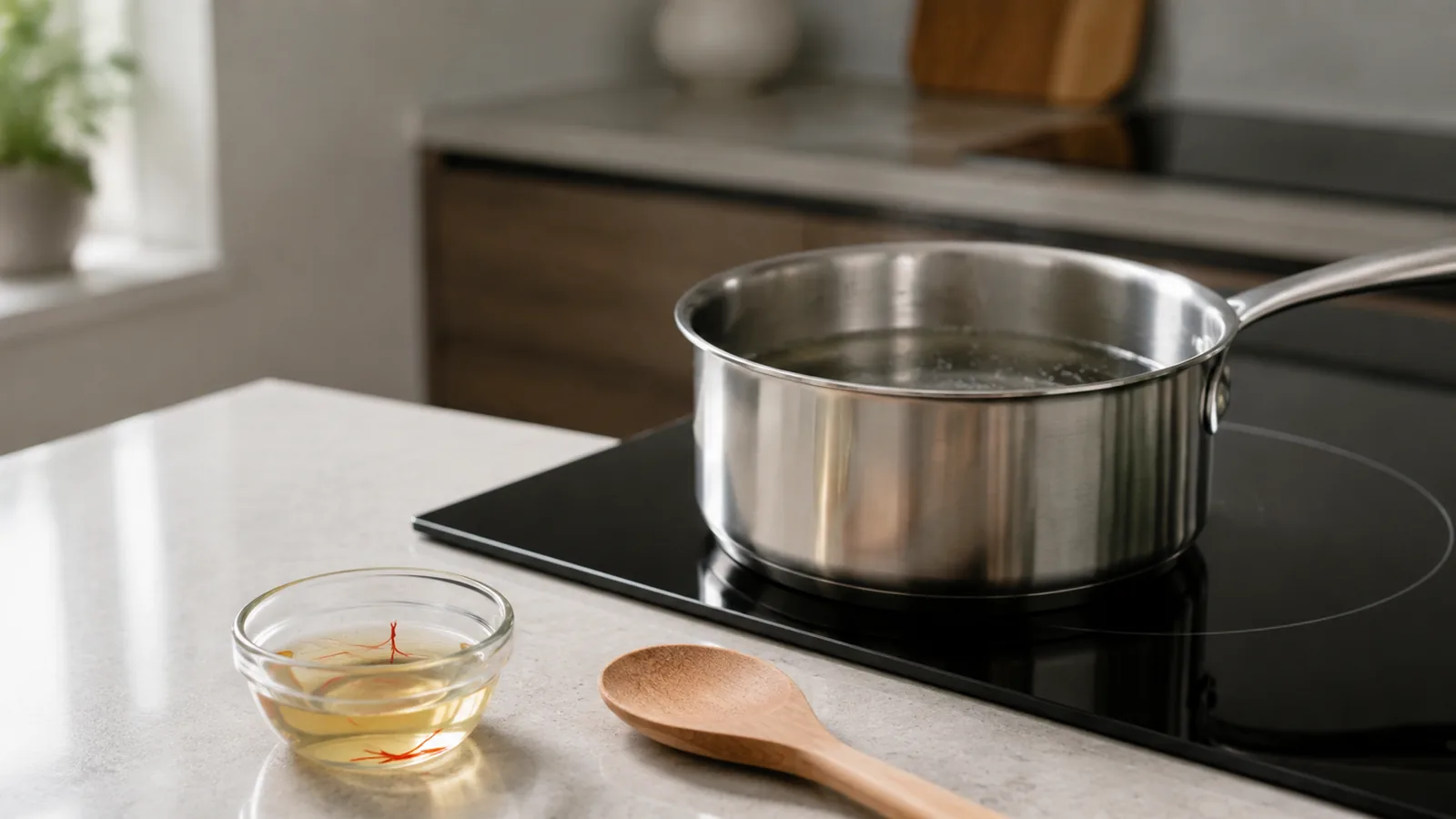
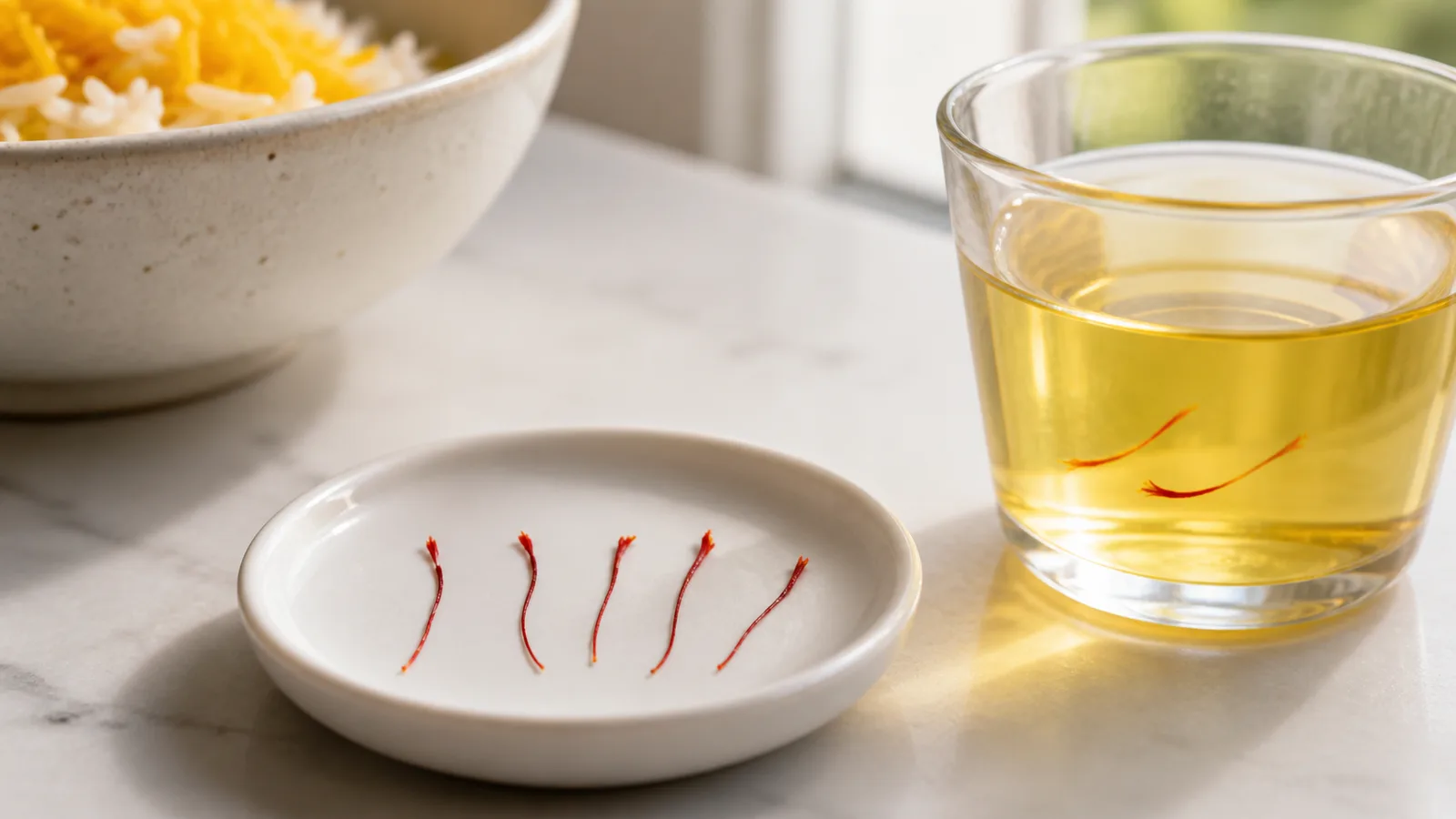
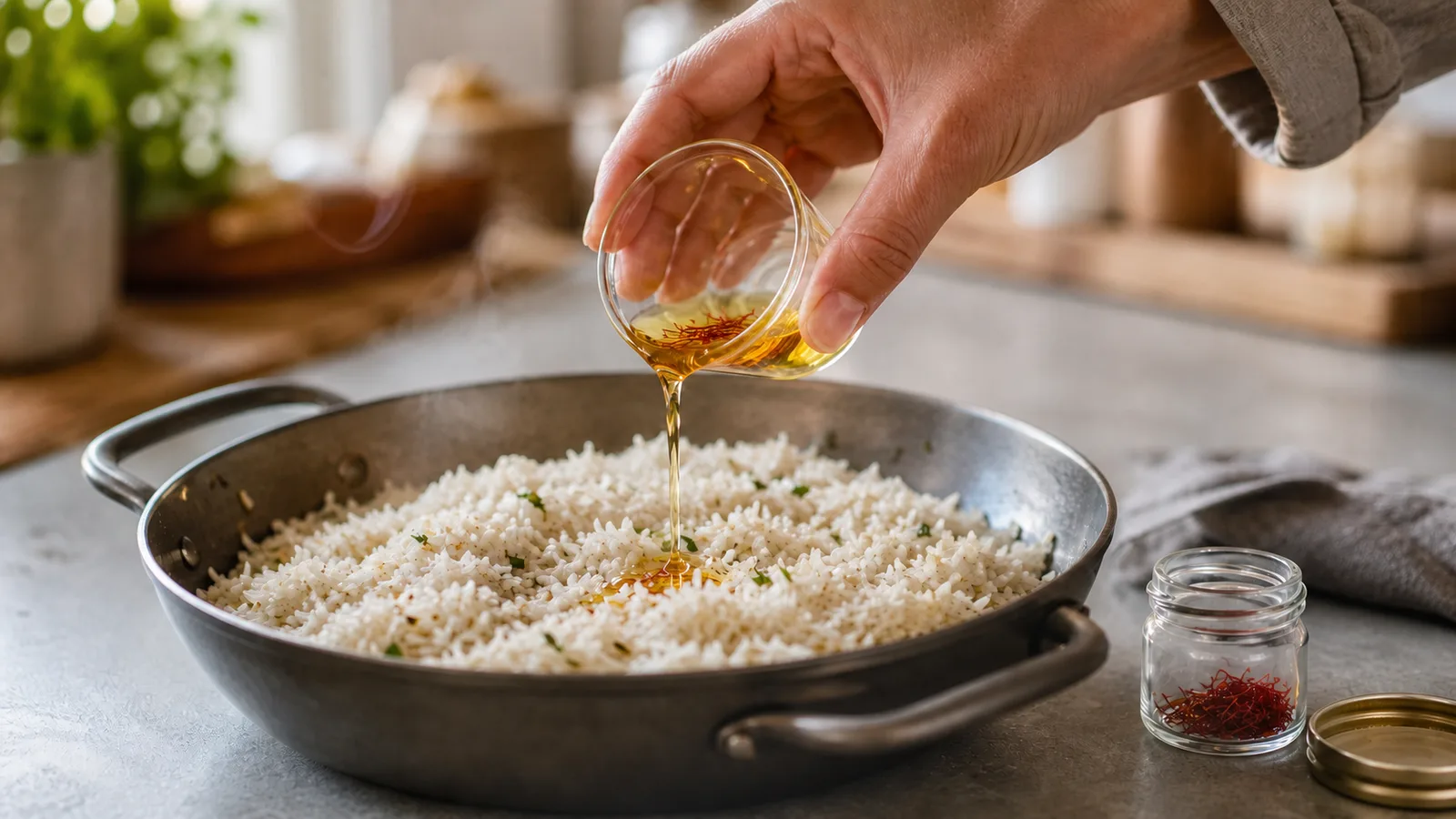
A small, well-bloomed pinch can perfume a pot of rice or colour a dessert. Crocin contributes much of the colour, picrocrocin the characteristic bitterness and safranal the aroma that develops during drying. Good preparation matters: lightly crush the threads, soak them in a little warm water or milk, and add the complete infusion to the dish.
Sorting, testing and traceability
High value makes saffron vulnerable to substitution and adulteration. A recent systematic review of saffron fraud describes substitutions involving other plant material and explains why laboratory methods are more dependable than a single home test. A clear grade, net weight, origin, intact thread appearance and accountable seller all add value, even though no one visual clue can prove purity.
When saffron may not be worth buying
- You do not enjoy the flavour. Try it in a dish from a reliable cook before buying a larger quantity.
- You only need yellow colour. Another ingredient may colour the food more cheaply, though it will taste different.
- The pack is too large for your plans. Aroma fades with poor storage, so unused saffron is not a bargain.
- The seller relies on a vague grade or oversized container. Compare net weight and price per gram.
- The sales pitch promises treatment or guaranteed wellness. Culinary saffron should not be sold as a substitute for medical care.
It is also possible to overpay for appearance. Very long, uniform Negin threads can be attractive for presentation, while a sound Sargol or Poushali grade may provide the colour and aroma a cook needs at a lower price. “Best” depends on the dish and on whether intact thread length matters to you.
What about saffron’s health benefits?
Saffron has a long history in traditional medicine, and modern trials have studied standardised extracts for defined outcomes. That does not turn ordinary culinary use into a natural remedy for depression, anxiety, poor sleep, inflammation or digestion. For example, a 2025 randomised trial investigated a named extract in adults experiencing low mood; it did not test a pinch in rice, tea or milk.
If your reason for buying saffron is medical, discuss the intended product and amount with a qualified clinician. For a food purchase, judge value by freshness, authenticity, flavour and how often you will actually cook with it.
How to make a small purchase worthwhile
- Choose the smallest quantity that suits your near-term cooking.
- Compare price per gram rather than container size.
- Buy threads when possible; they are easier to inspect than powder.
- Keep the container airtight, cool, dry and away from direct light.
- Bloom only the amount needed for the recipe.
A value-oriented Poushali B can be a practical first purchase. Sargol saffron offers another cooking-focused option, while Super Negin may suit someone who values long thread appearance. Compare the current listings rather than assuming the highest-priced grade is automatically right.
The verdict
Saffron is worth buying when a recipe and your own taste make use of what it does uniquely. Start small, calculate the cost per dish, store it well and choose a grade for the way you cook. If you are buying it only because it is rare, because the package looks luxurious or because someone promised a cure, it is probably not worth the investment.