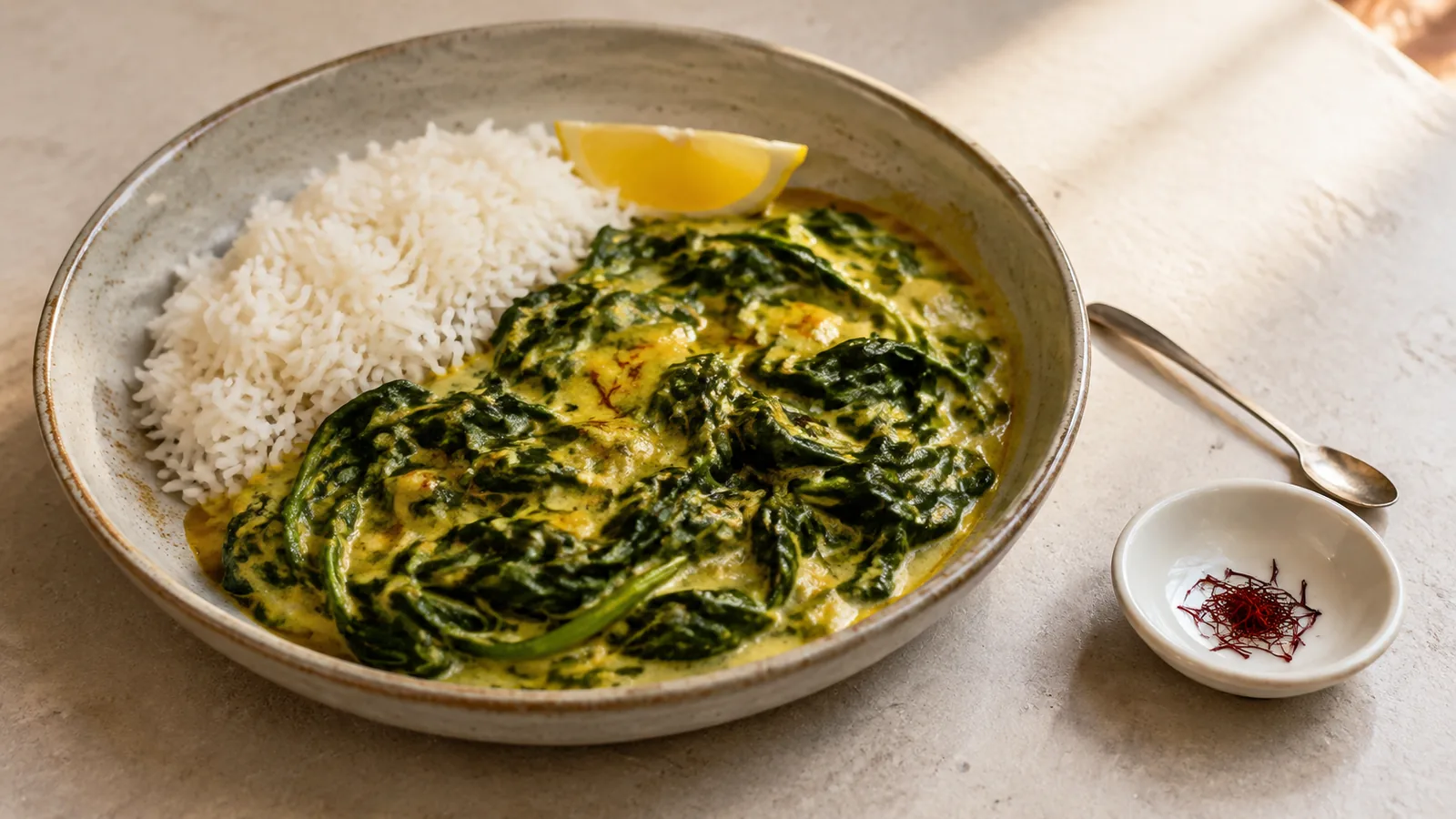
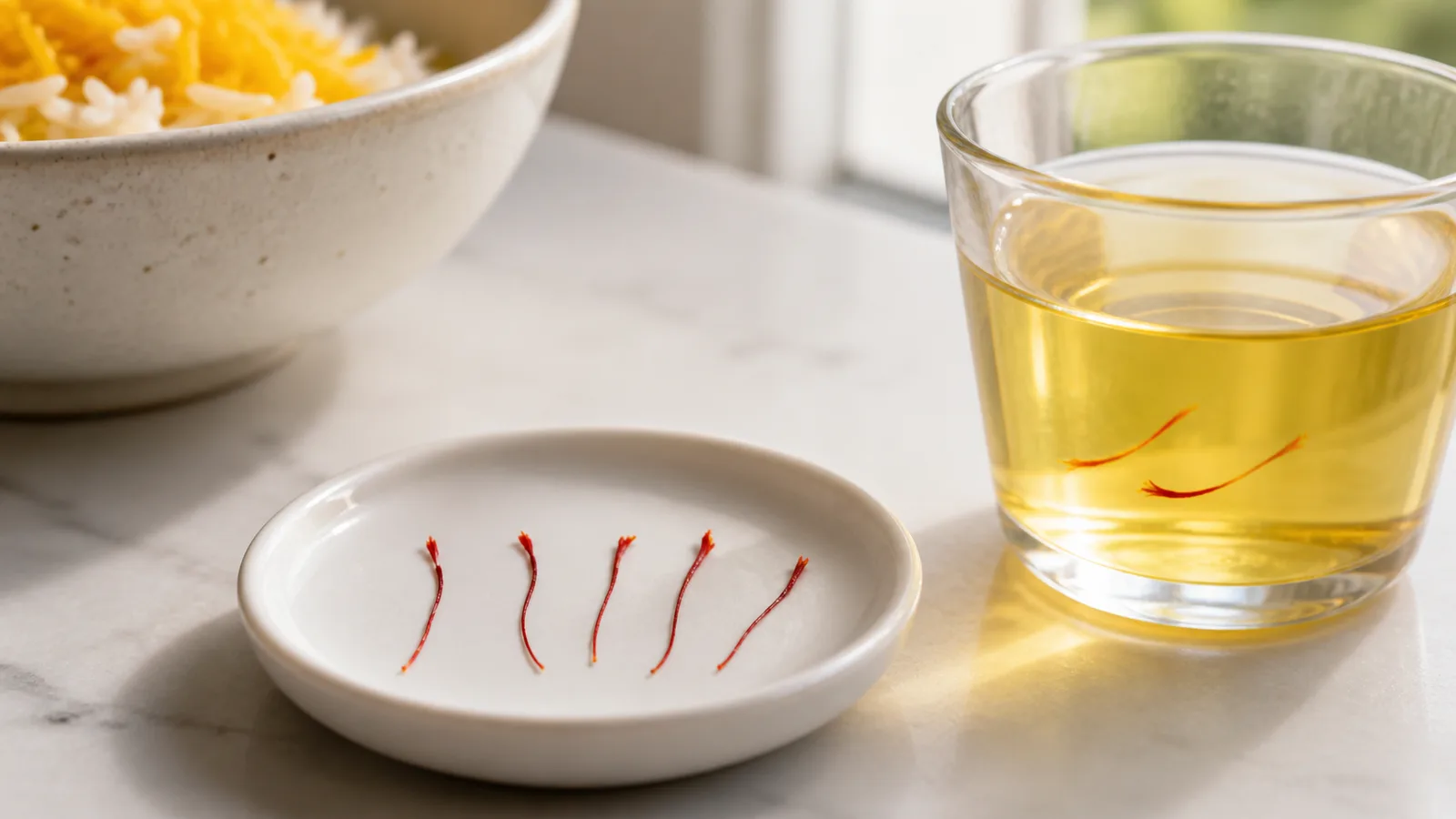
Saffron rice costs more than plain rice because the spice is expensive to produce, grade and protect from fraud. Crocus sativus flowers yield only three red stigmas each, the harvest window is short, and the flowers and stigmas are still handled largely by hand. The serving cost also depends on how much genuine saffron the cook actually uses.
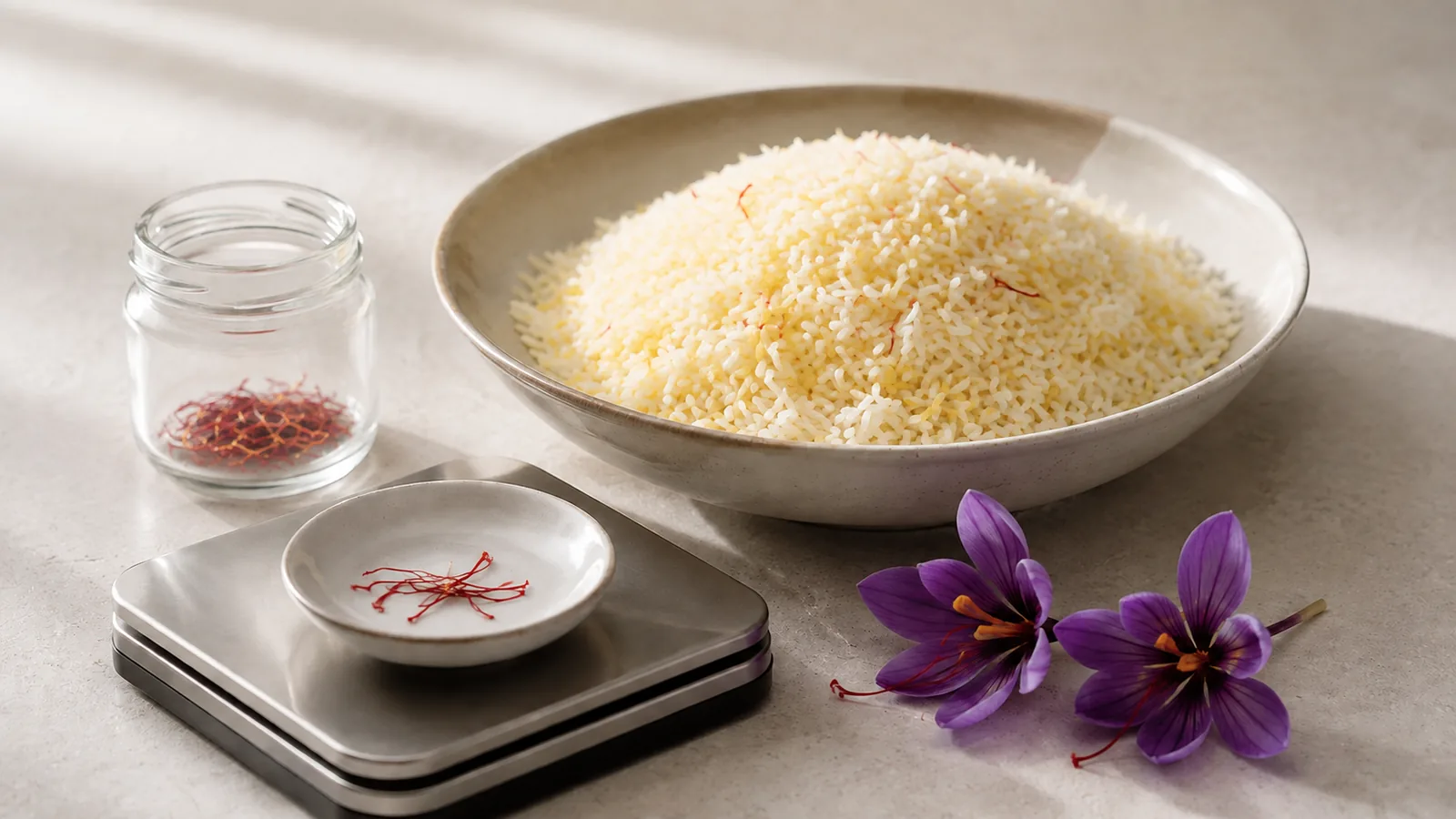
Understanding Saffron Rice Price
The saffron rice price is not simply the price of rice with a yellow color. Authentic saffron contributes a floral aroma, gently bitter flavor and natural gold tone that a coloring agent cannot reproduce. A restaurant or prepared-food price may also include stock, butter or ghee, nuts, dried fruit, meat, labor and service.
At home, saffron’s contribution can be estimated: multiply the price per gram by the fraction of a gram used in the pot, then divide by the number of servings. Because a small amount can season several portions, an expensive gram does not mean every plate contains a full gram.
Labor and Harvesting
Each saffron flower produces three stigmas—the red parts sold as saffron threads. Growers collect flowers during a brief seasonal bloom, then separate the stigmas and dry them carefully. Thousands of flowers are needed for a relatively small saleable weight.
The work is delicate and time-sensitive. Mechanical aids exist for parts of cultivation and processing, but picking and separating high-quality saffron remain labor-intensive in many producing regions. That is a more accurate explanation than claiming the entire process can never be mechanized.
Yield per Flower
A grain of rice is a large ingredient compared with a dry saffron stigma. Much of the flower’s original weight is moisture and plant material that is not sold as the spice. Once the stigmas are separated and dried, the finished yield is small.
This low yield is why a tiny jar can represent a large field, a short harvest and many hours of handling. It also explains why pure saffron is normally sold in grams or fractions of a gram rather than in large kitchen bags.
Quality and Authenticity
Price varies with grade, moisture, color strength, aroma, thread condition, testing, packaging and age. A higher price does not prove purity by itself, but a suspiciously low price can indicate old material, excess yellow style, added moisture or an adulterated product.
Deep red threads are generally desirable, yet appearance alone is not a complete test. Powder is harder for a shopper to assess because other plant material or color can be mixed into it. The guide to identifying pure saffron explains practical checks and the limits of home tests.
How Much Saffron Is Actually in the Rice?
The amount matters more than the menu name. A pot made with only a few genuine threads costs less than one prepared with a carefully measured infusion. Some kitchens also use turmeric or food coloring for a stronger yellow appearance; that changes the cost and taste, even if the dish is still described casually as saffron rice.
For one cup of uncooked rice, 10 to 15 threads are a reasonable starting point, though thread size and strength vary. The detailed rice quantity guide explains how to scale the portion without wasting the spice.
Additional Factors
Origin and Supply
Saffron is associated with producing regions in Iran, Spain, India and several other countries. Origin can influence cultivation, grading traditions, flavor profile and cost, but a country name alone does not guarantee quality. Harvest size, weather, labor, export conditions and currency movements can also affect supply-demand dynamics.
Storage and Packaging
Light, air, heat and moisture reduce saffron’s quality. Protective packaging, batch testing and careful storage add cost, but they also help preserve the aroma for which the buyer is paying. An oversized decorative box may raise the price without improving the threads, so compare the net saffron weight.
Restaurant Preparation
Prepared saffron rice includes kitchen labor, utilities, rent and service, just like any restaurant dish. Recipes with stock, butter, barberries, nuts or meat cost more for reasons beyond saffron. Portion size and local operating costs can therefore explain two very different menu prices.
Is Saffron Rice Expensive to Make at Home?
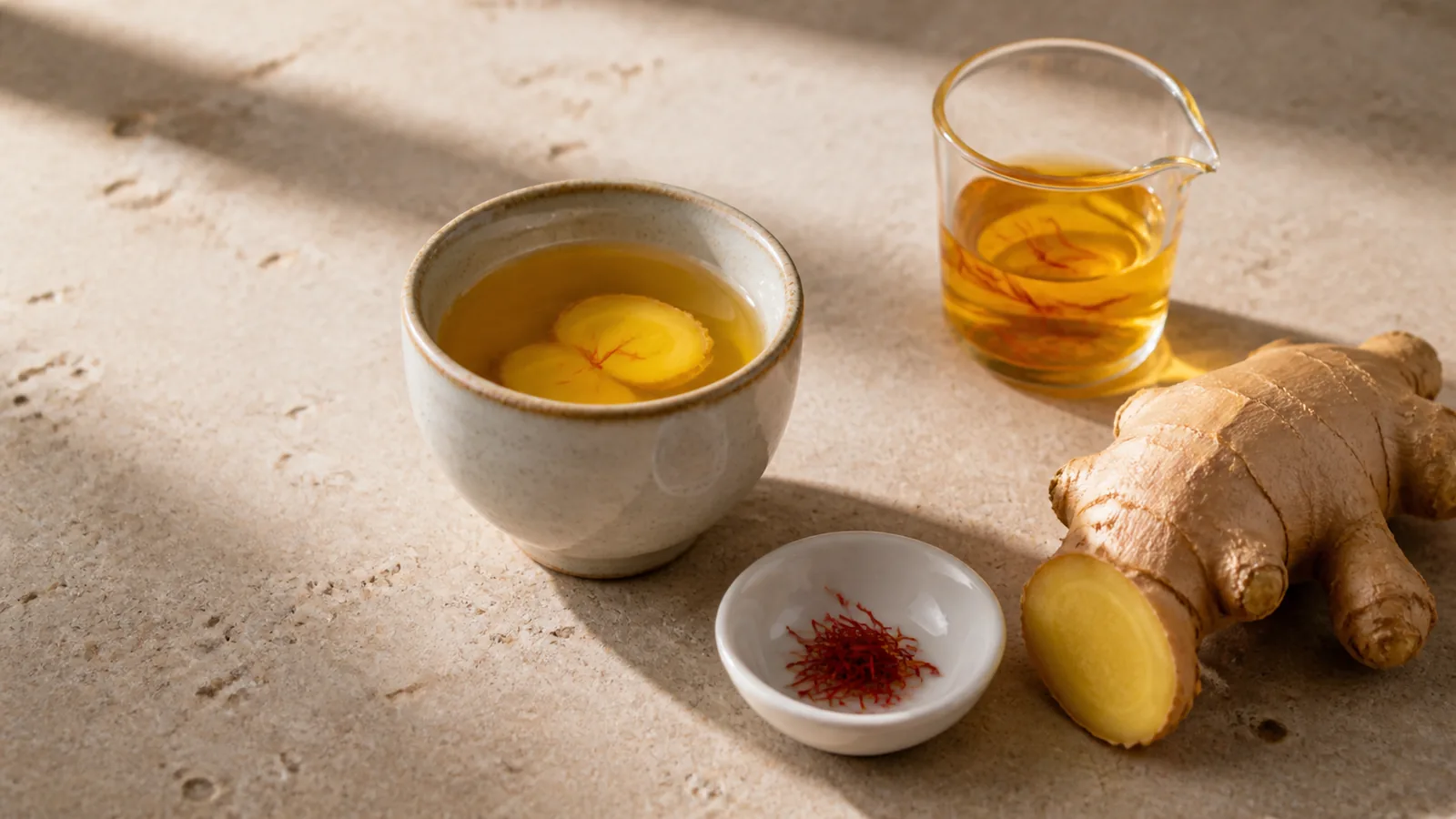
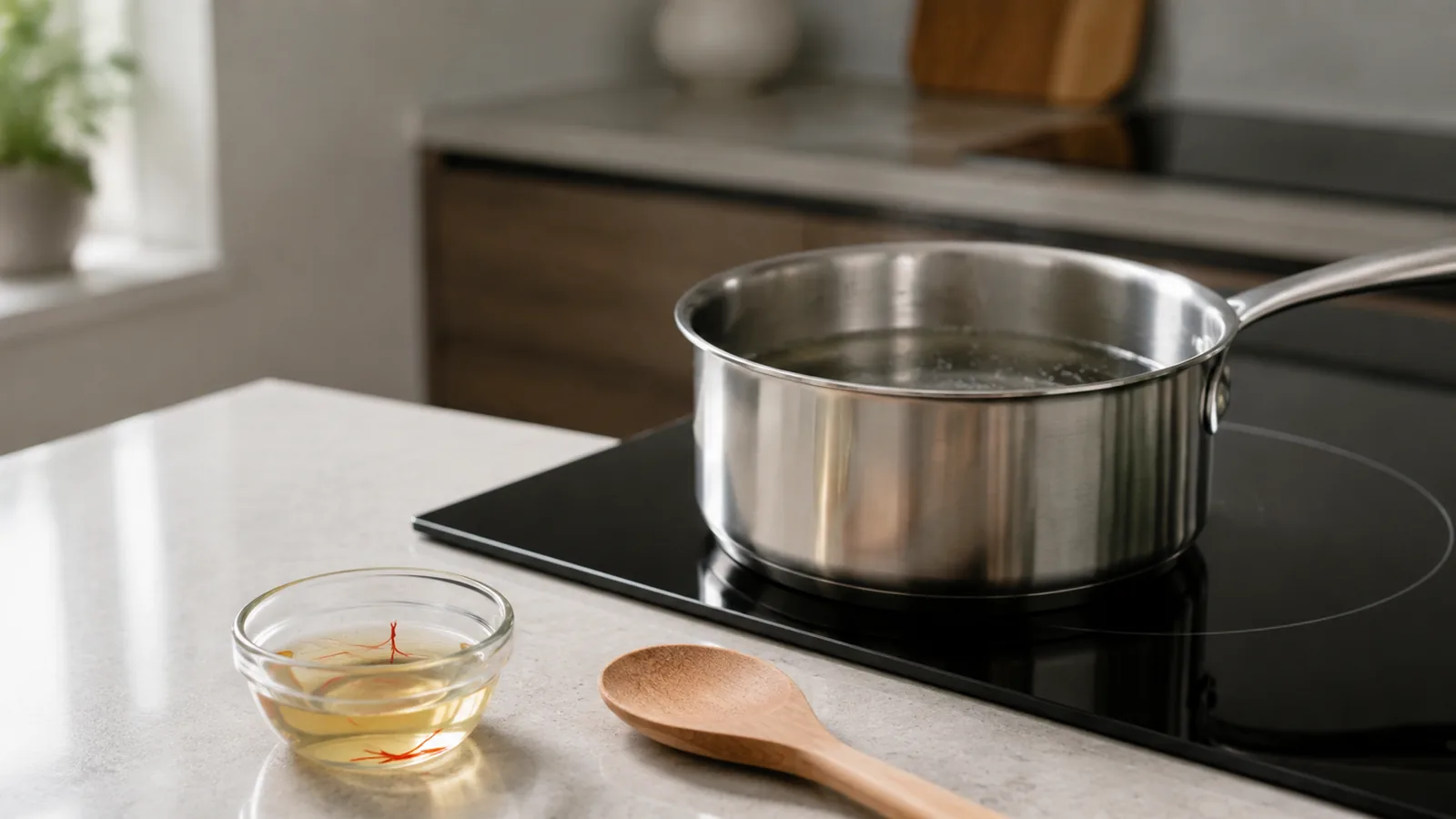
It can be more expensive than plain rice without being extravagant per serving. Buying a small amount of whole threads, measuring carefully and blooming them in warm water or broth helps distribute the flavor through several portions.
The most expensive mistake is poor extraction. Dry threads scattered over cooked rice may remain concentrated in a few bites. A 10-to-15-minute bloom uses the same quantity more effectively and makes the aroma easier to judge before it reaches the pot.
Why Cheap “Saffron Rice” May Cost Less
A low-priced dish may use a very small saffron dose, a saffron-flavored blend, turmeric, coloring or no saffron at all. It may also be a simple rice portion with lower labor and ingredient costs. Price alone cannot tell you which explanation is correct.
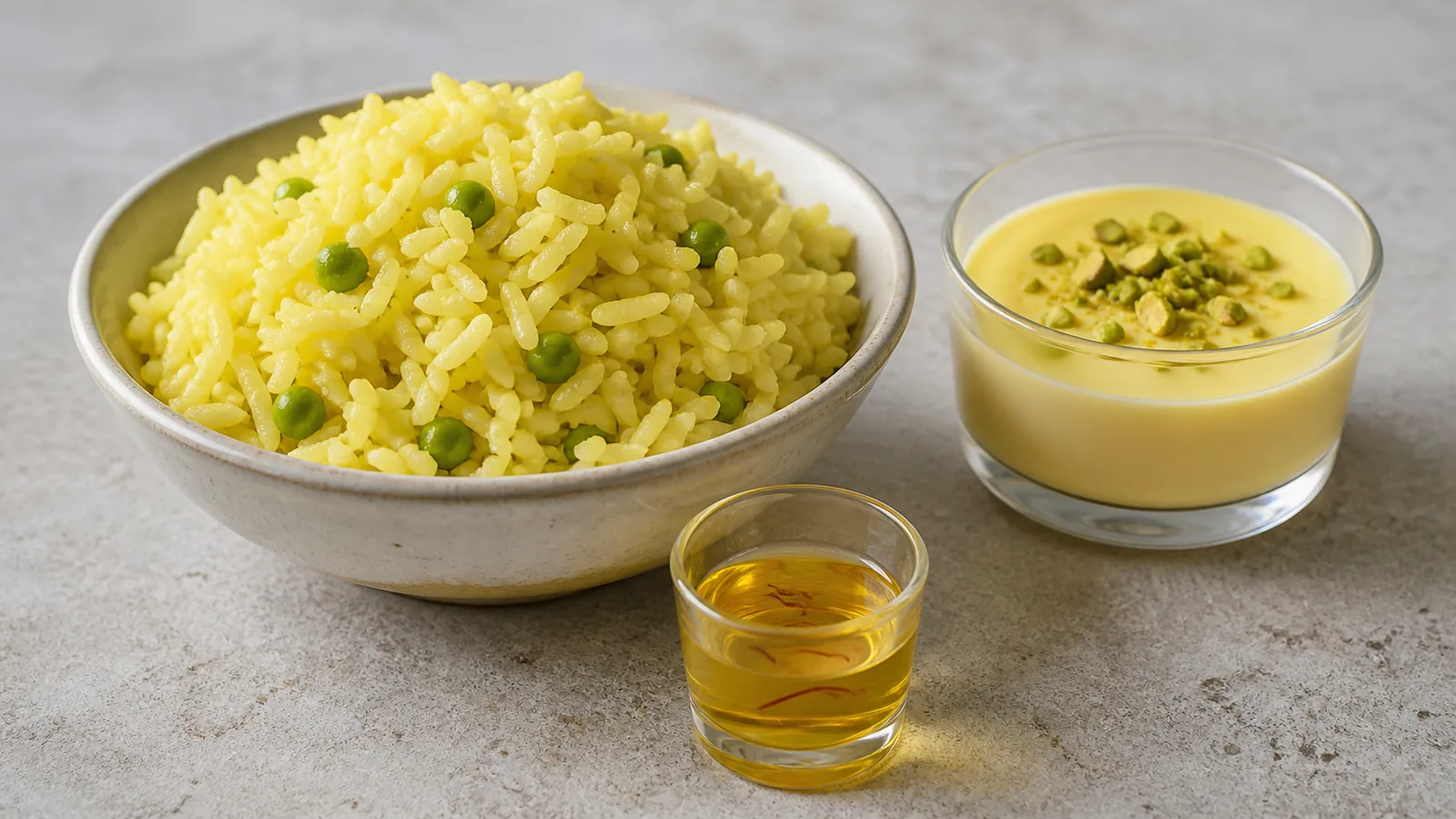
If authenticity matters, ask whether the kitchen uses whole saffron threads and look for aroma as well as color. Genuine saffron rice need not be neon yellow; a softer gold or deliberate white-and-gold pattern is normal.
How to Judge Value
- Compare the net saffron weight, not the package size.
- Look for whole red threads and clear origin or batch information.
- Consider testing or grading information where it is available.
- Store the spice sealed, dry and away from heat and light.
- Bloom a measured portion so the aroma and color distribute evenly.
- Compare finished-dish prices by portion size and included ingredients.
Why Saffron Rice Is So Expensive
Saffron rice is expensive because genuine saffron has a low yield per flower, a short harvest, substantial hand labor and careful drying, grading and storage requirements. The final dish may also include costly supporting ingredients and restaurant preparation. Still, a measured amount flavors multiple servings, so the cost per plate can be far lower than the headline price of a gram suggests.
For current product context, see the site’s saffron price page or compare available formats in the saffron shop.