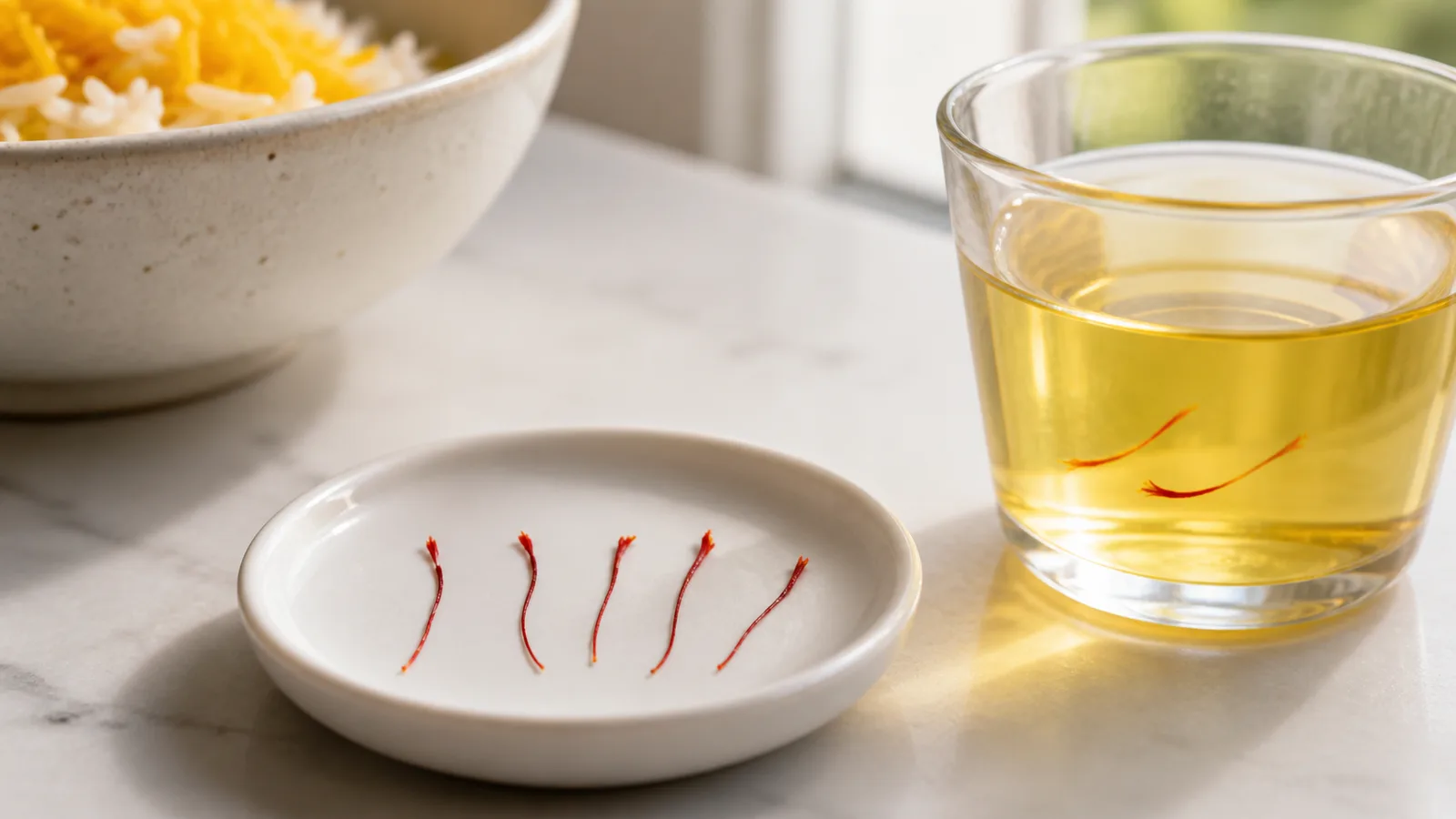
Saffron is generally recognised as the most expensive spice in the world by weight. Its price is not a mystery or a marketing invention: the usable spice is made from tiny flower parts that must be gathered quickly, separated carefully and dried well. A cook buys very little at a time, though, so the cost of a dish is far less dramatic than the price per kilogram suggests.
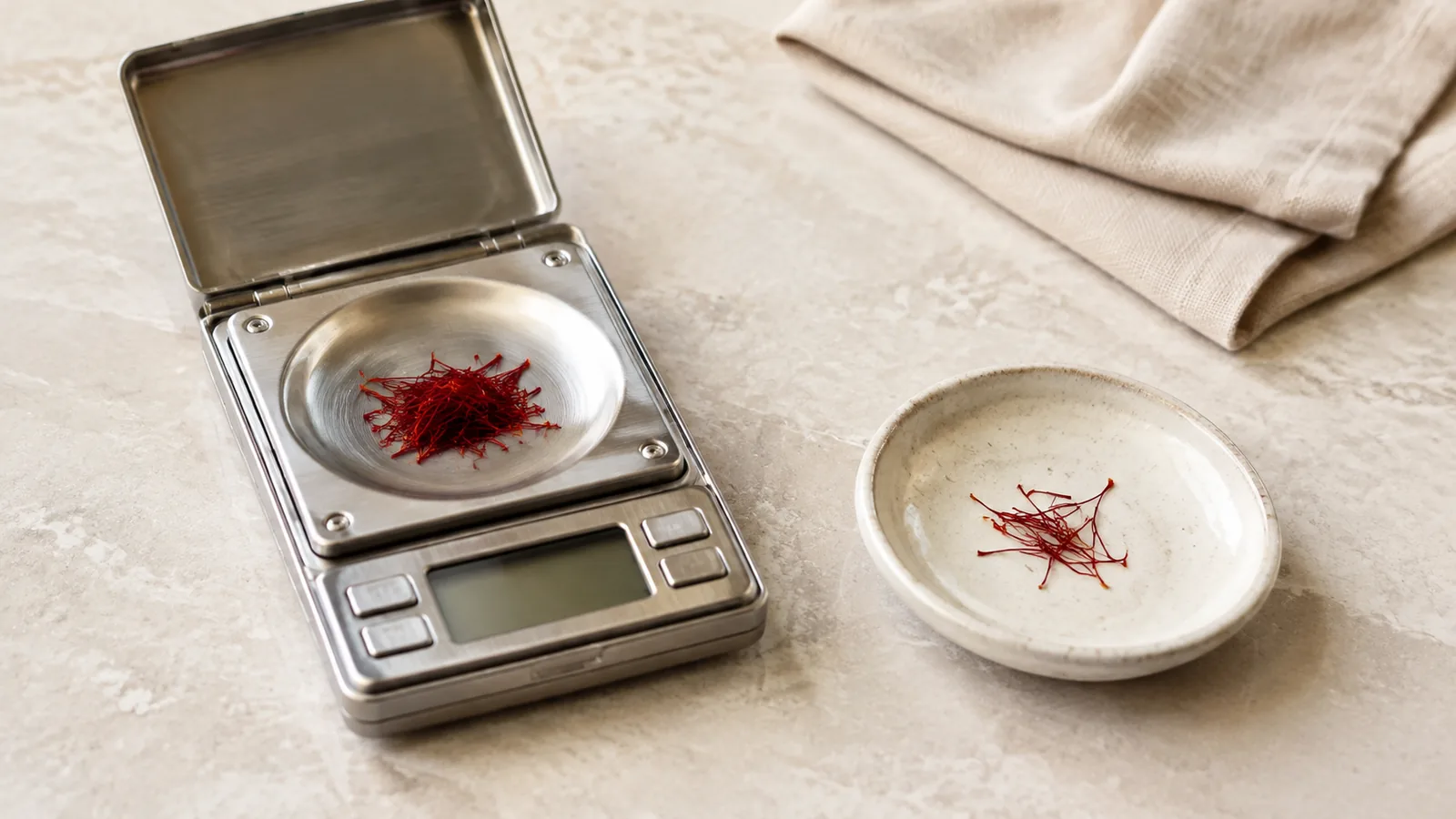
What is the most expensive spice by weight?
The answer is saffron, the dried red stigmas of Crocus sativus. It is sometimes called the costliest or most valuable spice, and those descriptions refer to genuine saffron sold by weight. A packet may look small because each thread is light and a modest culinary amount can colour and flavour an entire recipe.
This distinction matters when comparing saffron with expensive herbs, vanilla, cardamom or cloves. Retail prices change with grade, origin, harvest size, currency and packaging. There is no permanent, meaningful league table for every product in every shop. Saffron remains the usual answer because producing even one kilogram of finished threads takes an extraordinary amount of flowers and concentrated manual work.
Why is saffron the world’s most expensive spice?
Each saffron crocus produces only three red stigma branches. Those are the parts that become the spice. The whole flower is not ground up, and the purple petals do not add to the final weight. Harvesters therefore handle a large volume of delicate flowers to recover a very small amount of saffron.
A peer-reviewed review of saffron processing estimates that roughly 150,000 flowers and 370–470 hours of picking, stigma separation and drying are needed for one kilogram of dried saffron. The same review of saffron harvesting and drying explains why the work cannot simply be postponed: flowers have to be collected during the bloom and the stigmas separated for drying.
A tiny yield from every flower
Three fresh stigmas weigh very little, and drying removes still more moisture. That low yield is the central reason an expensive red spice comes in such a small container. It also explains why comparisons based only on the number of flowers can be misleading: the commercial product is the dried stigma, not the flower itself.
A short, labour-heavy harvest
Saffron flowers do not arrive evenly throughout the year. Much of the hand work is concentrated into a short flowering period, when growers must collect the blooms and separate the stigmas before quality declines. A recent cultivation study likewise describes saffron as one of the world’s most expensive spices because strong demand meets a labour-intensive production process. The three-year saffron production study also shows why growers continue to investigate methods that reduce labour while protecting traceability.
Drying and grading still matter after picking
Harvesting is only the beginning. The fresh stigmas must be dried under controlled conditions, then protected from moisture, heat and light. Poor handling can flatten the aroma or weaken the colour even when the crop itself was sound. Buyers are therefore paying for careful processing and a usable grade, not merely for red threads in a jar.
What other spices can be expensive?
Vanilla is often named next because producing cured vanilla beans involves pollination, a long growing period and months of processing. Green cardamom can also command a high price when pods are hand-picked at the right stage, while cloves require flower buds to be collected and dried before they open.
Those examples are useful, but their order changes. A poor harvest can lift one spice’s price; a strong crop can lower it. Whole premium products and ordinary supermarket grades are not equivalent either. For a fair comparison, use the same unit of weight, the same market and a clearly defined grade. On that basis, saffron is normally the first answer, while the positions below it are market-dependent.
Does the highest price always mean the best saffron?
No. Price can reflect quality, but it can also reflect a decorative box, a very small pack size or an unusually expensive sales channel. Genuine threads should have a deep red appearance, a distinctive aroma and the characteristic shape of a stigma. Powder is harder to judge by sight and is easier to dilute with other material.
Origin alone is not a complete quality test, either. Storage, age, drying and the proportion of yellow style mixed with red stigma all affect what reaches the kitchen. If you are comparing offers, calculate the price per gram, check that the seller identifies the product and pack weight clearly, and be suspicious of a bargain that is far below comparable genuine saffron. Our guide to why saffron costs so much looks more closely at the production choices behind the price.
Why saffron can still make sense in the kitchen
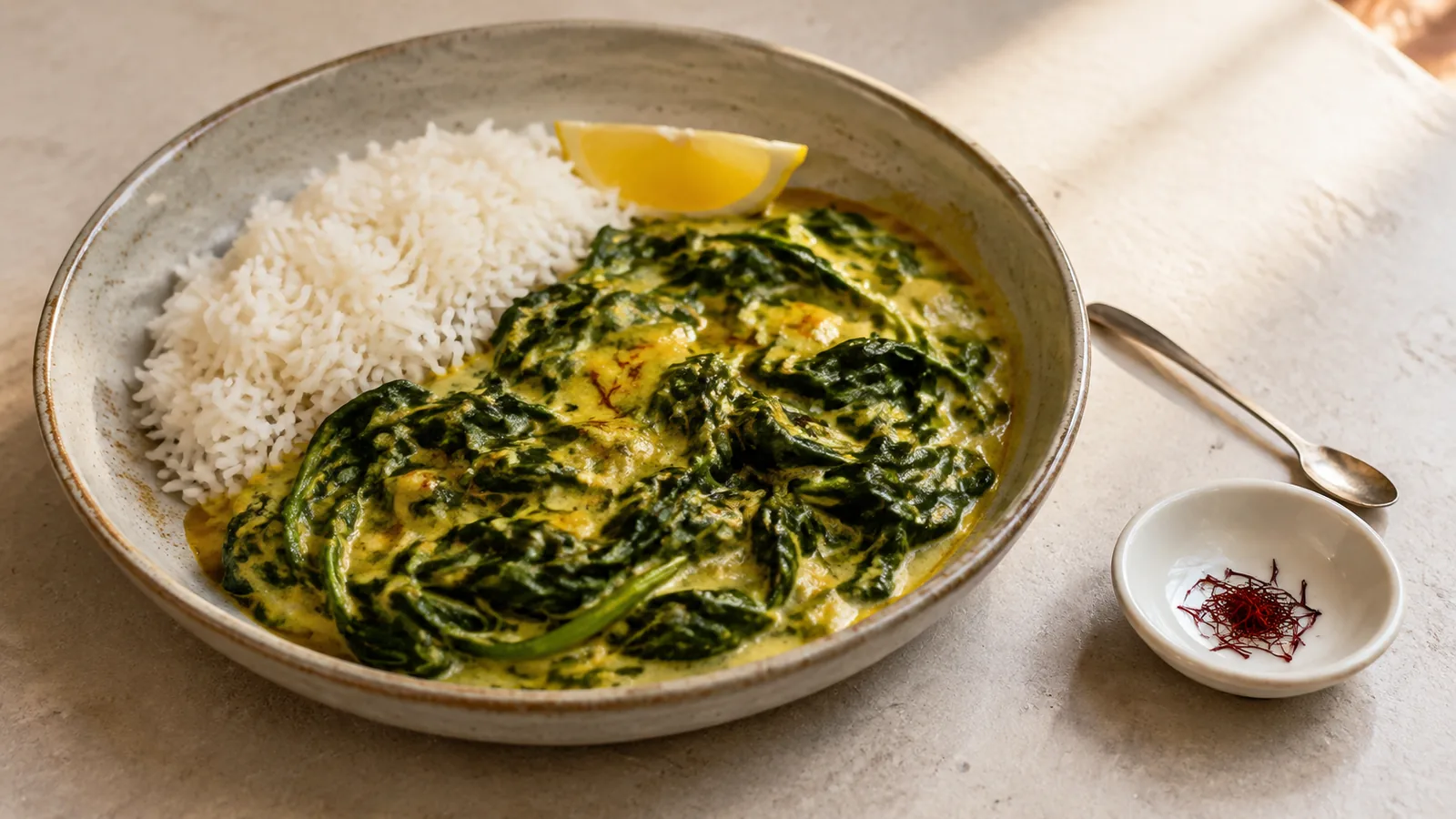
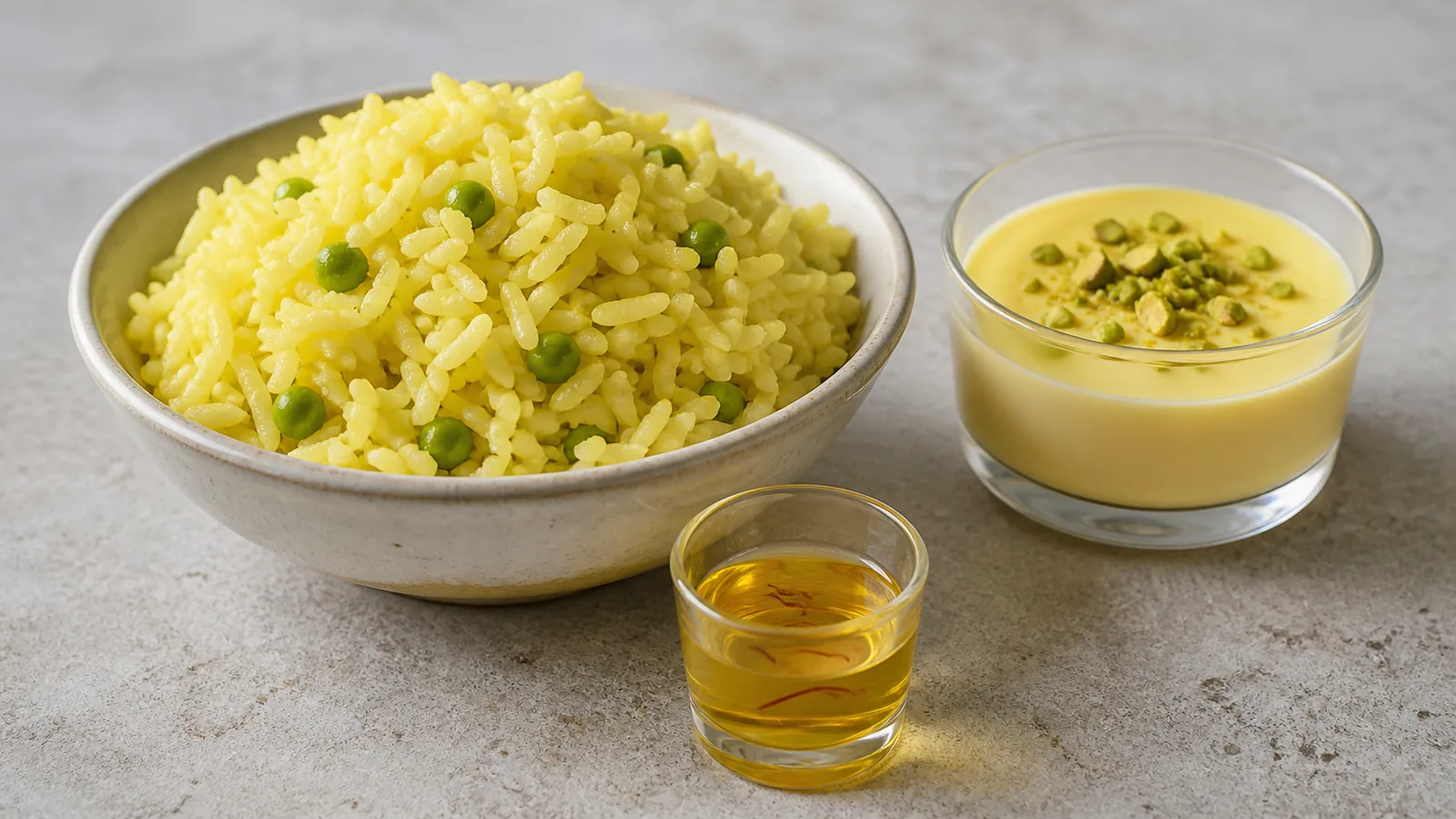
The headline price is a price by weight, not a requirement to buy a kilogram. Home cooks usually work with a pinch or a measured fraction of a gram. Used thoughtfully, the threads contribute colour, aroma and a gently bitter, honeyed character across several portions.
That is the practical answer to “What is the most expensive spice?” Saffron earns the title because every gram concentrates a remarkable amount of flower handling and skilled post-harvest work. The finished spice is costly, but the quantity needed for a recipe is small—one reason it has remained a working kitchen ingredient rather than only a luxury display.