Who cannot use saffron? Anyone with a known saffron allergy should avoid eating it and using products that contain it. Pregnancy, low blood pressure, regular medication, kidney or other medical conditions do not create one universal ban, but they are good reasons to get individual advice before using concentrated extracts, supplements or strong repeated preparations.
Who Cannot Use Saffron?
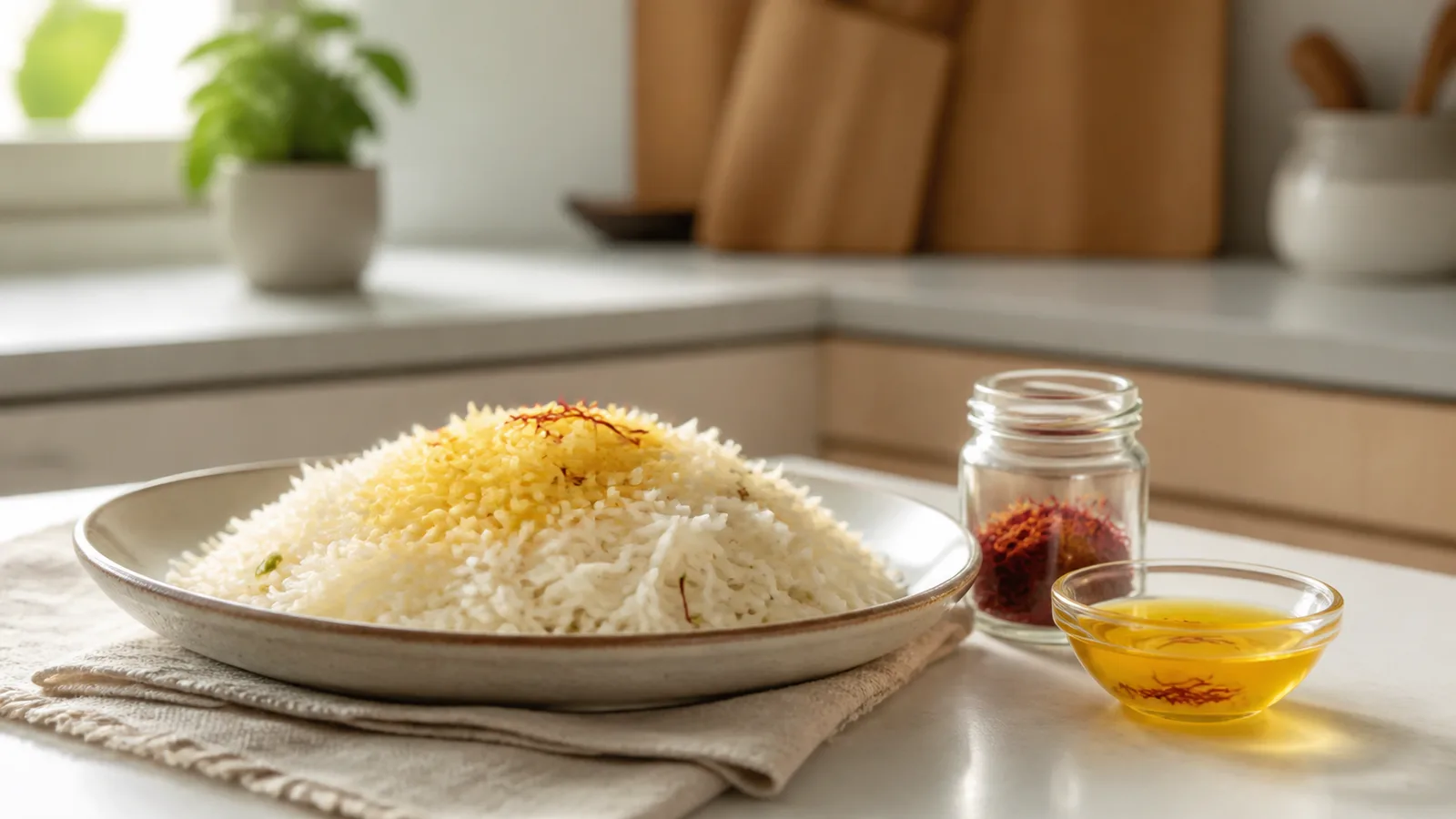
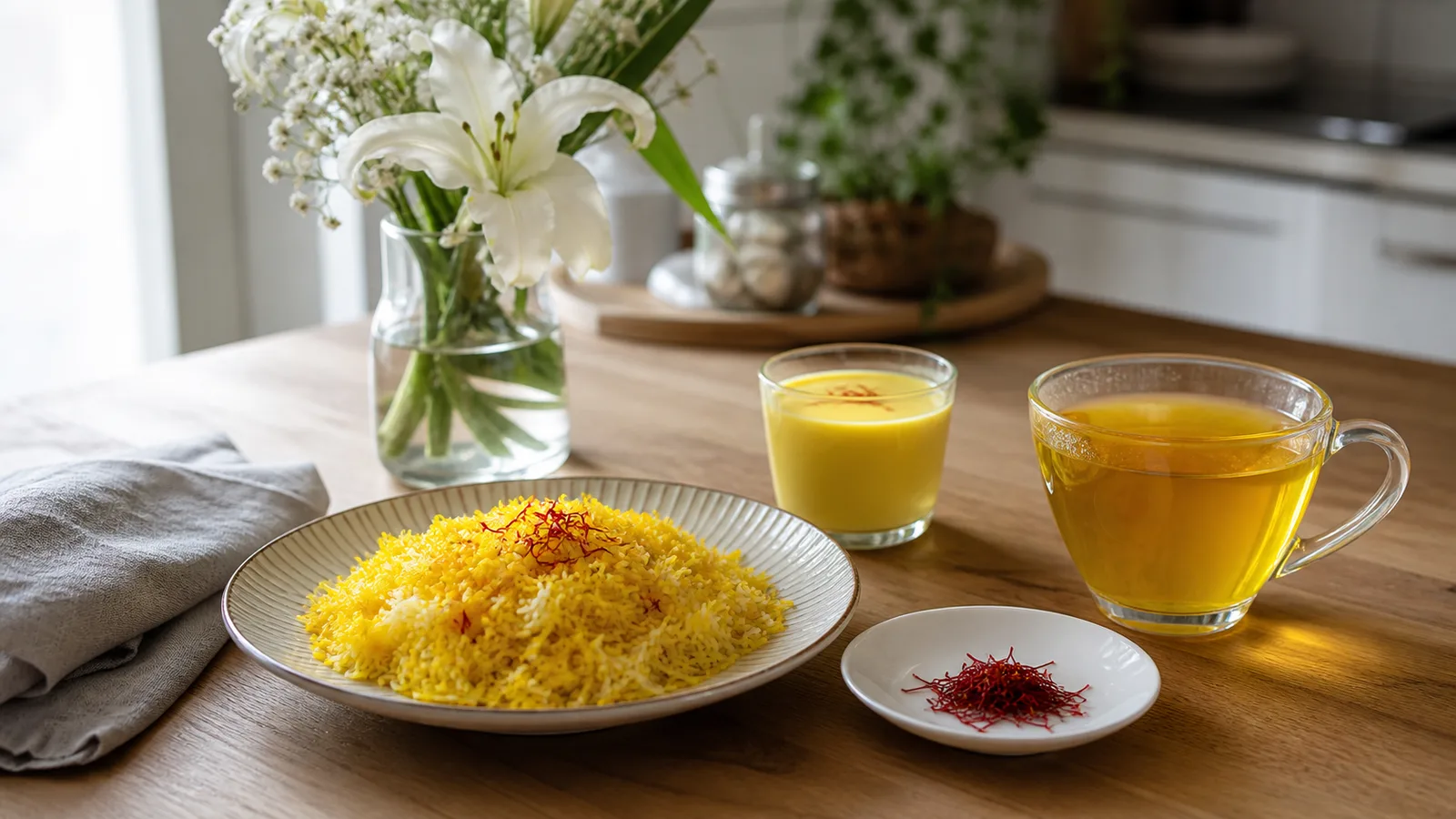
The word use covers several very different exposures: a pinch in rice, a daily tea, a capsule, an extract or a cosmetic applied to skin. Who should not take saffron depends partly on which of those products is meant. Ordinary seasoning cannot be treated as though it were the same as medicinal dosing.
Pregnant Women
Is saffron safe during pregnancy? The careful answer is that a small culinary amount is different from a supplement or deliberately large serving, and personal advice should come from the maternity clinician. Do not use saffron to bring on labour or treat a pregnancy symptom.
A 2026 review of saffron in pregnancy found the clinical evidence on efficacy and safety limited and inconclusive. That uncertainty does not support dramatic claims about either benefits or miscarriage from an ordinary meal; it supports avoiding self-directed medicinal use.
People with Allergies
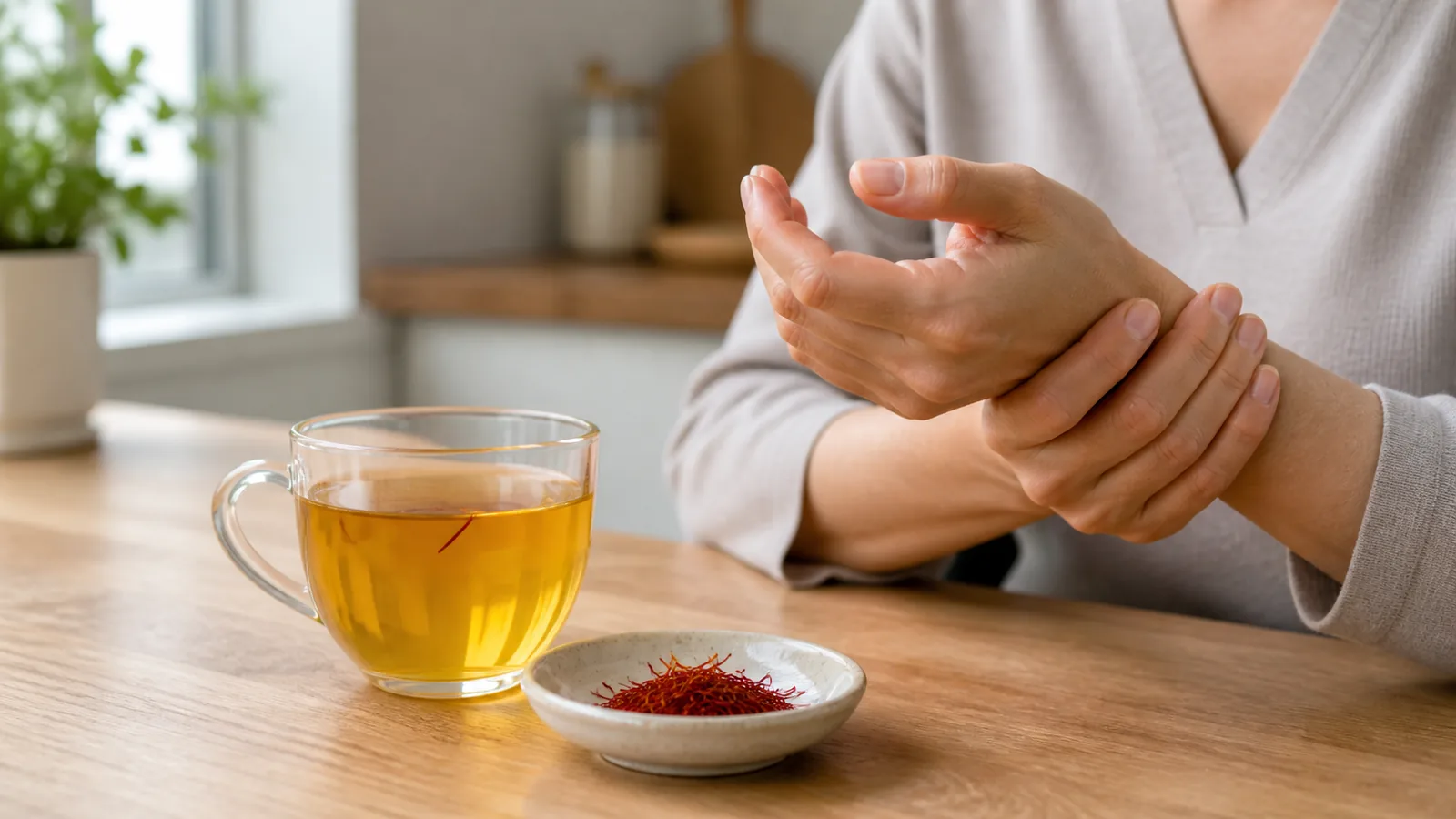
A saffron allergy may appear as itching, hives or a saffron allergy rash. A serious allergic reaction to saffron can involve swelling of the mouth, tongue or throat, difficulty breathing, confusion, dizziness or fainting. The NHS anaphylaxis guidance treats those symptoms as an emergency.
If you know you are allergic to saffron, avoid it. If you suspect an allergy, do not deliberately eat more or perform a homemade skin patch test. Medical patch tests are regulated diagnostic products interpreted by healthcare professionals; rubbing kitchen saffron or a cosmetic on the skin cannot safely diagnose the cause of a reaction.
People with Low Blood Pressure
Someone with symptomatic low blood pressure should not add a concentrated saffron product without discussing it with a clinician. Dizziness, fatigue and fainting have many possible causes, so do not diagnose the problem yourself or change prescribed treatment based on a spice article.
A saffron-seasoned dish is a much smaller and less consistent exposure than a measured extract. The concern is context and amount, not a blanket claim that every person with low blood pressure must avoid every trace of saffron.
Individuals on Certain Medications
Ask a pharmacist or prescriber before combining a saffron supplement with regular medicine, especially treatment that affects mood, blood pressure, bleeding or clotting. Evidence for specific saffron–drug interactions is incomplete, and formulations vary. Bring the product label and intended amount to the review.
Do not stop an antidepressant, anticoagulant or any other prescription because of a possible interaction mentioned online. The medication may be essential, while the non-prescribed supplement can usually wait for a proper assessment.
People with Certain Medical Conditions
“Is saffron good for kidney patients?” has no safe blanket answer. Kidney function, other diagnoses, medicines and the product itself all matter. The same is true for bipolar disorder, schizophrenia, gastrointestinal disease and people preparing for surgery. A small food amount and an extract should be discussed separately.
Can you take too much saffron? Yes, concentrated or excessive intake can cause adverse effects. A systematic review of human safety evidence found preparations generally well tolerated, but gastrointestinal effects were the most commonly reported and higher-dose or prolonged medicinal use called for more caution.
What About Saffron Benefits?
Saffron contains compounds that are being studied, but “saffron benefits” is not a reason to ignore allergy, pregnancy or medication context. A recipe can offer flavour and colour without being a treatment. Claims for a health outcome must match the exact tested preparation and quality of evidence.
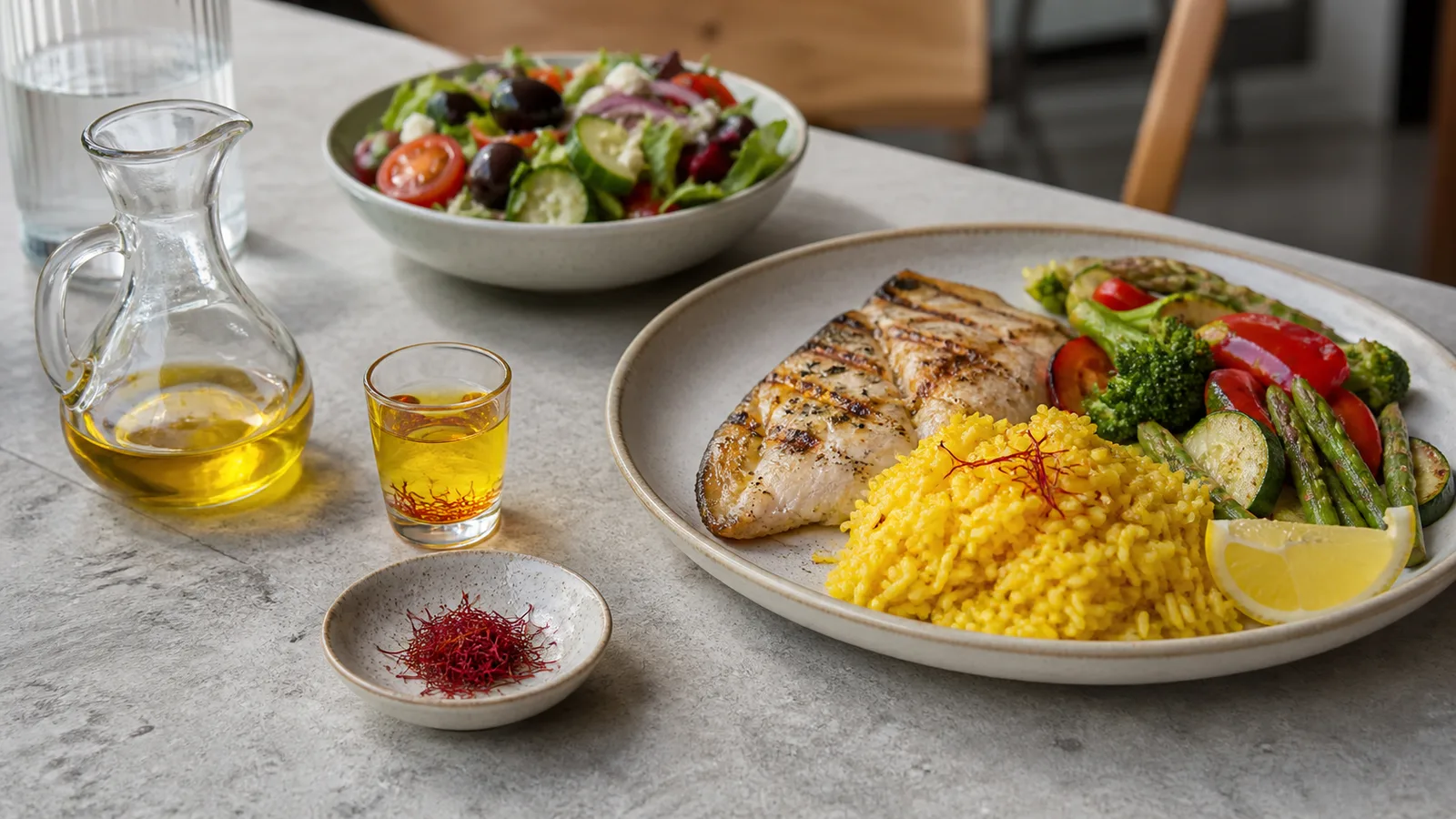
For ordinary cooking, choose sealed food-grade threads and use the recipe amount. Read our separate guide on saffron consumption restrictions if your question is specifically about eating or drinking it.
Conclusion
A known saffron allergy is the clearest reason not to use saffron. Pregnancy, low blood pressure, medicine use and medical conditions call for individual advice before supplements or strong preparations, not an automatic ban on every culinary trace. When the intended use is medicinal, take the product details to a clinician.