The best-supported saffron health benefits for women concern symptoms of premenstrual syndrome and menstrual pain, with more tentative evidence for mood and some aspects of sexual well-being. Claims that saffron balances female hormones, improves fertility, treats menopause, clears the skin, fixes digestion or causes weight loss are much less certain—or unsupported.
That distinction matters. A pinch of saffron used in food is not the same intervention as a measured capsule or standardized extract used in a clinical trial. Saffron can make a meal fragrant and colorful, but it should not be presented as a replacement for medical care.
What is the benefit of saffron for females?
Women do not need saffron as a special nutrient, and many of its culinary qualities are the same for everyone. Research becomes specifically relevant to women when it studies PMS, dysmenorrhea, perimenopausal symptoms or female sexual dysfunction. Even there, the preparation, dose, duration and participants determine what a result means.
The clearest way to read the evidence is to separate promising findings from treatment promises.
PMS and menstrual discomfort
PMS can include mood changes, irritability, bloating and physical discomfort before menstruation. Dysmenorrhea means painful menstrual cramps. A 2026 systematic review and meta-analysis of randomized trials reported improvements in PMS symptoms and a smaller pooled reduction in dysmenorrhea with saffron interventions. The review supports further clinical interest, not a guarantee that ordinary culinary use will relieve every person’s symptoms. Read the PMS and dysmenorrhea review on PubMed.
It is inaccurate to say that saffron has been proven to regulate menstrual cycles or relax the uterus in routine use. Persistent pain, unusually heavy bleeding, bleeding between periods or a sudden change in symptoms deserves medical assessment; those signs should not be covered up with a supplement.
Mood, stress and depression
Randomized trials and evidence reviews have found promising effects of particular saffron preparations on depressive symptoms. This research is not exclusively about women, and it does not prove the common claim that eating saffron simply “raises serotonin.” Proposed mechanisms remain more complex than a single neurotransmitter slogan.
Depression and anxiety are health conditions, not deficiencies in a spice. Anyone with persistent low mood, panic, loss of function or thoughts of self-harm needs appropriate professional help. A saffron extract should not be added to antidepressant treatment without discussing it with the clinician or pharmacist responsible for that care.
A broad evidence map of saffron meta-analyses found encouraging results across several outcomes, including depressive symptoms, but also concluded that review quality needs improvement and that larger, higher-quality trials in more countries are necessary. See the saffron evidence map on PubMed.
Saffron and menopause
Menopause should not be described as a hormone imbalance that saffron can correct. It is a normal biological transition, although symptoms can be disruptive and sometimes need treatment.
One 12-week randomized trial enrolled 86 perimenopausal women and tested a specific standardized extract. Compared with placebo, it improved psychological scores such as anxiety and depression, but it did not produce greater improvements in hot flashes, other physical symptoms or general quality-of-life measures. The study was industry funded, which is another reason to treat it as preliminary rather than definitive. Read the perimenopause trial on PubMed.
There is separate early research on sleep and saffron extracts, but that is not proof that saffron treats menopause-related insomnia. Hot flashes, sleep problems, vaginal symptoms and mood changes can have different causes and should be addressed on their own terms.
Sexual health is not the same as fertility
A small systematic review and meta-analysis combined five studies with 173 men and women and found improvement in measures of sexual dysfunction, while emphasizing heterogeneity and the need for more studies. That is an early signal about sexual function—not proof of better ovarian function, ovulation, fertility or pregnancy rates. Read the sexual-function review on PubMed.
A later review of female reproductive research included laboratory, animal and human studies together. Findings about hormones, follicles or ovarian protection in cells and animals cannot be turned into a recommendation for women trying to conceive. Saffron is not a fertility treatment. Review the evidence types on PubMed.
Skin claims need a reality check
Saffron contains antioxidant pigments, and extracts appear in some cosmetic products. That chemistry does not establish that eating saffron clears dark spots, treats eczema or creates a glowing complexion. Human clinical evidence for those broad promises is not strong enough to state them as benefits.
A topical product can also irritate sensitive skin. Read its ingredient list, patch-test as directed and seek care for a persistent or changing skin condition. Do not apply a home saffron mixture to broken skin or assume “natural” means non-allergenic.
Digestion and appetite
Traditional use is sometimes described as digestive support, but strong clinical evidence that saffron stimulates gastric juices or treats bloating and indigestion is lacking. Ongoing abdominal pain, appetite loss, vomiting, bleeding or unexplained weight change needs a diagnosis rather than a spice remedy.
The source article also described saffron as both an appetite improver and an appetite suppressant. Those claims pull in opposite directions because study populations and preparations differ. A meta-analysis of randomized trials found no significant effect on body weight. It did report small changes in some blood lipids, but the authors called for adequately powered, high-quality trials with meaningful clinical outcomes. Read the weight and lipid meta-analysis on PubMed.
Saffron therefore should not be sold as a weight-loss tool, a craving cure or a substitute for an individualized nutrition plan.
Culinary saffron and supplements are different choices
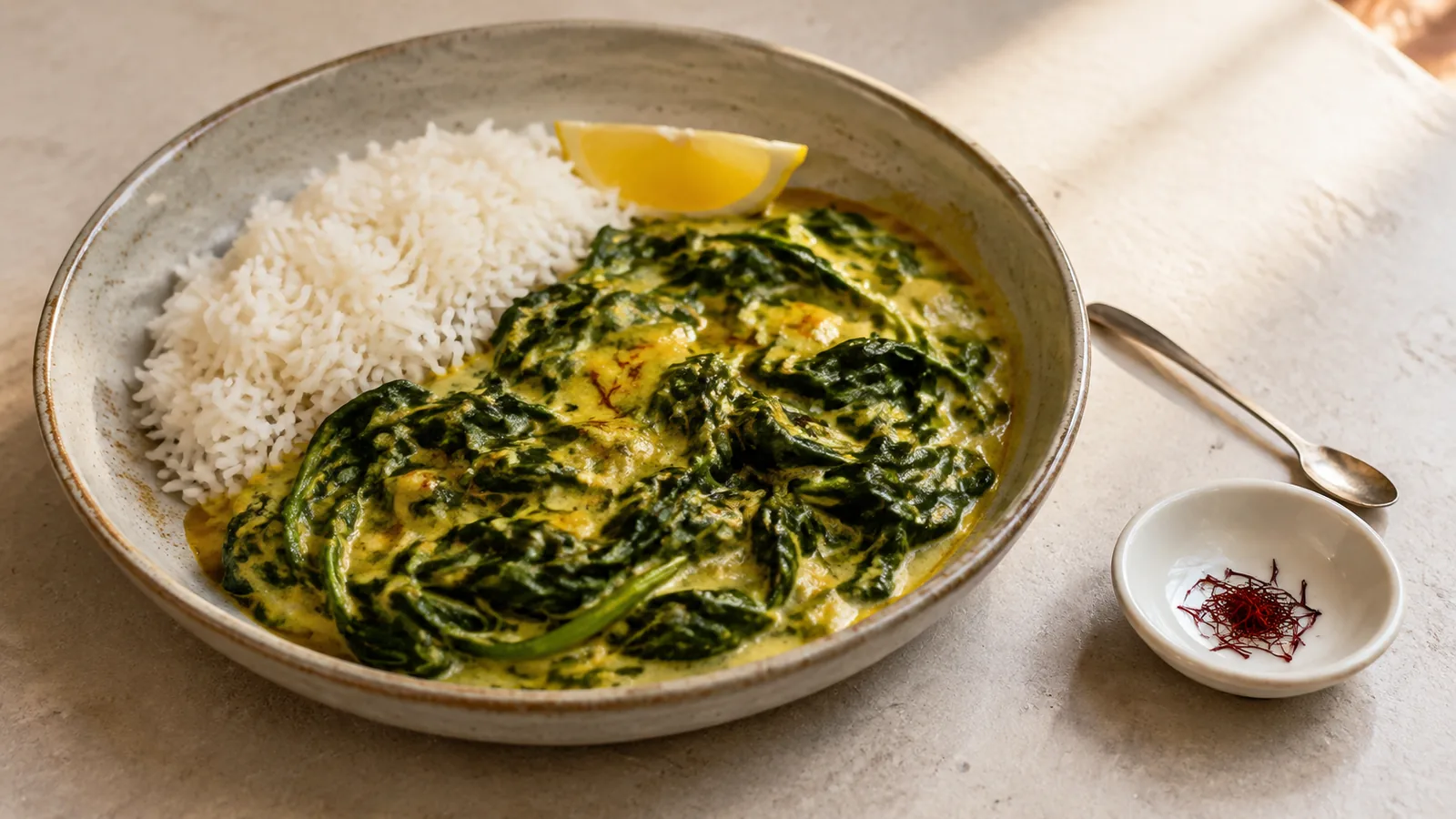
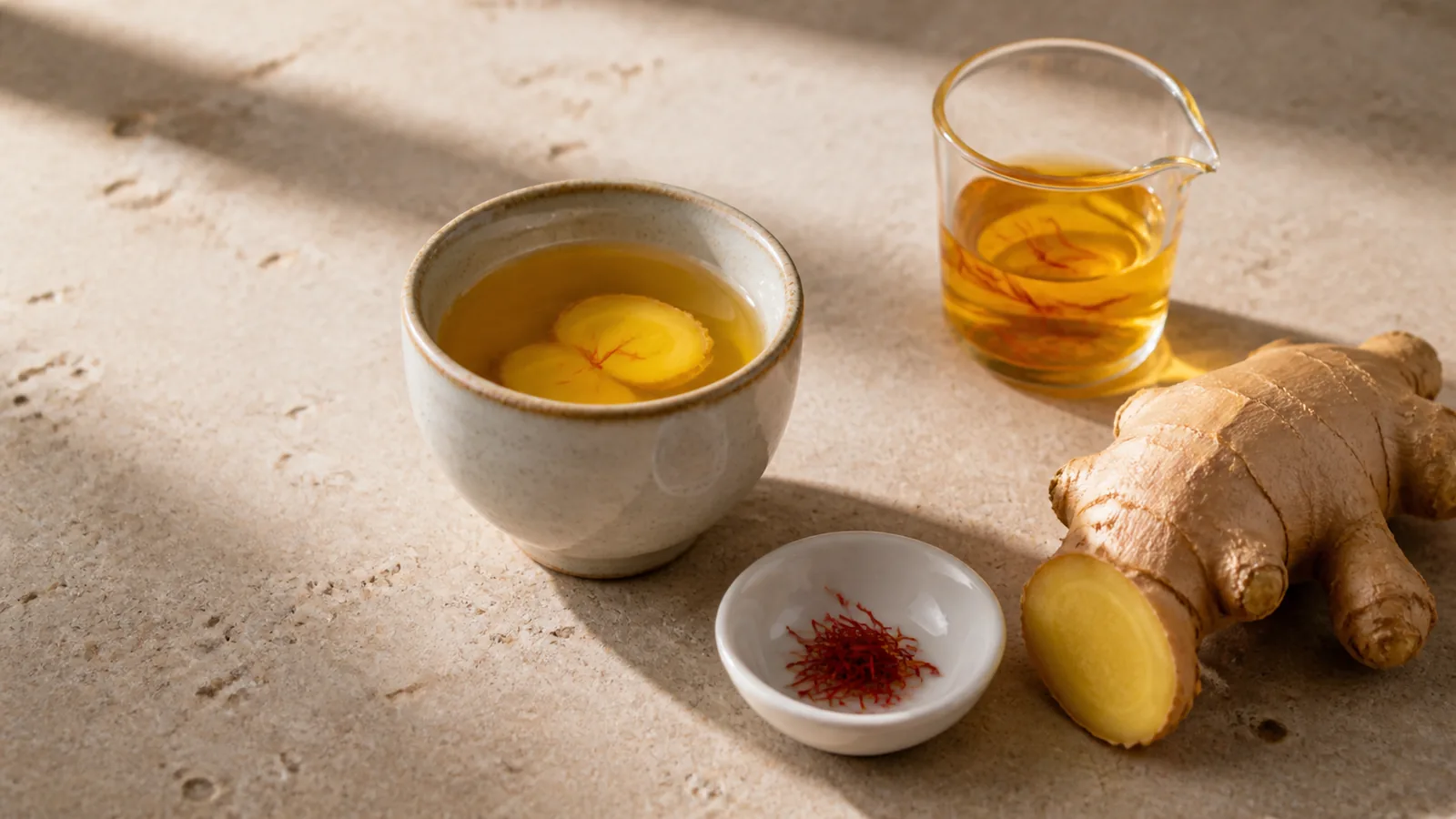
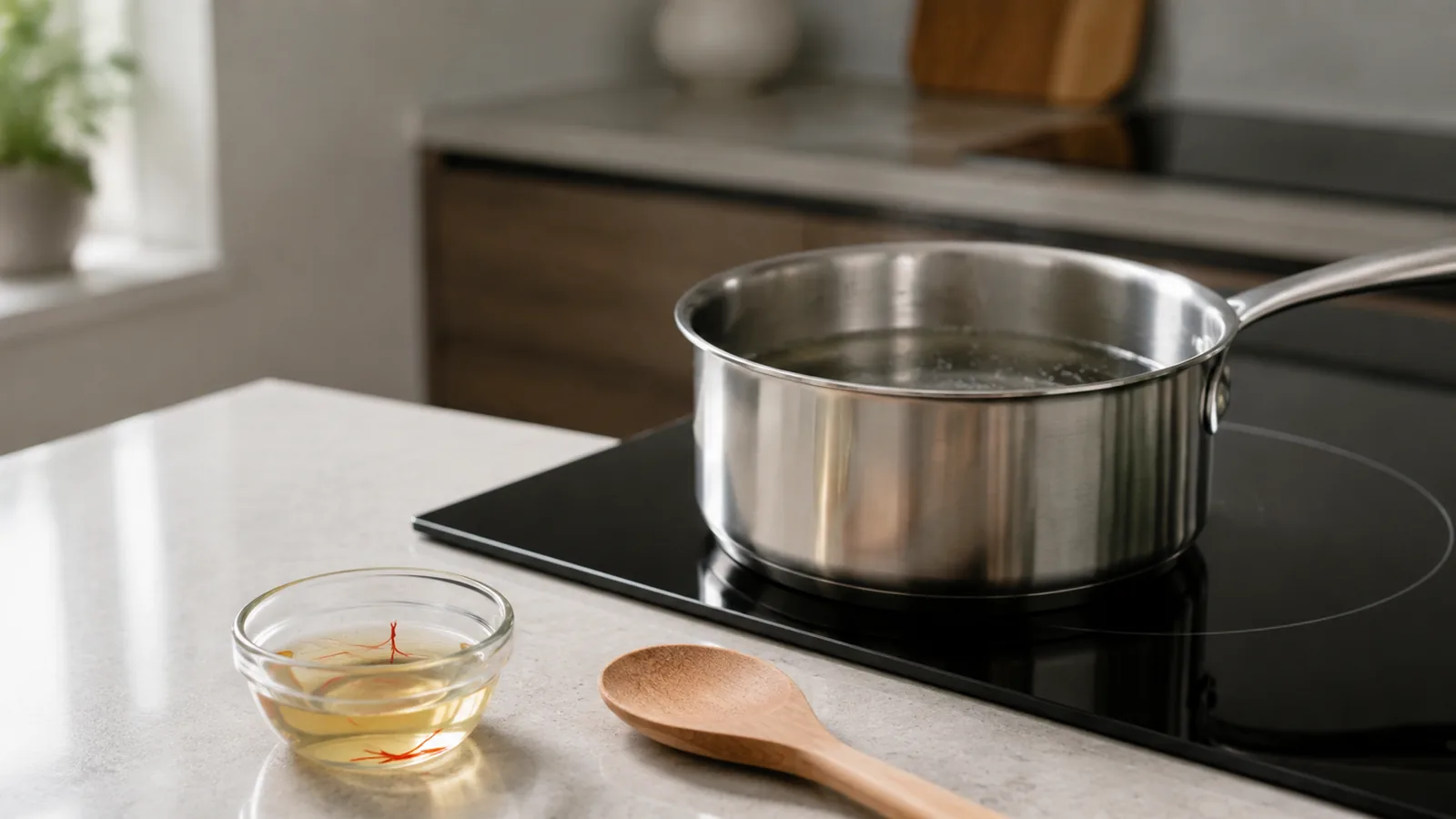
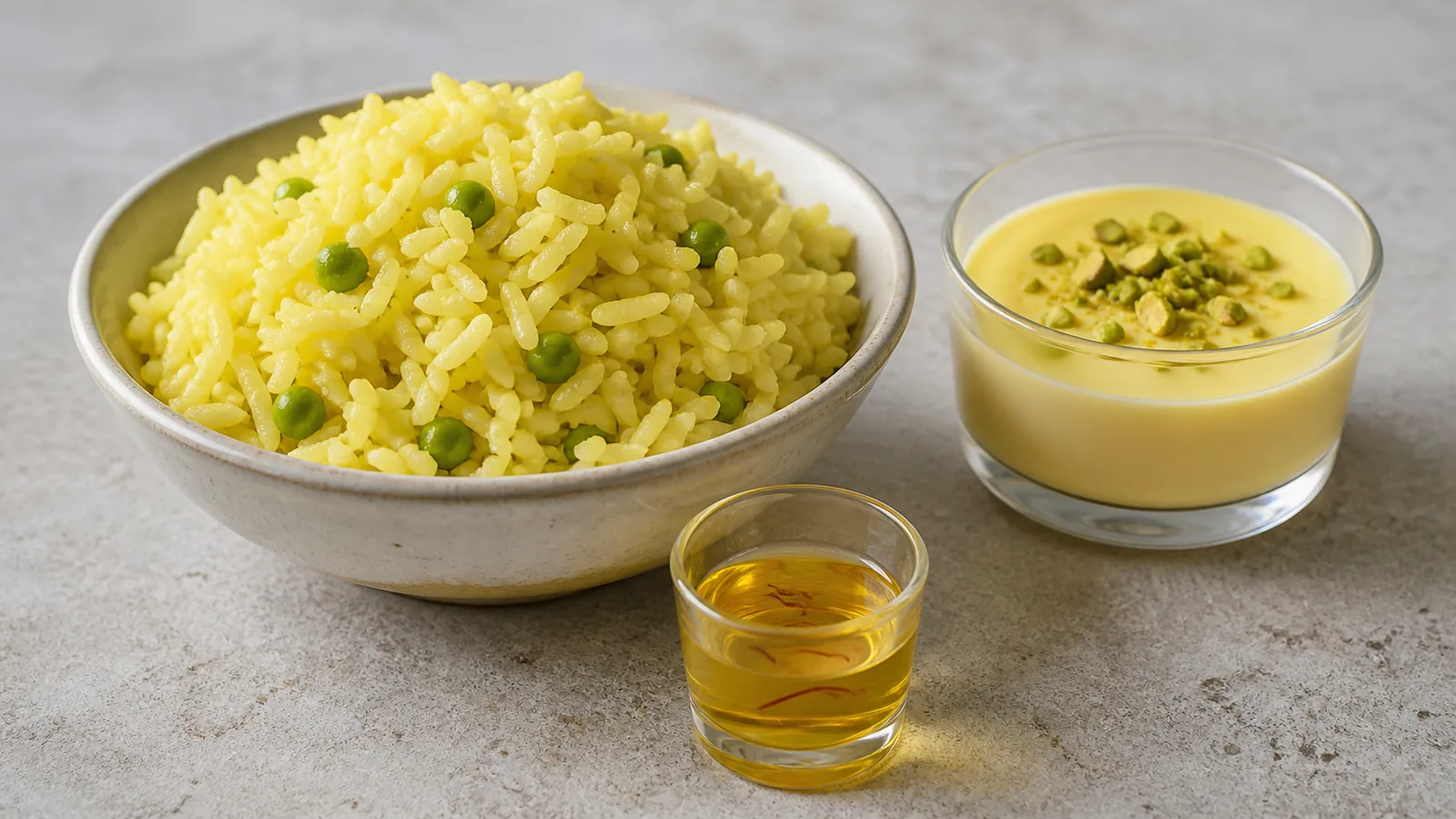
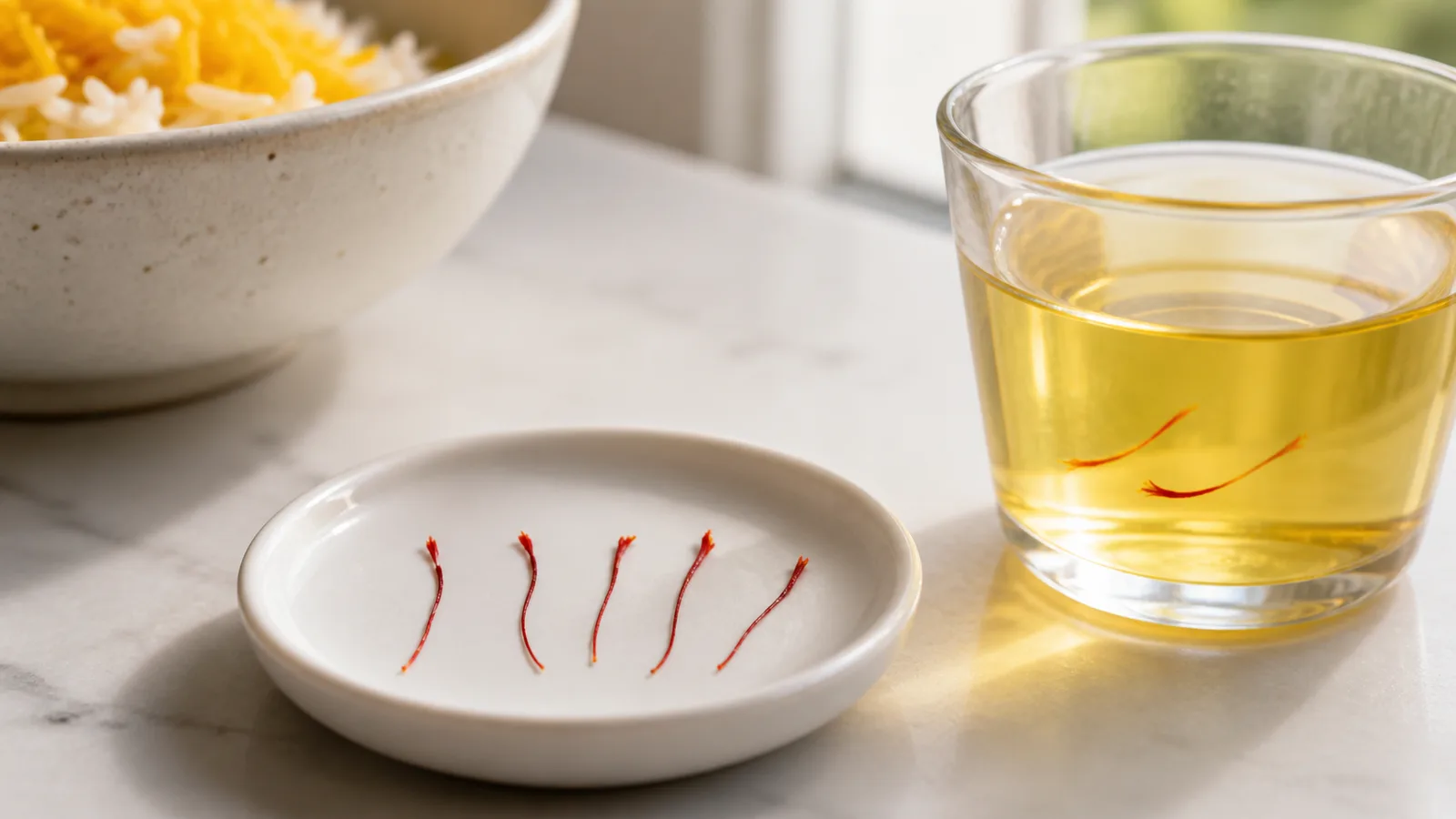
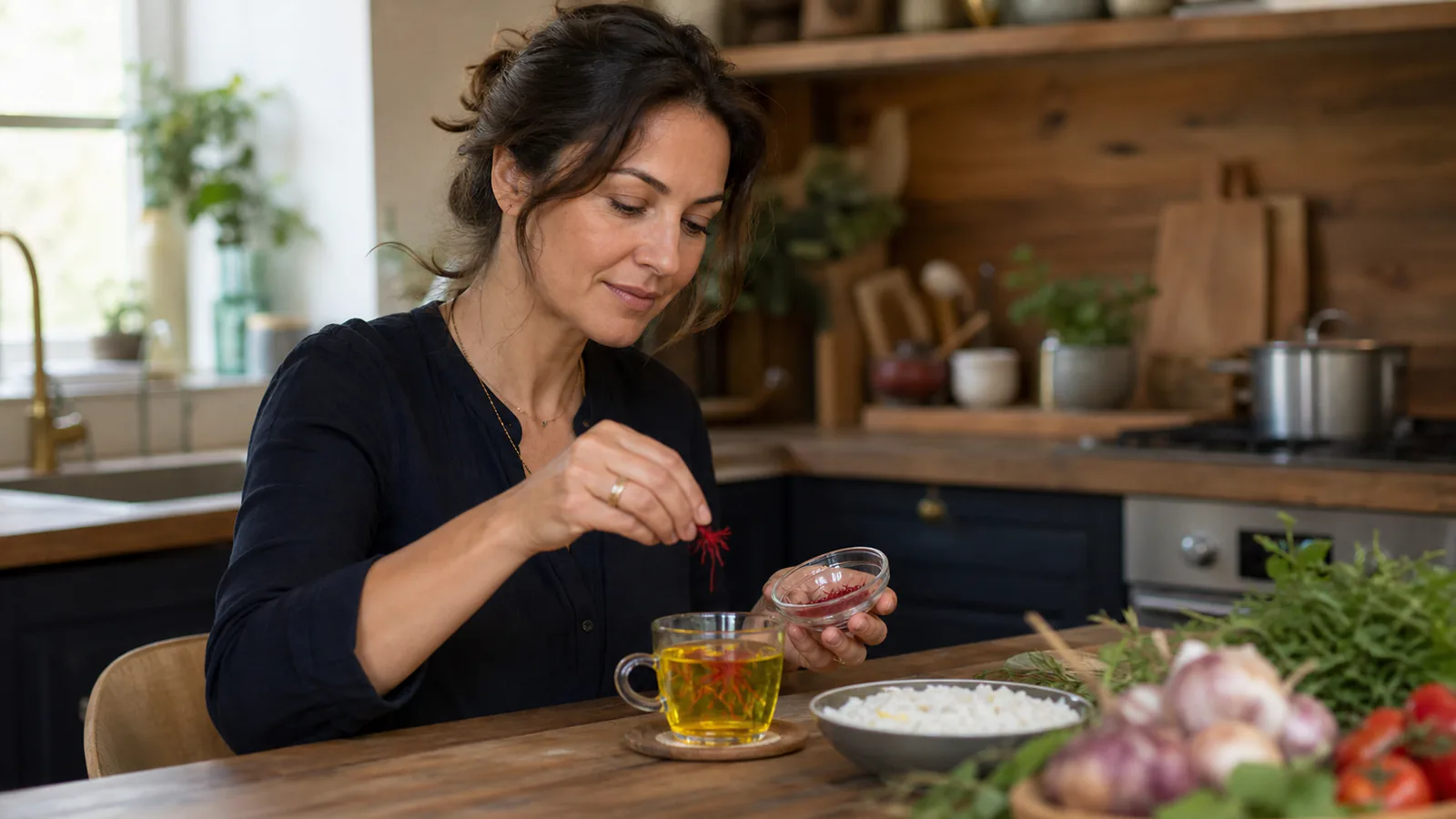
For food, a small amount can be gently crushed, infused in warm water and added to rice, stew, soup, dessert or a drink. This is a flavor and color choice. Clinical studies often use named extracts or measured preparations for weeks; their outcomes cannot be copied onto an unmeasured serving of food or another supplement.
Current safety evidence is reassuring about many short trials but not risk-free. A 2026 systematic review of 102 clinical trials estimated adverse events in roughly 17.5% of participants; gastrointestinal problems were the most frequent and were usually minor, while the authors advised clinical monitoring for higher-dose or prolonged medicinal use. Read the adverse-events review on PubMed.
Get individual advice before concentrated use if you:
- are pregnant, breastfeeding or trying to conceive;
- take prescription medicines, especially for mood, blood pressure, bleeding or blood sugar;
- have a diagnosed reproductive, liver, kidney or bleeding condition;
- are preparing for surgery; or
- intend to use an extract daily or at a medicinal dose.
A clinician can help distinguish evidence for the exact preparation from a general claim about the spice.
How to make a sensible choice
Choose saffron for its aroma, color and place in food first. If you are considering it for a symptom, identify the symptom, look for human evidence on a comparable preparation and check safety in your situation. Our guide to saffron research, properties and safety explains that wider evidence; our saffron products are intended to be assessed as foods unless a product is explicitly regulated and labeled otherwise.
For women, PMS and menstrual-pain research is the most directly relevant area. Mood, menopause and sexual-health findings remain preparation-specific and incomplete. Digestion, skin, fertility and weight claims should not be promoted beyond the evidence. That honest answer is more useful than a long list of supposed benefits.