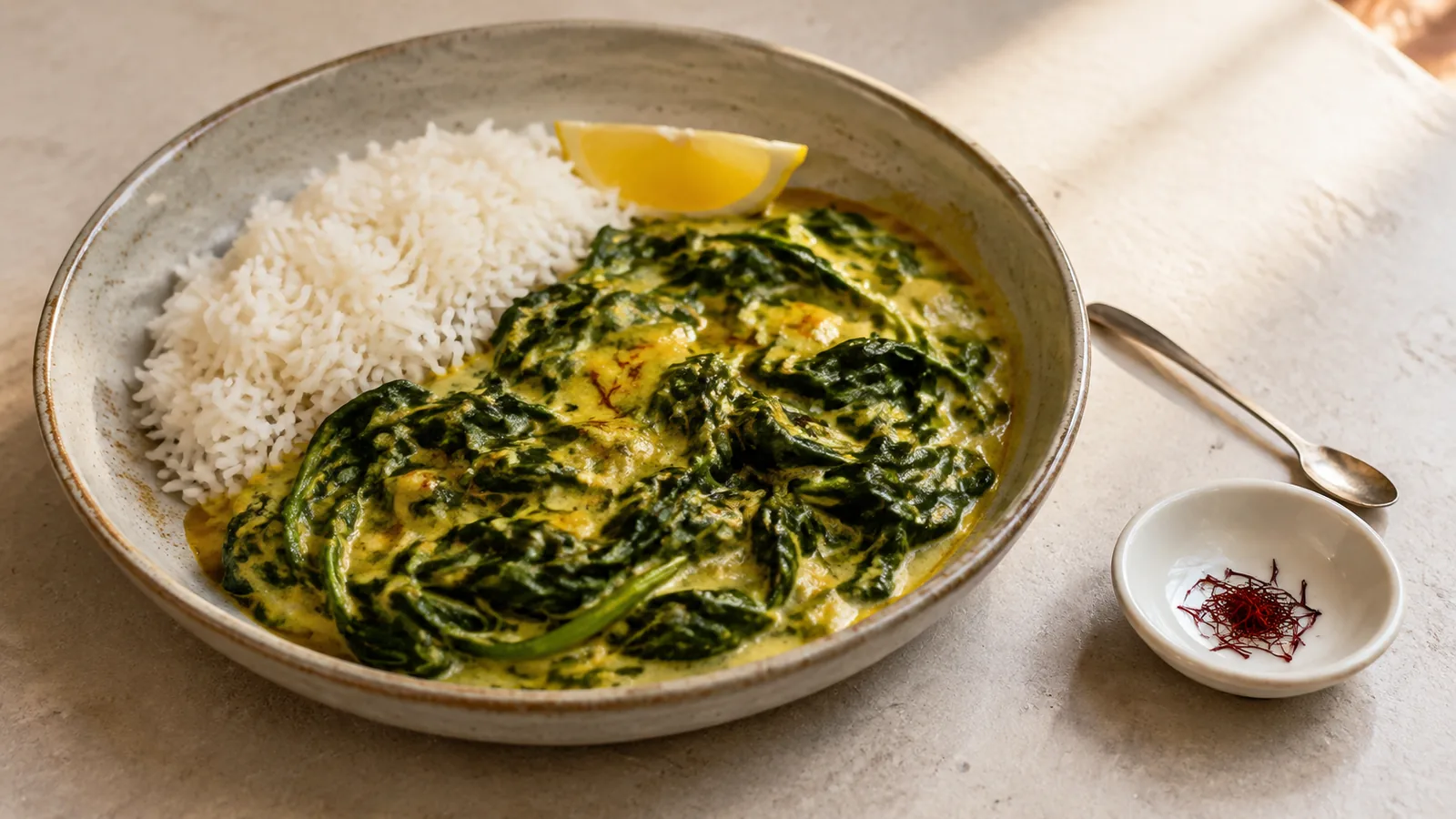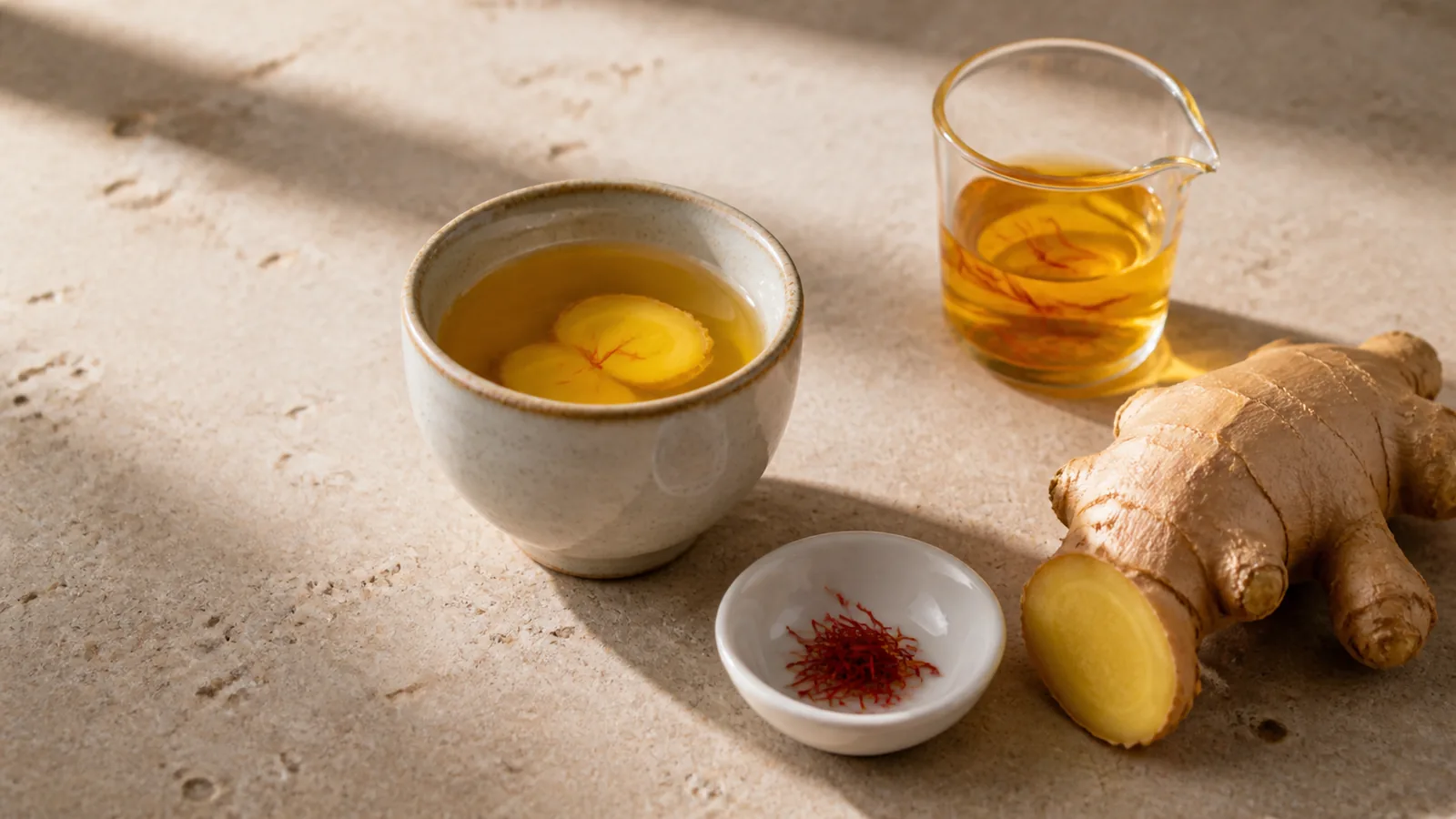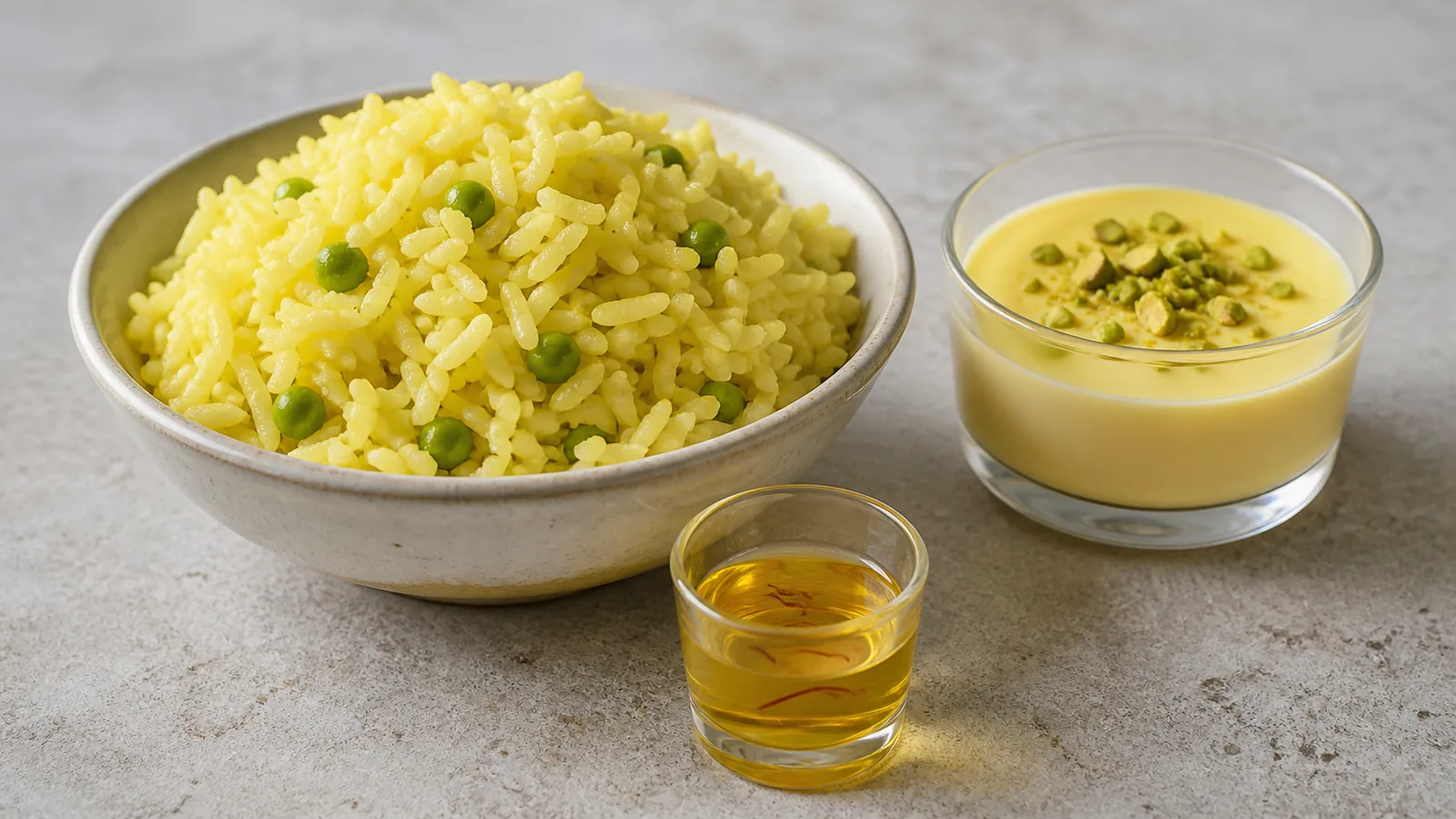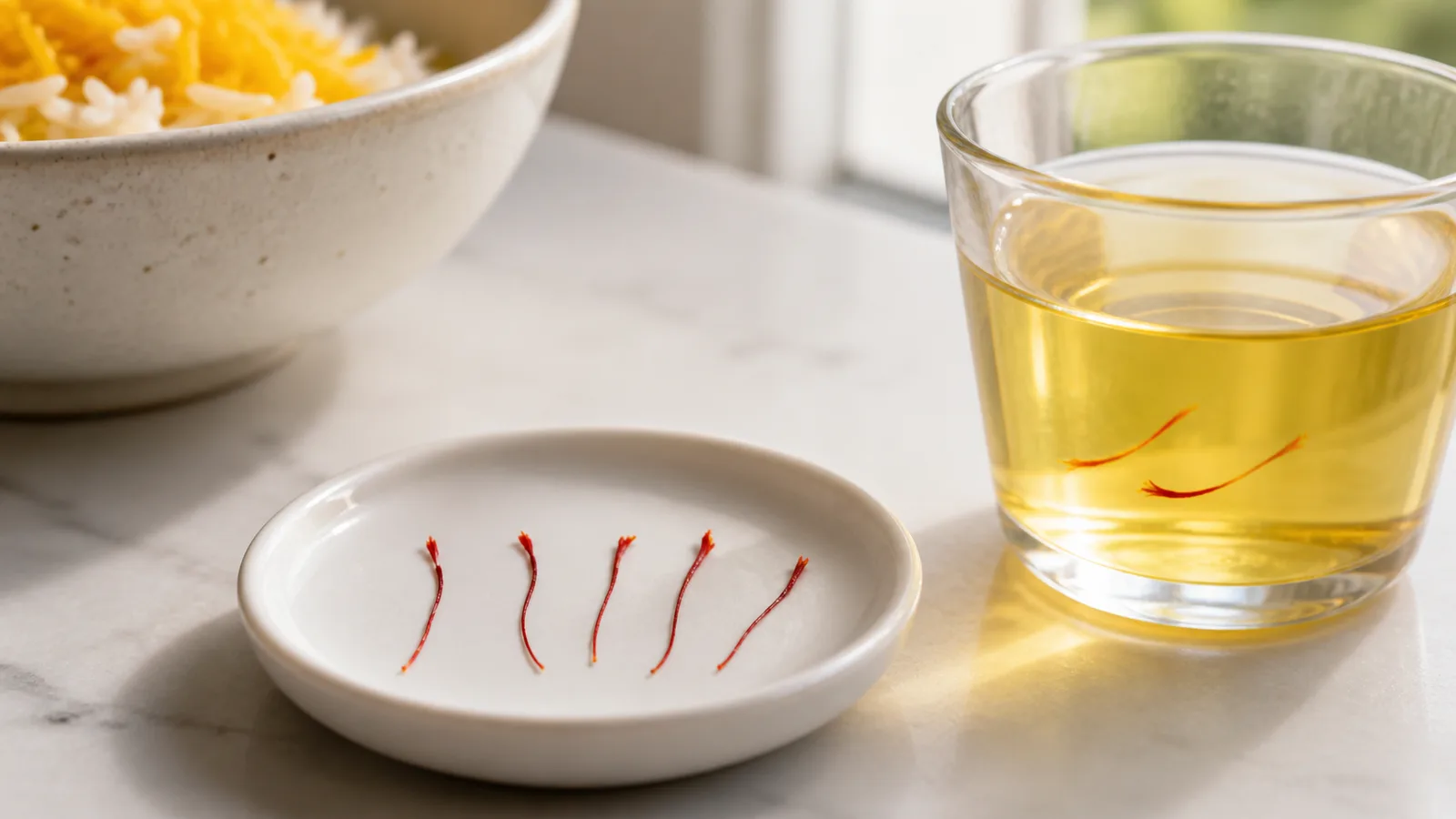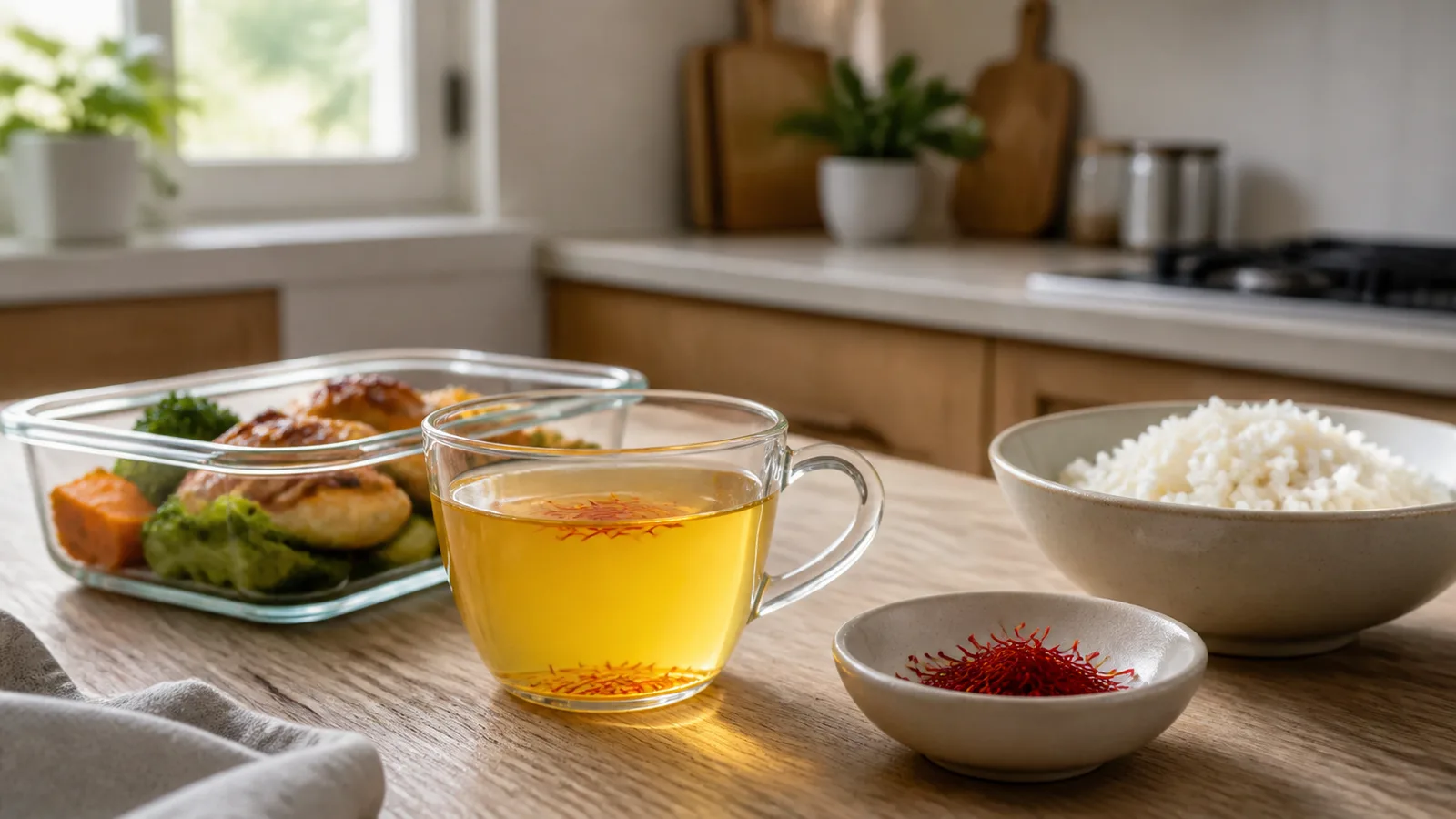
Daily saffron consumption can be a pleasant food habit, but the effects depend on what you mean by “daily.” A few threads steeped in water, milk, rice, or soup are very different from a concentrated capsule or a heavily dosed drink. For most adults, ordinary culinary use is the lower-risk approach. It adds aroma, colour, and flavour without turning a spice into an improvised treatment.
If you are wondering what happens if we consume saffron daily, the honest answer is usually quite modest: you may notice its taste and colour, while any health effect is less predictable. Human studies have investigated saffron extracts for mood and other outcomes, but they do not prove that every person will feel a benefit from eating saffron every day. The product, amount, duration, and individual all matter.
What Happens with Daily Saffron Consumption? Benefits and Risks
A daily routine makes it easier to control the amount you use. It also makes patterns easier to spot. If saffron agrees with you, a small, consistent culinary quantity may simply become part of breakfast, tea, or an evening meal. If it causes nausea, loose stools, constipation, dizziness, or a rash, repeated use can make that pattern clearer too.
It helps to separate three common forms:
- Culinary saffron: a small pinch of threads shared across food or infused before cooking.
- Saffron water or tea: threads steeped in warm water; the strength depends entirely on how much is added.
- Supplements and extracts: concentrated products with a measured serving, which should be judged by their label rather than by a cooking recipe.
These forms are not interchangeable. Drinking saffron water every day is not automatically safer or stronger than eating it in food, and a supplement serving cannot be estimated accurately by counting a few threads.
Can I drink saffron every day? A healthy adult who already tolerates saffron may choose a lightly infused drink as a food, but there is no requirement to have it daily. Whether saffron is safe to eat every day—or safe to take daily as an extract—depends on the amount, the product, medicines, pregnancy, and individual health.
Potential Benefits of Daily Saffron Consumption
Saffron contains compounds such as crocin, crocetin, picrocrocin, and safranal. Researchers have studied standardised extracts most closely, particularly in relation to mood. A 2026 systematic review of clinical trials found encouraging results in some populations, but it also noted differences between studies. That evidence is about specific preparations and study conditions; it should not be read as a promise that a daily saffron dish will treat depression or produce a noticeable mental boost.
For an everyday cook, the dependable benefit is simpler. Saffron gives a dish an intense aroma and golden colour, so a small amount can make plain rice, milk, or broth more appealing without adding sugar or salt. Some people also value the quiet ritual of steeping the threads and taking time over a drink. Those are legitimate reasons to use it, even when no medical outcome is expected.
Claims that daily saffron will prevent cell damage, cure inflammation, protect memory, or relieve arthritis go beyond what a food serving can establish. Anyone seeking saffron for a health condition should discuss the evidence and the product with a qualified clinician instead of treating a spice jar as a prescription.
Digestive Health and Daily Saffron Use
Saffron does not reliably regulate everyone’s digestion. Some people tolerate it without any digestive change. Others report stomach discomfort, nausea, diarrhoea, or a change in bowel habits, particularly with a concentrated product. There is not good evidence that saffron is a dependable remedy for bloating, indigestion, or constipation.
Can saffron cause constipation or make you gassy? Either symptom can have many causes, and saffron is not a common universal trigger. Still, the timing matters. If gas, constipation, or stomach upset begins after you start eating saffron every day, pause it and see whether the symptom settles. Also consider the rest of the recipe. Milk, sweeteners, rich food, or another supplement in the same drink may be responsible.
When testing tolerance, change only one thing at a time. Use a small culinary amount in familiar food rather than combining saffron with several new ingredients. Persistent pain, vomiting, blood in the stool, severe constipation, or dehydration needs medical attention rather than another home trial.
Risks of Daily Saffron Consumption
Eating too much saffron can cause unwanted effects. Reported adverse events in human research include nausea, headache, dizziness, dry mouth, appetite changes, and digestive upset, although study products and doses vary. A 2026 systematic review of saffron adverse events concluded that reporting is inconsistent, which is one reason not to claim a single dose is harmless for everyone.
The possible side effects of drinking saffron water are not unique to water: strength and total intake still matter. Kesar is another name for saffron, so references to the side effects of kesar concern the same spice. Symptoms after too much saffron may include marked nausea, repeated vomiting, dizziness, or other unusual changes; do not keep taking it to see whether they worsen.
Stop using the product and seek urgent help if you develop trouble breathing, facial swelling, fainting, or another sign of a serious allergic reaction. Contact a clinician if milder symptoms keep returning. “Natural” describes where saffron comes from; it does not guarantee that a concentrated extract is risk-free.
Pregnancy deserves particular care. Culinary use and medicinal-dose products are not the same exposure, but deliberately taking large or concentrated amounts is not a sensible experiment during pregnancy. A recent review of saffron in pregnancy found that the evidence remains limited and requires careful interpretation. People who are pregnant, breastfeeding, preparing for surgery, using regular medication, or managing a long-term condition should ask their clinician before starting a saffron supplement.
How Much Saffron is Safe to Consume Daily?
How much saffron is too much cannot be reduced to one universal number for every healthy adult. There is no official saffron daily intake that everyone needs. The often-repeated figure of 30 milligrams comes from some supplement studies; it is not a general daily requirement, and it does not prove that every product at that amount is suitable for every person.
For food, use the amount the recipe needs. A small pinch of genuine threads, steeped and then distributed through several portions, is usually enough because saffron is powerful. More does not improve a dish indefinitely: too much can taste bitter and makes exposure harder to judge. Our detailed guide to how much saffron is safe per day explains the important difference between culinary use, supplements, and research doses.
If you drink saffron every day, keep the preparation consistent. Do not continually add more because the colour seems pale; storage, water temperature, steeping time, and thread quality all affect the infusion. With a supplement, follow the labelled serving and do not combine several saffron products unless a clinician has reviewed the total.
Consulting a Healthcare Provider About Daily Saffron Consumption
Most people do not need a medical appointment to season an ordinary meal. Advice becomes worthwhile when the aim is therapeutic, the product is concentrated, or you have a reason to be cautious. Bring the actual package or a clear photo of its ingredient list. “Saffron supplement” is not enough information because extracts, strengths, and added ingredients differ.
A pharmacist or clinician can check whether the product fits your medicines and health history. Tell them how much you take, how often, and whether it is a thread infusion, powder, or extract. The US Food and Drug Administration also advises consumers to discuss supplements with a healthcare professional because supplements can interact with medicines or affect health conditions.
For a sensible daily routine, start with flavour rather than a promised cure. Buy whole, recognisable threads from a traceable seller, keep the amount culinary, and pay attention to how you feel. If you want saffron for cooking, explore our all-red saffron; if your goal is to manage a symptom or disease, begin with medical advice.