How Much Saffron is Safe Per Day?
There is no official daily allowance for saffron that applies to every person and every product. A small culinary pinch shared through a dish is different from a weighed powder, capsule or concentrated extract. For food, use the modest amount a recipe needs; for a supplement, follow its label and obtain product-specific advice if you have a health condition, take medicines, are pregnant or plan long-term use.
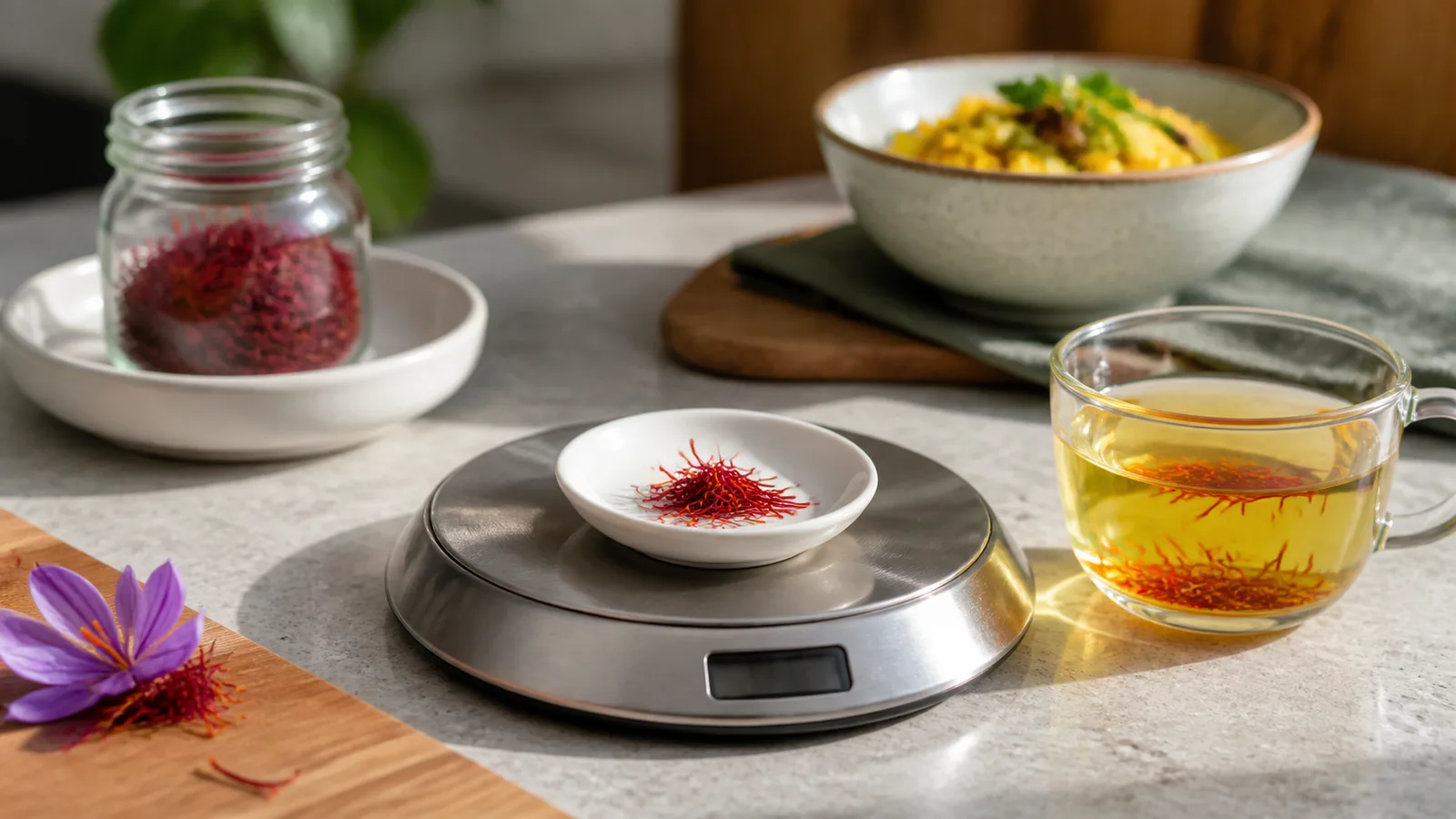
That may feel less tidy than one number, but it is the safer answer to “how much saffron a day?” and “how much saffron can you take a day?” Milligrams reported in clinical trials describe what researchers tested. They are not automatically a recommended daily intake for the general public.
Safe saffron consumption begins with the product form
Whole threads used to flavour rice, soup, bread or a drink are normally distributed through more than one serving. The spice is potent, so a recipe rarely needs a large pile. “A pinch” is useful culinary language but poor medical measurement because hand size, thread length and packing vary.
Powder is harder to identify visually and can pack more densely into a spoon. An extract may be concentrated or standardised, while a capsule or gummy can contain other active ingredients. Two labels that both say saffron may not provide comparable material. Check the plant part, amount per serving, serving size, extract ratio or standardisation statement, other ingredients and directions.
Do not use the same number interchangeably for whole threads and an extract. Do not add several saffron products together without calculating the total exposure stated on their labels.
Recommended Daily Dosage
The often-repeated range of 30 to 50 milligrams comes from amounts used in some saffron studies. It is not an established recommended dietary allowance, and those studies did not all use the same preparation, population, purpose or duration. A trial amount can answer a research question without becoming advice for a healthy shopper.
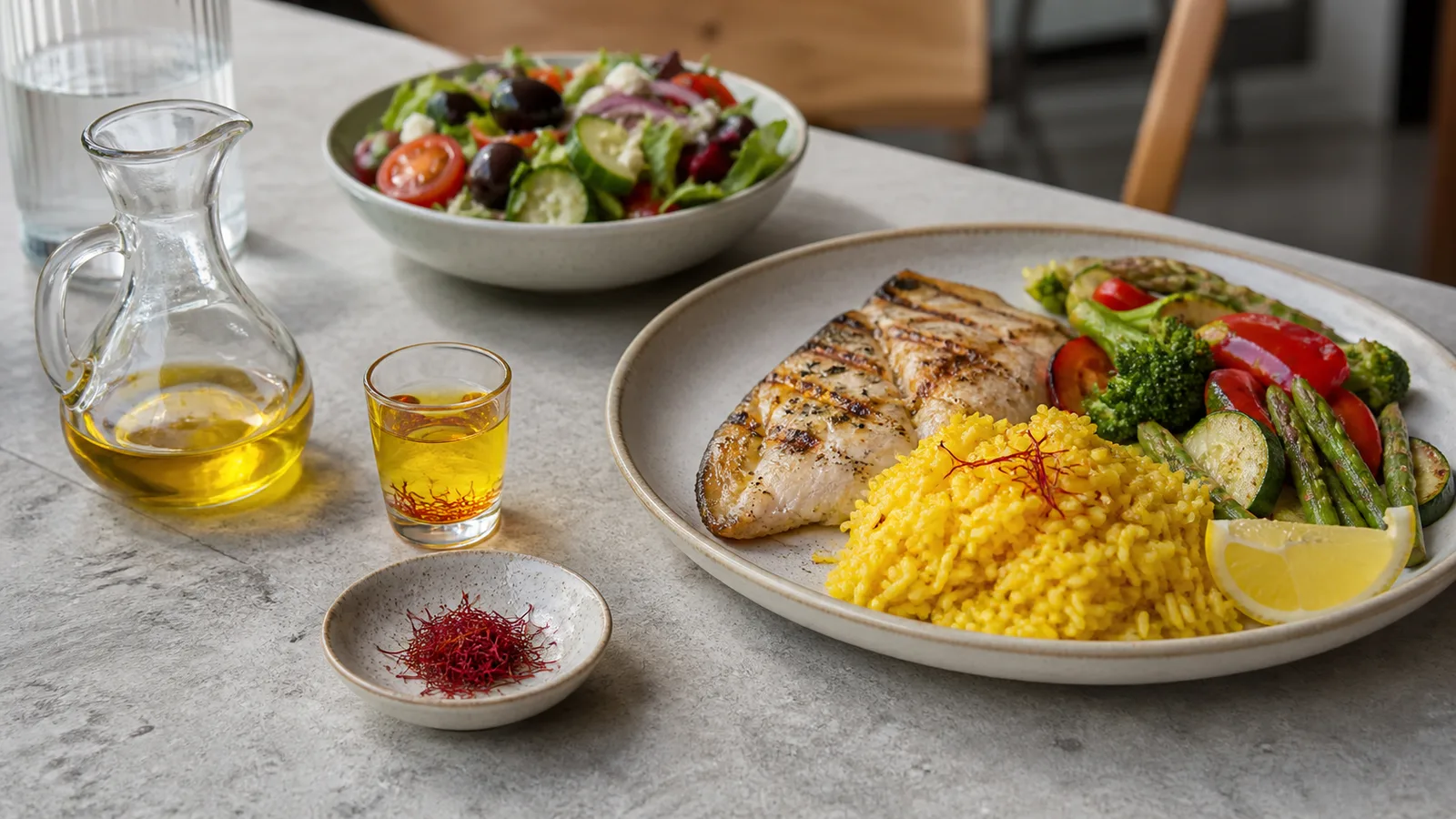
For ordinary cooking, measure for the dish rather than treating saffron as a daily dose. Count the number of portions the prepared food will make, use enough for the intended flavour and colour, and avoid increasing it because a health claim promises more benefit. The US Food and Drug Administration lists saffron as a flavouring and colouring substance used under good manufacturing practice. That food-use listing is not approval of a medicinal dose or disease claim.
For a defined supplement, the most relevant starting point is the exact label, not a number copied from a different extract. If the directions are unclear, the product lacks a credible ingredient amount, or you want to take it for a diagnosis, pause and ask a pharmacist or clinician.
What about a specific amount such as 88.5 mg?
A search such as “is 88.5 mg of saffron safe?” cannot be answered from the number alone. It might describe whole stigma powder, an extract, a blend, the amount in one serving or the amount in several servings. The label may also contain another ingredient that changes the risk.
Check whether the number refers to saffron itself or to a proprietary mixture, how many servings are intended, and whether the manufacturer reports standardisation. Then compare that with your medicines, other supplements and health conditions. A decimal point does not make a product clinically precise.
Potential Risks of Excessive Saffron Intake
Yes, you can take too much saffron. The old version placed the toxicity concern above five grams per day as though everything below that line were safe. Evidence does not support one universal cutoff for every product or person, and several grams is already far outside normal seasoning. It should never be treated as a target or a buffer.
A 2026 systematic review of saffron adverse events included 102 clinical trials and one case report involving single-ingredient preparations. Saffron was generally tolerated, but adverse effects occurred and were most often gastrointestinal. The reviewers identified more reason for monitoring with higher-dose or prolonged medicinal use.
Possible unwanted effects reported around saffron products include nausea, vomiting, abdominal discomfort, diarrhoea, dizziness, headache, drowsiness and allergic symptoms. An individual reaction can also come from another ingredient, contamination or an interaction. Stop a new product and seek advice if a symptom is persistent, marked or repeats when it is used.
Urgent help is appropriate for trouble breathing, swelling of the lips, tongue or throat, fainting, severe bleeding, confusion or rapidly worsening illness. Do not take another large serving to see whether the first one caused the reaction.
Factors to Consider for Safe Saffron Use
Saffron consumption daily guidelines must account for the person as well as the amount. Pregnancy, trying to conceive, breastfeeding, childhood, older age, surgery, allergy, liver or kidney disease, a bleeding disorder and other chronic conditions can change the decision. Traditional claims that a large amount starts labour are not a safe reason to experiment during pregnancy.
Medicines and supplements matter too. Bring the actual saffron label when asking for advice. The FDA recommends reviewing dietary supplements alongside medicines because a combination can increase, reduce or unpredictably alter effects. Do not stop a prescribed medicine in order to use saffron.
Product quality is part of safe use. Buy a sealed, traceable lot with a clear ingredient statement and contact details. Avoid damp, mouldy, insect-damaged or chemically scented threads. A mixed powder, gummy or drop should disclose every active ingredient and a serving amount. Keep the package and receipt if you develop a reaction.
How to ingest saffron as food
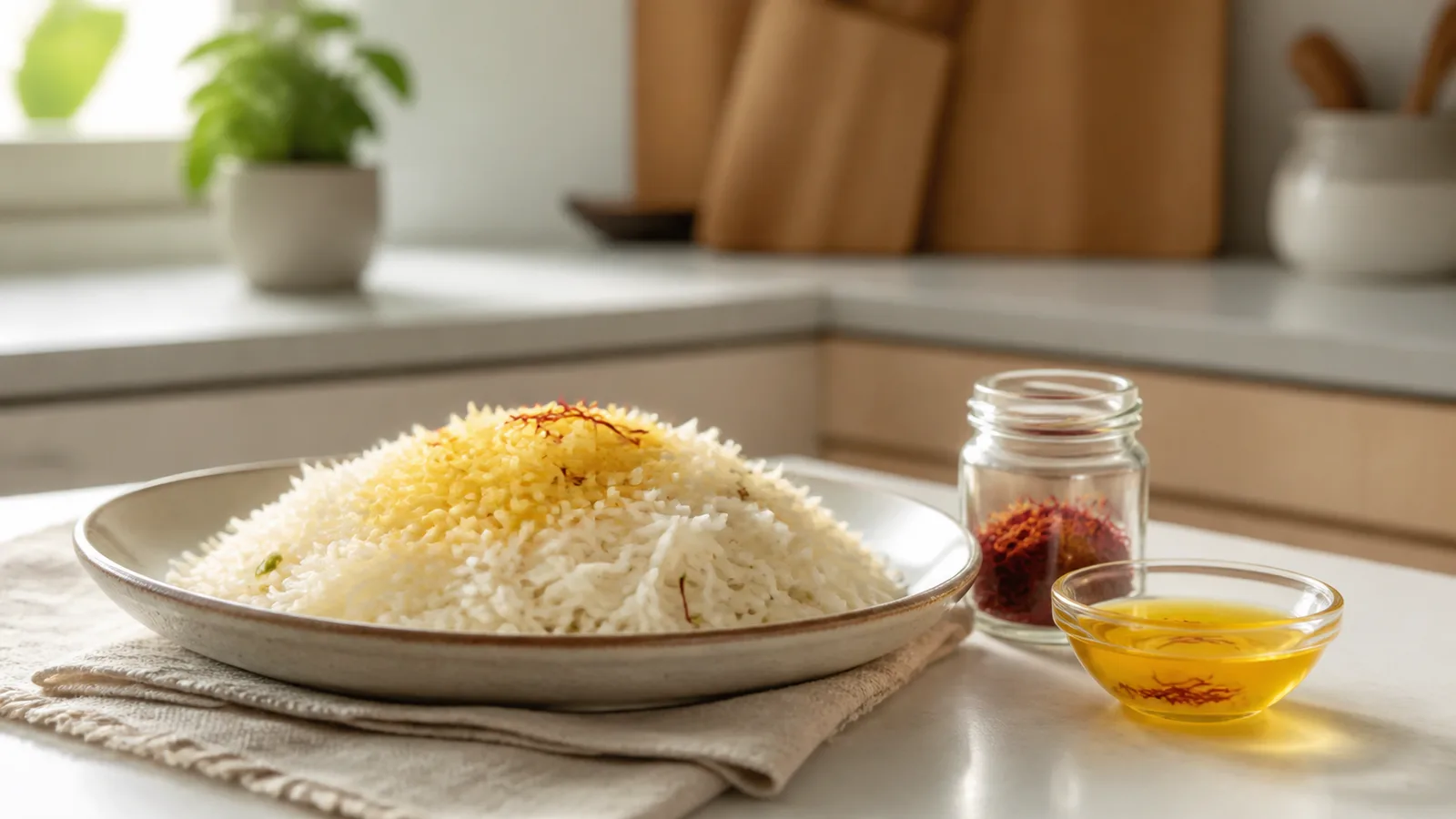
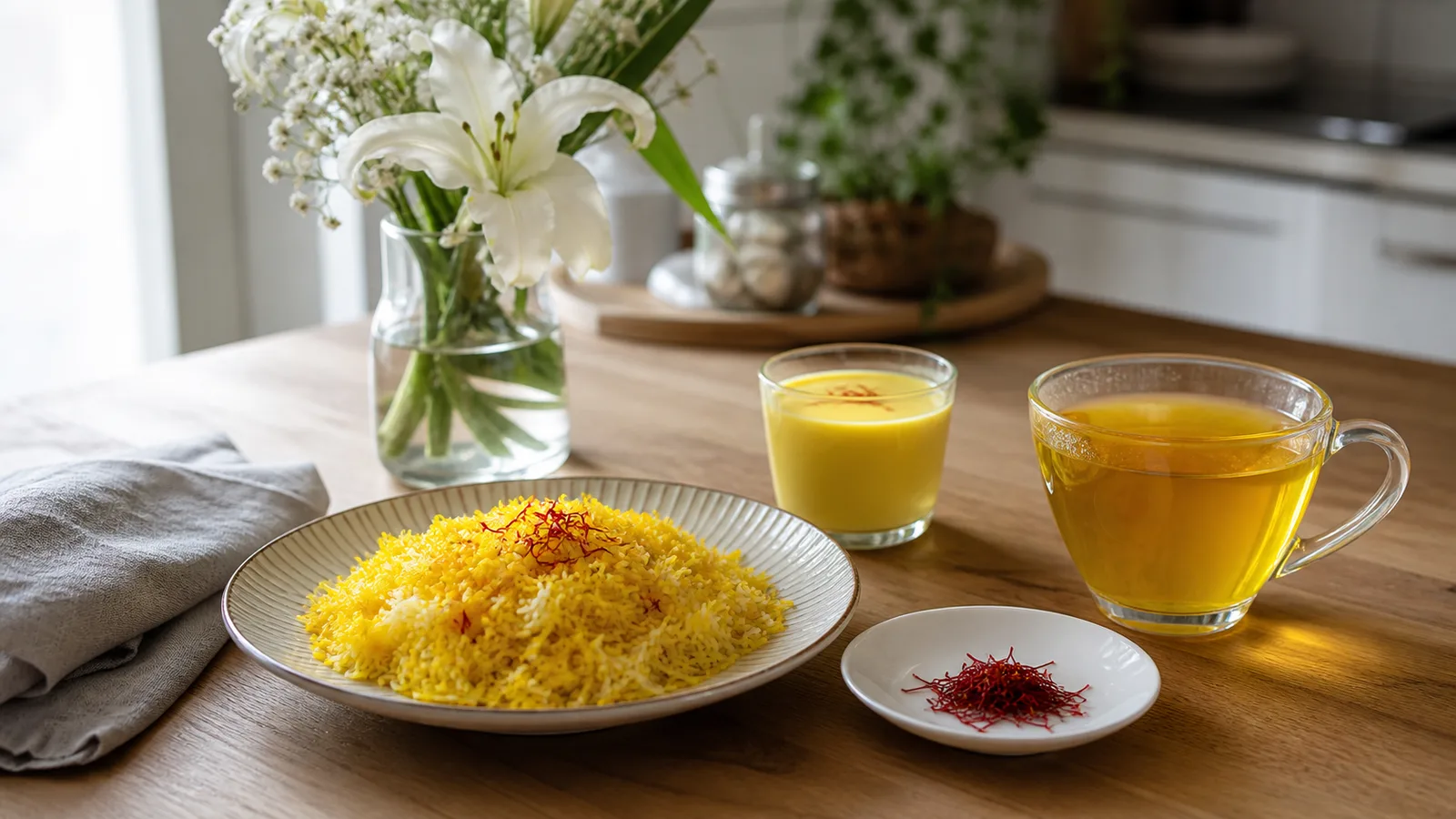
For cooking, lightly crush a few threads and bloom them in warm water or milk before adding the infusion to the dish. This spreads the colour and aroma more evenly, so there is little reason to keep adding dry threads. Do not swallow a heap of dry saffron to chase a faster result.
If you are new to the spice, introduce a small culinary amount in one food rather than changing several products at once. Notice whether you tolerate it. The aim is a well-flavoured meal, not a pharmacological experiment.
How much saffron is too much?
“Too much” begins when the exposure exceeds the intended culinary use or labelled serving, when several products overlap, when adverse effects appear, or when a health condition makes unsupervised use inappropriate. It does not begin at one universally protective threshold.
A higher amount is not proven to improve mood, cognition, heart health or another outcome more effectively. Study findings belong to the preparation and dose tested, and more exposure can increase risk without increasing benefit. Our guide to when not to use saffron explains the main situations that warrant extra caution.
Conclusion
Safe saffron consumption is best understood by context. Use a modest recipe amount when saffron is a food. Treat capsules, powders and extracts as specific products whose label, duration, other ingredients and user all matter.
There is no evidence-based daily allowance that makes one milligram figure right for everyone. Avoid turning study doses or high-dose toxicity discussions into household rules, and obtain individual advice when the purpose is medicinal rather than culinary.