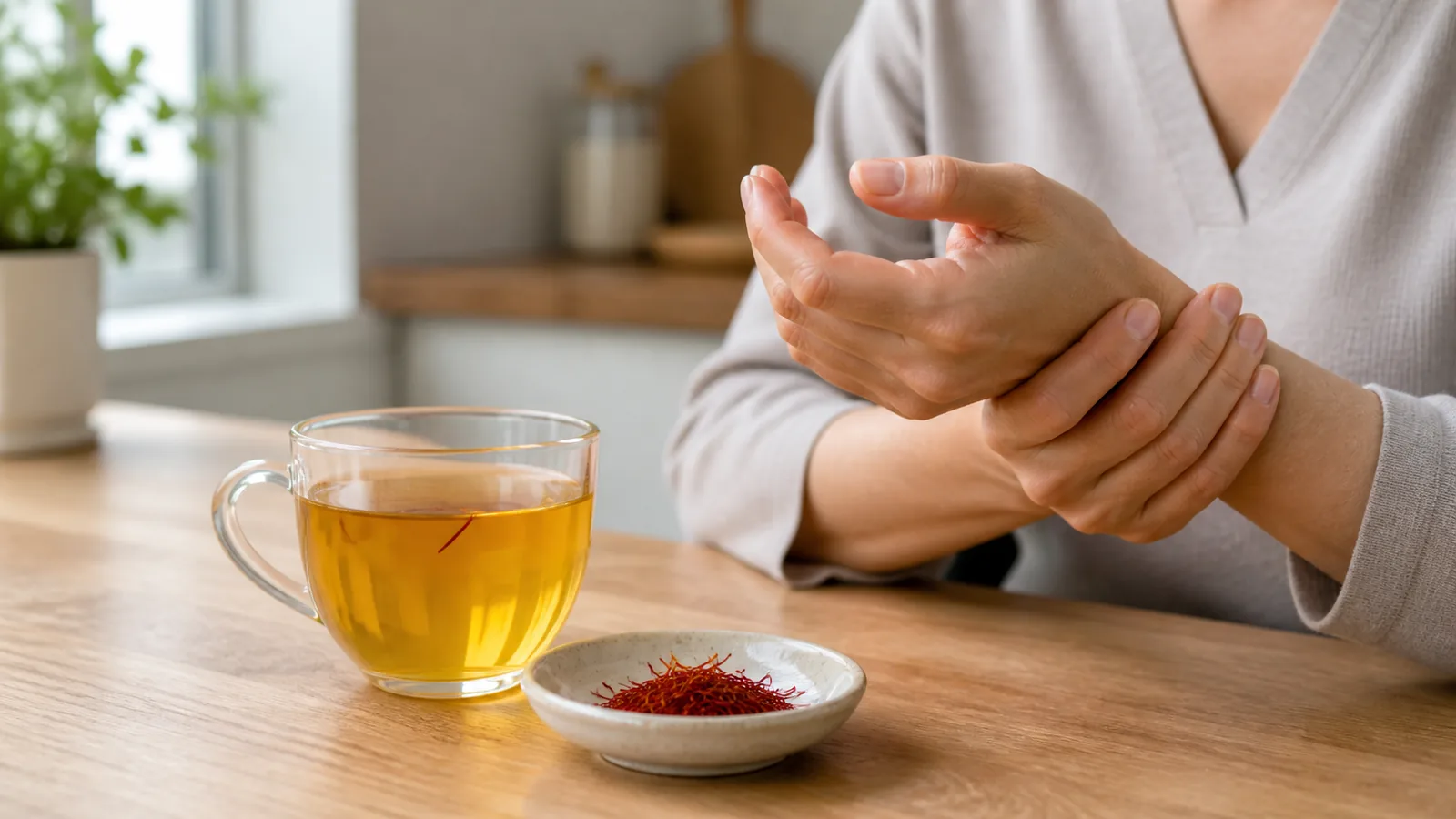
Can Saffron Cause Liver Problems?
Saffron is not recognised as a common cause of liver injury when used sparingly as a food spice, but that does not make every saffron product risk-free. Concentrated extracts, mixed supplements, uncertain ingredients, excessive use and interactions deserve more caution than a few threads in cooking. Anyone with liver disease or signs of liver injury should ask about the exact product rather than relying on a general reassurance.
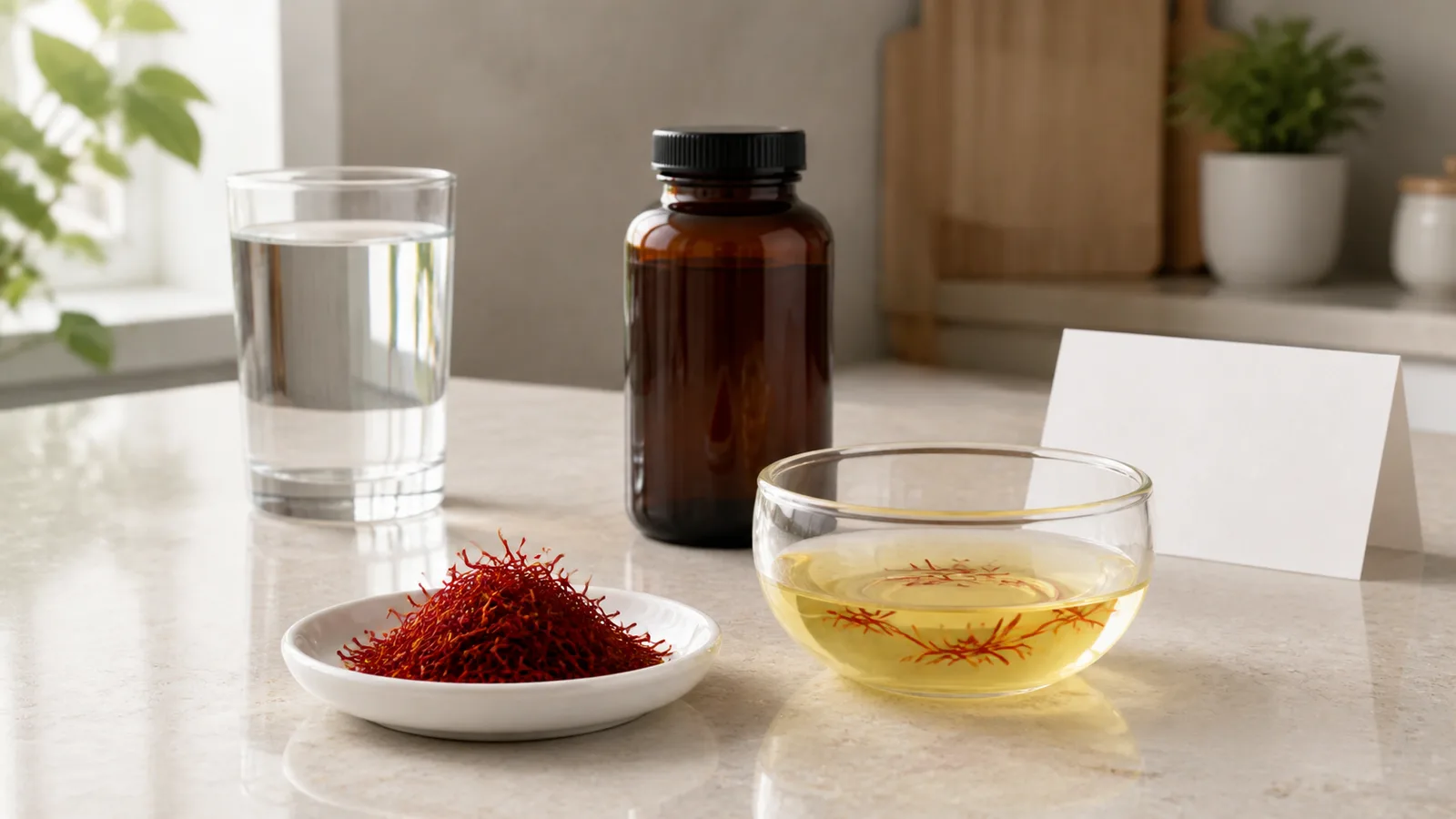
So, is saffron hard on the liver? The honest answer depends on form, amount, duration and the person taking it. Human safety data are reassuring overall for studied single-ingredient preparations, yet they are not a guarantee for every brand or pattern of use. Claims that saffron always protects the liver are also stronger than the clinical evidence.
If you are asking, “is saffron safe for liver health?”, first separate a few culinary threads from a concentrated or multi-ingredient product. The first is ordinary food use; the second needs a label-level safety review.
Saffron and Liver Toxicity
Many laboratory and animal experiments have studied crocin, crocetin, safranal and saffron extracts in relation to oxidative stress and liver cells. These findings can help researchers form hypotheses. They do not prove that eating saffron prevents liver disease or repairs an injured liver in people.
A toxicology review of saffron and its constituents brought together acute and longer-exposure research and reported no significant toxicity at the therapeutic exposures examined. Much of the underlying evidence was experimental, however, and the review does not establish a universal safe limit for every commercial product.
A newer systematic review of human saffron adverse events included 102 clinical trials and one case report involving single-ingredient preparations. Saffron was generally tolerated, while adverse effects still occurred and were most often gastrointestinal. The authors called for clinical monitoring with higher-dose or prolonged medicinal use. That is more useful than saying liver problems only begin above one fixed number of grams.
What “saffron liver damage” can mean
The phrase may refer to several different situations. A person might be asking whether culinary saffron harms a healthy liver, whether an extract can raise liver enzymes, whether a supplement contributed to an acute illness, or whether saffron is suitable after a liver diagnosis. Those are not the same question.
Liver injury from a supplement can also be difficult to assign. A bottle may contain several active ingredients, an undeclared substance, a contaminant or a different amount from the label. Alcohol, infection, another medical condition and prescription or over-the-counter medicines can cause similar changes. Timing matters, but timing alone does not prove which product was responsible.
Do not assume that a saffron-coloured powder is pure saffron. Keep the ingredient panel, lot number, purchase record and any remaining product if a reaction is being investigated. These details are far more useful to a clinician or regulator than the product name alone.
Potential Risks of Excessive Consumption
The old version stated that liver damage is mainly a concern above five grams. That is too definite. Toxicology findings do not create one threshold that applies equally to whole threads, extracts, mixed supplements, pregnant people, children or someone with an existing illness. Taking several grams is far removed from normal seasoning and should not be used as a target simply because a webpage places the warning above that line.
More is not a reliable way to obtain a stronger benefit. Large or repeated medicinal exposures may bring nausea, vomiting, abdominal discomfort, diarrhoea, dizziness, headache, drowsiness or other adverse effects before a liver-specific problem is known. A reaction can also occur at a lower exposure because of allergy, another ingredient or an interaction.
Do not repeat a large amount to “test” whether saffron caused a symptom. Stop the suspect supplement, keep its packaging and seek product-specific advice. If several products were started together, list all of them, including teas, powders, vitamins and over-the-counter medicines.
Is saffron good for fatty liver?
Saffron is not an established treatment for fatty liver disease. A 2023 systematic review of food-derived interventions for nonalcoholic fatty liver disease included 13 trials of nine different substances, with only one saffron trial. Pooled conclusions across different foods cannot show that saffron by itself reverses fat in the liver or prevents progression.
If you have metabolic dysfunction-associated steatotic liver disease, formerly called NAFLD, management is based on your full clinical picture. Weight, diabetes, blood lipids, alcohol intake, medicines and the degree of fibrosis may all matter. Do not replace monitoring or a treatment plan with saffron, even if an animal study uses the word “protective.”
Warning signs that need medical attention
Liver problems are not always obvious. Seek prompt medical advice if a new supplement is followed by yellowing of the eyes or skin, unusually dark urine, pale stools, persistent nausea or vomiting, marked fatigue, widespread itching, swelling, confusion, easy bleeding or pain in the upper-right abdomen.
Severe symptoms, fainting, confusion, breathing difficulty, heavy bleeding or rapidly worsening illness need urgent care. Do not wait for the product to “leave your system,” and do not try to counter it with another herb.
A clinician may review the timing, other exposures and blood tests rather than diagnosing a liver problem from symptoms alone. If a serious reaction may involve a dietary supplement in the United States, the FDA explains how to report a supplement problem.
How to Safely Incorporate Saffron into Your Diet
For culinary use, buy whole threads from a traceable seller, keep them dry and use the small amount needed to flavour the dish. Blooming a pinch in warm water and distributing it through several portions is different from swallowing a weighed extract every day. Do not copy a clinical-trial amount unless it refers to the same preparation and a qualified professional has explained why it applies.
Read supplement labels in full. Look for the saffron part used, amount per serving, other ingredients, directions, warnings and a lot number. Avoid stacking several products that contain saffron or combining an extract with other botanicals without noticing the overlap.
Ask a pharmacist or clinician before medicinal use if you already have liver disease, abnormal liver tests or another chronic condition; are pregnant, trying to become pregnant or breastfeeding; take prescription or non-prescription medicines; use other supplements; or are preparing for surgery. The FDA advises consumers to review supplements alongside their medicines because combinations can change intended or unwanted effects.
Our broader guide to when not to use saffron covers allergies, pregnancy, medicine review and adverse reactions. It does not replace advice based on your diagnosis and exact product.
Can saffron support liver health?
It is reasonable to study saffron compounds, but “antioxidant” is not a clinical verdict. A substance can show antioxidant activity in a laboratory without preventing cirrhosis, hepatitis, fatty-liver progression or medication-related injury. Likewise, a small change in a liver-enzyme result does not automatically mean the liver has healed.
Enjoying saffron in balanced food is a culinary decision. Using a concentrated extract to treat a liver condition is a medical decision with a different standard of evidence. Keeping those two uses separate protects both the reader and the value of the research.
Conclusion
Normal culinary saffron is not known as a common liver toxin, but no webpage should promise that every supplement amount is harmless or that harm begins only above a single threshold. Product composition, repeated exposure, health conditions and interactions change the risk.
If you have no liver condition and use a few threads in food, the question is generally one of ordinary culinary moderation. If you have abnormal liver tests, take a concentrated product or develop warning symptoms, stop treating it as a food-only question and obtain product-specific medical advice.