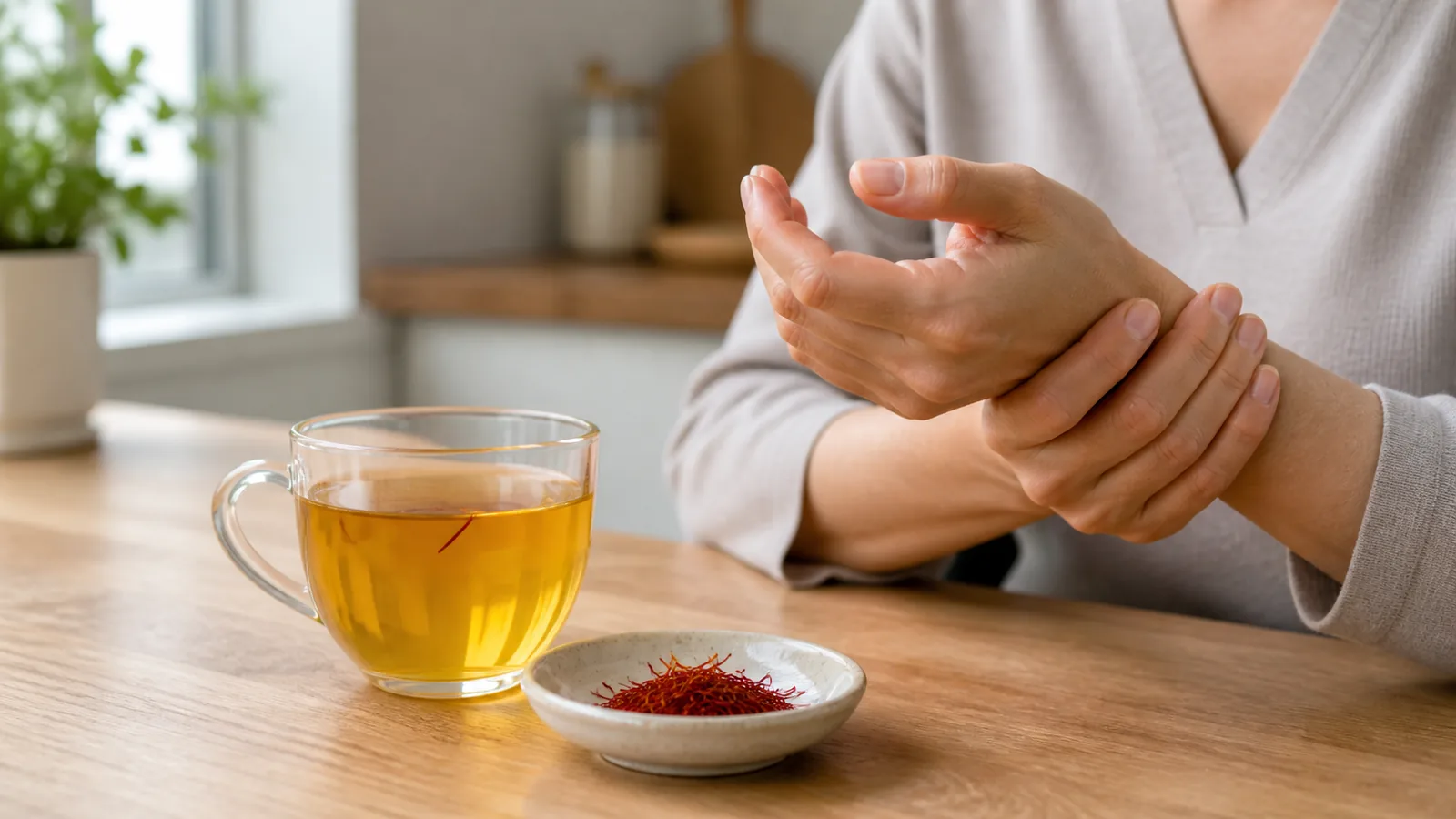
What Happens If You Eat Saffron Every Day?
For most people, eating a small culinary amount of saffron every day is more likely to change the colour, aroma and flavour of food than to cause a dramatic health effect. Clinical studies have reported possible benefits from particular saffron preparations, especially for some mood outcomes, but they do not show that every person will feel better simply by adding a few threads to a daily meal.
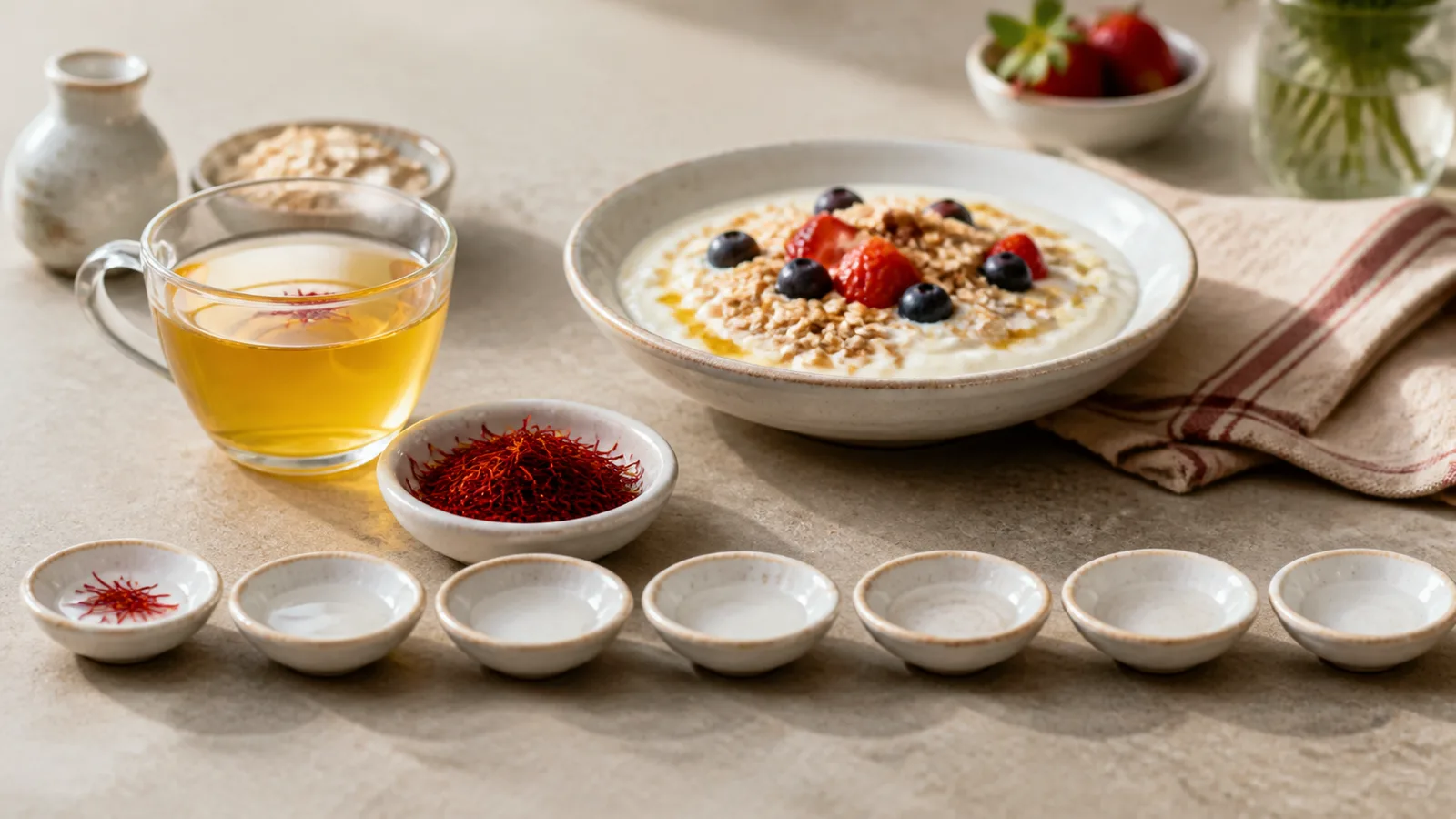
That is the useful answer behind searches such as “can we eat saffron daily?” and “what happens if we eat saffron everyday?” The result depends on what you mean by saffron: a pinch of threads in rice is not the same exposure as a concentrated capsule or extract. The amount, product, reason for using it, medicines you take and your own health all matter.
Daily saffron benefits: what the evidence can support
Saffron contains naturally occurring compounds including crocins, crocetin, picrocrocin and safranal. Their presence is a reason to study the spice; it is not proof that a normal serving prevents disease. Research findings also belong to the preparation and population that were actually tested. A trial of a standardised extract cannot establish the effect of an unmeasured pinch from a kitchen jar.
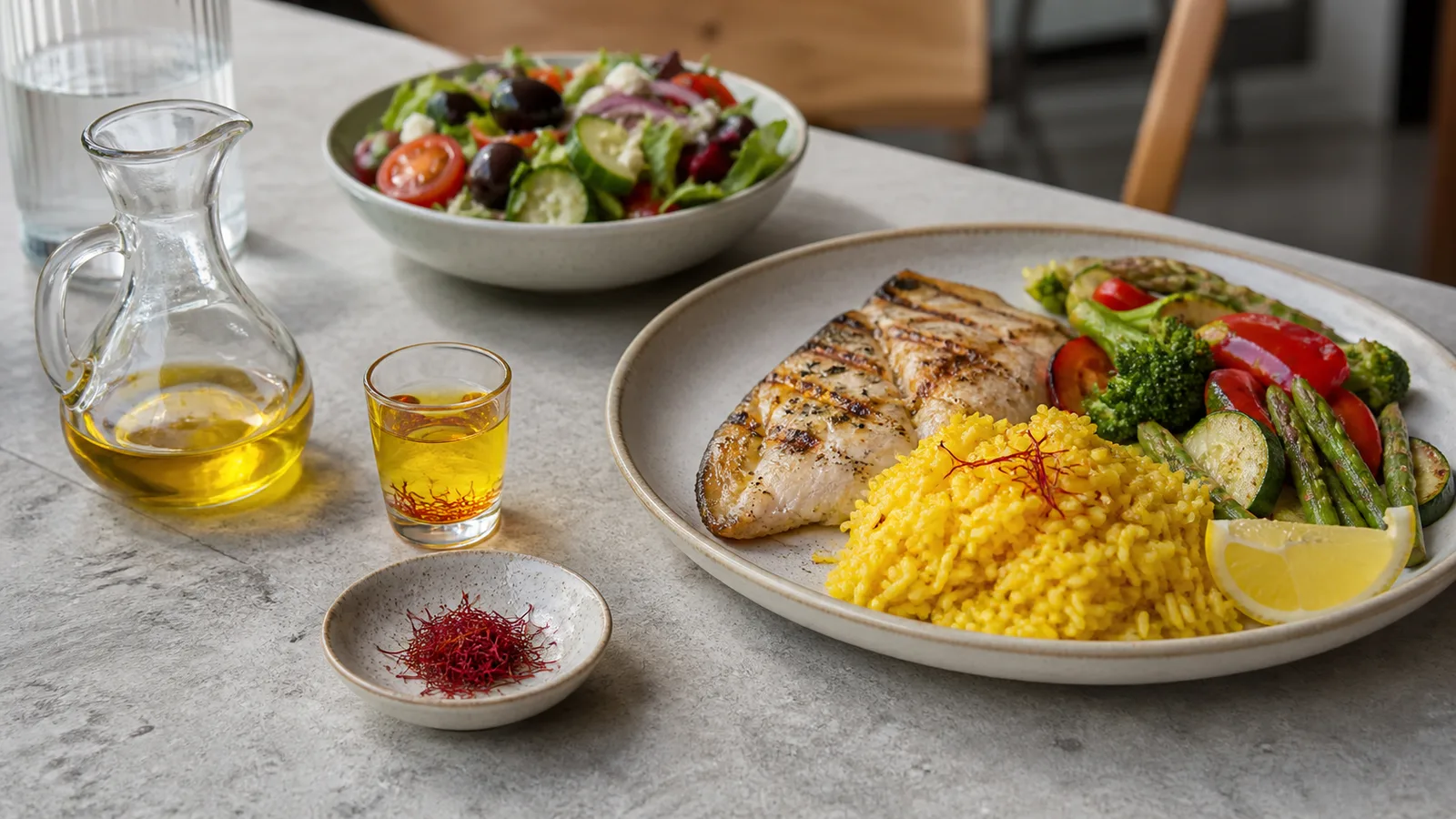
There is another practical point. If saffron replaces extra sugar or a heavily flavoured sauce because it makes a simple dish enjoyable, the surrounding food choice may matter more than a single saffron compound. If it is added to a sweetened drink every day, the whole drink still counts.
Improved Mood and Mental Health
Mood is the area with the most substantial human research, but the result is more qualified than the old article suggested. A 2026 GRADE-assessed review of 34 randomised trials reported improvement on some self-rated depression and anxiety measures, while several clinician-rated and other measures did not show the same result. The studies differed in participants, products, duration and quality.
This does not prove that eating saffron every day increases serotonin, produces calm, improves sleep or treats depression. It does support continued research into defined preparations. Anyone with persistent low mood, anxiety, sleep disturbance or thoughts of self-harm needs appropriate care; saffron should not replace an assessment or prescribed treatment.
Enhanced Heart Health
Small clinical studies and reviews have examined blood pressure, blood lipids, glucose and markers associated with cardiovascular risk. Those measurements are not interchangeable with preventing a heart attack, stroke, diabetes or “chronic disease.” Results also vary, and changes in a short trial do not establish a long-term clinical benefit.
A saffron-flavoured meal can fit within a heart-conscious diet, especially when the spice supplies flavour without requiring more salt. That is a culinary choice, not evidence that saffron lowers blood pressure or cholesterol for a particular person. Do not alter blood-pressure, cholesterol, diabetes or anticoagulant medicine because you have started eating saffron.
Better Cognitive Function
A systematic review of clinical cognition studies found a small, varied evidence base involving specific preparations and populations. It does not show that routine culinary saffron keeps every healthy adult mentally sharp or noticeably improves memory, focus and concentration.
If memory or thinking has changed, it is worth looking at sleep, medicines, hearing, mood and other medical causes rather than assuming a spice will correct it. Food can be part of an enjoyable routine, but a new or worsening cognitive symptom deserves proper assessment.
Improved Digestion
There is not good evidence for promising that daily saffron prevents constipation, removes bloating, soothes an inflamed digestive tract or treats a gastrointestinal disorder. Some people tolerate saffron in food without difficulty; others may notice nausea, stomach discomfort, a change in appetite or another digestive symptom, particularly with a supplement.
When a symptom begins after starting a new product, stop and examine the timing instead of adding more. Severe pain, persistent vomiting, blood in the stool, black stools, dehydration, unexplained weight loss or continuing bowel changes should not be managed as a spice question.
Eating saffron every day in food versus taking an extract
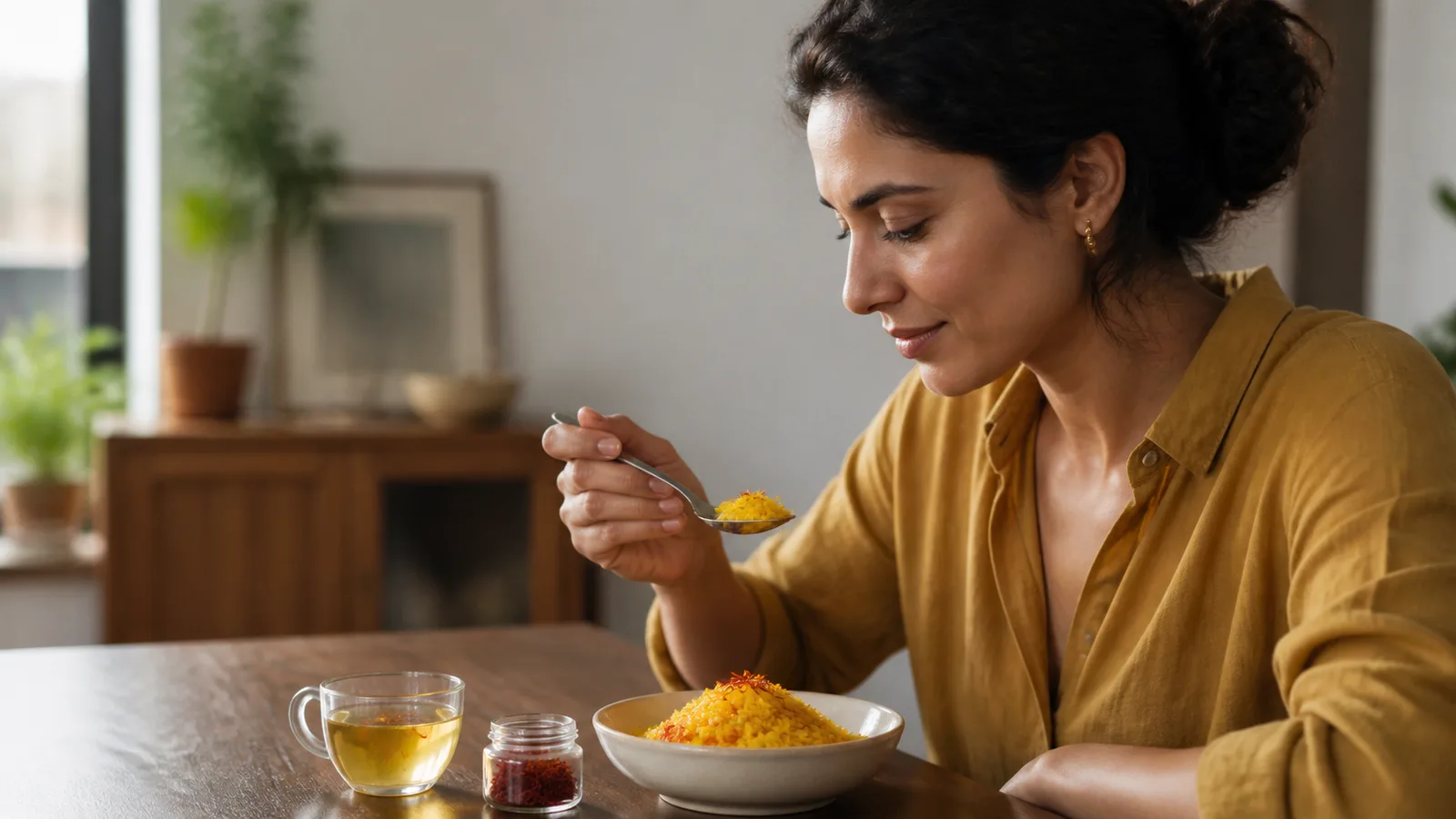
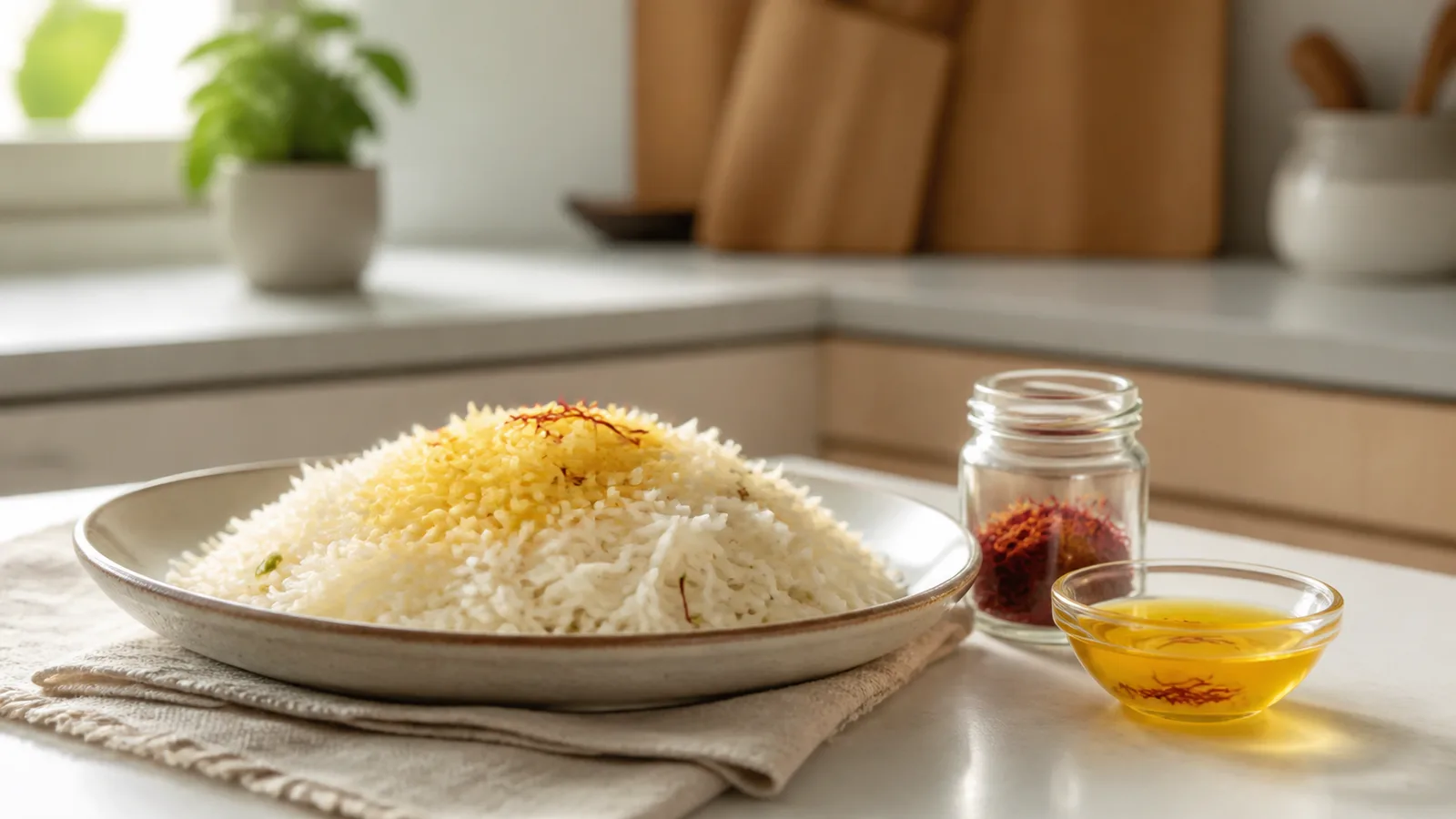
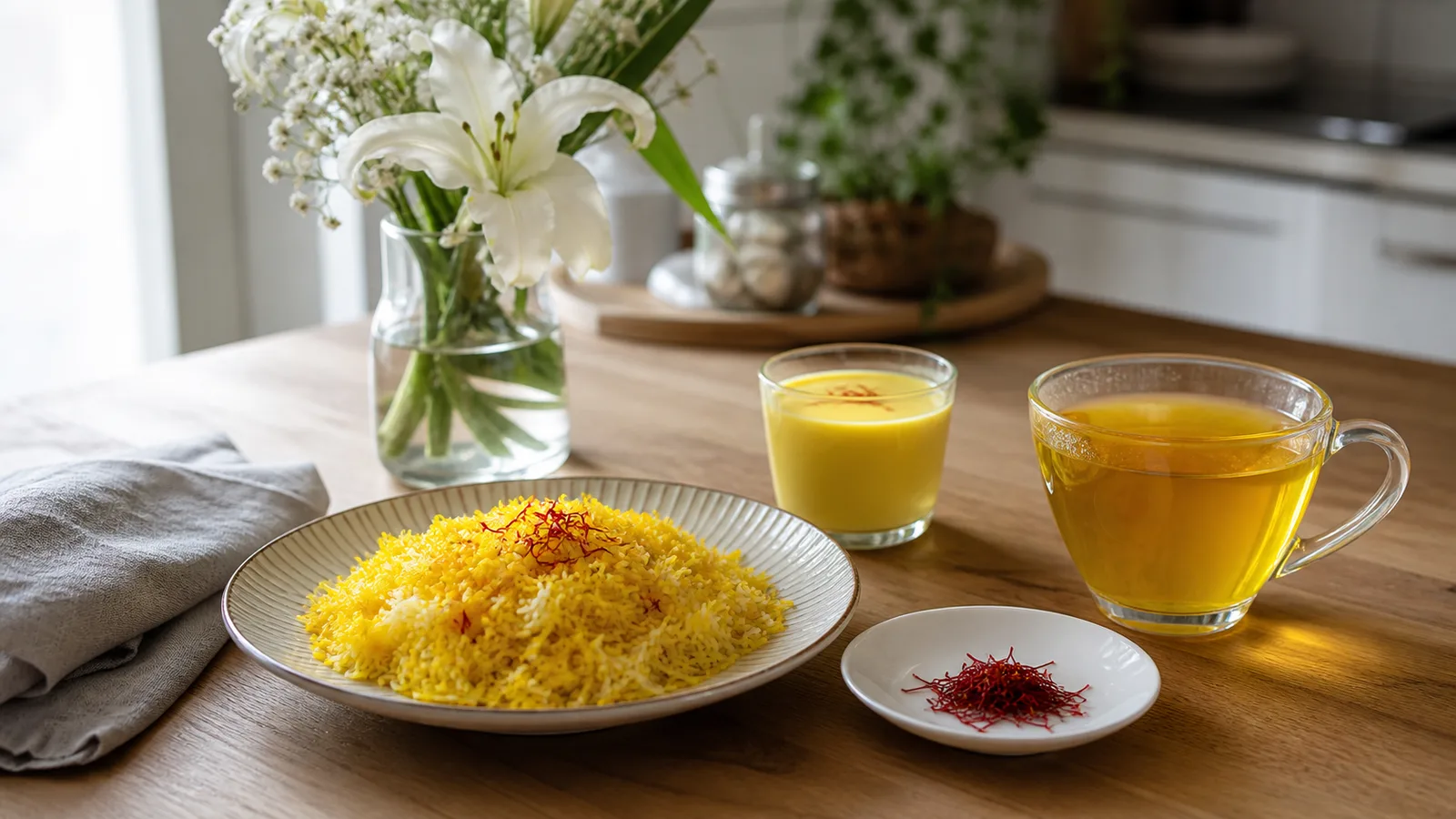
Whole saffron is used sparingly because its flavour and colour are strong. Threads may be bloomed in warm water or milk and shared across several portions of rice, soup, bread or a drink. In this setting, “daily” describes a food pattern, not a clinical dose.
Capsules, gummies, drops and extracts are different. They may state an amount per serving, an extract ratio or a standardisation claim. Mixed products can contain other botanicals, vitamins, sweeteners or stimulants. Read the complete label and do not assume that two products called saffron deliver comparable material.
Clinical trial amounts should not be copied into a household routine without considering the actual product and person. More is not a shortcut to the findings reported in a study. The question of a suitable medicinal amount belongs with the product label and a qualified professional who can review health conditions, pregnancy and medicines.
Moderation Is Key
A modest food use and a prolonged concentrated regimen carry different uncertainties. A 2026 systematic review of saffron adverse events found that single-ingredient preparations were generally tolerated in clinical trials, but adverse effects still occurred and were most often gastrointestinal. Higher-dose or longer medicinal use required more attention to monitoring.
Stop using a new saffron product and seek advice if it repeatedly causes nausea, vomiting, diarrhoea, marked dizziness, unusual drowsiness, headache or a rash. Get urgent help for breathing difficulty, swelling of the lips, tongue or throat, fainting, severe bleeding or another rapidly developing reaction.
Ask before making concentrated saffron a daily habit if you are pregnant, trying to become pregnant or breastfeeding; take prescription or over-the-counter medicines; use other supplements; have a health condition; are preparing for surgery; or plan to give it to a child. The FDA advises consumers to review supplements alongside medicines because combinations can change their effects. Our guide to when not to use saffron explains these situations in more detail.
How to judge your own daily routine
Start with the purpose. If you enjoy saffron’s flavour, use it as a spice and keep the rest of the meal in view. If you want to address a symptom or diagnosis, identify that goal plainly and discuss evidence for the exact product rather than treating “saffron” as one uniform intervention.
Keep the label and batch information. Change one thing at a time, and note a clear start date. Watch for an unwanted effect without repeatedly checking for a promised transformation. A normal day-to-day fluctuation in mood, sleep or digestion is not proof that the saffron worked.
Quality matters too. Store dry threads airtight, cool and dark. Do not use a batch that is damp, mouldy, insect-damaged, strangely perfumed or inconsistent with its label. Powder is harder to inspect visually, while a supplement needs its full ingredient panel and directions kept with it.
What daily saffron cannot promise
Daily saffron does not guarantee improved mood, better sleep, a healthier heart, sharper memory, easier digestion or protection from disease. It also does not compensate for a restrictive diet, missed treatment, poor sleep or a medicine problem. Those promises turn preliminary or product-specific findings into a universal outcome that the evidence cannot carry.
Used in food, saffron can make an ordinary dish fragrant and distinctive. That is a real benefit in its own right. If you choose a supplement for a health goal, judge it as a specific product with potential effects and limitations—not as a stronger version of seasoning.
Conclusion
Eating saffron every day can be a reasonable culinary preference when the amount is modest and the food suits you. The most predictable outcome is sensory: golden colour, aroma and flavour. Possible health effects studied in extracts are not guaranteed from food and should not be described as certain.
Pay attention to the form you use, the reason you use it and any unwanted change after you begin. Keep treatment decisions separate from seasoning, and seek product-specific advice when daily use moves from cooking into concentrated supplementation.